

Bird
Least Bittern
Ixobrychus exilis
A summer resident that nests in Arkansas. Found in 70 of 75 counties, across 3 habitats.
- Here
- Summer
- Nesting
- Nests here
- Range
- 70 of 75 counties
- Habitats
- 3
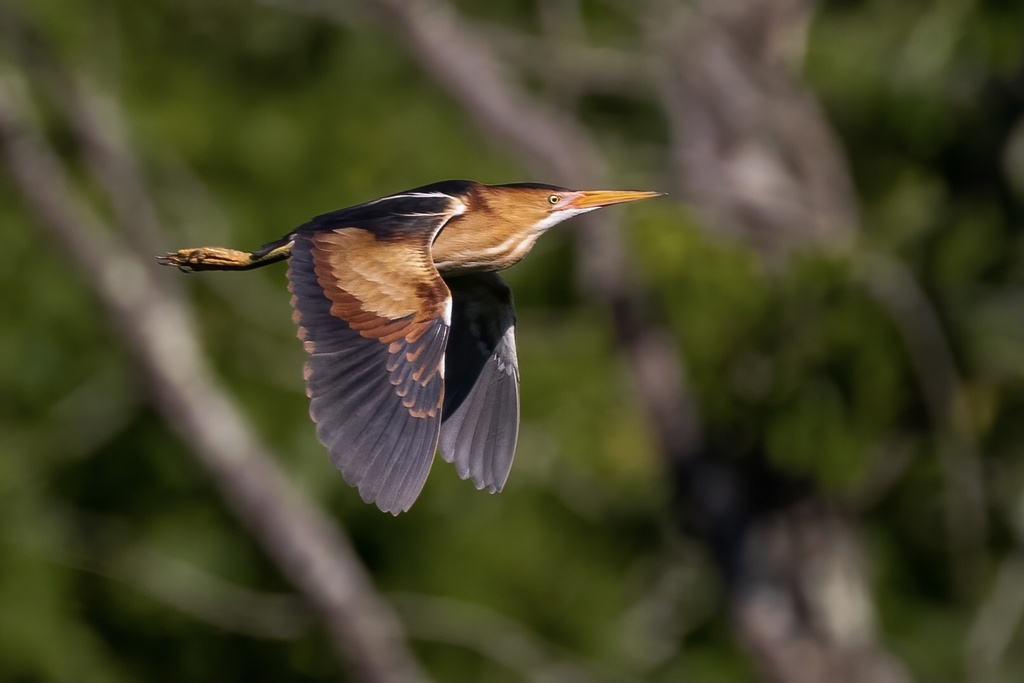
At a glance
- Group
- Birds
- Here
- Summer
- Nesting
- Nests here
- Range
- 70 of 75 counties
- Habitats
- 3
- Habitat models
- Summer, Winter
Where it lives
The places its habitat model includes. It is not found everywhere a habitat occurs.
Habitats in Arkansas 3
Each habitat page lists the plants and wildlife also found there.
Disturbed and introduced wetlands
Wet ground taken over by weedy or introduced plants after disturbance, such as common reed, Chinese tallow or tamarisk stands; the upland counterpart is roadsides, fields and disturbed ground.
Floodplain and bottomland forests
Forests on low ground beside rivers and streams that flood from time to time.
Still water and its edges: ponds, lakes, millponds and reservoirs.
Other habitats in its models (48)
Land cover, or classes with no habitat page in Arkansas. Those recorded in Arkansas first, the rest by region.
Elsewhere in the South (17)
- Atlantic and Gulf Coastal Plain Interdunal Wetland Summer and winter.
- Atlantic Coastal Plain Central Fresh-Oligohaline Tidal Marsh Summer and winter.
- Atlantic Coastal Plain Central Salt and Brackish Tidal Marsh Summer and winter.
- Atlantic Coastal Plain Embayed Region Tidal Freshwater Marsh Summer and winter.
- Atlantic Coastal Plain Embayed Region Tidal Salt and Brackish Marsh Summer and winter.
- Atlantic Coastal Plain Indian River Lagoon Tidal Marsh Summer and winter.
- Atlantic Coastal Plain Large Natural Lakeshore Summer and winter.
- Central Florida Herbaceous Pondshore Summer and winter.
- Central Florida Herbaceous Seep Summer and winter.
- Florida Big Bend Fresh-Oligohaline Tidal Marsh Summer and winter.
- Florida Big Bend Salt-Brackish Tidal Marsh Summer and winter.
- Floridian Highlands Freshwater Marsh Summer and winter.
- Mississippi Sound Salt and Brackish Tidal Marsh Summer and winter.
- South Florida Everglades Sawgrass Marsh Summer and winter.
- South Florida Freshwater Slough and Gator Hole Summer and winter.
- South Florida Mangrove Swamp Summer and winter.
- Southern Coastal Plain Herbaceous Seepage Bog Summer and winter.
Northeast (4)
- Atlantic Coastal Plain Northern Fresh and Oligohaline Tidal Marsh Summer and winter.
- Atlantic Coastal Plain Northern Tidal Salt Marsh Summer and winter.
- Great Lakes Freshwater Estuary and Delta Summer and winter.
- Laurentian-Acadian Freshwater Marsh Summer and winter.
Midwest (2)
- Northern Great Lakes Coastal Marsh Summer and winter.
- Western Great Plains Open Freshwater Depression Wetland Summer and winter.
West (10)
- Mediterranean California Serpentine Fen Summer and winter.
- Mediterranean California Subalpine-Montane Fen Summer and winter.
- North American Arid West Emergent Marsh Summer and winter.
- North American Warm Desert Lower Montane Riparian Woodland and Shrubland Summer and winter.
- North Pacific Hypermaritime Shrub and Herbaceous Headland Summer and winter, only within 500 m of water.
- North Pacific Intertidal Freshwater Wetland Summer and winter.
- North Pacific Shrub Swamp Summer and winter.
- Rocky Mountain Subalpine-Montane Fen Summer and winter.
- Temperate Pacific Freshwater Emergent Marsh Summer and winter.
- Temperate Pacific Tidal Salt and Brackish Marsh Summer and winter.
Land cover and other classes (15)
- Acadian Salt Marsh and Estuary Systems Summer and winter.
- Atlantic Coastal Plain Clay-Based Carolina Bay Herbaceous Wetland Summer and winter.
- Atlantic Coastal Plain Depression Pondshore Summer and winter.
- Central Interior and Appalachian Shrub-Herbaceous Wetland Systems Summer and winter.
- East Gulf Coastal Plain Large River Floodplain Forest - Herbaceous Modifier Summer and winter.
- East Gulf Coastal Plain Southern Depression Pondshore Summer and winter.
- Great Lakes Coastal Marsh Systems Summer and winter.
- Gulf and Atlantic Coastal Plain Tidal Marsh Systems Summer and winter.
- Laurentian-Acadian Shrub-Herbaceous Wetland Systems Summer and winter.
- Laurentian-Acadian Swamp Systems Summer and winter.
- Open Water (Aquaculture) Summer and winter.
- Open Water (Brackish/Salt) Summer and winter.
- South-Central Interior Large Floodplain - Herbaceous Modifier Summer and winter.
- Southern Coastal Plain Nonriverine Basin Swamp - Okefenokee Nupea Modifier Summer and winter.
- Western Great Plains Depressional Wetland Systems Summer and winter.
Seasons in Arkansas
- Summer: nests here, in 70 of 75 counties.
Also found in its main habitats
Its main habitats in Arkansas, by how much of its habitat model each one is, with the birds most characteristic of each and the plants that grow wild there. Shared habitat, not food.
Disturbed and introduced wetlands
Birds 121
- Nelson's Sharp-tailed SparrowAmmodramus nelsoni
- Northern WaterthrushSeiurus noveboracensis
- Black TernChlidonias niger
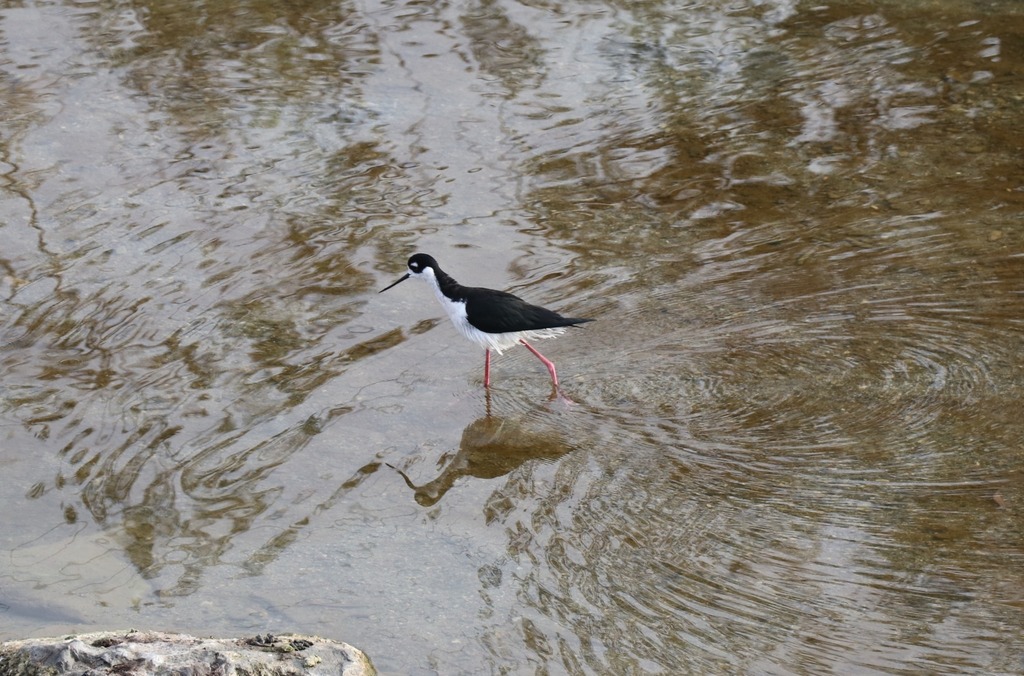
- Black-necked StiltHimantopus mexicanus
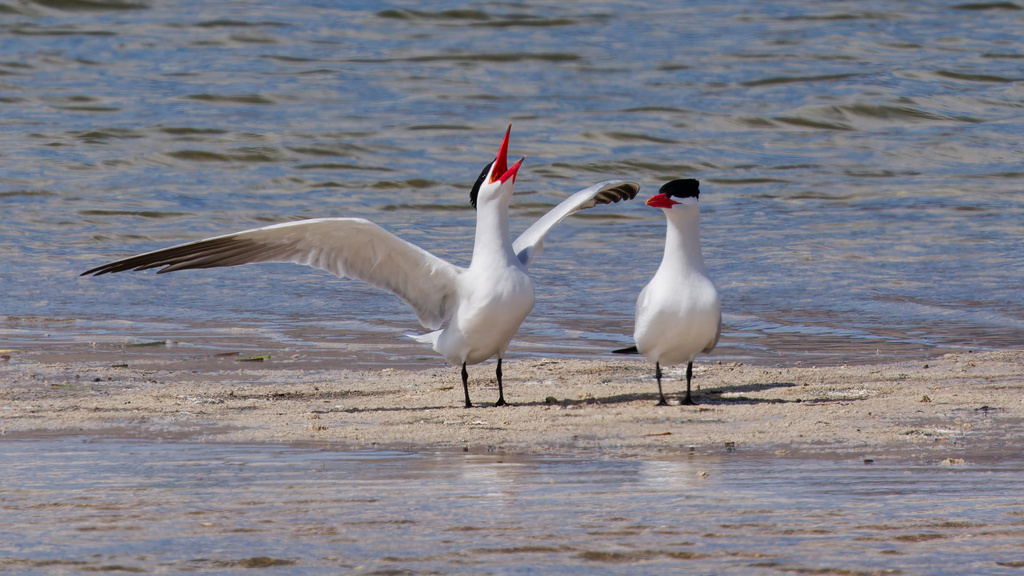
- Caspian TernHydroprogne caspia
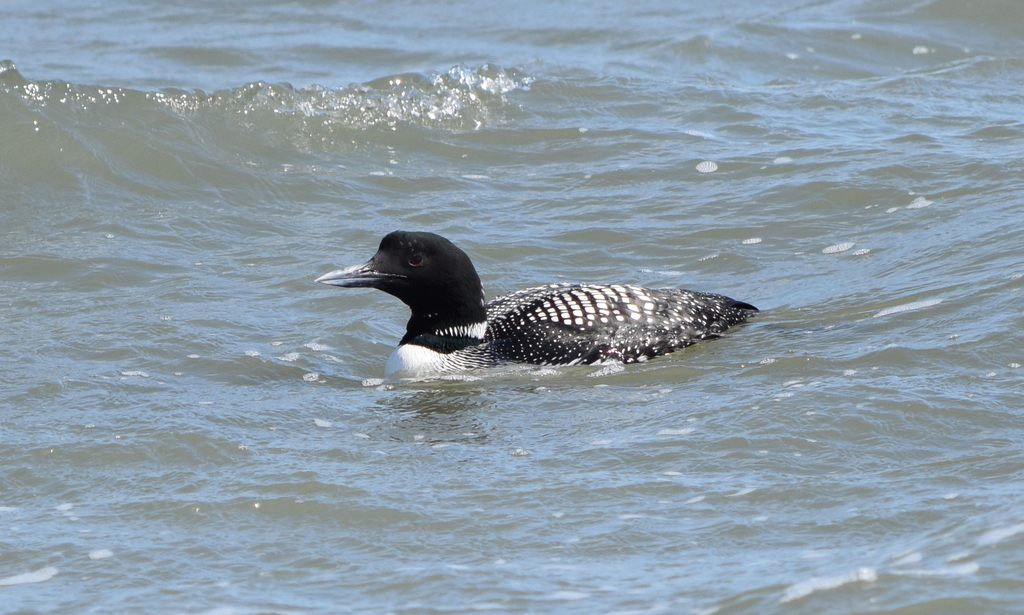
- Common LoonGavia immer
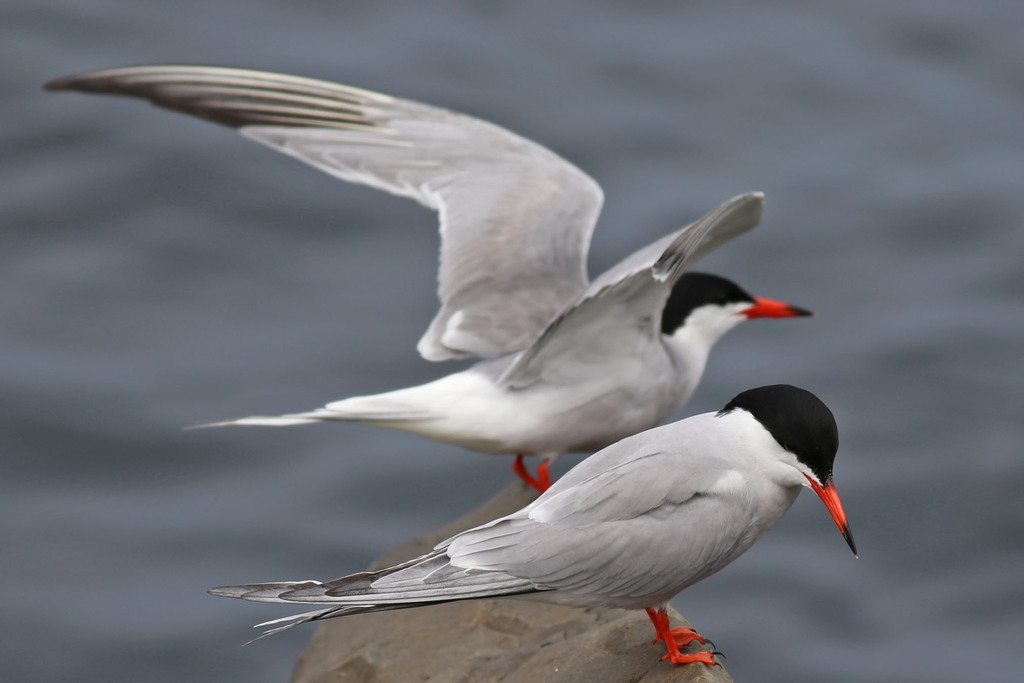
- Common TernSterna hirundo
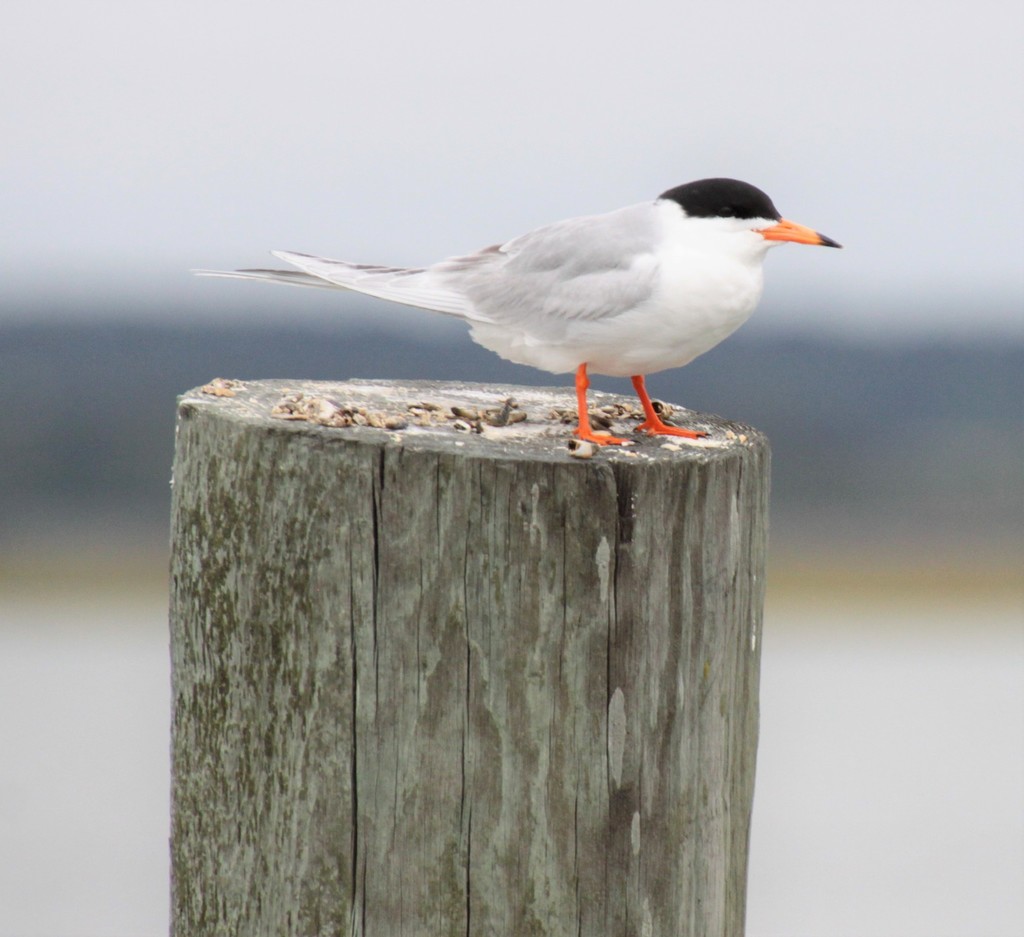
- Forster's TernSterna forsteri
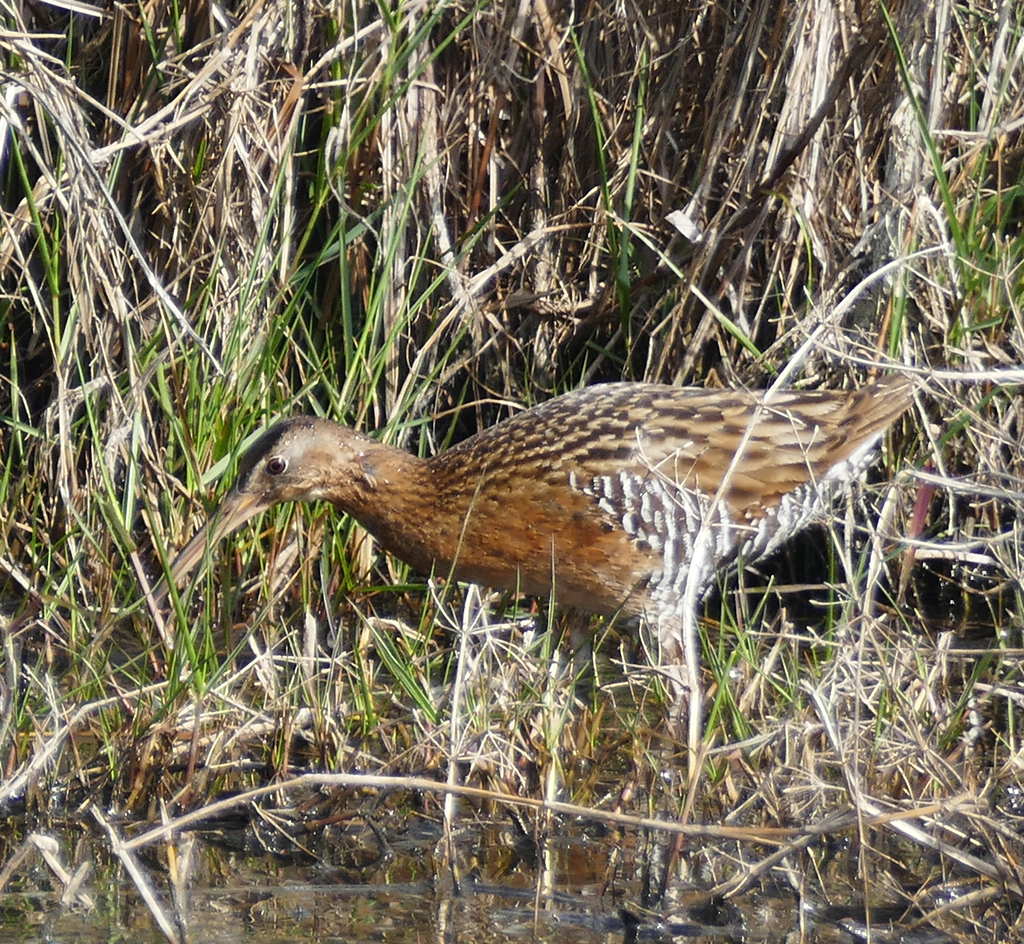
- King RailRallus elegans
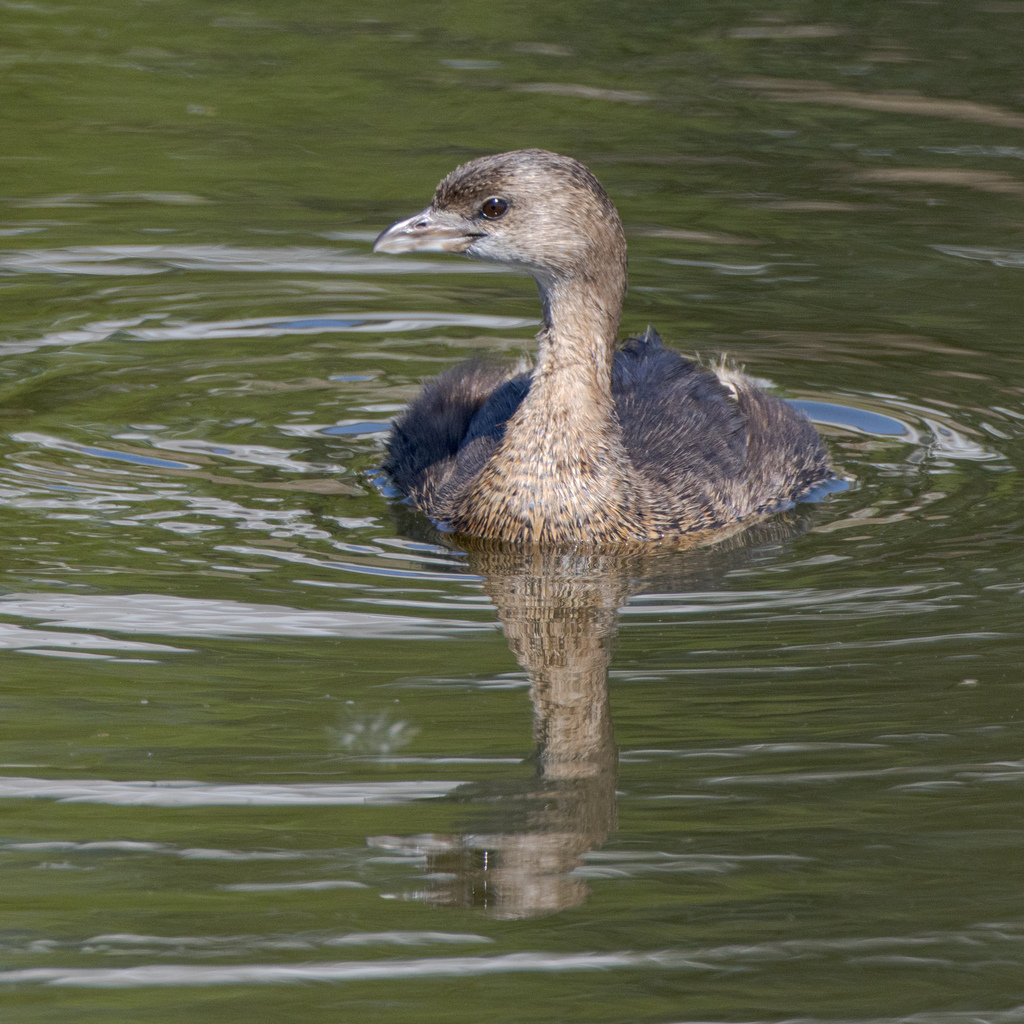
- Pied-billed GrebePodilymbus podiceps
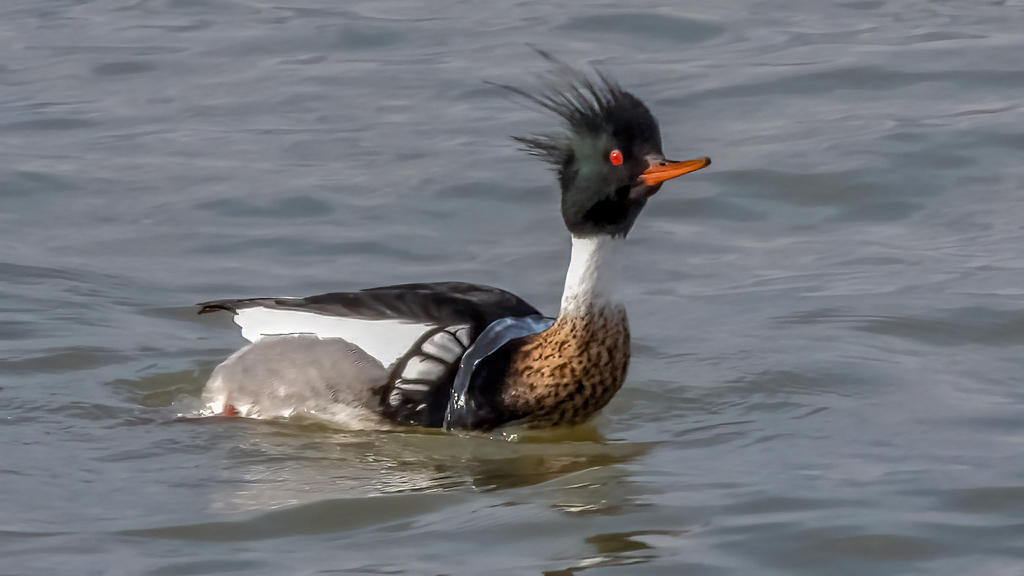
- Red-breasted MerganserMergus serrator
- Western SandpiperCalidris mauri
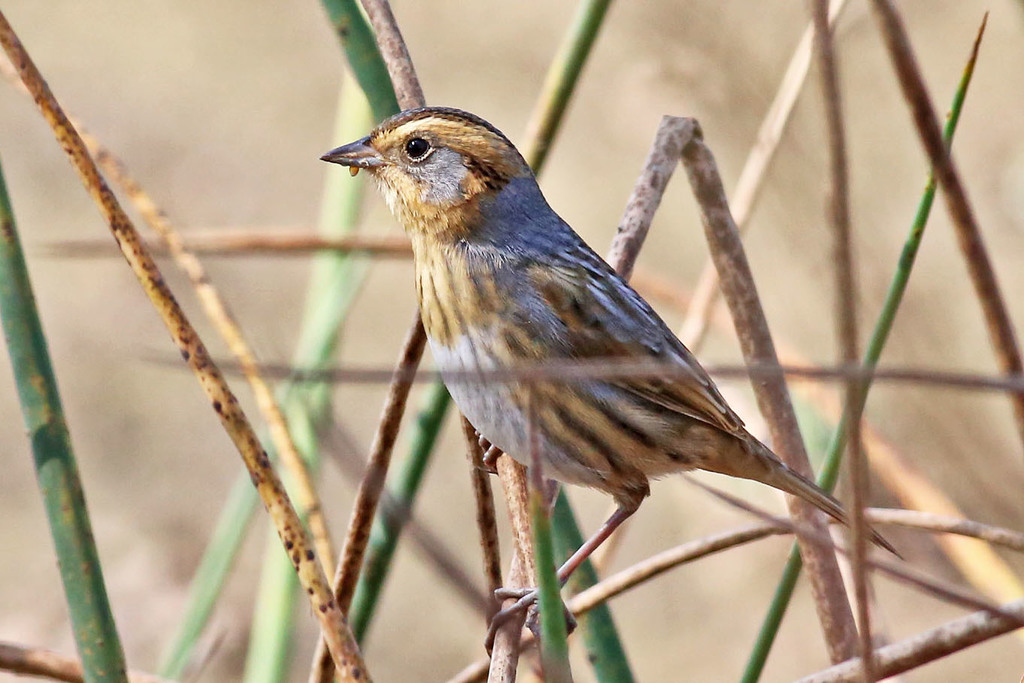
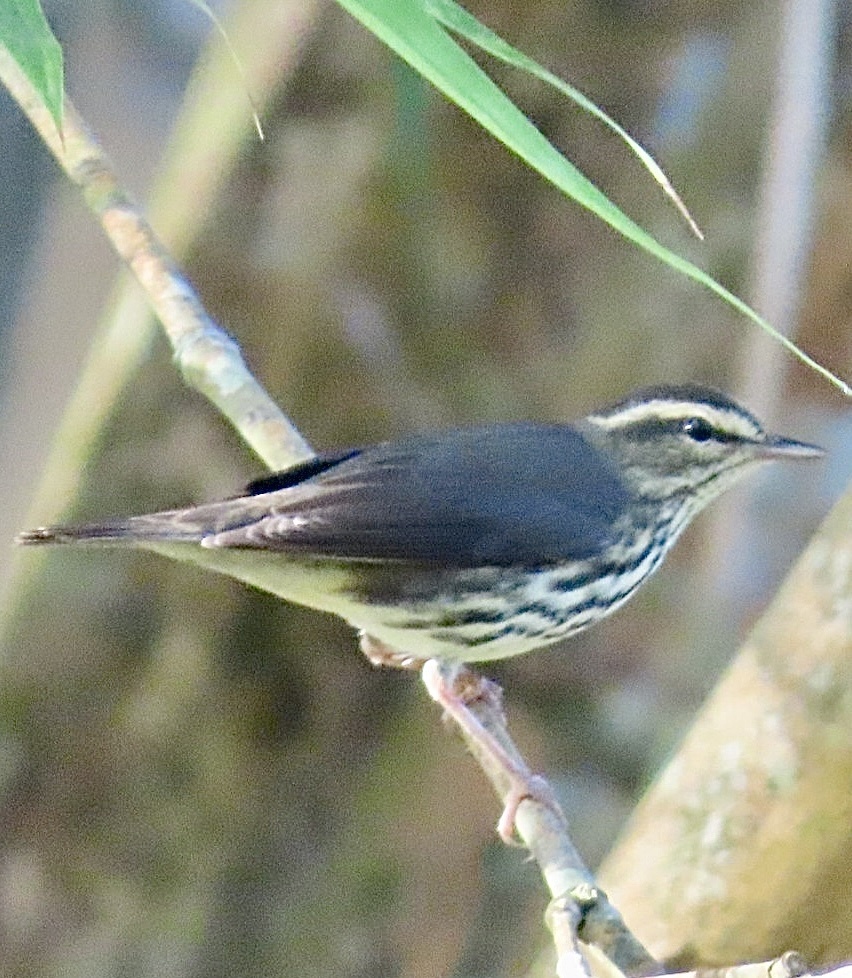
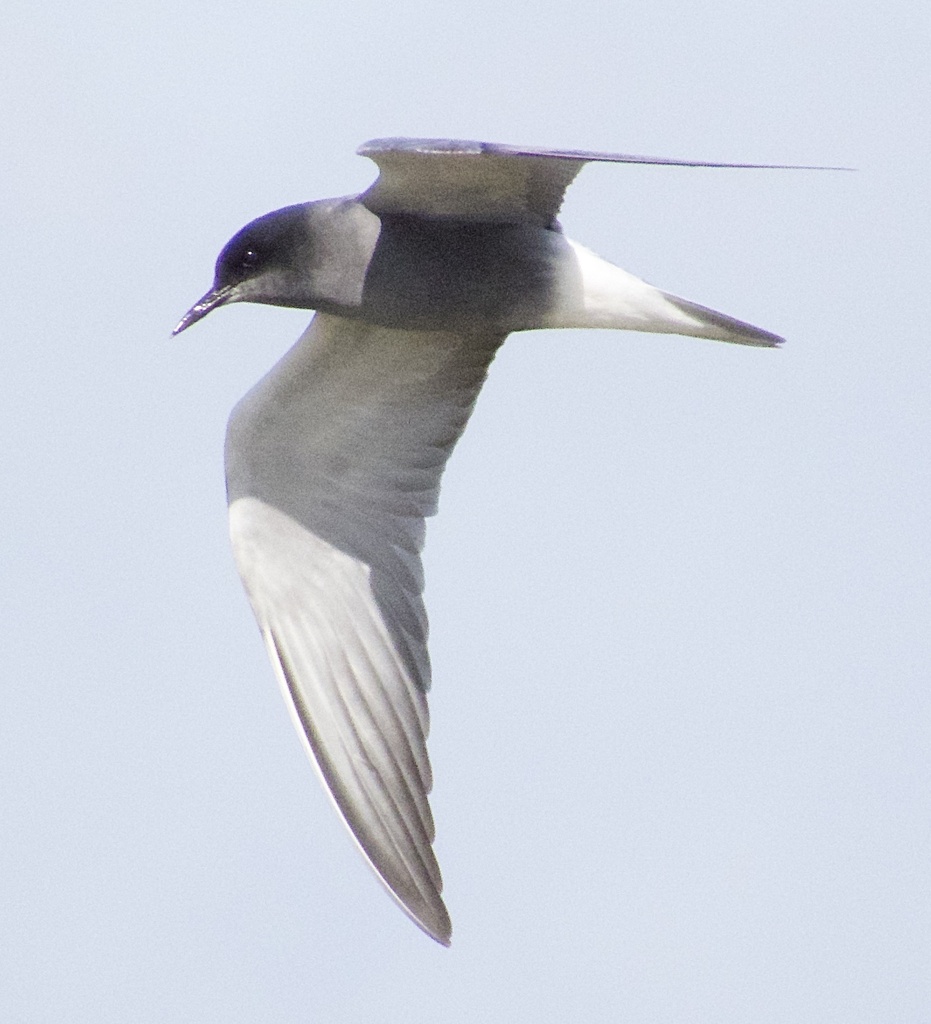
Plants 17
- Slender FimbryFimbristylis autumnalis
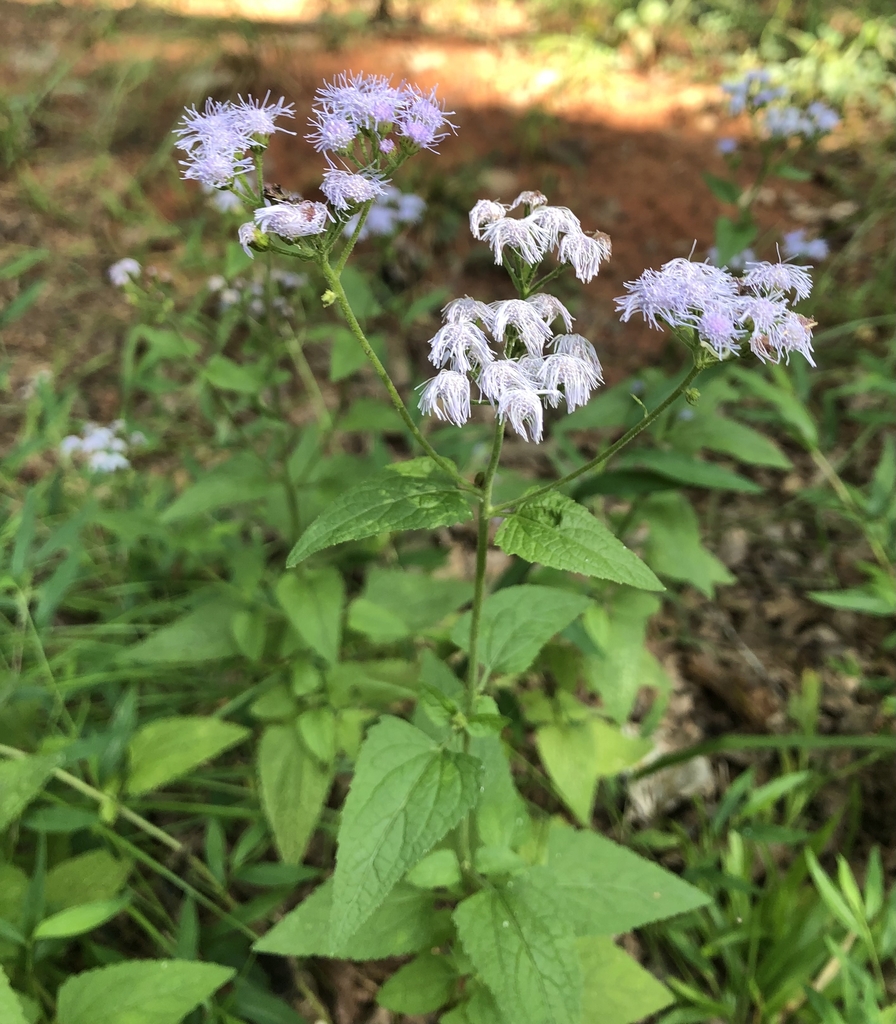
- Blue MistflowerConoclinium coelestinum
- BagpodGlottidium vesicarium
- Oklahoma SedgeCarex oklahomensis
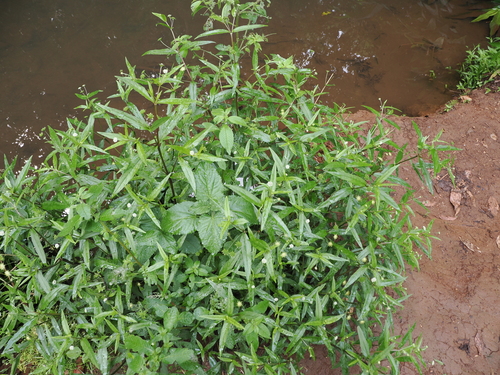
- False DaisyEclipta prostrata
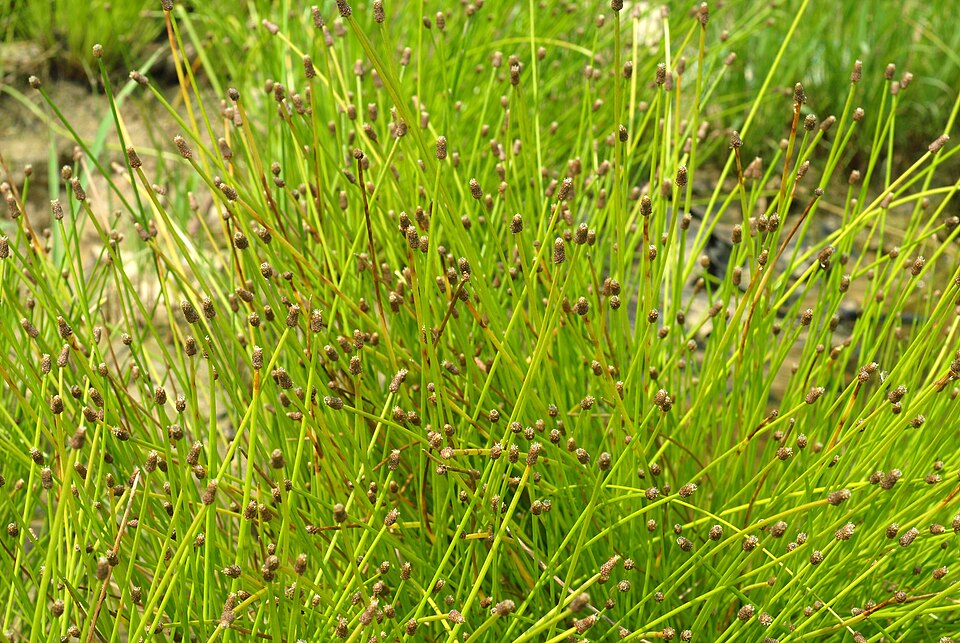
- Blunt Spike RushEleocharis obtusa
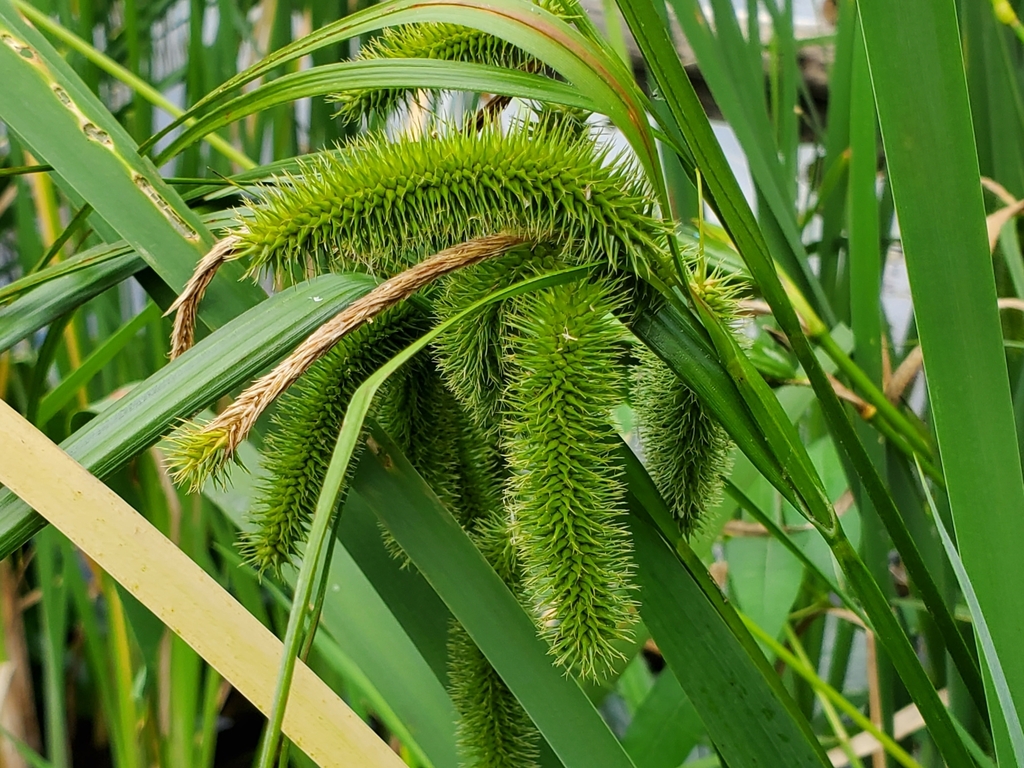
- Bristly SedgeCarex comosa
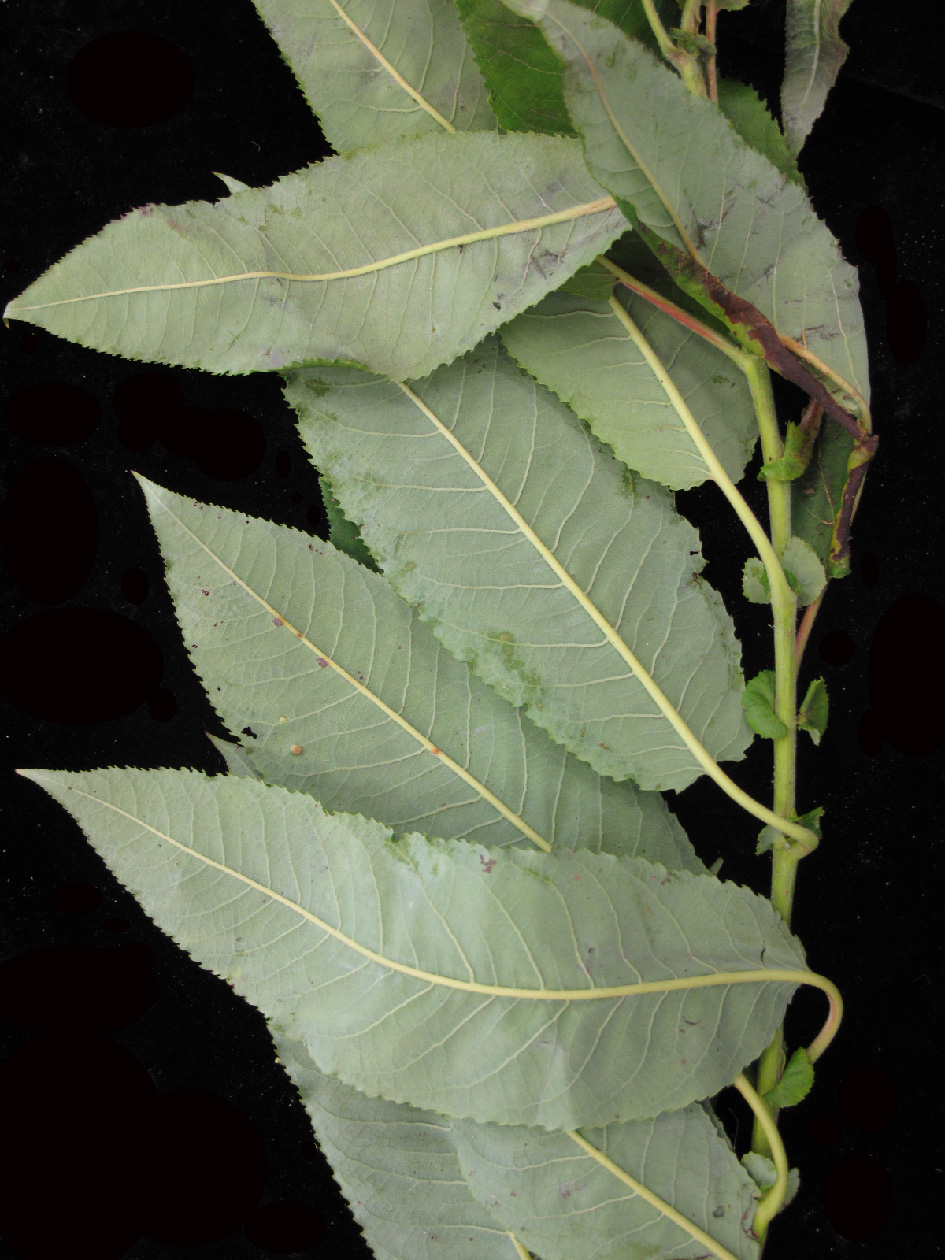
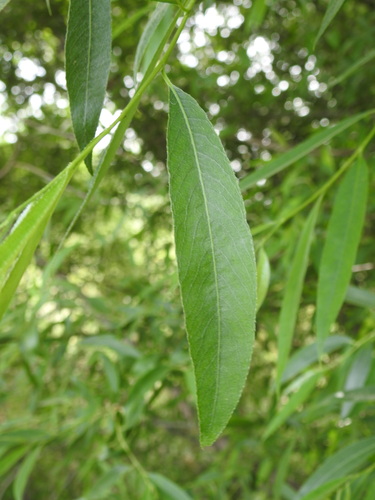
- Heart Leaf WillowSalix eriocephala
- Southern Marsh YellowcressRorippa teres
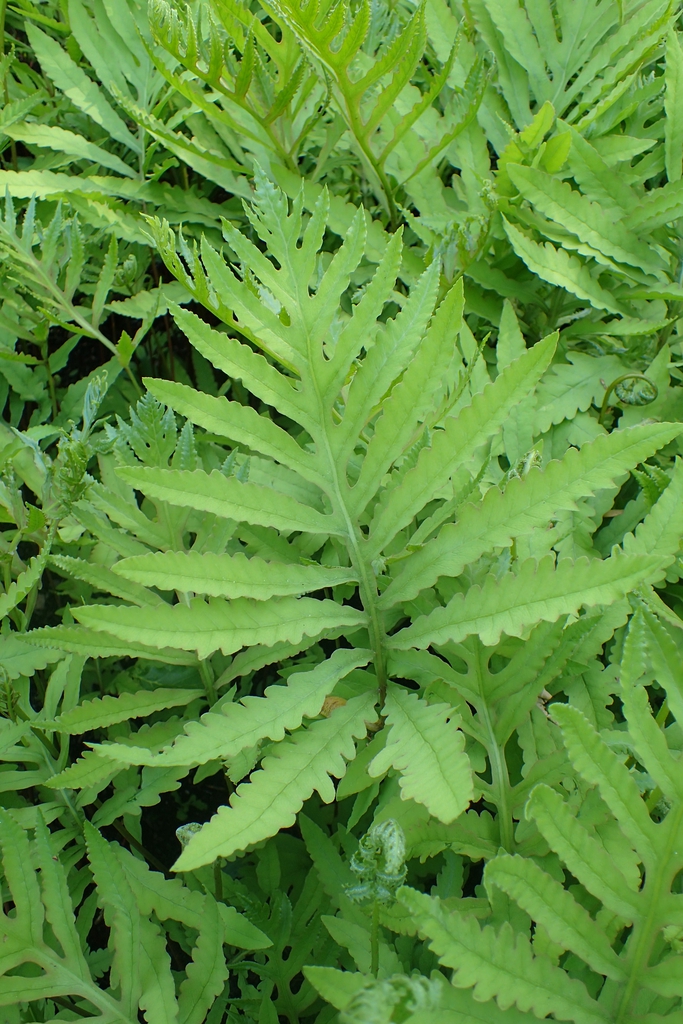
- Sensitive FernOnoclea sensibilis
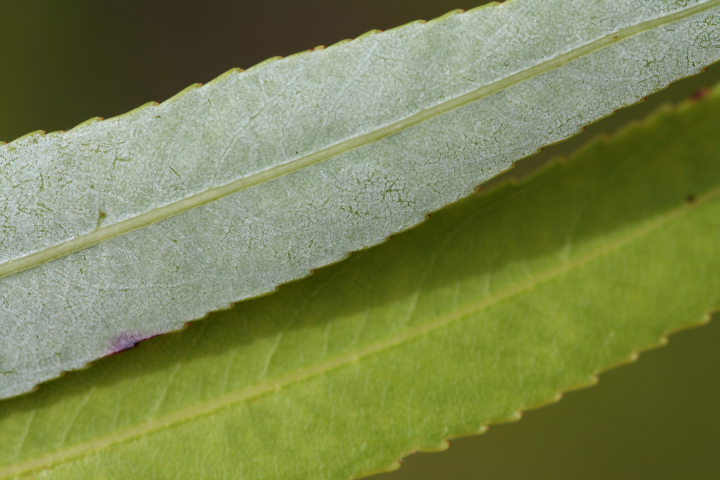
- White WillowSalix alba
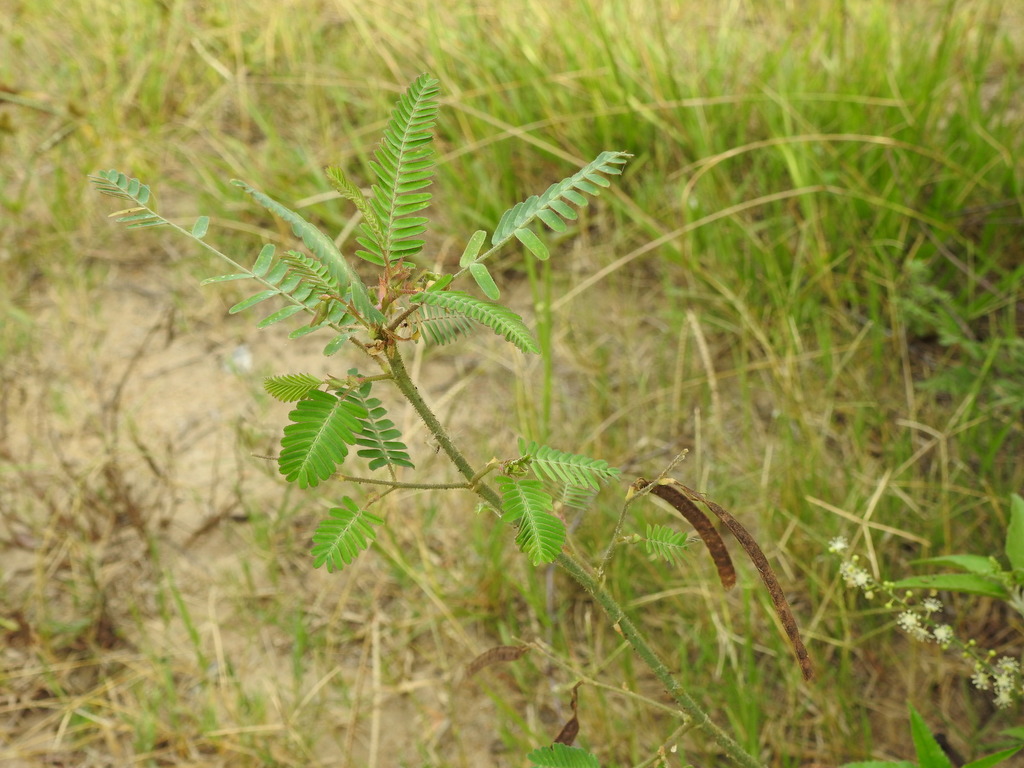
- Zigzag JointvetchAeschynomene rudis
Floodplain and bottomland forests
Birds 97
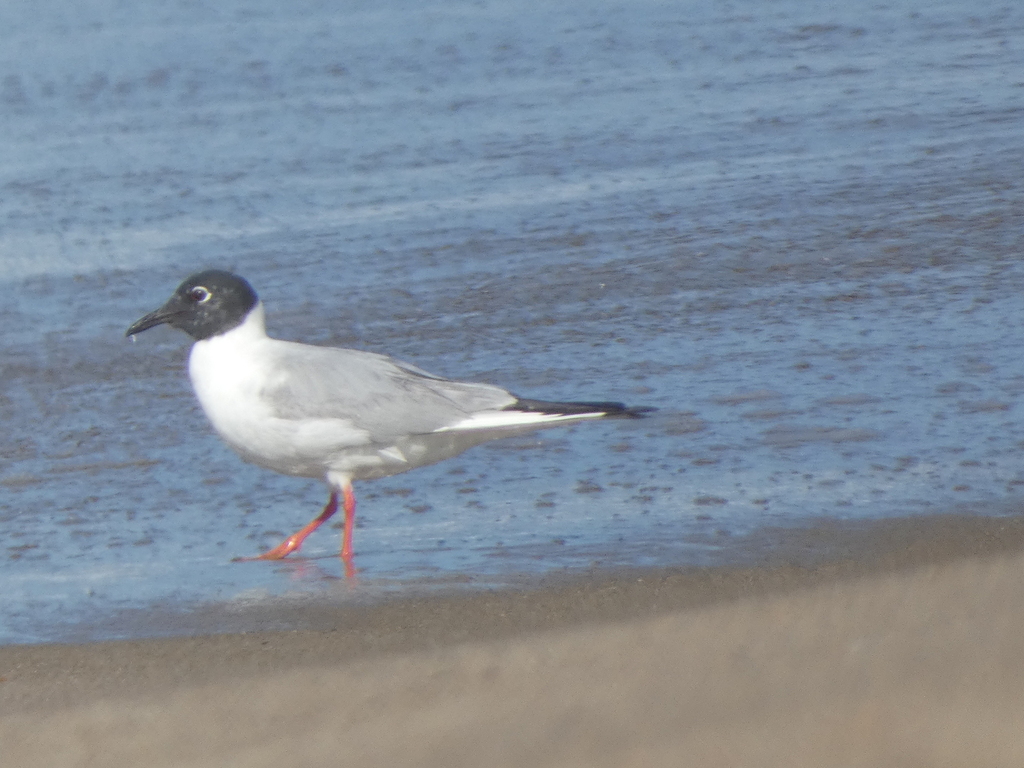
- Bonaparte's GullChroicocephalus philadelphia
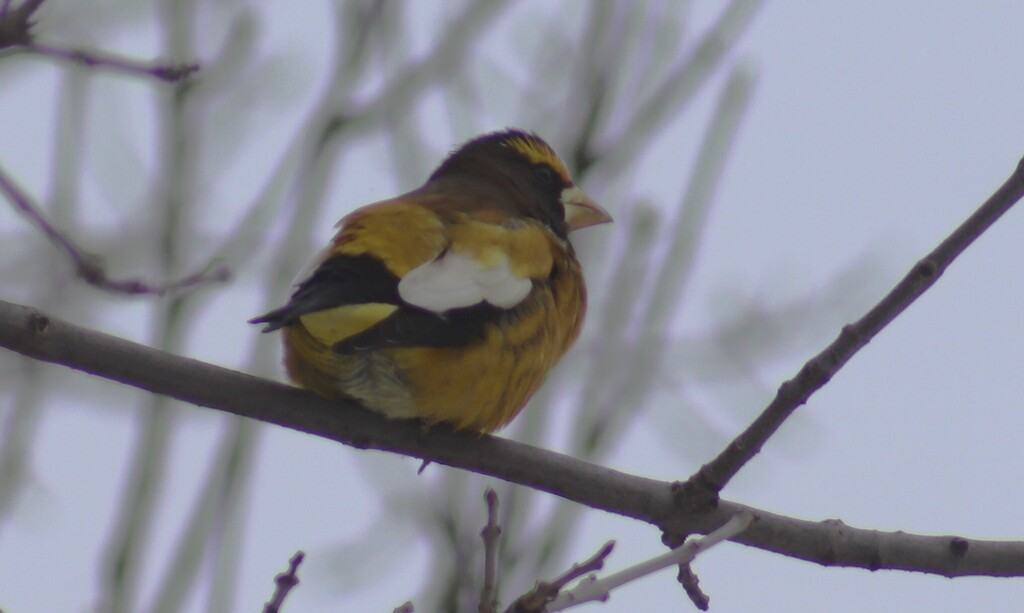
- Evening GrosbeakCoccothraustes vespertinus
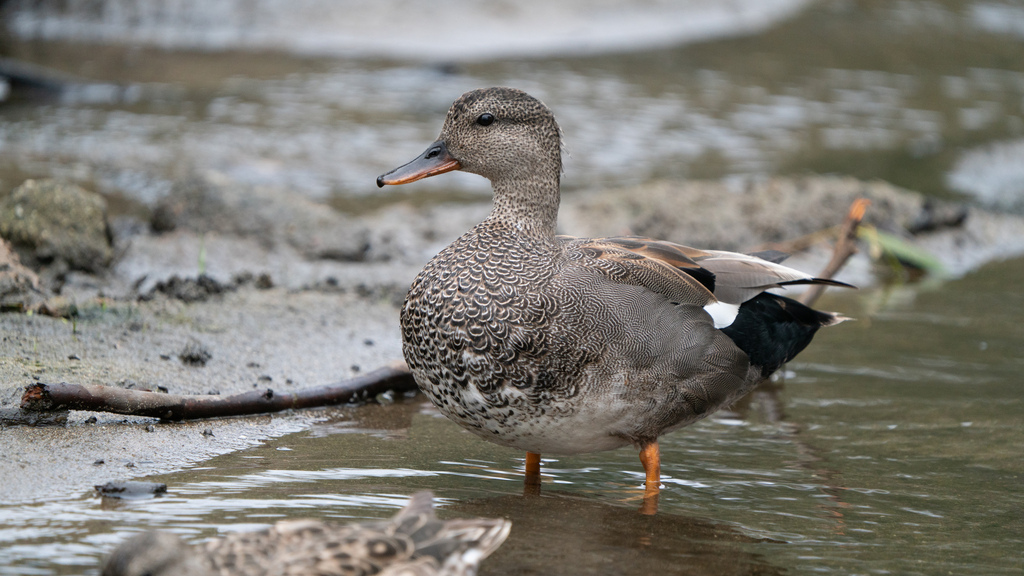
- GadwallAnas strepera
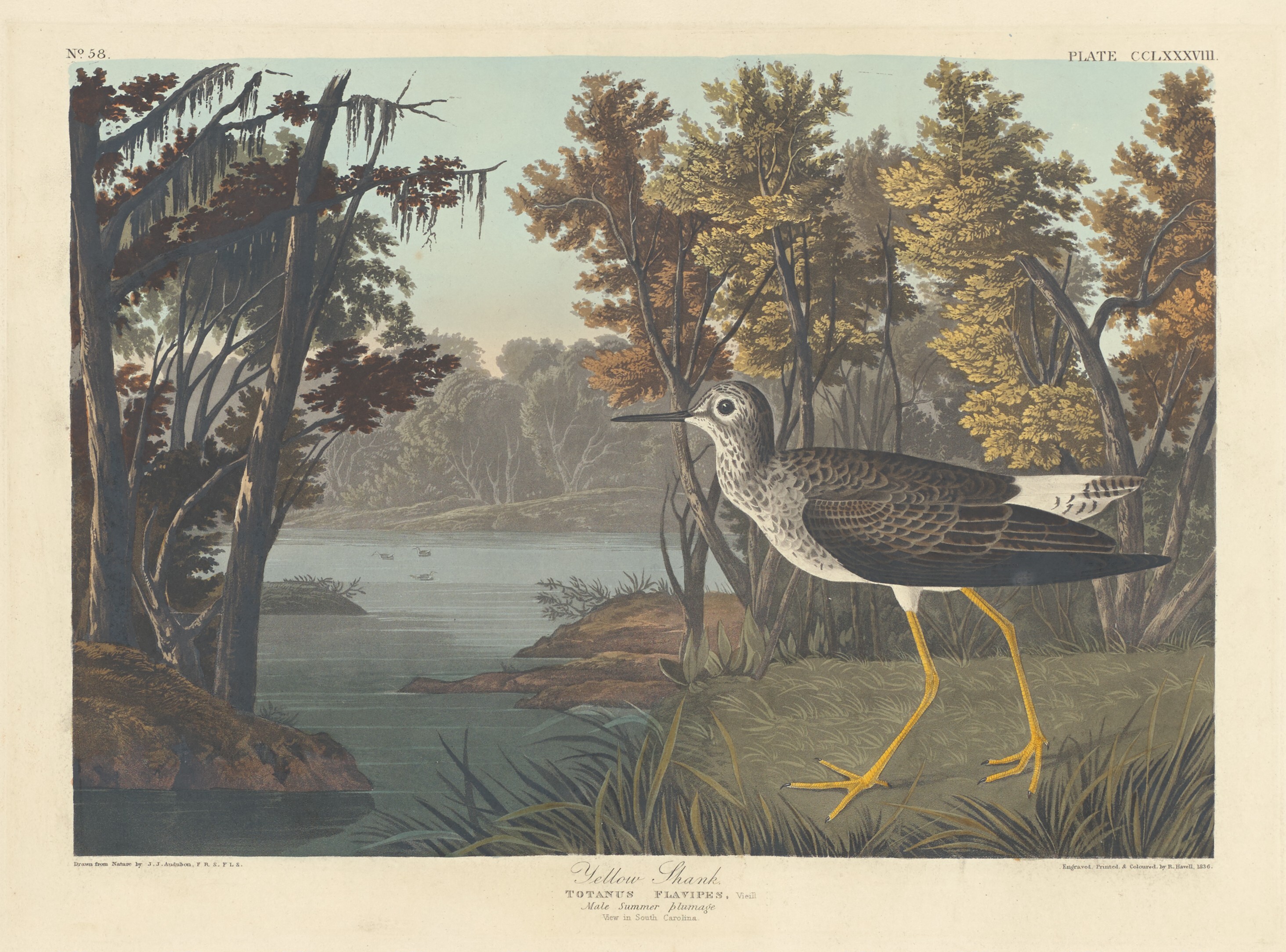
- Lesser YellowlegsTringa flavipes
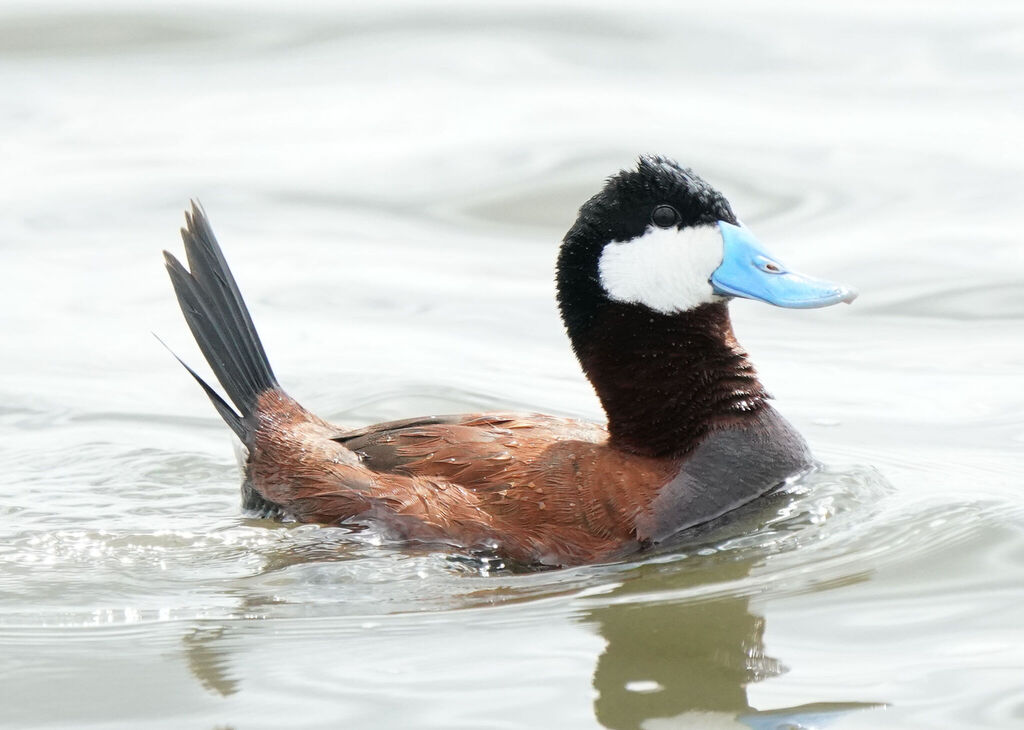
- Ruddy DuckOxyura jamaicensis
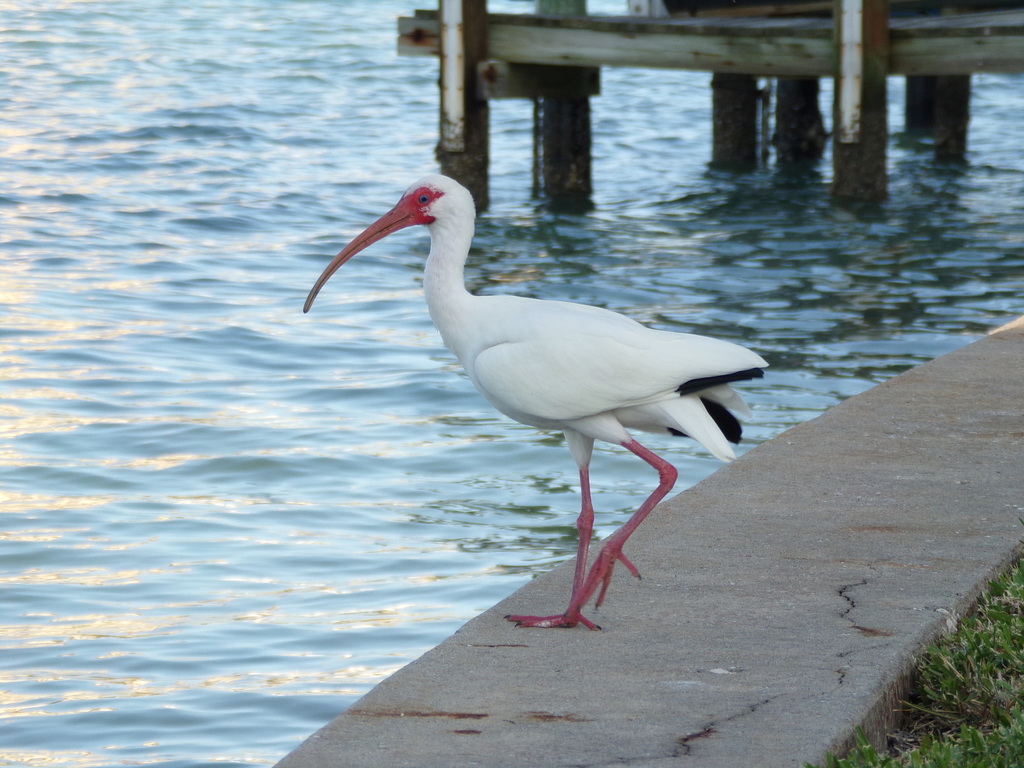
- White IbisEudocimus albus
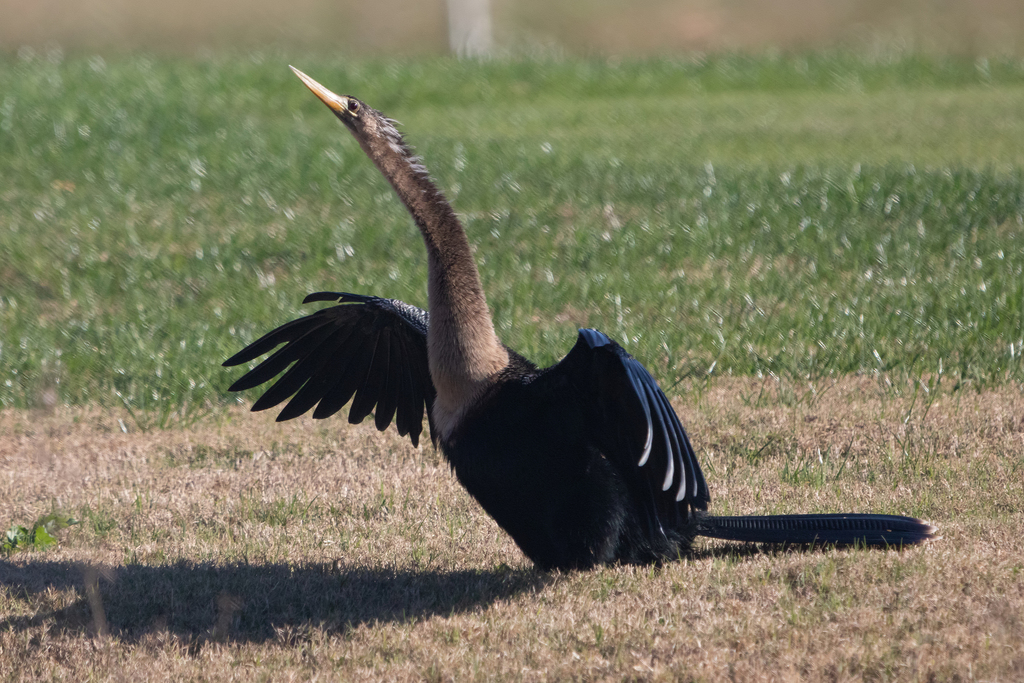
- AnhingaAnhinga anhinga
- Lesser ScaupAythya affinis
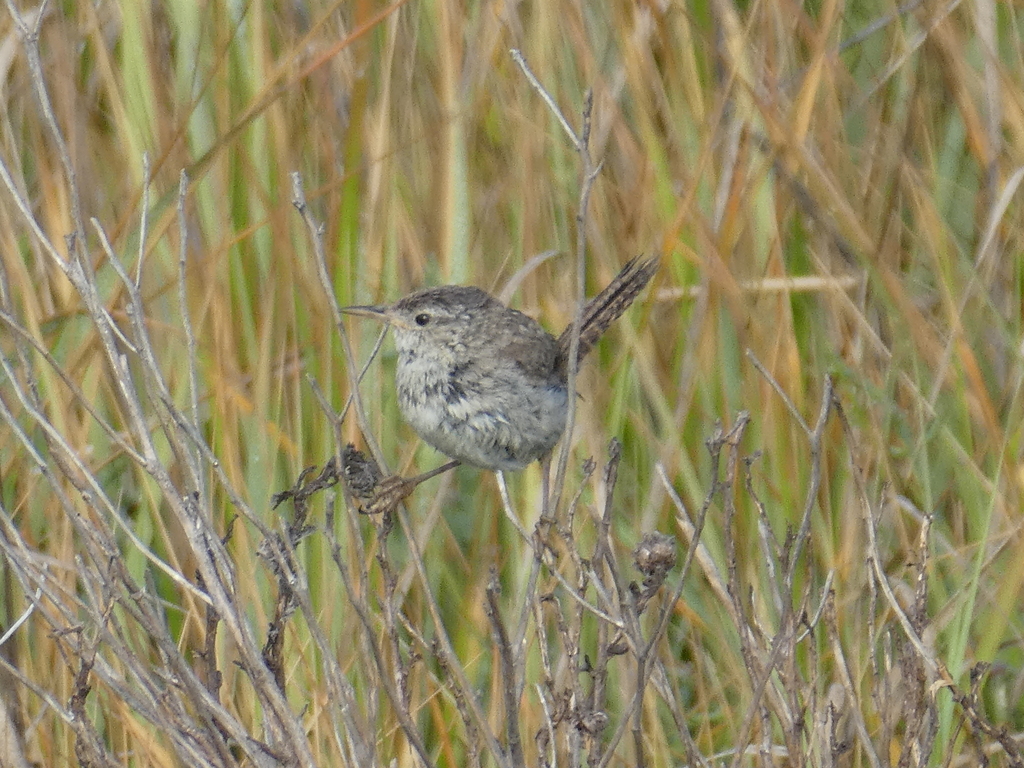
- Marsh WrenCistothorus palustris
- Neotropic CormorantPhalacrocorax brasilianus
- Northern ParulaParula americana
- Purple GallinulePorphyrio martinica

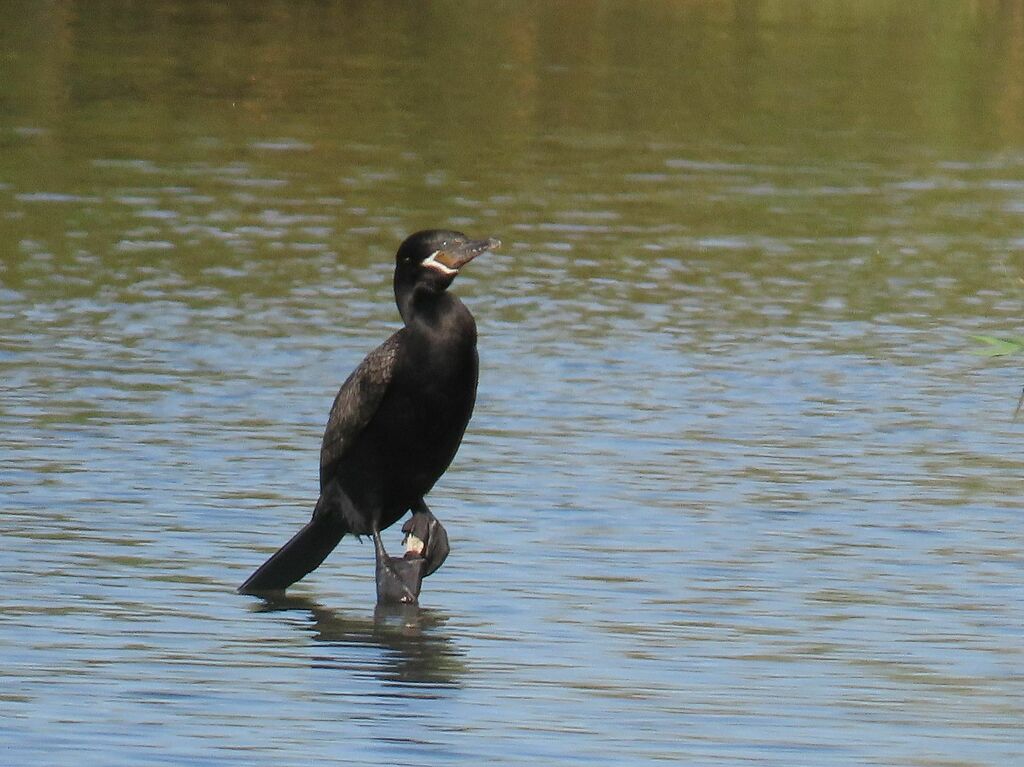

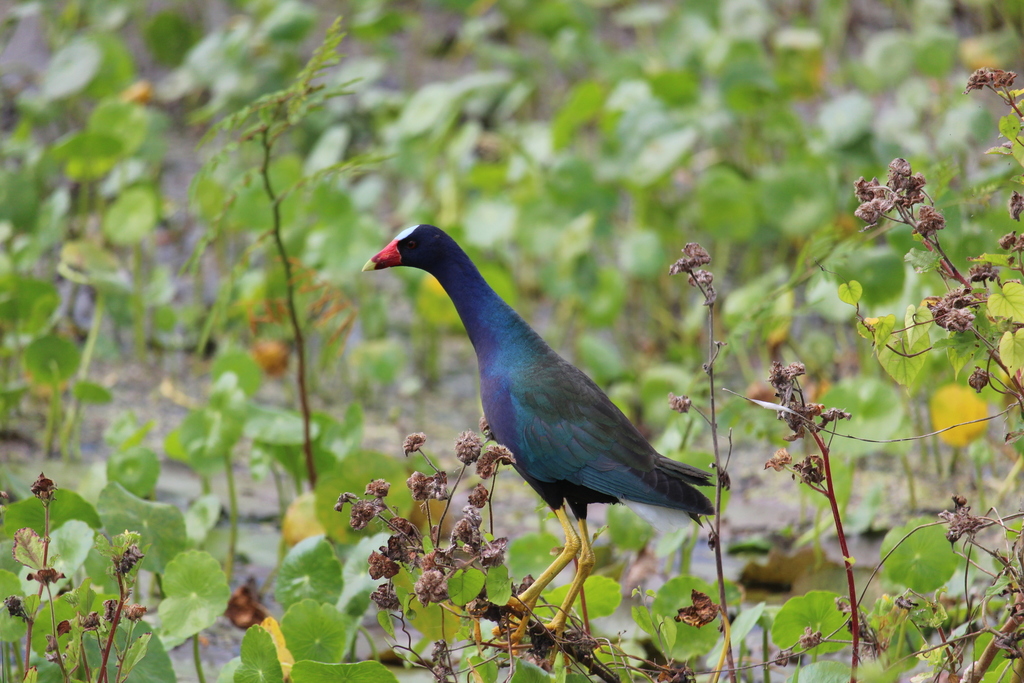
Plants 313
- Elliott's BlueberryVaccinium elliottii
- Possumhaw HollyIlex decidua
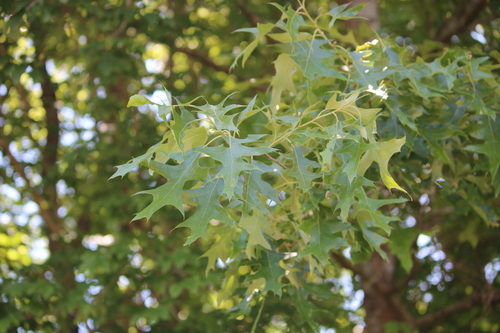
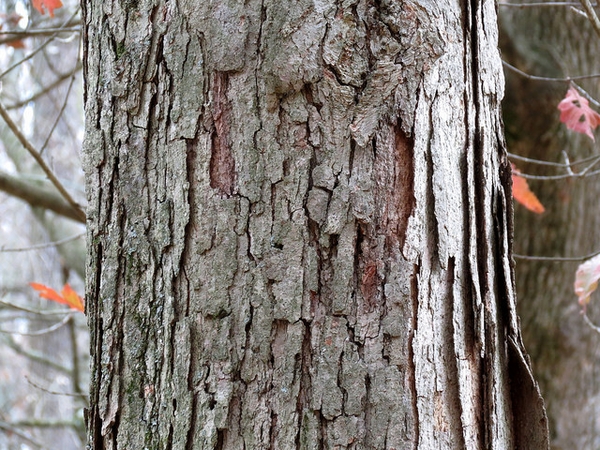
- Cherrybark OakQuercus pagoda
- Swamp Chestnut OakQuercus michauxii
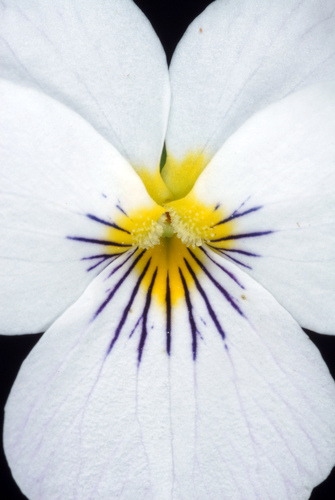
- Canada VioletViola canadensis
- Appalachian Orange ConeflowerRudbeckia fulgida var. umbrosa
- Shagbark HickoryCarya ovata
- Camphor PlucheaPluchea camphorata
- PondberryLindera melissifolia
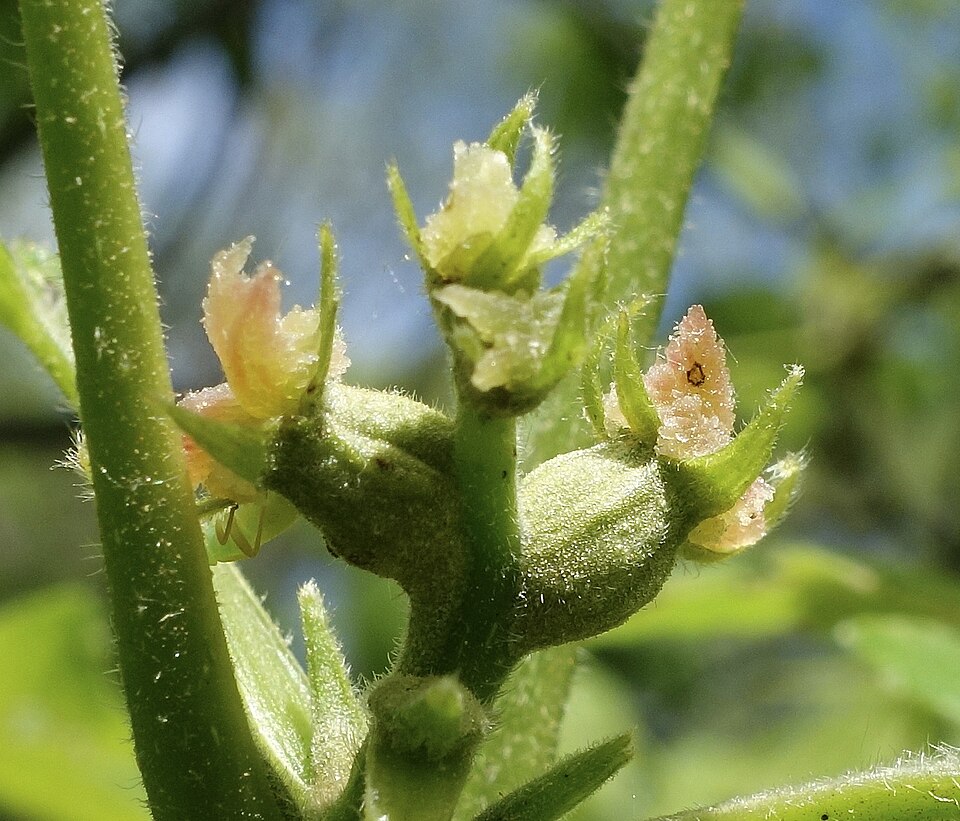
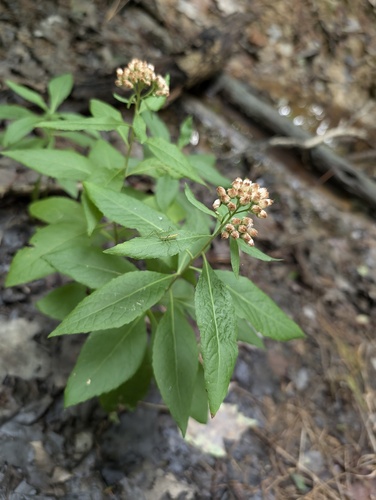
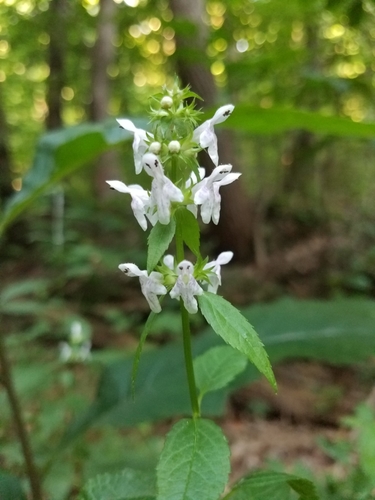
- Smooth Hedge-nettleStachys tenuifolia
- Wolf's BluegrassPoa wolfii
- Spreading SedgeCarex laxiculmis
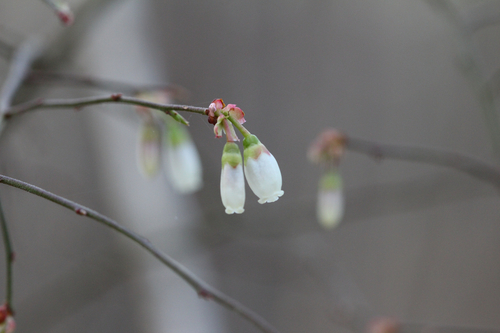
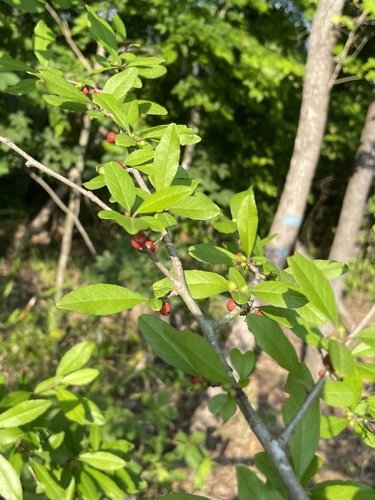
Ponds, lakes and their shores
Birds 66
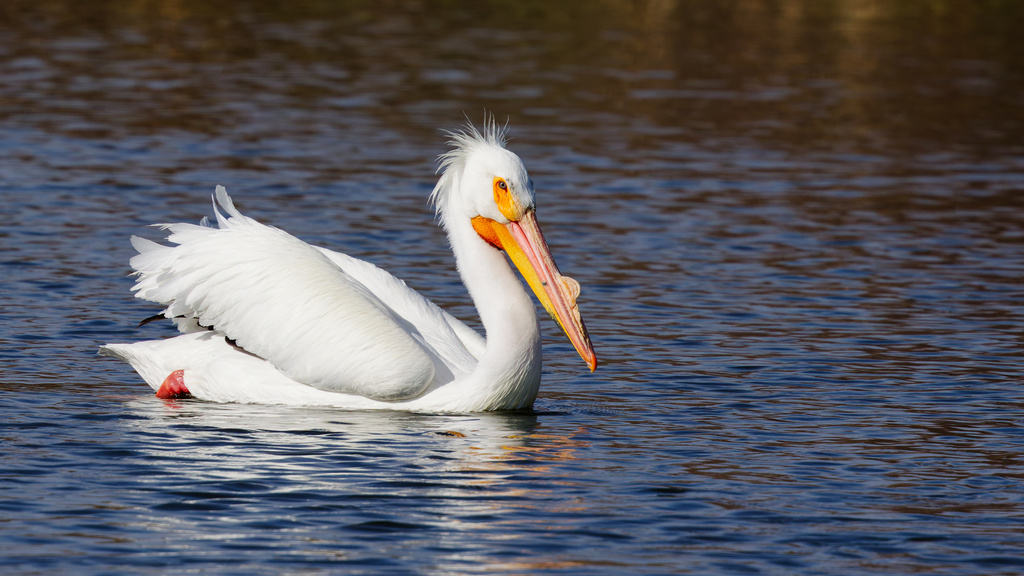
- American White PelicanPelecanus erythrorhynchos
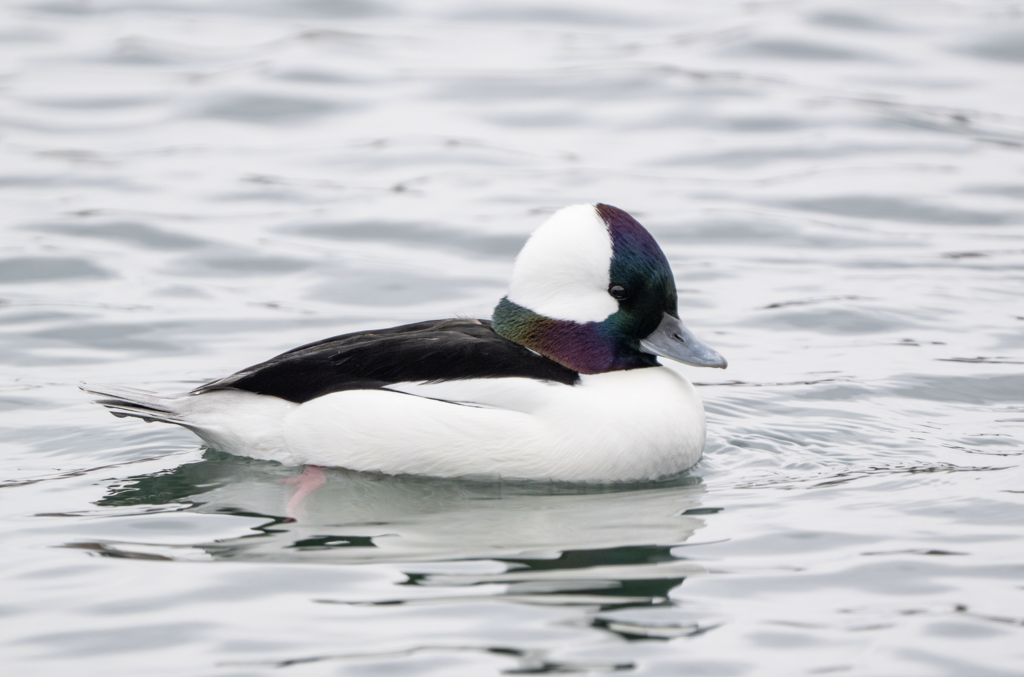
- BuffleheadBucephala albeola
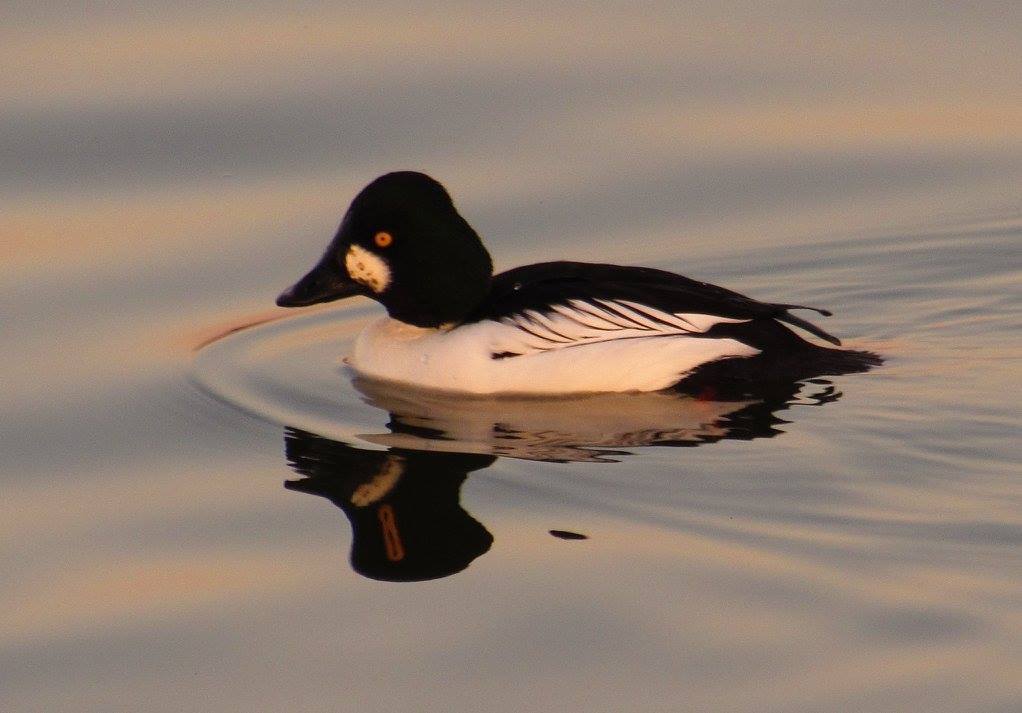
- Common GoldeneyeBucephala clangula
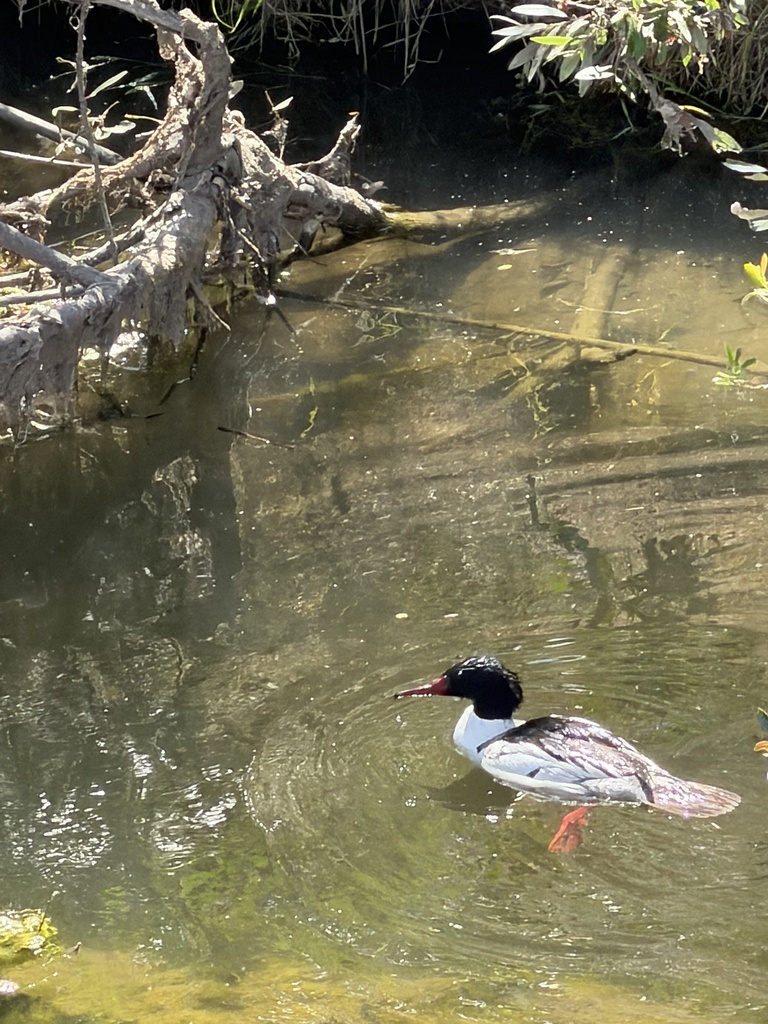
- Common MerganserMergus merganser
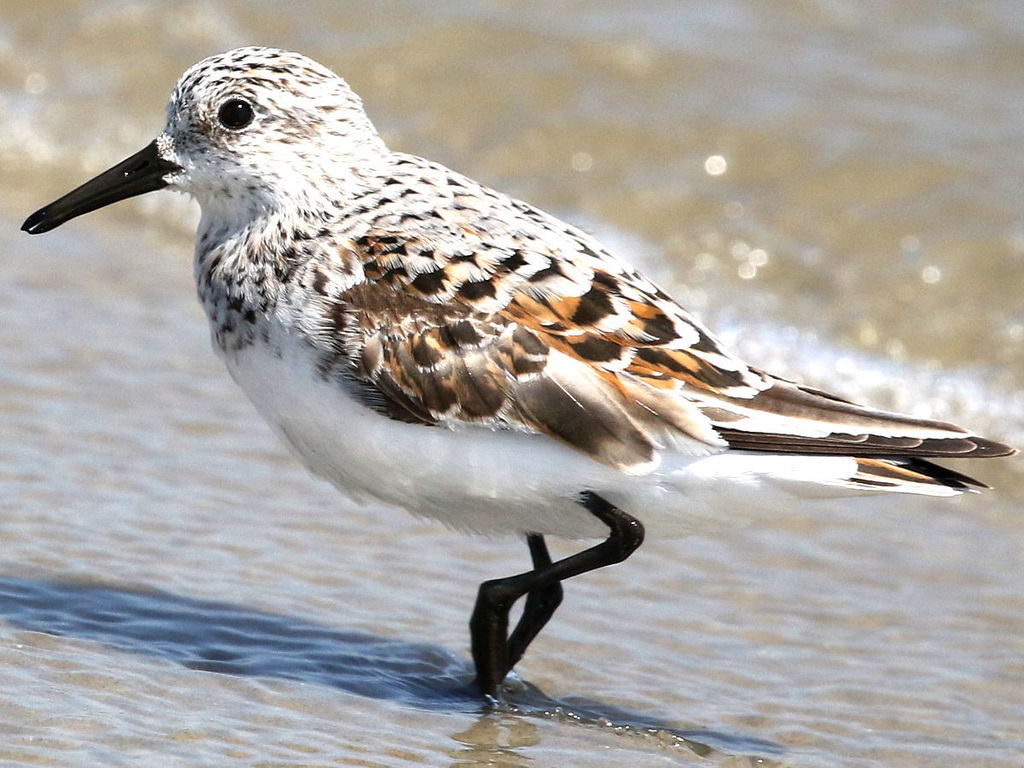
- SanderlingCalidris alba
- Black TernChlidonias niger
- Black-necked StiltHimantopus mexicanus
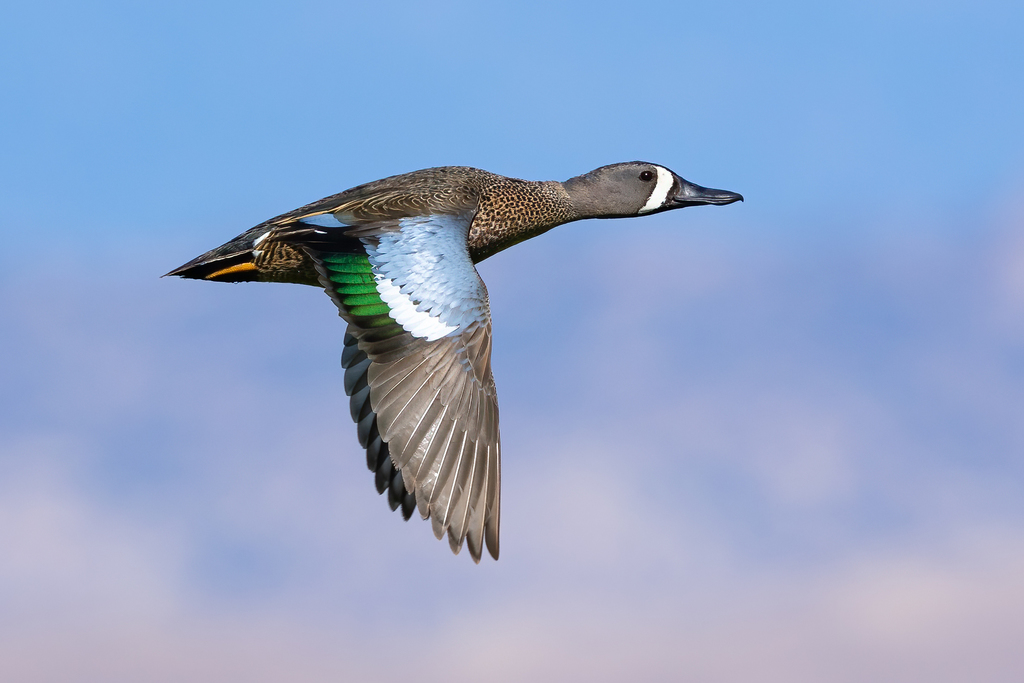
- Blue-winged TealAnas discors
- Caspian TernHydroprogne caspia
- Common LoonGavia immer
- Common TernSterna hirundo
- Forster's TernSterna forsteri
Plants 143
- Mudbank CrowngrassPaspalum dissectum
- Longbeak BeaksedgeRhynchospora scirpoides
- Sago PondweedStuckenia pectinata
- Water DawnflowerStylisma aquatica
- Common BladderwortUtricularia macrorhiza
- Horned PondweedZannichellia palustris
- Coastal Plain WillowSalix caroliniana
- Water TupeloNyssa aquatica
- Southern Marsh St. John's-wortTriadenum tubulosum
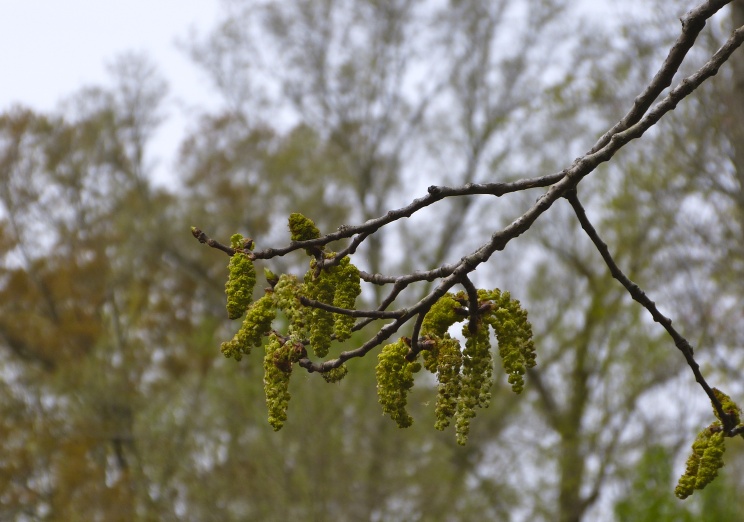
- Swamp CottonwoodPopulus heterophylla
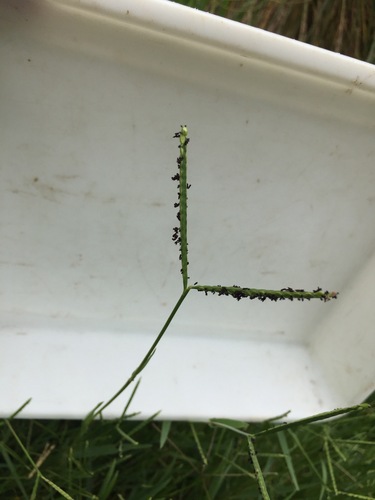
- KnotgrassPaspalum distichum
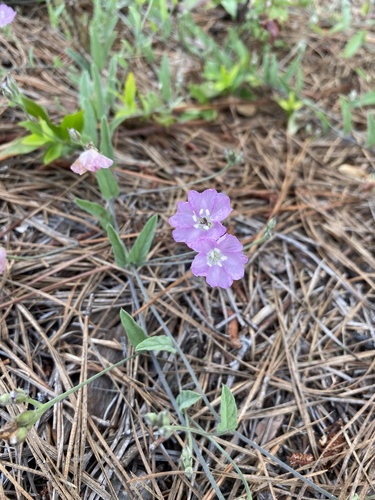
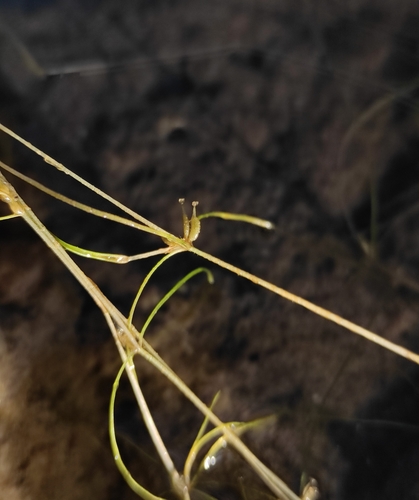
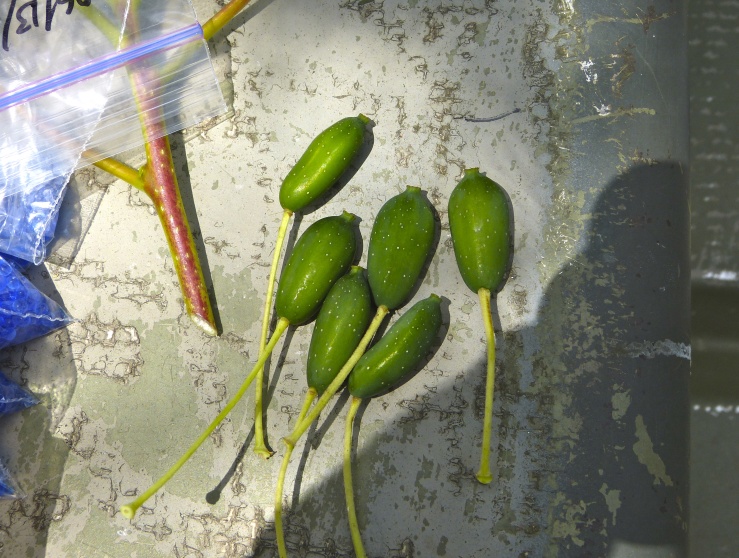
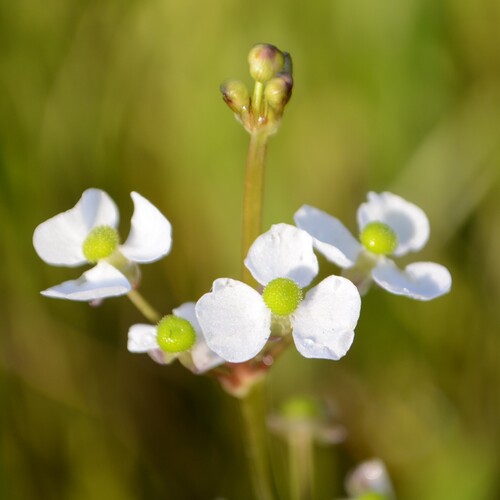
- Grassy ArrowheadSagittaria graminea
Sources
- USGS Gap Analysis Project habitat models (2001)
- USGS GAP winter habitat model for Least Bittern
- USGS Gap Analysis Project range maps (2001), modeled by watershed; migratory gives no dates
- NatureServe Explorer (CC BY 4.0), habitat names
- US Census TIGER/Line counties
- Names follow the USGS Gap Analysis Project (2001)