

Bird
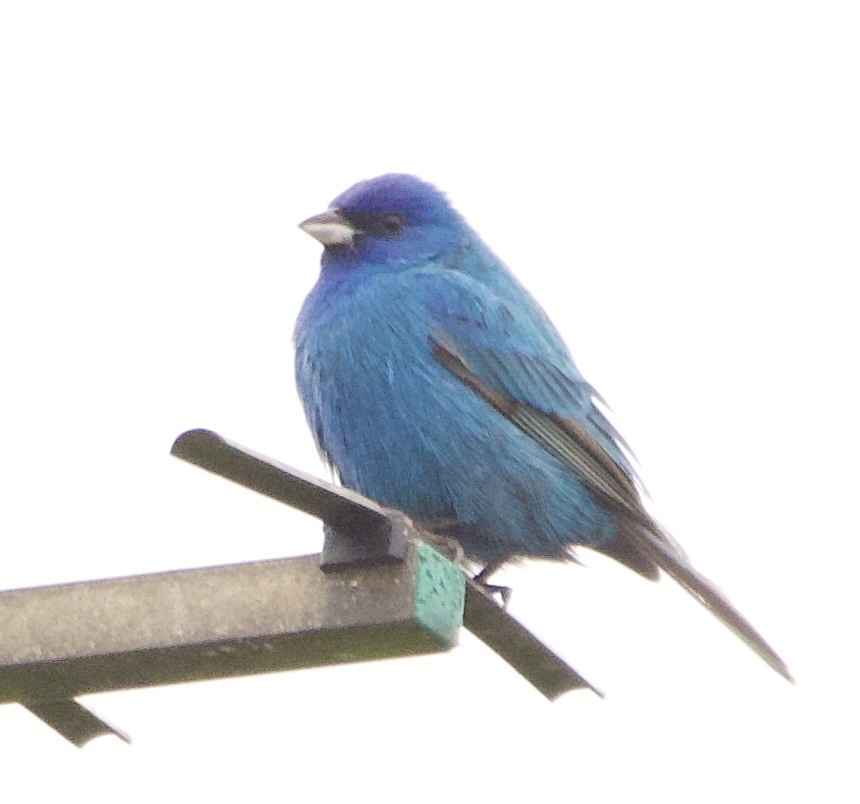
Indigo Bunting
Passerina cyanea
A summer resident that nests in Arkansas. Found in all 75 counties, across 10 habitats.
- Here
- Summer
- Nesting
- Nests here
- Range
- All 75 counties
- Habitats
- 10
At a glance
- Group
- Birds
- Here
- Summer
- Nesting
- Nests here
- Range
- All 75 counties
- Habitats
- 10
- Habitat models
- Summer, Winter
Where it lives
The places its habitat model includes. It is not found everywhere a habitat occurs.
Habitats in Arkansas 10
Each habitat page lists the plants and wildlife also found there.
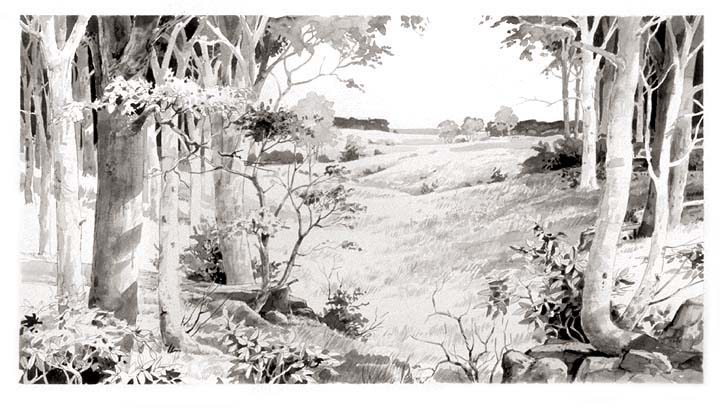
Disturbed and introduced wetlands
Wet ground taken over by weedy or introduced plants after disturbance, such as common reed, Chinese tallow or tamarisk stands; the upland counterpart is roadsides, fields and disturbed ground.
Forests and open woodlands on dry ridges and slopes, often oak or pine.
Floodplain and bottomland forests
Forests on low ground beside rivers and streams that flood from time to time.
Forests between dry and moist, often oak-hickory on slopes.
Open, grass-dominated places kept open by fire, grazing or thin soil, from tallgrass prairie to Piedmont prairies.
Roadsides, fields and disturbed ground
Ground opened by people: roadsides, old fields, pastures, fencerows and lots.
Streams, rivers and their banks
Flowing water and its banks, bars and rocky shoals.
Forested wetlands with standing water much of the year, such as cypress and gum swamps.
Tree plantations and managed pine
Planted or intensively managed stands of pine or hardwoods grown for timber; a land use rather than a natural community.
Other habitats in its models (70)
Land cover, or classes with no habitat page in Arkansas.
- Developed, Low Intensity Winter.
- Orchards Vineyards and Other High Structure Agriculture Winter.
- Unconsolidated Shore (Lake/River/Pond) Winter.
- Unconsolidated Shore (Beach/Dune) Winter.
- Unconsolidated Shore Winter.
- Florida Panhandle Beach Vegetation Winter.
- Northeastern Interior Dry Oak Forest-Hardwood Modifier Summer.
- Northeastern Interior Dry Oak Forest - Mixed Modifier Summer.
- Ridge and Valley Calcareous Valley Bottom Glade and Woodland Summer.
- East Gulf Coastal Plain Black Belt Calcareous Prairie and Woodland - Herbaceous Modifier Summer.
- Southern and Central Appalachian Oak Forest - Xeric Summer.
- Southern Interior Low Plateau Dry-Mesic Oak Forest Summer.
- Southern and Central Appalachian Oak Forest Summer.
- Allegheny-Cumberland Dry Oak Forest and Woodland - Hardwood Summer.
- Central and Southern Appalachian Montane Oak Forest Summer.
- Southern Coastal Plain Dry Upland Hardwood Forest Summer.
- South Florida Hardwood Hammock Summer.
- Atlantic Coastal Plain Dry and Dry-Mesic Oak Forest Summer.
- Southwest Florida Coastal Strand and Maritime Hammock Summer.
- Southern Coastal Plain Oak Dome and Hammock Summer.
- East Gulf Coastal Plain Black Belt Calcareous Prairie and Woodland - Woodland Modifier Summer.
- East Gulf Coastal Plain Interior Shortleaf Pine-Oak Forest - Mixed Modifier Summer.
- Southern Piedmont Dry Oak-(Pine) Forest - Mixed Modifier Summer.
- Southern Piedmont Dry Oak-Heath Forest - Mixed Modifier Summer.
- Northern Atlantic Coastal Plain Dry Hardwood Forest Summer.
- Southern Ridge and Valley Dry Calcareous Forest Summer.
- Central Appalachian Pine-Oak Rocky Woodland Summer.
- South-Central Interior Mesophytic Forest Summer.
- Atlantic Coastal Plain Mesic Hardwood and Mixed Forest Summer.
- Florida Longleaf Pine Sandhill - Scrub/Shrub Understory Modifier Summer.
- Atlantic Coastal Plain Fall-line Sandhills Longleaf Pine Woodland - Scrub/Shrub Understory Modifier Summer.
- East Gulf Coastal Plain Interior Upland Longleaf Pine Woodland - Scrub/Shrub Modifier Summer.
- Atlantic Coastal Plain Fall-line Sandhills Longleaf Pine Woodland - Offsite Hardwood Modifier Summer.
- Florida Peninsula Inland Scrub Summer.
- Southern Appalachian Grass and Shrub Bald - Shrub Modifier Summer.
- Southern Appalachian Grass and Shrub Bald - Herbaceous Modifier Summer.
- Eastern Highland Rim Prairie and Barrens - Dry Modifier Summer.
- Florida Dry Prairie Summer and winter.
- East Gulf Coastal Plain Jackson Prairie and Woodland Summer.
- Southwest Florida Dune and Coastal Grassland Winter.
- Southern Appalachian Grass and Shrub Bald Summer.
- Recently Logged Areas Summer and winter.
- Harvested Forest - Grass/Forb Regeneration Winter.
- Recently Burned Summer and winter.
- Recently Burned Forest Summer and winter.
- Recently Burned Grassland Winter.
- Recently Burned Shrubland Summer and winter.
- Introduced Upland Vegetation - Shrub Summer and winter.
- Introduced Upland Vegetation - Forbland Winter.
- Introduced Upland Vegetation - Annual Grassland Summer and winter.
- Introduced Upland Vegetation - Perennial Grassland Winter.
- Introduced Upland Vegetation - Perennial Grassland and Forbland Summer and winter.
- Modified/Managed Southern Tall Grassland Winter.
- Atlantic Coastal Plain Peatland Pocosin Summer.
- Southern Coastal Plain Seepage Swamp and Baygall Summer.
- South Florida Mangrove Swamp Summer.
- Northern Atlantic Coastal Plain Basin Swamp and Wet Hardwood Forest Summer.
- Atlantic Coastal Plain Nonriverine Swamp and Wet Hardwood Forest - Oak Dominated Modifier Summer.
- Central Appalachian Floodplain - Forest Modifier Summer.
- Southern Piedmont Large Floodplain Forest - Forest Modifier Summer.
- Cumberland Riverscour Summer.
- Southern Piedmont Small Floodplain and Riparian Forest Summer.
- Atlantic Coastal Plain Small Brownwater River Floodplain Forest Summer.
- Atlantic Coastal Plain Small Blackwater River Floodplain Forest Summer.
- Atlantic Coastal Plain Brownwater Stream Floodplain Forest Summer.
- East Gulf Coastal Plain Small Stream and River Floodplain Forest Summer.
- Southern Coastal Plain Blackwater River Floodplain Forest Summer.
- East Gulf Coastal Plain Jackson Plain Dry Flatwoods - Open Understory Modifier Summer.
- East Gulf Coastal Plain Near-Coast Pine Flatwoods - Offsite Hardwood Modifier Summer.
- East Gulf Coastal Plain Near-Coast Pine Flatwoods - Scrub/Shrub Understory Modifier Summer.
Seasons in Arkansas
- Summer: nests here, in all 75 counties.
Also found in this habitat
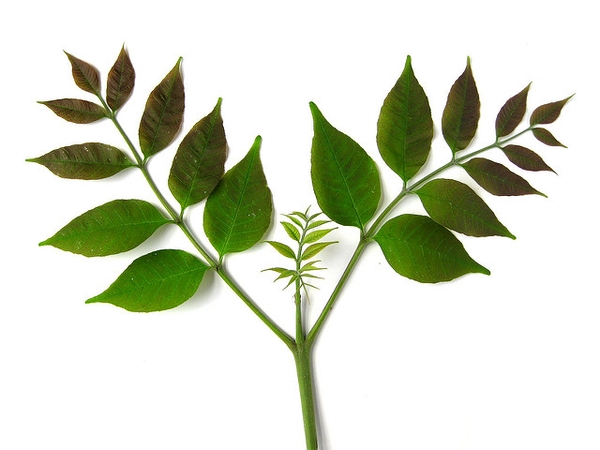
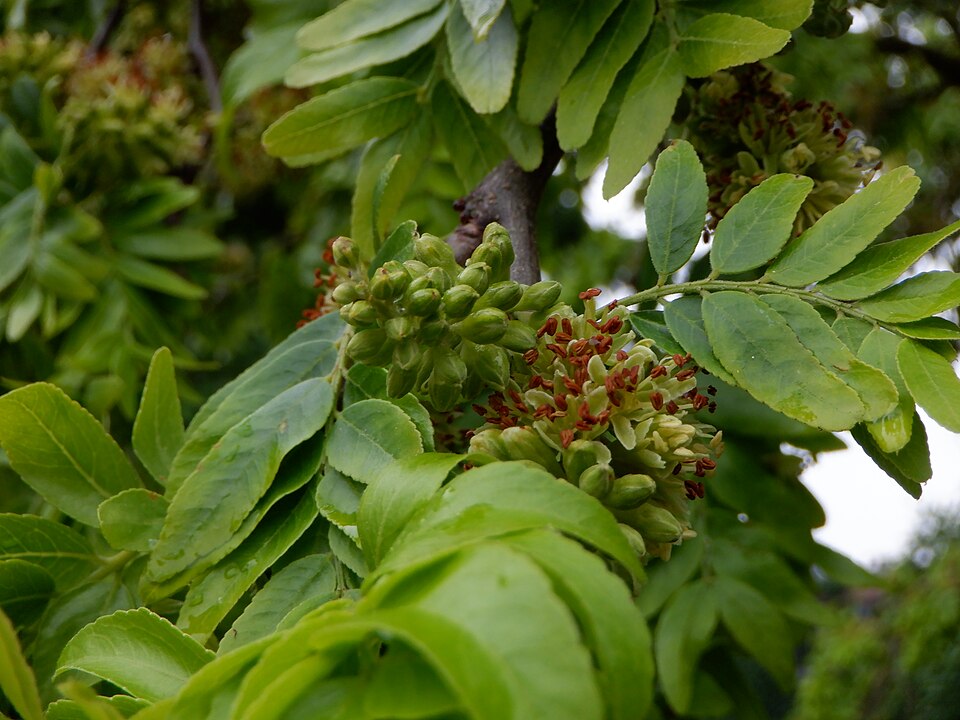
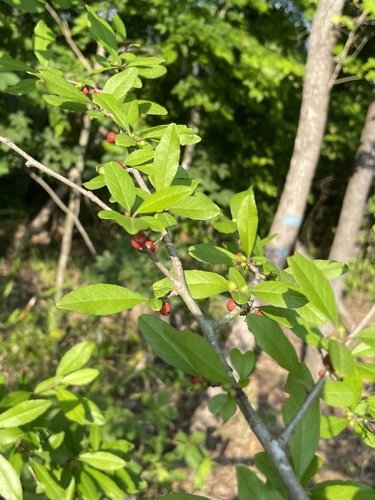
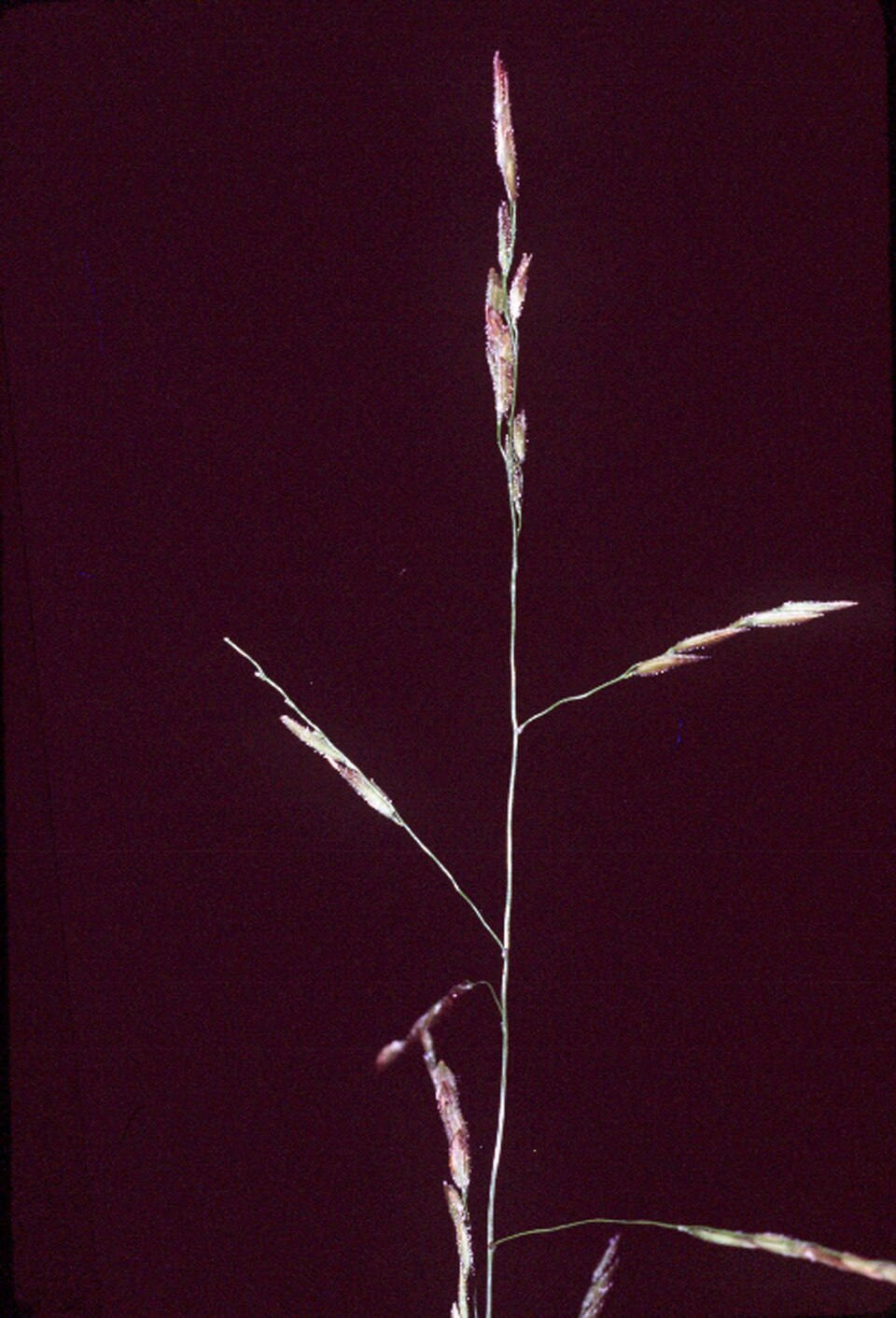
Plants 534
Plants named in NatureServe descriptions of these habitats that grow in Arkansas. Shared habitat, not food.
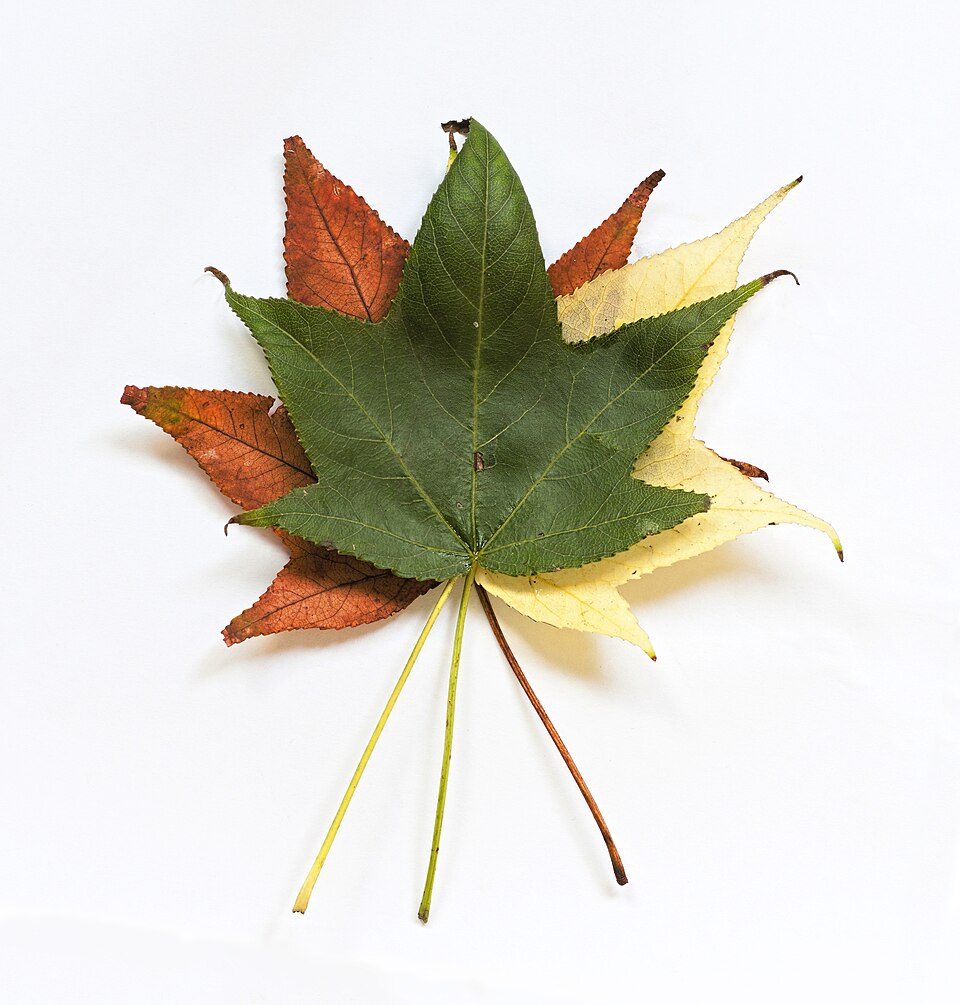
- SweetgumLiquidambar styraciflua
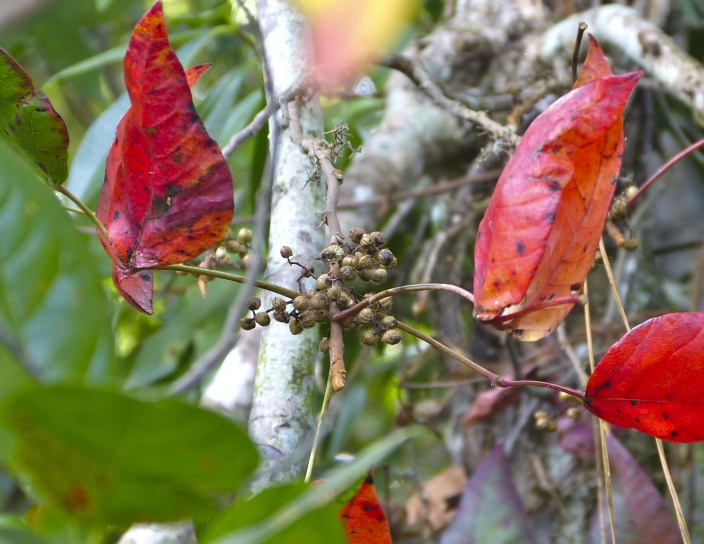
- Poison-ivyToxicodendron radicans
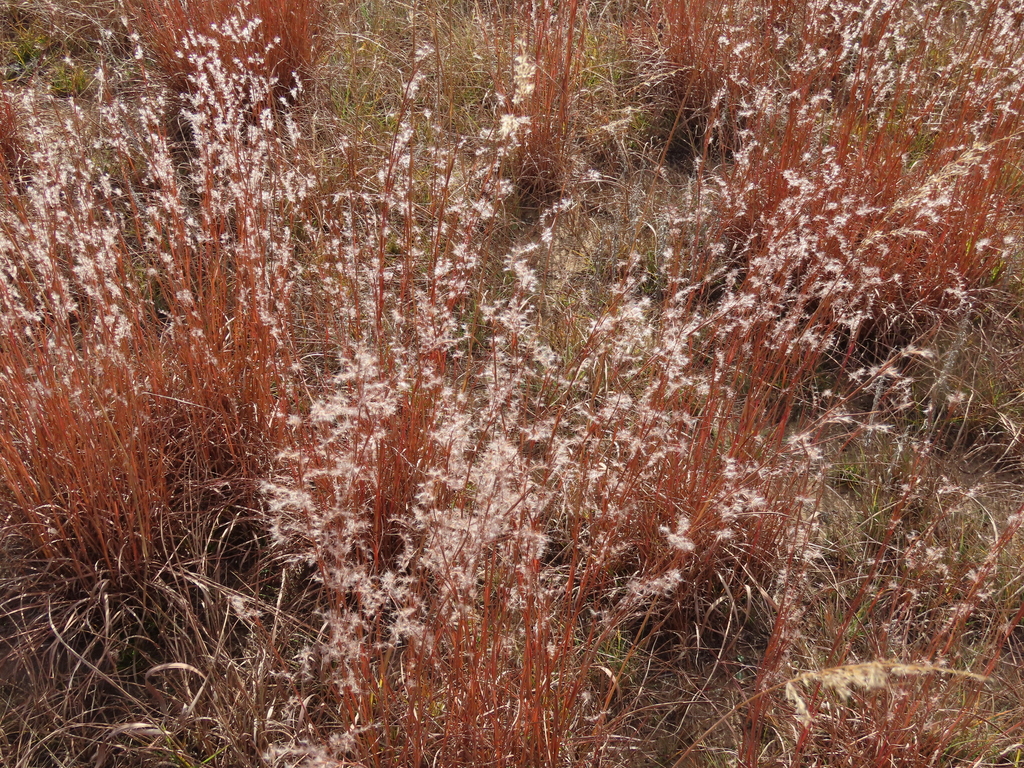
- Little BluestemSchizachyrium scoparium
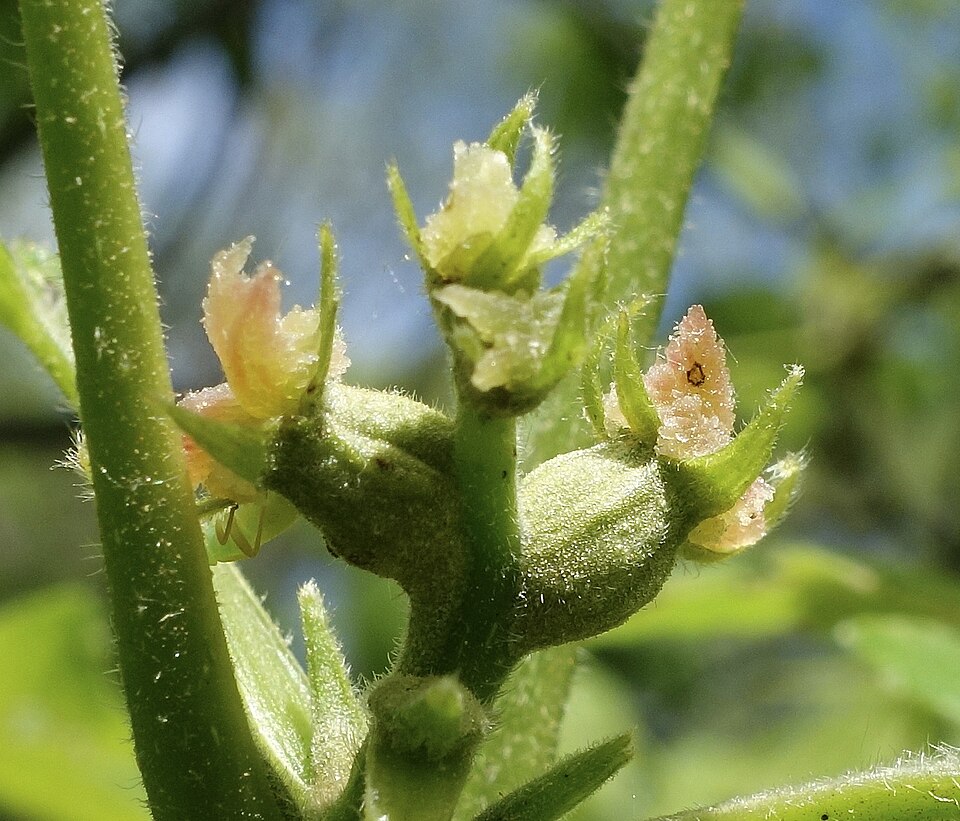
- False NettleBoehmeria cylindrica
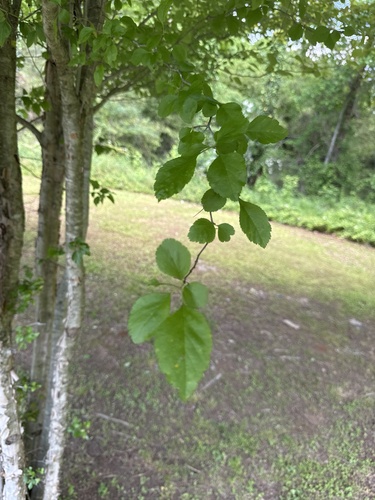
- SugarberryCeltis laevigata
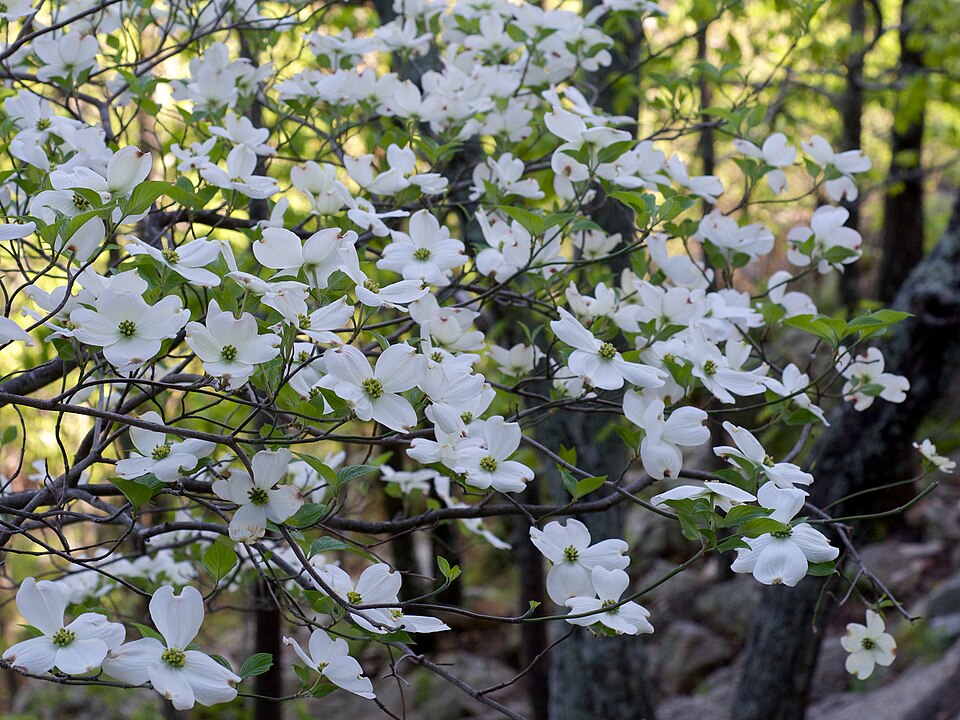
- Flowering DogwoodCornus florida
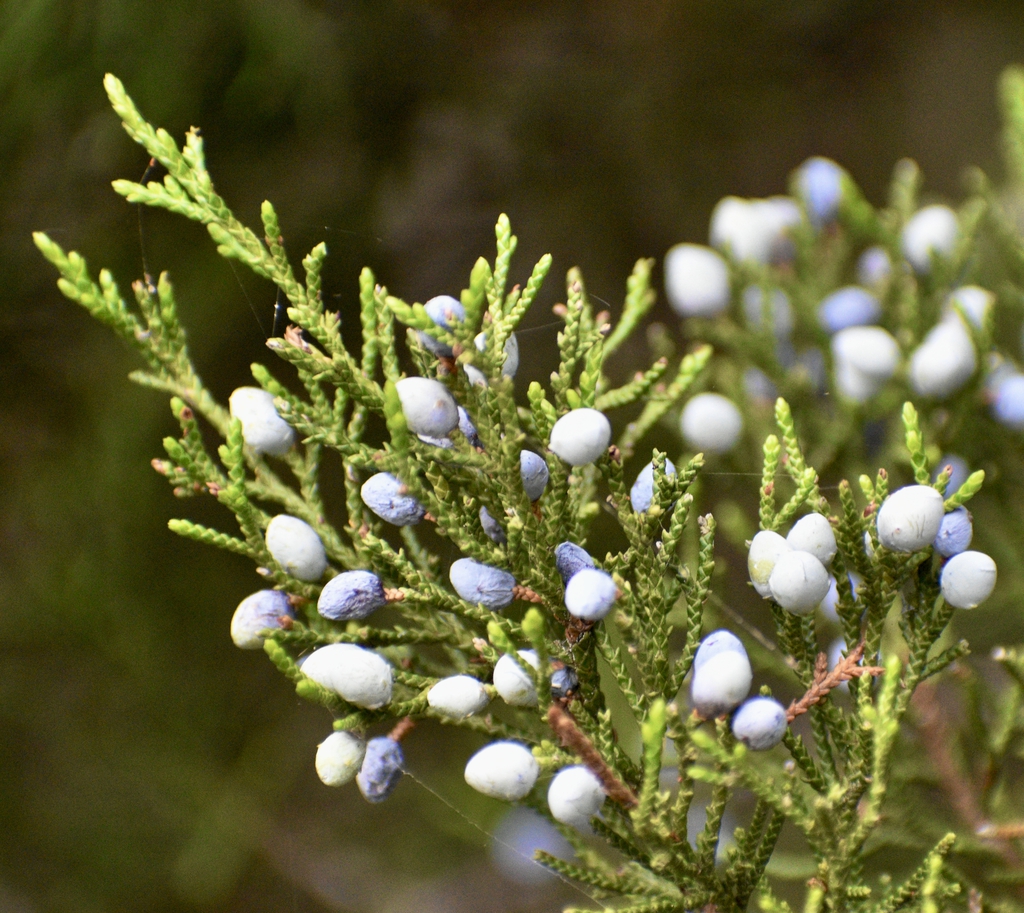
- Eastern Red CedarJuniperus virginiana
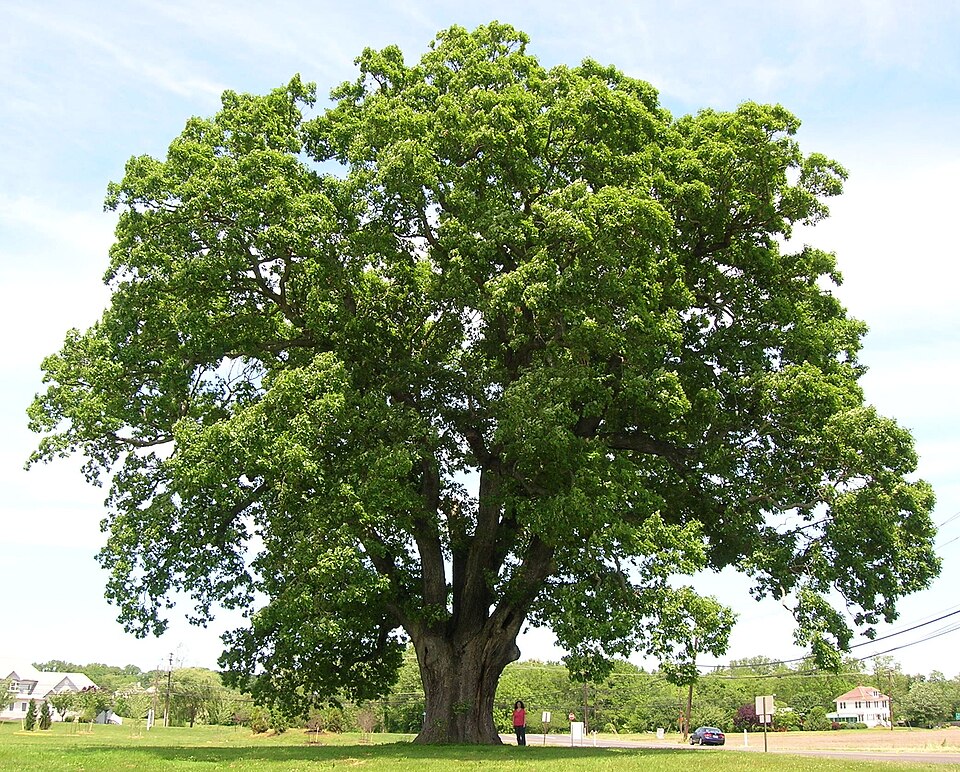
- White OakQuercus alba
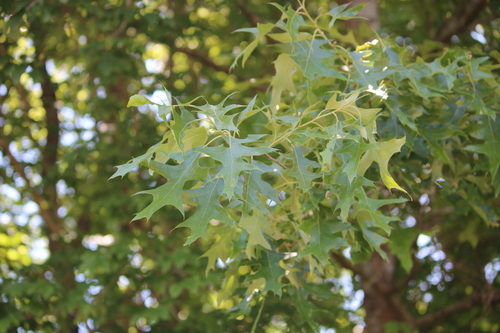
- Cherrybark OakQuercus pagoda
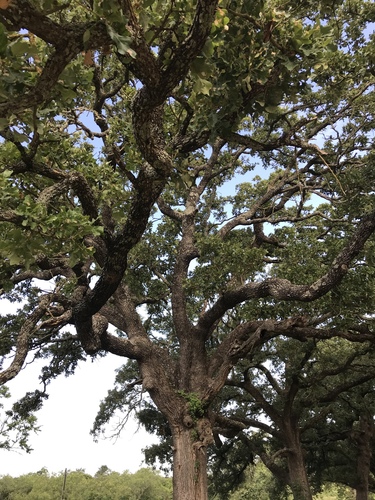
- Post OakQuercus stellata
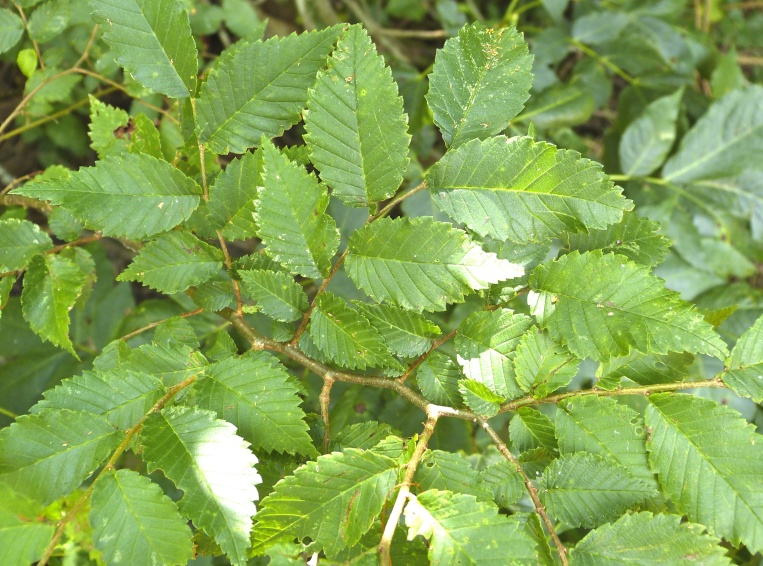
- American ElmUlmus americana
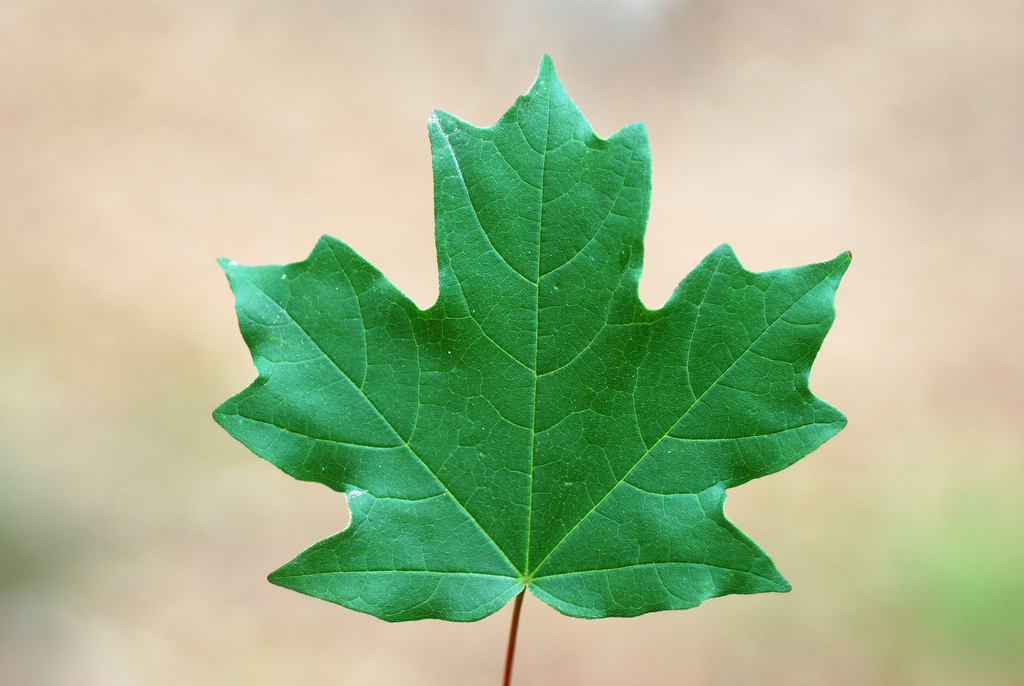
- Florida MapleAcer floridanum
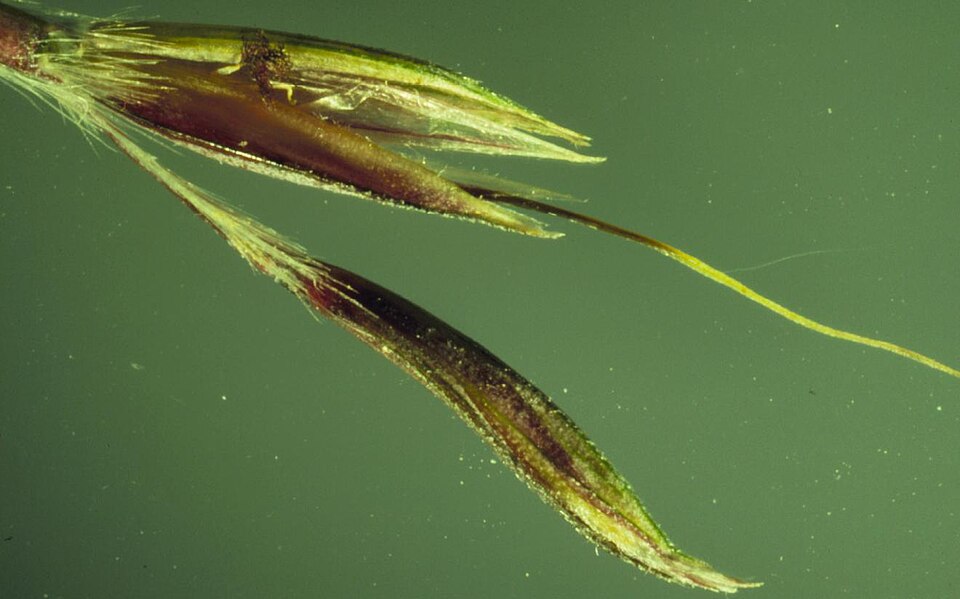
- Big BluestemAndropogon gerardi
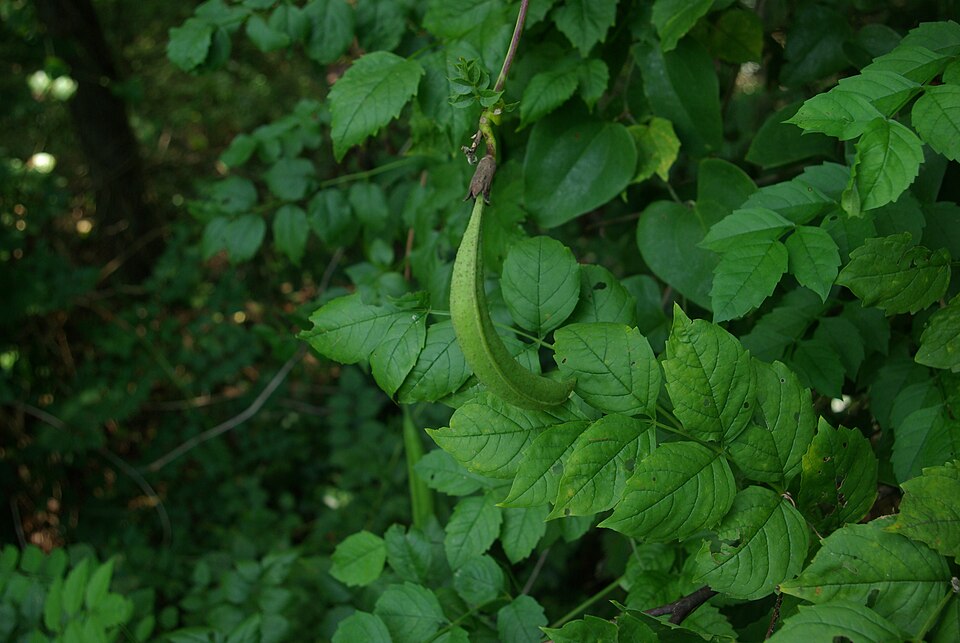
- SupplejackBerchemia scandens
- Trumpet-creeperCampsis radicans
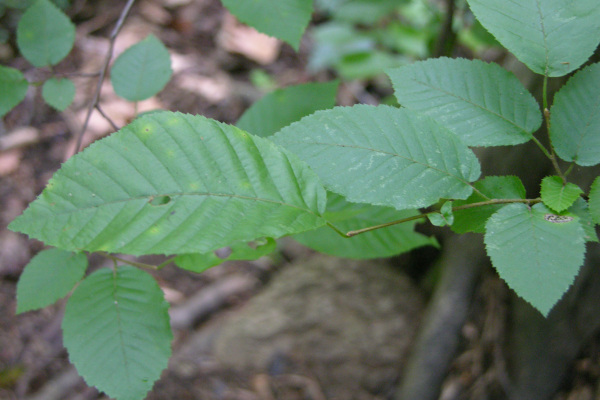
- American HornbeamCarpinus caroliniana
- Shagbark HickoryCarya ovata
- Rough Leaf DogwoodCornus drummondii
- Green HawthornCrataegus viridis
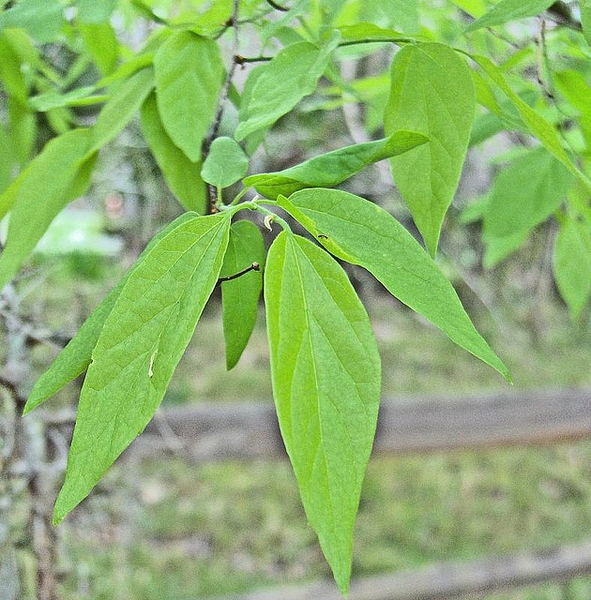
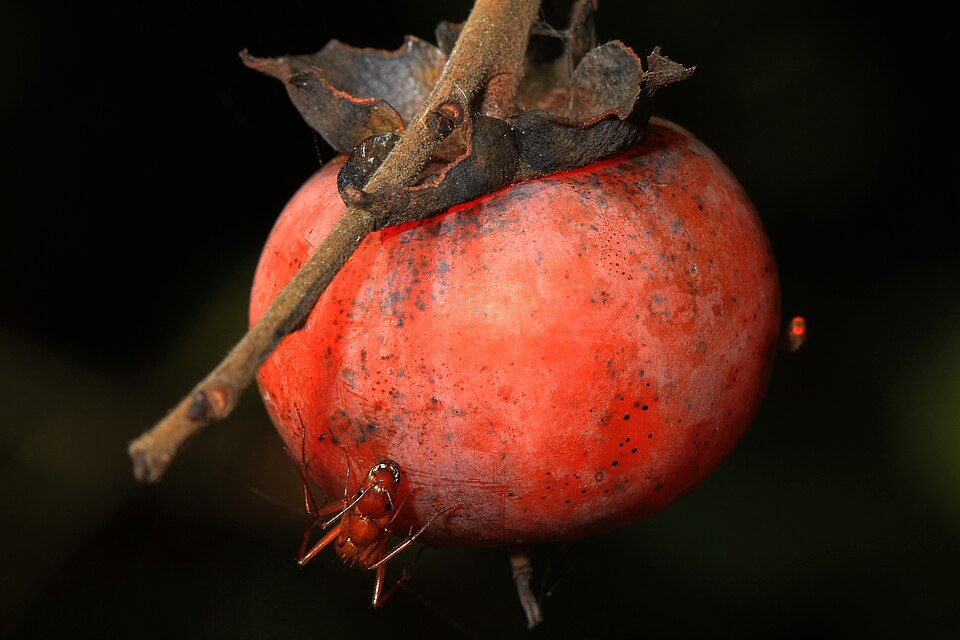
- American PersimmonDiospyros virginiana
- White AshFraxinus americana
- Honey LocustGleditsia triacanthos
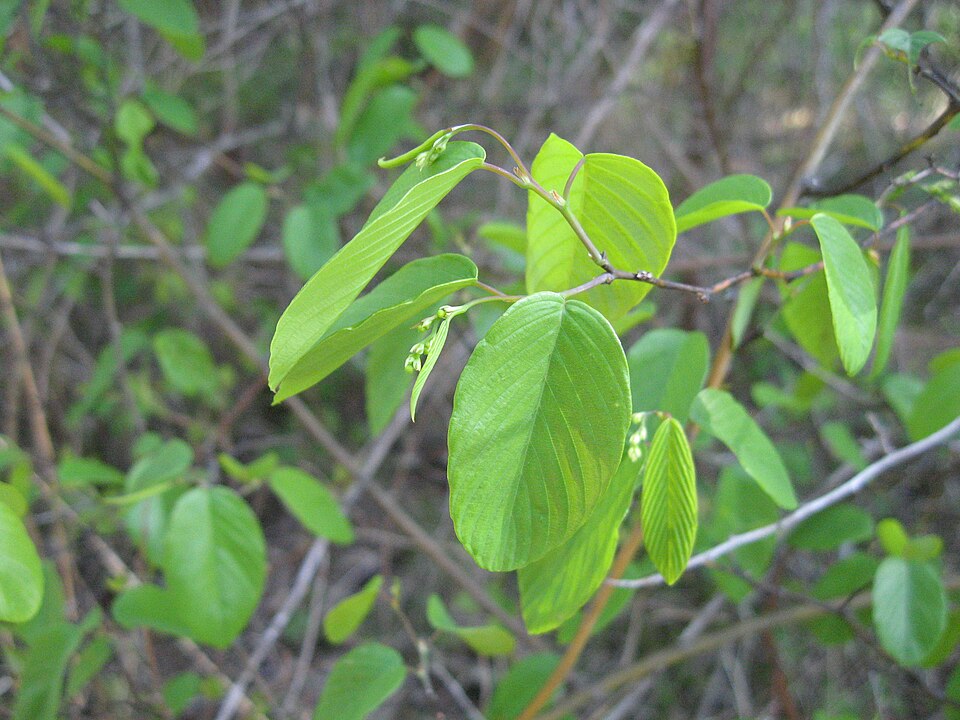
- Possumhaw HollyIlex decidua
- White CutgrassLeersia virginica
Wildlife 231
Other animals whose habitat models include the same habitats in Arkansas. Not sighting records.
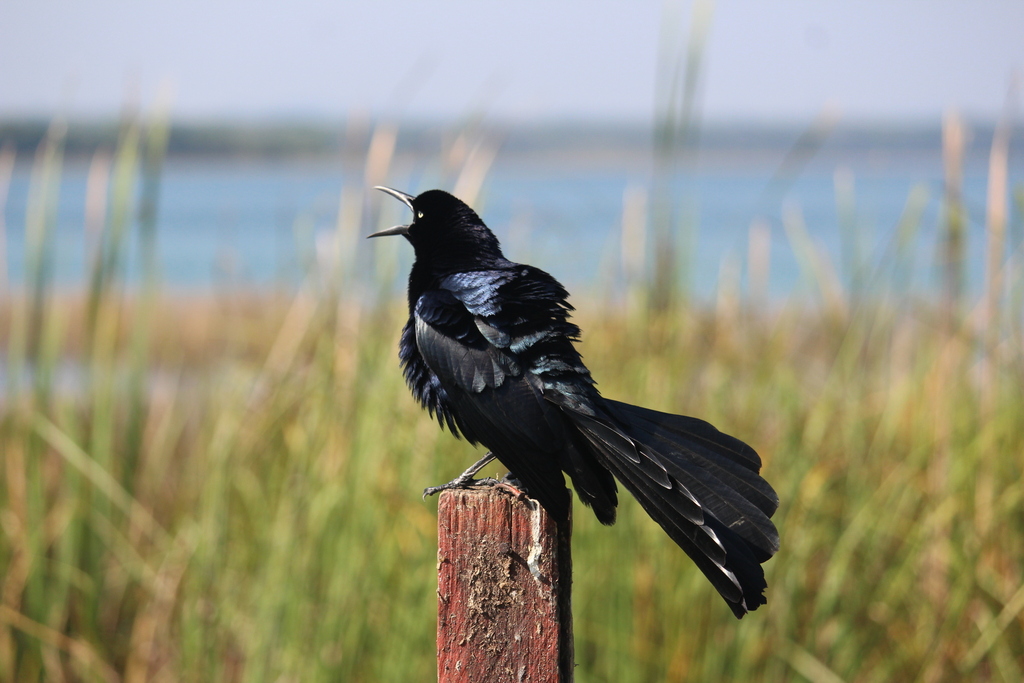
- Great-tailed GrackleQuiscalus mexicanus
- Hairy WoodpeckerPicoides villosus
- Hermit ThrushCatharus guttatus
- Least FlycatcherEmpidonax minimus
- Lincoln's SparrowMelospiza lincolnii
- Northern ParulaParula americana
- OspreyPandion haliaetus
- OvenbirdSeiurus aurocapilla
- Red-headed WoodpeckerMelanerpes erythrocephalus
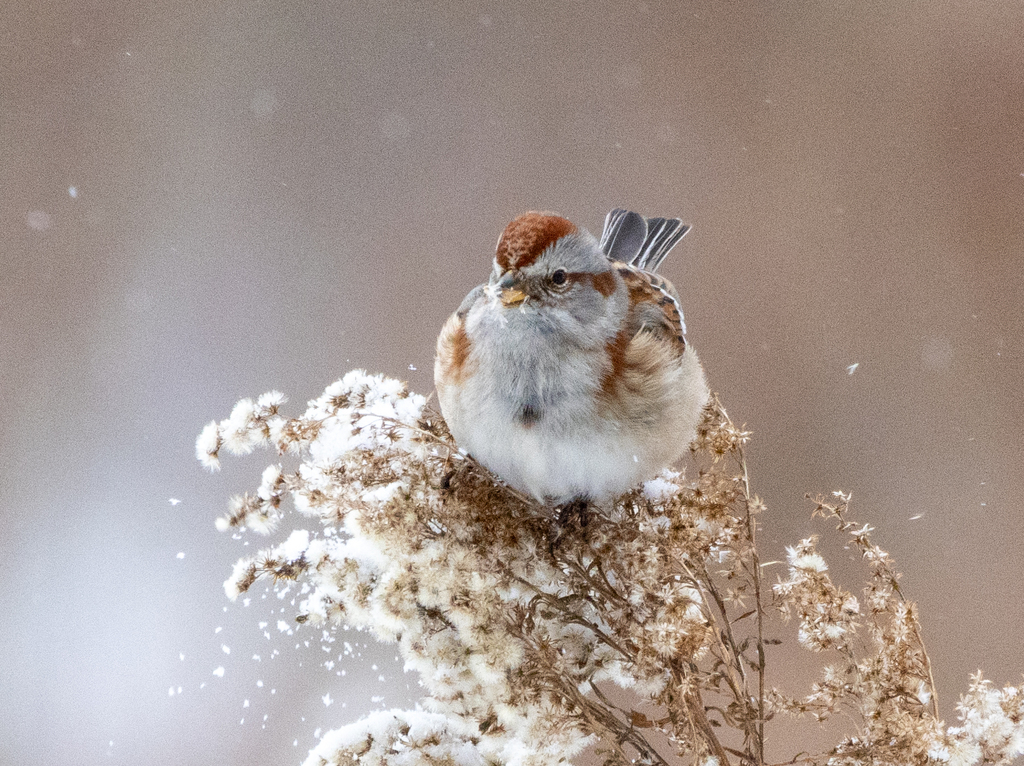
- American Tree SparrowSpizella arborea
- American WoodcockScolopax minor
- Bald EagleHaliaeetus leucocephalus
- Bank SwallowRiparia riparia
- Bewick's WrenThryomanes bewickii
- Black VultureCoragyps atratus
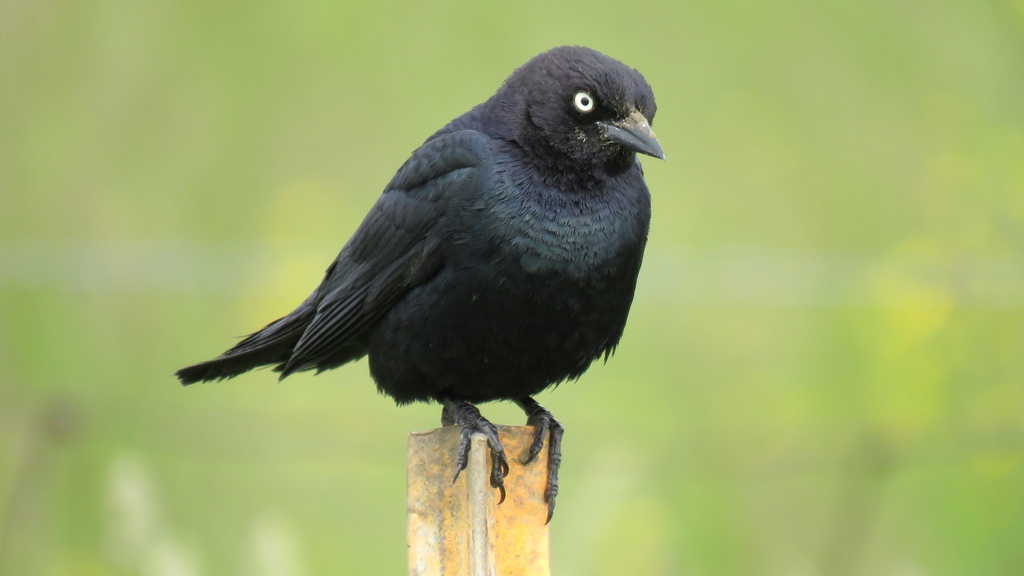
- Brewer's BlackbirdEuphagus cyanocephalus
- Brown CreeperCerthia americana
- Cerulean WarblerDendroica cerulea
- Chuck-will's-widowCaprimulgus carolinensis
- Eastern BluebirdSialia sialis
- Fish CrowCorvus ossifragus
- Golden-crowned KingletRegulus satrapa
- Hooded MerganserLophodytes cucullatus
- Hooded WarblerWilsonia citrina














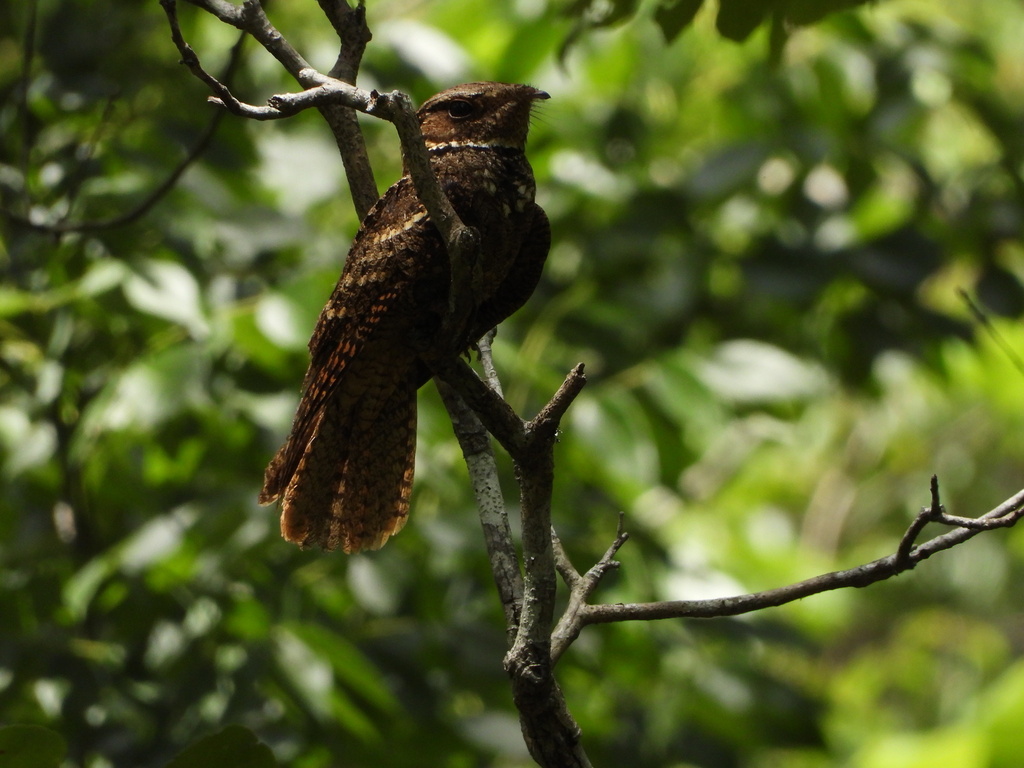

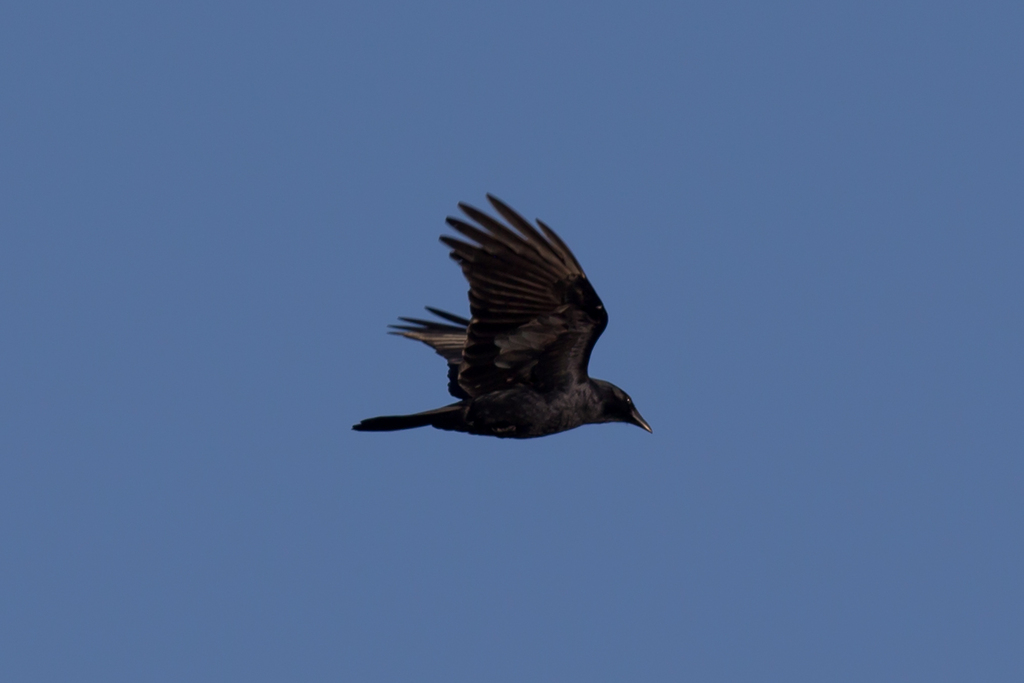



NatureServe Explorer, CC BY 4.0. USGS Gap Analysis Project habitat models.
Sources
- USGS Gap Analysis Project habitat models (2001)
- USGS GAP winter habitat model for Indigo Bunting Avoids forest interior
- USGS Gap Analysis Project range maps (2001), modeled by watershed; migratory gives no dates
- NatureServe Explorer (CC BY 4.0), habitat names
- US Census TIGER/Line counties
- Names follow the USGS Gap Analysis Project (2001)