

Bird
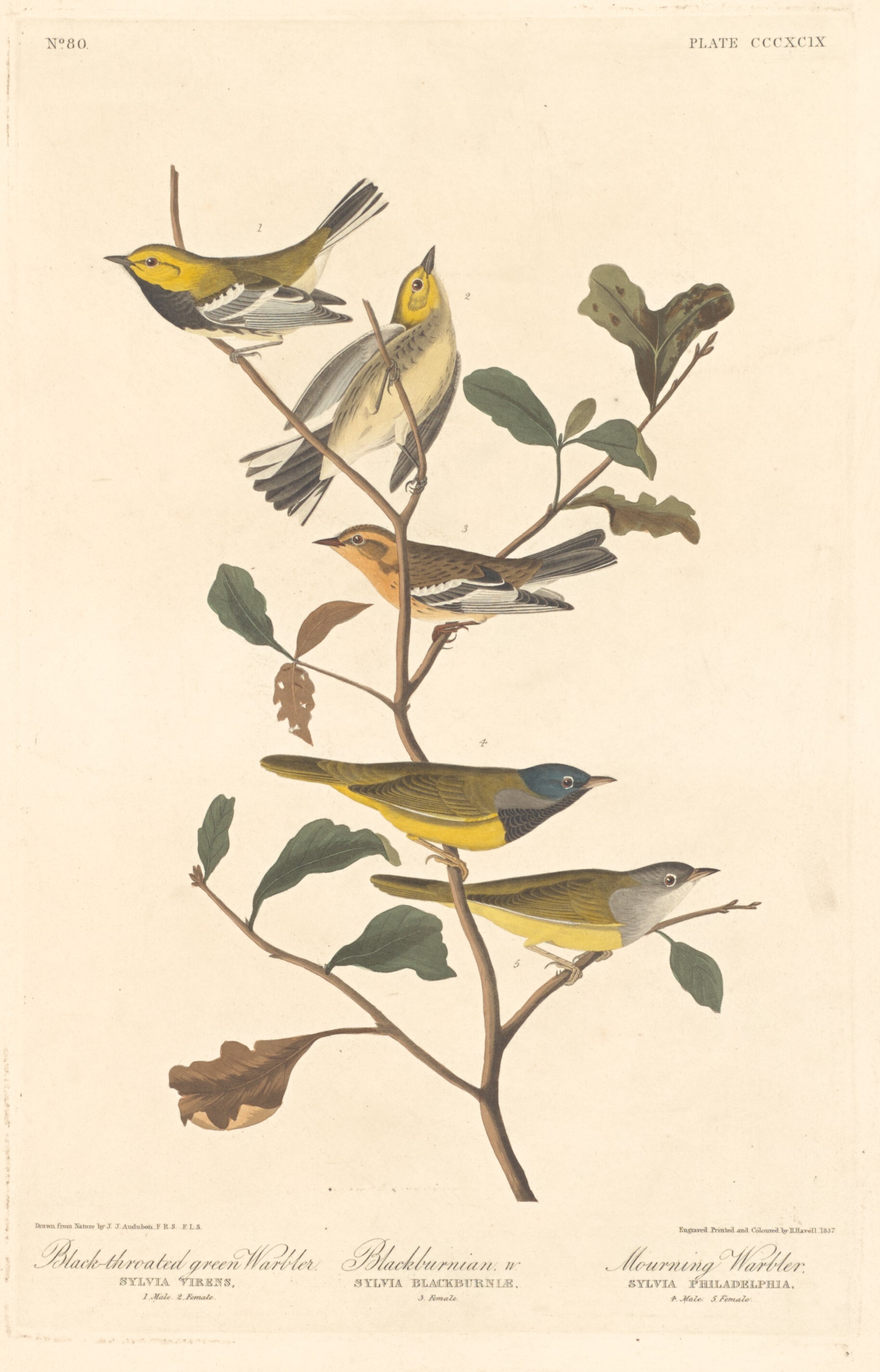
Black-throated Green Warbler
Dendroica virens
A summer resident that nests in Arkansas. Found in all 75 counties, across 3 habitats.
- Here
- Summer and on migration
- Nesting
- Nests here
- Range
- All 75 counties
- Habitats
- 3
At a glance
- Group
- Birds
- Here
- Summer and on migration
- Nesting
- Nests here
- Range
- All 75 counties
- Habitats
- 3
- Habitat models
- Summer, Winter
Where it lives
The places its habitat model includes. It is not found everywhere a habitat occurs.
Habitats in Arkansas 3
Each habitat page lists the plants and wildlife also found there.
Forests and open woodlands on dry ridges and slopes, often oak or pine.
Forests between dry and moist, often oak-hickory on slopes.
Forests on moist but not wet ground, such as rich slopes and ravines.
Other habitats in its models (45)
Land cover, or classes with no habitat page in Arkansas.
- Unconsolidated Shore (Lake/River/Pond) Winter.
- Unconsolidated Shore (Beach/Dune) Winter.
- Unconsolidated Shore Winter.
- Texas Coastal Bend Beach Winter.
- Central and Southern Appalachian Northern Hardwood Forest Summer.
- Northeastern Interior Dry Oak Forest-Hardwood Modifier Summer.
- Northeastern Interior Dry Oak Forest - Mixed Modifier Summer.
- Southern and Central Appalachian Oak Forest - Xeric Summer.
- Southern Interior Low Plateau Dry-Mesic Oak Forest Summer.
- Ouachita Montane Oak Forest Summer.
- Southern and Central Appalachian Oak Forest Summer.
- Allegheny-Cumberland Dry Oak Forest and Woodland - Hardwood Summer.
- Central and Southern Appalachian Montane Oak Forest Summer.
- Central and South Texas Coastal Fringe Forest and Woodland Winter.
- South Florida Pine Rockland Winter.
- Southern Piedmont Mesic Forest Summer.
- Southern Piedmont Dry Oak-(Pine) Forest - Hardwood Modifier Summer.
- Northeastern Interior Dry Oak Forest - Virginia/Pitch Pine Modifier Summer.
- Southern Piedmont Dry Oak-(Pine) Forest - Loblolly Pine Modifier Summer.
- Allegheny-Cumberland Dry Oak Forest and Woodland - Pine Modifier Summer.
- Southern Ridge and Valley Dry Calcareous Forest - Pine modifier Summer.
- Southern Piedmont Dry Oak-(Pine) Forest - Mixed Modifier Summer.
- Southern Piedmont Dry Oak-Heath Forest - Mixed Modifier Summer.
- Northern Atlantic Coastal Plain Dry Hardwood Forest Summer.
- Central Appalachian Oak and Pine Forest Summer.
- Appalachian Hemlock-Hardwood Forest Summer.
- Acadian Low-Elevation Spruce-Fir-Hardwood Forest Summer.
- Southern Ridge and Valley Dry Calcareous Forest Summer.
- Southern and Central Appalachian Cove Forest Summer.
- South-Central Interior Mesophytic Forest Summer.
- Atlantic Coastal Plain Mesic Hardwood and Mixed Forest Summer.
- Southern Appalachian Montane Pine Forest and Woodland Summer.
- Southern Appalachian Low Mountain Pine Forest Summer.
- Northeastern Interior Pine Barrens Summer.
- Central and Southern Appalachian Spruce-Fir Forest Summer.
- North-Central Oak Barrens Summer.
- Atlantic Coastal Plain Southern Tidal Wooded Swamp Summer.
- Atlantic Coastal Plain Northern Tidal Wooded Swamp Summer.
- Atlantic Coastal Plain Nonriverine Swamp and Wet Hardwood Forest - Taxodium/Nyssa Modifier Summer.
- Atlantic Coastal Plain Nonriverine Swamp and Wet Hardwood Forest - Oak Dominated Modifier Summer.
- Atlantic Coastal Plain Blackwater Stream Floodplain Forest - Forest Modifier Summer.
- Atlantic Coastal Plain Small Brownwater River Floodplain Forest Summer.
- Atlantic Coastal Plain Small Blackwater River Floodplain Forest Summer.
- Atlantic Coastal Plain Brownwater Stream Floodplain Forest Summer.
- South Florida Pine Flatwoods Winter.
Seasons in Arkansas
- Migratory: does not nest here, in 61 of 75 counties.
- Summer: nests here, in 37 of 75 counties.
Also found in this habitat
Plants 131
Plants named in NatureServe descriptions of these habitats that grow in Arkansas. Shared habitat, not food.
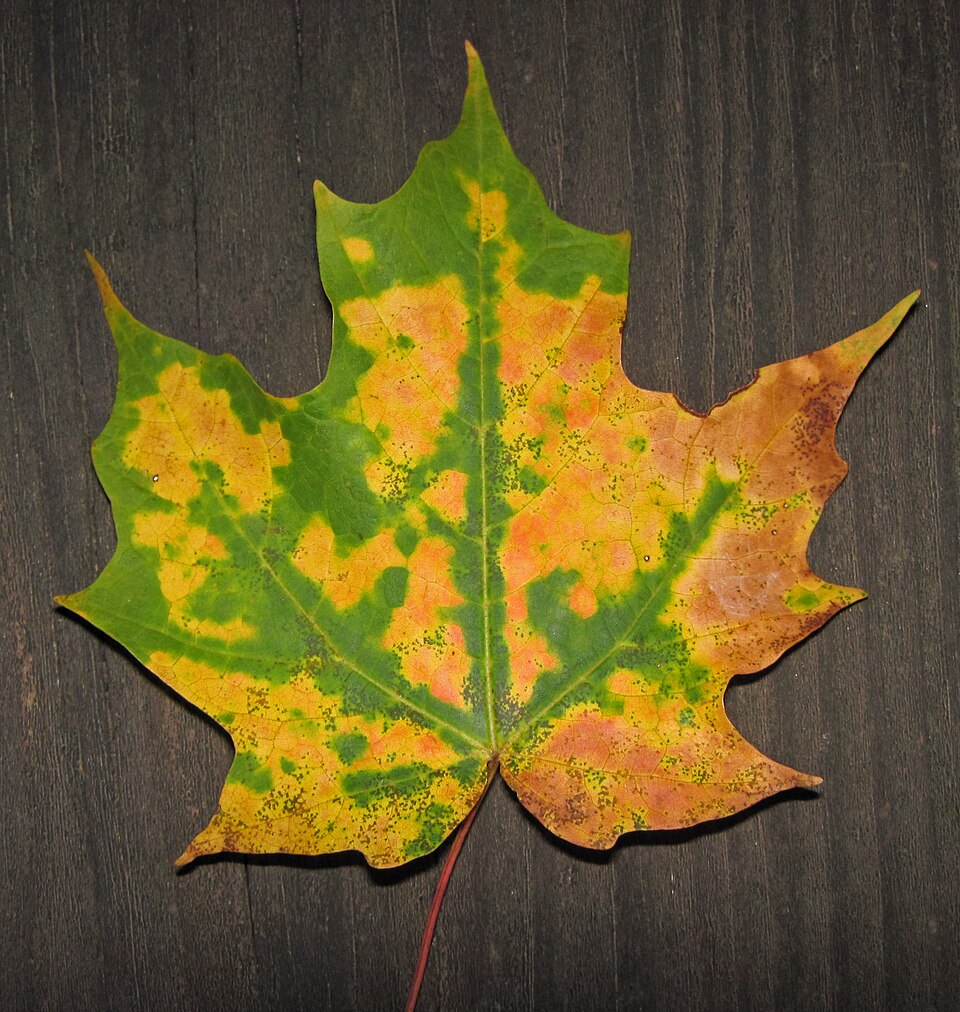
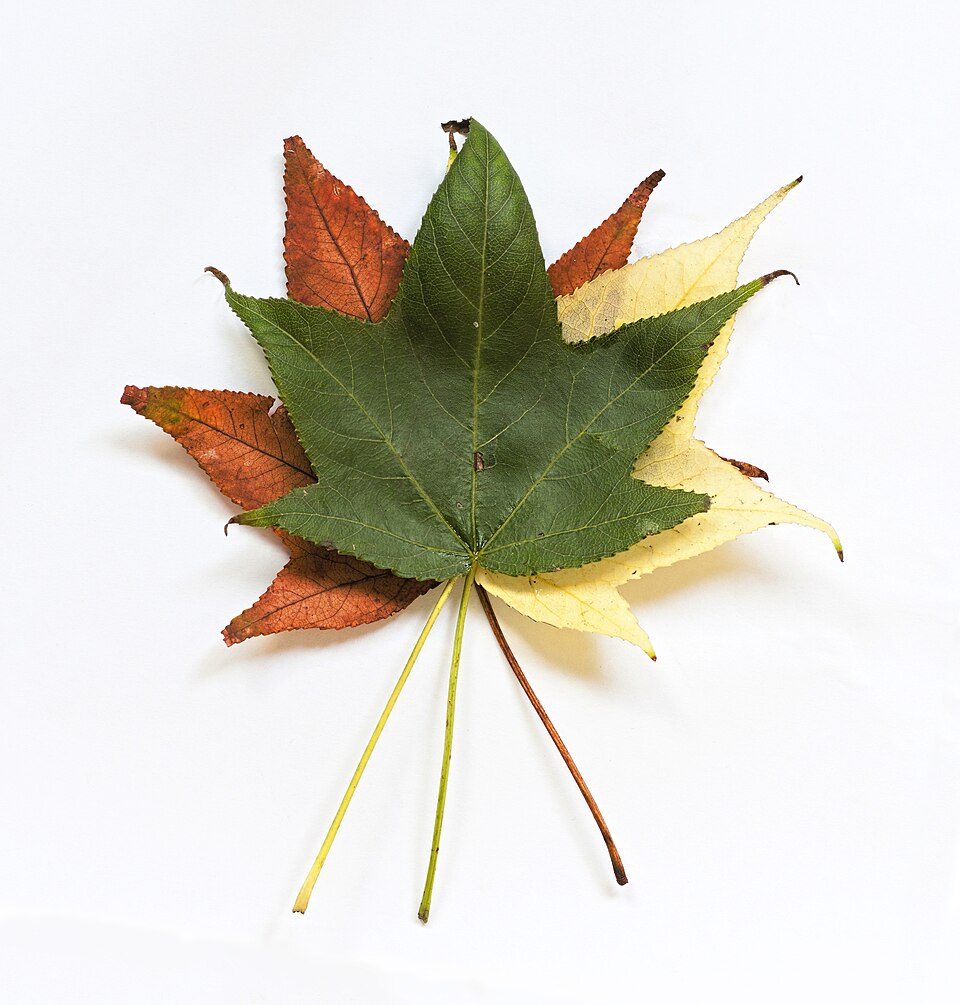
- Sugar MapleAcer saccharum
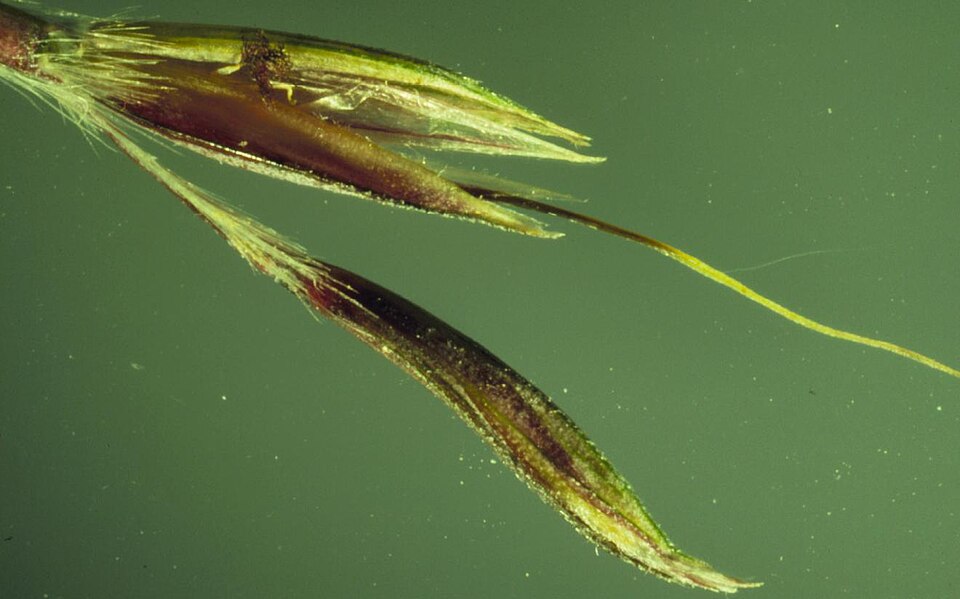
- Big BluestemAndropogon gerardi
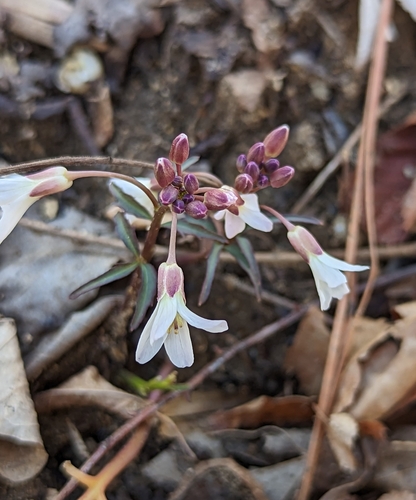
- Slender ToothwortCardamine angustata
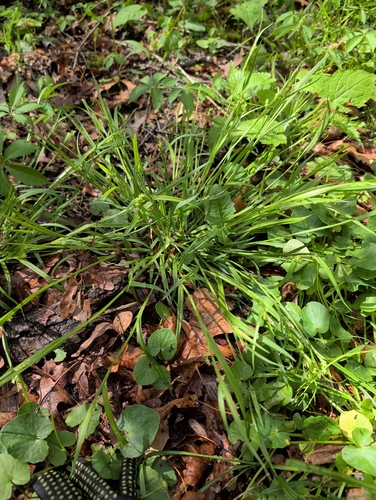
- Eastern Woodland SedgeCarex blanda
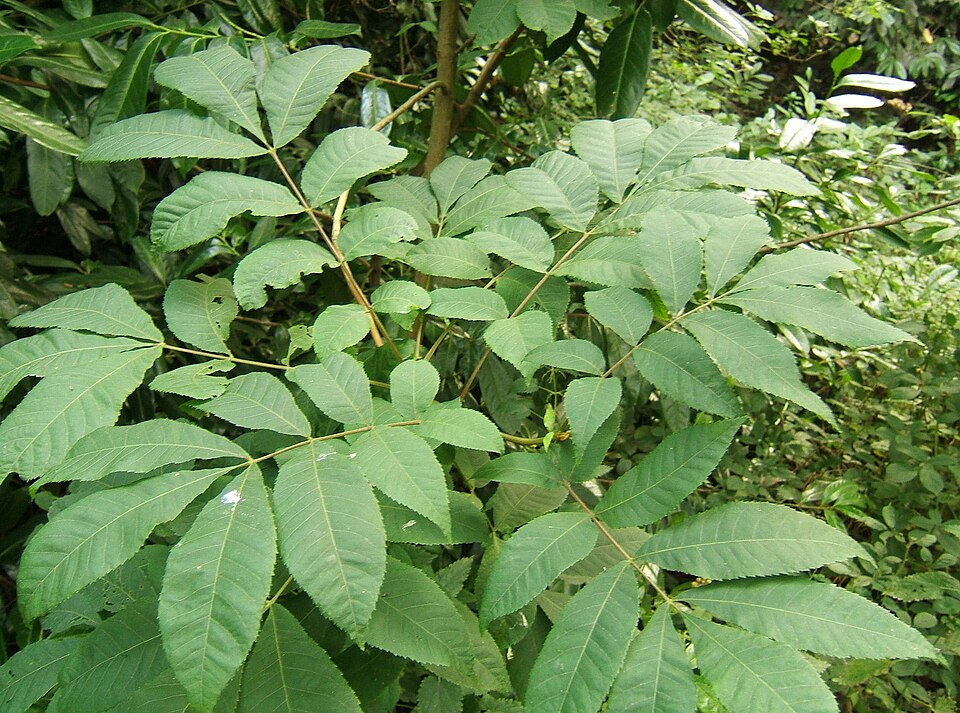
- Bitternut HickoryCarya cordiformis
- Shagbark HickoryCarya ovata
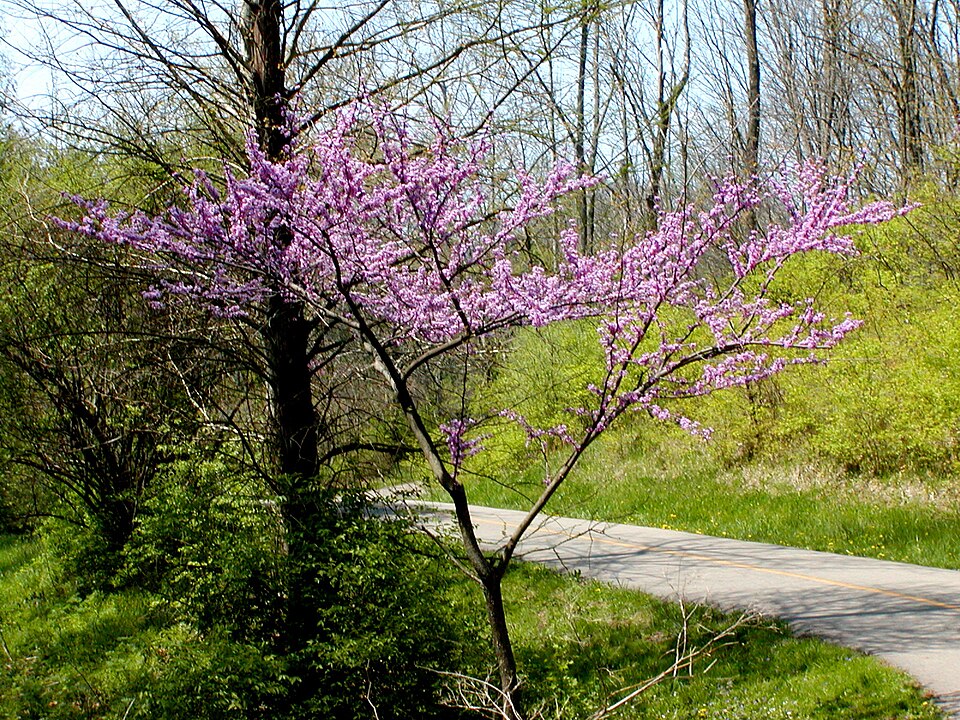
- Eastern RedbudCercis canadensis
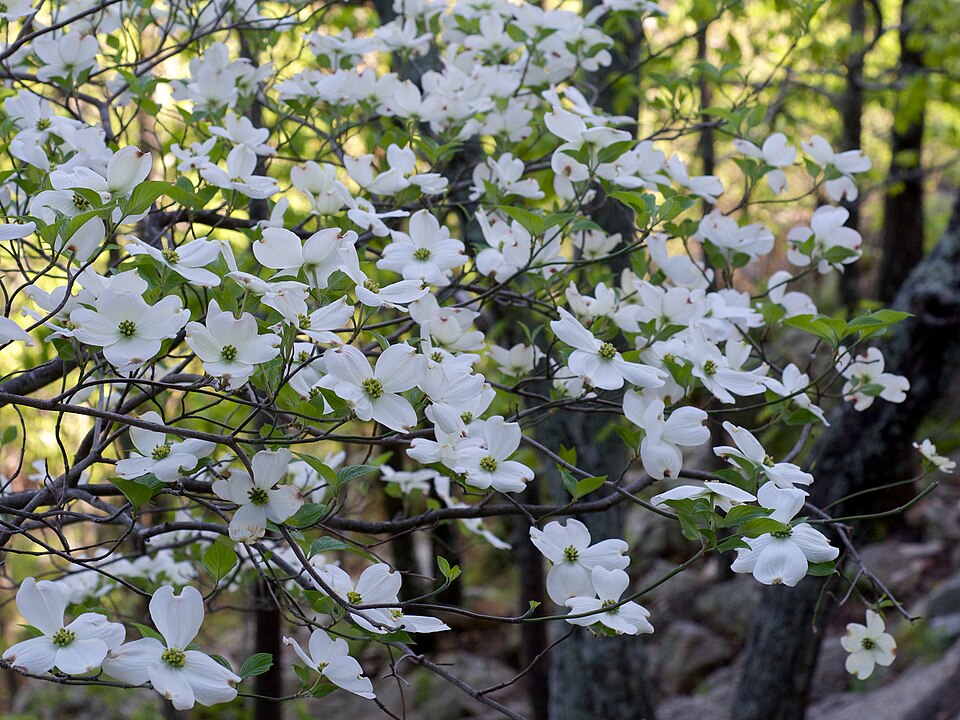
- Flowering DogwoodCornus florida
- Newton's LarkspurDelphinium newtonianum
- Naked Tick-trefoilDesmodium nudiflorum
- Fourleaf Wild YamDioscorea quaternata
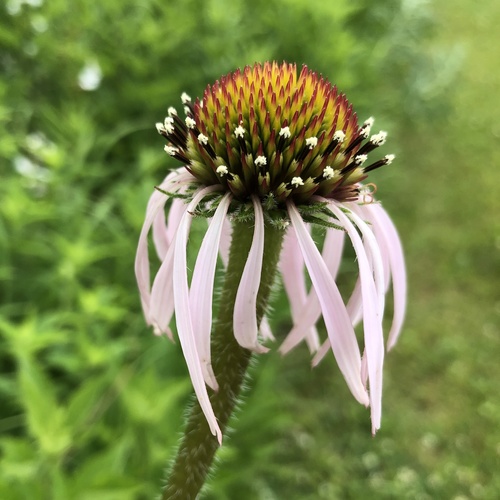
- Pale Purple ConeflowerEchinacea pallida
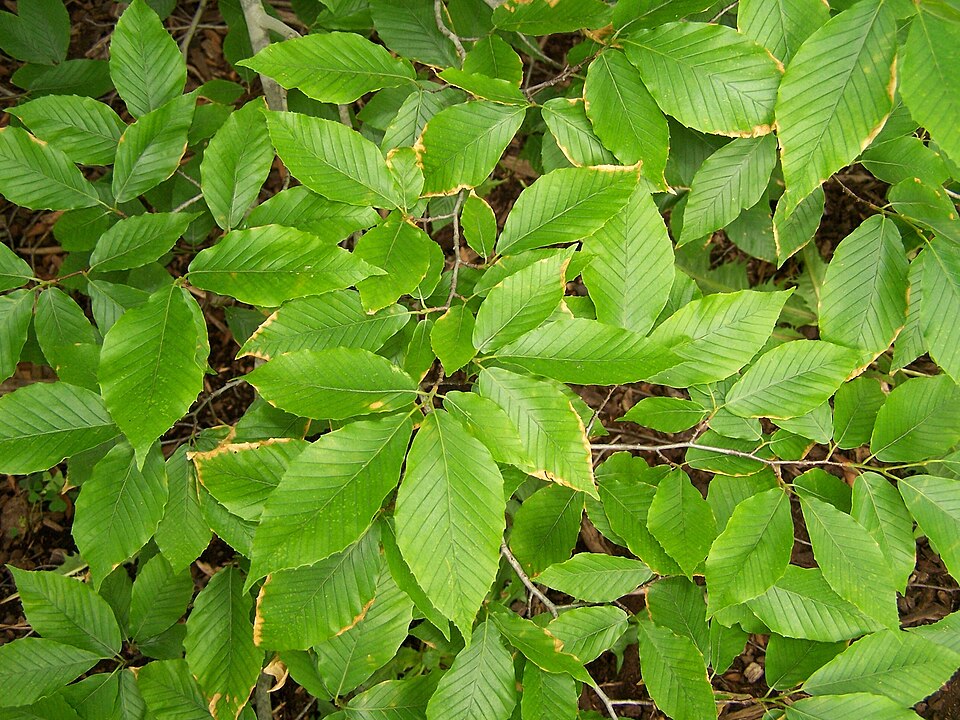
- American BeechFagus grandifolia
- Licorice BedstrawGalium circaezans
- Ozark Witch-hazelHamamelis vernalis
- Beaked HawkweedHieracium gronovii
- Green-violetHybanthus concolor
- Black WalnutJuglans nigra
- Eastern Red CedarJuniperus virginiana
- Juniperus virginiana var. virginianaJuniperus virginiana var. virginiana
- Northern SpicebushLindera benzoin
- SweetgumLiquidambar styraciflua
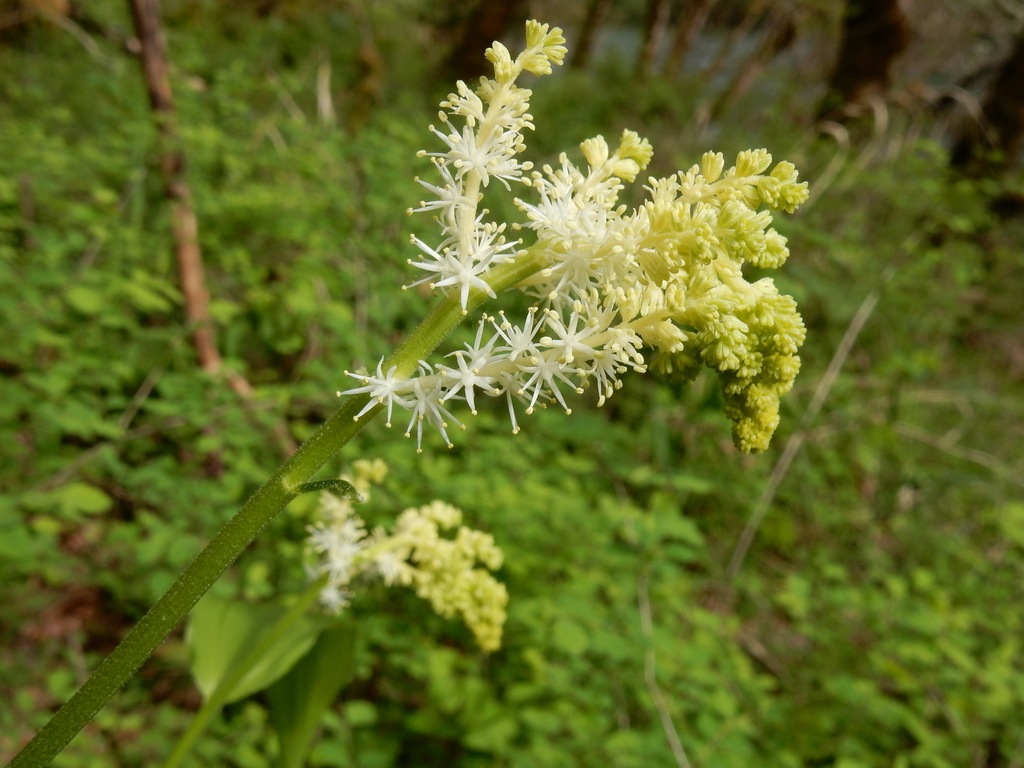
- False Solomon's-sealMaianthemum racemosum
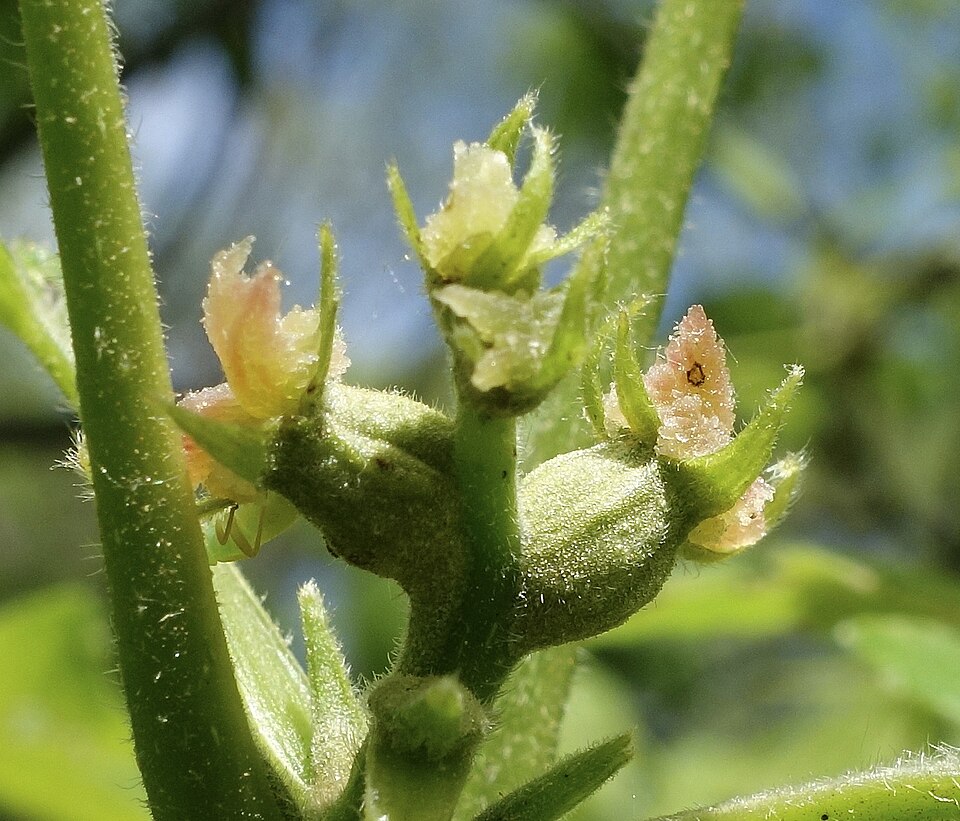
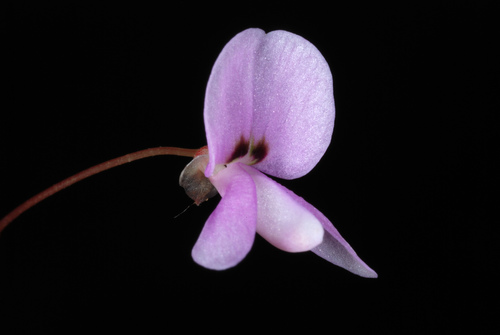
- Matelea baldwynianaMatelea baldwyniana
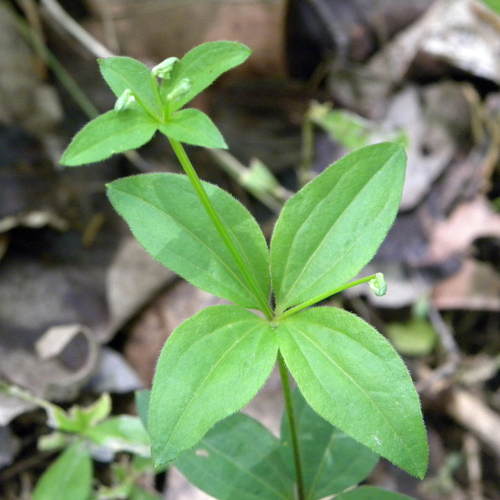
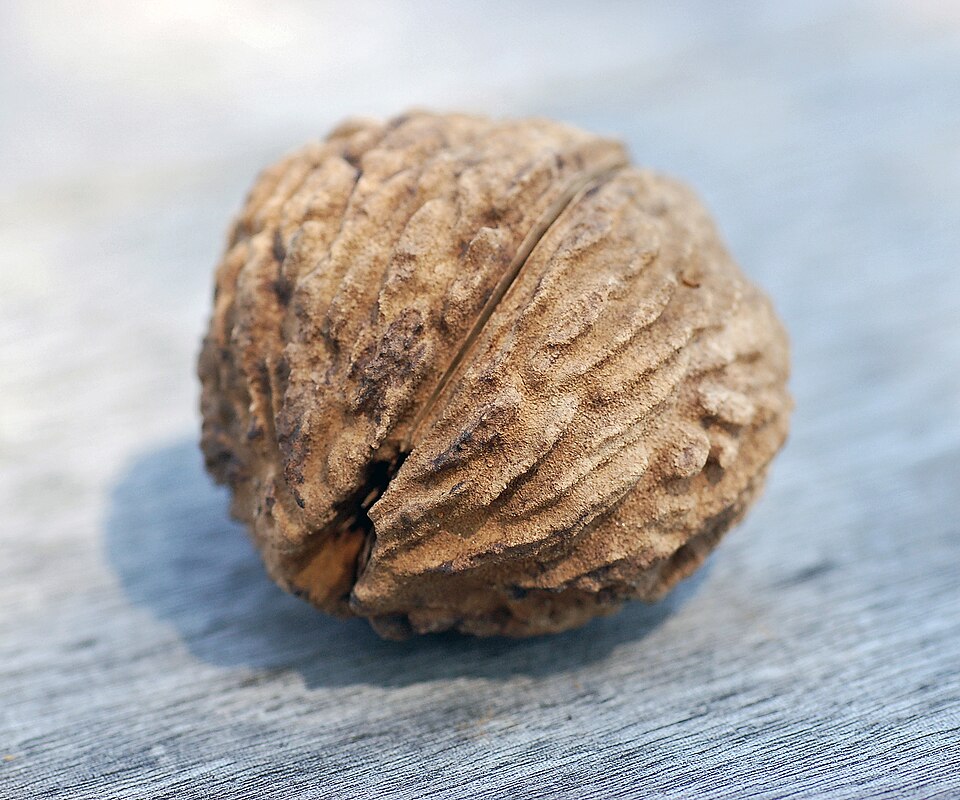
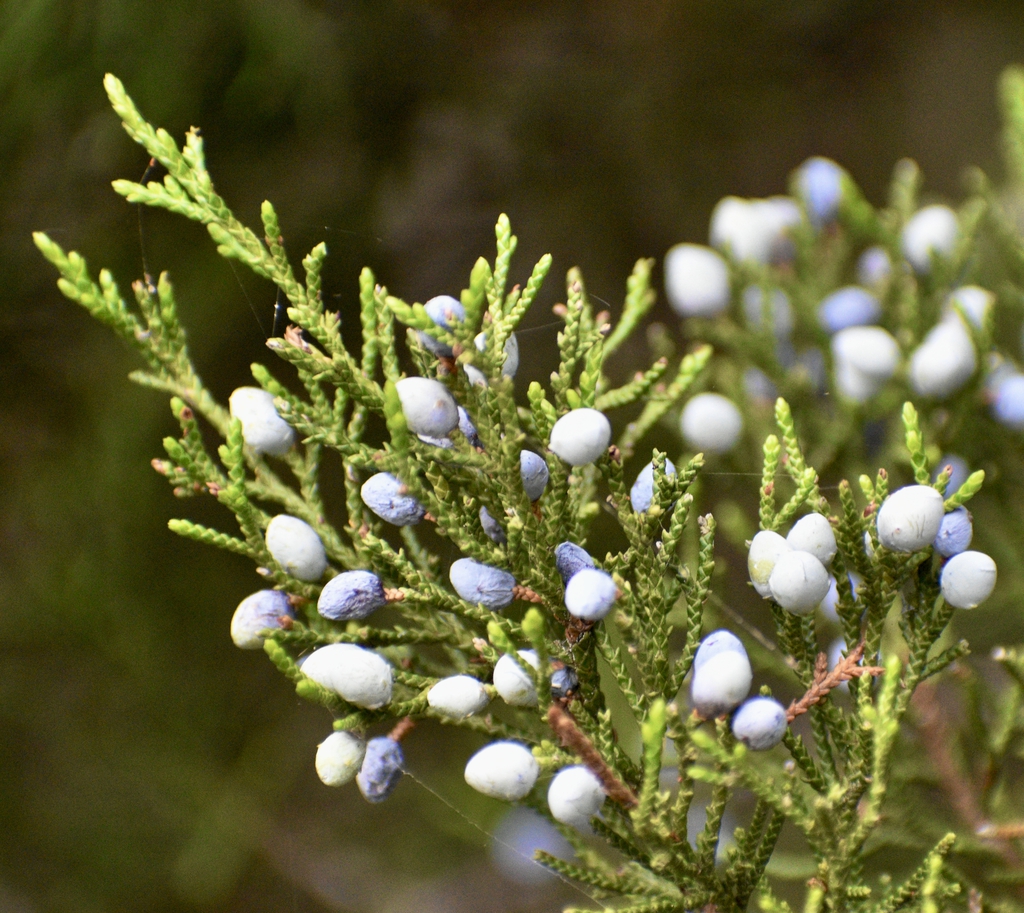
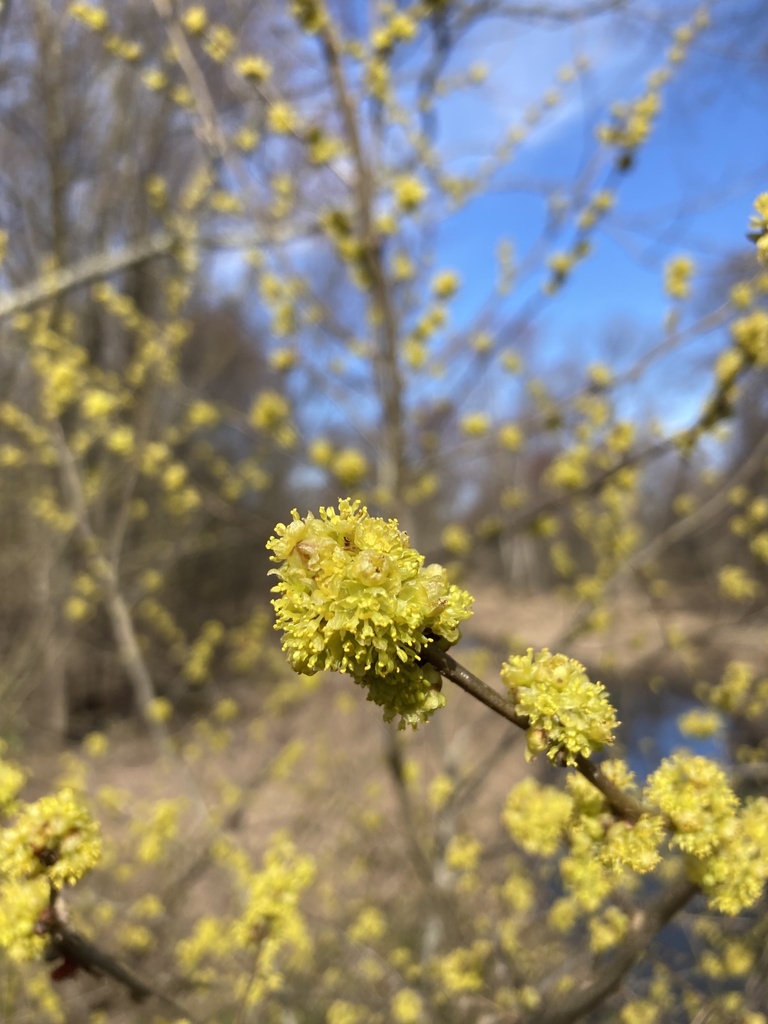
Wildlife 108
Other animals whose habitat models include the same habitats in Arkansas. Not sighting records.
- Acadian FlycatcherEmpidonax virescens
- American GoldfinchCarduelis tristis
- American KestrelFalco sparverius
- American RobinTurdus migratorius
- Bald EagleHaliaeetus leucocephalus
- Baltimore OrioleIcterus galbula
- Barred OwlStrix varia
- Belted KingfisherMegaceryle alcyon
- Black-and-White WarblerMniotilta varia
- Black-crowned Night-heronNycticorax nycticorax
- Blue GrosbeakPasserina caerulea
- Blue JayCyanocitta cristata
- Blue-gray GnatcatcherPolioptila caerulea
- Broad-winged HawkButeo platypterus
- Brown CreeperCerthia americana
- Brown ThrasherToxostoma rufum
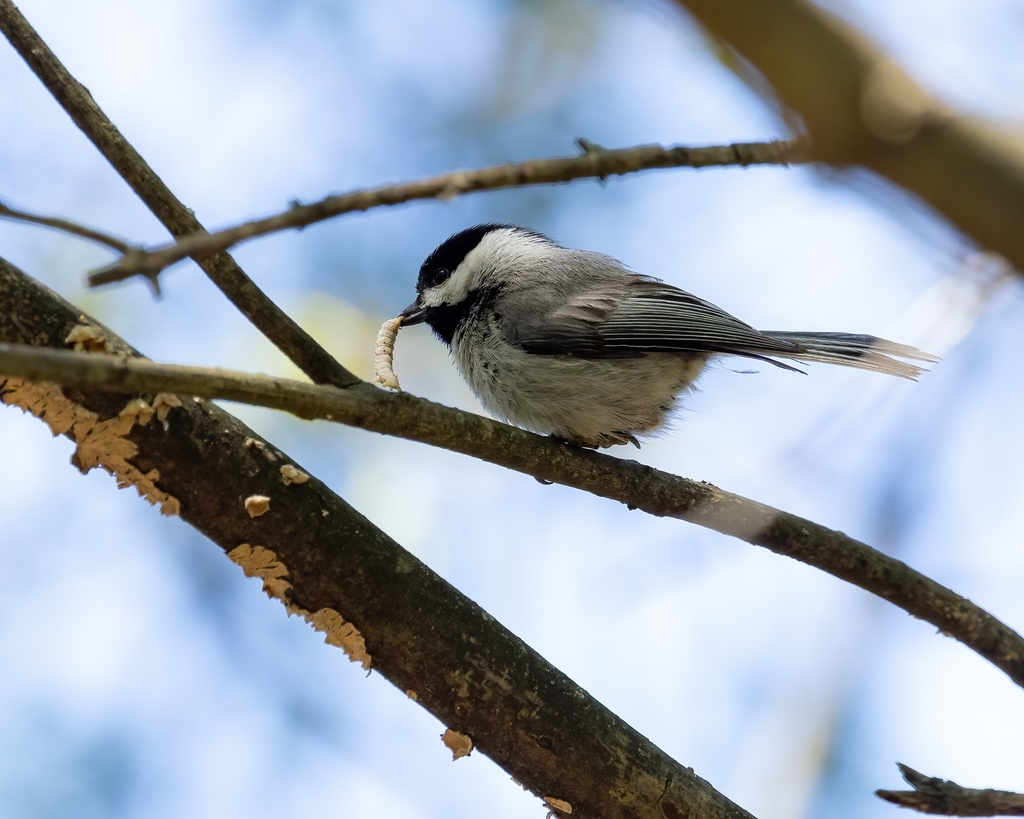
- Carolina ChickadeePoecile carolinensis
- Cedar WaxwingBombycilla cedrorum
- Cerulean WarblerDendroica cerulea
- Chimney SwiftChaetura pelagica
- Chipping SparrowSpizella passerina
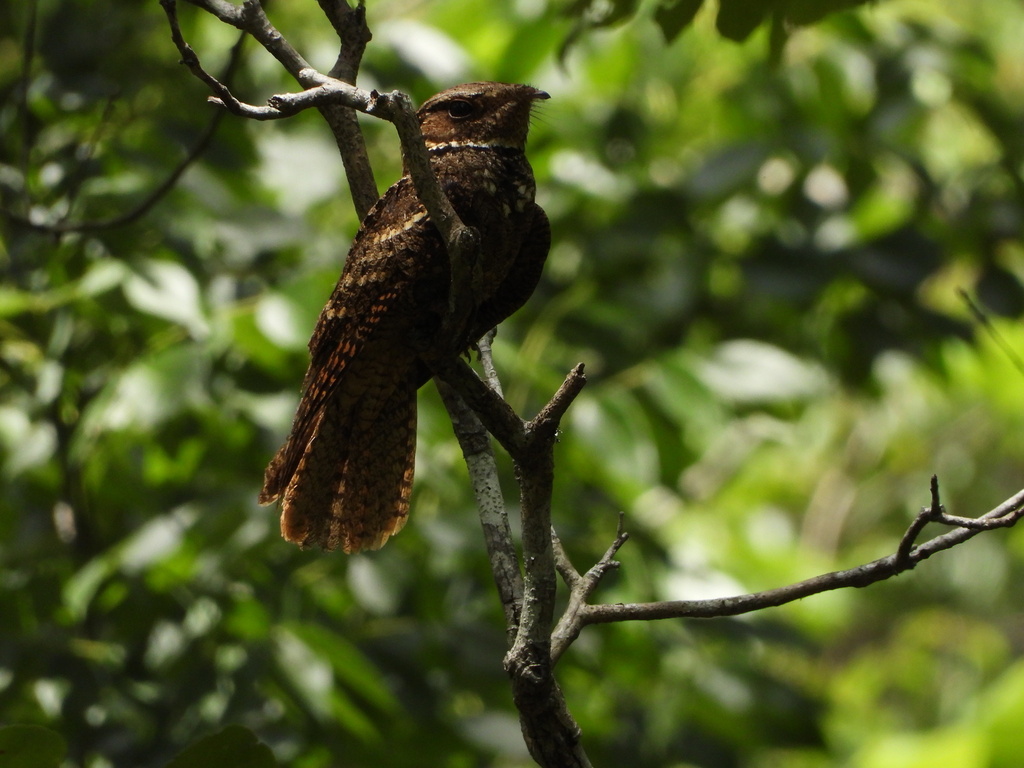
- Chuck-will's-widowCaprimulgus carolinensis
- Common NighthawkChordeiles minor
- Common YellowthroatGeothlypis trichas






















NatureServe Explorer, CC BY 4.0. USGS Gap Analysis Project habitat models.
Sources
- USGS Gap Analysis Project habitat models (2001)
- USGS GAP winter habitat model for Black-throated Green Warbler
- USGS Gap Analysis Project range maps (2001), modeled by watershed; migratory gives no dates
- NatureServe Explorer (CC BY 4.0), habitat names
- US Census TIGER/Line counties
- Names follow the USGS Gap Analysis Project (2001)