

Hoary Vervain
Verbena stricta
In the Carolinas and Georgia, found in prairies, glades, barrens, pastures, and roadsides. Weakley, Flora of the Southeastern United States (2025), Carolinas & Georgia edition What its natural habitat tells you
Native to Arkansas. How scores work Is it native here?
Profile 94%
- Height
- 2–4 feet
- Spread
- 1.5–2 feet
- Light
- Full sun
- Soil moisture
- Dry to average
Space about 2 ft apart from its recorded spread, about 25 per 100 sq ft. Enter your bed size for a count
Will it fit your yard?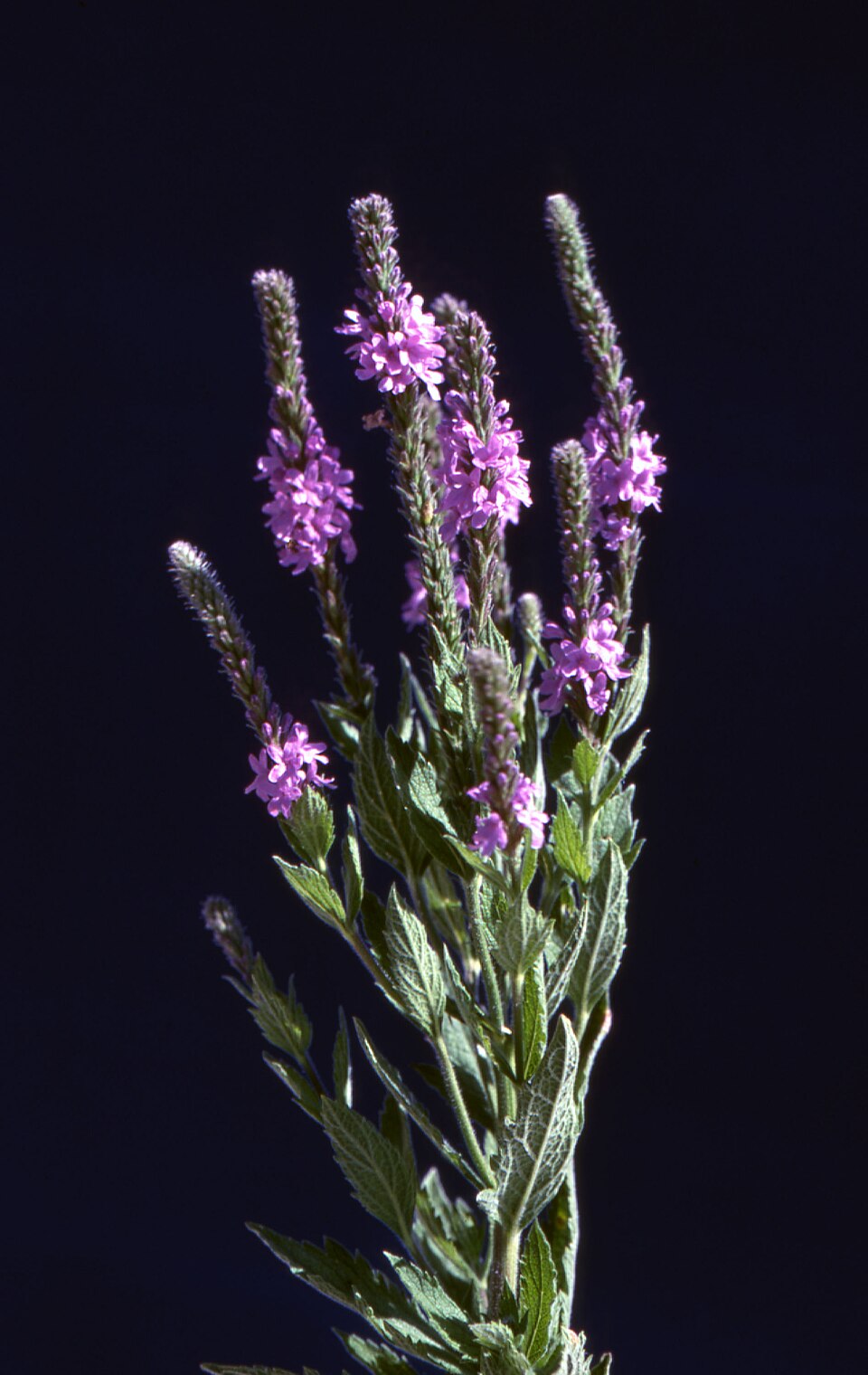
At a glance
- Life cycle
- Perennial
- Bloom
- June to September
Not yet recorded · Leaves
Recorded in 28 Arkansas counties.
Natural habitats
Places it grows wild. Not a planting requirement. Each habitat page lists the plants and wildlife also found there.
Open, grass-dominated places kept open by fire, grazing or thin soil, from tallgrass prairie to Piedmont prairies.
Roadsides, fields and disturbed ground
Ground opened by people: roadsides, old fields, pastures, fencerows and lots.
Also found with this plant
Wildlife whose habitat models include habitats this plant grows in, in Arkansas. Shared habitat, not food. 24 animals.
- American CrowCorvus brachyrhynchos
- American KestrelFalco sparverius
- Bald EagleHaliaeetus leucocephalus
- Bank SwallowRiparia riparia
- Belted KingfisherMegaceryle alcyon
- Chimney SwiftChaetura pelagica
- Cliff SwallowPetrochelidon pyrrhonota
- Common NighthawkChordeiles minor
- Dark-eyed JuncoJunco hyemalis
- Eastern KingbirdTyrannus tyrannus
- Eastern PhoebeSayornis phoebe
- European StarlingSturnus vulgaris
- Fish CrowCorvus ossifragus
- Great Horned OwlBubo virginianus
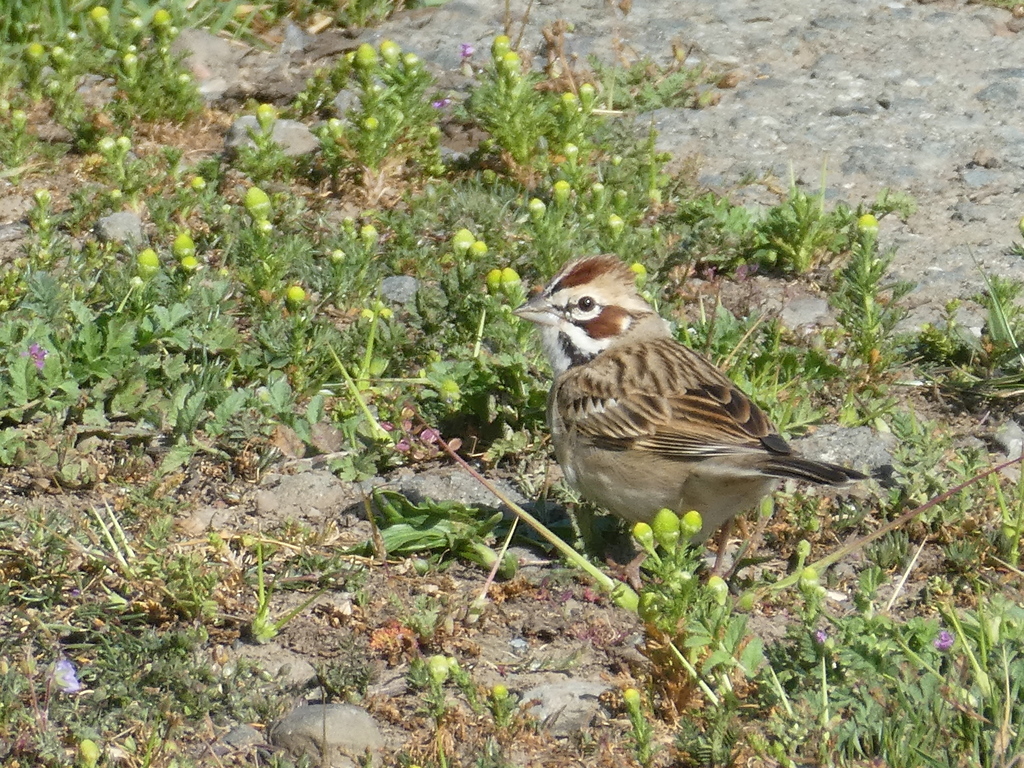
- Lark SparrowChondestes grammacus
- Mourning DoveZenaida macroura
- Northern FlickerColaptes auratus
- Northern Rough-winged SwallowStelgidopteryx serripennis
- OspreyPandion haliaetus
- Red-tailed HawkButeo jamaicensis
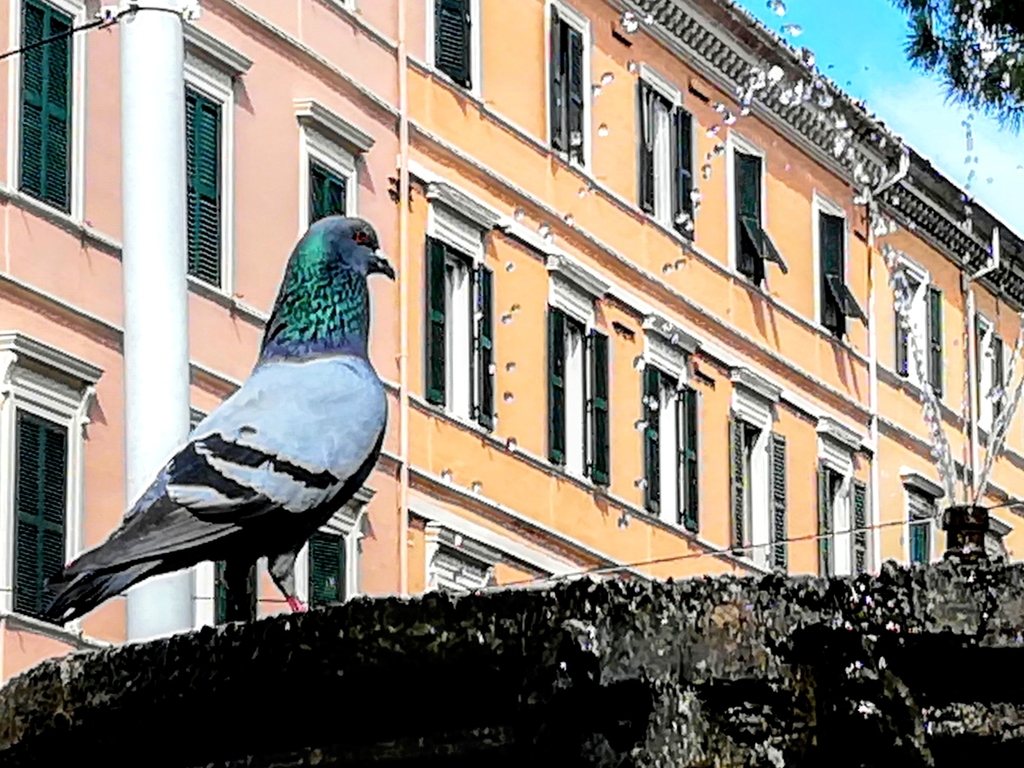
- Rock PigeonColumba livia
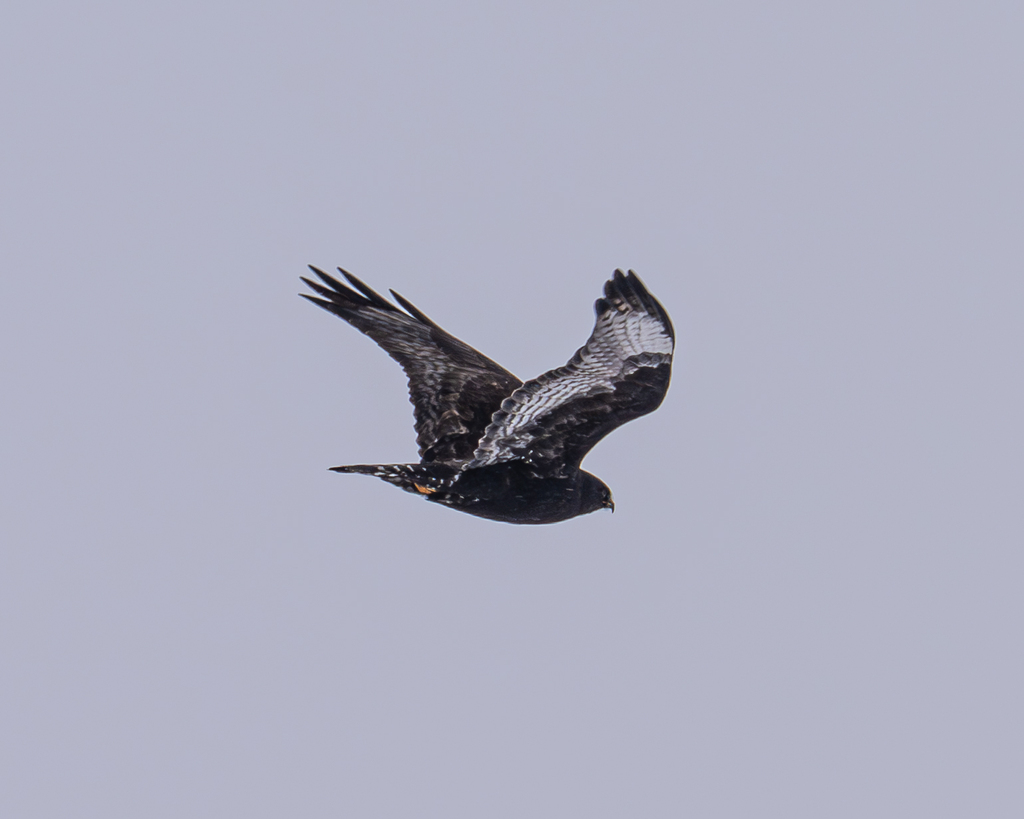
- Rough-legged HawkButeo lagopus
- Sharp-shinned HawkAccipiter striatus
- Turkey VultureCathartes aura






















Who uses this plant?
 10CaterpillarsGenus host records with ranges including AR
Genus host records with ranges including AR · Verbena
- Catabena lineolataFine-Lined Sallow
- Cenopis reticulatanaReticulated Fruitworm Moth
- Choristoneura rosaceanaOblique-Banded Leafroller Moth, Rosaceous Leaf Roller
- Crambodes talidiformisVerbena Groundling, Verbena Moth
- Endothenia hebesanaVerbena Bud Moth
- Junonia coeniaCommon Buckeye
- Megalographa bilobaBilobed Looper Moth
- Sparganothis sulfureanaSparganothis Fruitworm Moth, Sulfur Leafroller, False Yellow-Head
- Spilosoma virginicaVirginian Tiger Moth, Yellow Woolybear Moth, Yellow Bear
- Xenotemna pallorana
 39BeesSoutheastern regional records
Southeastern regional records · Verbena
Individual names are not available yet.
Noori, Seltmann & Orr 2026, A curated and integrated dataset for exploring global bee-plant interactions (GloBI), Zenodo, CC BY 4.0 2Specialist beesPollen specialists
Pollen specialists · Verbena
- Calliopsis michenerella
- Calliopsis nebraskensis
 8BirdsRecorded genus food-resource interactions; not a state feeding claim
Recorded genus food-resource interactions; not a state feeding claim · Verbena
- Acanthis flammeaCommon Redpoll
- Anthus rubescensAmerican Pipit
- Calcarius lapponicusLapland Longspur
- Callipepla californicaCalifornia Quail
- Colinus virginianusNorthern Bobwhite
- Columbina passerinaCommon Ground Dove
- Plectrophenax nivalisSnow Bunting
- Zenaida macrouraMourning Dove
Direct food only: birds recorded eating this genus across North America. Caterpillars on host plants also feed nesting birds. NC Native Plant Society: butterfly gardening
No records yet · Ants · Beetles · Flies · Adult butterflies / moths · Other wasps · Other insects
Plant details
- Family
- Verbenaceae
- Hardiness
- Zones 4a–8b
- Flower color
- Blue or purple
Safety has not been reviewed for this plant; check toxicity and thorns before planting.
Growing sources and scope
- Bloom · “June to September” · Weakley, Flora of the Southeastern United States (2025), Carolinas & Georgia edition · Carolinas and Georgia
- Flower color · “Blue or purple” · NC Extension Plant Toolbox (ranked first; Prairie Moon 2026 Cultural Guide differs)
- Hardiness · “Zones 4a–8b” · NC Extension Plant Toolbox
- Height · “2–4 feet” · NC Extension Plant Toolbox (ranked first; Minnesota Wildflowers, Prairie Moon 2026 Cultural Guide differ)
- Life cycle · “Perennial” · NC Extension Plant Toolbox
- Light · “Full sun (6 or more hours of direct sunlight a day)” · NC Extension Plant Toolbox (ranked first; Prairie Moon 2026 Cultural Guide differs)
- Soil · “Occasionally dry” · NC Extension Plant Toolbox (ranked first; Prairie Moon 2026 Cultural Guide differs)
- Spread · “1.5–2 feet” · NC Extension Plant Toolbox
Conservation status
| Arkansas rank | SNR |
|---|---|
| Global rank | G5 |
| AR status | Not verified |
| Federal status | Not verified |
Will it fit your yard?
Check this plant against your county, sun and soil moisture. Conditions are checked in your browser.
Sources
- Atlas of the Vascular Plants of Arkansas (2013)
- USDA PLANTS
- Weakley, Flora of the Southeastern United States (2025)
- Arkansas occurrence source
- Shropshire & Tallamy 2025, Lepidoptera of North America north of Mexico, ZooKeys 1261 (ODbL)
- Noori, Seltmann & Orr 2026, A curated and integrated dataset for exploring global bee-plant interactions (GloBI), Zenodo, CC BY 4.0
- Smith, Bachelder, Russell, Morales, Mosher & Seltmann 2024, Bee-Specialization-Modeling v0.6.1 (specialist host table compiled from J. Fowler's pollen specialist bee lists), Zenodo, CC BY 4.0
- Hurlbert, Olsen, Sawyer & Winner 2021, Avian Diet Database, Scientific Data 8: 260 (CC0)
- Narango, Tallamy & Shropshire 2020, Few keystone plant genera support the majority of Lepidoptera species, Nature Communications