

Greater Marsh St. John's-wort
Triadenum walteri
In the Carolinas and Georgia, found in swamp forests and marshes. Weakley, Flora of the Southeastern United States (2025), Carolinas & Georgia edition What its natural habitat tells you
Native to Arkansas. How scores work Is it native here?
Profile 88%
- Height
- Up to about 3 feet
- Light
- Partial shade, Full shade, Full sun
- Soil moisture
- Moist to wet
No photograph yet. Looking for an old drawing…
At a glance
- Life cycle
- Perennial
- Bloom
- July to September
Not yet recorded · Spread · Leaves
Recorded in 29 Arkansas counties.
Natural habitats
Places it grows wild. Not a planting requirement. Each habitat page lists the plants and wildlife also found there.
Forested wetlands with standing water much of the year, such as cypress and gum swamps.
Open, herb-covered wetlands with fresh, non-tidal water.
Also found with this plant
Wildlife whose habitat models include habitats this plant grows in, in Arkansas. Shared habitat, not food. 125 animals.
- American GoldfinchCarduelis tristis
- American RedstartSetophaga ruticilla
- American RobinTurdus migratorius
- Bald EagleHaliaeetus leucocephalus
- Belted KingfisherMegaceryle alcyon
- Black-and-White WarblerMniotilta varia
- Black-crowned Night-heronNycticorax nycticorax
- Blue JayCyanocitta cristata
- Blue-gray GnatcatcherPolioptila caerulea
- Blue-headed VireoVireo solitarius
- Brown CreeperCerthia americana
- Canada GooseBranta canadensis
- Cedar WaxwingBombycilla cedrorum
- Chimney SwiftChaetura pelagica
- Common NighthawkChordeiles minor
- Cooper's HawkAccipiter cooperii
- Double-crested CormorantPhalacrocorax auritus
- Downy WoodpeckerPicoides pubescens
- Eastern KingbirdTyrannus tyrannus
- European StarlingSturnus vulgaris
- Golden-crowned KingletRegulus satrapa
- Gray CatbirdDumetella carolinensis
- Great Blue HeronArdea herodias
- Great EgretArdea alba





















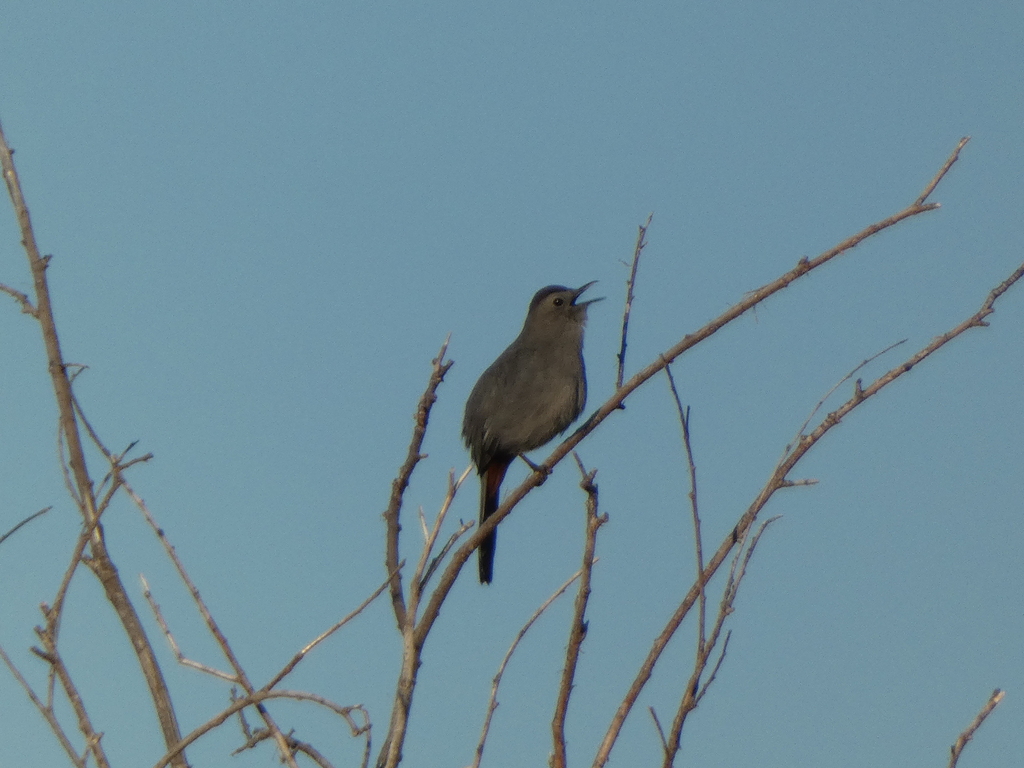


Who uses this plant?
 16CaterpillarsGenus host records with ranges including AR
Genus host records with ranges including AR · Hypericum
- Acleris maculidorsanaStained-Back Leafroller Moth
- Choristoneura rosaceanaOblique-Banded Leafroller Moth, Rosaceous Leaf Roller
- Eupithecia miserulataCommon Eupithacia, Common Pug
- Iodopepla u-albumBurgundy St. Johnswort Moth, White-Eyed Borer
- Iridopsis ephyrariaPale-Winged Gray
- Mocis latipesSmall Mocis, Striped Grass Looper
- Nedra ramosulaGray Half-Spot
- Nemoria bistriariaTwo-Striped Emerald, Red-Fringed Emerald
- Platynota flavedanaBlack-Shaded Platynota
- Probole amicariaFriendly Probole
Show all 16
- Sparganothis sulfureanaSparganothis Fruitworm Moth, Sulfur Leafroller, False Yellow-Head
- Synchlora aerataWavy-Lined Emerald, Camouflaged Looper
- Tallula watsoniWatson's Tallula
- Xestia c-nigrumSpotted Cut-Worm, Setaceous Hebrew Character, Lesser Black-letter Dart
- Zale lunataLunate Zale
- Xenotemna pallorana
 43BeesSoutheastern regional records
Southeastern regional records · Hypericum
Individual names are not available yet.
Noori, Seltmann & Orr 2026, A curated and integrated dataset for exploring global bee-plant interactions (GloBI), Zenodo, CC BY 4.0 0Specialist beesPollen specialists
 1BirdsRecorded genus food-resource interactions; not a state feeding claim
Recorded genus food-resource interactions; not a state feeding claim · Triadenum
- Aix sponsaWood Duck
Direct food only: birds recorded eating this genus across North America. Caterpillars on host plants also feed nesting birds. NC Native Plant Society: butterfly gardening
No records yet · Ants · Beetles · Flies · Adult butterflies / moths · Other wasps · Other insects
Plant details
- Family
- Hypericaceae
- Flower color
- White, pink or green
Safety has not been reviewed for this plant; check toxicity and thorns before planting.
Growing sources and scope
- Bloom · “July to September” · Weakley, Flora of the Southeastern United States (2025), Carolinas & Georgia edition · Carolinas and Georgia
- Flower color · “White, pink or green” · Lady Bird Johnson Wildflower Center
- Height · “Up to about 3 feet” · Lady Bird Johnson Wildflower Center
- Life cycle · “Perennial” · Lady Bird Johnson Wildflower Center
- Light · “Partial shade; Full shade; Full sun (documented habitat)” · Weakley, Flora of the Southeastern United States (2025), Carolinas & Georgia edition · Carolinas and Georgia
- Soil · “Moist; Wet (documented habitat)” · Weakley, Flora of the Southeastern United States (2025), Carolinas & Georgia edition · Carolinas and Georgia
Also known as
Greater Marsh St. John's wort; Greater Marsh St. Johnswort; Hypericum walteri; john's wort; john's-wort
Conservation status
| Arkansas rank | SNR |
|---|---|
| Global rank | G5 |
| AR status | Not verified |
| Federal status | Not verified |
Will it fit your yard?
Check this plant against your county, sun and soil moisture. Conditions are checked in your browser.
Sources
- Atlas of the Vascular Plants of Arkansas (2013)
- USDA PLANTS
- Vascular Plants of North Carolina (NC Natural Heritage Program)
- Weakley, Flora of the Southeastern United States (2025)
- Arkansas occurrence source
- Shropshire & Tallamy 2025, Lepidoptera of North America north of Mexico, ZooKeys 1261 (ODbL)
- Noori, Seltmann & Orr 2026, A curated and integrated dataset for exploring global bee-plant interactions (GloBI), Zenodo, CC BY 4.0
- Smith, Bachelder, Russell, Morales, Mosher & Seltmann 2024, Bee-Specialization-Modeling v0.6.1 (specialist host table compiled from J. Fowler's pollen specialist bee lists), Zenodo, CC BY 4.0
- Hurlbert, Olsen, Sawyer & Winner 2021, Avian Diet Database, Scientific Data 8: 260 (CC0)
- Narango, Tallamy & Shropshire 2020, Few keystone plant genera support the majority of Lepidoptera species, Nature Communications