

Coralberry
Symphoricarpos orbiculatus
In the Carolinas and Georgia, found in moist to dry forests, woodlands, thickets, pastures, and old fields, especially over mafic or calcareous rocks. Weakley, Flora of the Southeastern United States (2025), Carolinas & Georgia edition What its natural habitat tells you
Native to Arkansas. How scores work Is it native here?
Profile 100%
- Height
- 2–4 feet
- Spread
- 3–6 feet
- Light
- Full sun, Partial shade
- Soil moisture
- Somewhat dry to moist
Space about 4.5 ft apart from its recorded spread, about 5 per 100 sq ft. Enter your bed size for a count
Will it fit your yard?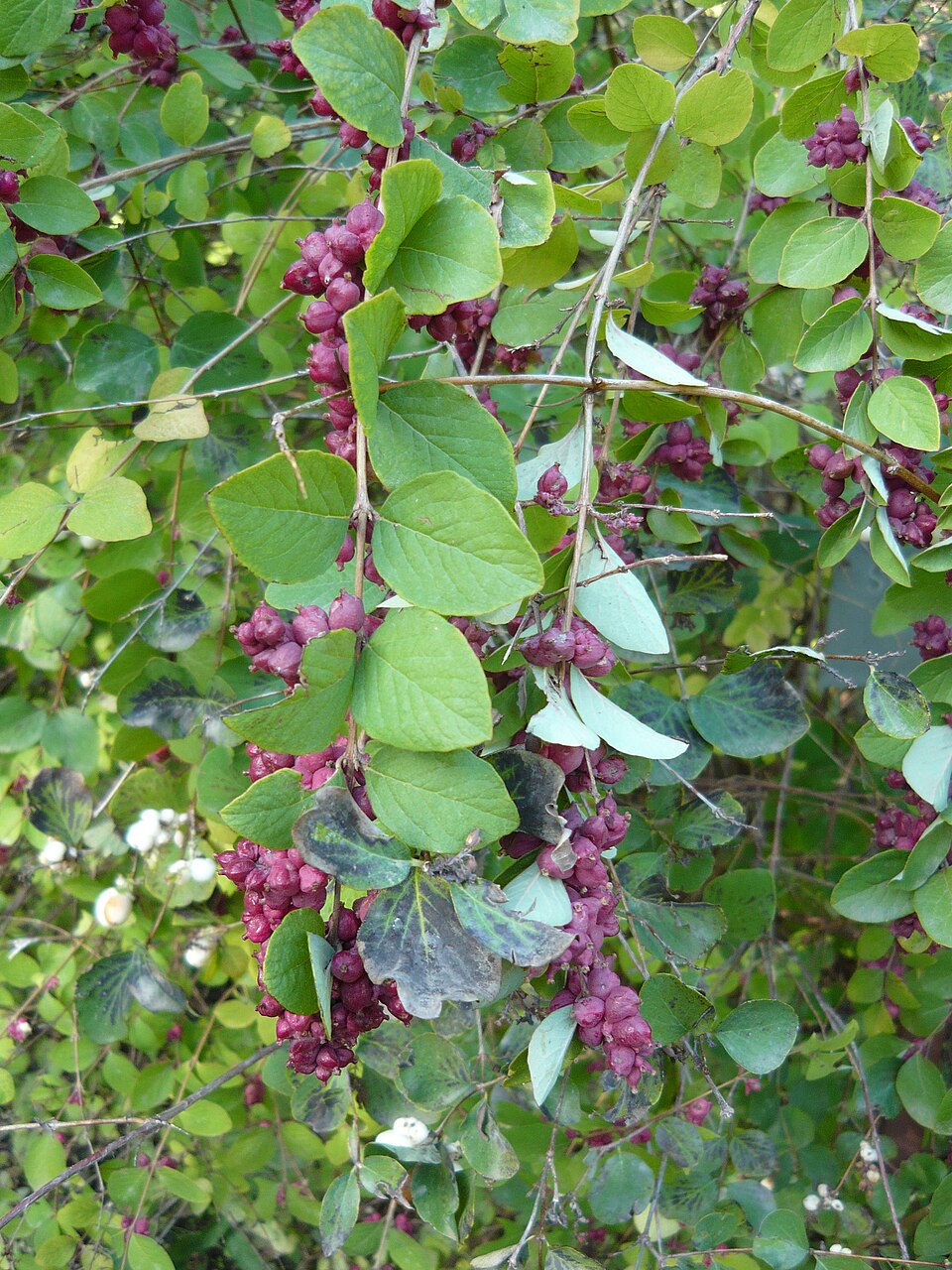
At a glance
- Life cycle
- Woody perennial
- Leaves
- Deciduous
- Bloom
- July to September
- Fruiting season
- Summer to fall
Recorded in 48 Arkansas counties.
Natural habitats
Places it grows wild. Not a planting requirement. Each habitat page lists the plants and wildlife also found there.
Forests on moist but not wet ground, such as rich slopes and ravines.
Forests and open woodlands on dry ridges and slopes, often oak or pine.
Forest or woodland where the source does not say how moist or dry.
Borders of forests, clearings and shrubby thickets.
Roadsides, fields and disturbed ground
Ground opened by people: roadsides, old fields, pastures, fencerows and lots.
Also found with this plant
Wildlife whose habitat models include habitats this plant grows in, in Arkansas. Shared habitat, not food. 37 animals.
Widespread birds also seen here (31)
Found in many habitats here, so not listed above.
- American Goldfinch
- American Kestrel
- American Robin
- Black-crowned Night-heron
- Blue Grosbeak
- Chimney Swift
- Chipping Sparrow
- Cliff Swallow
- Common Nighthawk
- Cooper's Hawk
- Eastern Bluebird
- Eastern Kingbird
- Eastern Screech-owl
- Eurasian Collared-dove
- European Starling
- Great Horned Owl
- Indigo Bunting
- Mourning Dove
- Northern Flicker
- Northern Mockingbird
- Pileated Woodpecker
- Pine Siskin
- Purple Finch
- Red-headed Woodpecker
- Red-tailed Hawk
- Red-winged Blackbird
- Sharp-shinned Hawk
- Spotted Sandpiper
- Turkey Vulture
- Wild Turkey
- Yellow-breasted Chat
Who uses this plant?
 21CaterpillarsGenus host records with ranges including AR
Genus host records with ranges including AR · Symphoricarpos
- Hemaris diffinisSnowberry Clearwing
- Hemaris thysbeHummingbird Clearwing
- Amphipyra pyramidoidesMiranda Underwing, Copper Underwing, Copper Amphipyra
- Archips rileyanaSouthern Ugly-Nest Caterpillar Moth
- Automeris ioIo Moth
- Callizzia amorataGray Scoopwing
- Campaea perlataPale Beauty, Fringed Looper
- Choristoneura rosaceanaOblique-Banded Leafroller Moth, Rosaceous Leaf Roller
- Choristoneura zapulataZapulata Moth
- Ectropis crepusculariaThe Small Engrailed, Saddleback Looper
Show all 21
- Euphydryas phaetonThe Baltimore, The Black Checker
- Haploa leconteiLeconte's Haploa
- Harrisimemna trisignataHarris's Three-Spot
- Herpetogramma pertextalisBold-Feathered Grass Moth
- Hyalophora cecropiaCecropia Silkmoth, Cecropia Moth
- Hyphantria cuneaFall Webworm
- Lomographa vestaliataWhite Spring Moth
- Melanchra pictaPainted Arches, Zebra Caterpillar Moth
- Orgyia leucostigmaWhite-Marked Tussock Moth
- Palthis asopialisFaint-Spotted Palthis
- Sphinx vashtiVashti Sphinx
 4BeesSoutheastern regional records
Southeastern regional records · Symphoricarpos
Individual names are not available yet.
Noori, Seltmann & Orr 2026, A curated and integrated dataset for exploring global bee-plant interactions (GloBI), Zenodo, CC BY 4.0 0Specialist beesPollen specialists
 8BirdsRecorded eating Symphoricarpos in Arkansas
Diet records by plant genus, from studies across North America. Not a record from this state. Birds whose range includes Arkansas, most records first.
- Ruffed GrouseFruit. 17 diet records
- American RobinFruit. 1 diet record
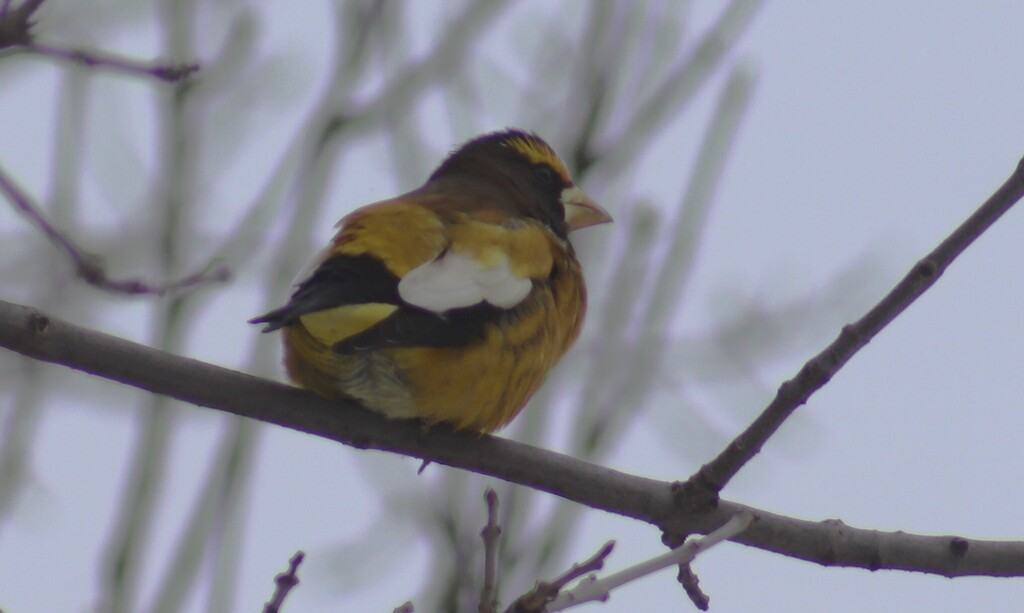
- Evening Grosbeak1 diet record
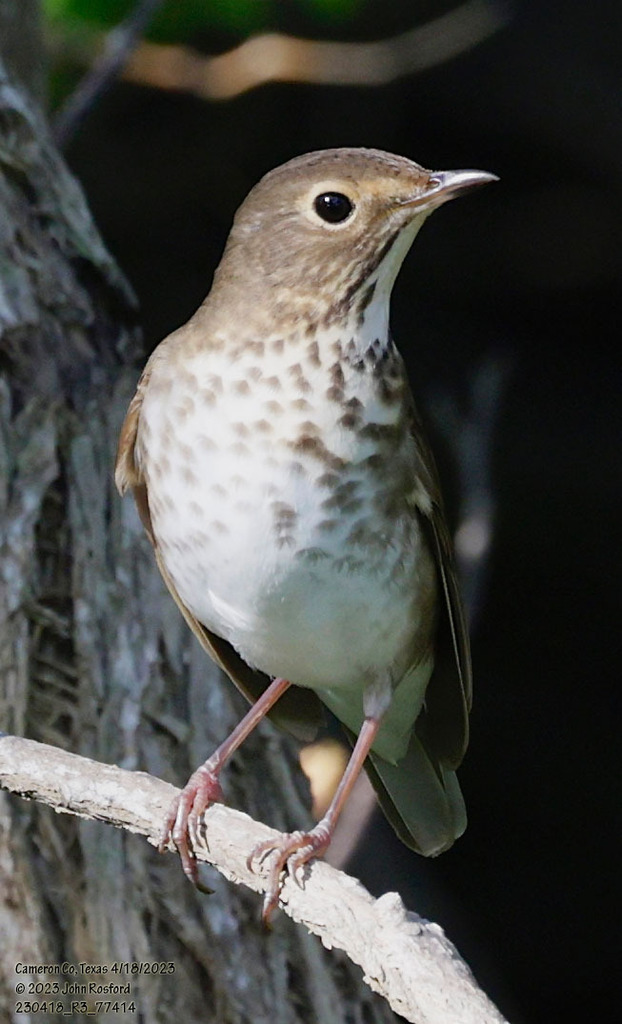
- Hermit ThrushFruit and seeds. 1 diet record
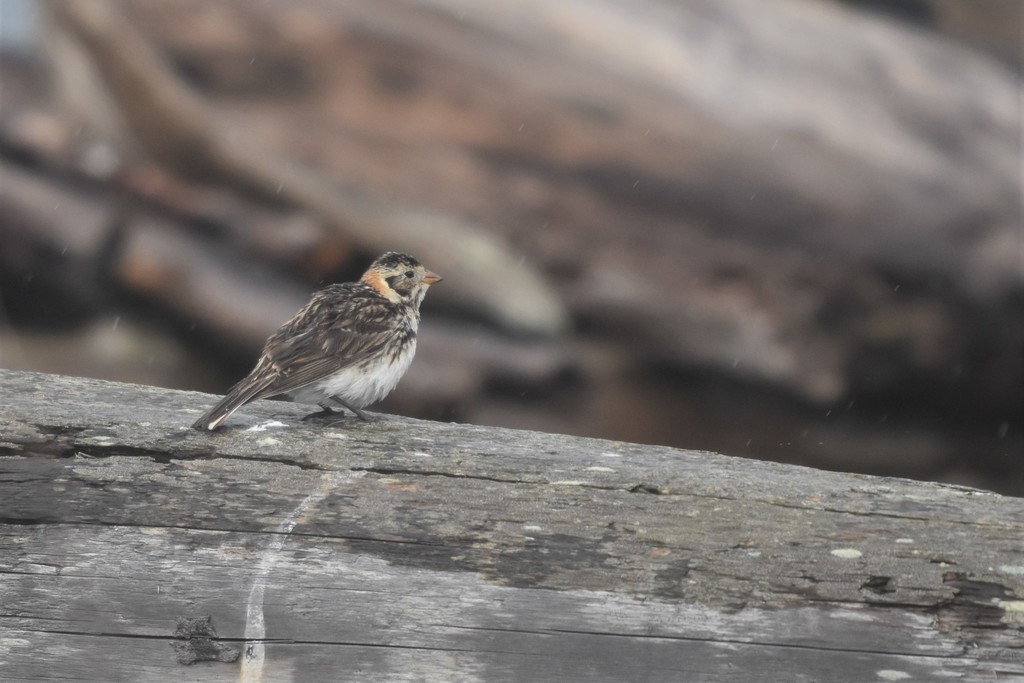
- Lapland Longspur1 diet record
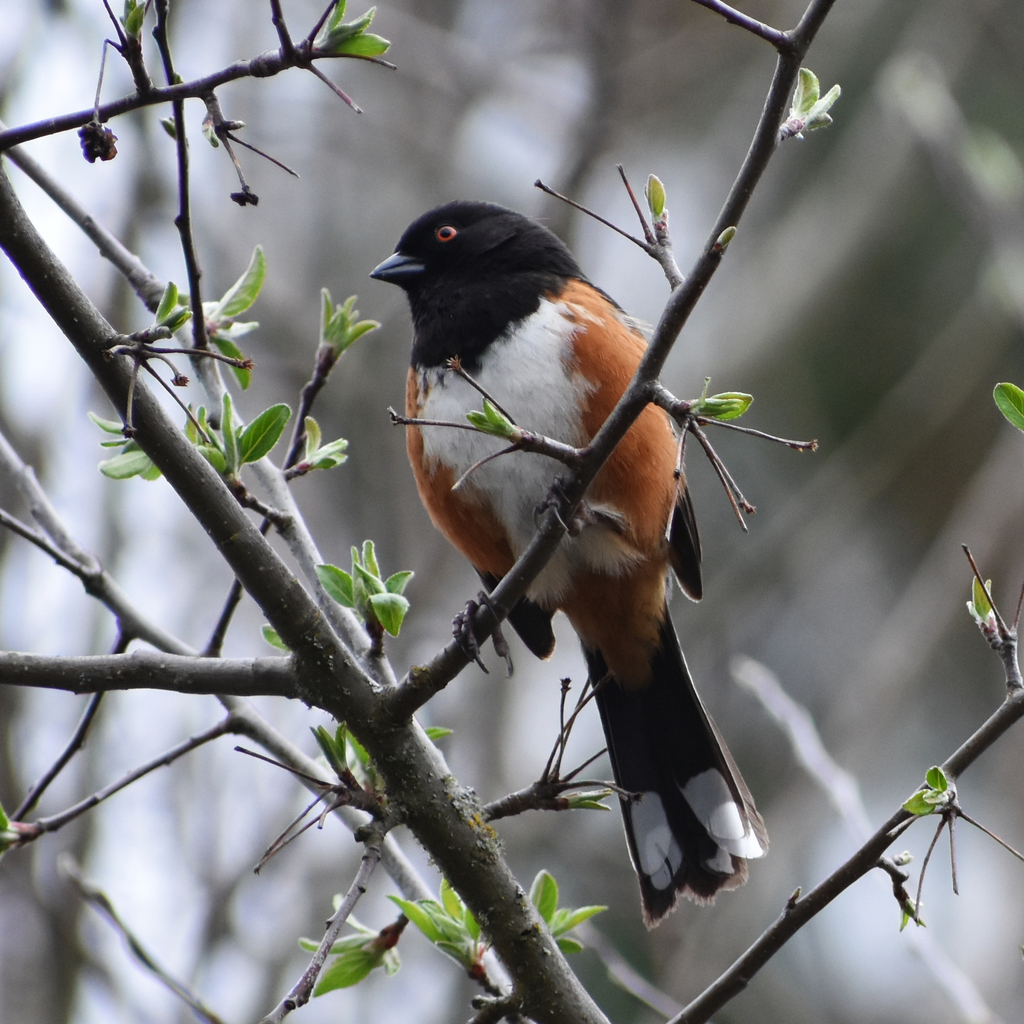
- Spotted TowheeFruit. 1 diet record
- Swainson's ThrushFruit and seeds. 1 diet record
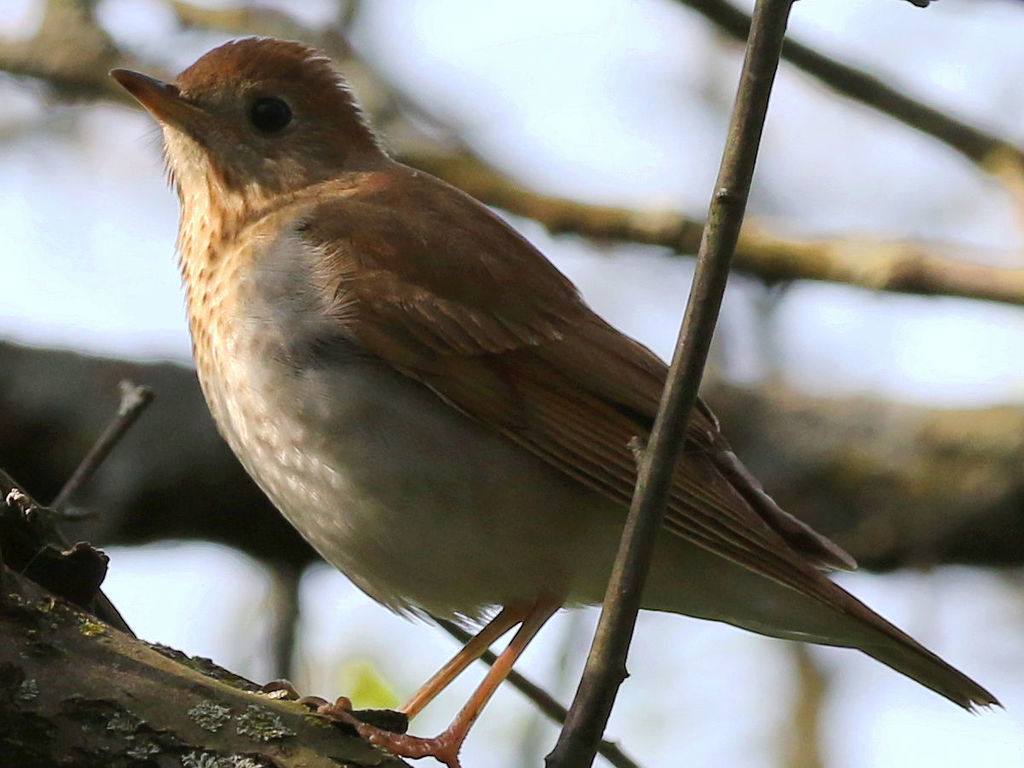
- VeeryFruit and seeds. 1 diet record
Direct food only. Caterpillars on host plants also feed nesting birds. NC Native Plant Society: butterfly gardening
No records yet · Ants · Beetles · Flies · Adult butterflies / moths · Other wasps · Other insects
Birds that eat Symphoricarpos 8
Diet records by plant genus, from studies across North America. Not a record from this state. Avian Diet Database (Hurlbert Lab), CC0 1.0.
- Ruffed GrouseBonasa umbellus
- American RobinTurdus migratorius
- Evening GrosbeakCoccothraustes vespertinus
- Hermit ThrushCatharus guttatus
- Lapland LongspurCalcarius lapponicus
- Spotted TowheePipilo maculatus
- Swainson's ThrushCatharus ustulatus
- VeeryCatharus fuscescens




Plant details
- Family
- Caprifoliaceae
- Hardiness
- Zones 2–7
- Soil pH
- Neutral to alkaline
- Flower color
- Green, inconspicuous or white
- Growth rate
- Moderate
- Growth habit
- Spreads by rhizomes
- Foliage color
- Green
- Fruit begins
- Summer
- Fruit ends
- Fall
Safety has not been reviewed for this plant; check toxicity and thorns before planting.
Growing sources and scope
- Bloom · “Late July to September” · Weakley, Flora of the Southeastern United States (2025), Carolinas & Georgia edition (ranked first; USDA PLANTS differs) · Carolinas and Georgia
- Flower color · “Green, inconspicuous or white” · NC Extension Plant Toolbox (ranked first; USDA PLANTS differs)
- Foliage color · “Green” · USDA PLANTS · Nationwide species characteristics; local growing conditions may vary
- Fruit begins · “Summer” · USDA PLANTS · Nationwide species characteristics; local growing conditions may vary
- Fruit ends · “Fall” · USDA PLANTS · Nationwide species characteristics; local growing conditions may vary
- Growth habit · “Spreads by rhizomes” · USDA PLANTS · Nationwide species characteristics; local growing conditions may vary
- Growth rate · “Moderate” · USDA PLANTS · Nationwide species characteristics; local growing conditions may vary
- Hardiness · “Zones 2–7” · Missouri Botanical Garden Plant Finder
- Height · “2–4 feet” · NC Extension Plant Toolbox (ranked first; USDA PLANTS, Missouri Botanical Garden Plant Finder differ)
- Leaves · “Deciduous” · NC Extension Plant Toolbox
- Life cycle · “Woody perennial” · NC Extension Plant Toolbox
- Light · “Full sun (6 or more hours of direct sunlight a day); Partial shade (direct sunlight only part of the day, 2-6 hours)” · NC Extension Plant Toolbox (ranked first; Tennessee Smart Yards, Missouri Botanical Garden Plant Finder differ)
- Soil · “Moist; Occasionally dry” · NC Extension Plant Toolbox (ranked first; Tennessee Smart Yards, Missouri Botanical Garden Plant Finder differ)
- Soil pH · “Neutral to alkaline” · NC Extension Plant Toolbox
- Spread · “3–6 feet” · NC Extension Plant Toolbox (ranked first; Missouri Botanical Garden Plant Finder differs)
Conservation status
| Arkansas rank | SNR |
|---|---|
| Global rank | G5 |
| AR status | Not verified |
| Federal status | Not verified |
Will it fit your yard?
Check this plant against your county, sun and soil moisture. Conditions are checked in your browser.
Growing cautions
- Spreads by rhizomes. USDA PLANTS lists its growth form as rhizomatous. USDA PLANTS
For planning only; these do not change the score or Fit.
Sources
- Atlas of the Vascular Plants of Arkansas (2013)
- USDA PLANTS
- Vascular Plants of North Carolina (NC Natural Heritage Program)
- Weakley, Flora of the Southeastern United States (2025)
- Arkansas occurrence source
- Shropshire & Tallamy 2025, Lepidoptera of North America north of Mexico, ZooKeys 1261 (ODbL)
- Noori, Seltmann & Orr 2026, A curated and integrated dataset for exploring global bee-plant interactions (GloBI), Zenodo, CC BY 4.0
- Smith, Bachelder, Russell, Morales, Mosher & Seltmann 2024, Bee-Specialization-Modeling v0.6.1 (specialist host table compiled from J. Fowler's pollen specialist bee lists), Zenodo, CC BY 4.0
- Hurlbert, Olsen, Sawyer & Winner 2021, Avian Diet Database, Scientific Data 8: 260 (CC0)
- Narango, Tallamy & Shropshire 2020, Few keystone plant genera support the majority of Lepidoptera species, Nature Communications