

Laurel Greenbrier
Smilax laurifolia
In the Carolinas and Georgia, found in pocosins, swamp forests, wooded seeps and bogs, swamps, and other wetlands, often with groundwater influence. Weakley, Flora of the Southeastern United States (2025), Carolinas & Georgia edition What its natural habitat tells you
Native to Arkansas. Not suggested for planting. How scores work Is it native here?
Profile 88%
- Height
- Climbing vine, mature height not recorded
- Light
- Full sun, Partial shade
- Soil moisture
- Somewhat dry to moist
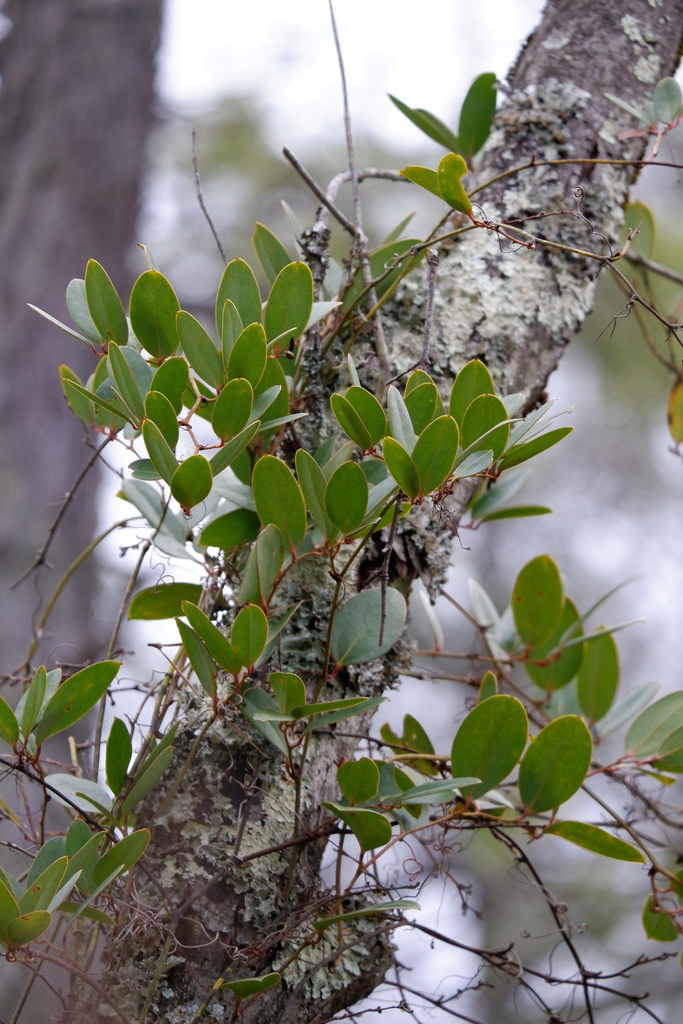
Thorny, dense vine. Spiny stems and dense climbing tangles need space and management; consider placement away from frequently used paths. Plant caution source
Hidden from default planting suggestions. Wildlife value and native status remain unchanged.
At a glance
- Life cycle
- Woody perennial
- Leaves
- Evergreen
- Bloom
- July to August
- Fruiting season
- Fall
Not yet recorded · Spread
Recorded in 12 Arkansas counties.
Natural habitats
Places it grows wild. Not a planting requirement. Each habitat page lists the plants and wildlife also found there.
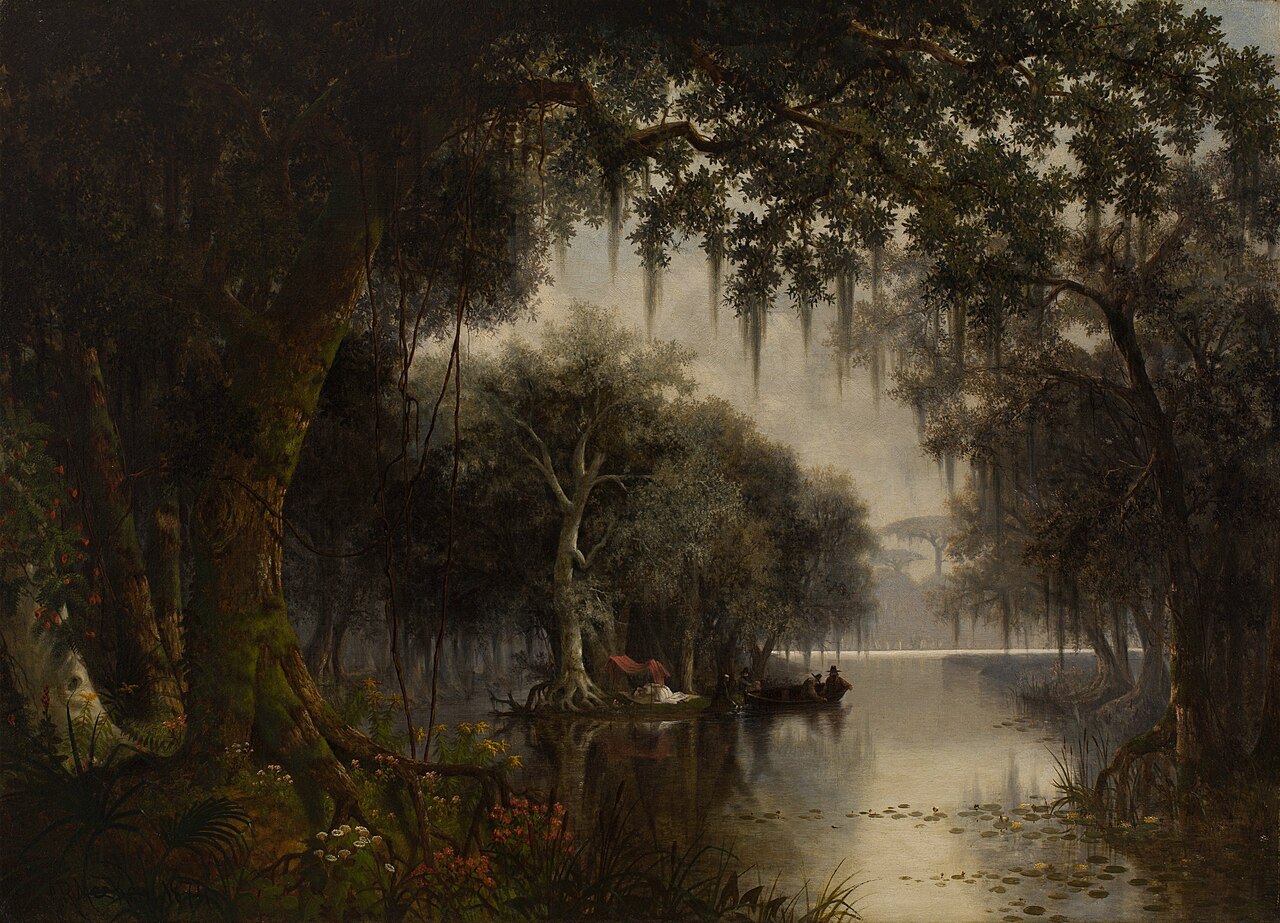
Places where groundwater keeps the soil or rock wet, such as seepage slopes and spring runs.
Also found with this plant
Wildlife whose habitat models include habitats this plant grows in, in Arkansas. Shared habitat, not food. 18 animals.
Widespread birds also seen here (53)
Found in many habitats here, so not listed above.
- American Goldfinch
- American Kestrel
- American Robin
- Black-and-White Warbler
- Black-crowned Night-heron
- Blue Grosbeak
- Blue Jay
- Blue-gray Gnatcatcher
- Brown Creeper
- Canada Goose
- Cedar Waxwing
- Chimney Swift
- Cliff Swallow
- Common Nighthawk
- Common Yellowthroat
- Cooper's Hawk
- Double-crested Cormorant
- Downy Woodpecker
- Eastern Kingbird
- Eastern Wood-pewee
- Eurasian Collared-dove
- European Starling
- Golden-crowned Kinglet
- Gray Catbird
- Great Horned Owl
- Hairy Woodpecker
- Hermit Thrush
- Lincoln's Sparrow
- Mallard
- Mississippi Kite
- Mourning Dove
- Northern Cardinal
- Northern Flicker
- Northern Mockingbird
- Osprey
- Purple Finch
- Red-bellied Woodpecker
- Red-tailed Hawk
- Red-winged Blackbird
- Ruby-crowned Kinglet
- Rusty Blackbird
- Sharp-shinned Hawk
- Song Sparrow
- Spotted Sandpiper
- Tree Swallow
- Tufted Titmouse
- Turkey Vulture
- White-throated Sparrow
- Yellow-bellied Sapsucker
- Yellow-billed Cuckoo
- Yellow-breasted Chat
- Yellow-crowned Night-heron
- Yellow-rumped Warbler
Who uses this plant?
 20CaterpillarsGenus host records with ranges including AR
Genus host records with ranges including AR · Smilax
- Amphipyra pyramidoidesMiranda Underwing, Copper Underwing, Copper Amphipyra
- Callopistria floridensisFlorida Fern Caterpillar
- Choristoneura parallelaParallel-Banded Leafroller, Spotted Fireworm Moth
- Cymatophora approximariaLarge Scalloped-Wing, Giant Grey
- Ephestiodes infimellaReddish Ephestiodes
- Eutrapela clematariaCurved-Tooth Geometer, Purplish Brown Looper
- Feniseca tarquiniusHarvester
- Hedone vibexWhirlabout
- Marmara smilacisellaX
- Norape cretataWhite Flannel Moth
Show all 20
- Oiketicus abbotiiAbbot's Bagworm Moth
- Orthosia rubescensRuby Quaker
- Phosphila miselioidesSpotted Phosphila
- Phosphila turbulentaTurbulent Phosphila
- Phyprosopus callitrichoidesCurved-Line Owlet
- Proleucoptera smilaciellaGreenbrier Leafminer
- Pseudogalleria inimicellaInimical Borer
- Pseudothyris sepulchralisMournful Thyris
- Thyridopteryx ephemeraeformisEvergreen Bagworm Moth
- Trichoplusia niNi Moth, Cabbage Looper Moth
 10BeesSoutheastern regional records
Southeastern regional records · Smilax
Individual names are not available yet.
Noori, Seltmann & Orr 2026, A curated and integrated dataset for exploring global bee-plant interactions (GloBI), Zenodo, CC BY 4.0 0Specialist beesPollen specialists
 9BirdsRecorded eating Smilax in Arkansas
Diet records by plant genus, from studies across North America. Not a record from this state. Birds whose range includes Arkansas, most records first.
- Ruffed GrouseFruit and leaves. 7 diet records
- Wild TurkeySeeds. 7 diet records
- American RobinFruit. 5 diet records
- Eastern BluebirdFruit. 3 diet records
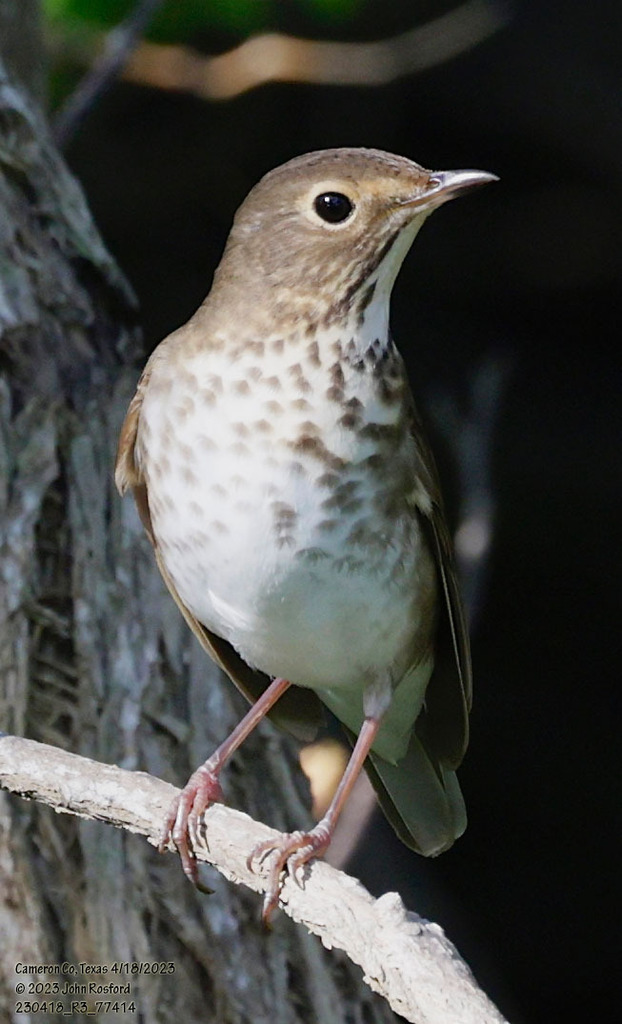
- Hermit ThrushFruit and seeds. 3 diet records
- Swainson's ThrushFruit and seeds. 2 diet records
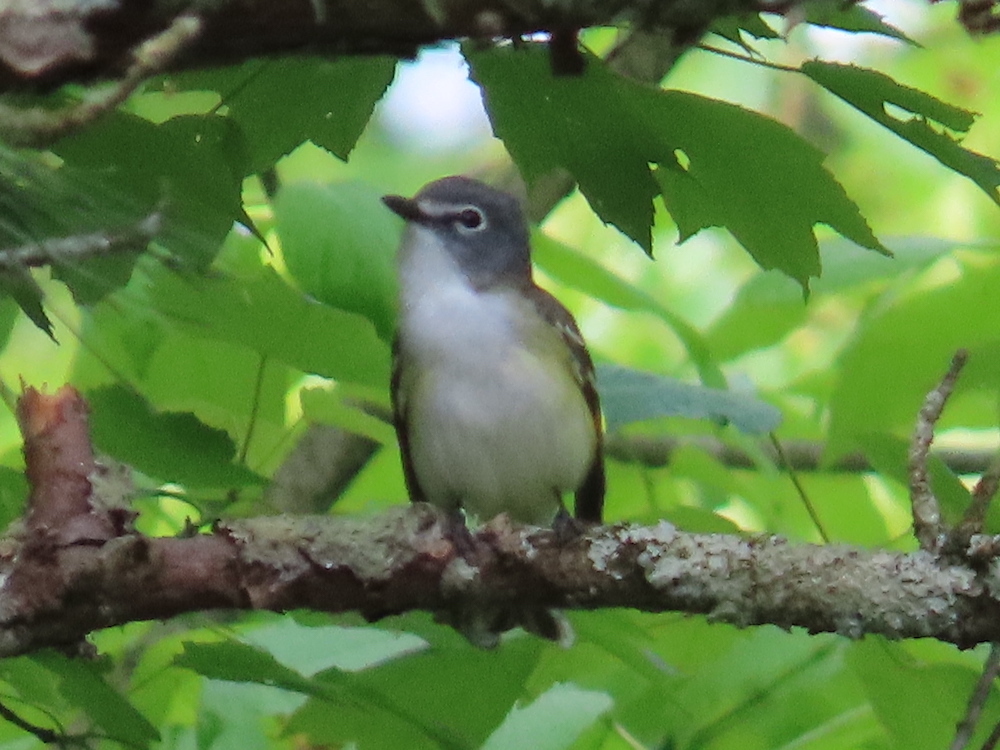
- Blue-headed Vireo1 diet record
- Northern CardinalFruit. 1 diet record
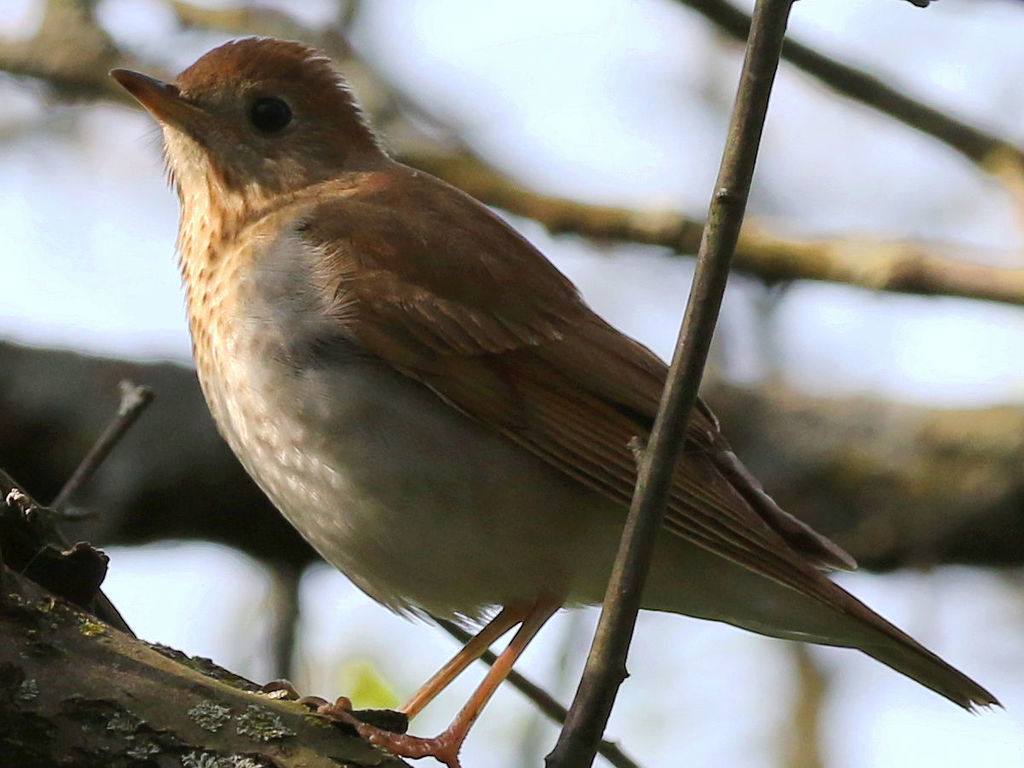
- VeeryFruit and seeds. 1 diet record
Direct food only. Caterpillars on host plants also feed nesting birds. NC Native Plant Society: butterfly gardening
No records yet · Ants · Beetles · Flies · Adult butterflies / moths · Other wasps · Other insects
Birds that eat Smilax 9
Diet records by plant genus, from studies across North America. Not a record from this state. Avian Diet Database (Hurlbert Lab), CC0 1.0.
- Ruffed GrouseBonasa umbellus
- Wild TurkeyMeleagris gallopavo
- American RobinTurdus migratorius
- Eastern BluebirdSialia sialis
- Hermit ThrushCatharus guttatus
- Swainson's ThrushCatharus ustulatus
- Blue-headed VireoVireo solitarius
- Northern CardinalCardinalis cardinalis
- VeeryCatharus fuscescens







Plant details
- Family
- Smilacaceae
- Hardiness
- Zones 7a–10b
- Soil pH
- Acidic to alkaline
- Flower color
- Yellow, green or white
- Growth rate
- Rapid
- Growth habit
- Forms thickets
- Foliage color
- Green
- Fruit begins
- Fall
- Fruit ends
- Fall
Size. The species source records a woody climbing vine but no mature stem-length range. USDA’s one-foot value is not used for spacing. Source
Growing sources and scope
- Bloom · “July to August” · Weakley, Flora of the Southeastern United States (2025), Carolinas & Georgia edition (ranked first; USDA PLANTS differs) · Carolinas and Georgia
- Flower color · “Yellow, green or white” · NC Extension Plant Toolbox (ranked first; USDA PLANTS differs)
- Foliage color · “Green” · USDA PLANTS · Nationwide species characteristics; local growing conditions may vary
- Fruit begins · “Fall” · USDA PLANTS · Nationwide species characteristics; local growing conditions may vary
- Fruit ends · “Fall” · USDA PLANTS · Nationwide species characteristics; local growing conditions may vary
- Growth habit · “Forms thickets” · USDA PLANTS · Nationwide species characteristics; local growing conditions may vary
- Growth rate · “Rapid” · USDA PLANTS · Nationwide species characteristics; local growing conditions may vary
- Hardiness · “Zones 7a–10b” · NC Extension Plant Toolbox
- Height · “Climbing vine; mature height not recorded” · NC State Extension · reviewed species facts
- Leaves · “Evergreen” · NC Extension Plant Toolbox
- Life cycle · “Woody perennial” · NC Extension Plant Toolbox
- Light · “Full sun (6 or more hours of direct sunlight a day); Partial shade (direct sunlight only part of the day, 2-6 hours)” · NC Extension Plant Toolbox
- Soil · “Moist; Occasionally dry; Occasionally wet” · NC Extension Plant Toolbox
- Soil pH · “Acidic to alkaline” · NC Extension Plant Toolbox
Conservation status
| Arkansas rank | S5 |
|---|---|
| Global rank | G5 |
| AR status | Not verified |
| Federal status | Not verified |
Will it fit your yard?
Check this plant against your county, sun and soil moisture. Conditions are checked in your browser.
Growing cautions
- Suckers and forms colonies. USDA PLANTS lists its growth form as thicket forming. USDA PLANTS
For planning only; these do not change the score or Fit.
Sources
- Atlas of the Vascular Plants of Arkansas (2013)
- USDA PLANTS
- Vascular Plants of North Carolina (NC Natural Heritage Program)
- Weakley, Flora of the Southeastern United States (2025), South Central edition
- NatureServe Explorer
- Arkansas occurrence source
- Shropshire & Tallamy 2025, Lepidoptera of North America north of Mexico, ZooKeys 1261 (ODbL)
- Noori, Seltmann & Orr 2026, A curated and integrated dataset for exploring global bee-plant interactions (GloBI), Zenodo, CC BY 4.0
- Smith, Bachelder, Russell, Morales, Mosher & Seltmann 2024, Bee-Specialization-Modeling v0.6.1 (specialist host table compiled from J. Fowler's pollen specialist bee lists), Zenodo, CC BY 4.0
- Hurlbert, Olsen, Sawyer & Winner 2021, Avian Diet Database, Scientific Data 8: 260 (CC0)
- Narango, Tallamy & Shropshire 2020, Few keystone plant genera support the majority of Lepidoptera species, Nature Communications