

Royal Catchfly
Silene regia
Native to Arkansas. How scores work Is it native here?
Profile 35%
Will it fit your yard?No photograph yet. Looking for an old drawing…
Rare or protected plant. Specialist conservation planting; excluded from routine garden suggestions. Plant caution source
Hidden from default planting suggestions. Wildlife value and native status remain unchanged.
At a glance
Not yet recorded · Height · Spread · Light · Soil · Life cycle · Leaves · Bloom
This plant is missing most of its facts, so Quercus is looking them up in old botany books.
Recorded in 6 Arkansas counties.
Also found with this plant
Wildlife whose habitat models include habitats this plant grows in, in Arkansas. Shared habitat, not food. 86 animals.
- Spotted SandpiperActitis macularius
- Turkey VultureCathartes aura
- Wild TurkeyMeleagris gallopavo
- Yellow-breasted ChatIcteria virens
- American KestrelFalco sparverius
- American WoodcockScolopax minor
- Belted KingfisherMegaceryle alcyon
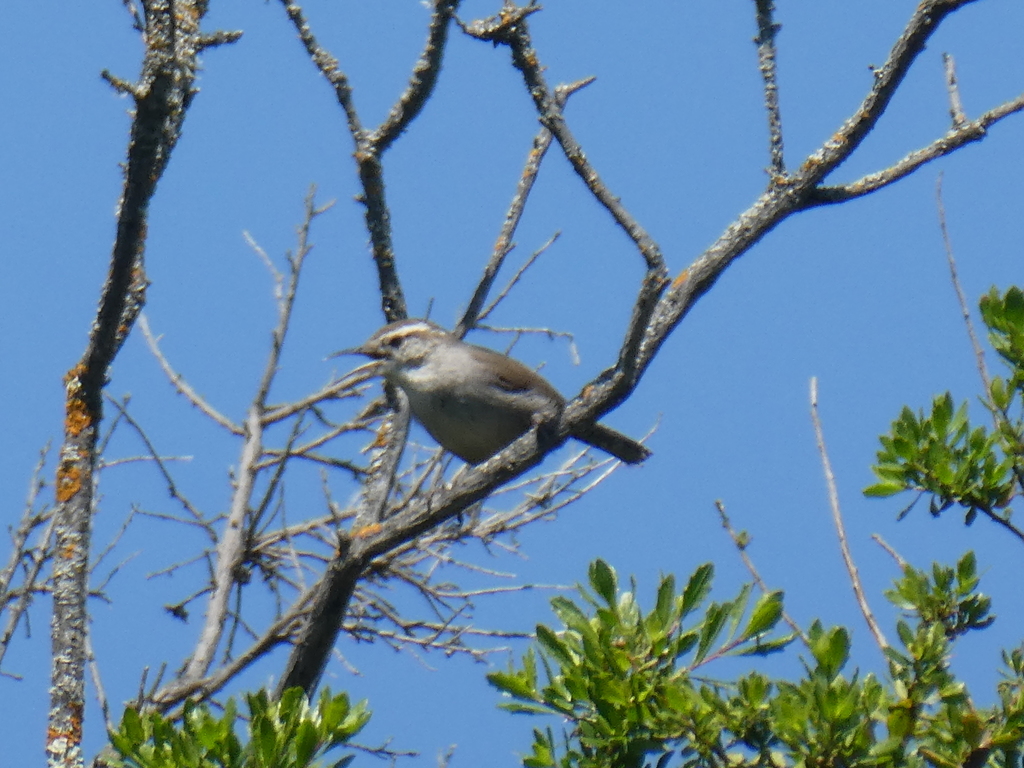
- Bewick's WrenThryomanes bewickii
- Blue JayCyanocitta cristata
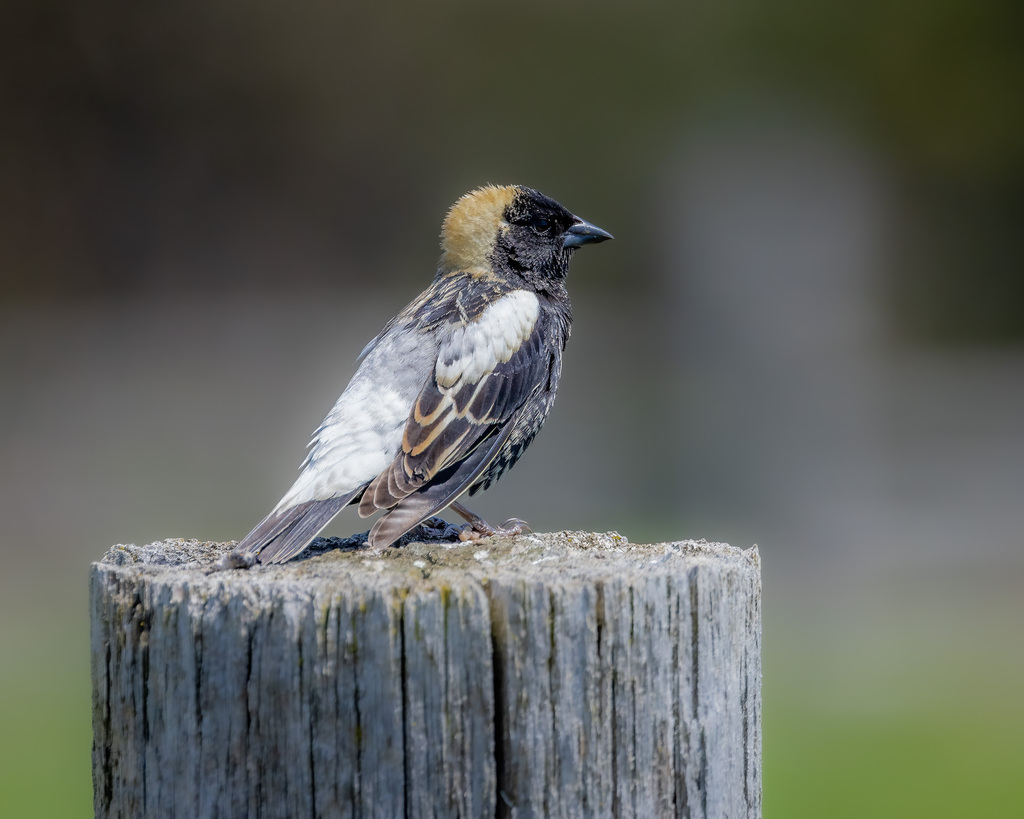
- BobolinkDolichonyx oryzivorus
- Brown CreeperCerthia americana
- Brown-headed CowbirdMolothrus ater
- Canada GooseBranta canadensis
- Cedar WaxwingBombycilla cedrorum
- Chimney SwiftChaetura pelagica
- Chipping SparrowSpizella passerina
- Cliff SwallowPetrochelidon pyrrhonota
- Common YellowthroatGeothlypis trichas
- Dark-eyed JuncoJunco hyemalis
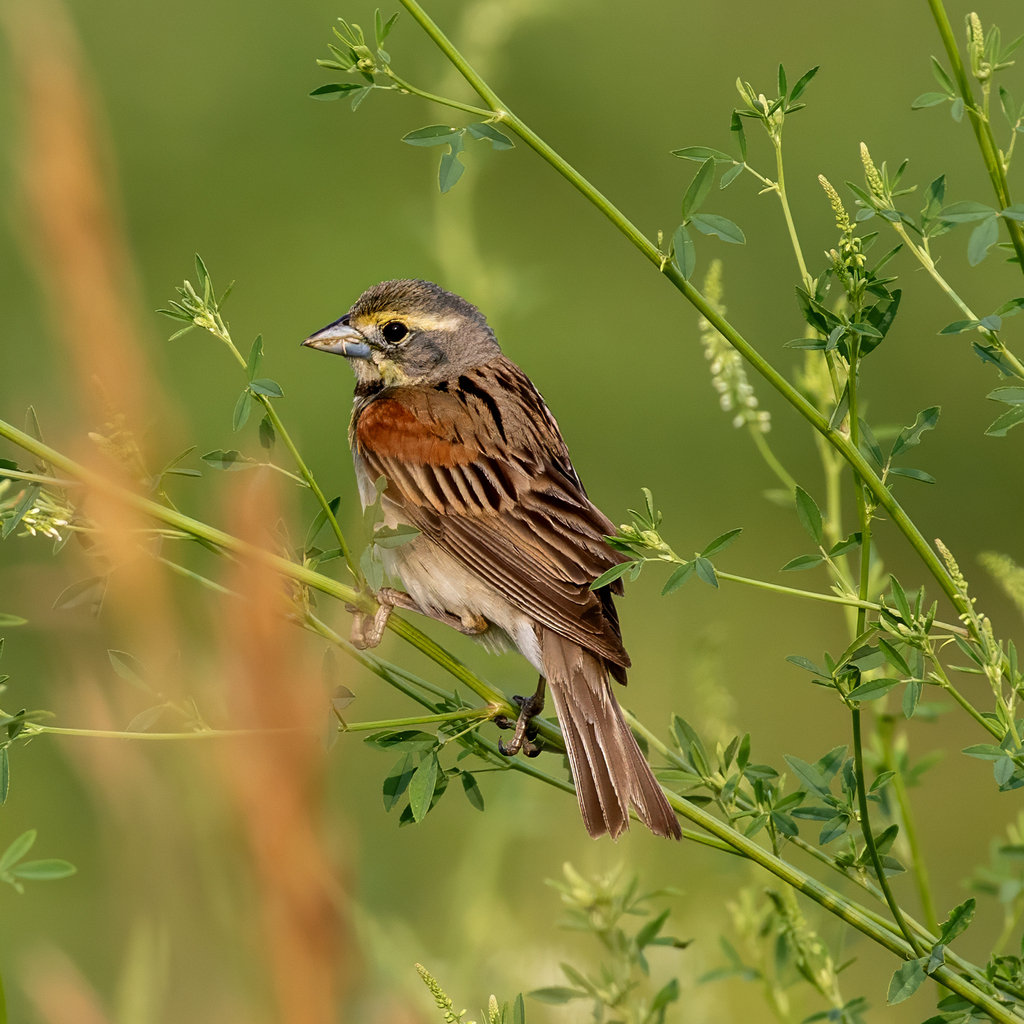
- DickcisselSpiza americana
- Double-crested CormorantPhalacrocorax auritus
- Downy WoodpeckerPicoides pubescens
- Eastern BluebirdSialia sialis
- European StarlingSturnus vulgaris





















Who uses this plant?
 2CaterpillarsGenus host records with ranges including AR
Genus host records with ranges including AR · Silene
- Hadena capsularisCapsule Moth
- Lacinipolia renigeraBristly Ground Cat, Bristly Cutworm Moth, Kidney Spotted "Mamestra"
 5BeesSoutheastern regional records
Southeastern regional records · Silene
Individual names are not available yet.
Noori, Seltmann & Orr 2026, A curated and integrated dataset for exploring global bee-plant interactions (GloBI), Zenodo, CC BY 4.0 0Specialist beesPollen specialists
 13BirdsRecorded genus food-resource interactions; not a state feeding claim
Recorded genus food-resource interactions; not a state feeding claim · Silene
- Calcarius lapponicusLapland Longspur
- Callipepla californicaCalifornia Quail
- Haemorhous mexicanusHouse Finch
- Junco hyemalisDark-eyed Junco
- Lagopus leucuraWhite-tailed Ptarmigan
- Leucosticte atrataBlack Rosy-Finch
- Meleagris gallopavoWild Turkey
- Melospiza melodiaSong Sparrow
- Melozone crissalisCalifornia Towhee
- Plectrophenax nivalisSnow Bunting
Show all 13
- Spinus psaltriaLesser Goldfinch
- Zonotrichia atricapillaGolden-crowned Sparrow
- Zonotrichia leucophrysWhite-crowned Sparrow
Direct food only: birds recorded eating this genus across North America. Caterpillars on host plants also feed nesting birds. NC Native Plant Society: butterfly gardening
No records yet · Ants · Beetles · Flies · Adult butterflies / moths · Other wasps · Other insects
Plant details
- Family
- CARYOPHYLLACEAE
Conservation status
| Arkansas rank | S2 |
|---|---|
| Global rank | Not available |
| AR status | Not verified |
| Federal status | Not verified |
Will it fit your yard?
Check this plant against your county, sun and soil moisture. Conditions are checked in your browser.
Sources
- Atlas of the Vascular Plants of Arkansas (2013)
- Weakley, Flora of the Southeastern United States (2025), South Central edition
- NatureServe Explorer
- Arkansas occurrence source
- Shropshire & Tallamy 2025, Lepidoptera of North America north of Mexico, ZooKeys 1261 (ODbL)
- Noori, Seltmann & Orr 2026, A curated and integrated dataset for exploring global bee-plant interactions (GloBI), Zenodo, CC BY 4.0
- Smith, Bachelder, Russell, Morales, Mosher & Seltmann 2024, Bee-Specialization-Modeling v0.6.1 (specialist host table compiled from J. Fowler's pollen specialist bee lists), Zenodo, CC BY 4.0
- Hurlbert, Olsen, Sawyer & Winner 2021, Avian Diet Database, Scientific Data 8: 260 (CC0)
- Narango, Tallamy & Shropshire 2020, Few keystone plant genera support the majority of Lepidoptera species, Nature Communications