

Dark-green Bulrush
Scirpus atrovirens
In the Carolinas and Georgia, found in marshes, bogs, wet meadows. Weakley, Flora of the Southeastern United States (2025), Carolinas & Georgia edition What its natural habitat tells you
Native to Arkansas. How scores work Is it native here?
Profile 100%
- Height
- 2–5 feet
- Spread
- 3–4 feet
- Light
- Full sun
- Soil moisture
- Moist to wet
Space about 3.5 ft apart from its recorded spread, about 8 per 100 sq ft. Enter your bed size for a count
Will it fit your yard?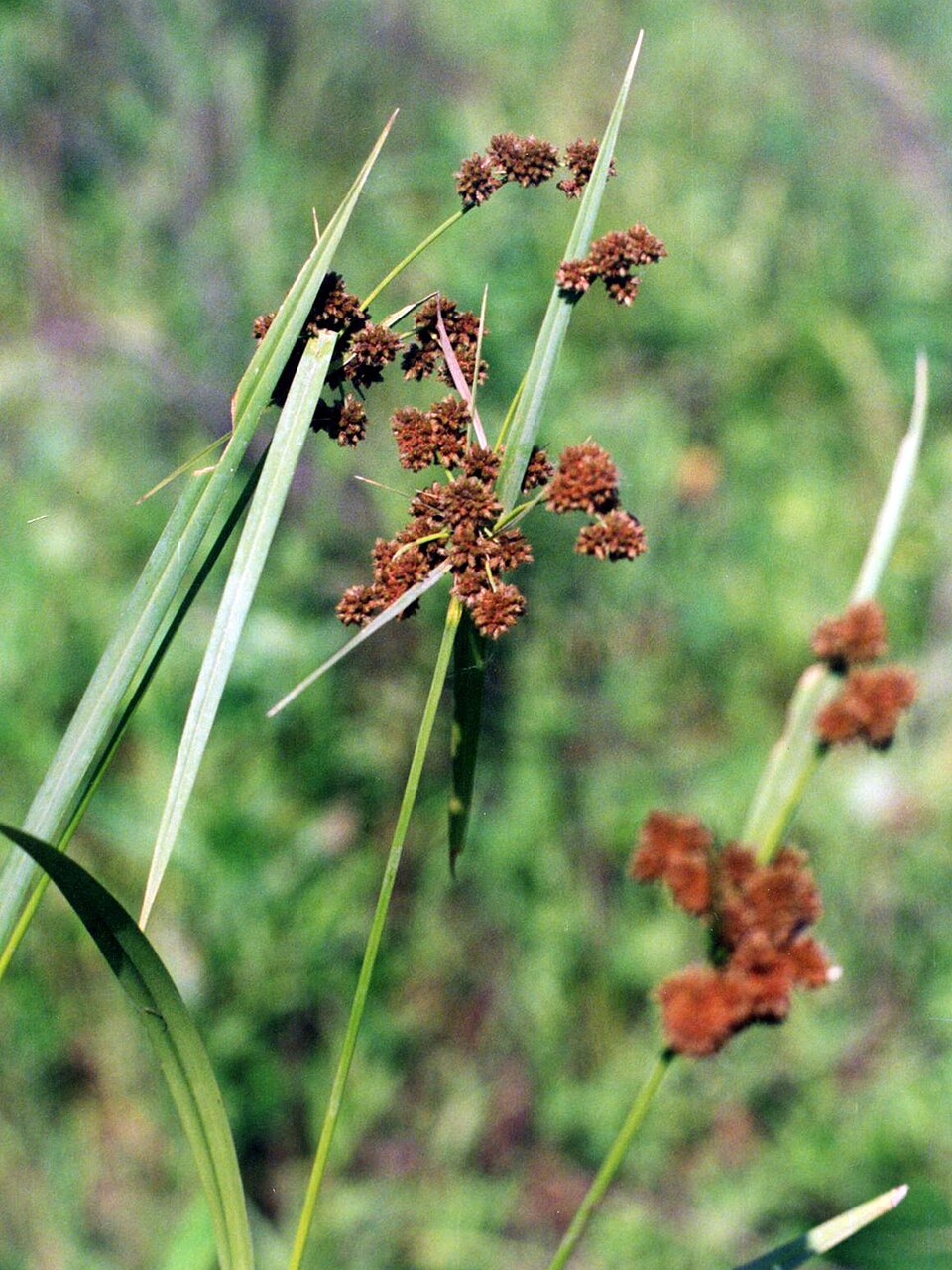
At a glance
- Bloom
- June to September
- Fruiting season
- Summer to fall
Not yet recorded · Life cycle · Leaves
Recorded in 30 Arkansas counties.
Natural habitats
Places it grows wild. Not a planting requirement. Each habitat page lists the plants and wildlife also found there.
Open, herb-covered wetlands with fresh, non-tidal water.
Open, wet, grassy or sedgy ground that is not a bog.
Also found with this plant
Wildlife whose habitat models include habitats this plant grows in, in Arkansas. Shared habitat, not food. 119 animals.
- Acadian FlycatcherEmpidonax virescens
- Alder FlycatcherEmpidonax alnorum
- American Black DuckAnas rubripes
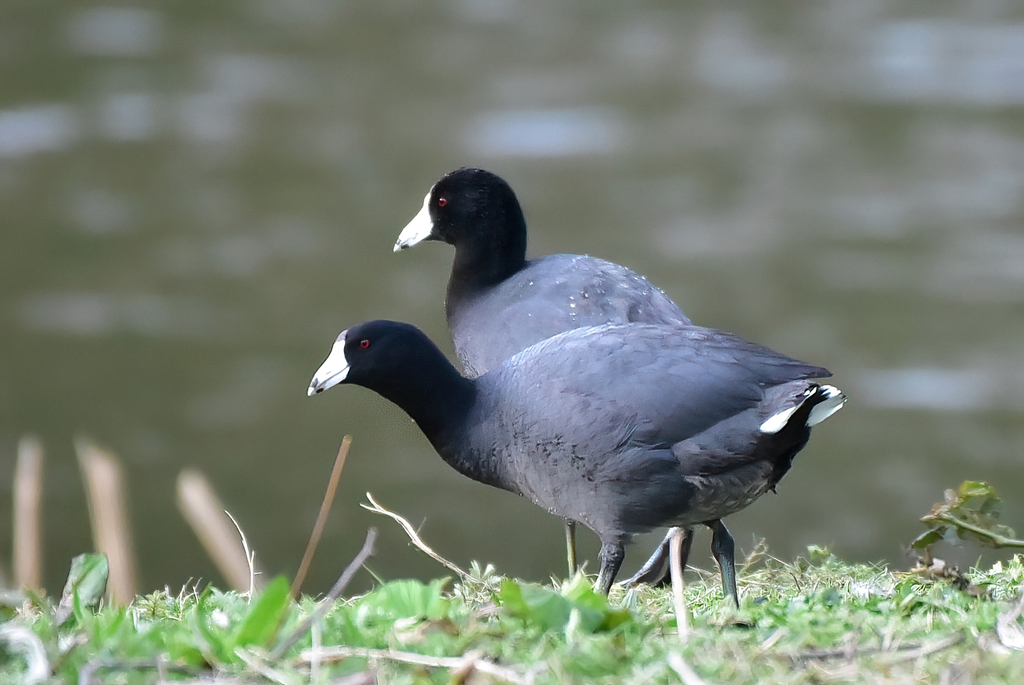
- American CootFulica americana
- American CrowCorvus brachyrhynchos
- American GoldfinchCarduelis tristis
- American KestrelFalco sparverius
- American RedstartSetophaga ruticilla
- American RobinTurdus migratorius
- American WoodcockScolopax minor
- Baltimore OrioleIcterus galbula
- Bank SwallowRiparia riparia
- Barred OwlStrix varia
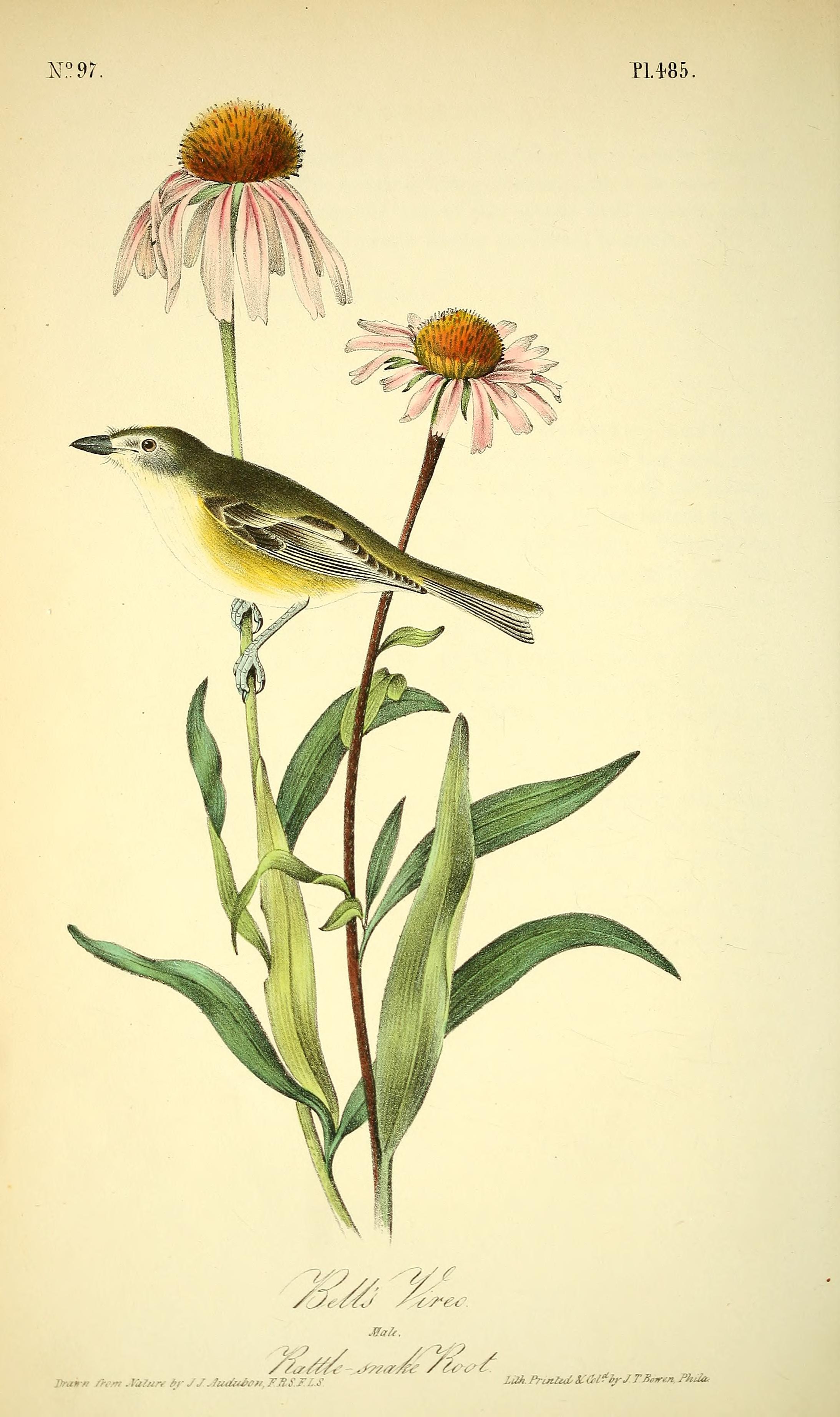
- Bell's VireoVireo bellii
- Belted KingfisherMegaceryle alcyon
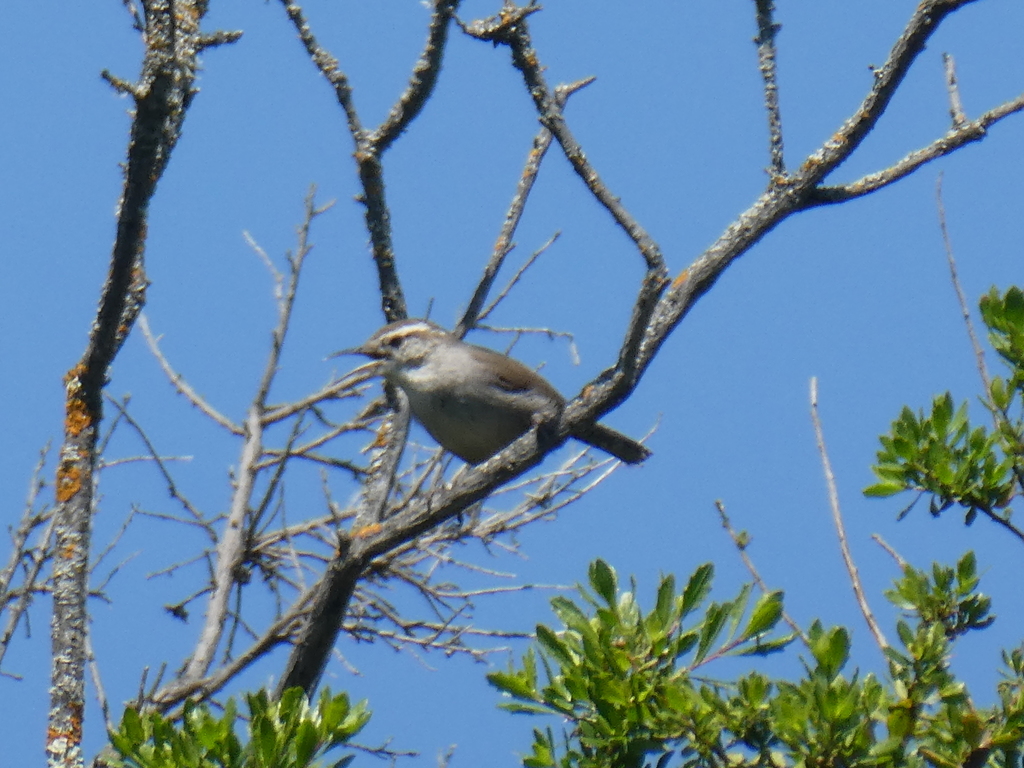
- Bewick's WrenThryomanes bewickii
- Black VultureCoragyps atratus
- Black-and-White WarblerMniotilta varia
- Black-billed CuckooCoccyzus erythropthalmus
- Black-crowned Night-heronNycticorax nycticorax
- Blue GrosbeakPasserina caerulea
- Blue JayCyanocitta cristata
- Blue-gray GnatcatcherPolioptila caerulea
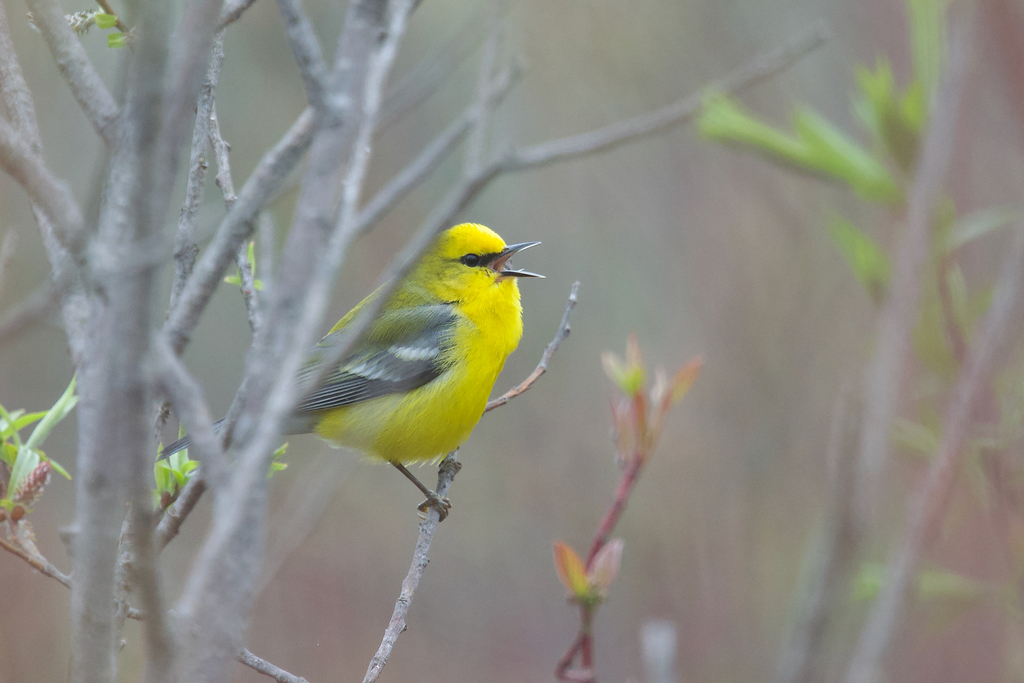
- Blue-winged WarblerVermivora pinus





















Who uses this plant?
 7CaterpillarsGenus host records with ranges including AR
Genus host records with ranges including AR · Scirpus
- Apamea sordensBordered Apamea, Rustic Shoulder-Knot
- Bactra furfuranaRush Bactra
- Bactra verutanaJavelin Moth
- Euphyes dionDion Skipper, Sedge Skipper
- Globia oblongaOblong Sedge Borer Moth, Large Noagria
- Ledaea perditalisLost Owlet, 3-Stripe Cephalanthus caterpillar, Buttonbush Owlet
- Donacaula dispersella
 0BeesSoutheastern regional records
 0Specialist beesPollen specialists
 27BirdsRecorded genus food-resource interactions; not a state feeding claim
Recorded genus food-resource interactions; not a state feeding claim · Scirpus
- Agelaius phoeniceusRed-winged Blackbird
- Anas platyrhynchosMallard
- Anthus rubescensAmerican Pipit
- Aythya affinisLesser Scaup
- Aythya americanaRedhead
- Aythya collarisRing-necked Duck
- Aythya marilaGreater Scaup
- Aythya valisineriaCanvasback
- Bucephala clangulaCommon Goldeneye
- Bucephala islandicaBarrow's Goldeneye
Show all 27
- Calcarius lapponicusLapland Longspur
- Calcarius pictusSmith's Longspur
- Cygnus buccinatorTrumpeter Swan
- Cygnus columbianusTundra Swan
- Fulica americanaAmerican Coot
- Gallinula galeataCommon Gallinule
- Loxia curvirostraRed Crossbill
- Mareca americanaAmerican Wigeon
- Mareca streperaGadwall
- Molothrus aterBrown-headed Cowbird
- Oxyura jamaicensisRuddy Duck
- Plectrophenax nivalisSnow Bunting
- Porzana carolinaSora
- Rallus limicolaVirginia Rail
- Spatula cyanopteraCinnamon Teal
- Spizelloides arboreaAmerican Tree Sparrow
- Sturnus vulgarisEuropean Starling
Direct food only: birds recorded eating this genus across North America. Caterpillars on host plants also feed nesting birds. NC Native Plant Society: butterfly gardening
No records yet · Ants · Beetles · Flies · Adult butterflies / moths · Other wasps · Other insects
Plant details
- Family
- Cyperaceae
- Hardiness
- Zones 3–9
- Flower color
- Brown
- Growth rate
- Moderate
- Growth habit
- Grows in clumps
- Foliage color
- Dark green
- Fruit begins
- Summer
- Fruit ends
- Fall
Safety has not been reviewed for this plant; check toxicity and thorns before planting.
Growing sources and scope
- Bloom · “Late June to September” · Weakley, Flora of the Southeastern United States (2025), Carolinas & Georgia edition (ranked first; USDA PLANTS, Prairie Moon 2026 Cultural Guide differ) · Carolinas and Georgia
- Flower color · “Brown” · USDA PLANTS · Nationwide species characteristics; local growing conditions may vary
- Foliage color · “Dark green” · USDA PLANTS · Nationwide species characteristics; local growing conditions may vary
- Fruit begins · “Summer” · USDA PLANTS · Nationwide species characteristics; local growing conditions may vary
- Fruit ends · “Fall” · USDA PLANTS · Nationwide species characteristics; local growing conditions may vary
- Growth habit · “Grows in clumps” · USDA PLANTS · Nationwide species characteristics; local growing conditions may vary
- Growth rate · “Moderate” · USDA PLANTS · Nationwide species characteristics; local growing conditions may vary
- Hardiness · “Zones 3–9” · Missouri Botanical Garden Plant Finder
- Height · “2–5 feet” · Tennessee Smart Yards (ranked first; USDA PLANTS, Missouri Botanical Garden Plant Finder, Prairie Moon 2026 Cultural Guide differ) · Published Tennessee growing guidance; exact cached scientific heading
- Light · “Full sun” · Tennessee Smart Yards (ranked first; Missouri Botanical Garden Plant Finder, Prairie Moon 2026 Cultural Guide differ) · Published Tennessee growing guidance; exact cached scientific heading
- Soil · “wet to moderately wet” · Tennessee Smart Yards (ranked first; Missouri Botanical Garden Plant Finder, Prairie Moon 2026 Cultural Guide differ) · Published Tennessee growing guidance; exact cached scientific heading
- Spread · “3–4 feet” · Missouri Botanical Garden Plant Finder
Also known as
Dark green Bulrush; Green Bulrush
Conservation status
| Arkansas rank | SNR |
|---|---|
| Global rank | G5? |
| AR status | Not verified |
| Federal status | Not verified |
Will it fit your yard?
Check this plant against your county, sun and soil moisture. Conditions are checked in your browser.
Growing cautions
- Spreads by rhizomes. Naturalizes by both creeping rhizomes and self-seeding and will form colonies if left undisturbed. Tennessee Smart Yards
For planning only; these do not change the score or Fit.
Sources
- Atlas of the Vascular Plants of Arkansas (2013)
- USDA PLANTS
- Vascular Plants of North Carolina (NC Natural Heritage Program)
- Weakley, Flora of the Southeastern United States (2025), Carolinas & Georgia edition
- Arkansas occurrence source
- Shropshire & Tallamy 2025, Lepidoptera of North America north of Mexico, ZooKeys 1261 (ODbL)
- Noori, Seltmann & Orr 2026, A curated and integrated dataset for exploring global bee-plant interactions (GloBI), Zenodo, CC BY 4.0
- Smith, Bachelder, Russell, Morales, Mosher & Seltmann 2024, Bee-Specialization-Modeling v0.6.1 (specialist host table compiled from J. Fowler's pollen specialist bee lists), Zenodo, CC BY 4.0
- Hurlbert, Olsen, Sawyer & Winner 2021, Avian Diet Database, Scientific Data 8: 260 (CC0)
- Narango, Tallamy & Shropshire 2020, Few keystone plant genera support the majority of Lepidoptera species, Nature Communications