

Lizard's-tail
Saururus cernuus
In the Carolinas and Georgia, found in swamps; floodplain and bottomland forests; ponds, lakes and their shores; roadsides, fields and disturbed ground. Weakley, Flora of the Southeastern United States (2025), Carolinas & Georgia edition What its natural habitat tells you
Native to Arkansas. How scores work Is it native here?
Profile 88%
- Height
- 1–2 feet
- Spread
- 1–2 feet
- Light
- Full sun, Partial shade
- Soil moisture
- Moist to standing water
Space about 1.5 ft apart from its recorded spread, about 44 per 100 sq ft. Enter your bed size for a count
Will it fit your yard?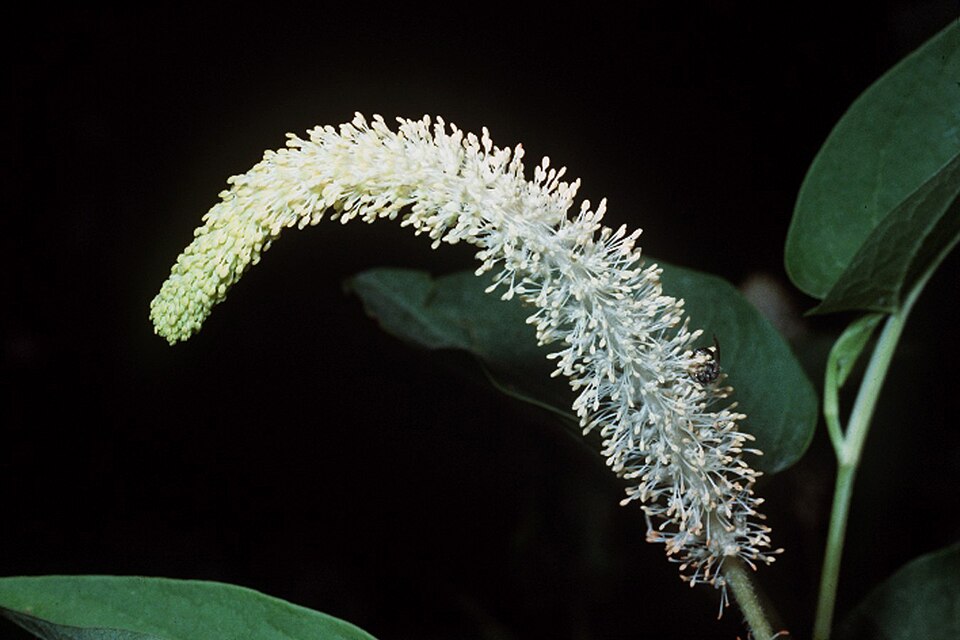

At a glance
- Life cycle
- Perennial
- Leaves
- Deciduous
- Fruiting season
- August to November
Not yet recorded · Bloom
Recorded in 58 Arkansas counties.
Natural habitats
Places it grows wild. Not a planting requirement. Each habitat page lists the plants and wildlife also found there.
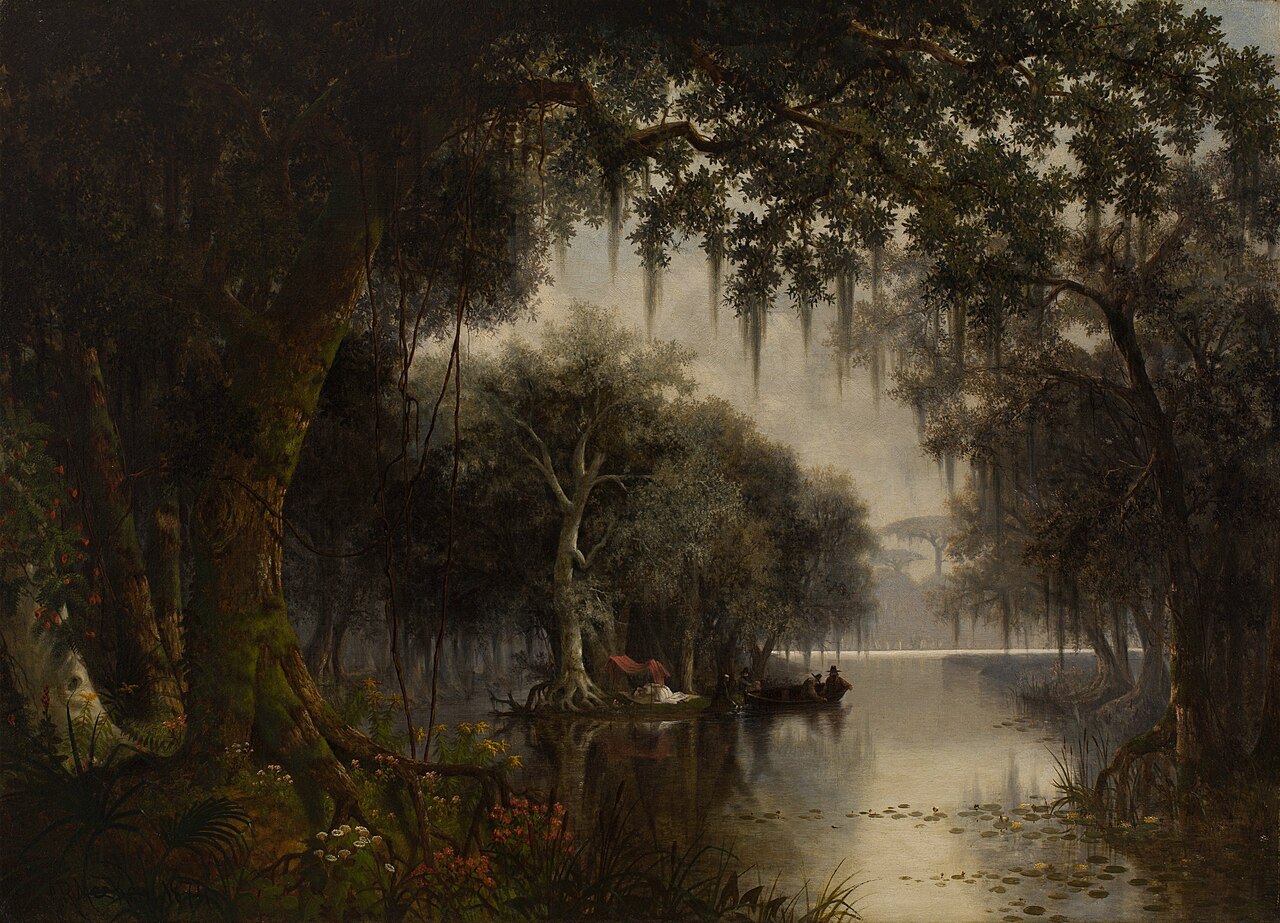

Floodplain and bottomland forests
Forests on low ground beside rivers and streams that flood from time to time.
Still water and its edges: ponds, lakes, millponds and reservoirs.
Roadsides, fields and disturbed ground
Ground opened by people: roadsides, old fields, pastures, fencerows and lots.
Also found with this plant
Wildlife whose habitat models include habitats this plant grows in, in Arkansas. Shared habitat, not food. 77 animals.
Widespread birds also seen here (81)
Found in many habitats here, so not listed above.
- Alder Flycatcher
- American Goldfinch
- American Kestrel
- American Redstart
- American Robin
- Bald Eagle
- Baltimore Oriole
- Bank Swallow
- Belted Kingfisher
- Bewick's Wren
- Black-and-White Warbler
- Black-crowned Night-heron
- Blue Grosbeak
- Blue Jay
- Blue-gray Gnatcatcher
- Brown Creeper
- Brown Thrasher
- Canada Goose
- Carolina Chickadee
- Cedar Waxwing
- Chimney Swift
- Chipping Sparrow
- Cliff Swallow
- Common Nighthawk
- Common Yellowthroat
- Cooper's Hawk
- Dark-eyed Junco
- Double-crested Cormorant
- Downy Woodpecker
- Eastern Bluebird
- Eastern Kingbird
- Eastern Screech-owl
- Eastern Wood-pewee
- Eurasian Collared-dove
- European Starling
- Fox Sparrow
- Golden-crowned Kinglet
- Gray Catbird
- Great Horned Owl
- Hairy Woodpecker
- Harris's Sparrow
- Hermit Thrush
- Hooded Merganser
- Indigo Bunting
- Lincoln's Sparrow
- Mallard
- Mississippi Kite
- Mourning Dove
- Northern Cardinal
- Northern Flicker
- Northern Mockingbird
- Orange-crowned Warbler
- Orchard Oriole
- Osprey
- Pileated Woodpecker
- Pine Siskin
- Purple Finch
- Red-bellied Woodpecker
- Red-headed Woodpecker
- Red-tailed Hawk
- Red-winged Blackbird
- Ruby-crowned Kinglet
- Ruby-throated Hummingbird
- Rusty Blackbird
- Sharp-shinned Hawk
- Song Sparrow
- Spotted Sandpiper
- Summer Tanager
- Tree Swallow
- Tufted Titmouse
- Turkey Vulture
- White-breasted Nuthatch
- White-crowned Sparrow
- White-throated Sparrow
- Wild Turkey
- Wood Thrush
- Yellow-bellied Sapsucker
- Yellow-billed Cuckoo
- Yellow-breasted Chat
- Yellow-crowned Night-heron
- Yellow-rumped Warbler
Who uses this plant?
 2CaterpillarsGenus host records with ranges including AR
Genus host records with ranges including AR · Saururus
- Papaipema cataphractaBurdock Border, Potato-Stalk Borer
- Parapamea buffaloensisBuffalo Ear Moth, Buffalo Borer
 2BeesSoutheastern regional records
Southeastern regional records · Saururus
Individual names are not available yet.
Noori, Seltmann & Orr 2026, A curated and integrated dataset for exploring global bee-plant interactions (GloBI), Zenodo, CC BY 4.0 0Specialist beesPollen specialists
 —BirdsRecorded genus food-resource interactions; not a state feeding claim
No records yet · Ants · Beetles · Flies · Adult butterflies / moths · Other wasps · Other insects
Plant details
- Family
- Saururaceae
- Hardiness
- Zones 3a–9b
- Soil pH
- Acidic to alkaline
- Flower color
- White
- Fruit begins
- August
- Fruit ends
- November
Safety has not been reviewed for this plant; check toxicity and thorns before planting.
Growing sources and scope
- Flower color · “White” · NC Extension Plant Toolbox
- Fruit begins · “August” · Weakley, Flora of the Southeastern United States (2025), Carolinas & Georgia edition · Carolinas and Georgia
- Fruit ends · “November” · Weakley, Flora of the Southeastern United States (2025), Carolinas & Georgia edition · Carolinas and Georgia
- Hardiness · “Zones 3a–9b” · NC Extension Plant Toolbox
- Height · “1–2 feet” · NC Extension Plant Toolbox (ranked first; Tennessee Smart Yards differs)
- Leaves · “Deciduous” · NC Extension Plant Toolbox
- Life cycle · “Perennial” · NC Extension Plant Toolbox
- Light · “Full sun (6 or more hours of direct sunlight a day); Partial shade (direct sunlight only part of the day, 2-6 hours)” · NC Extension Plant Toolbox (ranked first; Virginia DCR Piedmont, Virginia DCR Coastal Plain differ)
- primary_flower_color · “white” · NC Extension Plant Toolbox
- Soil · “Frequent standing water; Occasionally wet” · NC Extension Plant Toolbox (ranked first; Tennessee Smart Yards, Virginia DCR Piedmont, Virginia DCR Coastal Plain differ)
- Soil pH · “Acidic to alkaline” · NC Extension Plant Toolbox
- Spread · “1–2 feet” · NC Extension Plant Toolbox
Also known as
Lizard's tail; Lizards Tail; Water Dragon
Conservation status
| Arkansas rank | SNR |
|---|---|
| Global rank | G5 |
| AR status | Not verified |
| Federal status | Not verified |
Will it fit your yard?
Check this plant against your county, sun and soil moisture. Conditions are checked in your browser.
Sources
- Atlas of the Vascular Plants of Arkansas (2013)
- USDA PLANTS
- Vascular Plants of North Carolina (NC Natural Heritage Program)
- Weakley, Flora of the Southeastern United States (2025)
- Arkansas occurrence source
- Shropshire & Tallamy 2025, Lepidoptera of North America north of Mexico, ZooKeys 1261 (ODbL)
- Noori, Seltmann & Orr 2026, A curated and integrated dataset for exploring global bee-plant interactions (GloBI), Zenodo, CC BY 4.0
- Smith, Bachelder, Russell, Morales, Mosher & Seltmann 2024, Bee-Specialization-Modeling v0.6.1 (specialist host table compiled from J. Fowler's pollen specialist bee lists), Zenodo, CC BY 4.0
- Hurlbert, Olsen, Sawyer & Winner 2021, Avian Diet Database, Scientific Data 8: 260 (CC0)
- Narango, Tallamy & Shropshire 2020, Few keystone plant genera support the majority of Lepidoptera species, Nature Communications