

Appalachian Orange Coneflower
Rudbeckia fulgida var. umbrosa
Also listed as Rudbeckia umbrosa
In the Carolinas and Georgia, found in rich calcareous slopes, bottomlands, well-drained uplands. Weakley, Flora of the Southeastern United States (2025), Carolinas & Georgia edition What its natural habitat tells you
Native to Arkansas (estimated). How scores work Is it native here?
Profile 71%
- Light
- Partial shade, Full shade, Full sun
- Soil moisture
- Dry to moist
No photograph yet. Looking for an old drawing…
At a glance
- Bloom
- August to October
Not yet recorded · Height · Spread · Life cycle · Leaves
This plant is missing most of its facts, so Quercus is looking them up in old botany books.
Recorded in 6 Arkansas counties.
Natural habitats
Places it grows wild. Not a planting requirement. Each habitat page lists the plants and wildlife also found there.
Floodplain and bottomland forests
Forests on low ground beside rivers and streams that flood from time to time.
Also found with this plant
Wildlife whose habitat models include habitats this plant grows in, in Arkansas. Shared habitat, not food. 31 animals.
- Snowy EgretEgretta thula
- Swainson's WarblerLimnothlypis swainsonii
- Swamp SparrowMelospiza georgiana
- White-eyed VireoVireo griseus
- Wilson's SnipeGallinago delicata
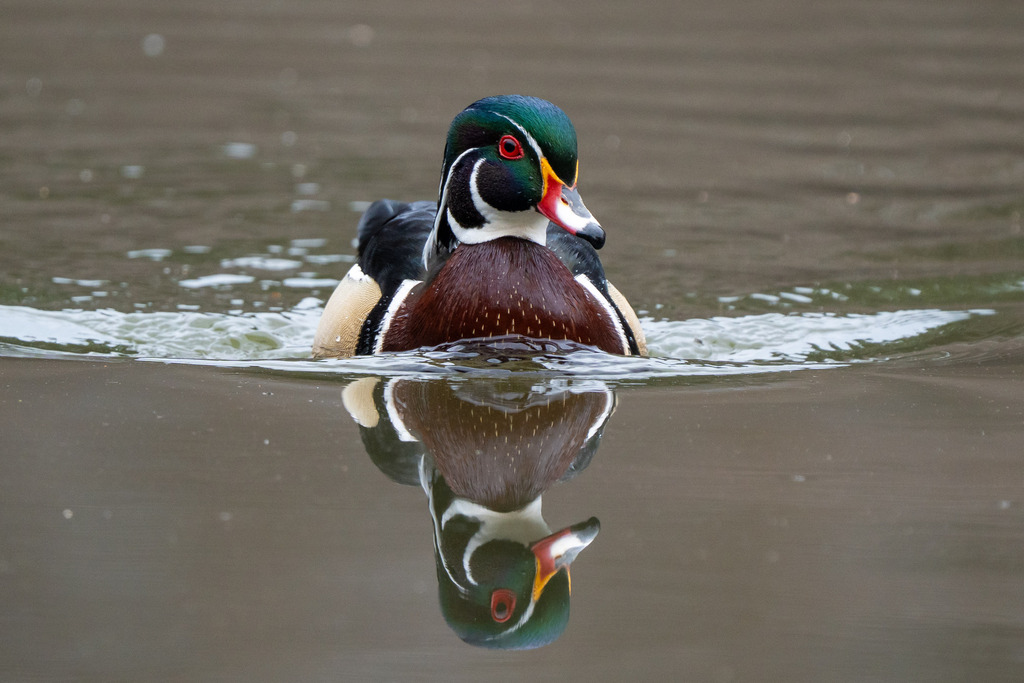
- Wood DuckAix sponsa
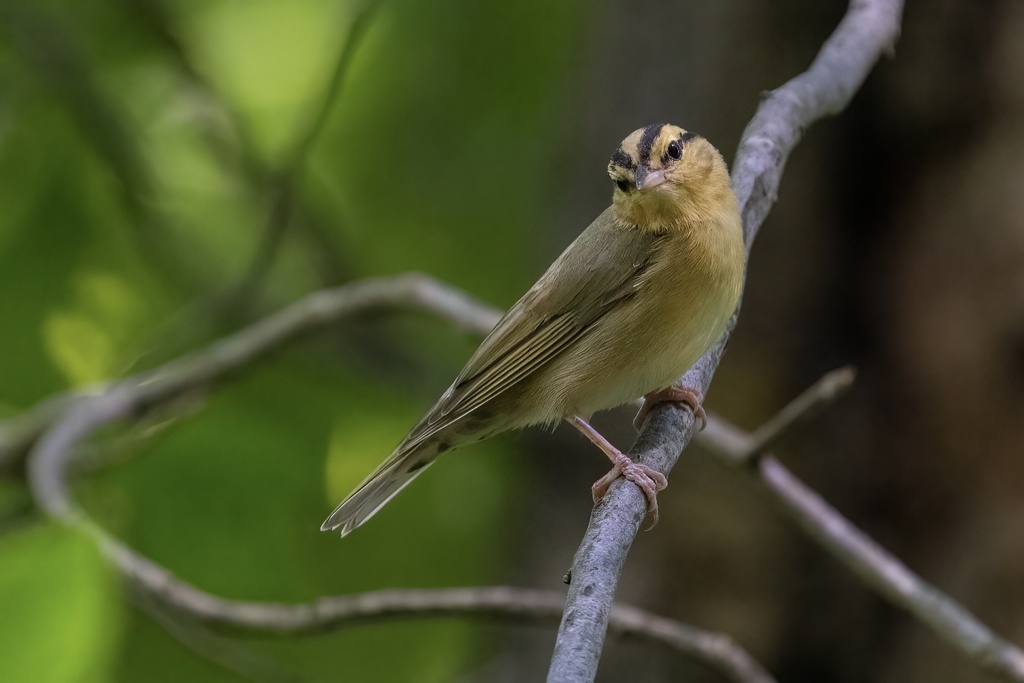
- Worm-eating WarblerHelmitheros vermivorum

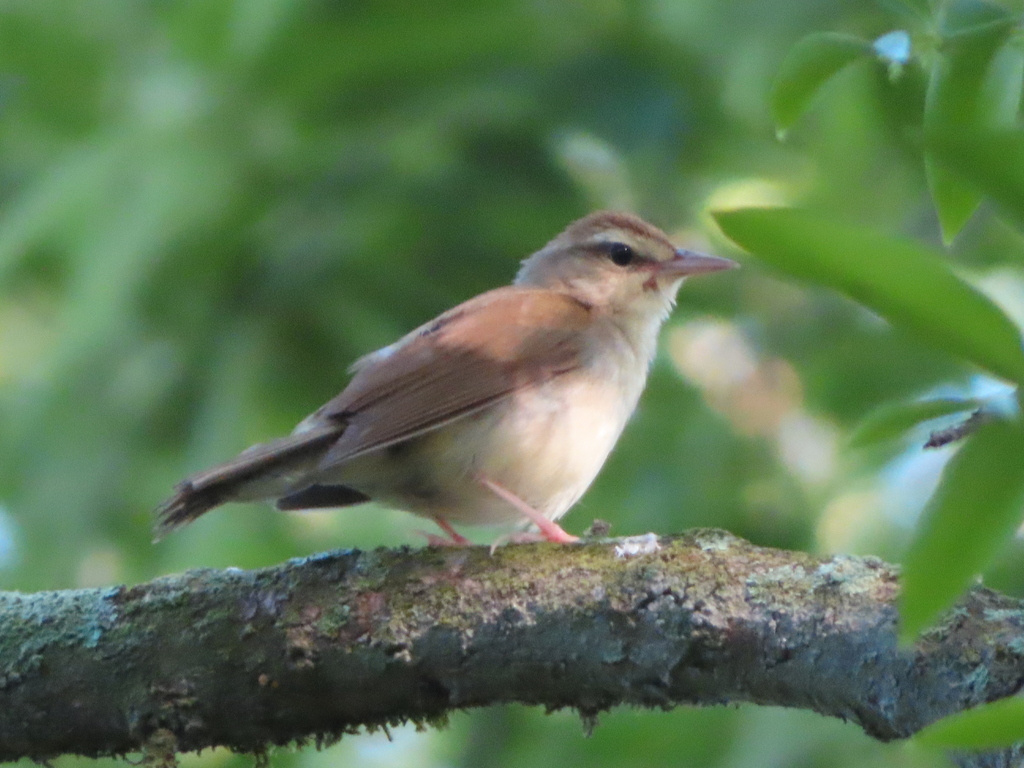
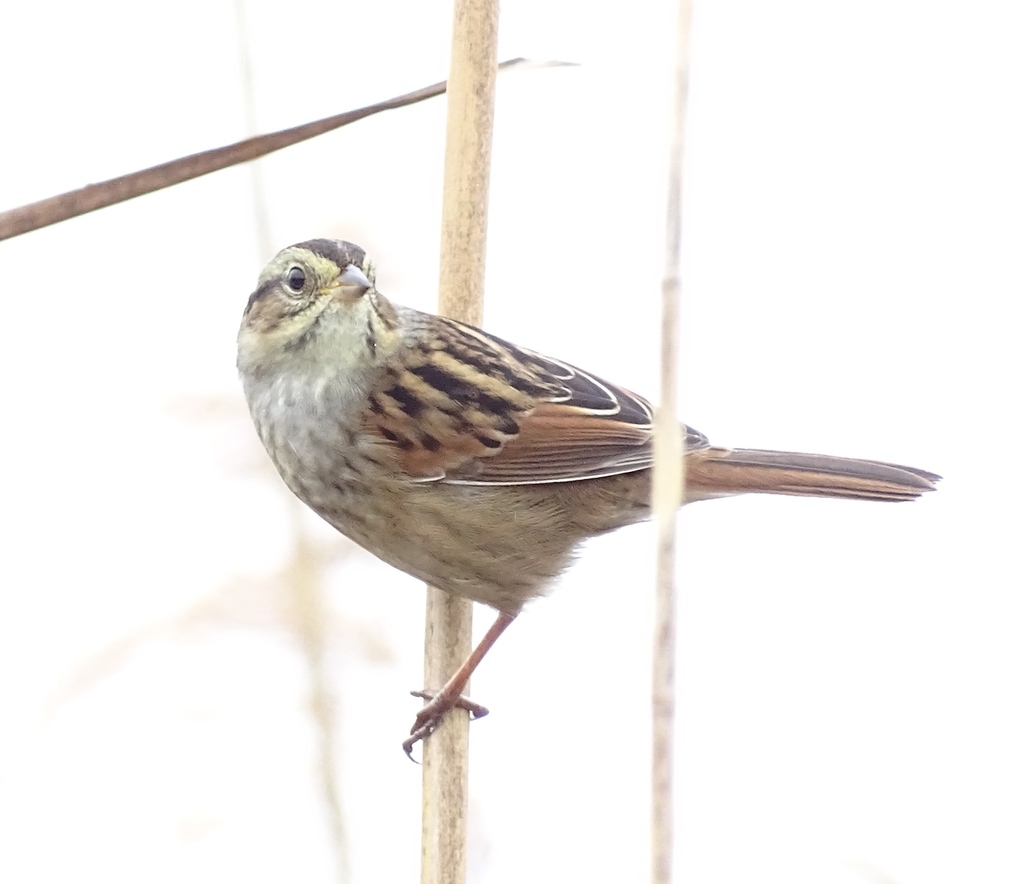
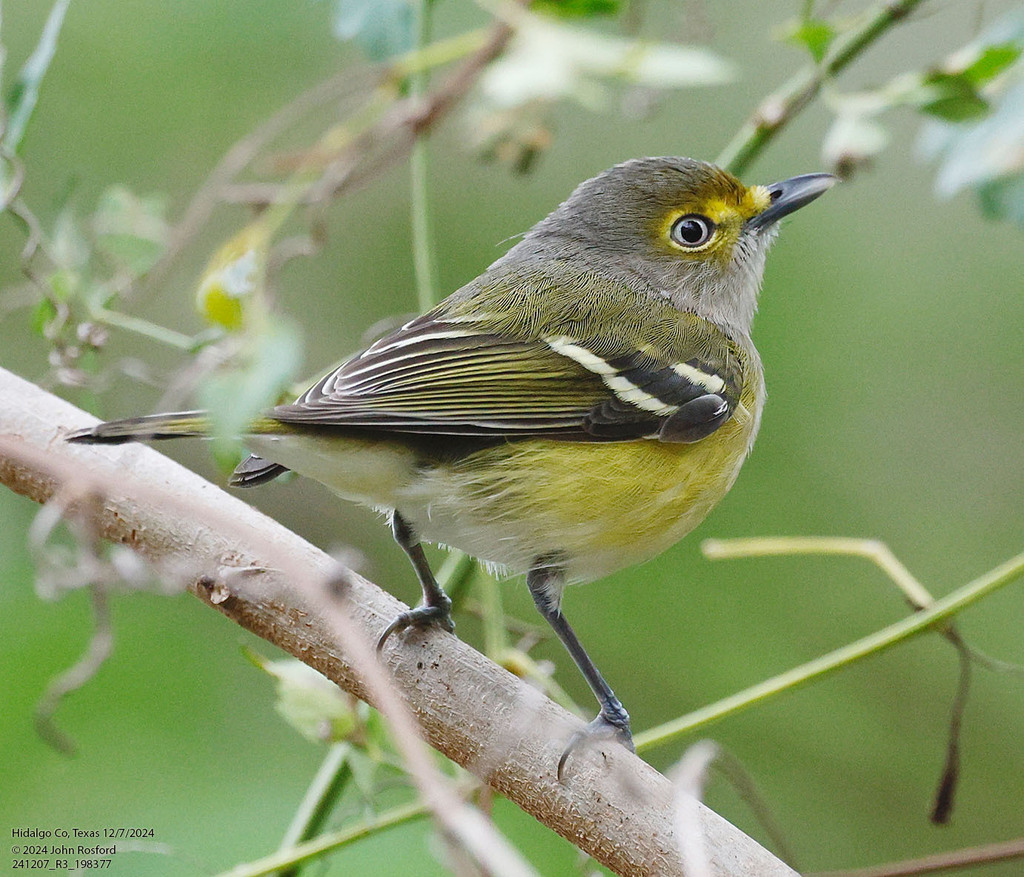
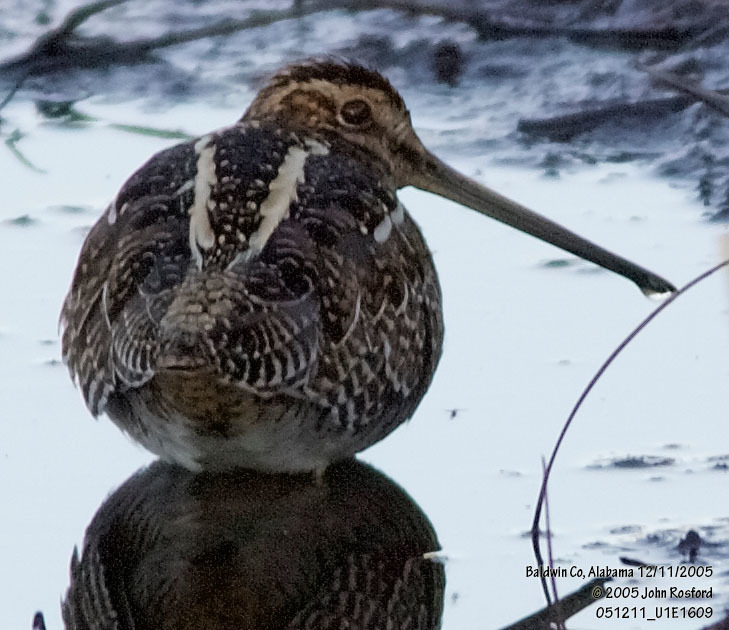
Widespread birds also seen here (68)
Found in many habitats here, so not listed above.
- Alder Flycatcher
- American Goldfinch
- American Kestrel
- American Redstart
- American Robin
- Bald Eagle
- Bank Swallow
- Belted Kingfisher
- Black-and-White Warbler
- Black-crowned Night-heron
- Blue Grosbeak
- Blue Jay
- Blue-gray Gnatcatcher
- Brown Creeper
- Brown Thrasher
- Canada Goose
- Cedar Waxwing
- Chimney Swift
- Chipping Sparrow
- Cliff Swallow
- Common Nighthawk
- Common Yellowthroat
- Cooper's Hawk
- Dark-eyed Junco
- Double-crested Cormorant
- Downy Woodpecker
- Eastern Kingbird
- Eastern Screech-owl
- Eurasian Collared-dove
- European Starling
- Golden-crowned Kinglet
- Gray Catbird
- Great Horned Owl
- Hairy Woodpecker
- Harris's Sparrow
- Hermit Thrush
- Hooded Merganser
- Indigo Bunting
- Lincoln's Sparrow
- Mississippi Kite
- Mourning Dove
- Northern Cardinal
- Northern Flicker
- Northern Mockingbird
- Osprey
- Pileated Woodpecker
- Pine Siskin
- Purple Finch
- Red-bellied Woodpecker
- Red-headed Woodpecker
- Red-tailed Hawk
- Red-winged Blackbird
- Ruby-crowned Kinglet
- Rusty Blackbird
- Sharp-shinned Hawk
- Song Sparrow
- Spotted Sandpiper
- Tufted Titmouse
- Turkey Vulture
- White-breasted Nuthatch
- White-throated Sparrow
- Wild Turkey
- Wood Thrush
- Yellow-bellied Sapsucker
- Yellow-billed Cuckoo
- Yellow-breasted Chat
- Yellow-crowned Night-heron
- Yellow-rumped Warbler
Who uses this plant?
 19CaterpillarsGenus host records with ranges including AR
Genus host records with ranges including AR · Rudbeckia
- Chlosyne nycteisSilvery Checkerspot
- Acharia stimuleaSaddleback Caterpillar Moth
- Adaina ambrosiaeAmbrosia Plume Moth, Ragweed Plume Moth
- Archips griseaGray Archips
- Chlorochlamys chloroleucariaBlackberry Looper Moth
- Epiblema carolinanaGray-Blotched Epiblema
- Epiblema tripartitanaThree-Parted Epiblema
- Eupithecia miserulataCommon Eupithacia, Common Pug
- Homoeosoma electellaSunflower Moth
- Papaipema cataphractaBurdock Border, Potato-Stalk Borer
Show all 19
- Papaipema nebrisStalk Borer
- Phtheochroa birdanaBird's Cochylid
- Synchlora aerataWavy-Lined Emerald, Camouflaged Looper
- Synchlora frondariaSouthern Emerald
- Vanessa carduiPainted Lady, Cosmopolite
- Dichomeris costarufoella
- Isophrictis similiella
- Paralobesia rhoifructana
- Teladoma helianthi
 56BeesSoutheastern regional records
Southeastern regional records · Rudbeckia
Individual names are not available yet.
Noori, Seltmann & Orr 2026, A curated and integrated dataset for exploring global bee-plant interactions (GloBI), Zenodo, CC BY 4.0 25Specialist beesPollen specialists
Pollen specialists · Rudbeckia
- Andrena aliciae
- Andrena asteris
- Andrena rudbeckiae
- Diadasia enavata
- Dieunomia bolliana
- Dieunomia heteropoda
- Megachile inimica
- Megachile parallela
- Megachile pugnata
- Megachile xylocopoides
Show all 25
- Melissodes bidentis
- Melissodes boltoniae
- Melissodes coreopsis
- Melissodes denticulatus
- Melissodes dentiventris
- Melissodes desponsus
- Melissodes druriellus
- Melissodes illatus
- Melissodes subillatus
- Melissodes trinodis
- Melissodes wheeleri
- Paranthidium jugatorium
- Perdita octomaculata
- Protandrena albitarsis
- Protandrena andrenoides
 —BirdsRecorded genus food-resource interactions; not a state feeding claim
No records yet · Ants · Beetles · Flies · Adult butterflies / moths · Other wasps · Other insects
Plant details
- Family
- Asteraceae
Safety has not been reviewed for this plant; check toxicity and thorns before planting.
Growing sources and scope
- Bloom · “August to October” · Weakley, Flora of the Southeastern United States (2025), Carolinas & Georgia edition · Carolinas and Georgia
- Light · “Partial shade; Full shade; Full sun (documented habitat)” · Weakley, Flora of the Southeastern United States (2025), Carolinas & Georgia edition · Carolinas and Georgia
- Soil · “Dry; Moist (documented habitat)” · Weakley, Flora of the Southeastern United States (2025), Carolinas & Georgia edition · Carolinas and Georgia
Also known as
Rudbeckia fulgida var. umbrosa
Conservation status
| Arkansas rank | SNR |
|---|---|
| Global rank | G5T4T5 |
| AR status | Not verified |
| Federal status | Not verified |
Will it fit your yard?
Check this plant against your county, sun and soil moisture. Conditions are checked in your browser.
Sources
- USDA PLANTS
- Vascular Plants of North Carolina (NC Natural Heritage Program)
- Arkansas occurrence source
- Shropshire & Tallamy 2025, Lepidoptera of North America north of Mexico, ZooKeys 1261 (ODbL)
- Noori, Seltmann & Orr 2026, A curated and integrated dataset for exploring global bee-plant interactions (GloBI), Zenodo, CC BY 4.0
- Smith, Bachelder, Russell, Morales, Mosher & Seltmann 2024, Bee-Specialization-Modeling v0.6.1 (specialist host table compiled from J. Fowler's pollen specialist bee lists), Zenodo, CC BY 4.0
- Hurlbert, Olsen, Sawyer & Winner 2021, Avian Diet Database, Scientific Data 8: 260 (CC0)
- Narango, Tallamy & Shropshire 2020, Few keystone plant genera support the majority of Lepidoptera species, Nature Communications