

Water Smartweed
Persicaria amphibia
Native to Arkansas. How scores work Is it native here?
Profile 76%
- Height
- 1–3 feet
- Light
- Sun
- Soil moisture
- Moist to wet
No photograph yet. Looking for an old drawing…
At a glance
- Life cycle
- Perennial
Not yet recorded · Spread · Leaves · Bloom
Bloom: NC species account not read yet.
Spread and leaves: no source found yet.
This plant is missing most of its facts, so Quercus is looking them up in old botany books.
Recorded in 4 Arkansas counties.
Also found with this plant
Wildlife whose habitat models include habitats this plant grows in, in Arkansas. Shared habitat, not food. 73 animals.
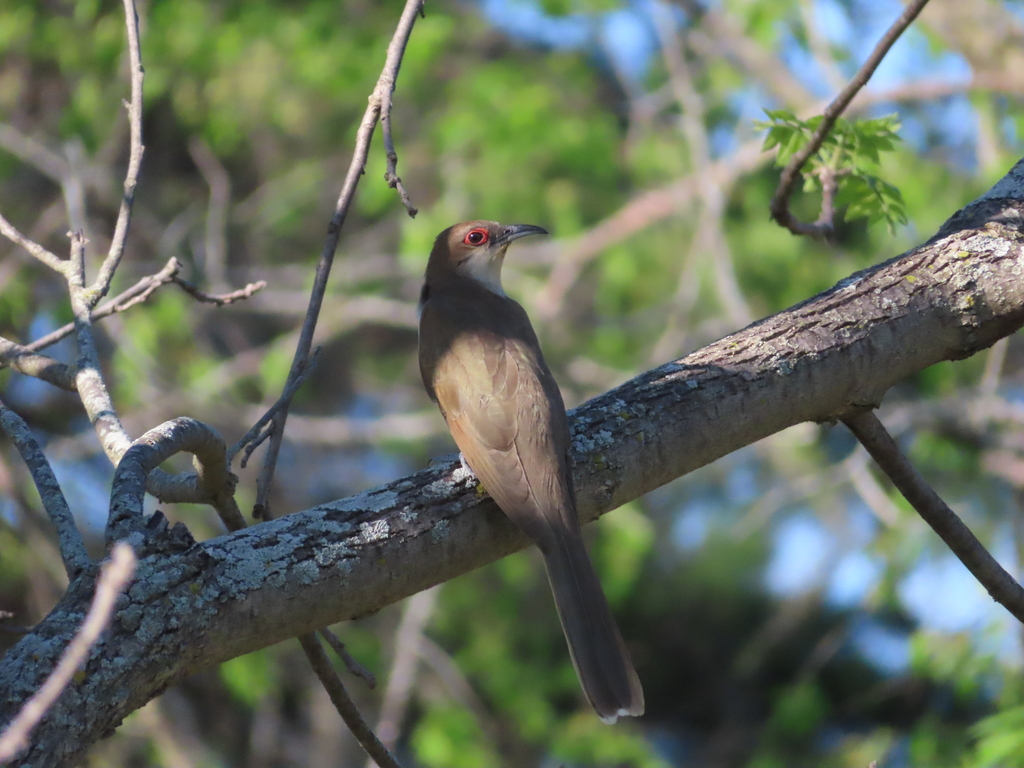
- Black-billed CuckooCoccyzus erythropthalmus
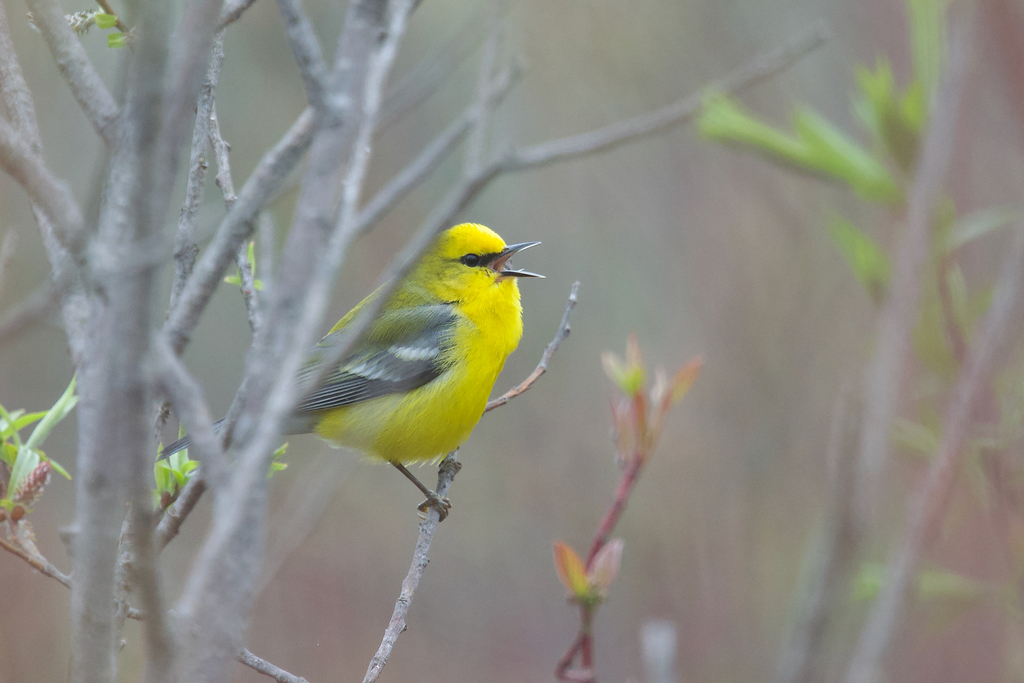
- Blue-winged WarblerVermivora pinus
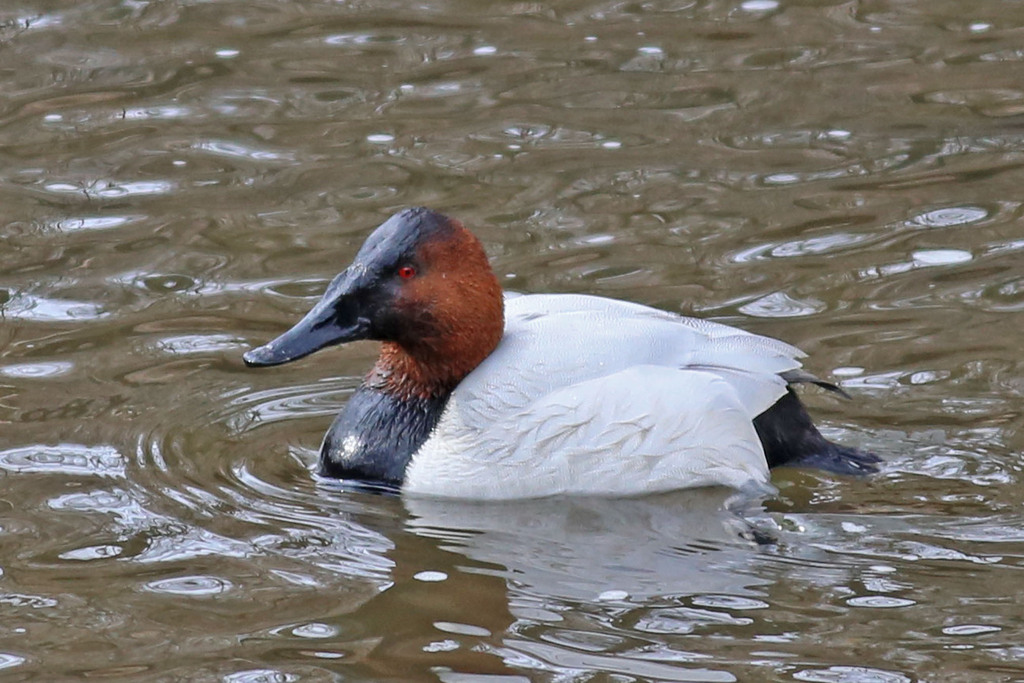
- CanvasbackAythya valisineria
- Carolina ChickadeePoecile carolinensis
- Common GrackleQuiscalus quiscula
- Dark-eyed JuncoJunco hyemalis
- Eastern TowheePipilo erythrophthalmus
- Eastern Wood-peweeContopus virens
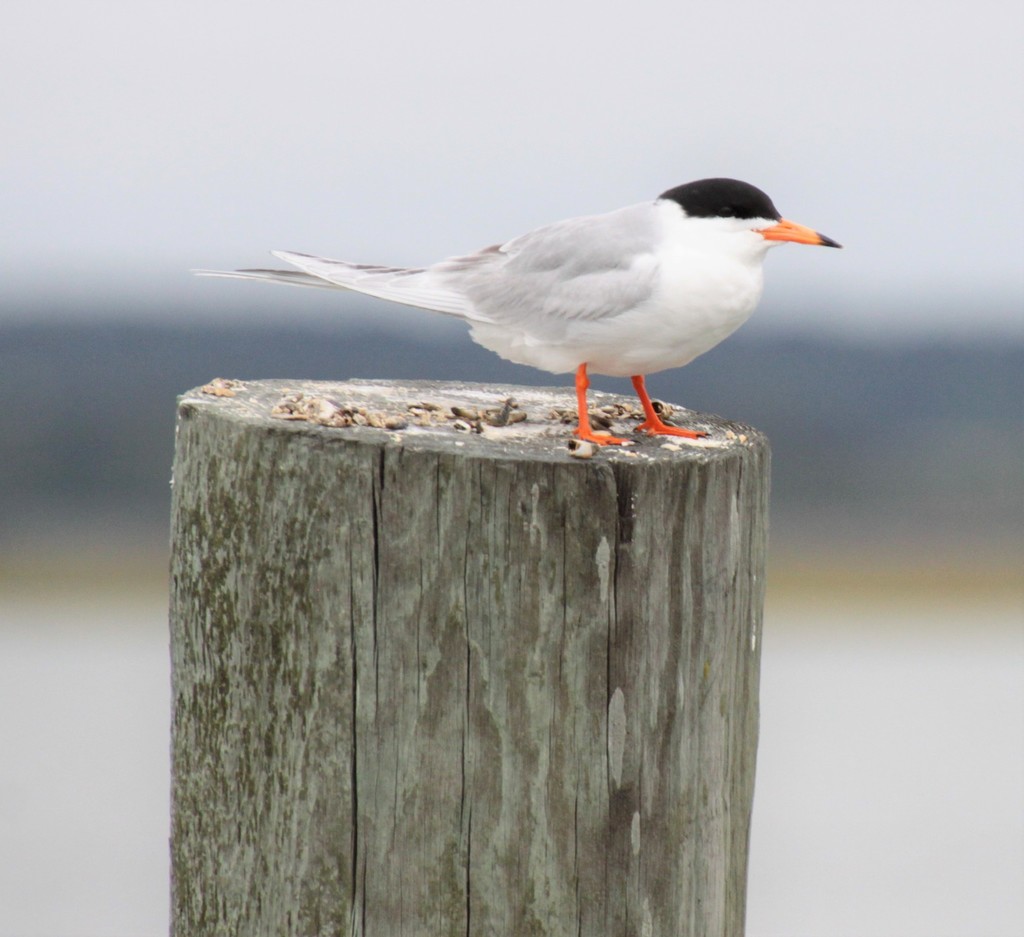
- Forster's TernSterna forsteri
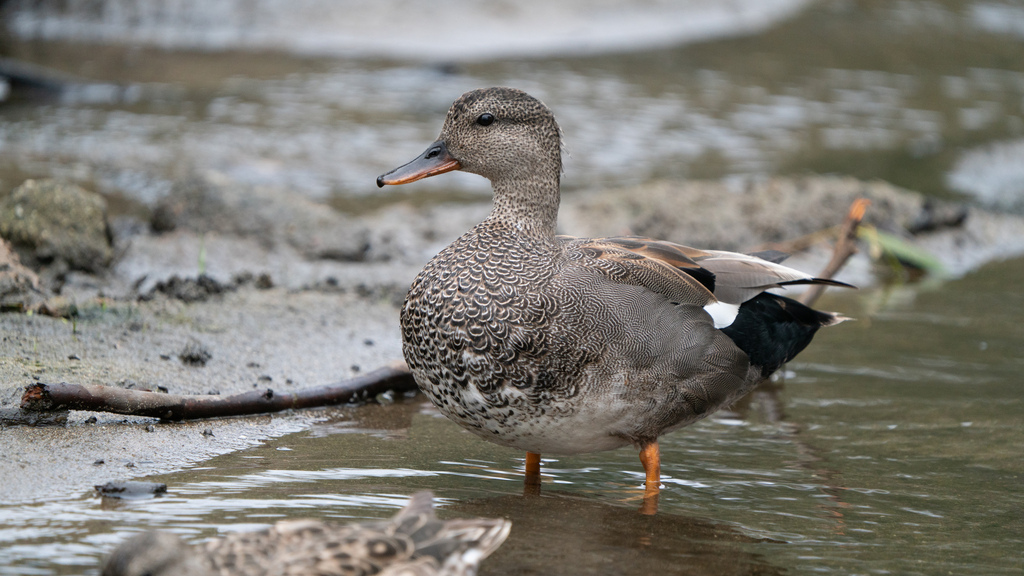
- GadwallAnas strepera
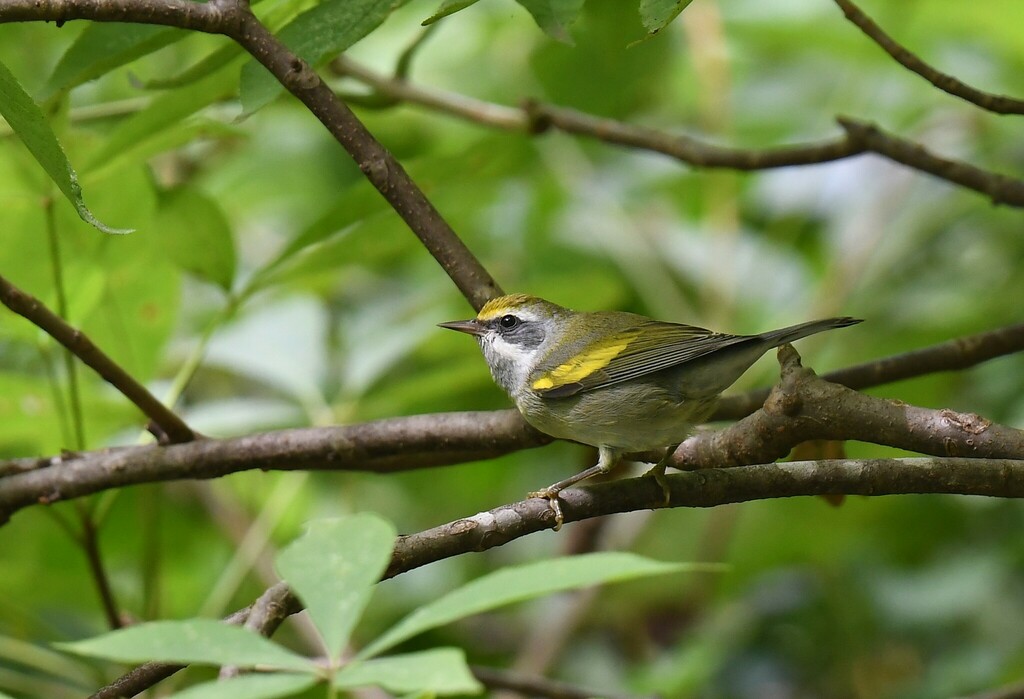
- Golden-winged WarblerVermivora chrysoptera
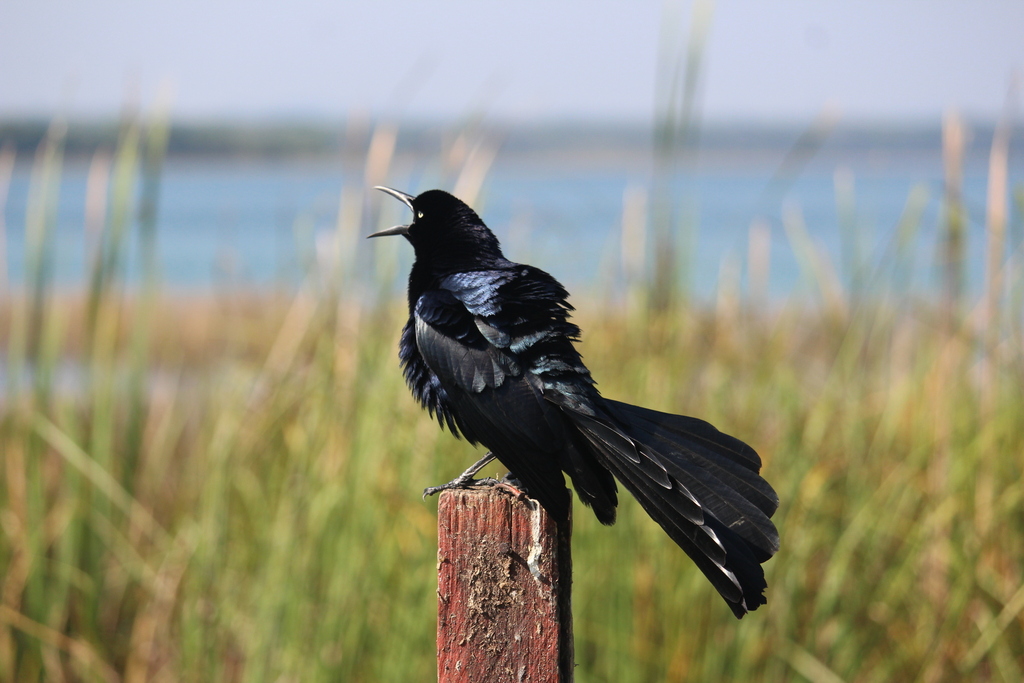
- Great-tailed GrackleQuiscalus mexicanus
- Hooded WarblerWilsonia citrina
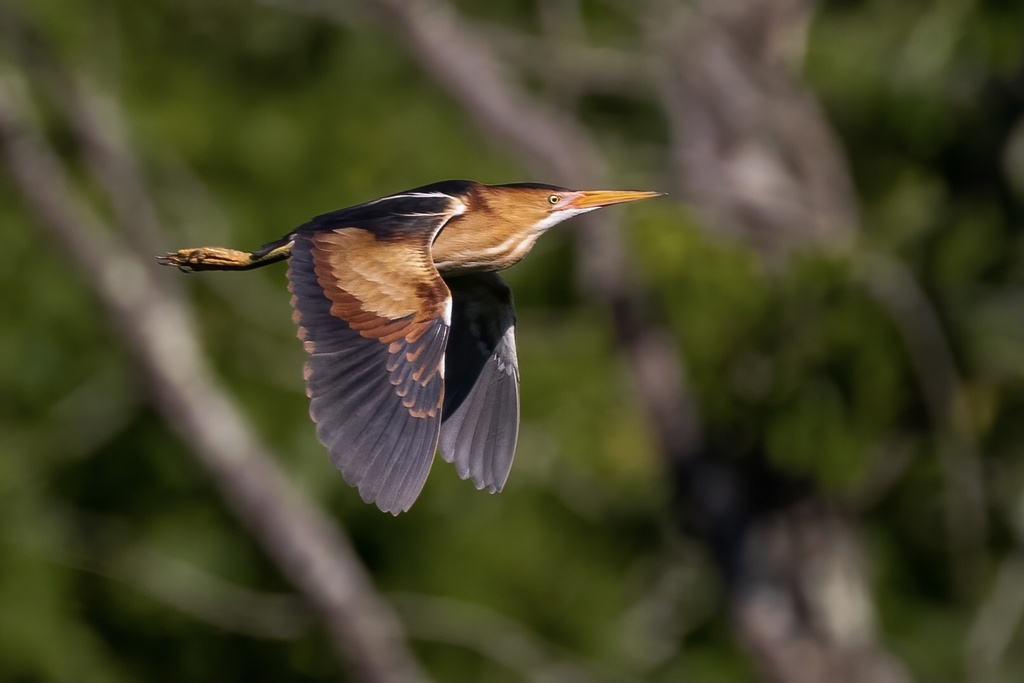
- Least BitternIxobrychus exilis
- Least FlycatcherEmpidonax minimus
- OvenbirdSeiurus aurocapilla
- Red-shouldered HawkButeo lineatus
- Rough-legged HawkButeo lagopus
- Ruddy DuckOxyura jamaicensis
- Scarlet TanagerPiranga olivacea
- Snowy OwlBubo scandiacus
- SoraPorzana carolina
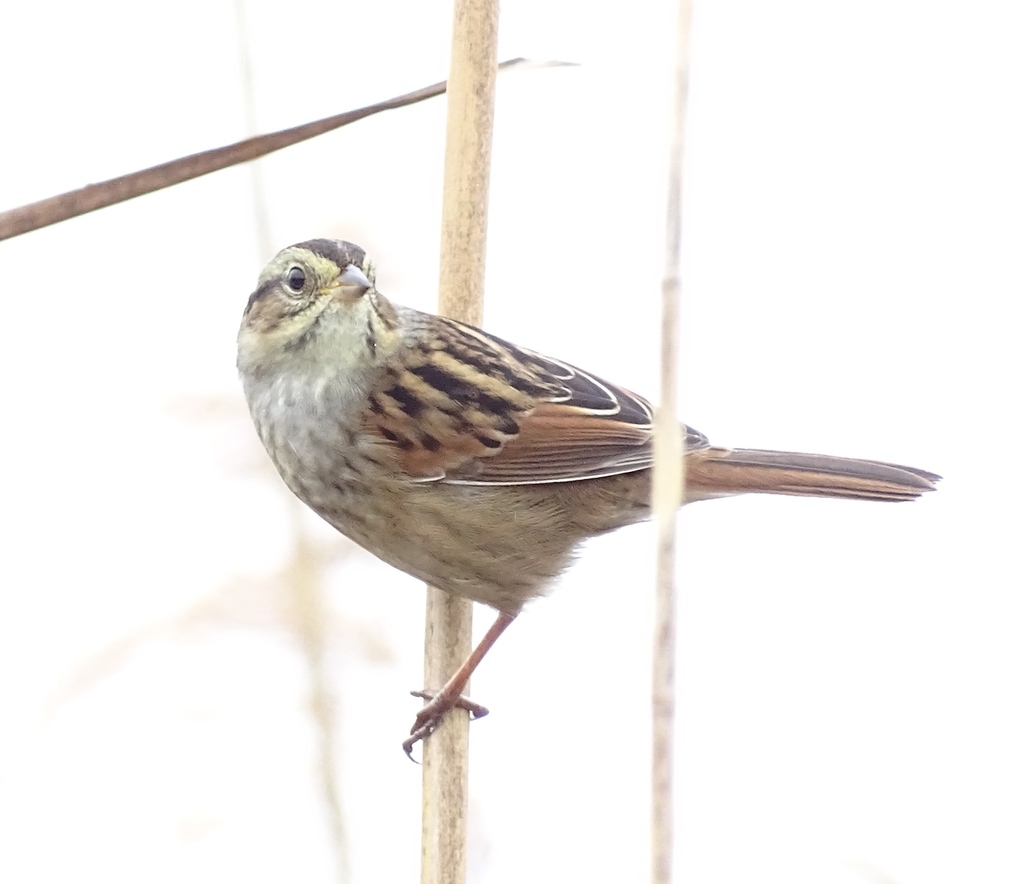
- Swamp SparrowMelospiza georgiana
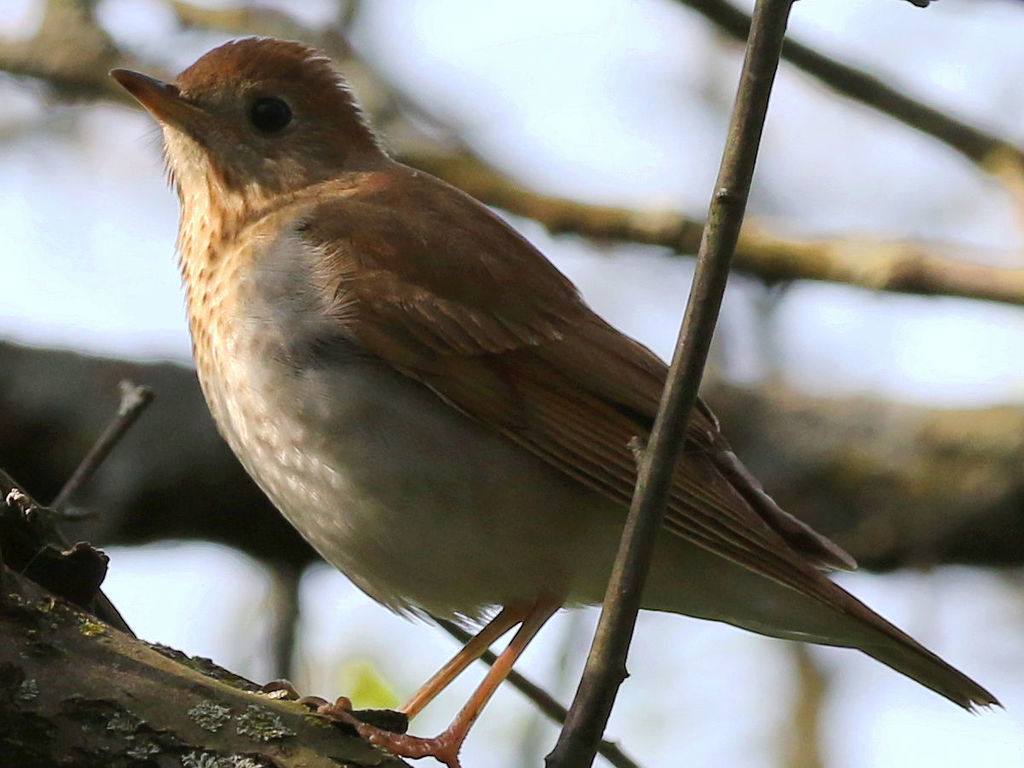
- VeeryCatharus fuscescens









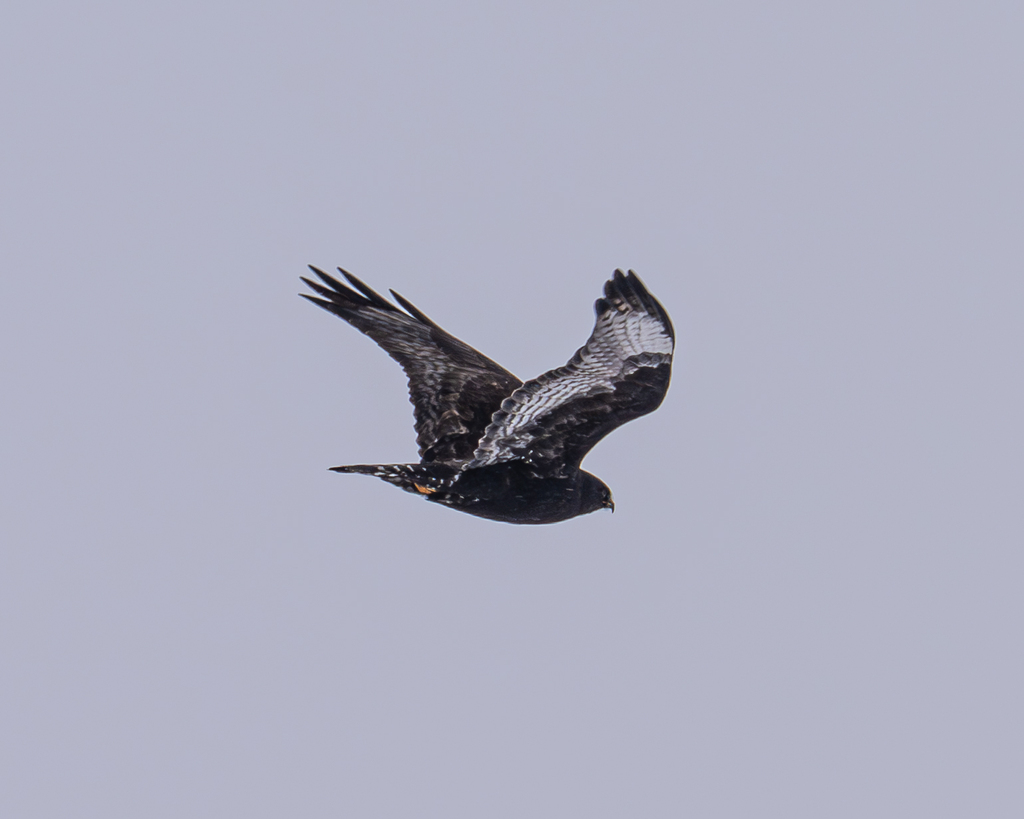
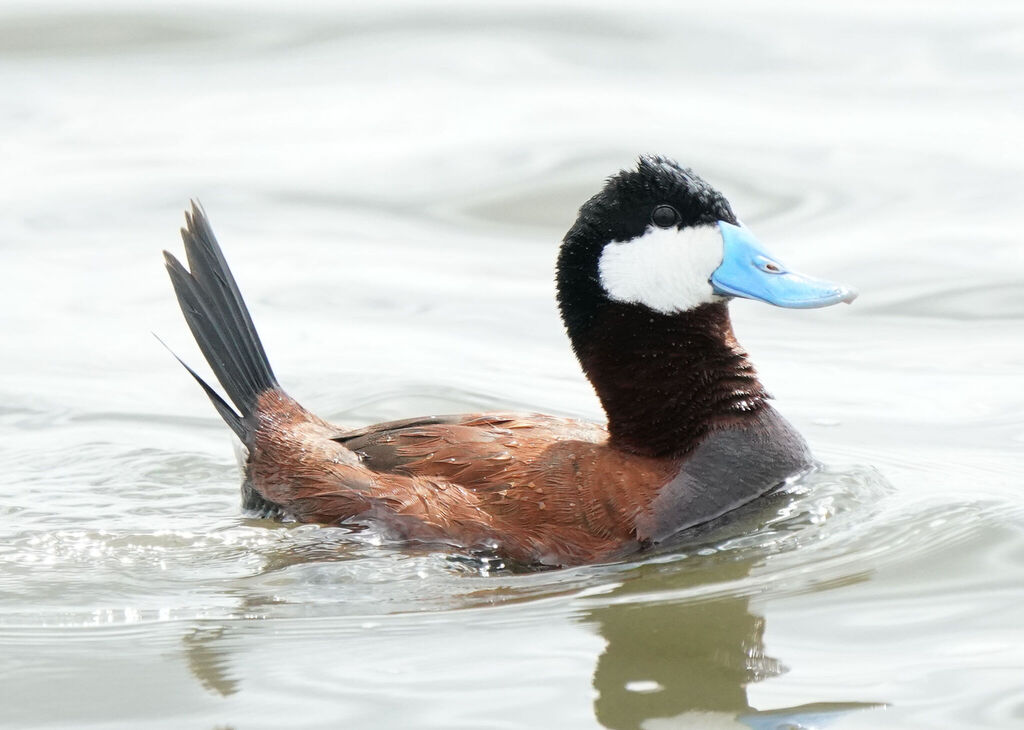

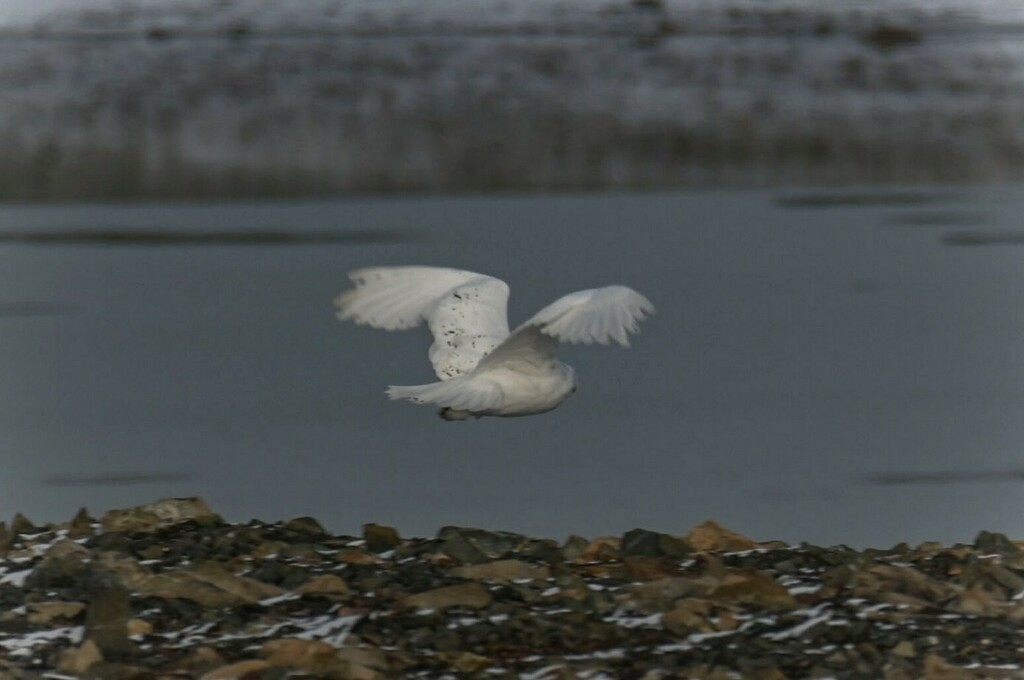
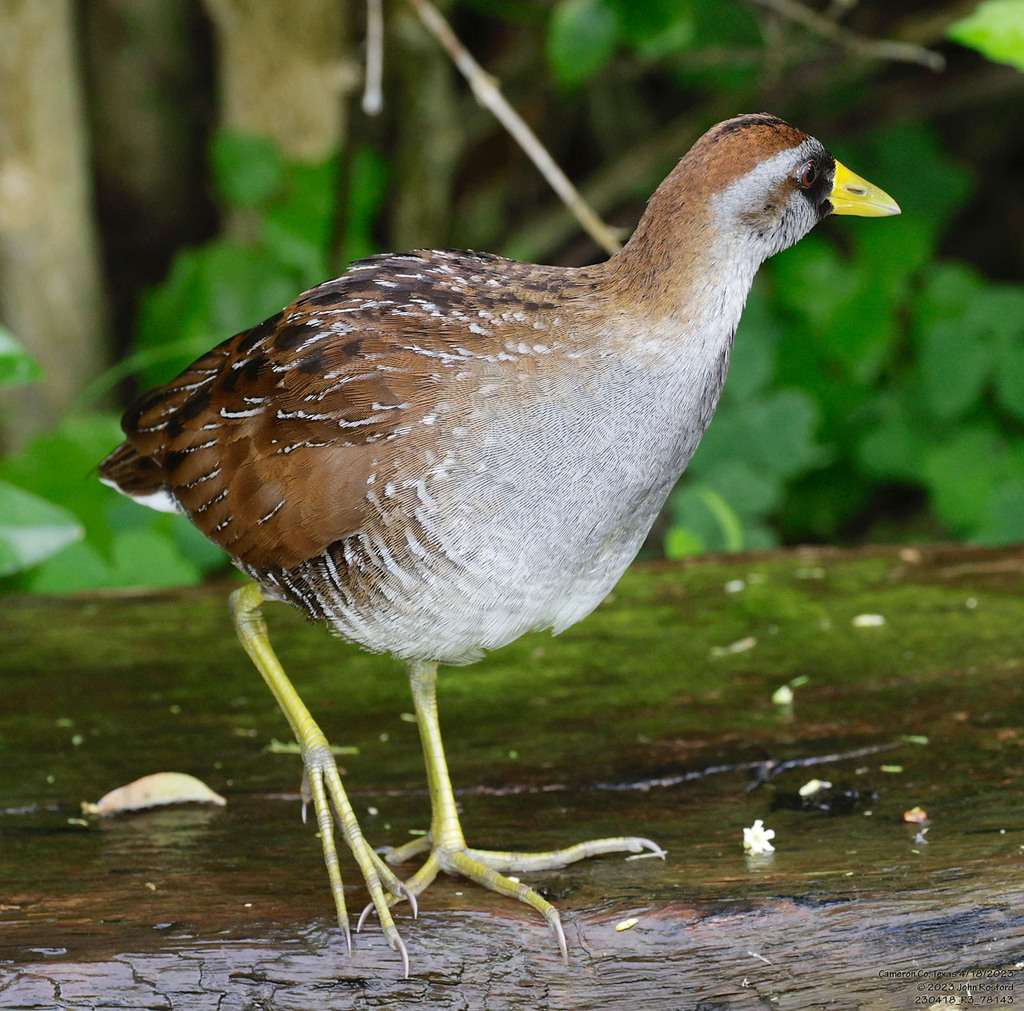
Widespread birds also seen here (58)
Found in many habitats here, so not listed above.
- American Goldfinch
- American Kestrel
- American Robin
- Bald Eagle
- Baltimore Oriole
- Belted Kingfisher
- Black-crowned Night-heron
- Blue Grosbeak
- Blue Jay
- Blue-gray Gnatcatcher
- Brown Creeper
- Brown Thrasher
- Cedar Waxwing
- Chimney Swift
- Chipping Sparrow
- Cliff Swallow
- Common Nighthawk
- Common Yellowthroat
- Cooper's Hawk
- Double-crested Cormorant
- Downy Woodpecker
- Eastern Kingbird
- Eastern Screech-owl
- Eurasian Collared-dove
- European Starling
- Golden-crowned Kinglet
- Great Horned Owl
- Hairy Woodpecker
- Harris's Sparrow
- Hooded Merganser
- Indigo Bunting
- Mourning Dove
- Northern Cardinal
- Northern Flicker
- Northern Mockingbird
- Orange-crowned Warbler
- Orchard Oriole
- Osprey
- Pileated Woodpecker
- Pine Siskin
- Purple Finch
- Red-bellied Woodpecker
- Red-headed Woodpecker
- Red-tailed Hawk
- Red-winged Blackbird
- Ruby-crowned Kinglet
- Ruby-throated Hummingbird
- Sharp-shinned Hawk
- Spotted Sandpiper
- Tufted Titmouse
- Turkey Vulture
- White-throated Sparrow
- Wild Turkey
- Wood Thrush
- Yellow-bellied Sapsucker
- Yellow-billed Cuckoo
- Yellow-breasted Chat
- Yellow-rumped Warbler
Who uses this plant?
 43CaterpillarsGenus host records with ranges including AR
Genus host records with ranges including AR · Polygonum
- Achyra rantalisGarden Webworm Moth
- Acronicta insularisHenry's Marsh Moth, Cattail Caterpillar
- Acronicta oblinitaSmeared Dagger
- Anticlea multiferataMany-Lined Carpet
- Apantesis argeArge Tiger Moth
- Apantesis naisNais Tiger Moth
- Archips semiferanusOak Leafroller Moth
- Calothysanis amaturariaCross-Lined Wave
- Chionodes discoocellellaEyeringed Chionodes
- Costaconvexa centrostrigariaBent-Lined Carpet
Show all 43
- Dypterygia rozmaniAmerican Bird's-Wing
- Elophila icciusalisPondside Pyralid, Pondside Crambid
- Elophila obliteralisWaterlily Leafcutter Moth
- Emmelina monodactylaMorning-Glory Plume Moth
- Epiblema otiosanaBidens Borer Moth
- Eusarca confusariaConfused Eusarca
- Feltia subterraneaSubterranean Dart, Granulate Cutworm
- Haematopis gratariaChickweed Geometer
- Helicoverpa zeaCorn Earworm Moth
- Homophoberia apicosaBlack Wedge-Spot, Smartweed Groundling
- Hyles lineataWhite-Lined Sphinx
- Hypena scabraGreen Cloverworm Bomolocha, Black Snout
- Maliattha synochitisBlack-Dotted Lithacodia, Black-Dotted Glyph, Brass-Dotted Grass Moth
- Melanchra pictaPainted Arches, Zebra Caterpillar Moth
- Melanolophia canadariaCanadian Melanolphia, Variable Redmarked Looper
- Metarranthis duariaRuddy Metarranthis
- Nephelodes miniansBronzed Cutworm
- Nomophila nearcticaLucerne Moth, American Celery Webworm
- Orthonama obstipataThe Gem
- Ostrinia obumbratalisSmartweed Borer
- Ostrinia penitalisAmerican Lotus Borer, Lily Moth
- Parapoynx obscuralisObscure Pondweed Moth
- Patania silicalisHerbivorous Patania, Herbivorous Pleuroptya
- Prochoerodes lineolaLarge Maple Spanworm Moth
- Pseudeustrotia carneolaPink-Barred Lithacodia, Pink-Barred Pseudeustrotia
- Pyrrhia exprimensPurple-Lined Sallow, Purple-Lined Sun Moth
- Saucrobotys futilalisDogbane Saucrobotys
- Schinia spinosaeSpinose Flower Moth
- Scopula limboundataLarge Lace-Border
- Spilosoma congruaAgreeable Tiger Moth
- Spilosoma virginicaVirginian Tiger Moth, Yellow Woolybear Moth, Yellow Bear
- Strymon melinusGray Hairstreak
- Tharsalea hyllusBronze Copper
 34BeesSoutheastern regional records
Southeastern regional records · Persicaria
Individual names are not available yet.
Noori, Seltmann & Orr 2026, A curated and integrated dataset for exploring global bee-plant interactions (GloBI), Zenodo, CC BY 4.0 0Specialist beesPollen specialists
 15BirdsRecorded eating Persicaria in Arkansas
Diet records by plant genus, from studies across North America. Not a record from this state. Birds whose range includes Arkansas, most records first.
- SoraSeeds. 12 diet records
- Red-winged BlackbirdSeeds. 4 diet records
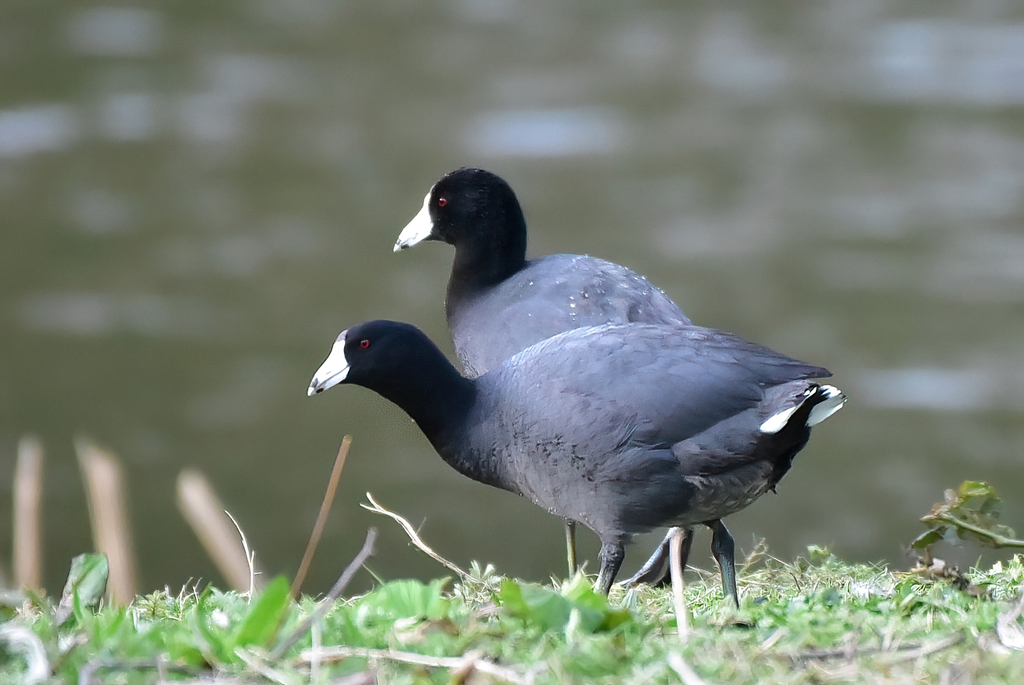
- American CootSeeds. 2 diet records
- Northern CardinalOther parts. 2 diet records
- Ring-necked DuckSeeds. 2 diet records
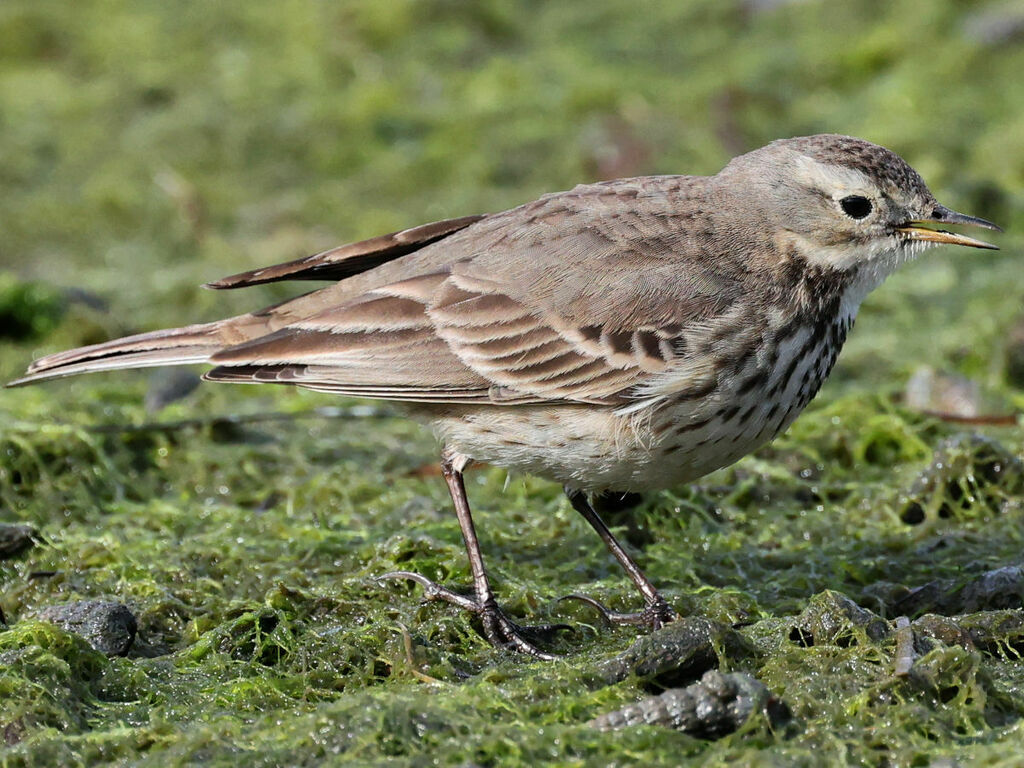
- American Pipit1 diet record
- American RobinFruit. 1 diet record
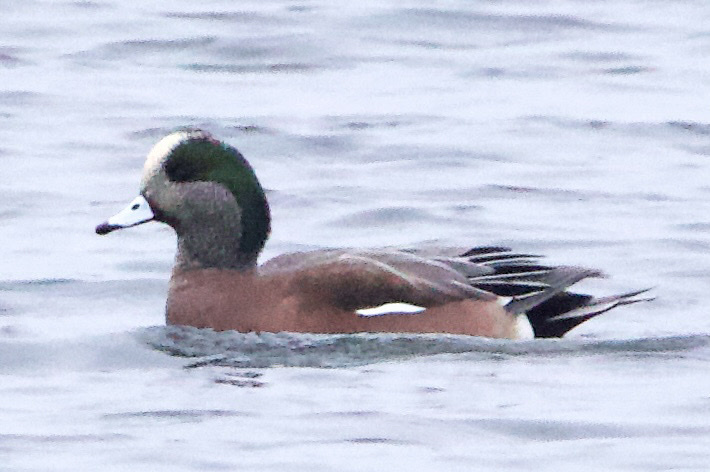
- American Wigeon1 diet record
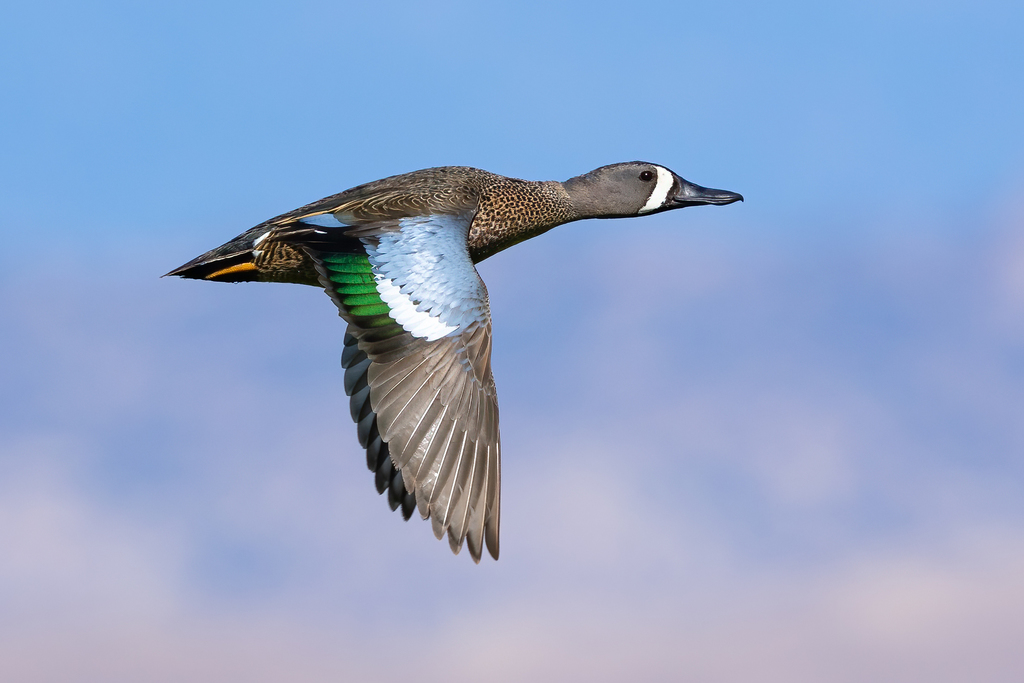
- Blue-winged Teal1 diet record
- GadwallSeeds. 1 diet record
Show all 15
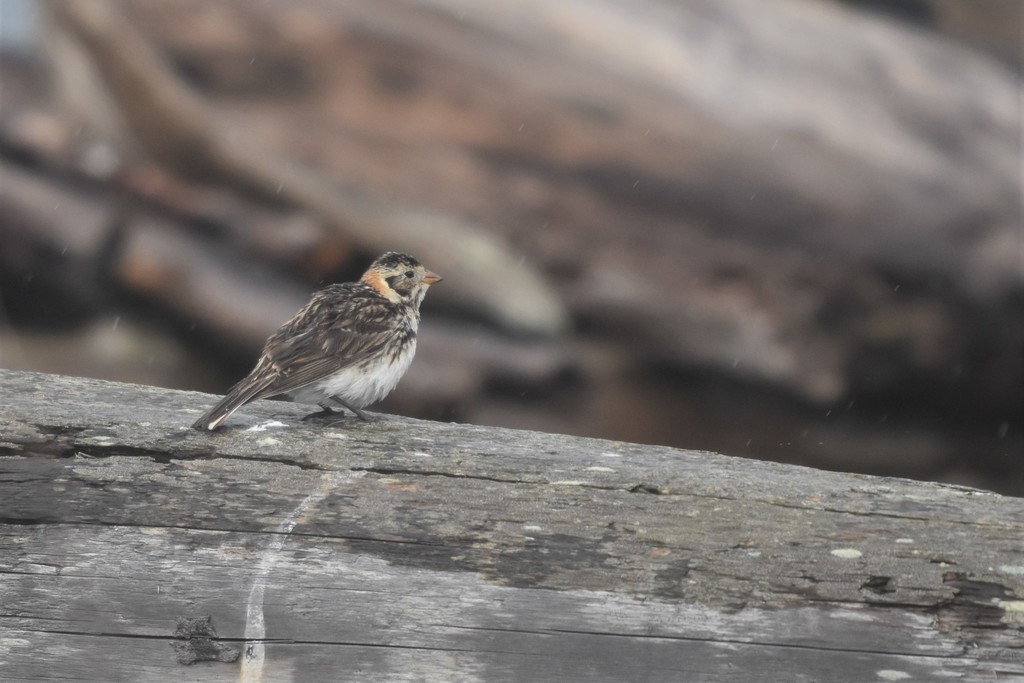
- Lapland Longspur1 diet record
- Lesser ScaupSeeds. 1 diet record
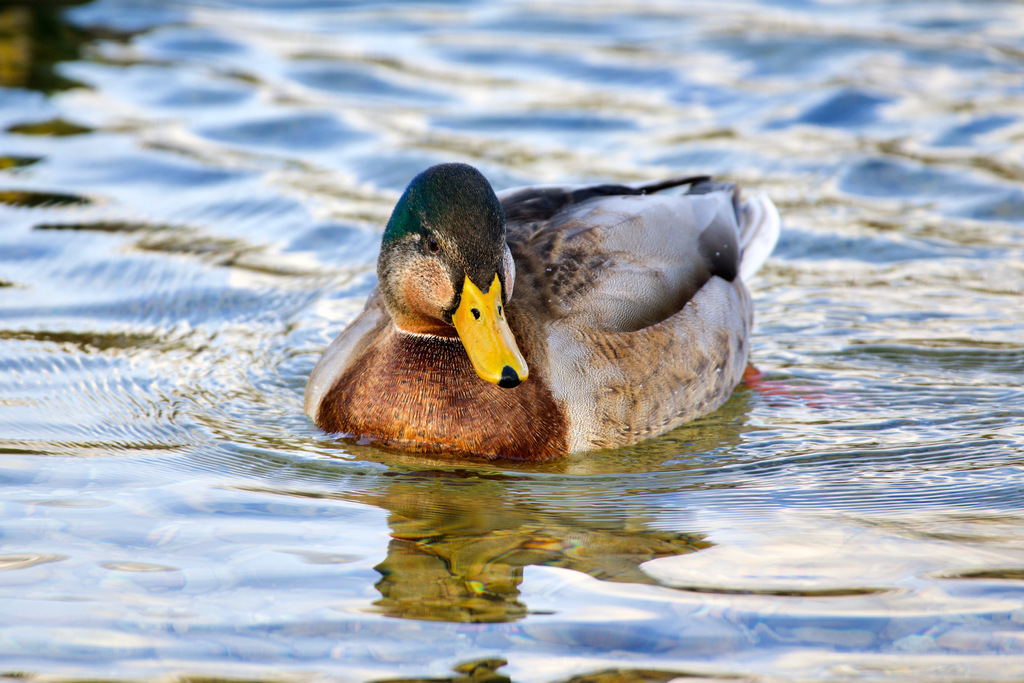
- MallardSeeds. 1 diet record
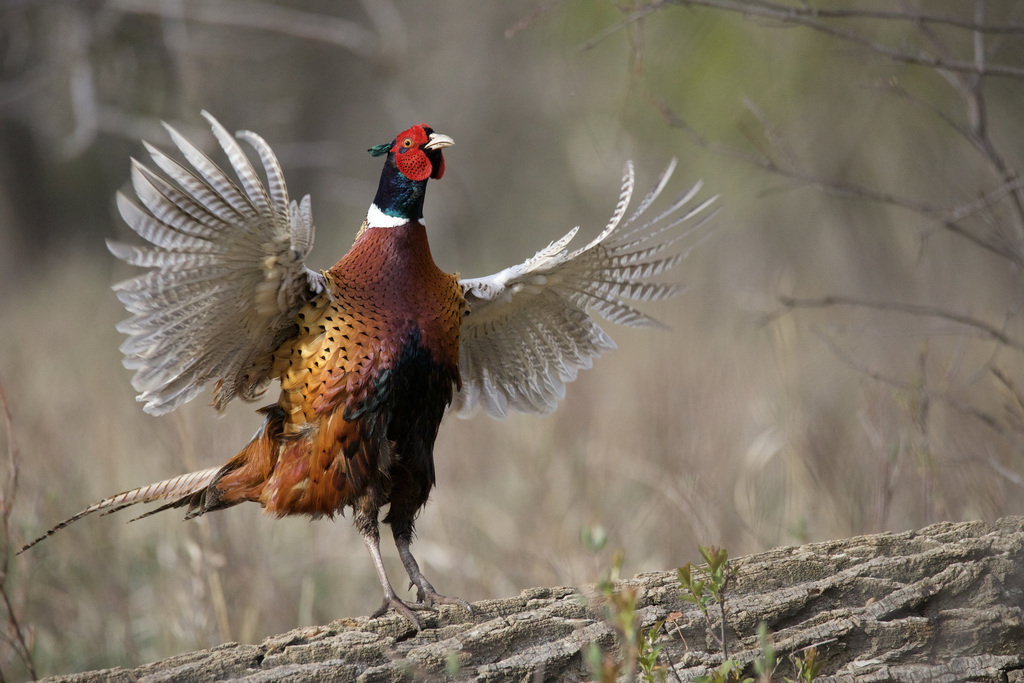
- Ring-necked Pheasant1 diet record
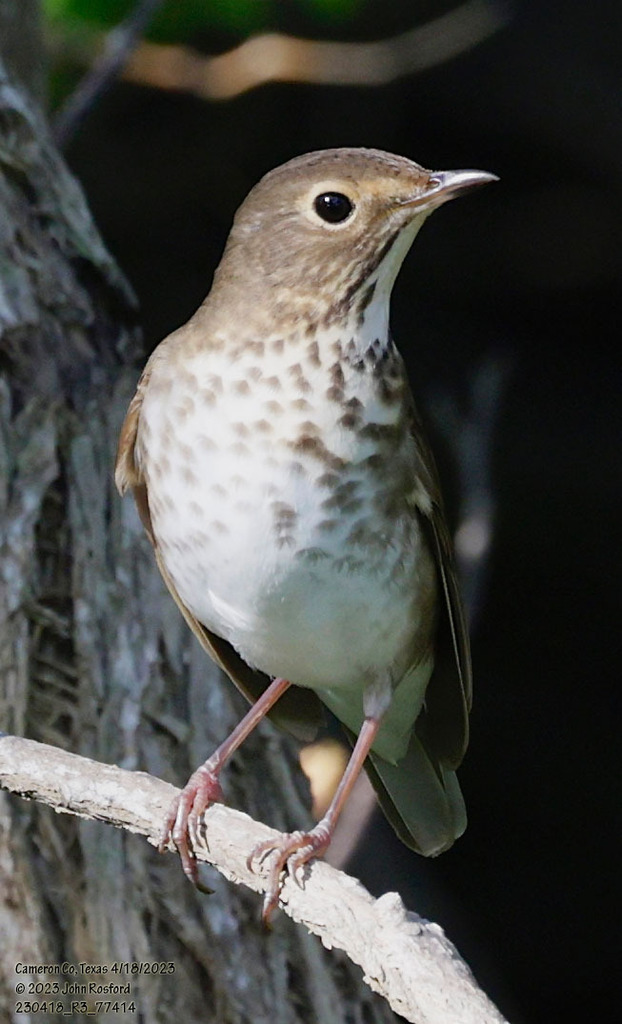
- Swainson's ThrushFruit and seeds. 1 diet record
Direct food only. Caterpillars on host plants also feed nesting birds. NC Native Plant Society: butterfly gardening
No records yet · Ants · Beetles · Flies · Adult butterflies / moths · Other wasps · Other insects
Birds that eat Persicaria 15
Diet records by plant genus, from studies across North America. Not a record from this state. Avian Diet Database (Hurlbert Lab), CC0 1.0.
- SoraPorzana carolina
- Red-winged BlackbirdAgelaius phoeniceus
- American CootFulica americana
- Northern CardinalCardinalis cardinalis
- Ring-necked DuckAythya collaris
- American PipitAnthus rubescens
- American RobinTurdus migratorius
- American WigeonAnas americana
- Blue-winged TealAnas discors
- GadwallAnas strepera
- Lapland LongspurCalcarius lapponicus
- Lesser ScaupAythya affinis
- MallardAnas platyrhynchos
- Ring-necked PheasantPhasianus colchicus
- Swainson's ThrushCatharus ustulatus





Plant details
- Family
- Polygonaceae
- Flower color
- Yellow
What its natural habitat tells you
Safety has not been reviewed for this plant; check toxicity and thorns before planting.
Growing sources and scope
- Flower color · “Yellow” · Lady Bird Johnson Wildflower Center
- Height · “1–3 feet” · Minnesota Wildflowers
- Life cycle · “Perennial” · Minnesota Wildflowers
- Light · “Sun” · Lady Bird Johnson Wildflower Center
- primary_flower_color · “yellow” · Lady Bird Johnson Wildflower Center
Also known as
Polygonum amphibium; Polygonum coccineum; knotweed
Conservation status
| Arkansas rank | SNR |
|---|---|
| Global rank | G5 |
| AR status | Not verified |
| Federal status | Not verified |
Will it fit your yard?
Check this plant against your county, sun and soil moisture. Conditions are checked in your browser.
Sources
- Atlas of the Vascular Plants of Arkansas (2013)
- USDA PLANTS
- Vascular Plants of North Carolina (NC Natural Heritage Program)
- Arkansas occurrence source
- Shropshire & Tallamy 2025, Lepidoptera of North America north of Mexico, ZooKeys 1261 (ODbL)
- Noori, Seltmann & Orr 2026, A curated and integrated dataset for exploring global bee-plant interactions (GloBI), Zenodo, CC BY 4.0
- Smith, Bachelder, Russell, Morales, Mosher & Seltmann 2024, Bee-Specialization-Modeling v0.6.1 (specialist host table compiled from J. Fowler's pollen specialist bee lists), Zenodo, CC BY 4.0
- Hurlbert, Olsen, Sawyer & Winner 2021, Avian Diet Database, Scientific Data 8: 260 (CC0)
- Narango, Tallamy & Shropshire 2020, Few keystone plant genera support the majority of Lepidoptera species, Nature Communications