

Starry Solomons Pume
Maianthemum stellatum
In the Carolinas and Georgia, found in alluvial forests, calcareous fens, seepage swamps. Weakley, Flora of the Southeastern United States (2025), Carolinas & Georgia edition What its natural habitat tells you
Native to Arkansas. How scores work Is it native here?
Profile 82%
- Height
- Starry false lily of the valley is a rhizomatous perennial forb approximately 8 to 24 inches tall.
- Spread
- 9 inches–1.5 feet
- Light
- Partial shade, Full shade, Full sun
- Soil moisture
- Dry to wet
Space about 1 ft apart from its recorded spread, about 100 per 100 sq ft. Enter your bed size for a count
Will it fit your yard?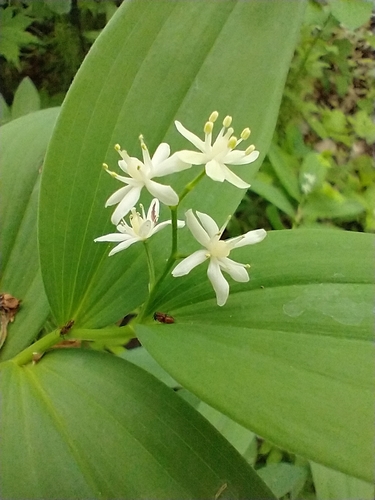
Rare or protected plant. Specialist conservation planting; excluded from routine garden suggestions. Plant caution source
Hidden from default planting suggestions. Wildlife value and native status remain unchanged.
At a glance
- Life cycle
- Perennial
- Bloom
- April to June
- Fruiting season
- August to October
Not yet recorded · Leaves
Recorded in 1 Arkansas county.
Natural habitats
Places it grows wild. Not a planting requirement. Each habitat page lists the plants and wildlife also found there.
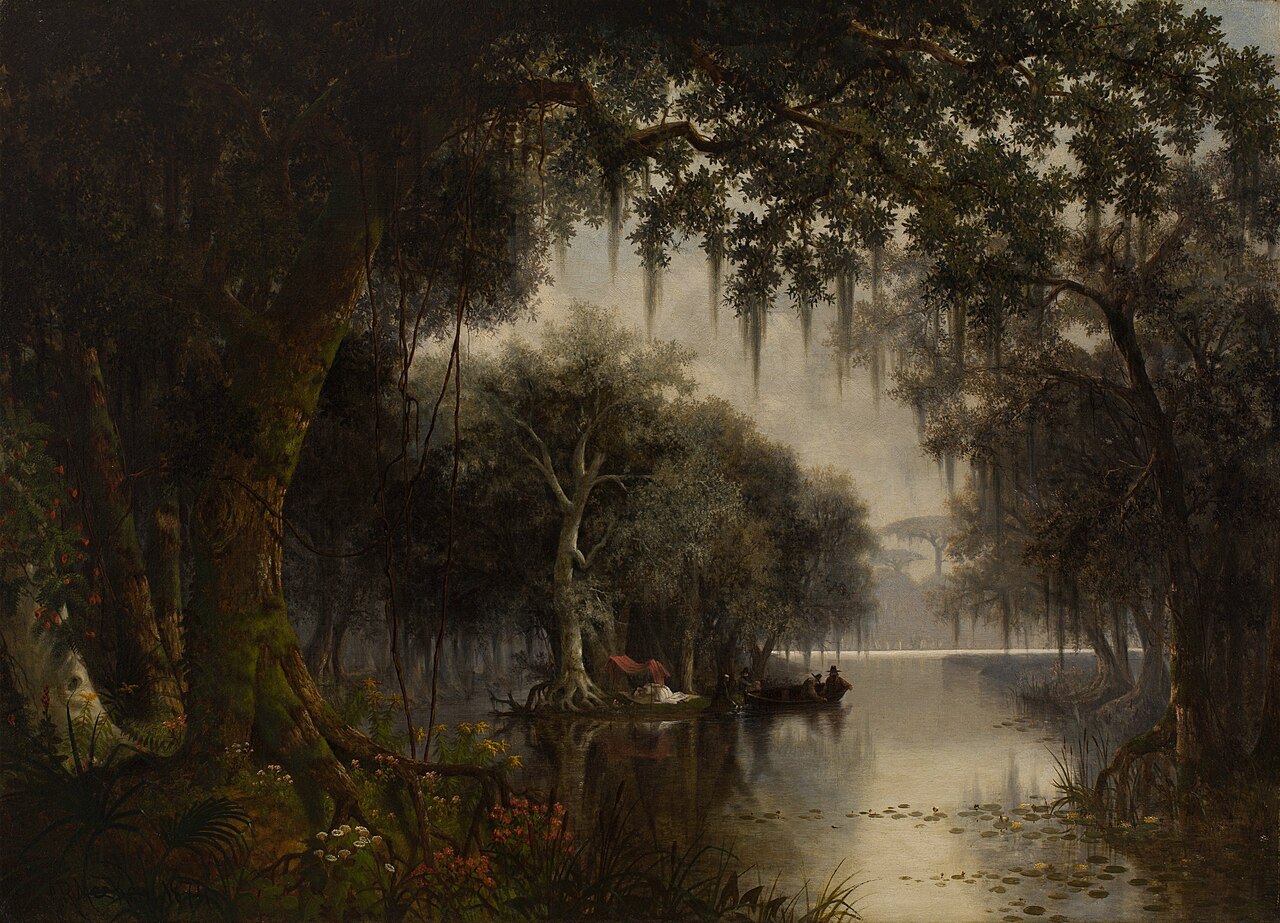
Floodplain and bottomland forests
Forests on low ground beside rivers and streams that flood from time to time.
Places where groundwater keeps the soil or rock wet, such as seepage slopes and spring runs.
Also found with this plant
Wildlife whose habitat models include habitats this plant grows in, in Arkansas. Shared habitat, not food. 112 animals.
- Great Horned OwlBubo virginianus
- Hairy WoodpeckerPicoides villosus
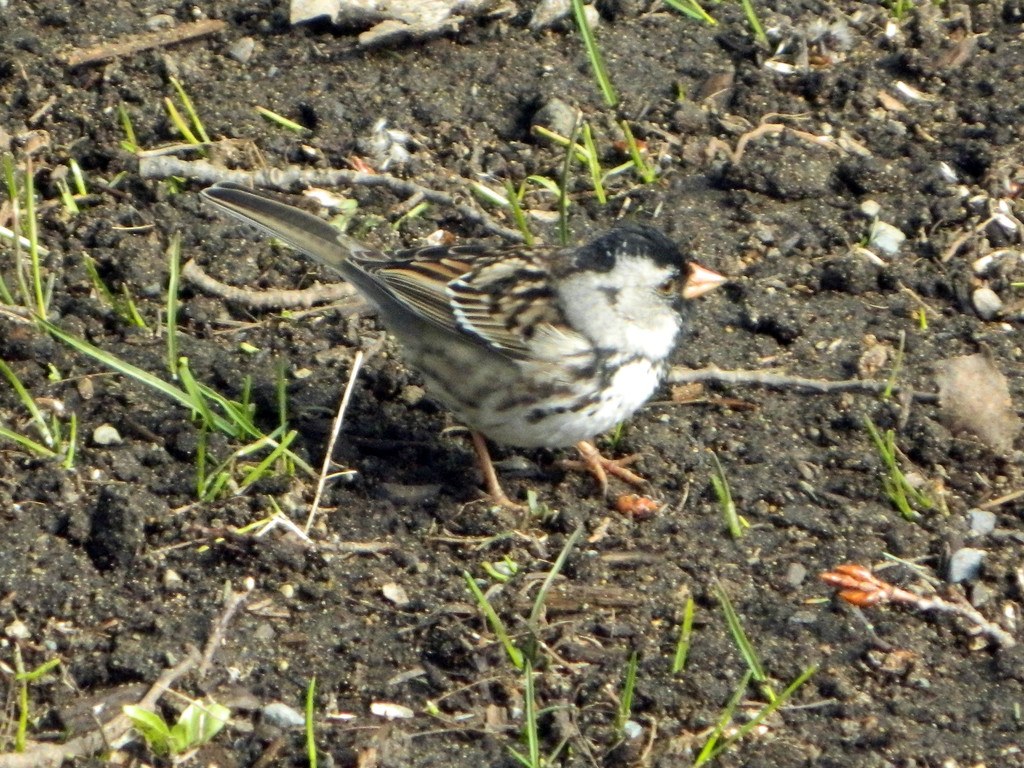
- Harris's SparrowZonotrichia querula
- Hooded MerganserLophodytes cucullatus
- Kentucky WarblerOporornis formosus
- Lincoln's SparrowMelospiza lincolnii
- Louisiana WaterthrushSeiurus motacilla
- Mourning DoveZenaida macroura
- Northern CardinalCardinalis cardinalis
- Northern FlickerColaptes auratus
- Northern MockingbirdMimus polyglottos
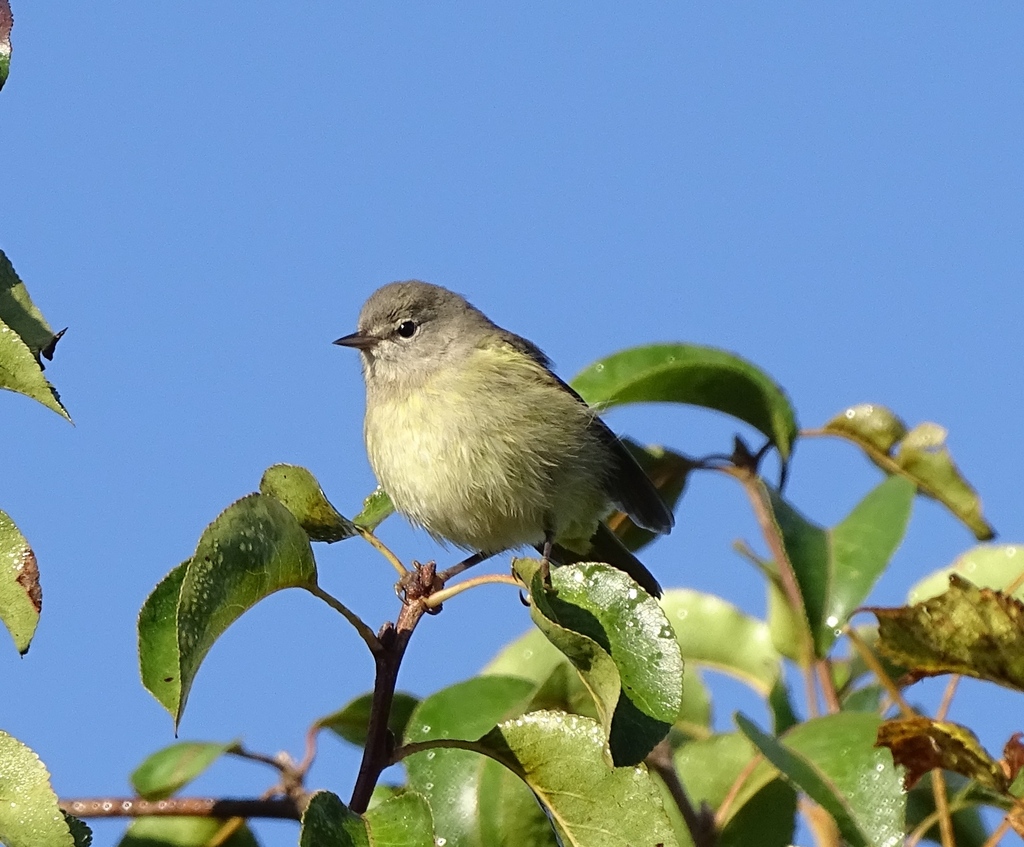
- Orange-crowned WarblerVermivora celata
- OspreyPandion haliaetus
- Pine SiskinCarduelis pinus
- Purple FinchCarpodacus purpureus
- Red-breasted NuthatchSitta canadensis
- Red-headed WoodpeckerMelanerpes erythrocephalus
- Red-tailed HawkButeo jamaicensis
- Red-winged BlackbirdAgelaius phoeniceus
- Ruby-crowned KingletRegulus calendula
- Ruffed GrouseBonasa umbellus
- Sharp-shinned HawkAccipiter striatus
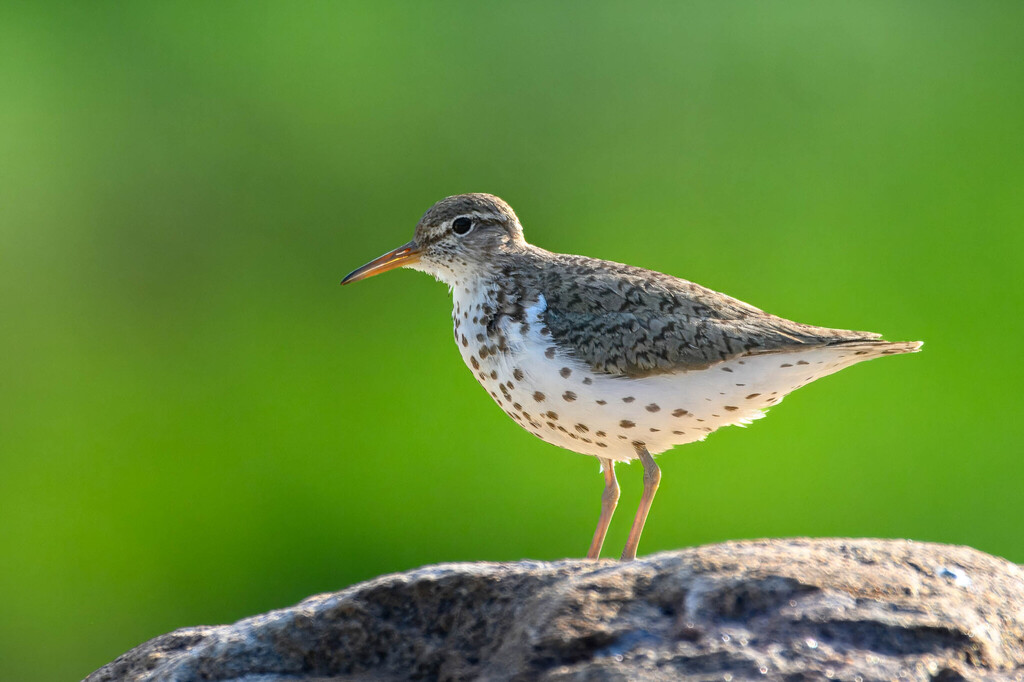
- Spotted SandpiperActitis macularius
- Tufted TitmouseBaeolophus bicolor






















Who uses this plant?
 3CaterpillarsGenus host records with ranges including AR
Genus host records with ranges including AR · Maianthemum
- Archips purpuranaOmnivorous Leafroller Moth
- Euplexia benesimilisAmerican Angle Shades
- Papaipema cataphractaBurdock Border, Potato-Stalk Borer
 12BeesSoutheastern regional records
Southeastern regional records · Maianthemum
Individual names are not available yet.
Noori, Seltmann & Orr 2026, A curated and integrated dataset for exploring global bee-plant interactions (GloBI), Zenodo, CC BY 4.0 0Specialist beesPollen specialists
 9BirdsRecorded genus food-resource interactions; not a state feeding claim
Recorded genus food-resource interactions; not a state feeding claim · Maianthemum
- Bonasa umbellusRuffed Grouse
- Catharus fuscescensVeery
- Catharus guttatusHermit Thrush
- Catharus minimus/bicknelliGray-cheeked/Bicknell's Thrush
- Catharus ustulatusSwainson's Thrush
- Hylocichla mustelinaWood Thrush
- Lagopus lagopusWillow Ptarmigan
- Patagioenas fasciataBand-tailed Pigeon
- Sialia sialisEastern Bluebird
Direct food only: birds recorded eating this genus across North America. Caterpillars on host plants also feed nesting birds. NC Native Plant Society: butterfly gardening
No records yet · Ants · Beetles · Flies · Adult butterflies / moths · Other wasps · Other insects
Plant details
- Family
- Ruscaceae
- Hardiness
- Zones 3–7
- Flower color
- White
- Fruit begins
- August
- Fruit ends
- October
Growing sources and scope
- Bloom · “April to June” · Weakley, Flora of the Southeastern United States (2025), Carolinas & Georgia edition · Carolinas and Georgia
- Flower color · “White” · Lady Bird Johnson Wildflower Center
- Fruit begins · “August” · Weakley, Flora of the Southeastern United States (2025), Carolinas & Georgia edition · Carolinas and Georgia
- Fruit ends · “October” · Weakley, Flora of the Southeastern United States (2025), Carolinas & Georgia edition · Carolinas and Georgia
- Hardiness · “Zones 3–7” · Missouri Botanical Garden Plant Finder
- Height · “Starry false lily of the valley is a rhizomatous perennial forb approximately 8 to 24 inches (20-60 cm) tall.” · Fire Effects Information System: Maianthemum stellatum (ranked first; Lady Bird Johnson Wildflower Center, Missouri Botanical Garden Plant Finder, Minnesota Wildflowers differ) · Source botanical description; original units and scope retained
- Life cycle · “Perennial” · Minnesota Wildflowers
- Light · “Partial shade; Full shade; Full sun (documented habitat)” · Weakley, Flora of the Southeastern United States (2025), Carolinas & Georgia edition · Carolinas and Georgia
- primary_flower_color · “white” · Lady Bird Johnson Wildflower Center
- Soil · “Dry; Moist; Wet (documented habitat)” · Weakley, Flora of the Southeastern United States (2025), Carolinas & Georgia edition · Carolinas and Georgia
- Spread · “9 inches–1.5 feet” · Missouri Botanical Garden Plant Finder
Also known as
Starflower; Starry False Solomans Seal
Conservation status
| Arkansas rank | S1 |
|---|---|
| Global rank | Not available |
| AR status | Not verified |
| Federal status | Not verified |
Will it fit your yard?
Check this plant against your county, sun and soil moisture. Conditions are checked in your browser.
Sources
- Atlas of the Vascular Plants of Arkansas (2013)
- Weakley, Flora of the Southeastern United States (2025)
- NatureServe Explorer
- Arkansas occurrence source
- Shropshire & Tallamy 2025, Lepidoptera of North America north of Mexico, ZooKeys 1261 (ODbL)
- Noori, Seltmann & Orr 2026, A curated and integrated dataset for exploring global bee-plant interactions (GloBI), Zenodo, CC BY 4.0
- Smith, Bachelder, Russell, Morales, Mosher & Seltmann 2024, Bee-Specialization-Modeling v0.6.1 (specialist host table compiled from J. Fowler's pollen specialist bee lists), Zenodo, CC BY 4.0
- Hurlbert, Olsen, Sawyer & Winner 2021, Avian Diet Database, Scientific Data 8: 260 (CC0)
- Narango, Tallamy & Shropshire 2020, Few keystone plant genera support the majority of Lepidoptera species, Nature Communications