

Keeled Bulrush
Isolepis carinata
In the Carolinas and Georgia, found in moist soils adjacent to granitic flatrocks, seepage areas, ephemeral pools, moist sandy sites, low fields, ditches. Weakley, Flora of the Southeastern United States (2025), Carolinas & Georgia edition What its natural habitat tells you
Native to Arkansas. How scores work Is it native here?
Profile 88%
- Height
- Up to about 10 inches
- Light
- Full sun
- Soil moisture
- Dry to wet
No photograph yet. Looking for an old drawing…
At a glance
- Life cycle
- Annual
- Bloom
- May to June
Not yet recorded · Spread · Leaves
Recorded in 23 Arkansas counties.
Natural habitats
Places it grows wild. Not a planting requirement. Each habitat page lists the plants and wildlife also found there.
Granite and other acidic rock outcrops
Bare or thin-soil rock on granite, gneiss, sandstone, quartzite and similar acidic rock, including granite flatrocks and domes.
Places where groundwater keeps the soil or rock wet, such as seepage slopes and spring runs.
Roadsides, fields and disturbed ground
Ground opened by people: roadsides, old fields, pastures, fencerows and lots.
Also found with this plant
Wildlife whose habitat models include habitats this plant grows in, in Arkansas. Shared habitat, not food. 27 animals.
- Sprague's PipitAnthus spragueii
- Upland SandpiperBartramia longicauda
- Western MeadowlarkSturnella neglecta
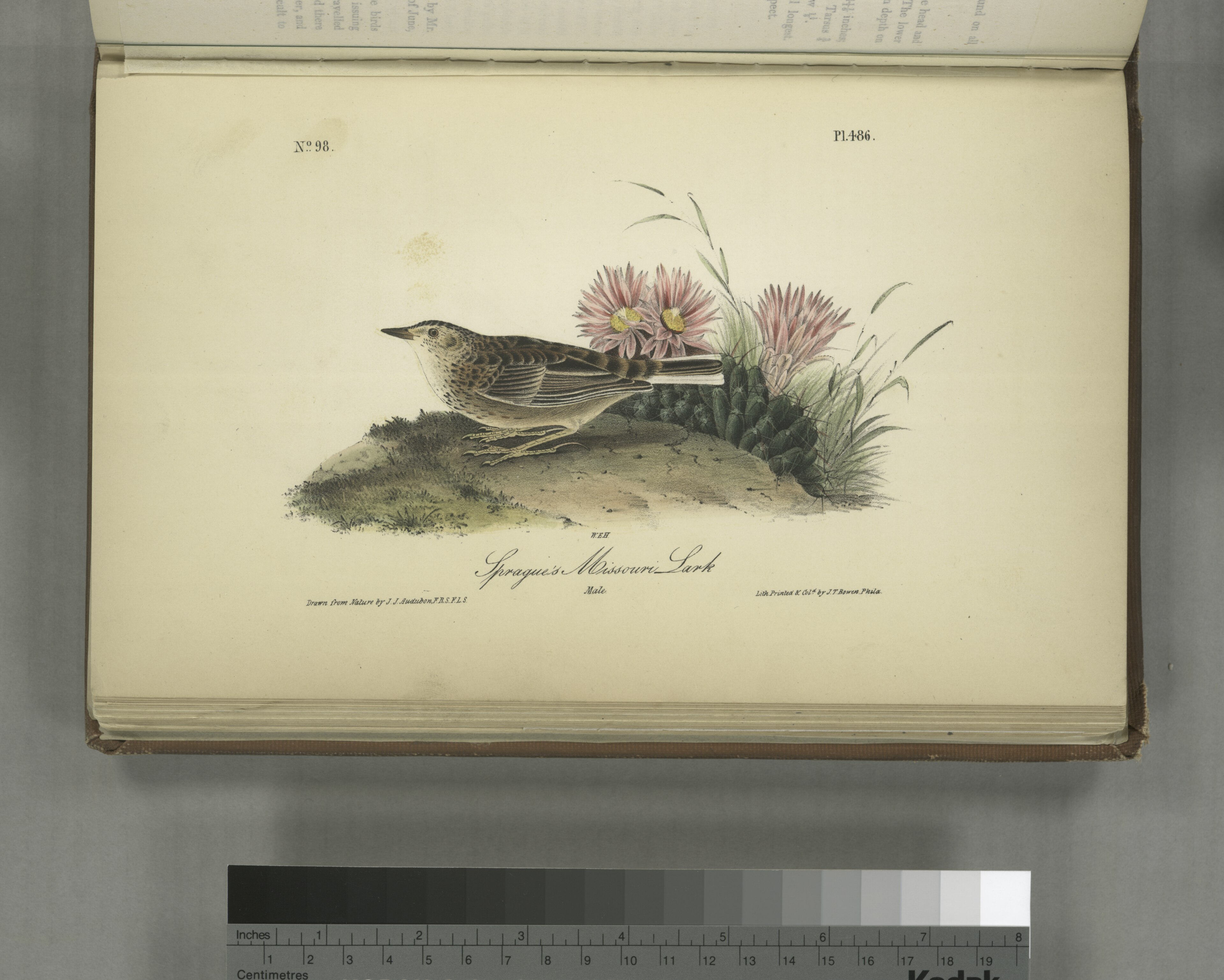
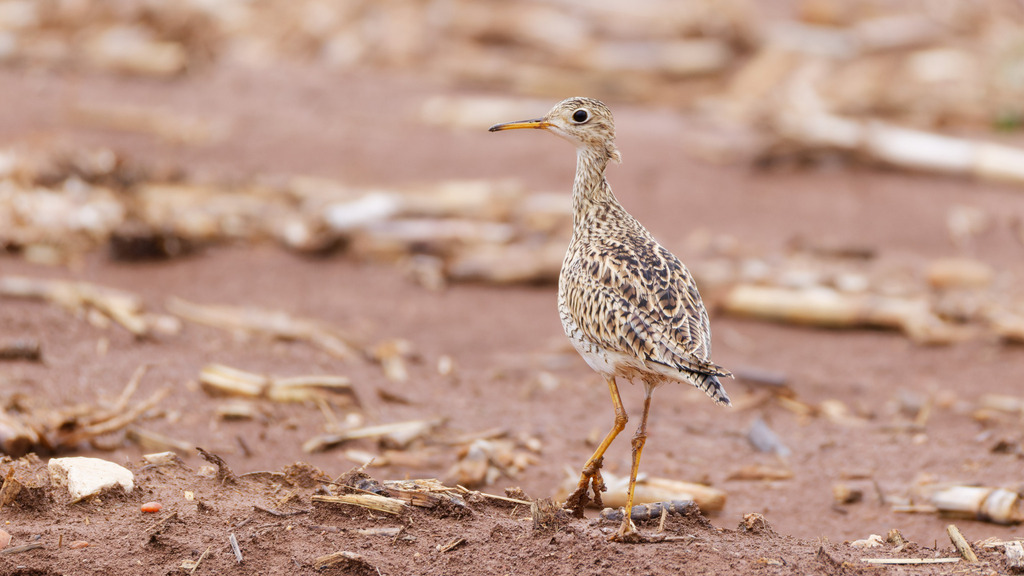
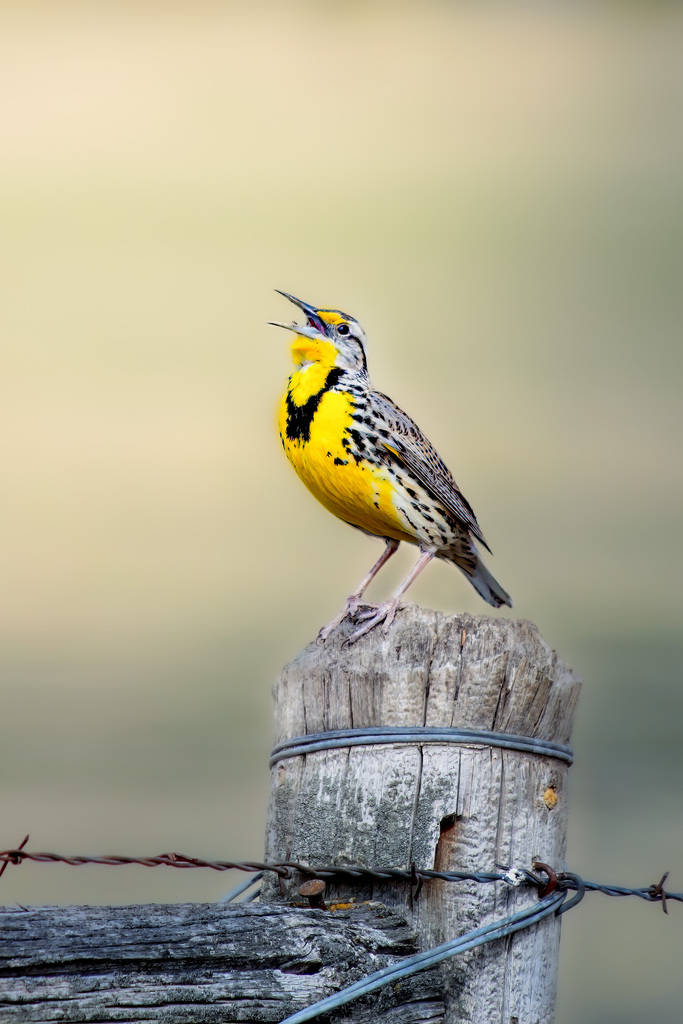
Widespread birds also seen here (59)
Found in many habitats here, so not listed above.
- American Goldfinch
- American Kestrel
- American Robin
- Bank Swallow
- Belted Kingfisher
- Bewick's Wren
- Blue Grosbeak
- Blue Jay
- Brown Creeper
- Brown Thrasher
- Canada Goose
- Cedar Waxwing
- Chimney Swift
- Chipping Sparrow
- Cliff Swallow
- Common Nighthawk
- Common Yellowthroat
- Cooper's Hawk
- Dark-eyed Junco
- Double-crested Cormorant
- Downy Woodpecker
- Eastern Bluebird
- Eastern Kingbird
- Eastern Screech-owl
- Eurasian Collared-dove
- European Starling
- Golden-crowned Kinglet
- Great Horned Owl
- Hairy Woodpecker
- Harris's Sparrow
- Hooded Merganser
- Mourning Dove
- Northern Flicker
- Northern Mockingbird
- Orchard Oriole
- Osprey
- Pileated Woodpecker
- Pine Siskin
- Prairie Warbler
- Purple Finch
- Red-headed Woodpecker
- Red-tailed Hawk
- Red-winged Blackbird
- Ruby-crowned Kinglet
- Ruby-throated Hummingbird
- Sharp-shinned Hawk
- Song Sparrow
- Spotted Sandpiper
- Summer Tanager
- Tree Swallow
- Tufted Titmouse
- Turkey Vulture
- White-breasted Nuthatch
- White-crowned Sparrow
- Wild Turkey
- Wood Thrush
- Yellow-bellied Sapsucker
- Yellow-breasted Chat
- Yellow-rumped Warbler
Who uses this plant?
 7CaterpillarsGenus host records with ranges including AR
Genus host records with ranges including AR · Scirpus
- Apamea sordensBordered Apamea, Rustic Shoulder-Knot
- Bactra furfuranaRush Bactra
- Bactra verutanaJavelin Moth
- Euphyes dionDion Skipper, Sedge Skipper
- Globia oblongaOblong Sedge Borer Moth, Large Noagria
- Ledaea perditalisLost Owlet, 3-Stripe Cephalanthus caterpillar, Buttonbush Owlet
- Donacaula dispersella
 0BeesSoutheastern regional records
 0Specialist beesPollen specialists
 27BirdsRecorded genus food-resource interactions; not a state feeding claim
Recorded genus food-resource interactions; not a state feeding claim · Scirpus
- Agelaius phoeniceusRed-winged Blackbird
- Anas platyrhynchosMallard
- Anthus rubescensAmerican Pipit
- Aythya affinisLesser Scaup
- Aythya americanaRedhead
- Aythya collarisRing-necked Duck
- Aythya marilaGreater Scaup
- Aythya valisineriaCanvasback
- Bucephala clangulaCommon Goldeneye
- Bucephala islandicaBarrow's Goldeneye
Show all 27
- Calcarius lapponicusLapland Longspur
- Calcarius pictusSmith's Longspur
- Cygnus buccinatorTrumpeter Swan
- Cygnus columbianusTundra Swan
- Fulica americanaAmerican Coot
- Gallinula galeataCommon Gallinule
- Loxia curvirostraRed Crossbill
- Mareca americanaAmerican Wigeon
- Mareca streperaGadwall
- Molothrus aterBrown-headed Cowbird
- Oxyura jamaicensisRuddy Duck
- Plectrophenax nivalisSnow Bunting
- Porzana carolinaSora
- Rallus limicolaVirginia Rail
- Spatula cyanopteraCinnamon Teal
- Spizelloides arboreaAmerican Tree Sparrow
- Sturnus vulgarisEuropean Starling
Direct food only: birds recorded eating this genus across North America. Caterpillars on host plants also feed nesting birds. NC Native Plant Society: butterfly gardening
No records yet · Ants · Beetles · Flies · Adult butterflies / moths · Other wasps · Other insects
Plant details
- Family
- Cyperaceae
- Flower color
- Green or brown
Safety has not been reviewed for this plant; check toxicity and thorns before planting.
Growing sources and scope
- Bloom · “May to June” · Weakley, Flora of the Southeastern United States (2025), Carolinas & Georgia edition · Carolinas and Georgia
- Flower color · “Green or brown” · Lady Bird Johnson Wildflower Center
- Height · “Up to about 10 inches” · Lady Bird Johnson Wildflower Center
- Life cycle · “Annual” · Lady Bird Johnson Wildflower Center
- Light · “Full sun (documented habitat)” · Weakley, Flora of the Southeastern United States (2025), Carolinas & Georgia edition · Carolinas and Georgia
- Soil · “Dry; Moist; Wet (documented habitat)” · Weakley, Flora of the Southeastern United States (2025), Carolinas & Georgia edition · Carolinas and Georgia
Also known as
Keeled Bul Rush; Keeled Lateral Bul Rush; Scirpus koilolepis; bulrush
Conservation status
| Arkansas rank | SNR |
|---|---|
| Global rank | G5 |
| AR status | Not verified |
| Federal status | Not verified |
Will it fit your yard?
Check this plant against your county, sun and soil moisture. Conditions are checked in your browser.
Sources
- Atlas of the Vascular Plants of Arkansas (2013)
- USDA PLANTS
- Vascular Plants of North Carolina (NC Natural Heritage Program)
- Weakley, Flora of the Southeastern United States (2025), Carolinas & Georgia edition
- Arkansas occurrence source
- Shropshire & Tallamy 2025, Lepidoptera of North America north of Mexico, ZooKeys 1261 (ODbL)
- Noori, Seltmann & Orr 2026, A curated and integrated dataset for exploring global bee-plant interactions (GloBI), Zenodo, CC BY 4.0
- Smith, Bachelder, Russell, Morales, Mosher & Seltmann 2024, Bee-Specialization-Modeling v0.6.1 (specialist host table compiled from J. Fowler's pollen specialist bee lists), Zenodo, CC BY 4.0
- Hurlbert, Olsen, Sawyer & Winner 2021, Avian Diet Database, Scientific Data 8: 260 (CC0)
- Narango, Tallamy & Shropshire 2020, Few keystone plant genera support the majority of Lepidoptera species, Nature Communications