

Pale Jewelweed
Impatiens pallida
In the Carolinas and Georgia, found in cove forests, streambanks, seepages, moist forests, bogs, roadsides. Weakley, Flora of the Southeastern United States (2025), Carolinas & Georgia edition What its natural habitat tells you
Native to Arkansas. How scores work Is it native here?
Profile 100%
- Height
- 2–5 feet
- Spread
- 2–3 feet
- Light
- Dappled sunlight, Full sun, Partial shade
- Soil moisture
- Usually moist
Space about 2.5 ft apart from its recorded spread, about 16 per 100 sq ft. Enter your bed size for a count
Will it fit your yard?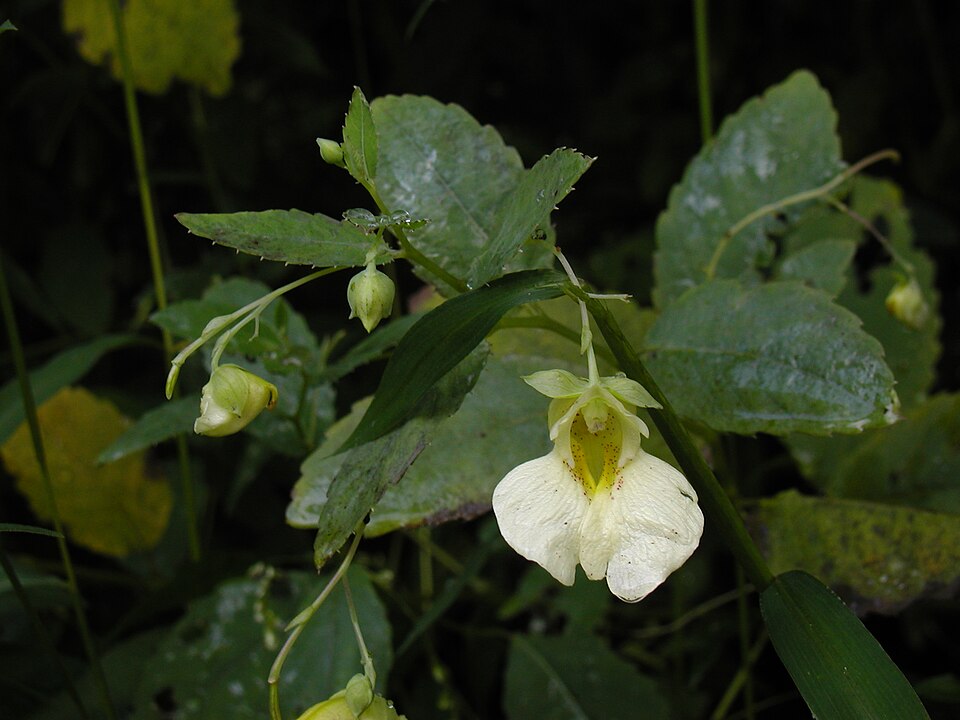
At a glance
- Life cycle
- Annual
- Bloom
- July to September
- Fruiting season
- Summer to fall
Not yet recorded · Leaves
Recorded in 10 Arkansas counties.
Natural habitats
Places it grows wild. Not a planting requirement. Each habitat page lists the plants and wildlife also found there.
Streams, rivers and their banks
Flowing water and its banks, bars and rocky shoals.
Places where groundwater keeps the soil or rock wet, such as seepage slopes and spring runs.
Forests on moist but not wet ground, such as rich slopes and ravines.
Roadsides, fields and disturbed ground
Ground opened by people: roadsides, old fields, pastures, fencerows and lots.
Also found with this plant
Wildlife whose habitat models include habitats this plant grows in, in Arkansas. Shared habitat, not food. 96 animals.
- Red-winged BlackbirdAgelaius phoeniceus
- Ring-necked DuckAythya collaris
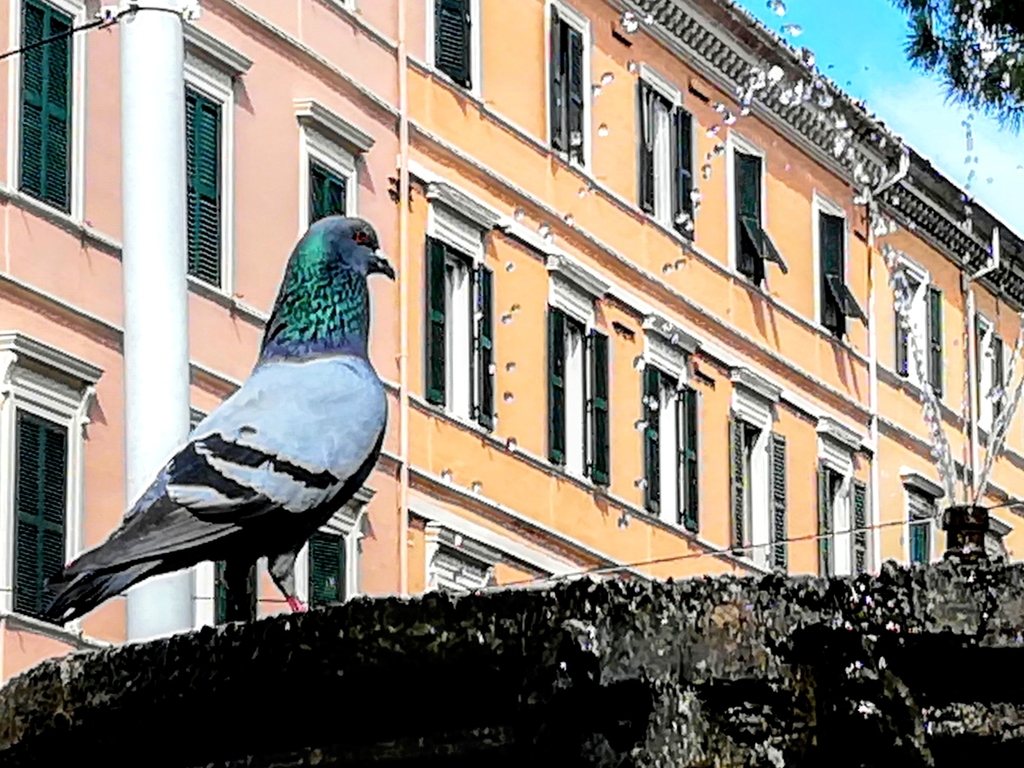
- Rock PigeonColumba livia
- Ruby-crowned KingletRegulus calendula
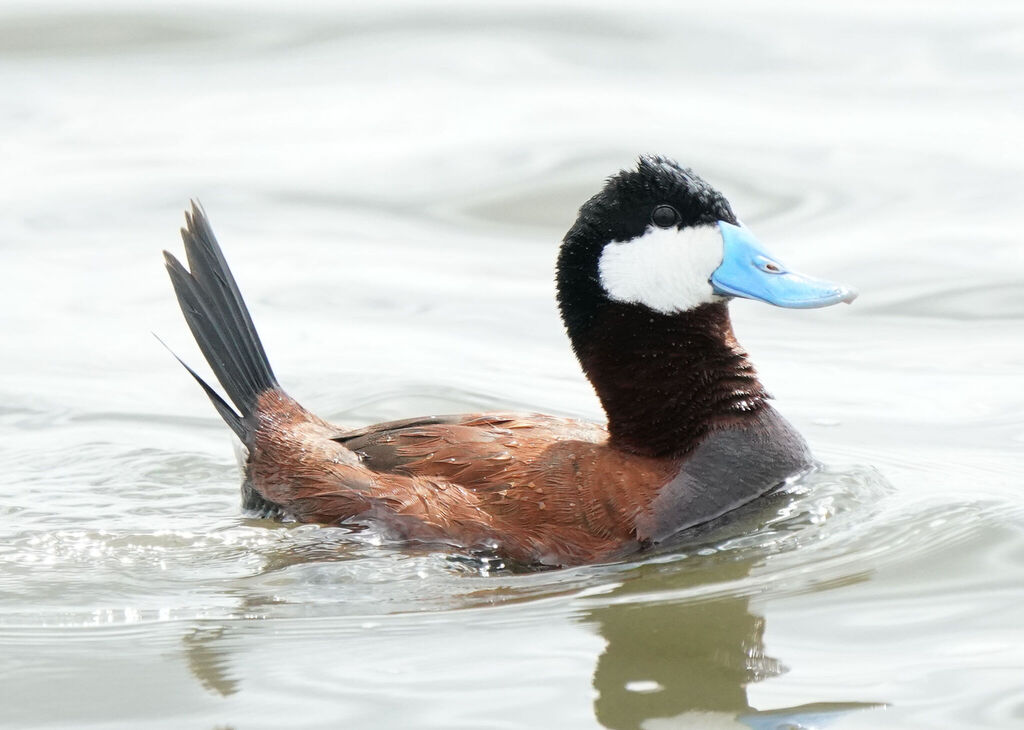
- Ruddy DuckOxyura jamaicensis
- Ruffed GrouseBonasa umbellus
- Rusty BlackbirdEuphagus carolinus
- Snowy EgretEgretta thula
- Snowy OwlBubo scandiacus
- Song SparrowMelospiza melodia
- Spotted SandpiperActitis macularius
- Tree SwallowTachycineta bicolor
- Tufted TitmouseBaeolophus bicolor
- White-breasted NuthatchSitta carolinensis
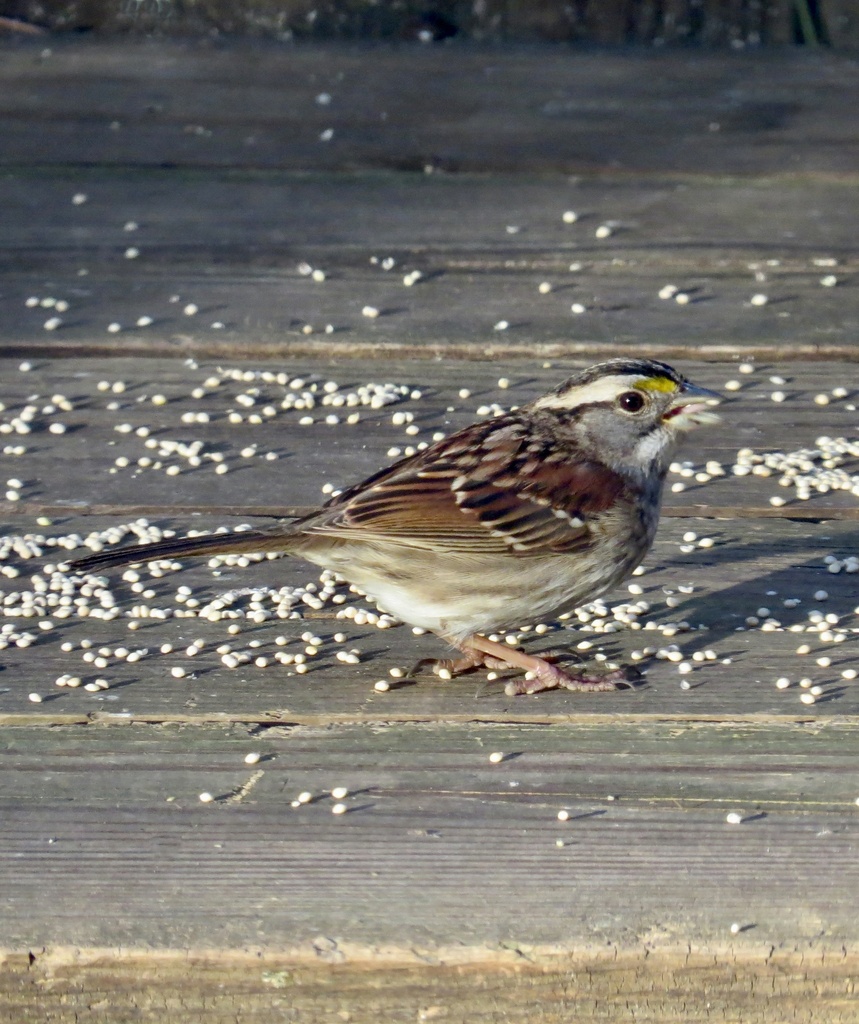
- White-throated SparrowZonotrichia albicollis
- Willow FlycatcherEmpidonax traillii
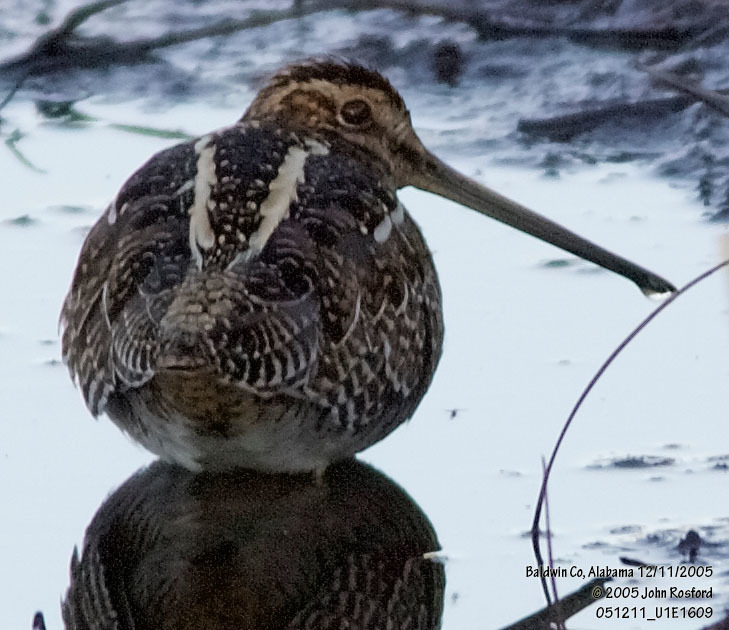
- Wilson's SnipeGallinago delicata
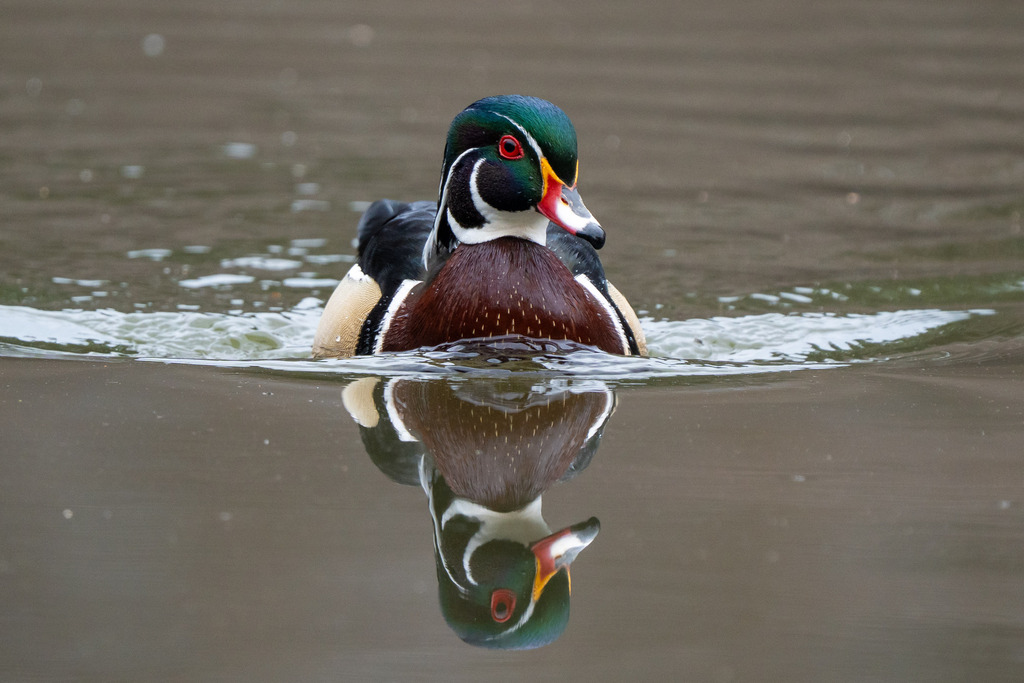
- Wood DuckAix sponsa
- Wood ThrushHylocichla mustelina
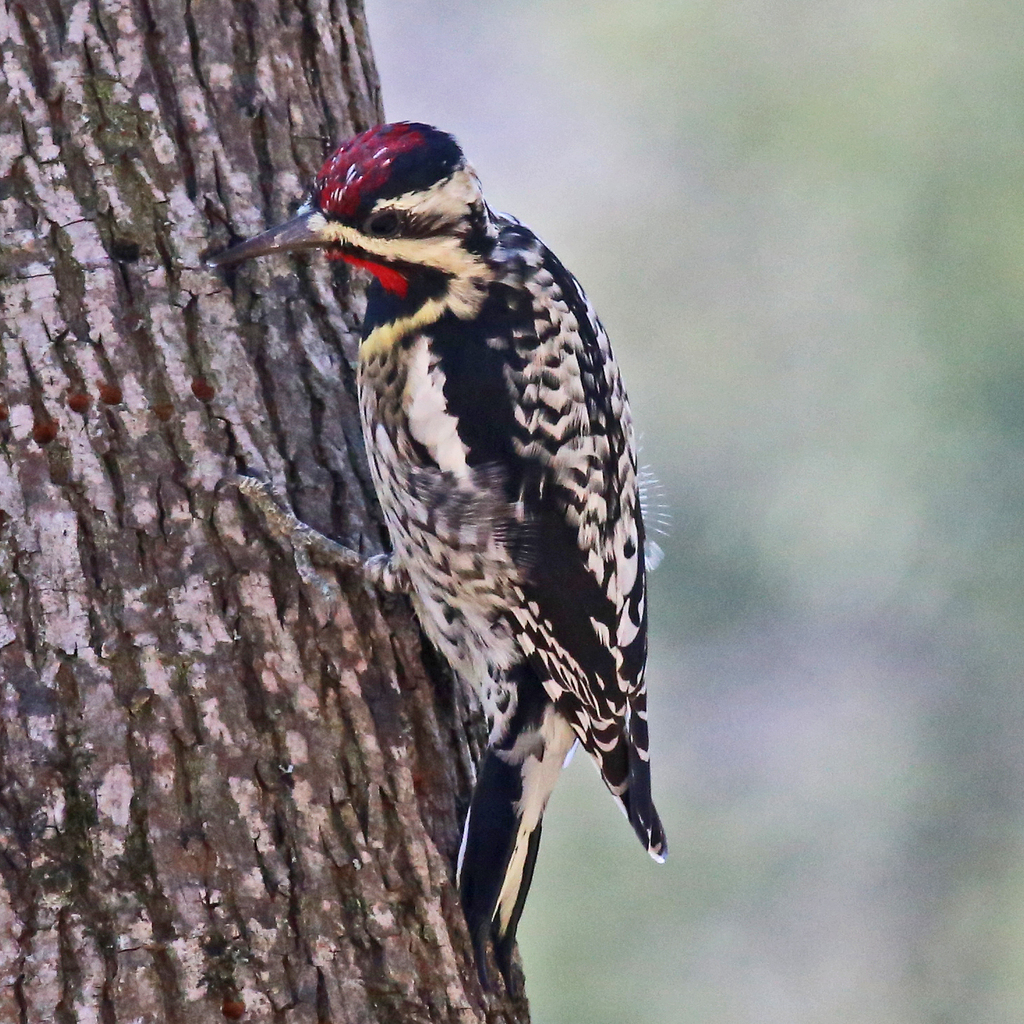
- Yellow-bellied SapsuckerSphyrapicus varius
- Yellow-billed CuckooCoccyzus americanus
- Yellow-breasted ChatIcteria virens
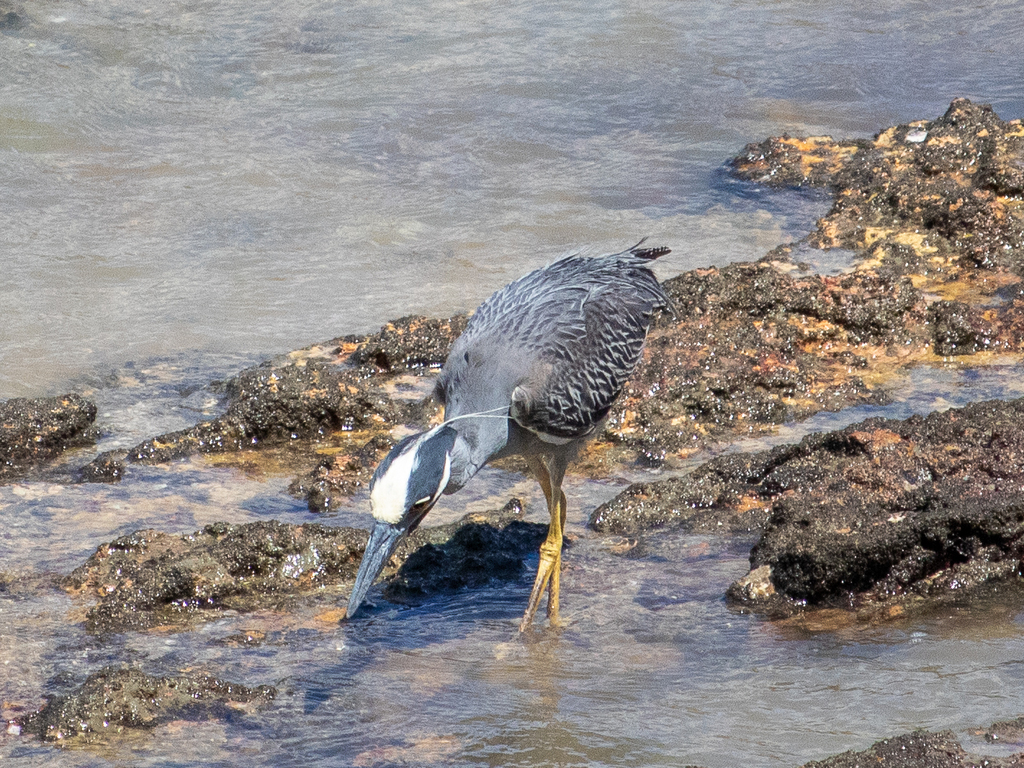
- Yellow-crowned Night-heronNyctanassa violacea
- Yellow-rumped WarblerDendroica coronata

















Who uses this plant?
 14CaterpillarsGenus host records with ranges including AR
Genus host records with ranges including AR · Impatiens
- Argyrotaenia velutinanaRed-Banded Leafroller Moth, Jack Pine Tube Moth
- Choristoneura fumiferanaSpruce Budworm Moth
- Coelostathma discopunctanaThe Batman Moth
- Euchlaena obtusariaObtuse Euchlaena
- Orthodes majusculaRustic Quaker, Rustic Groundcat
- Pseudorthodes vecorsSmall Brown Quaker, Small Brown Groundcat
- Spilosoma latipennisPink-Legged Tiger Moth
- Spodoptera eridaniaSouthern Armyworm Moth
- Spodoptera frugiperdaFall Armyworm Moth
- Spodoptera latifasciaOrange-Striped Armyworm, Velvet Armyworm Moth
Show all 14
- Spoladea recurvalisHawaiian Beet Webworm
- Vanessa virginiensisAmerican Lady, American Painted Lady
- Xanthorhoe lacustrataToothed Brown Carpet
- Pristerognatha agilana
 17BeesSoutheastern regional records
Southeastern regional records · Impatiens
Individual names are not available yet.
Noori, Seltmann & Orr 2026, A curated and integrated dataset for exploring global bee-plant interactions (GloBI), Zenodo, CC BY 4.0 0Specialist beesPollen specialists
 3BirdsRecorded genus food-resource interactions; not a state feeding claim
Recorded genus food-resource interactions; not a state feeding claim · Impatiens
- Bonasa umbellusRuffed Grouse
- Colinus virginianusNorthern Bobwhite
- Pheucticus ludovicianusRose-breasted Grosbeak
Direct food only: birds recorded eating this genus across North America. Caterpillars on host plants also feed nesting birds. NC Native Plant Society: butterfly gardening
Flies 1
- Rhingia nasica
Flower visits · Carlinville, Illinois, USA
No records yet · Ants · Beetles · Adult butterflies / moths · Other wasps · Other insects
Plant details
- Family
- Balsaminaceae
- Hardiness
- Zones 2a–10b
- Soil pH
- Acidic to alkaline
- Flower color
- Yellow
- Growth rate
- Rapid
- Growth habit
- Single crown
- Foliage color
- Green
- Fruit begins
- Summer
- Fruit ends
- Fall
Safety has not been reviewed for this plant; check toxicity and thorns before planting.
Growing sources and scope
- Bloom · “July to September” · Weakley, Flora of the Southeastern United States (2025), Carolinas & Georgia edition (ranked first; USDA PLANTS, Prairie Moon 2026 Cultural Guide differ) · Carolinas and Georgia
- Flower color · “Yellow” · NC Extension Plant Toolbox
- Foliage color · “Green” · USDA PLANTS · Nationwide species characteristics; local growing conditions may vary
- Fruit begins · “Summer” · USDA PLANTS · Nationwide species characteristics; local growing conditions may vary
- Fruit ends · “Fall” · USDA PLANTS · Nationwide species characteristics; local growing conditions may vary
- Growth habit · “Single crown” · USDA PLANTS · Nationwide species characteristics; local growing conditions may vary
- Growth rate · “Rapid” · USDA PLANTS · Nationwide species characteristics; local growing conditions may vary
- Hardiness · “Zones 2a–10b” · NC Extension Plant Toolbox
- Height · “2–5 feet” · NC Extension Plant Toolbox (ranked first; USDA PLANTS, Minnesota Wildflowers, Prairie Moon 2026 Cultural Guide differ)
- Life cycle · “Annual” · NC Extension Plant Toolbox
- Light · “Dappled sunlight (shade through upper canopy all day); Full sun (6 or more hours of direct sunlight a day); Partial shade (direct sunlight only part of the day, 2-6 hours)” · NC Extension Plant Toolbox (ranked first; Prairie Moon 2026 Cultural Guide differs)
- primary_flower_color · “yellow” · USDA PLANTS
- Soil · “Moist; Occasionally wet” · NC Extension Plant Toolbox (ranked first; Prairie Moon 2026 Cultural Guide differs)
- Soil pH · “Acidic to alkaline” · NC Extension Plant Toolbox
- Spread · “2–3 feet” · NC Extension Plant Toolbox
Also known as
Yellow Jewelweed; Yellow Touch Me Not
Conservation status
| Arkansas rank | SNR |
|---|---|
| Global rank | G5 |
| AR status | Not verified |
| Federal status | Not verified |
Will it fit your yard?
Check this plant against your county, sun and soil moisture. Conditions are checked in your browser.
Sources
- Atlas of the Vascular Plants of Arkansas (2013)
- USDA PLANTS
- Vascular Plants of North Carolina (NC Natural Heritage Program)
- Weakley, Flora of the Southeastern United States (2025), Carolinas & Georgia edition
- Arkansas occurrence source
- Shropshire & Tallamy 2025, Lepidoptera of North America north of Mexico, ZooKeys 1261 (ODbL)
- Noori, Seltmann & Orr 2026, A curated and integrated dataset for exploring global bee-plant interactions (GloBI), Zenodo, CC BY 4.0
- Smith, Bachelder, Russell, Morales, Mosher & Seltmann 2024, Bee-Specialization-Modeling v0.6.1 (specialist host table compiled from J. Fowler's pollen specialist bee lists), Zenodo, CC BY 4.0
- Hurlbert, Olsen, Sawyer & Winner 2021, Avian Diet Database, Scientific Data 8: 260 (CC0)
- Narango, Tallamy & Shropshire 2020, Few keystone plant genera support the majority of Lepidoptera species, Nature Communications