

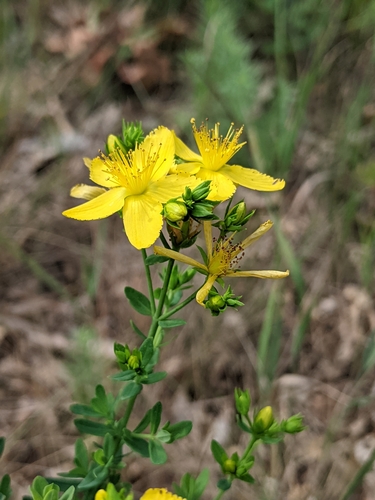
Common St. John's-wort
Hypericum perforatum
Not native to Arkansas. How scores work Is it native here?
Profile 71%
- Height
- 1–3 feet
- Spread
- 9 inches–2 feet
- Light
- Full sun, Partial shade
- Soil moisture
- Usually moist
Do not plant. Listed invasive in Arkansas.
Plant this instead
Choose your county to list local plants first.
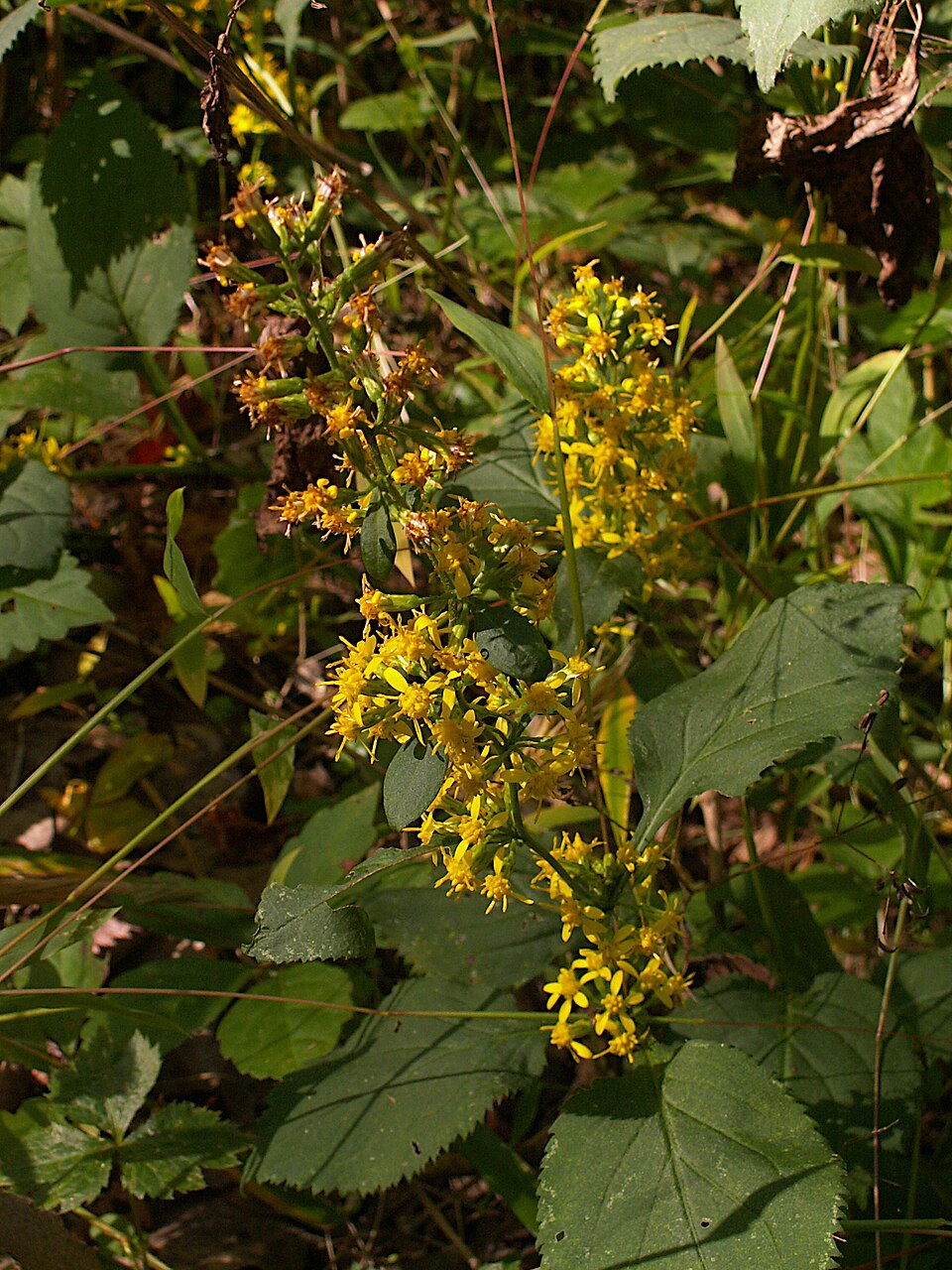
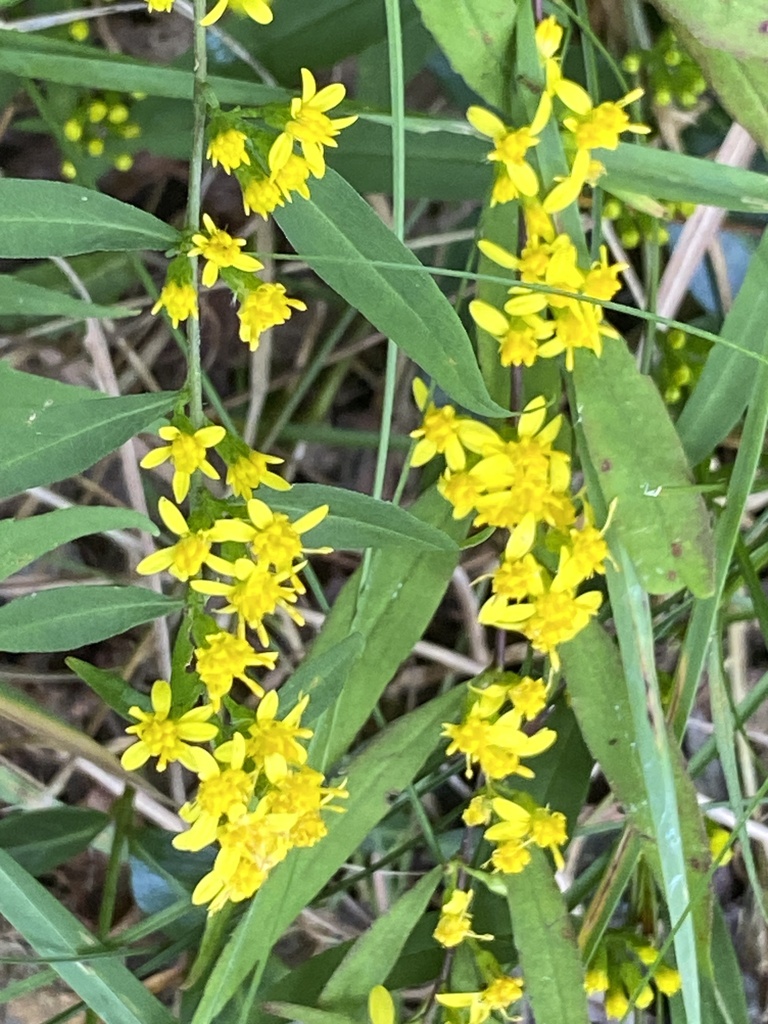
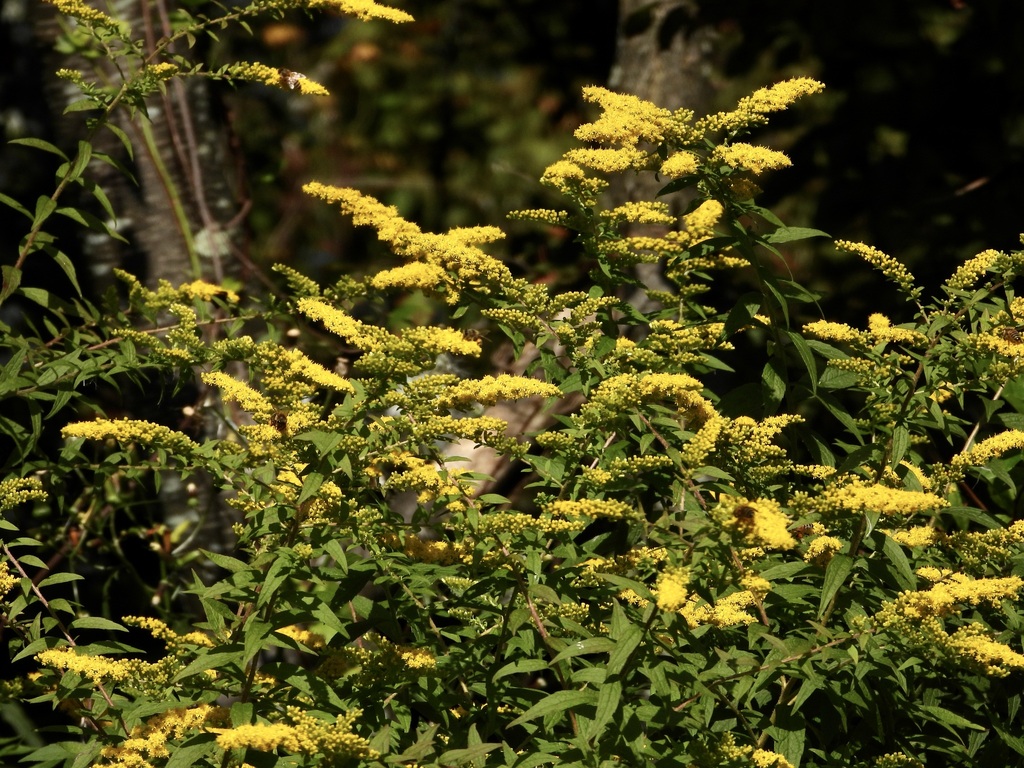
No recorded swaps for this county. Try the garden finder.
At a glance
- Life cycle
- Perennial
- Leaves
- Deciduous
Not yet recorded · Bloom
Recorded in 12 Arkansas counties.
Also found with this plant
Wildlife whose habitat models include habitats this plant grows in, in Arkansas. Shared habitat, not food. 88 animals.
- Acadian FlycatcherEmpidonax virescens
- Alder FlycatcherEmpidonax alnorum
- American Black DuckAnas rubripes
- American GoldfinchCarduelis tristis
- American RedstartSetophaga ruticilla
- American RobinTurdus migratorius
- Bald EagleHaliaeetus leucocephalus
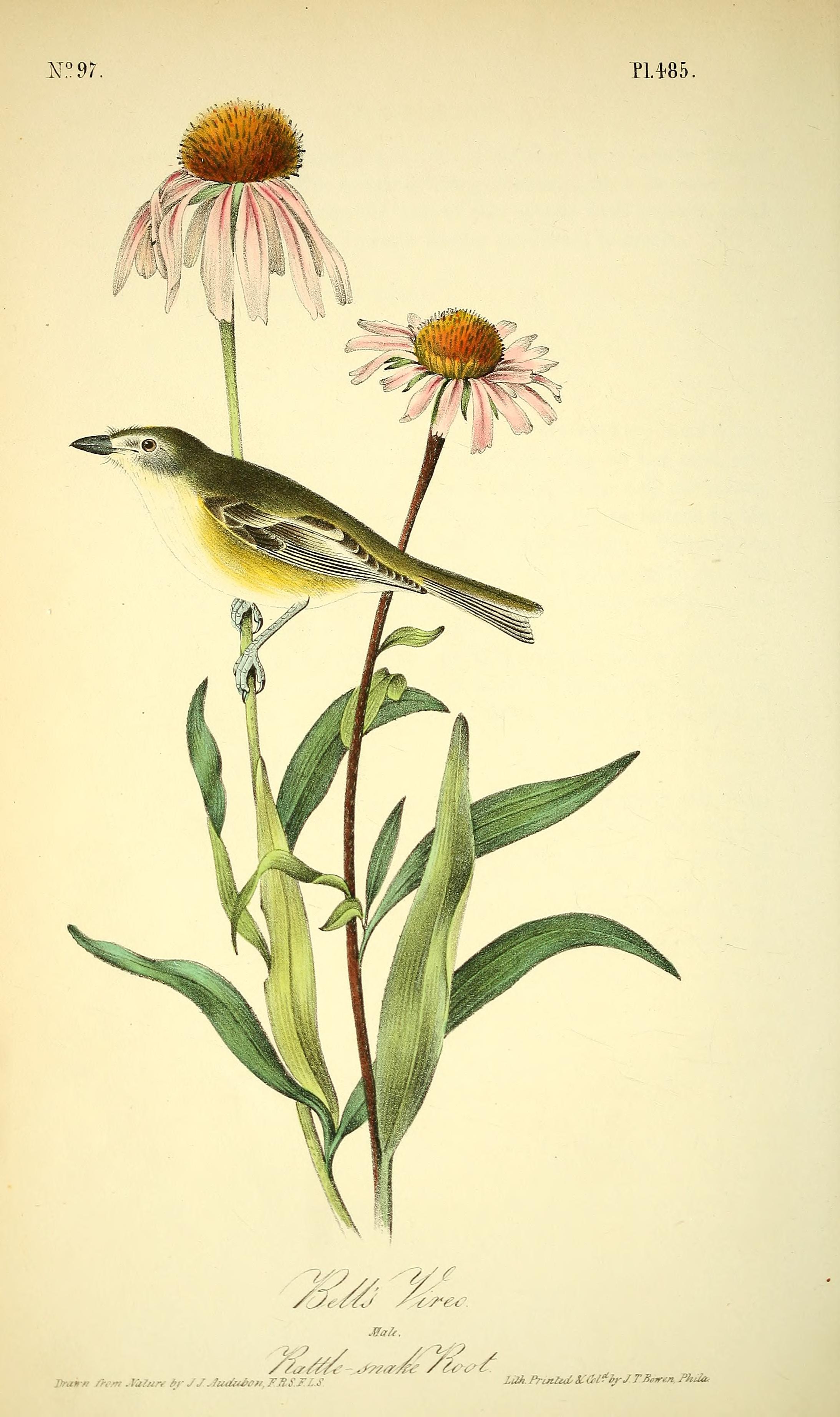
- Bell's VireoVireo bellii
- Belted KingfisherMegaceryle alcyon
- Black-and-White WarblerMniotilta varia
- Black-crowned Night-heronNycticorax nycticorax
- Blue GrosbeakPasserina caerulea
- Blue JayCyanocitta cristata
- Blue-gray GnatcatcherPolioptila caerulea
- Brown CreeperCerthia americana
- Brown-headed CowbirdMolothrus ater
- Canada GooseBranta canadensis
- CanvasbackAythya valisineria
- Carolina WrenThryothorus ludovicianus
- Cedar WaxwingBombycilla cedrorum
- Chimney SwiftChaetura pelagica
- Cliff SwallowPetrochelidon pyrrhonota
- Common NighthawkChordeiles minor
- Common YellowthroatGeothlypis trichas























Who uses this plant?
 16CaterpillarsGenus host records with ranges including AR
Genus host records with ranges including AR · Hypericum
- Acleris maculidorsanaStained-Back Leafroller Moth
- Choristoneura rosaceanaOblique-Banded Leafroller Moth, Rosaceous Leaf Roller
- Eupithecia miserulataCommon Eupithacia, Common Pug
- Iodopepla u-albumBurgundy St. Johnswort Moth, White-Eyed Borer
- Iridopsis ephyrariaPale-Winged Gray
- Mocis latipesSmall Mocis, Striped Grass Looper
- Nedra ramosulaGray Half-Spot
- Nemoria bistriariaTwo-Striped Emerald, Red-Fringed Emerald
- Platynota flavedanaBlack-Shaded Platynota
- Probole amicariaFriendly Probole
Show all 16
- Sparganothis sulfureanaSparganothis Fruitworm Moth, Sulfur Leafroller, False Yellow-Head
- Synchlora aerataWavy-Lined Emerald, Camouflaged Looper
- Tallula watsoniWatson's Tallula
- Xestia c-nigrumSpotted Cut-Worm, Setaceous Hebrew Character, Lesser Black-letter Dart
- Zale lunataLunate Zale
- Xenotemna pallorana
 —BeesSoutheastern regional records
 —Specialist beesPollen specialists
 1BirdsRecorded genus food-resource interactions; not a state feeding claim
Recorded genus food-resource interactions; not a state feeding claim · Hypericum
- Aythya collarisRing-necked Duck
Direct food only: birds recorded eating this genus across North America. Caterpillars on host plants also feed nesting birds. NC Native Plant Society: butterfly gardening
Plant details
- Family
- Hypericaceae
- Hardiness
- Zones 3a–8b
- Soil pH
- Acidic to alkaline
- Flower color
- Yellow
What its natural habitat tells you
Safety has not been reviewed for this plant; check toxicity and thorns before planting.
Growing sources and scope
- Flower color · “Yellow” · NC Extension Plant Toolbox
- Hardiness · “Zones 3a–8b” · NC Extension Plant Toolbox
- Height · “1–3 feet” · NC Extension Plant Toolbox (ranked first; Fire Effects Information System: Hypericum perforatum differs)
- Leaves · “Deciduous” · NC Extension Plant Toolbox
- Life cycle · “Perennial” · NC Extension Plant Toolbox
- Light · “Full sun (6 or more hours of direct sunlight a day); Partial shade (direct sunlight only part of the day, 2-6 hours)” · NC Extension Plant Toolbox
- primary_flower_color · “yellow” · NC Extension Plant Toolbox
- Soil · “Moist” · NC Extension Plant Toolbox
- Soil pH · “Acidic to alkaline” · NC Extension Plant Toolbox
- Spread · “9 inches–2 feet” · NC Extension Plant Toolbox
Also known as
Common St. John's wort; Common St. Johnswort; European St. Johnswort
Conservation status
| Arkansas rank | SNA |
|---|---|
| Global rank | GNR |
| AR status | Not verified |
| Federal status | Not verified |
Sources
- Atlas of the Vascular Plants of Arkansas (2013)
- USDA PLANTS
- NatureServe Explorer
- Arkansas occurrence source
- Shropshire & Tallamy 2025, Lepidoptera of North America north of Mexico, ZooKeys 1261 (ODbL)
- Noori, Seltmann & Orr 2026, A curated and integrated dataset for exploring global bee-plant interactions (GloBI), Zenodo, CC BY 4.0
- Smith, Bachelder, Russell, Morales, Mosher & Seltmann 2024, Bee-Specialization-Modeling v0.6.1 (specialist host table compiled from J. Fowler's pollen specialist bee lists), Zenodo, CC BY 4.0
- Hurlbert, Olsen, Sawyer & Winner 2021, Avian Diet Database, Scientific Data 8: 260 (CC0)
- Narango, Tallamy & Shropshire 2020, Few keystone plant genera support the majority of Lepidoptera species, Nature Communications