

Maidencane
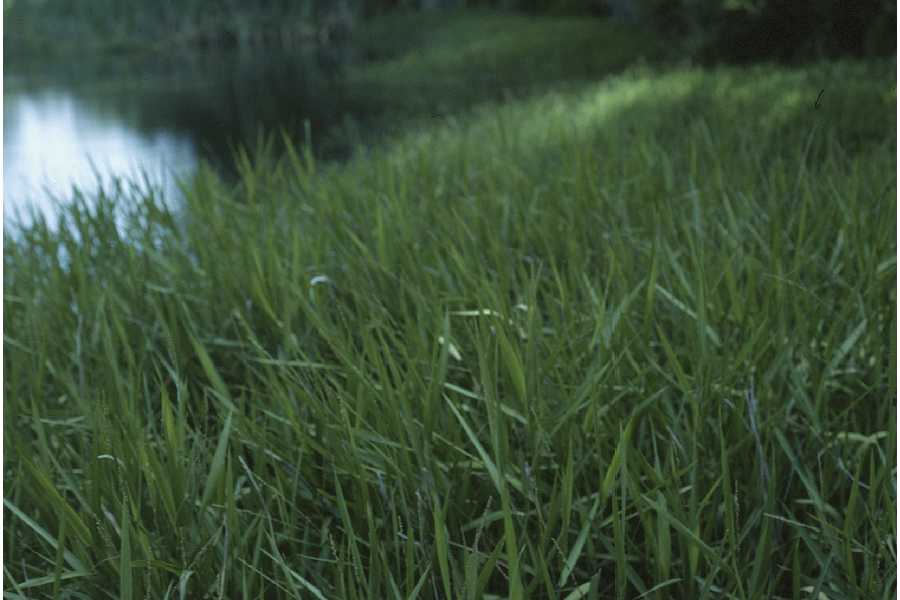
Panicum hemitomon
In the Carolinas and Georgia, found in ponds, lakes and their shores; swamps; freshwater marshes; roadsides, fields and disturbed ground. Weakley, Flora of the Southeastern United States (2025), Carolinas & Georgia edition What its natural habitat tells you
Native to Arkansas. How scores work Is it native here?
Profile 94%
- Height
- Up to about 6 feet
- Light
- Partial shade, Full sun
- Soil moisture
- Moist to wet
Rare or protected plant. Specialist conservation planting; excluded from routine garden suggestions. Plant caution source
Hidden from default planting suggestions. Wildlife value and native status remain unchanged.
At a glance
- Life cycle
- Perennial
- Bloom
- March to November
Not yet recorded · Spread · Leaves
Recorded in 1 Arkansas county.
Natural habitats
Places it grows wild. Not a planting requirement. Each habitat page lists the plants and wildlife also found there.
Still water and its edges: ponds, lakes, millponds and reservoirs.
Forested wetlands with standing water much of the year, such as cypress and gum swamps.
Open, herb-covered wetlands with fresh, non-tidal water.
Roadsides, fields and disturbed ground
Ground opened by people: roadsides, old fields, pastures, fencerows and lots.
Also found with this plant
Wildlife whose habitat models include habitats this plant grows in, in Arkansas. Shared habitat, not food. 73 animals.
- American GoldfinchCarduelis tristis
- American KestrelFalco sparverius
- American RobinTurdus migratorius
- American WoodcockScolopax minor
- Bald EagleHaliaeetus leucocephalus
- Barred OwlStrix varia
- Belted KingfisherMegaceryle alcyon
- Black-and-White WarblerMniotilta varia
- Black-crowned Night-heronNycticorax nycticorax
- Blue GrosbeakPasserina caerulea
- Blue JayCyanocitta cristata
- Blue-gray GnatcatcherPolioptila caerulea
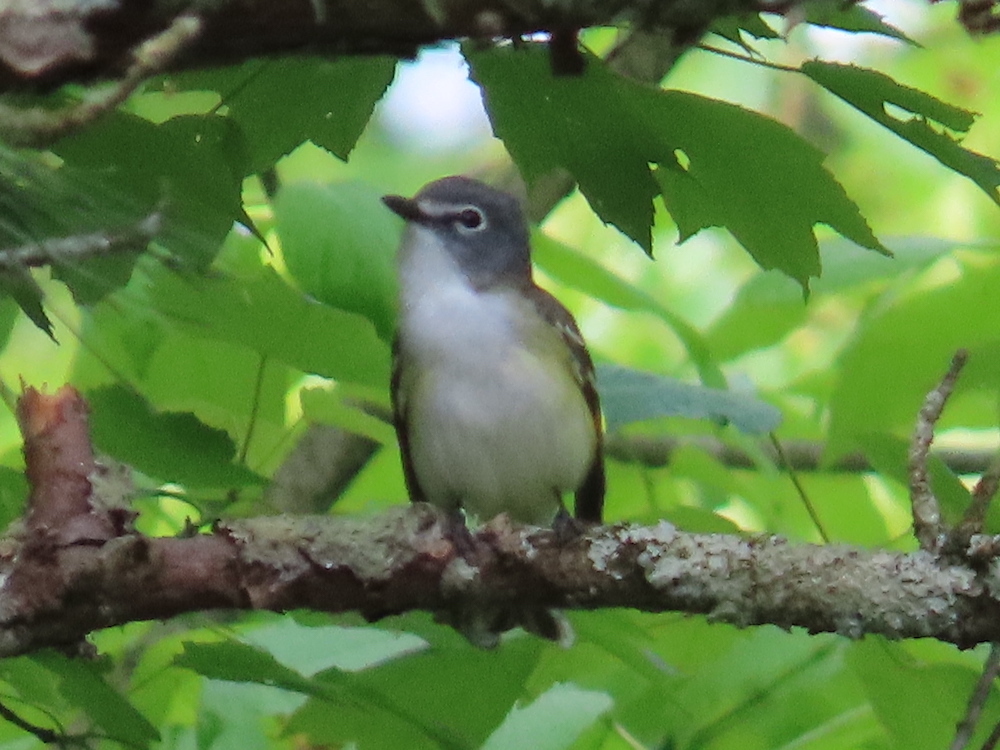
- Blue-headed VireoVireo solitarius
- Brown CreeperCerthia americana
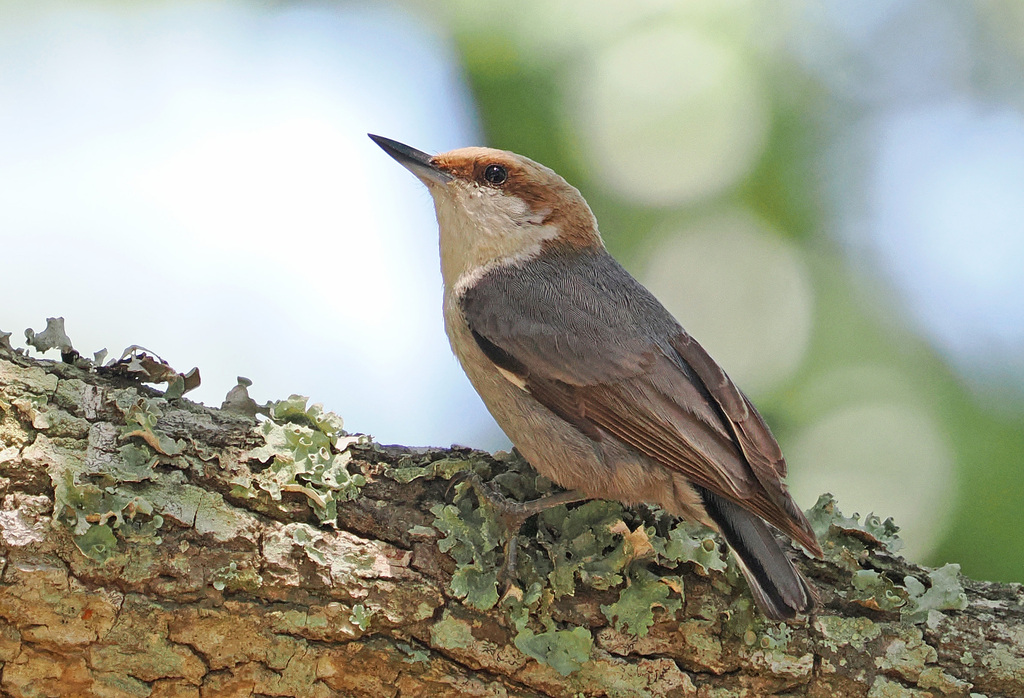
- Brown-headed NuthatchSitta pusilla
- Cedar WaxwingBombycilla cedrorum
- Chimney SwiftChaetura pelagica
- Chipping SparrowSpizella passerina
- Cliff SwallowPetrochelidon pyrrhonota
- Common NighthawkChordeiles minor
- Common YellowthroatGeothlypis trichas
- Cooper's HawkAccipiter cooperii
- Dark-eyed JuncoJunco hyemalis
- Double-crested CormorantPhalacrocorax auritus























Who uses this plant?
 23CaterpillarsGenus host records with ranges including AR
Genus host records with ranges including AR · Panicum
- Amblyscirtes nysaNysa Roadside-Skipper
- Anatrytone loganDelaware Skipper, Logan Skipper, Black-Vein Skipper
- Ancyloxypha numitorLeast Skipper
- Dargida diffusaWheat Head Armywotm Moth
- Dargida rubripennisThe Pink-Streak
- Hesperia leonardusLeonard's Skipper, Blazing Star Skipper, Pawnee Prairie Skipper, Pawnee Montane Skipper
- Hylephila phyleusFiery Skipper
- Hypena scabraGreen Cloverworm Bomolocha, Black Snout
- Lerema acciusClouded Skipper, Corn Leaf tier
- Lethe anthedonNorthern Pearly Eye
Show all 23
- Leucania adjutaAdjutant Wainscot
- Lon hobomokHobomok Skipper
- Marimatha nigrofimbriaBlack-Bordered Lemon
- Mocis latipesSmall Mocis, Striped Grass Looper
- Mocis texanaTexas Mocis
- Mythimna unipunctaArmyworm Moth, White Speck
- Panoquina ocolaOcola Skipper, Long-Winged Skiiper
- Papaipema nebrisStalk Borer
- Polites egeremetNorthern Broken-Dash
- Polites themistoclesTawny-Edged Skipper
- Spodoptera frugiperdaFall Armyworm Moth
- Elachista radiantella
- Idioglossa miraculosa
 0BeesSoutheastern regional records
 0Specialist beesPollen specialists
 35BirdsRecorded genus food-resource interactions; not a state feeding claim
Recorded genus food-resource interactions; not a state feeding claim · Panicum
- Acanthis flammeaCommon Redpoll
- Agelaius phoeniceusRed-winged Blackbird
- Aix sponsaWood Duck
- Anas creccaGreen-winged Teal
- Anthus rubescensAmerican Pipit
- Anthus spragueiiSprague's Pipit
- Aythya collarisRing-necked Duck
- Calcarius lapponicusLapland Longspur
- Calcarius ornatusChestnut-collared Longspur
- Calcarius pictusSmith's Longspur
Show all 35
- Callipepla gambeliiGambel's Quail
- Colinus virginianusNorthern Bobwhite
- Columbina passerinaCommon Ground Dove
- Contopus virensEastern Wood-Pewee
- Cyrtonyx montezumaeMontezuma Quail
- Dendrocygna bicolorFulvous Whistling-Duck
- Dolichonyx oryzivorusBobolink
- Fulica americanaAmerican Coot
- Gallinula galeataCommon Gallinule
- Junco hyemalisDark-eyed Junco
- Mareca streperaGadwall
- Meleagris gallopavoWild Turkey
- Molothrus aterBrown-headed Cowbird
- Passer domesticusHouse Sparrow
- Peucaea aestivalisBachman's Sparrow
- Plectrophenax nivalisSnow Bunting
- Pooecetes gramineusVesper Sparrow
- Porzana carolinaSora
- Quiscalus quisculaCommon Grackle
- Sialia sialisEastern Bluebird
- Spizella passerinaChipping Sparrow
- Spizella pusillaField Sparrow
- Turdus migratoriusAmerican Robin
- Xanthocephalus xanthocephalusYellow-headed Blackbird
- Zenaida macrouraMourning Dove
Direct food only: birds recorded eating this genus across North America. Caterpillars on host plants also feed nesting birds. NC Native Plant Society: butterfly gardening
No records yet · Ants · Beetles · Flies · Adult butterflies / moths · Other wasps · Other insects
Plant details
- Family
- Poaceae
- Flower color
- Green or brown
Growing sources and scope
- Bloom · “March to November” · Weakley, Flora of the Southeastern United States (2025), Carolinas & Georgia edition · Carolinas and Georgia
- Flower color · “Green or brown” · Lady Bird Johnson Wildflower Center
- Height · “Up to about 6 feet” · Lady Bird Johnson Wildflower Center
- Life cycle · “Perennial” · Lady Bird Johnson Wildflower Center
- Light · “Partial shade; Full sun (documented habitat)” · Weakley, Flora of the Southeastern United States (2025), Carolinas & Georgia edition · Carolinas and Georgia
- Soil · “Moist; Wet (documented habitat)” · Weakley, Flora of the Southeastern United States (2025), Carolinas & Georgia edition · Carolinas and Georgia
Also known as
Hymenachne hemitomon; Maiden Cane; Marsh Grass; Panicum hemitomon; panicgrass
Conservation status
| Arkansas rank | S1 |
|---|---|
| Global rank | G5? |
| AR status | Not verified |
| Federal status | Not verified |
Will it fit your yard?
Check this plant against your county, sun and soil moisture. Conditions are checked in your browser.
Sources
- Atlas of the Vascular Plants of Arkansas (2013)
- Vascular Plants of North Carolina (NC Natural Heritage Program)
- Weakley, Flora of the Southeastern United States (2025)
- NatureServe Explorer
- Arkansas occurrence source
- Shropshire & Tallamy 2025, Lepidoptera of North America north of Mexico, ZooKeys 1261 (ODbL)
- Noori, Seltmann & Orr 2026, A curated and integrated dataset for exploring global bee-plant interactions (GloBI), Zenodo, CC BY 4.0
- Smith, Bachelder, Russell, Morales, Mosher & Seltmann 2024, Bee-Specialization-Modeling v0.6.1 (specialist host table compiled from J. Fowler's pollen specialist bee lists), Zenodo, CC BY 4.0
- Hurlbert, Olsen, Sawyer & Winner 2021, Avian Diet Database, Scientific Data 8: 260 (CC0)
- Narango, Tallamy & Shropshire 2020, Few keystone plant genera support the majority of Lepidoptera species, Nature Communications