

Habitat in Arkansas
Forest edges and thickets
Borders of forests, clearings and shrubby thickets. Schafale
- Plants
- 142
- Birds
- 106
Plants
Plants that grow wild in this habitat in Arkansas. Not a planting list.
Most characteristic plants of this habitat 142
Natives first, plants found in fewer other habitats first.
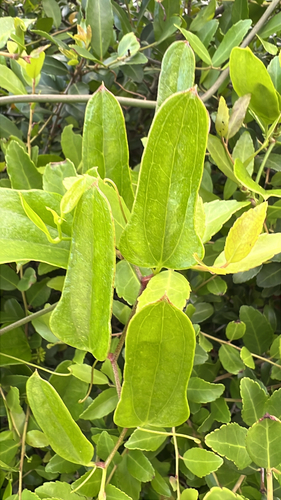
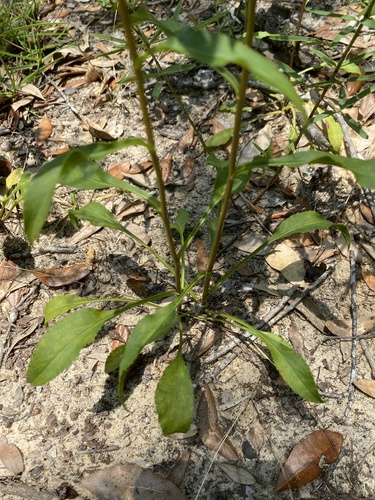
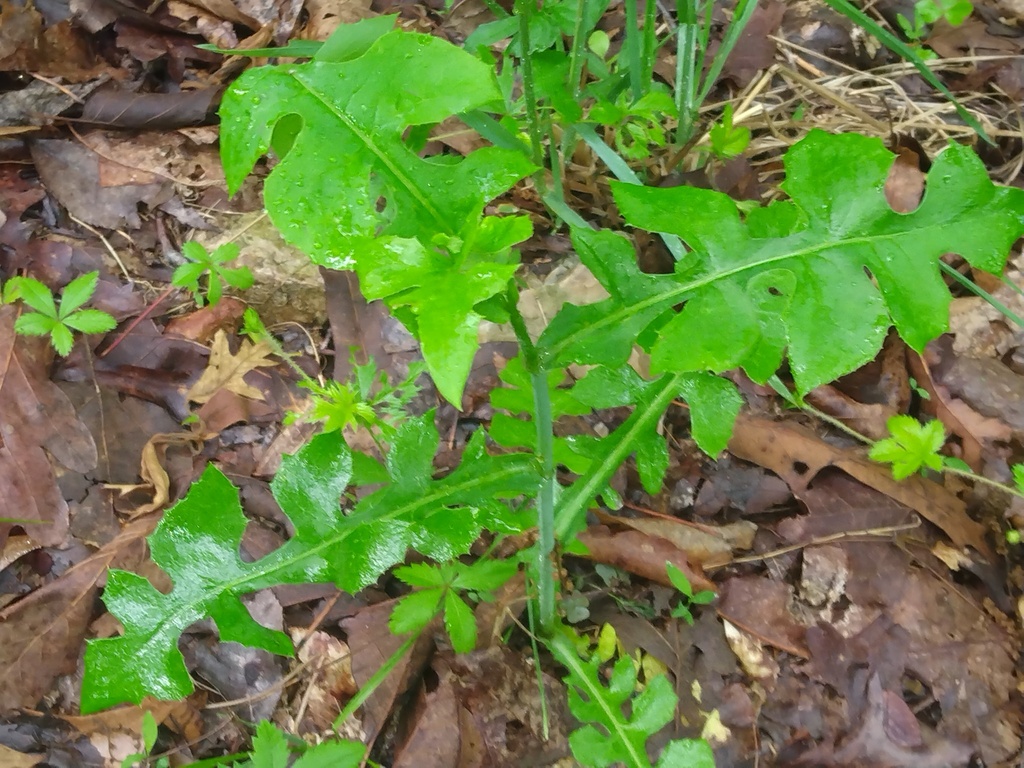
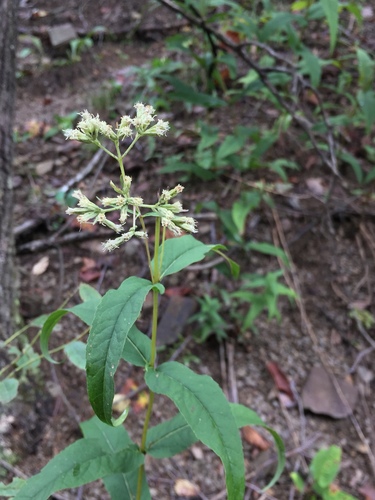
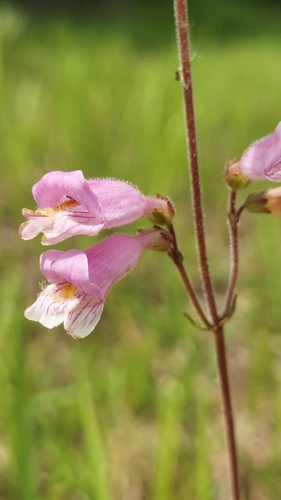
- Earleaf GreenbrierSmilax auriculata
- Fringed NutrushScleria ciliata
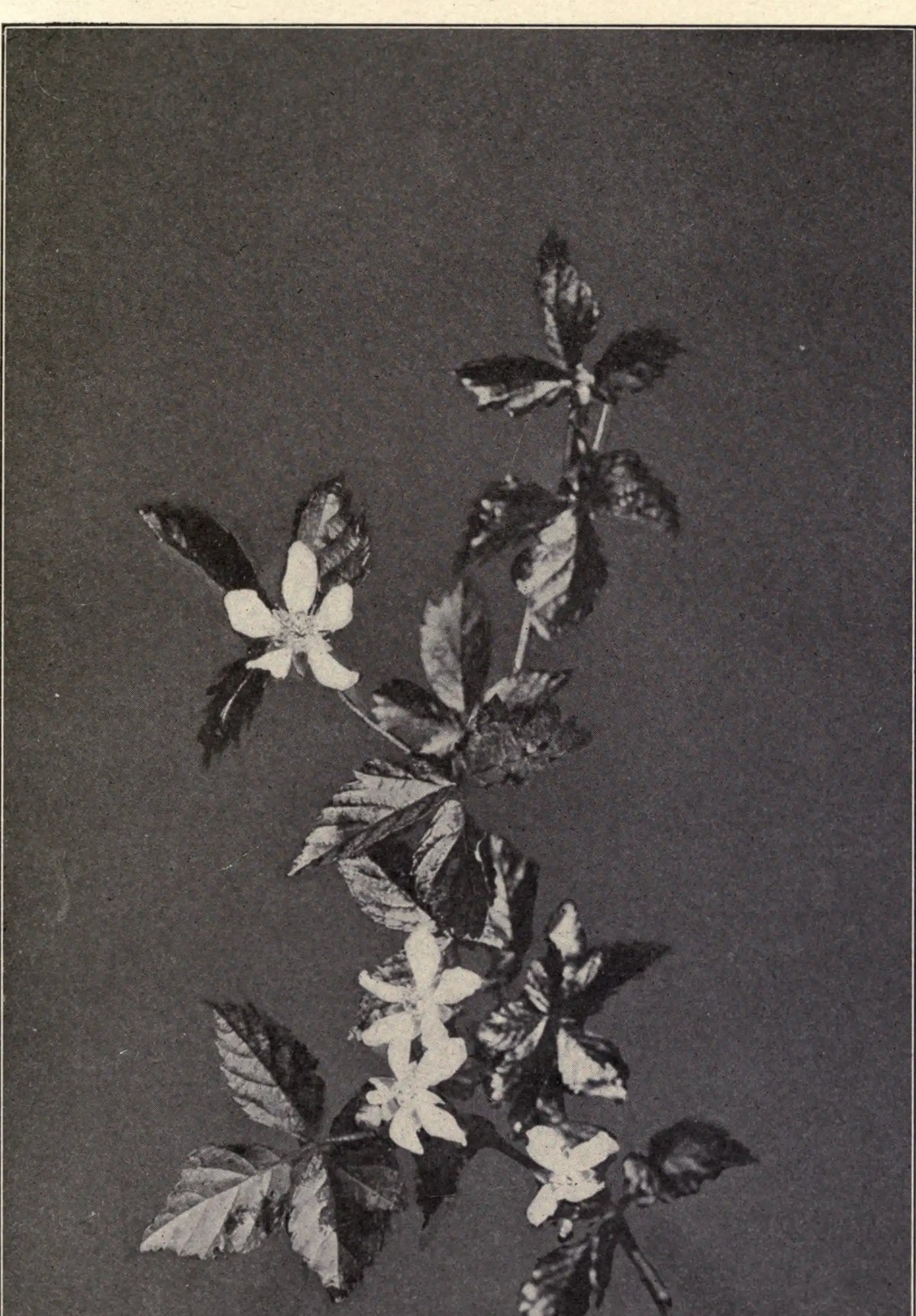
- Southern DewberryRubus trivialis
- Buffalo CloverTrifolium reflexum
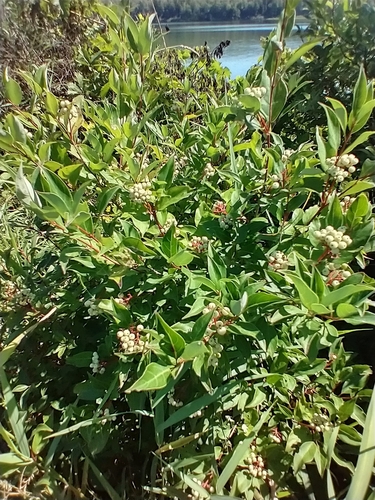
- Gray DogwoodCornus racemosa
- Cutleaf GoldenrodSolidago arguta
- Hairy LettuceLactuca hirsuta
- Upland BonesetEupatorium sessilifolium
- Eustis Lake BeardtonguePenstemon australis
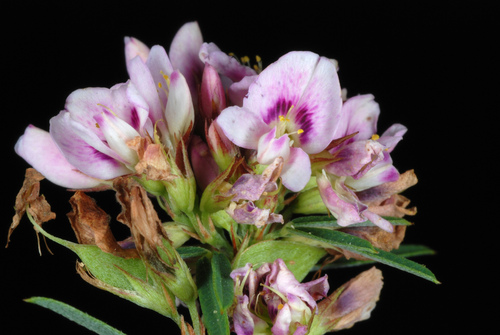
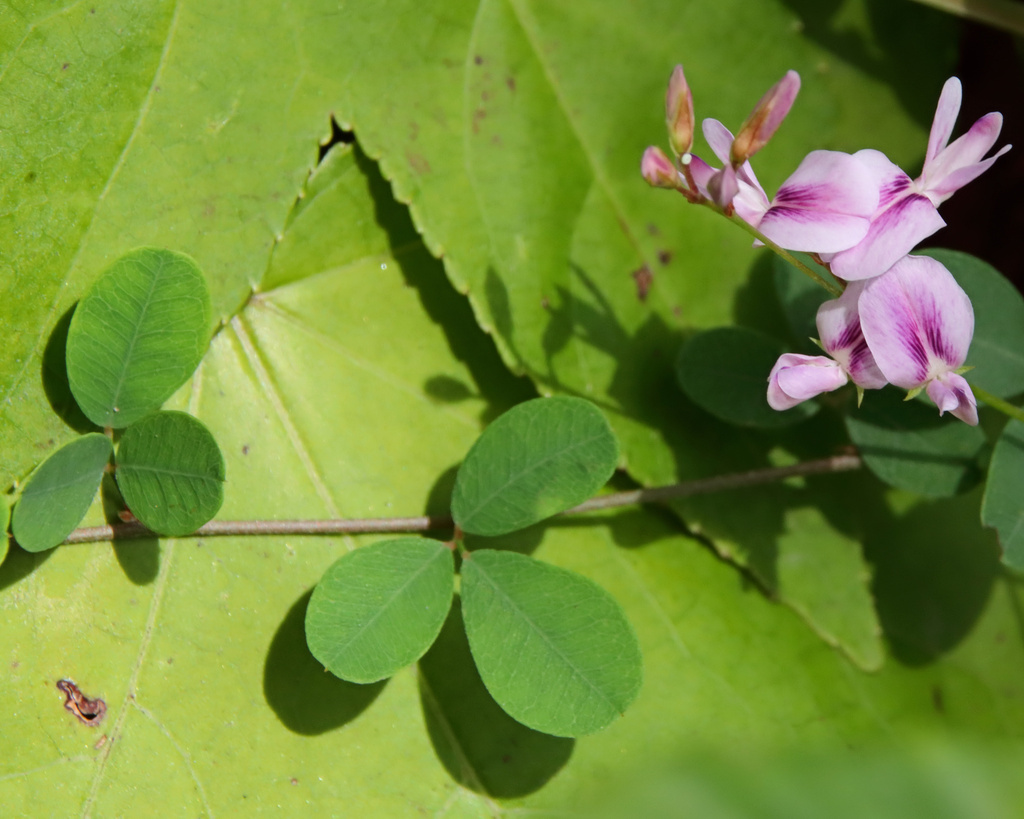
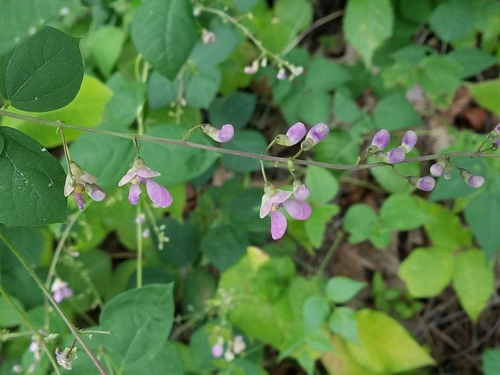
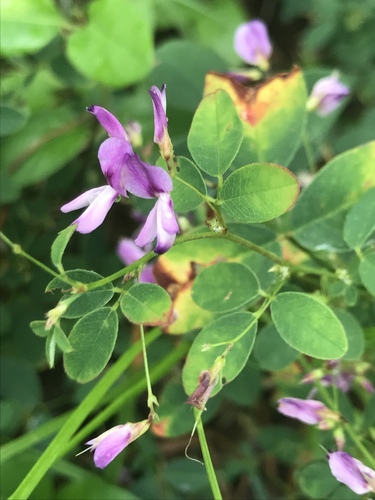
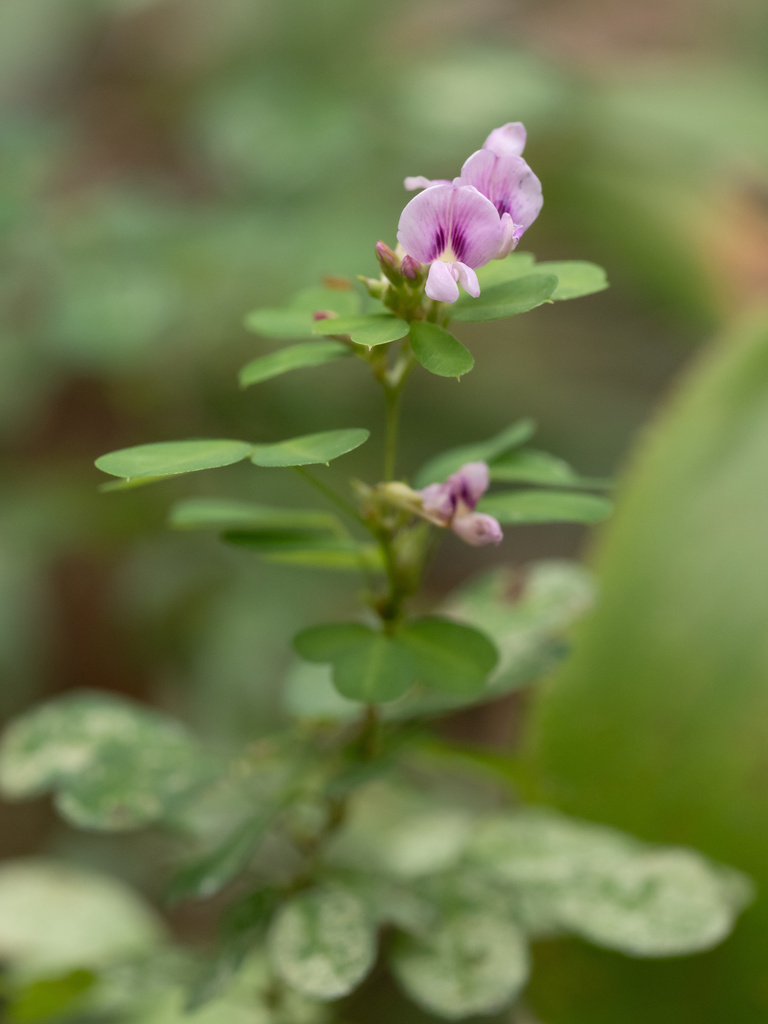
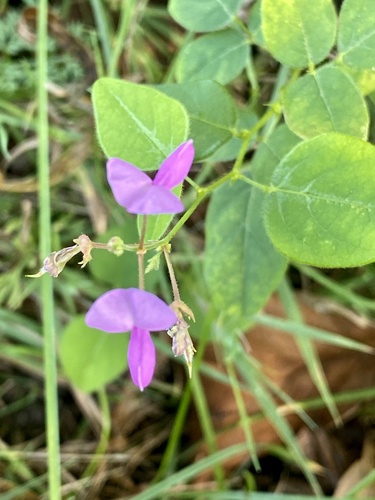
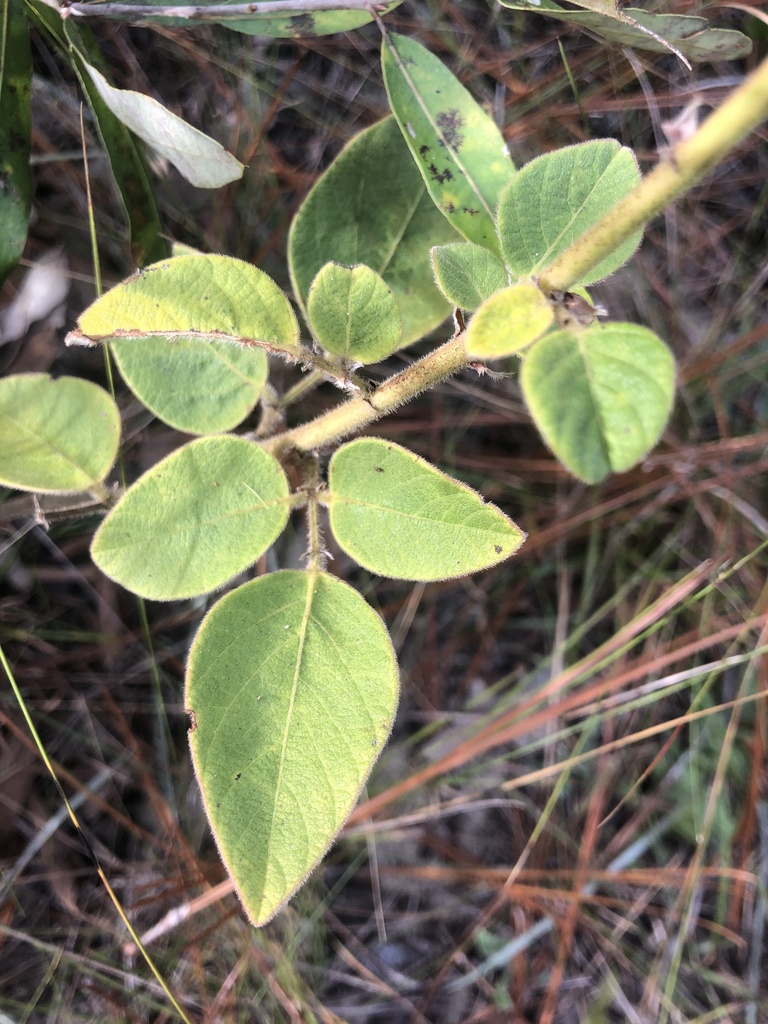
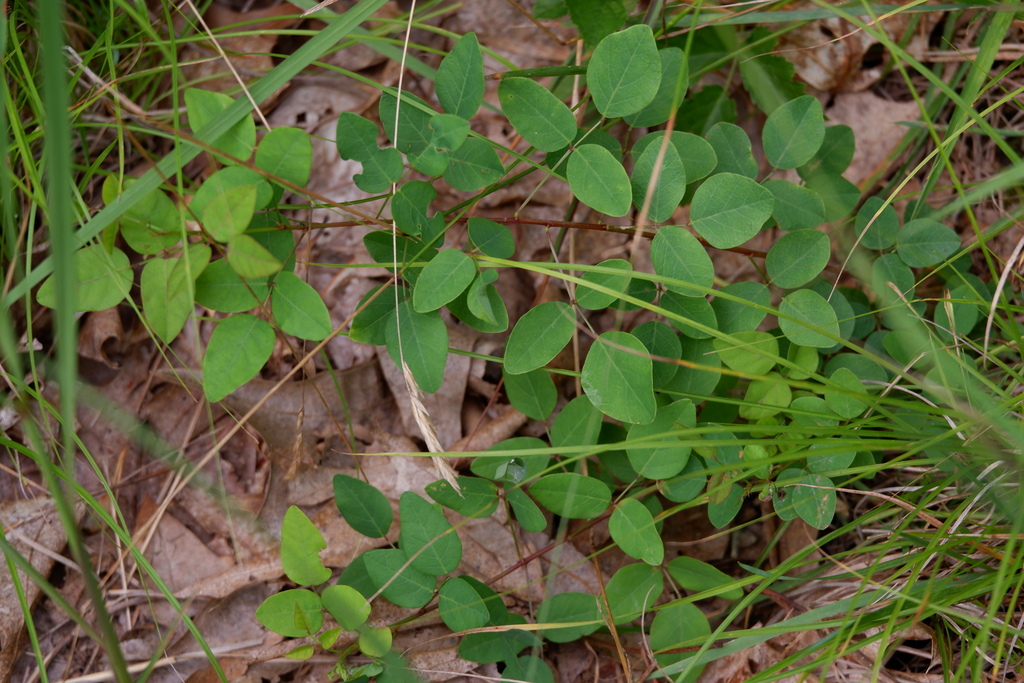
- Slender LespedezaLespedeza virginica
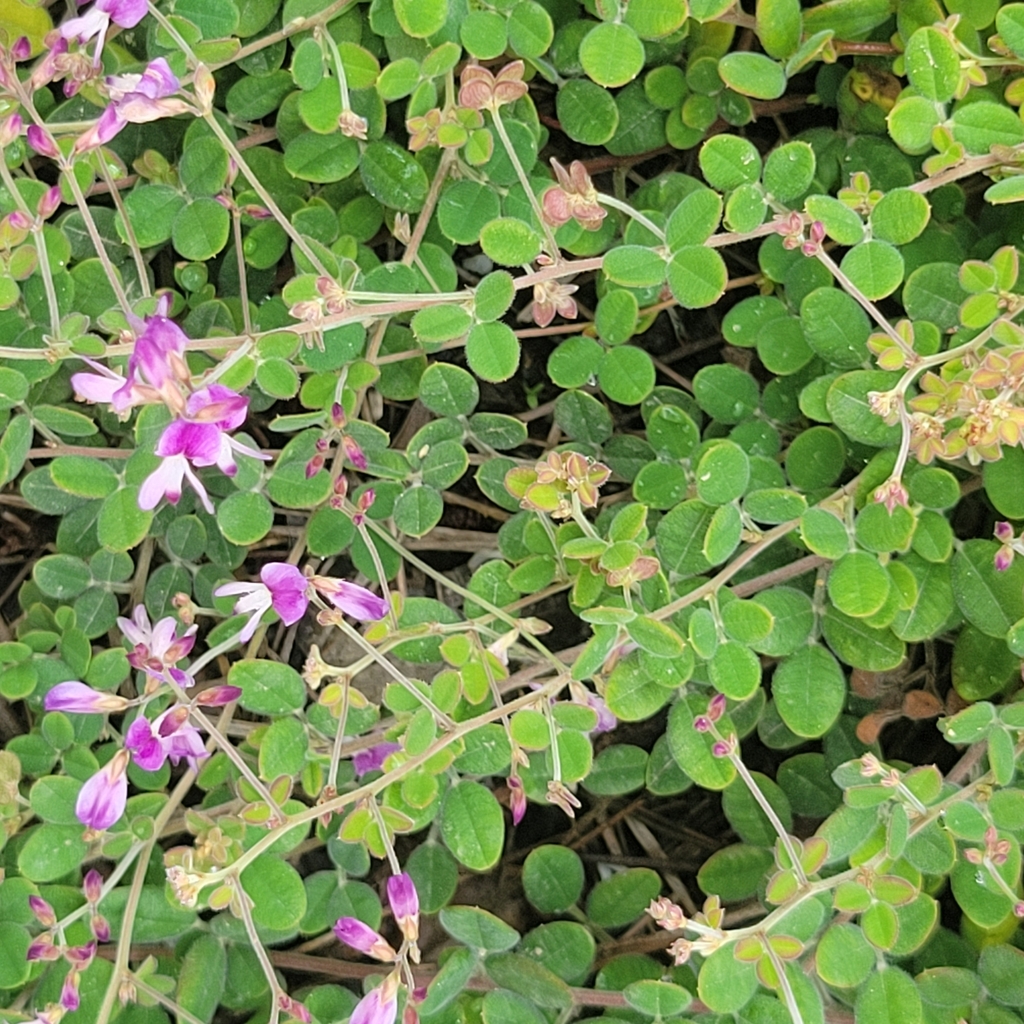
- Trailing LespedezaLespedeza procumbens
- Creeping LespedezaLespedeza repens
- Tall LespedezaLespedeza stuevei
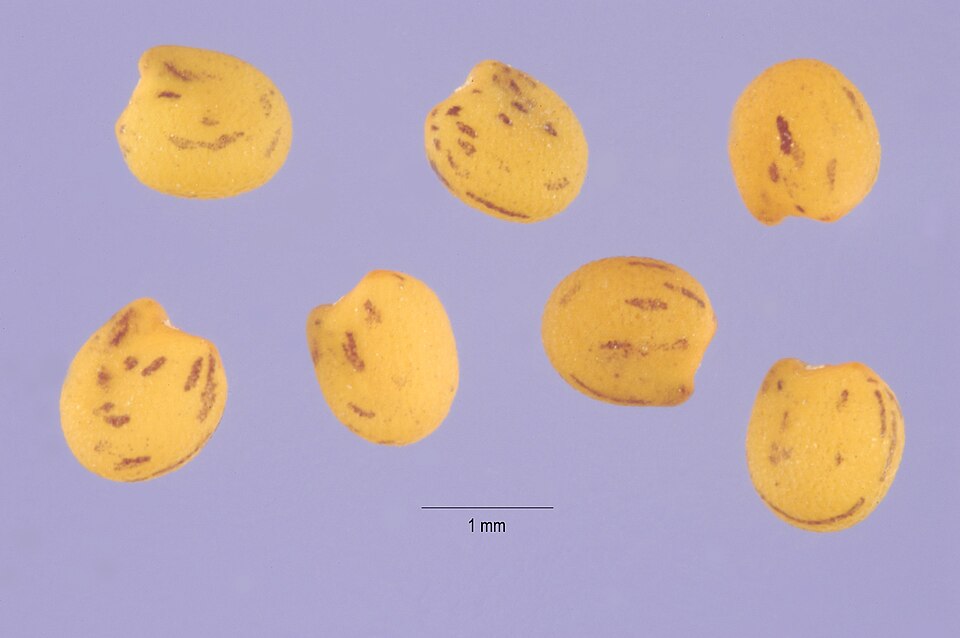
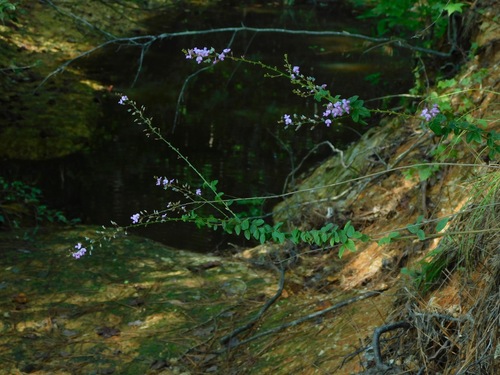
- Thicket BeanPhaseolus polystachios
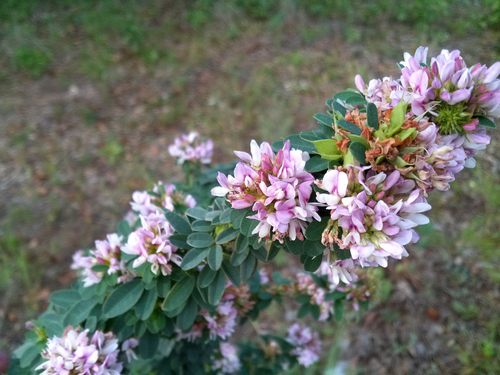
- Violet LespedezaLespedeza frutescens
- Wand LespedezaLespedeza violacea
- Hairy Small-leaf Tick-trefoilDesmodium ciliare
- Hoary Tick-trefoilDesmodium canescens
- Nuttall's Tick-trefoilDesmodium nuttallii
- Perplexed Tick-trefoilDesmodium perplexum
- Smooth Small-leaf Tick-trefoilDesmodium marilandicum
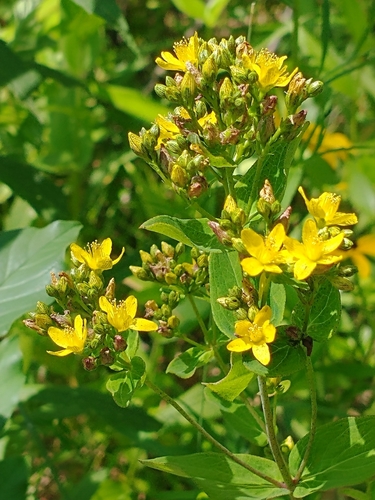
- Spotted St. John's-wortHypericum punctatum
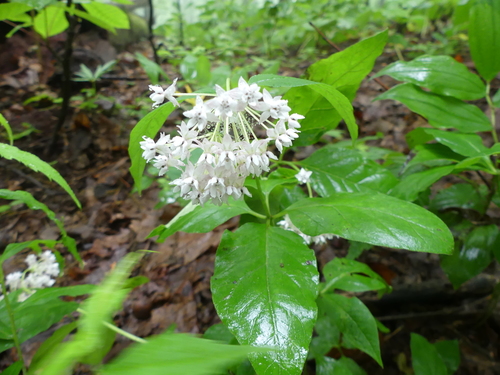
- Fourleaf MilkweedAsclepias quadrifolia
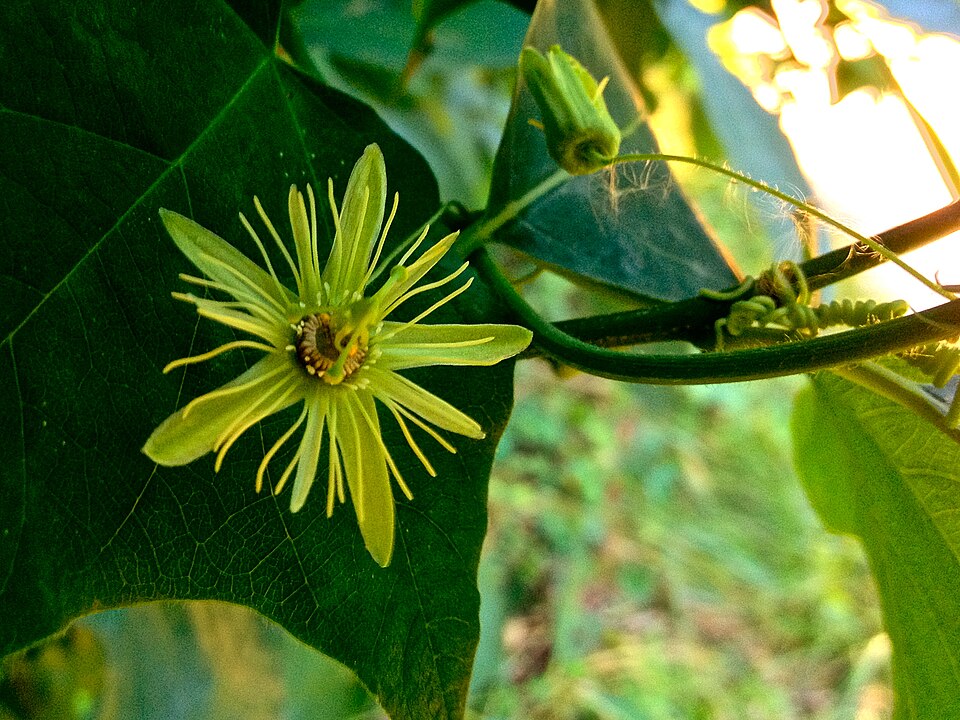
- Yellow PassionflowerPassiflora lutea
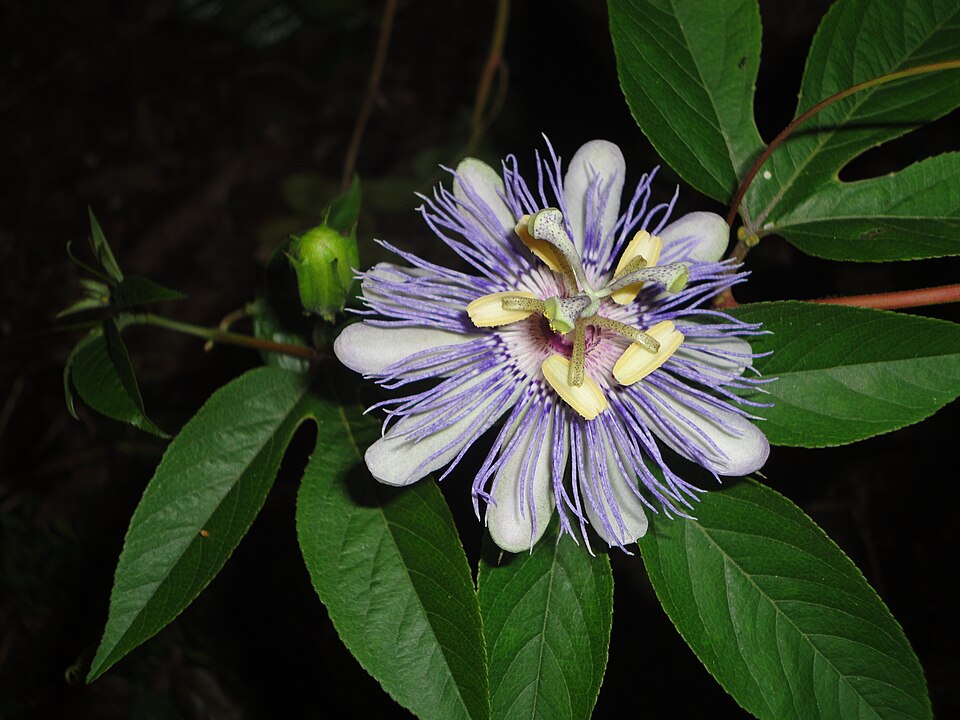
- MaypopsPassiflora incarnata
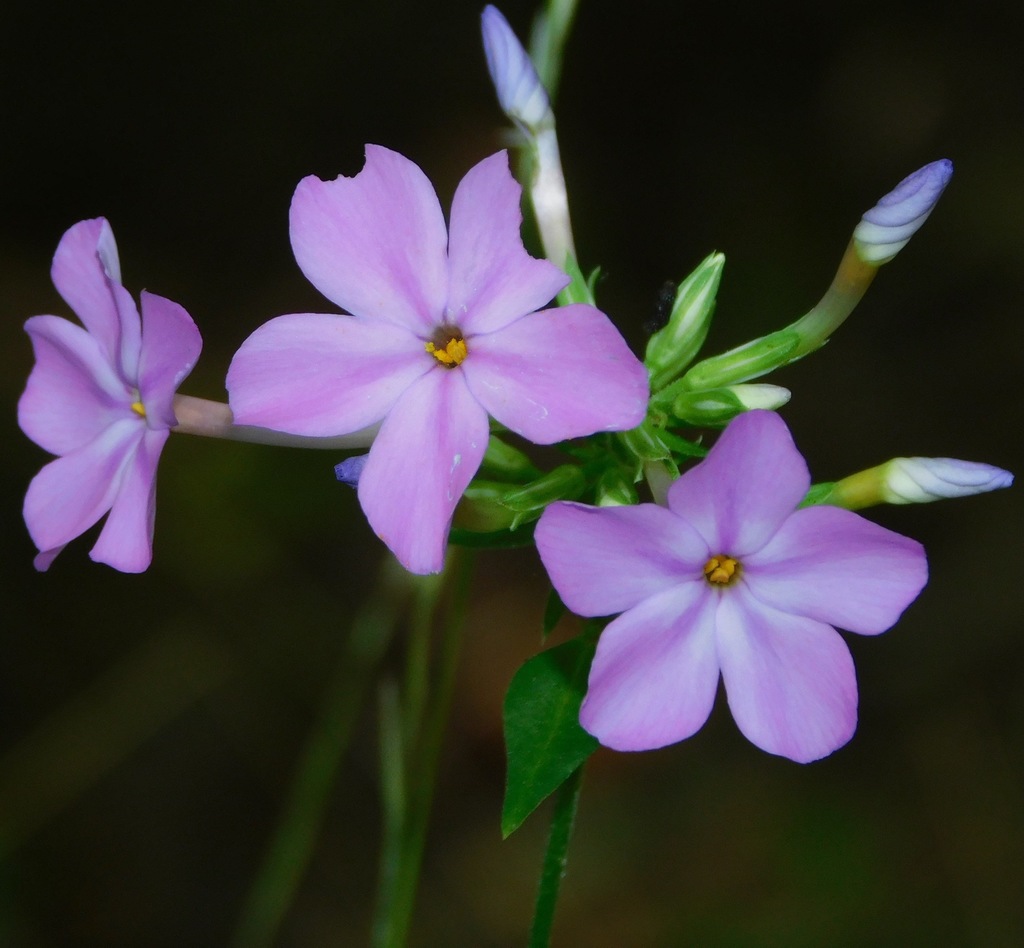
- Carolina PhloxPhlox carolina
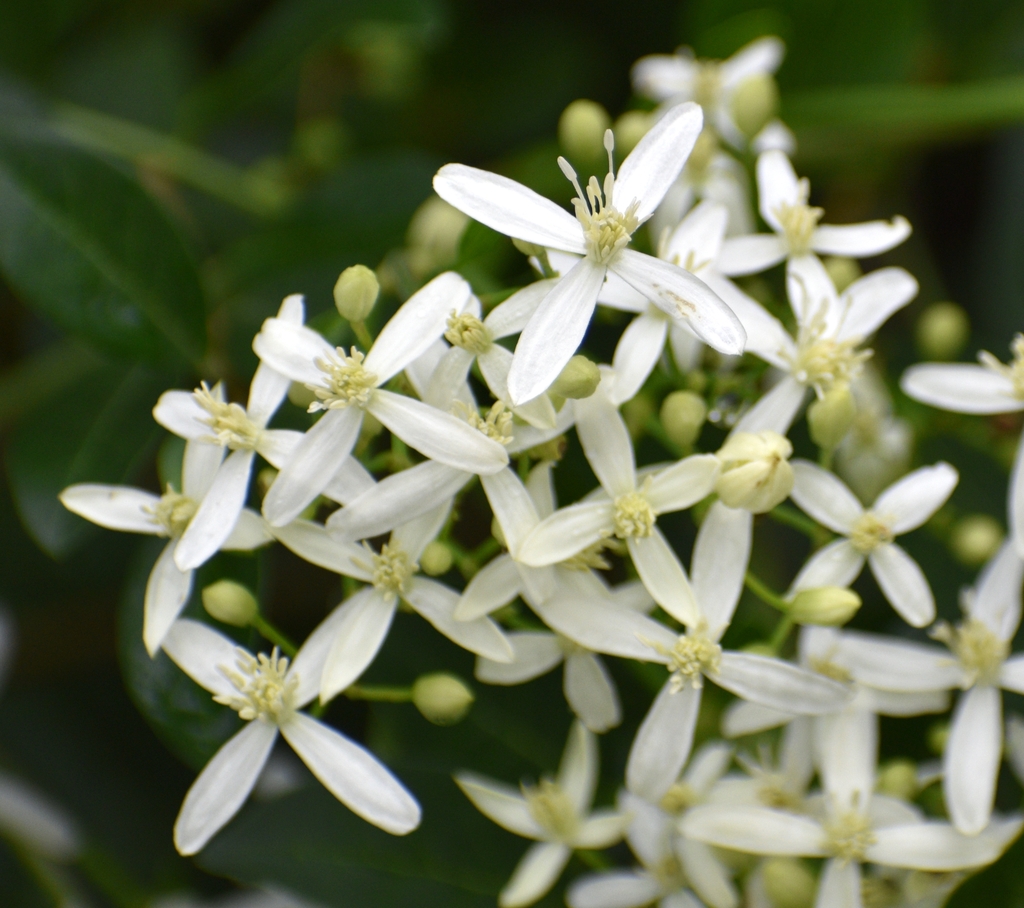
- Virginia Virgin's-bowerClematis virginiana
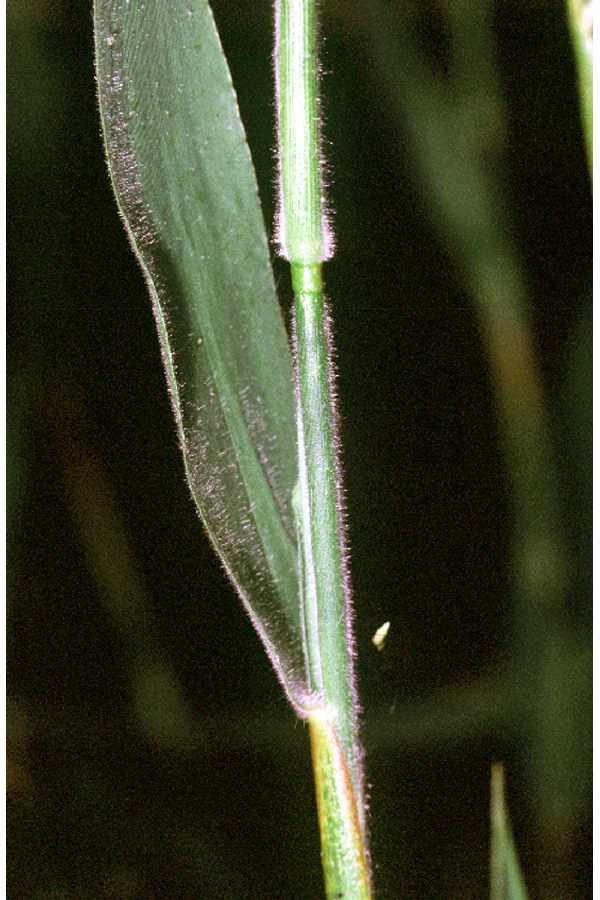
- Velvet WitchgrassDichanthelium scoparium
- Bent-awn PlumegrassErianthus contortus
- Common Elephant's-footElephantopus tomentosus
- Hazel DodderCuscuta coryli
- Smooth Elephant's-footElephantopus nudatus
- Bigtop LovegrassEragrostis hirsuta
- False BonesetBrickellia eupatorioides
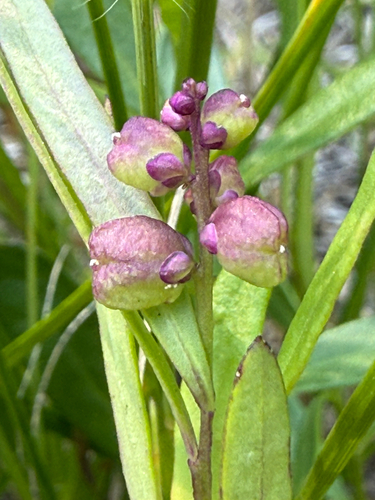
- Racemed MilkwortSenega polygama
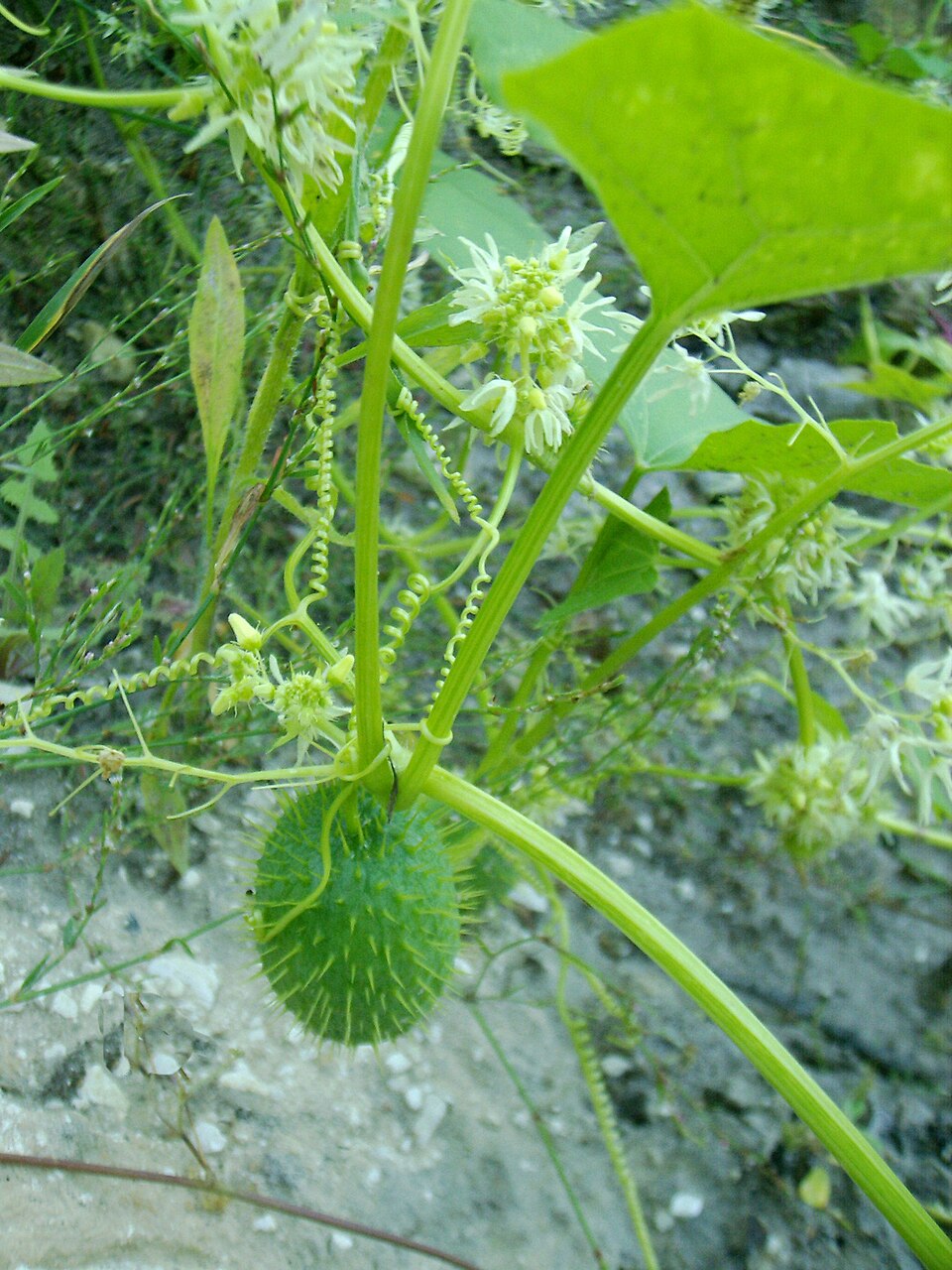
- Wild CucumberEchinocystis lobata
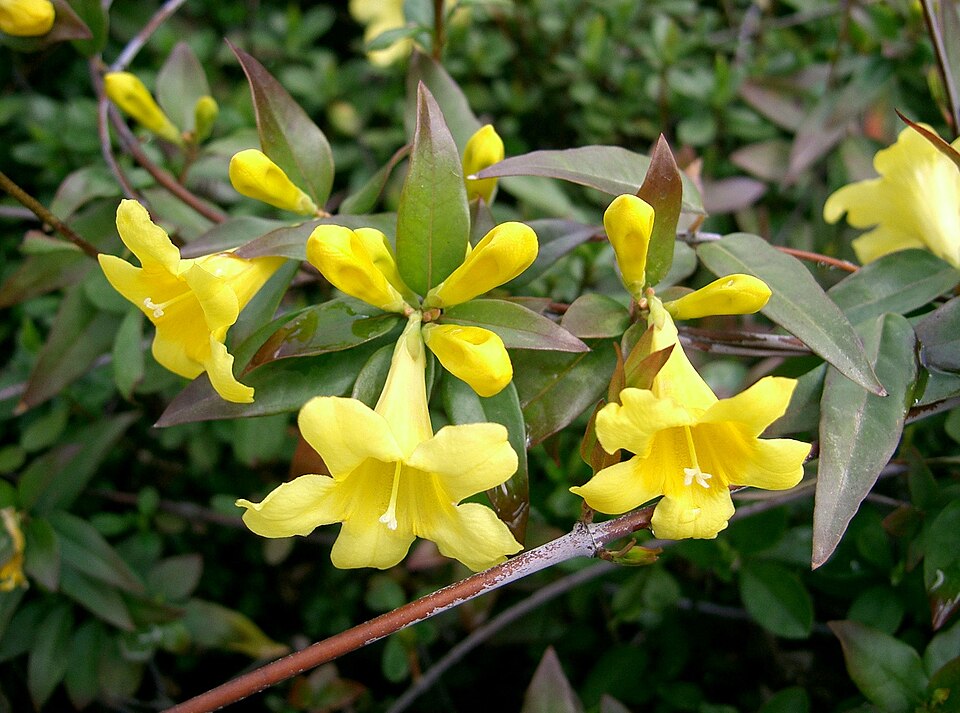
- Carolina JessamineGelsemium sempervirens
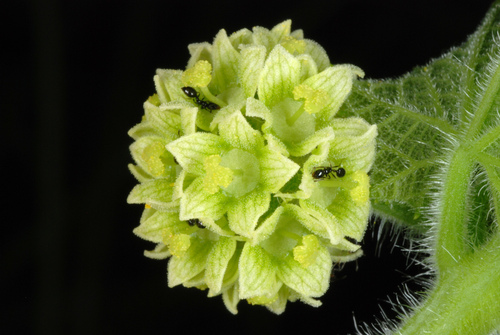
- One-seed Bur-cucumberSicyos angulatus
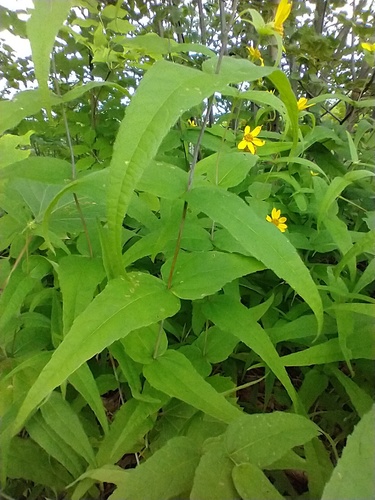
- Woodland SunflowerHelianthus divaricatus
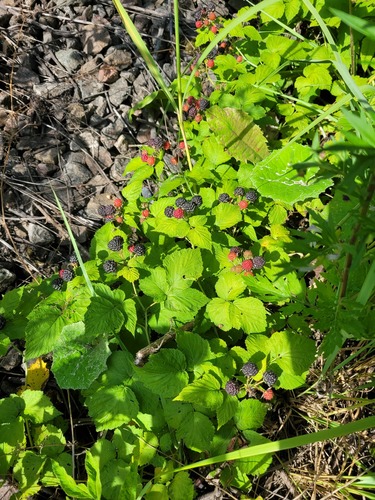
- Black RaspberryRubus occidentalis
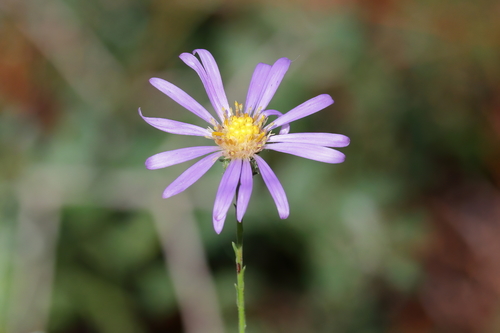
- Common Clasping AsterSymphyotrichum patens var. patens
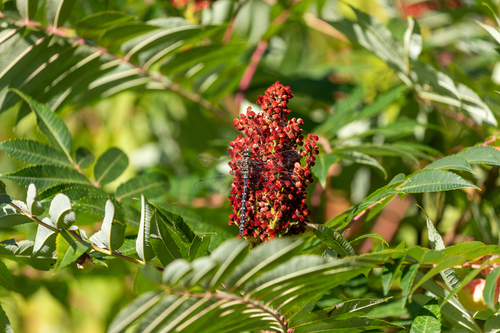
- Smooth SumacRhus glabra
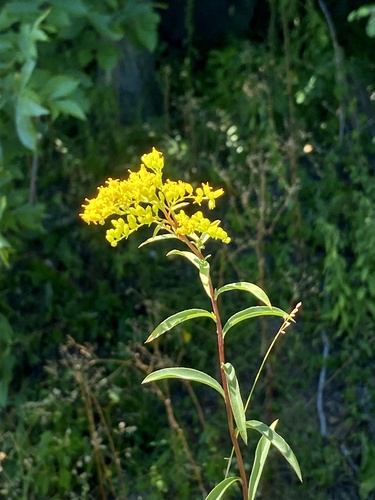
- Early GoldenrodSolidago juncea
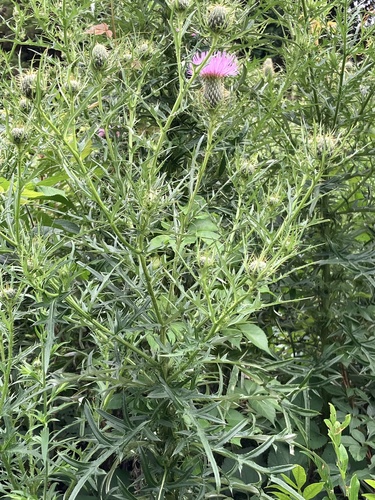
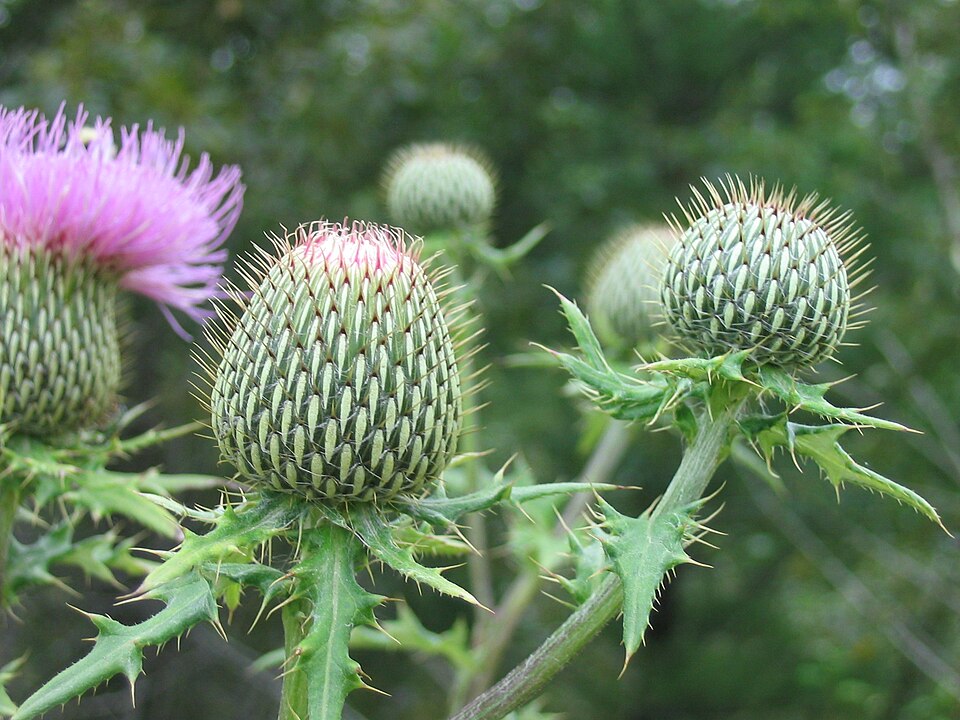
- Field ThistleCirsium discolor
- Tall ThistleCirsium altissimum
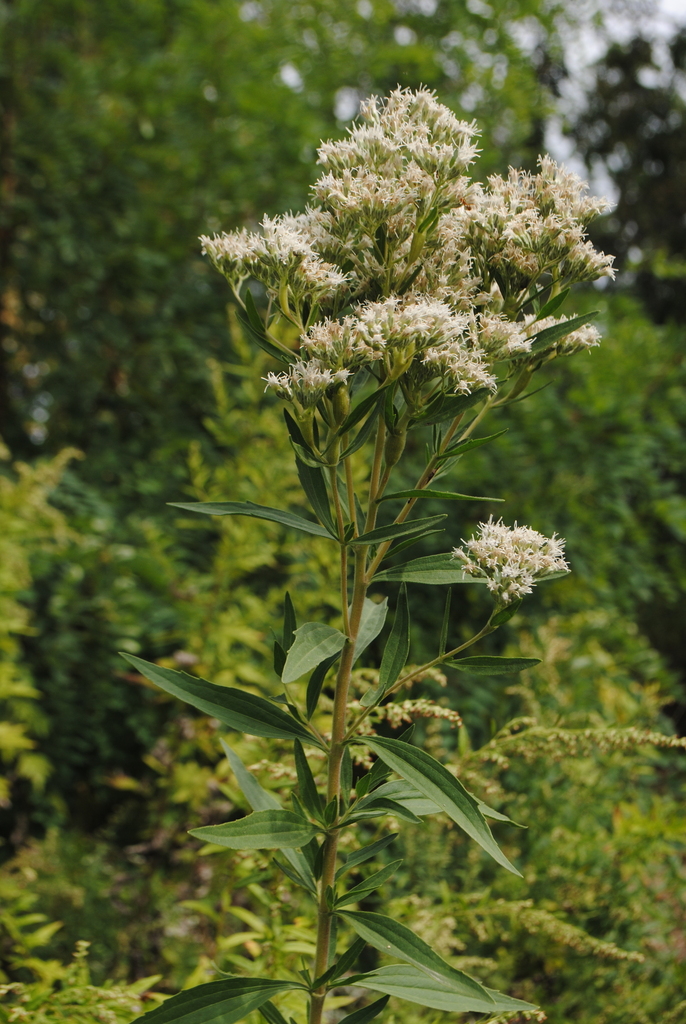
- Tall ThoroughwortEupatorium altissimum
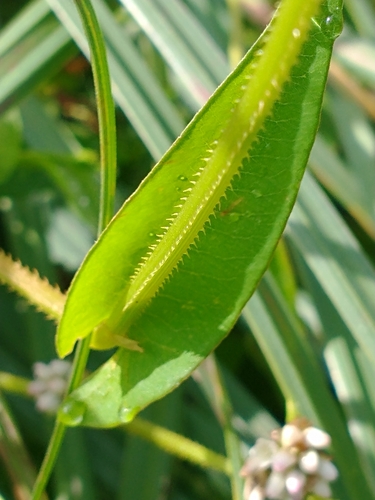
- Arrowleaf TearthumbPersicaria sagittata
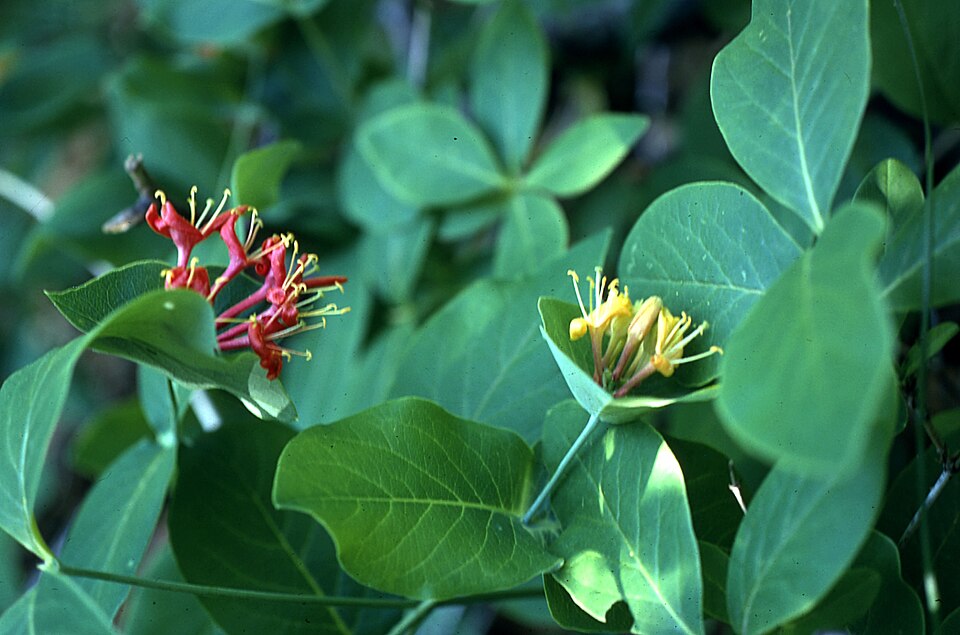
- Limber HoneysuckleLonicera dioica
Wildlife
Animals whose habitat model includes this habitat in Arkansas. Shared habitat, not food.
Most characteristic birds of this habitat 52
Ranked by how much of their habitat model this habitat is.
- Gray CatbirdDumetella carolinensis
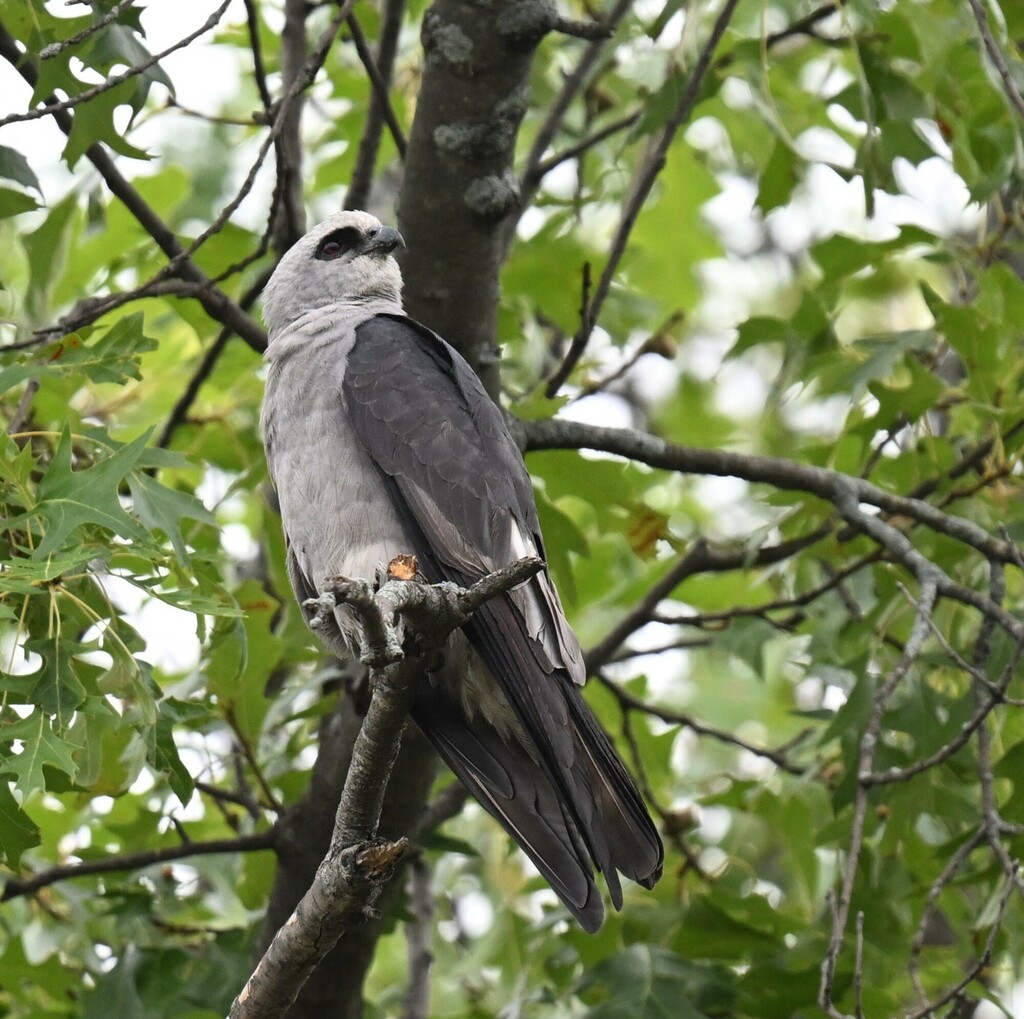
- Mississippi KiteIctinia mississippiensis
- Least FlycatcherEmpidonax minimus
- OvenbirdSeiurus aurocapilla



Near water in this habitat 7
These use it only close to water, such as stream banks for nesting.
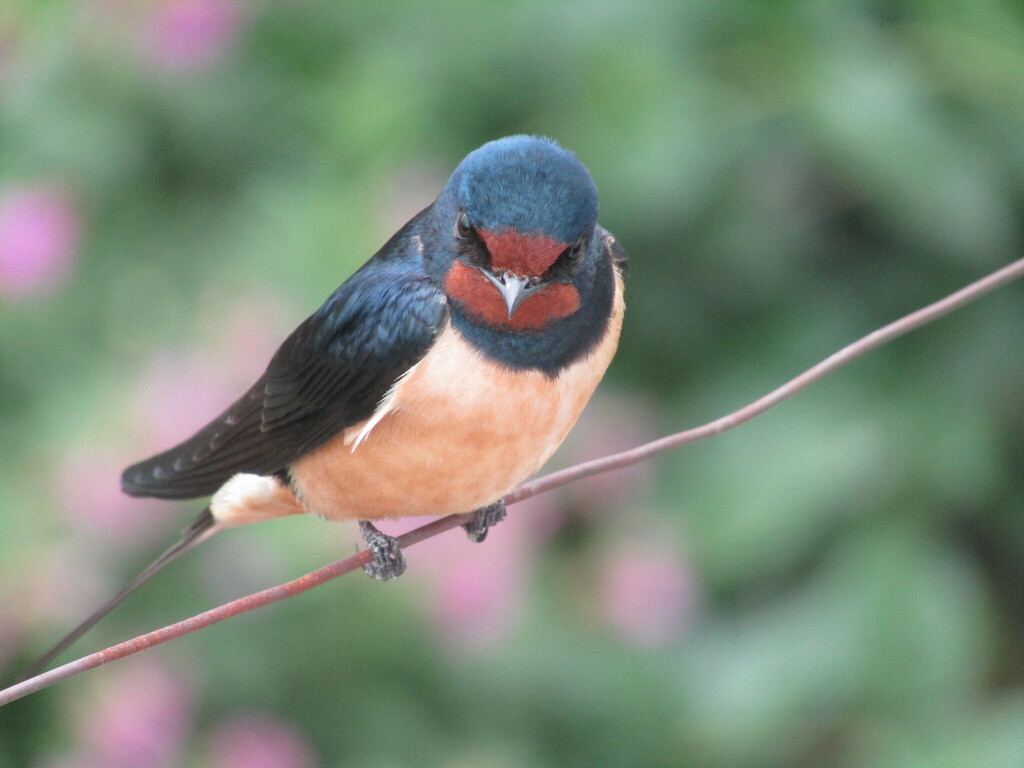
- Barn SwallowHirundo rustica
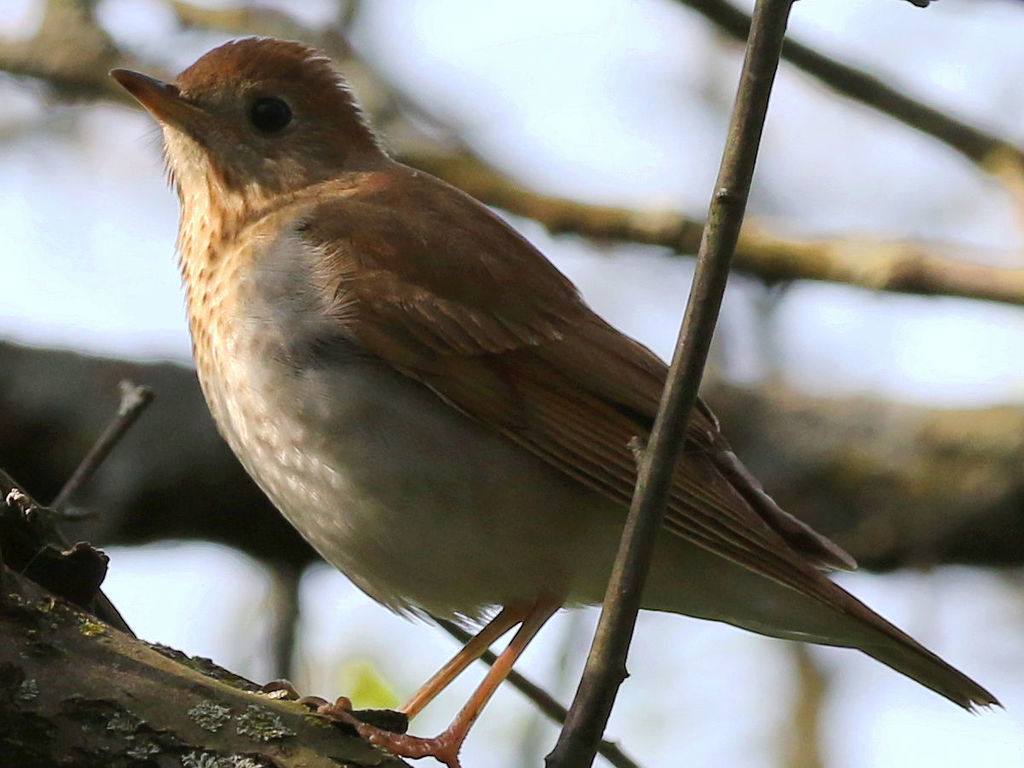
- VeeryCatharus fuscescens
- Willow FlycatcherEmpidonax traillii
- Red-shouldered HawkButeo lineatus
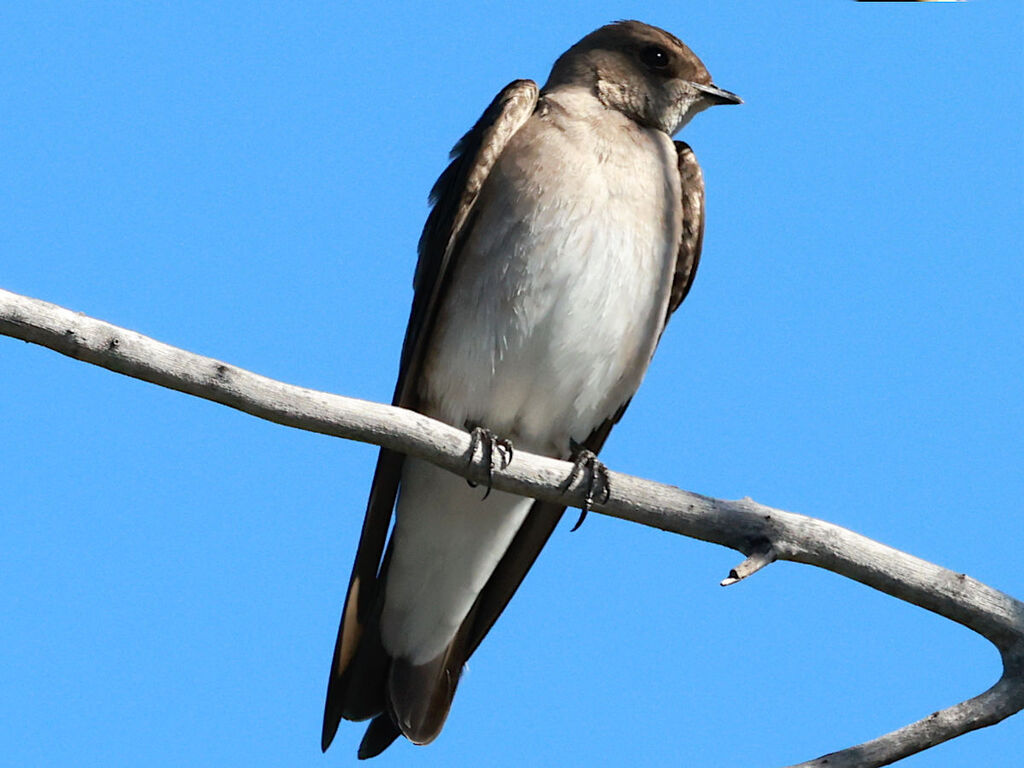
- Northern Rough-winged SwallowStelgidopteryx serripennis
- Bank SwallowRiparia riparia
- Northern ParulaParula americana



Widespread birds also seen here (47)
Found in many habitats here, so not listed above.
- American Goldfinch
- American Robin
- Baltimore Oriole
- Belted Kingfisher
- Black-crowned Night-heron
- Blue Grosbeak
- Blue Jay
- Blue-gray Gnatcatcher
- Brown Thrasher
- Cedar Waxwing
- Chimney Swift
- Chipping Sparrow
- Cliff Swallow
- Common Nighthawk
- Common Yellowthroat
- Cooper's Hawk
- Downy Woodpecker
- Eastern Bluebird
- Eastern Kingbird
- Eastern Screech-owl
- Eurasian Collared-dove
- European Starling
- Great Horned Owl
- Harris's Sparrow
- Indigo Bunting
- Mourning Dove
- Northern Cardinal
- Northern Flicker
- Northern Mockingbird
- Orange-crowned Warbler
- Orchard Oriole
- Pine Siskin
- Purple Finch
- Red-bellied Woodpecker
- Red-tailed Hawk
- Red-winged Blackbird
- Ruby-crowned Kinglet
- Ruby-throated Hummingbird
- Sharp-shinned Hawk
- Tufted Titmouse
- Turkey Vulture
- White-crowned Sparrow
- White-throated Sparrow
- Wild Turkey
- Yellow-billed Cuckoo
- Yellow-breasted Chat
- Yellow-rumped Warbler
Sources
- Schafale, Guide to the Natural Communities of North Carolina, Fourth Approximation (NC Natural Heritage Program, 2012) habitat description
- Weakley, Flora of the Southeastern United States (2025), Carolinas & Georgia edition, habitat text phone app
- NC Parks species accounts
- USDA Forest Service Fire Effects Information System (reviewed notes)
- USGS Gap Analysis Project habitat models (2001)
- USGS Gap Analysis Project range maps (2001)
- NatureServe Explorer ecological systems (CC BY 4.0)
Habitat classes are filed under these habitat types by reviewed matches; descriptions are short glosses.