

Habitat in Arkansas
Floodplain and bottomland forests
Forests on low ground beside rivers and streams that flood from time to time. Schafale
- Plants
- 313
- Birds
- 161
Plants
Plants that grow wild in this habitat in Arkansas. Not a planting list.
Most characteristic plants of this habitat 313
Natives first, plants found in fewer other habitats first.
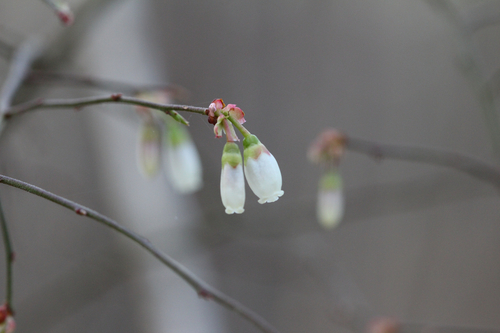
- Elliott's BlueberryVaccinium elliottii
- Possumhaw HollyIlex decidua
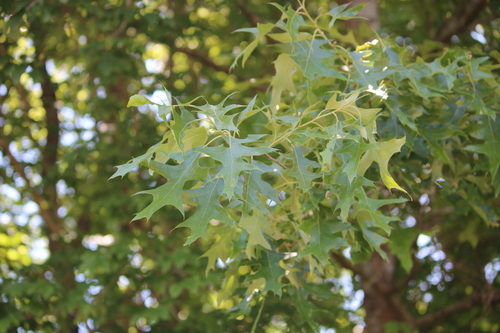
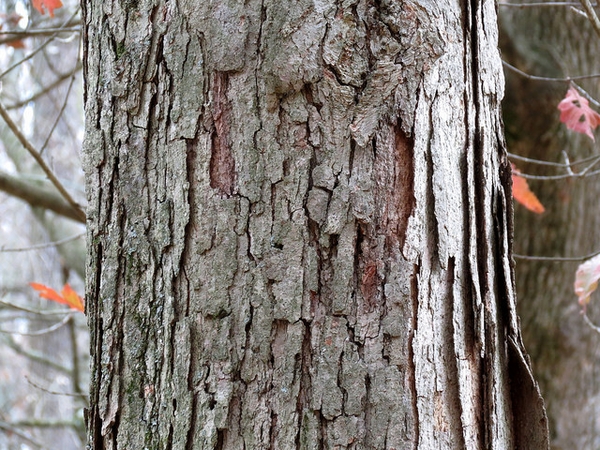
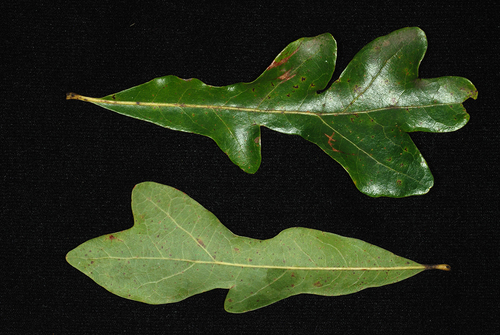
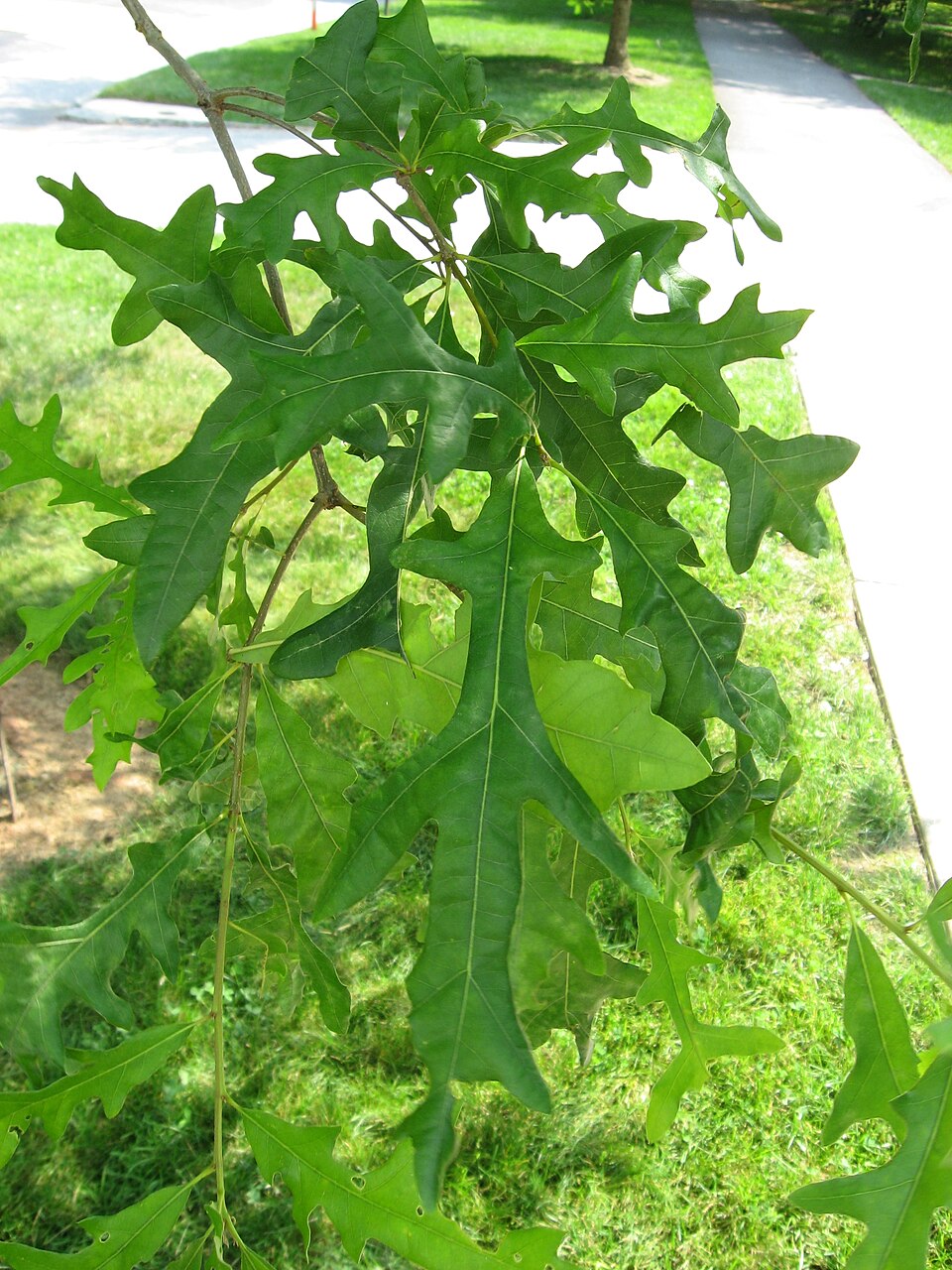
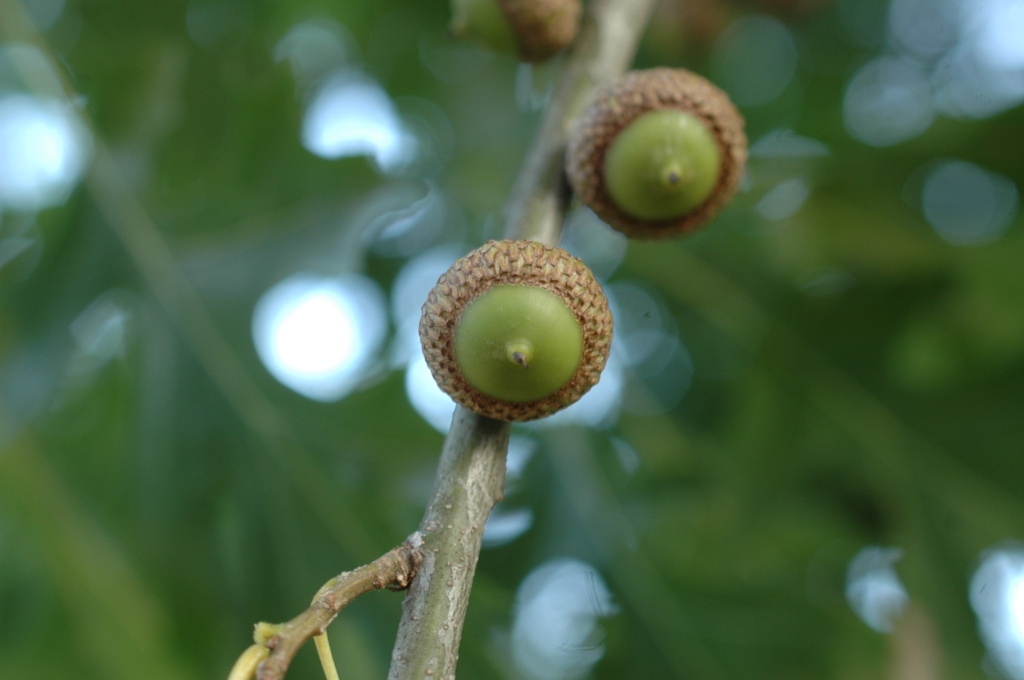
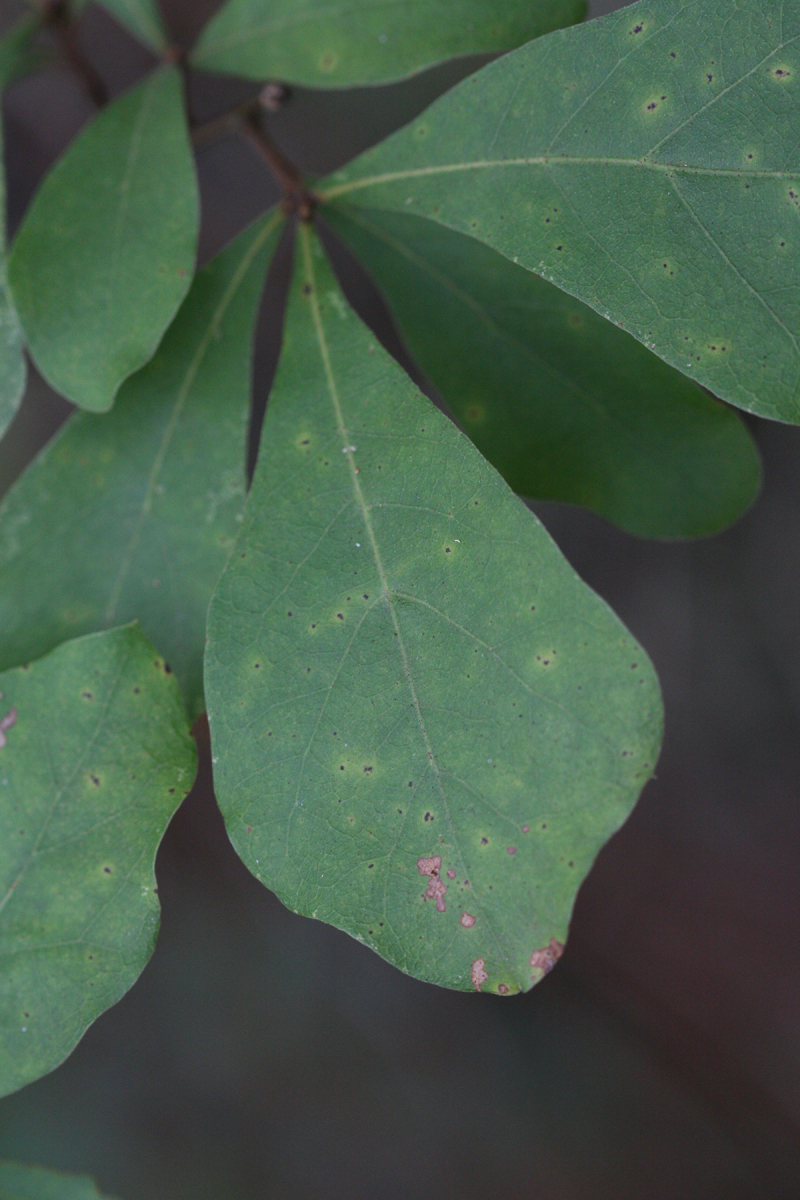
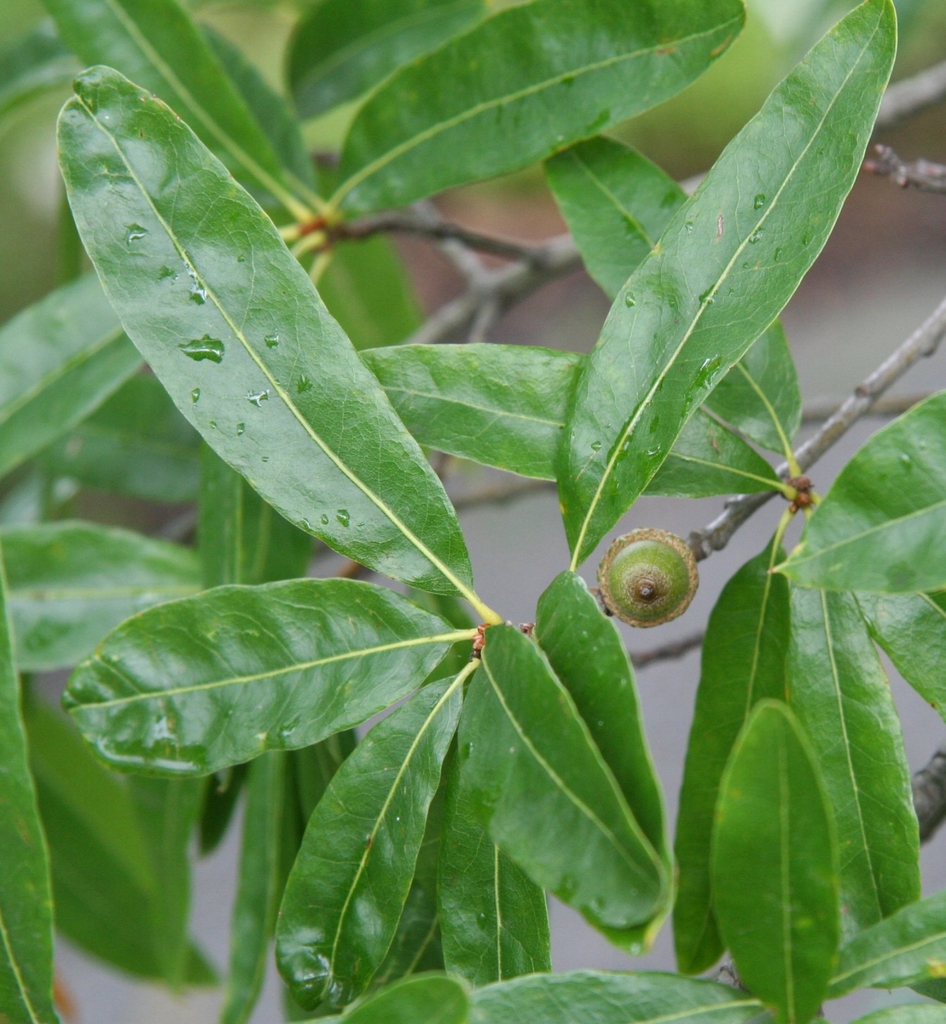
- Cherrybark OakQuercus pagoda
- Swamp Chestnut OakQuercus michauxii
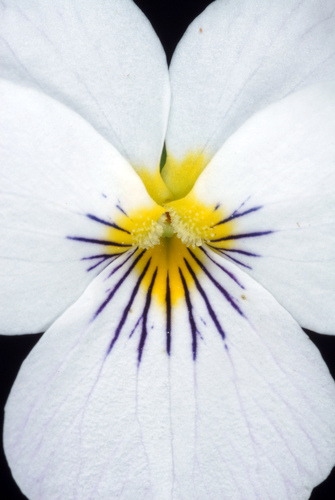
- Canada VioletViola canadensis
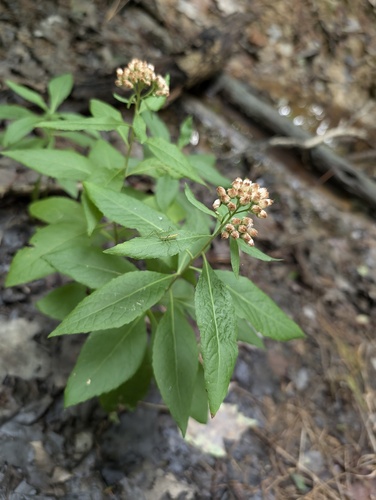
- Appalachian Orange ConeflowerRudbeckia fulgida var. umbrosa
- Shagbark HickoryCarya ovata
- Camphor PlucheaPluchea camphorata
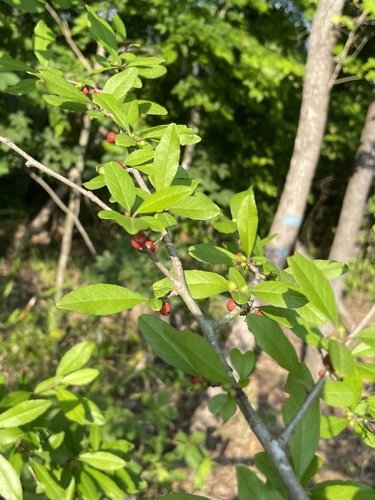
- PondberryLindera melissifolia
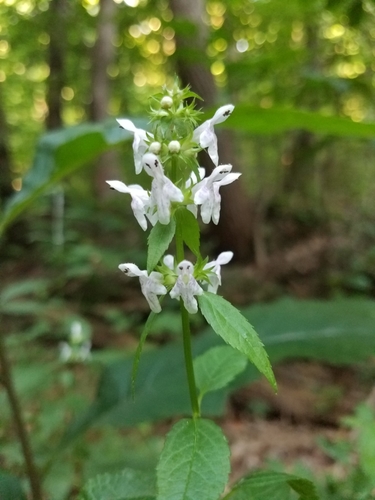
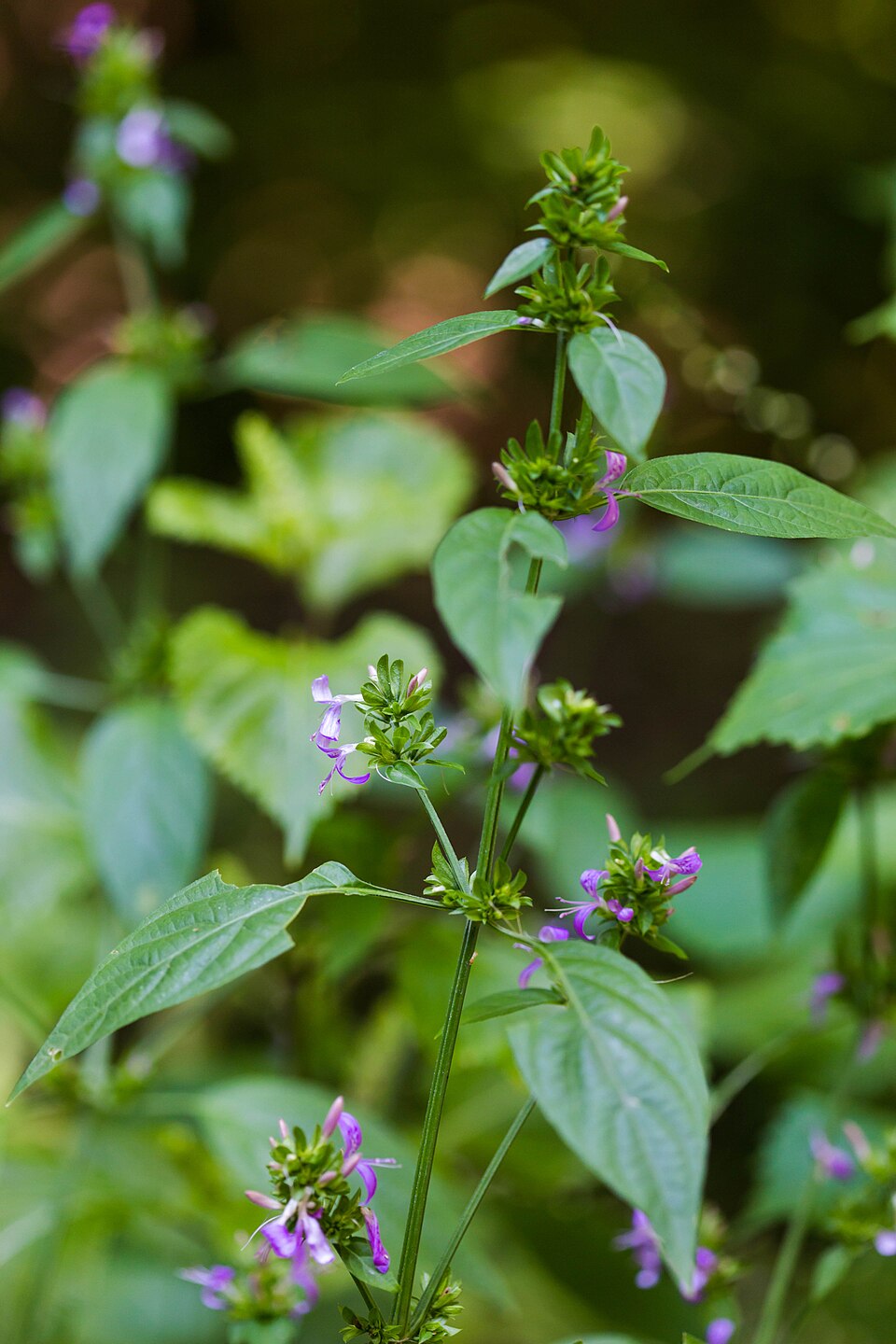
- Smooth Hedge-nettleStachys tenuifolia
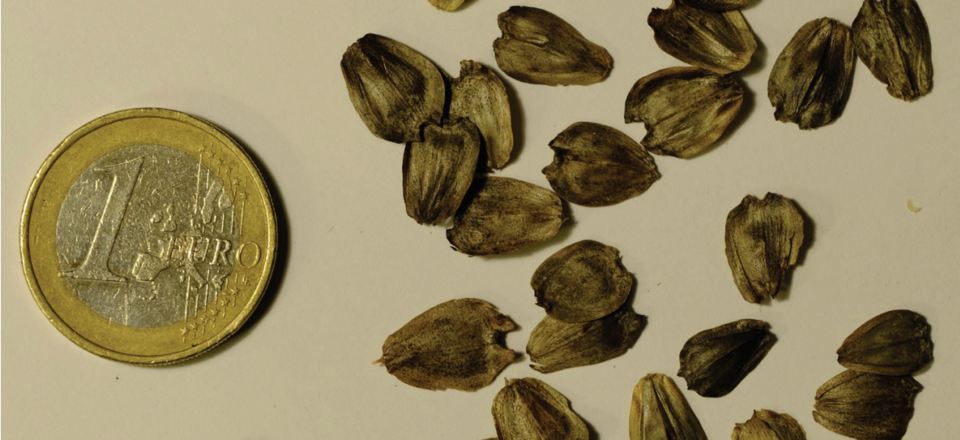
- Wolf's BluegrassPoa wolfii
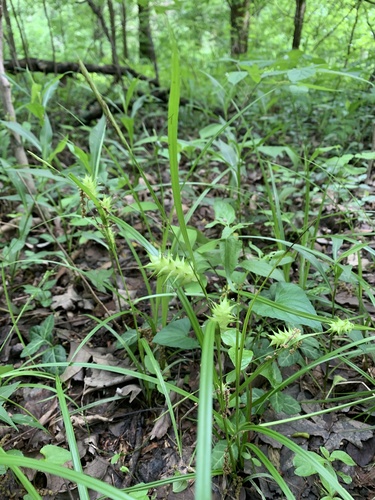
- Spreading SedgeCarex laxiculmis
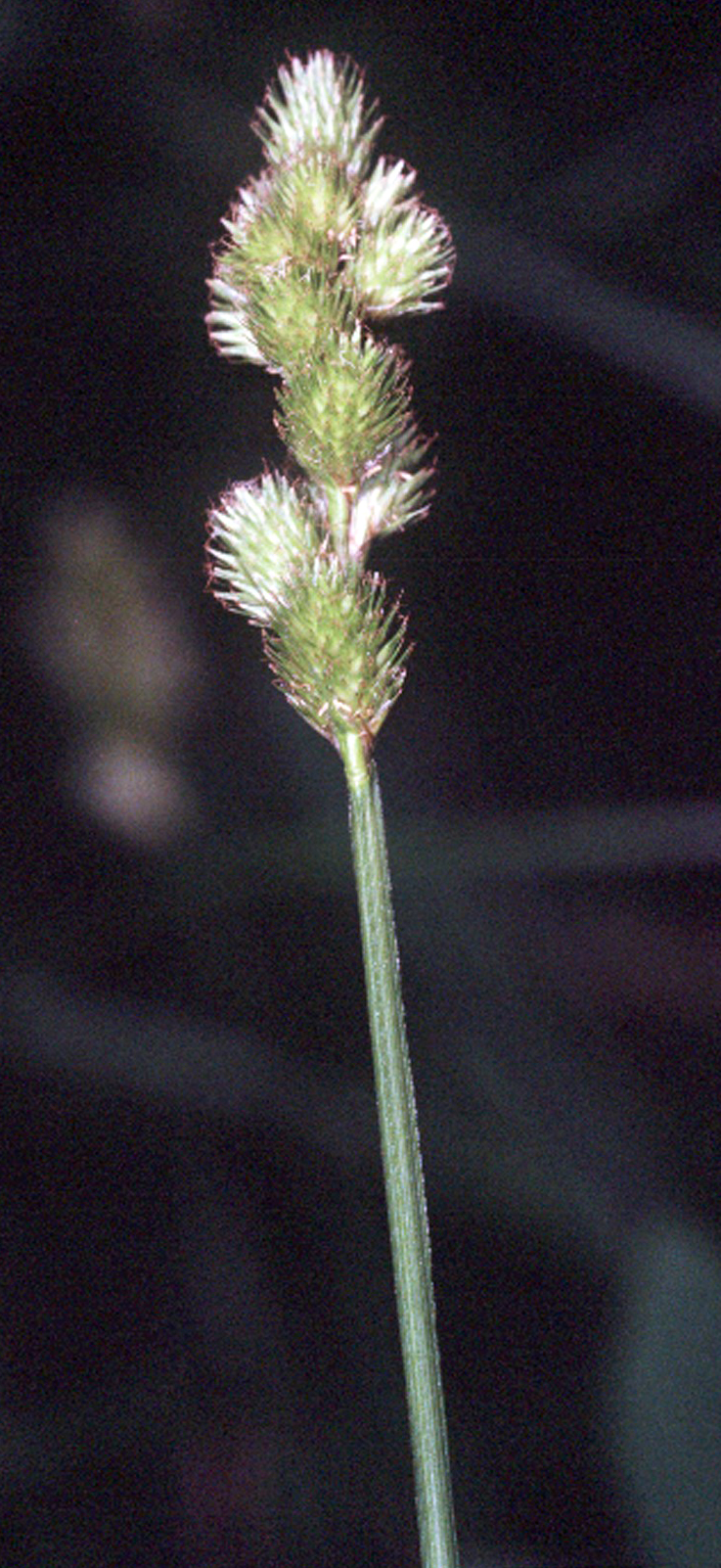
- Blunt Broom SedgeCarex tribuloides
- Louisiana SedgeCarex louisianica
- Common Cup-plantSilphium perfoliatum
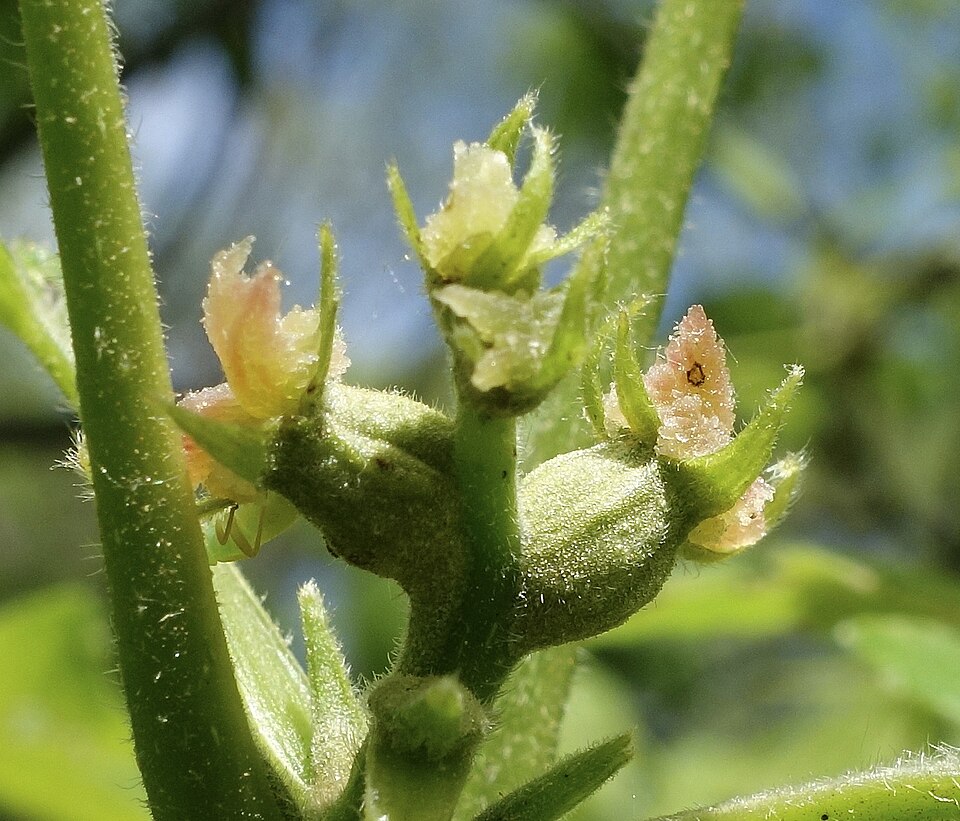
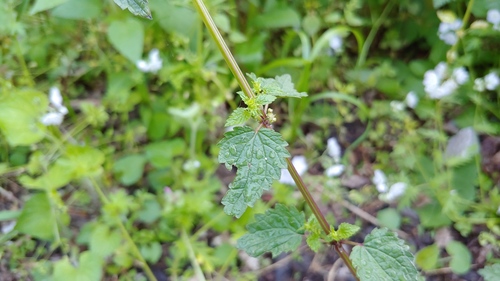
- Heartleaf NettleUrtica chamaedryoides
- Clustered FescueFestuca paradoxa
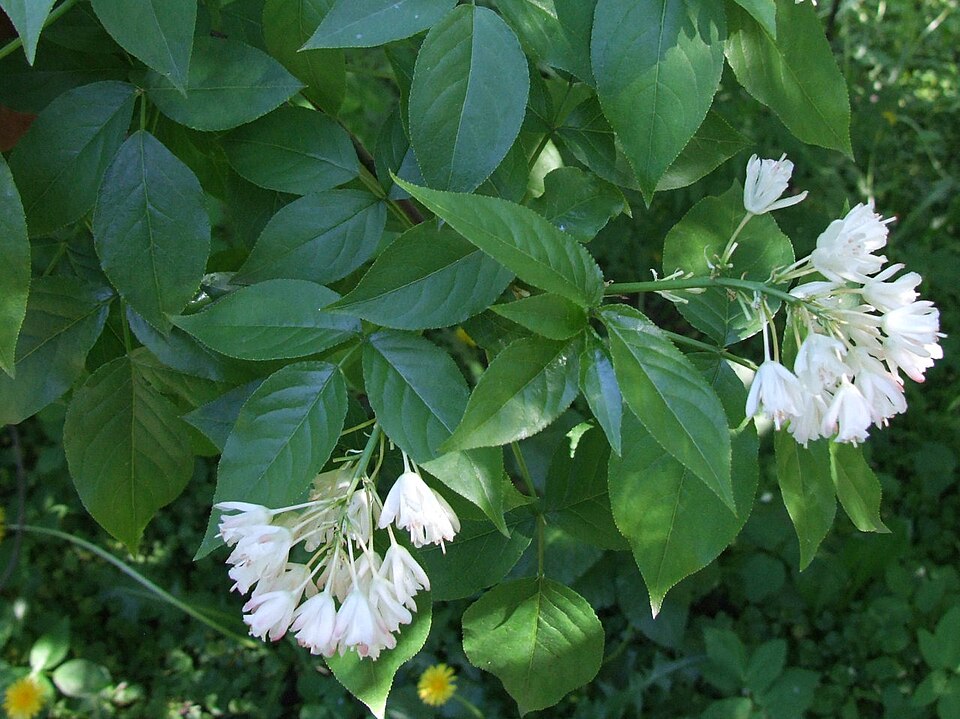
- American BladdernutStaphylea trifolia
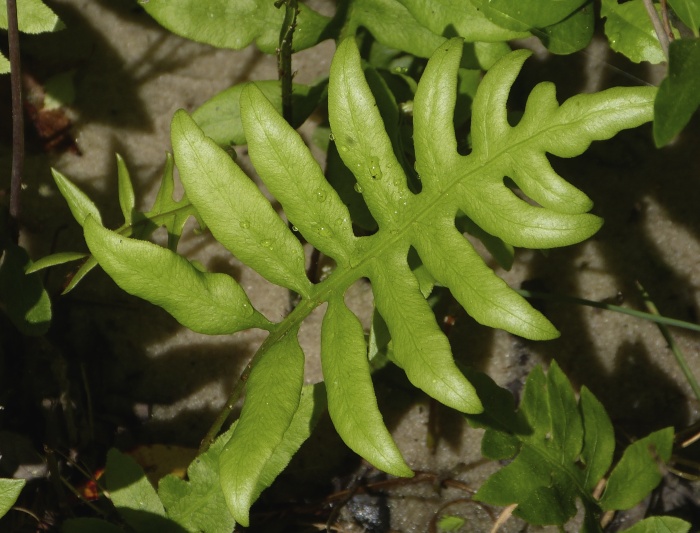
- Netted Chain-fernLorinseria areolata
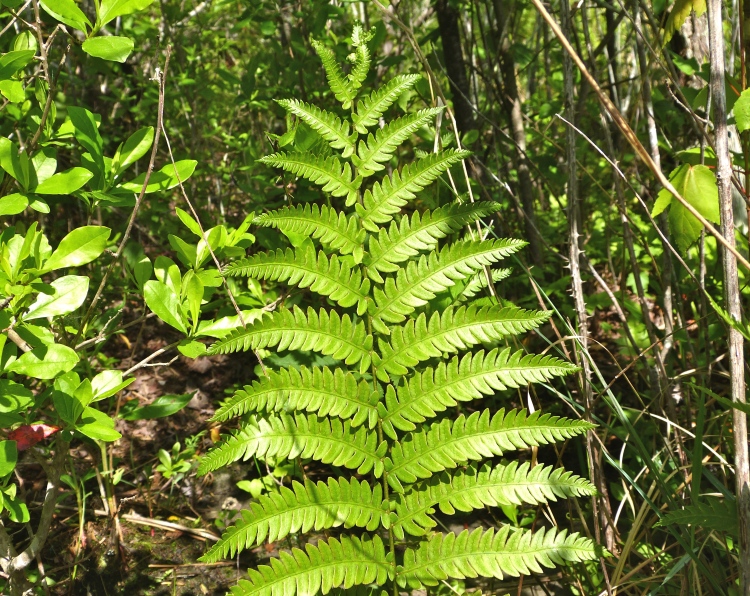
- Virginia Chain-fernAnchistea virginica
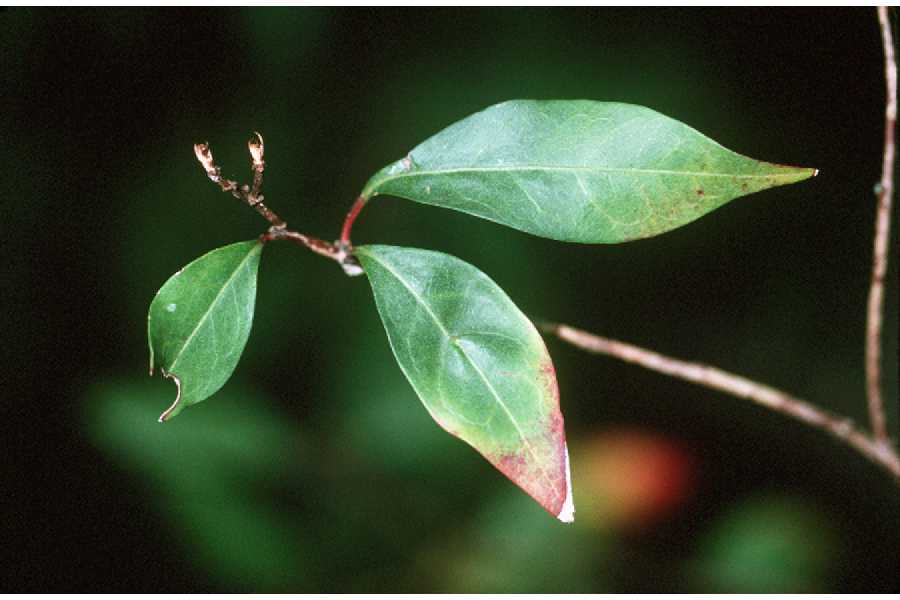
- Gulf Sebastian-bushDitrysinia fruticosa
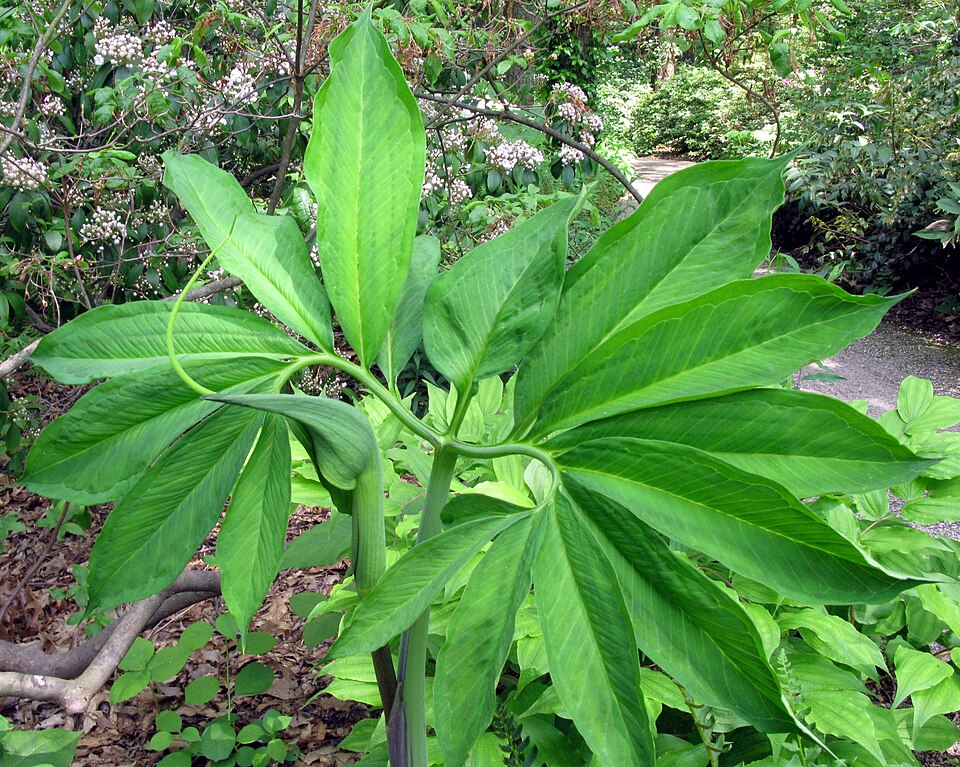
- Green DragonArisaema dracontium
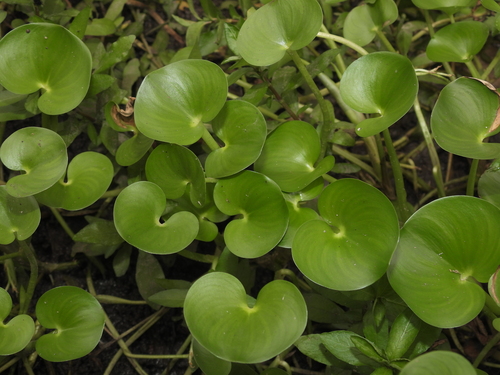
- Kidneyleaf Mud-plantainHeteranthera reniformis
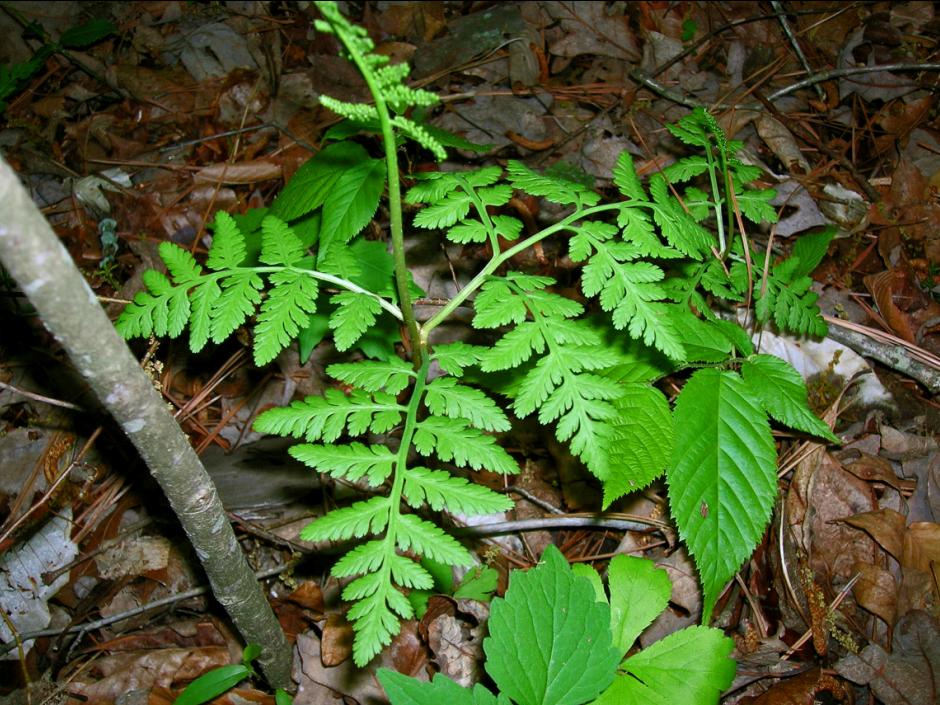
- Rattlesnake FernBotrychium virginianum
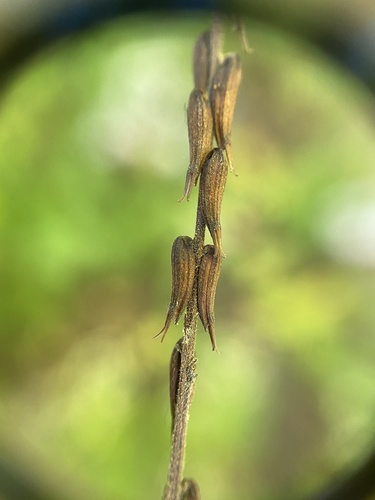
- American LopseedPhryma leptostachya
- Branched FoldwingDicliptera brachiata
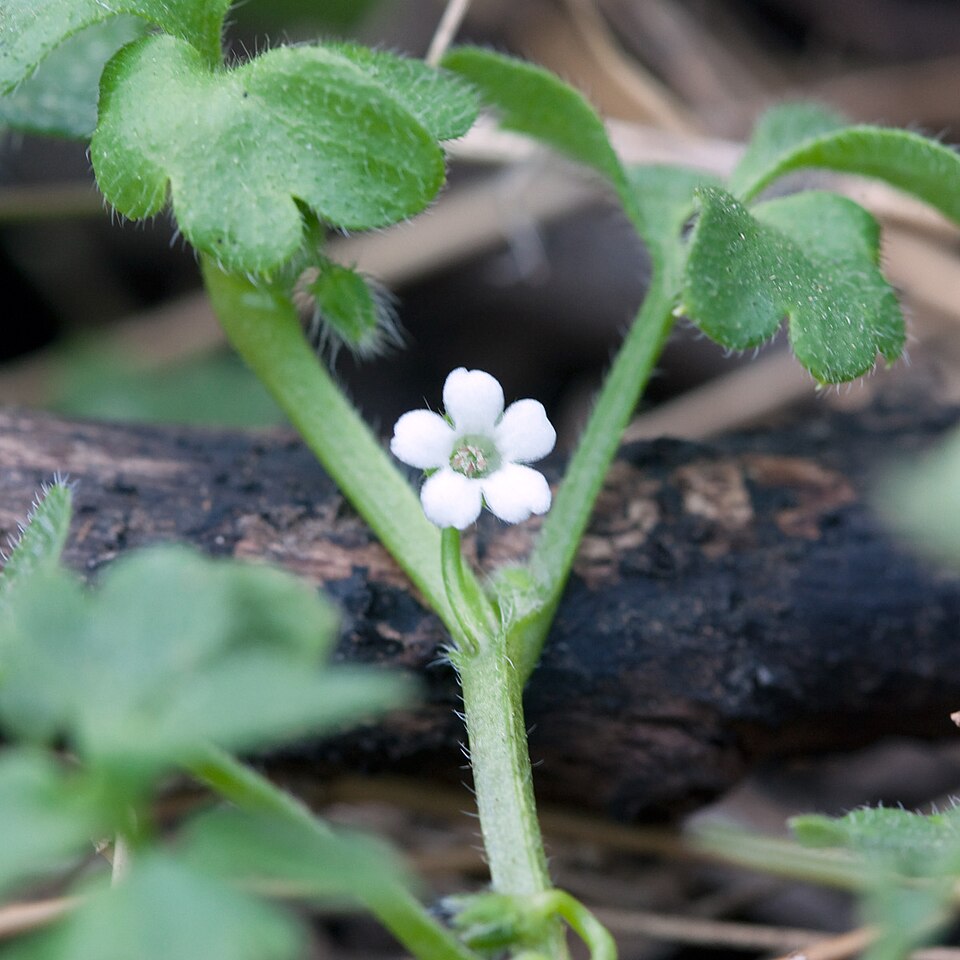
- Small-flower Baby-blue-eyesNemophila aphylla
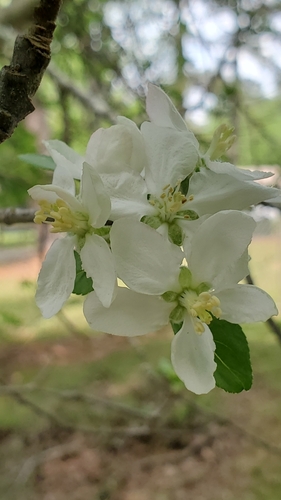
- Southern CrabappleMalus angustifolia
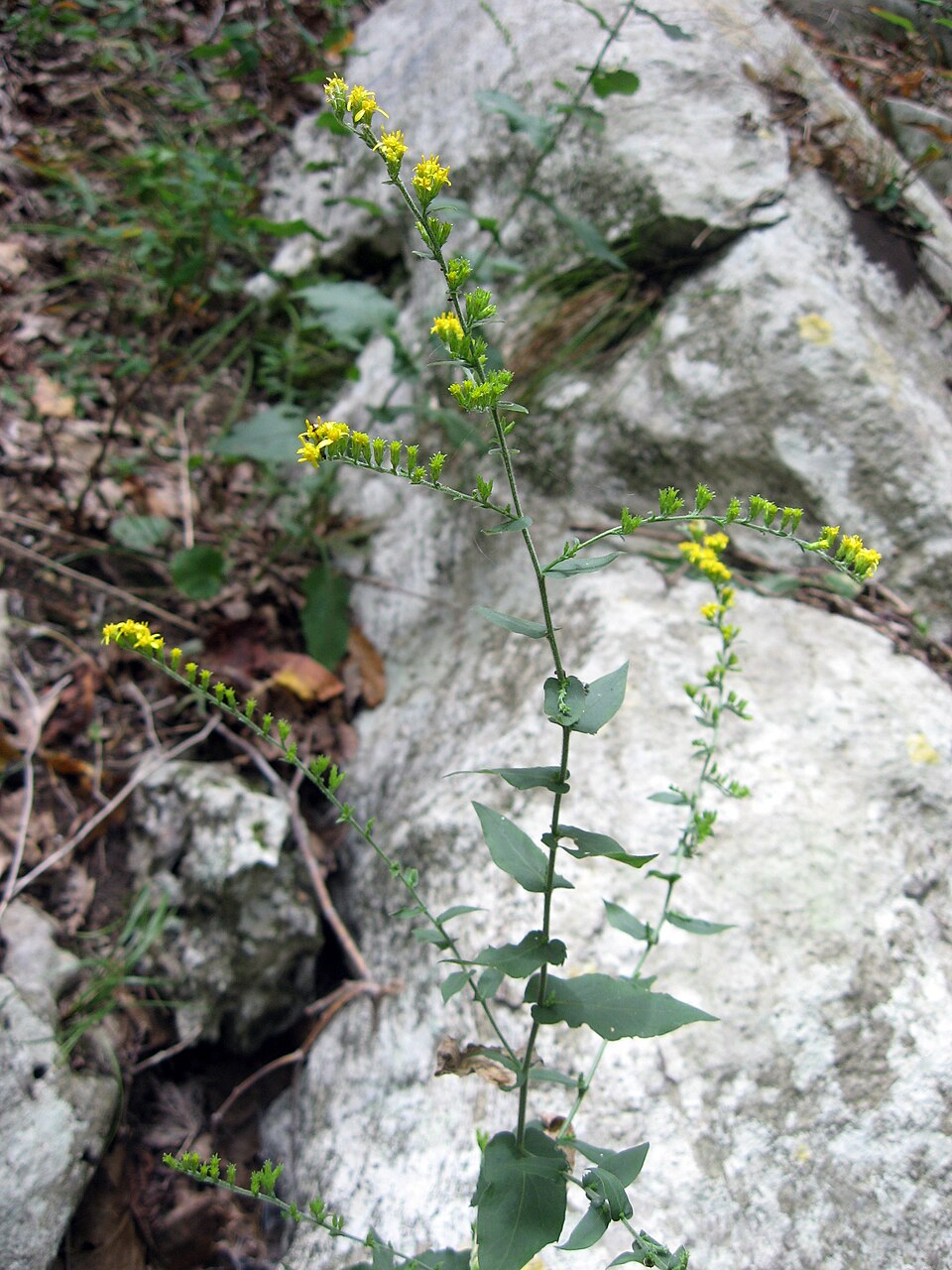
- Ear Leaf GoldenrodSolidago auriculata
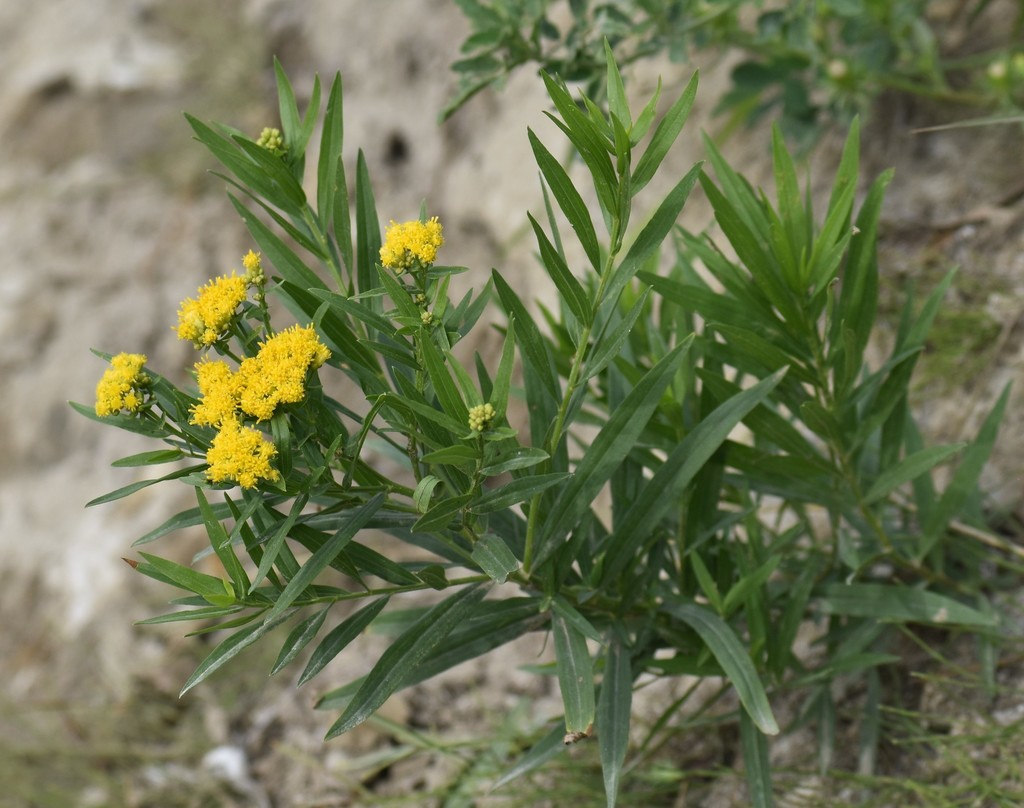
- Grass-leaved Flat-top GoldenrodEuthamia graminifolia
- Bluff OakQuercus austrina
- Overcup OakQuercus lyrata
- Shumard OakQuercus shumardii
- Water OakQuercus nigra
- Willow OakQuercus phellos
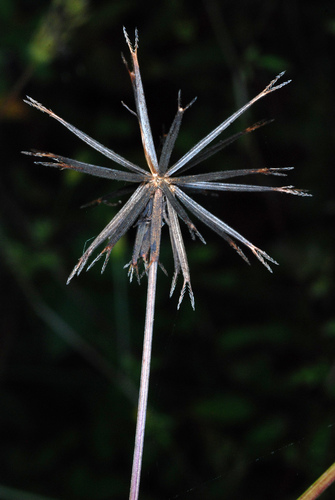
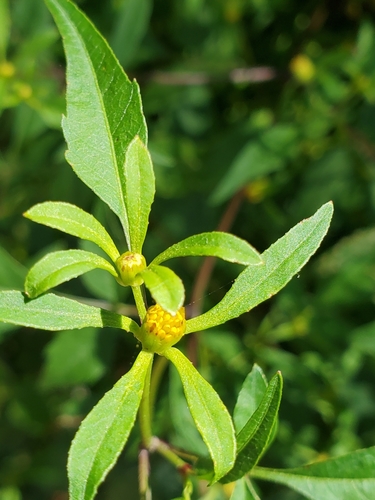
- Spanish-needlesBidens bipinnata
- Small BeggarticksBidens discoidea
- Florida MapleAcer floridanum
- Hill HawthornCrataegus collina
- Parsley HawthornCrataegus marshallii
- Wild GeraniumGeranium maculatum
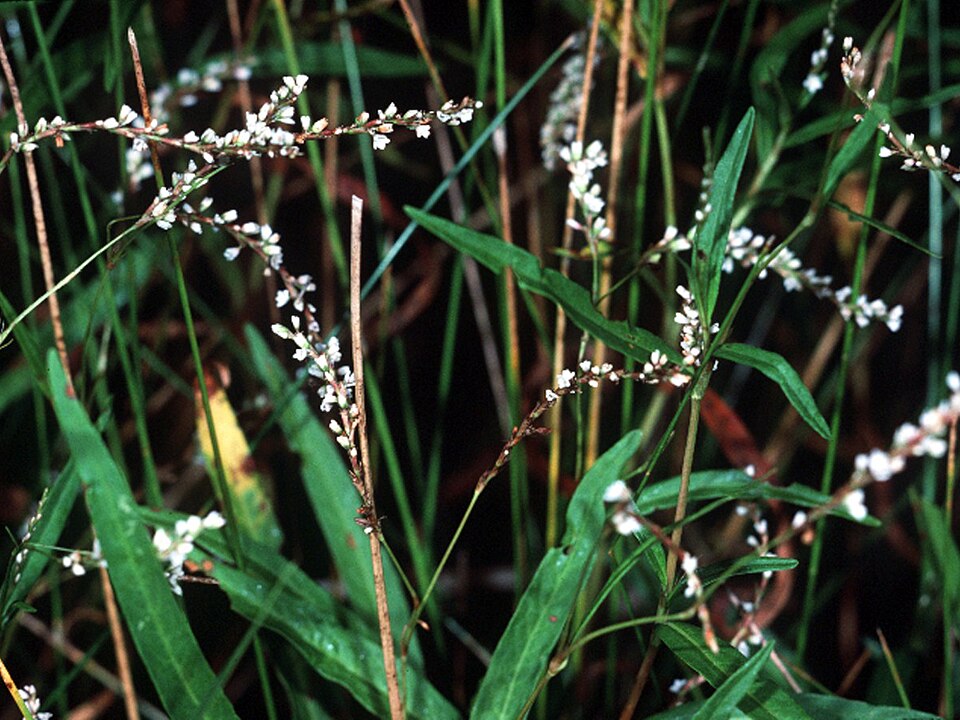
- Pale SmartweedPersicaria lapathifolia
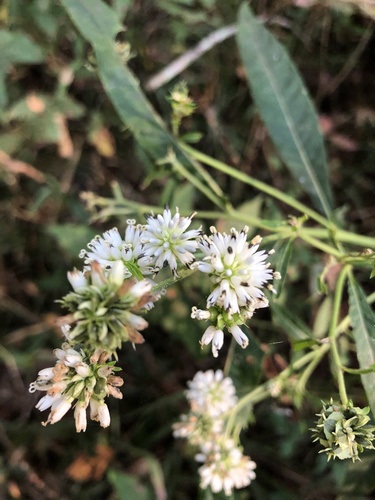
- Carolina CrownbeardVerbesina walteri
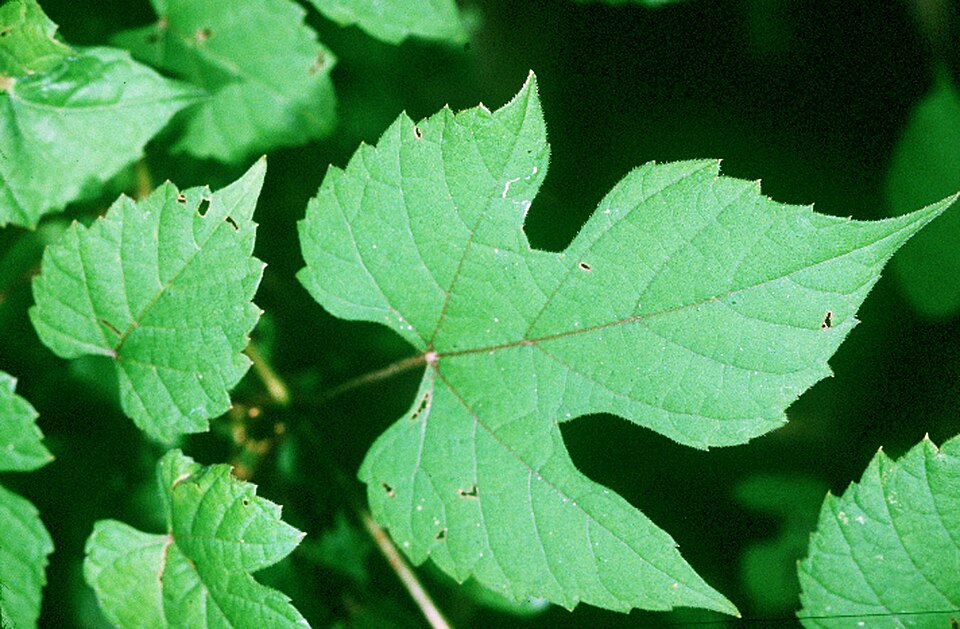
- Red GrapeVitis palmata
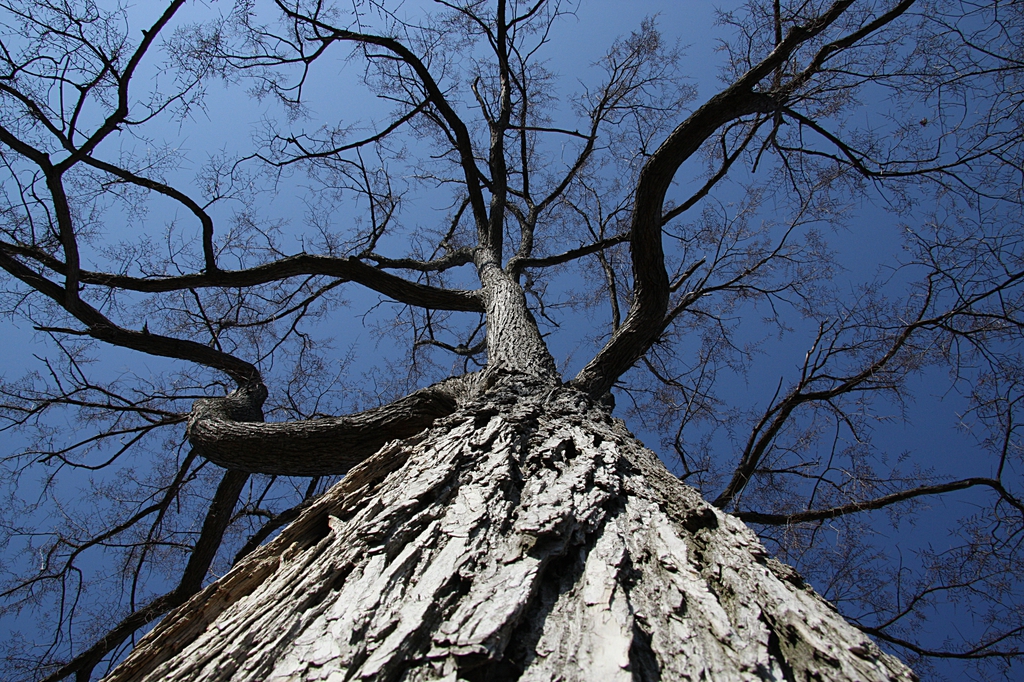
- Slippery ElmUlmus rubra
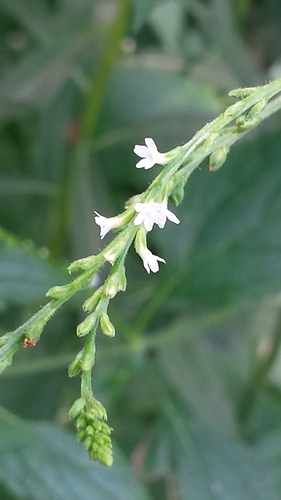
- White VervainVerbena urticifolia
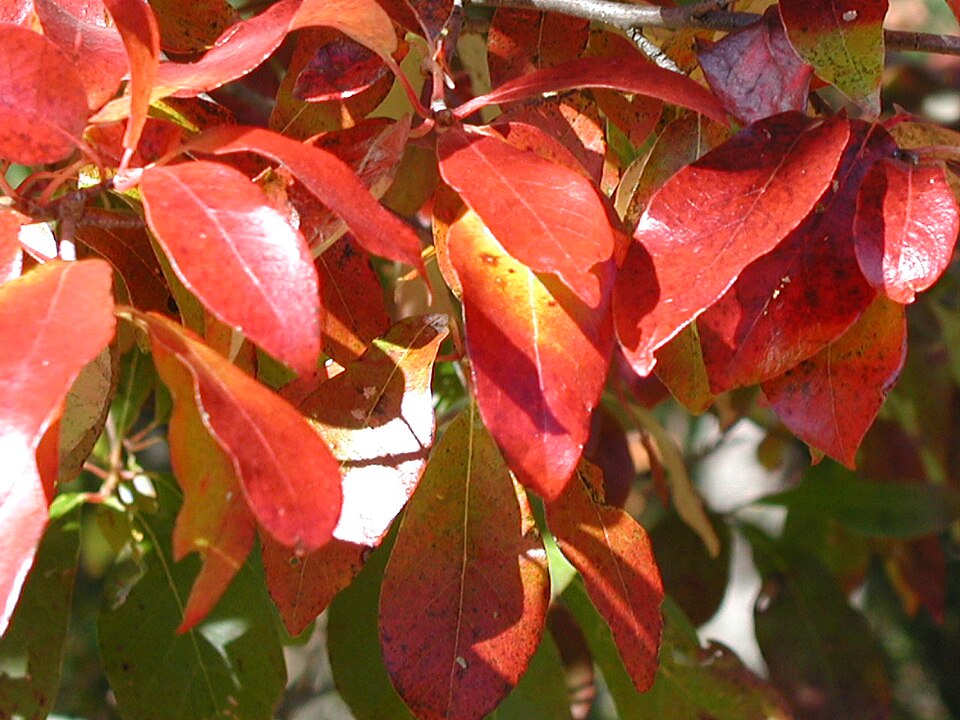
- BlackgumNyssa sylvatica
- Bog SmartweedPersicaria setacea
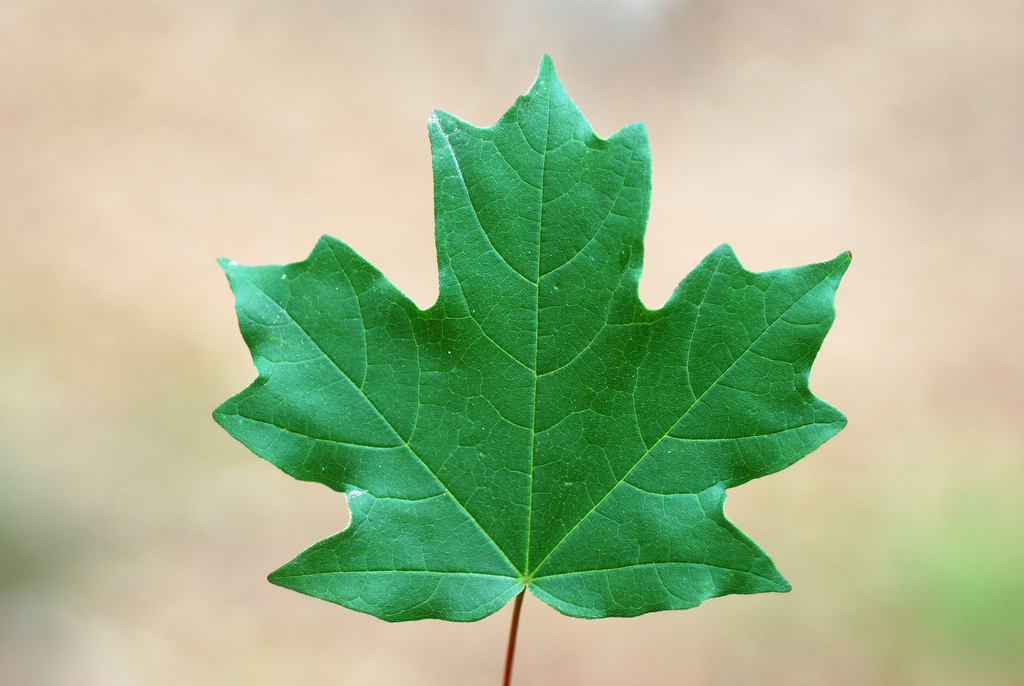
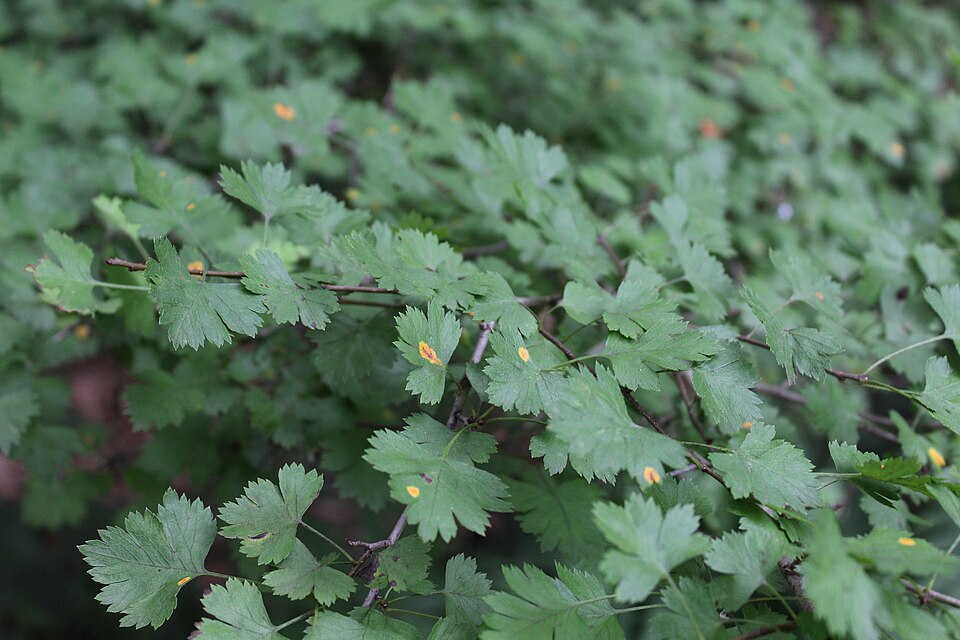
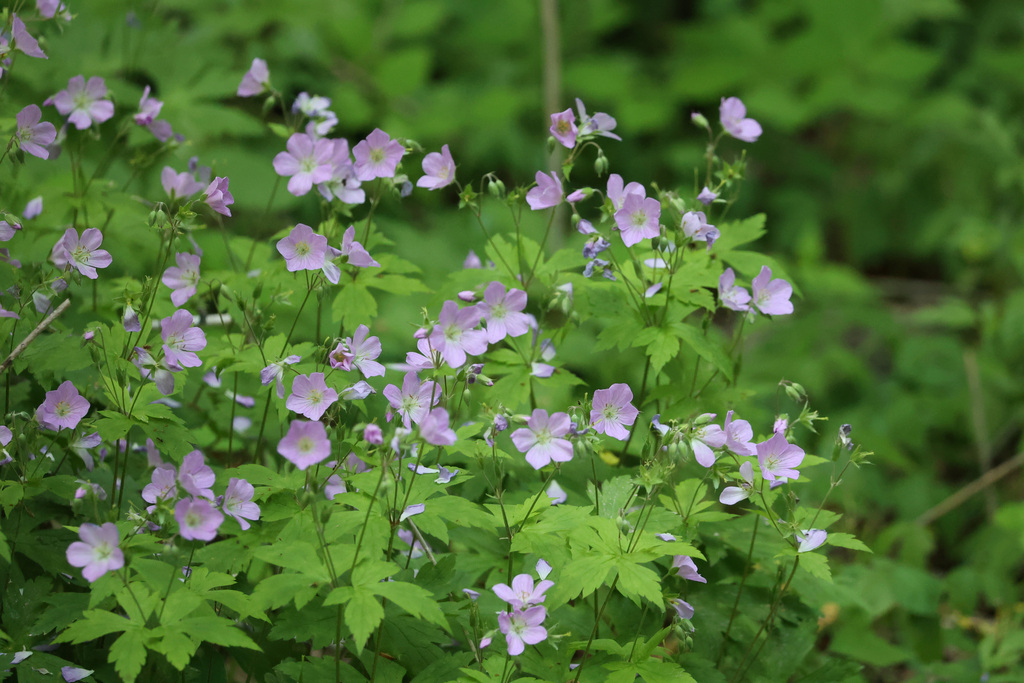
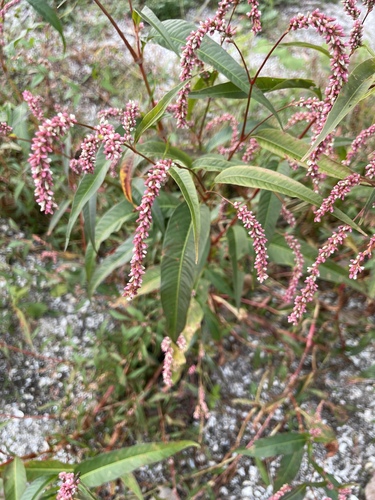
Wildlife
Animals whose habitat model includes this habitat in Arkansas. Shared habitat, not food.
Most characteristic birds of this habitat 101
Ranked by how much of their habitat model this habitat is.
- White-breasted NuthatchSitta carolinensis
- Least FlycatcherEmpidonax minimus
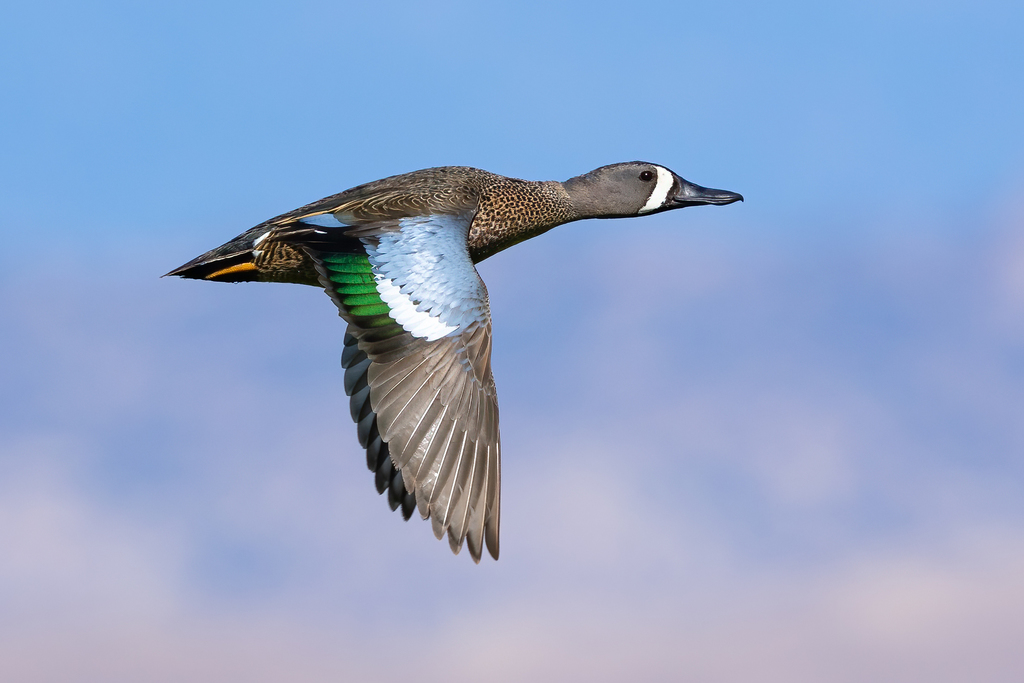
- Blue-winged TealAnas discors
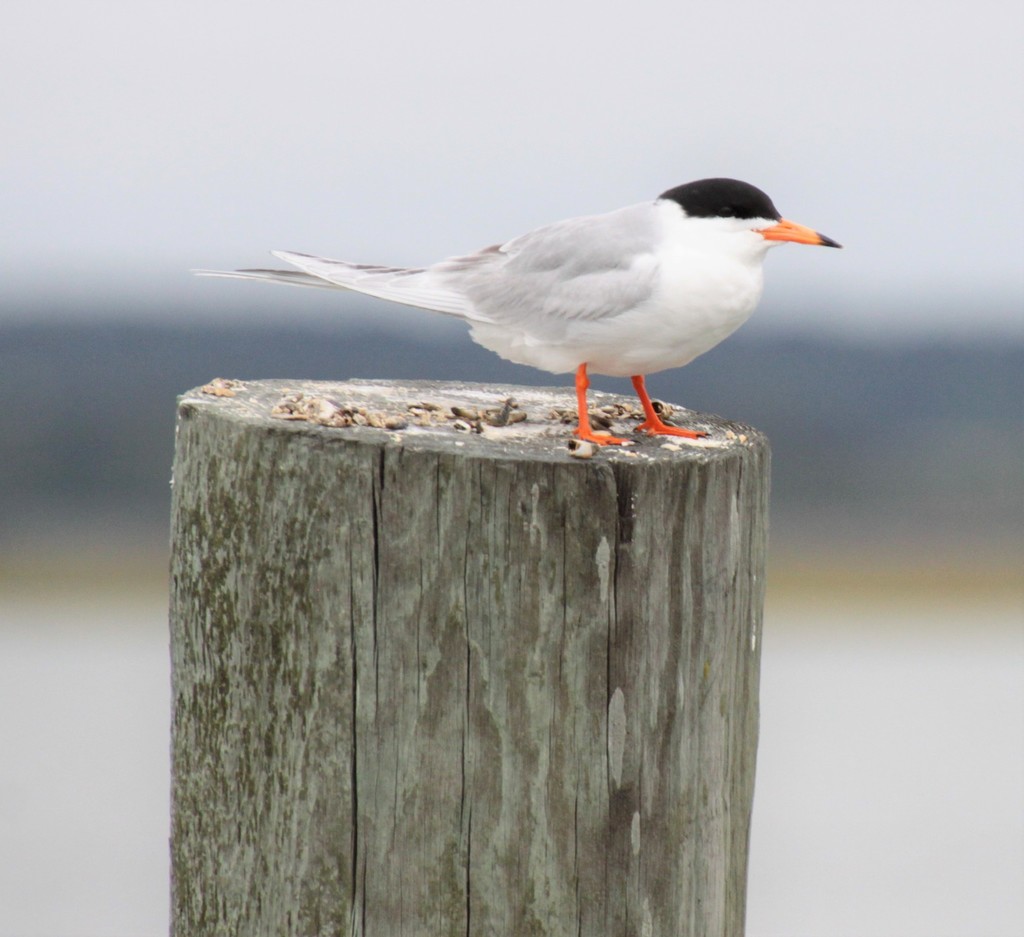
- Forster's TernSterna forsteri
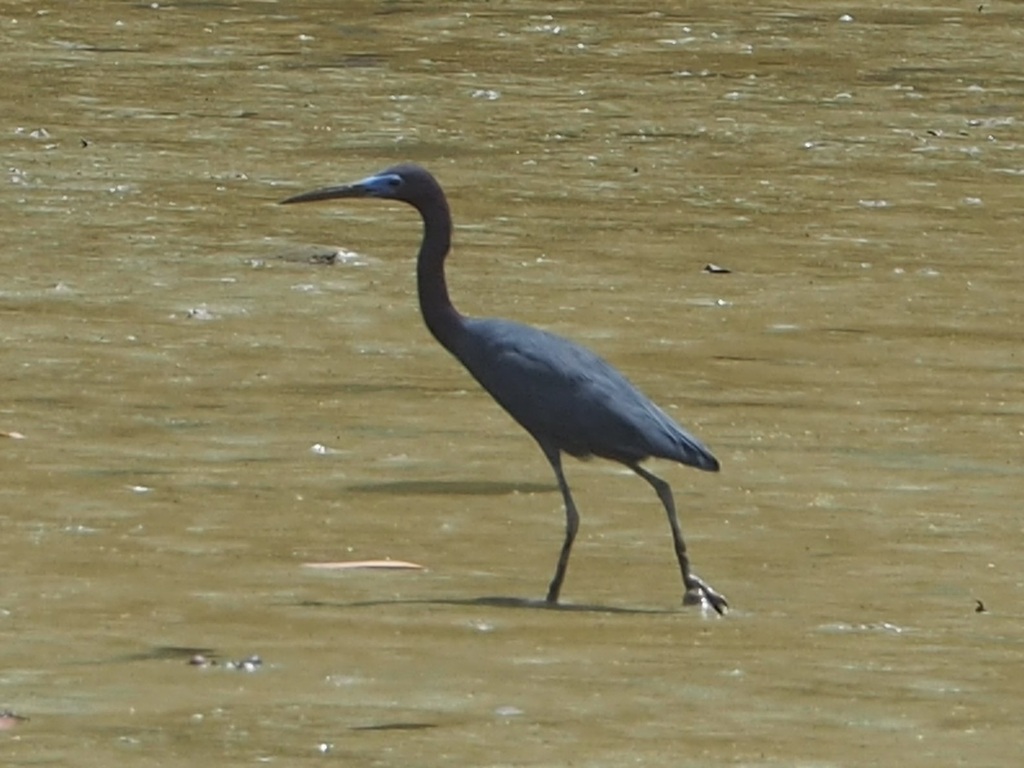
- Little Blue HeronEgretta caerulea


Widespread birds also seen here (60)
Found in many habitats here, so not listed above.
- American Goldfinch
- American Kestrel
- American Robin
- Bald Eagle
- Baltimore Oriole
- Belted Kingfisher
- Black-crowned Night-heron
- Blue Grosbeak
- Blue Jay
- Blue-gray Gnatcatcher
- Brown Creeper
- Brown Thrasher
- Cedar Waxwing
- Chimney Swift
- Chipping Sparrow
- Cliff Swallow
- Common Nighthawk
- Common Yellowthroat
- Cooper's Hawk
- Double-crested Cormorant
- Downy Woodpecker
- Eastern Bluebird
- Eastern Kingbird
- Eastern Screech-owl
- Eurasian Collared-dove
- European Starling
- Golden-crowned Kinglet
- Great Horned Owl
- Hairy Woodpecker
- Harris's Sparrow
- Hooded Merganser
- Indigo Bunting
- Mourning Dove
- Northern Cardinal
- Northern Flicker
- Northern Mockingbird
- Orange-crowned Warbler
- Orchard Oriole
- Osprey
- Pileated Woodpecker
- Pine Siskin
- Purple Finch
- Red-bellied Woodpecker
- Red-headed Woodpecker
- Red-tailed Hawk
- Red-winged Blackbird
- Ruby-crowned Kinglet
- Ruby-throated Hummingbird
- Sharp-shinned Hawk
- Spotted Sandpiper
- Tufted Titmouse
- Turkey Vulture
- White-crowned Sparrow
- White-throated Sparrow
- Wild Turkey
- Wood Thrush
- Yellow-bellied Sapsucker
- Yellow-billed Cuckoo
- Yellow-breasted Chat
- Yellow-rumped Warbler
Sources
- Schafale, Guide to the Natural Communities of North Carolina, Fourth Approximation (NC Natural Heritage Program, 2012) habitat description
- Weakley, Flora of the Southeastern United States (2025), Carolinas & Georgia edition, habitat text phone app
- NC Parks species accounts
- USDA Forest Service Fire Effects Information System (reviewed notes)
- USGS Gap Analysis Project habitat models (2001)
- USGS Gap Analysis Project range maps (2001)
- NatureServe Explorer ecological systems (CC BY 4.0)
Habitat classes are filed under these habitat types by reviewed matches; descriptions are short glosses.