

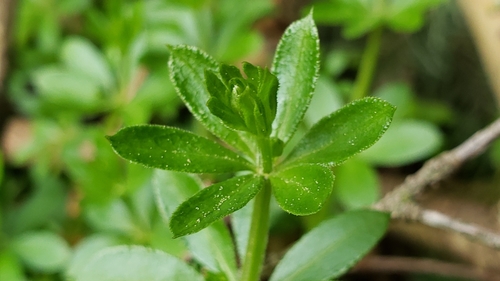
Fragrant Bedstraw
Galium triflorum
In the Carolinas and Georgia, found in moist to dry upland forests, floodplain forests, seepage swamps, old fields, disturbed areas, usually on base-rich soils. Weakley, Flora of the Southeastern United States (2025), Carolinas & Georgia edition What its natural habitat tells you
Native to Arkansas. How scores work Is it native here?
Profile 94%
- Height
- 6 inches–2.5 feet
- Light
- Partial shade, Full shade, Full sun
- Soil moisture
- Dry to wet
At a glance
- Life cycle
- Perennial
- Bloom
- May to September
Not yet recorded · Spread · Leaves
Recorded in 28 Arkansas counties.
Natural habitats
Places it grows wild. Not a planting requirement. Each habitat page lists the plants and wildlife also found there.
Forests and open woodlands on dry ridges and slopes, often oak or pine.
Floodplain and bottomland forests
Forests on low ground beside rivers and streams that flood from time to time.
Places where groundwater keeps the soil or rock wet, such as seepage slopes and spring runs.
Forested wetlands with standing water much of the year, such as cypress and gum swamps.
Roadsides, fields and disturbed ground
Ground opened by people: roadsides, old fields, pastures, fencerows and lots.
Also found with this plant
Wildlife whose habitat models include habitats this plant grows in, in Arkansas. Shared habitat, not food. 88 animals.
- Acadian FlycatcherEmpidonax virescens
- Alder FlycatcherEmpidonax alnorum
- American Black DuckAnas rubripes
- American GoldfinchCarduelis tristis
- American RedstartSetophaga ruticilla
- American RobinTurdus migratorius
- Bald EagleHaliaeetus leucocephalus
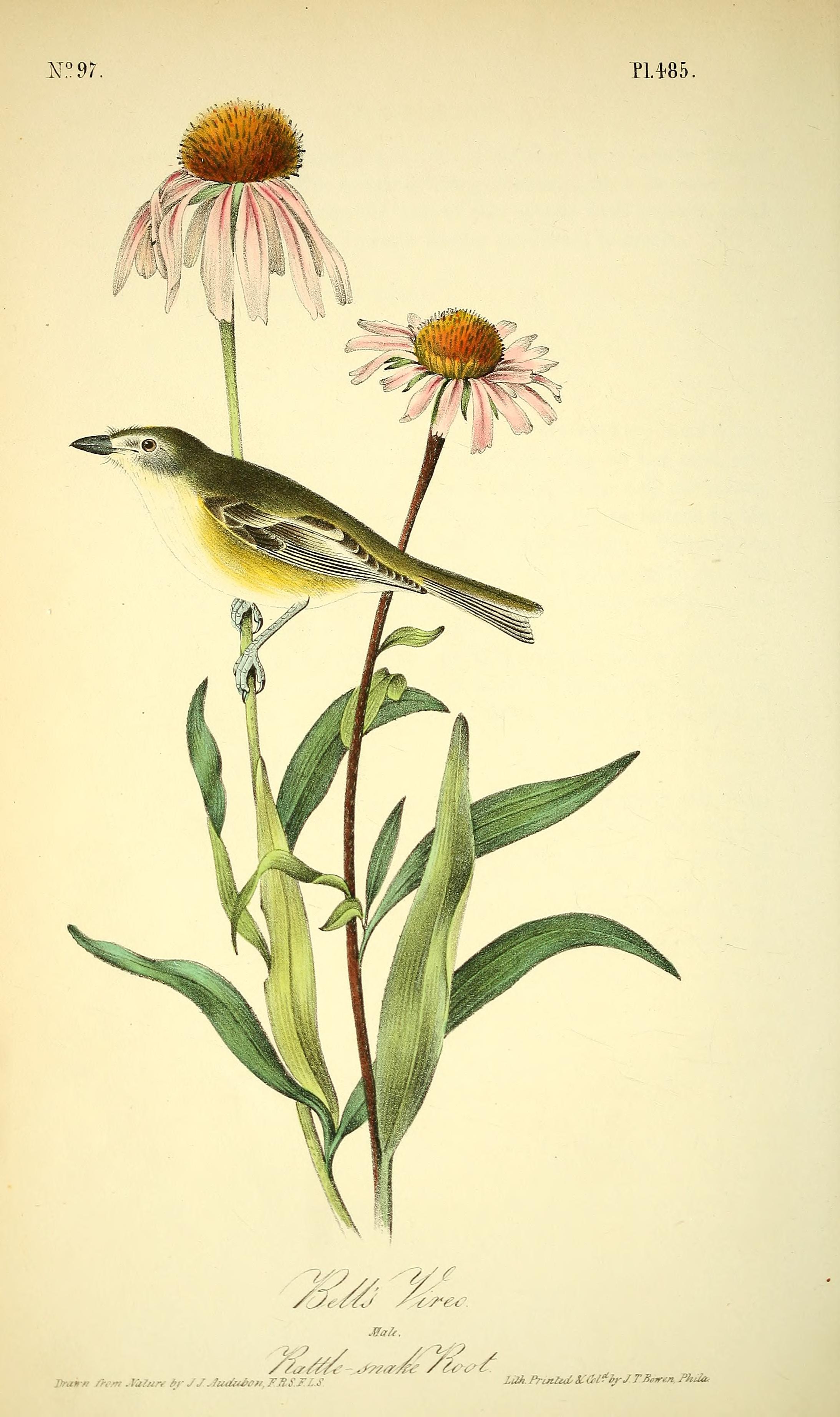
- Bell's VireoVireo bellii
- Belted KingfisherMegaceryle alcyon
- Black-and-White WarblerMniotilta varia
- Black-crowned Night-heronNycticorax nycticorax
- Blue GrosbeakPasserina caerulea
- Blue JayCyanocitta cristata
- Blue-gray GnatcatcherPolioptila caerulea
- Brown CreeperCerthia americana
- Brown-headed CowbirdMolothrus ater
- Canada GooseBranta canadensis
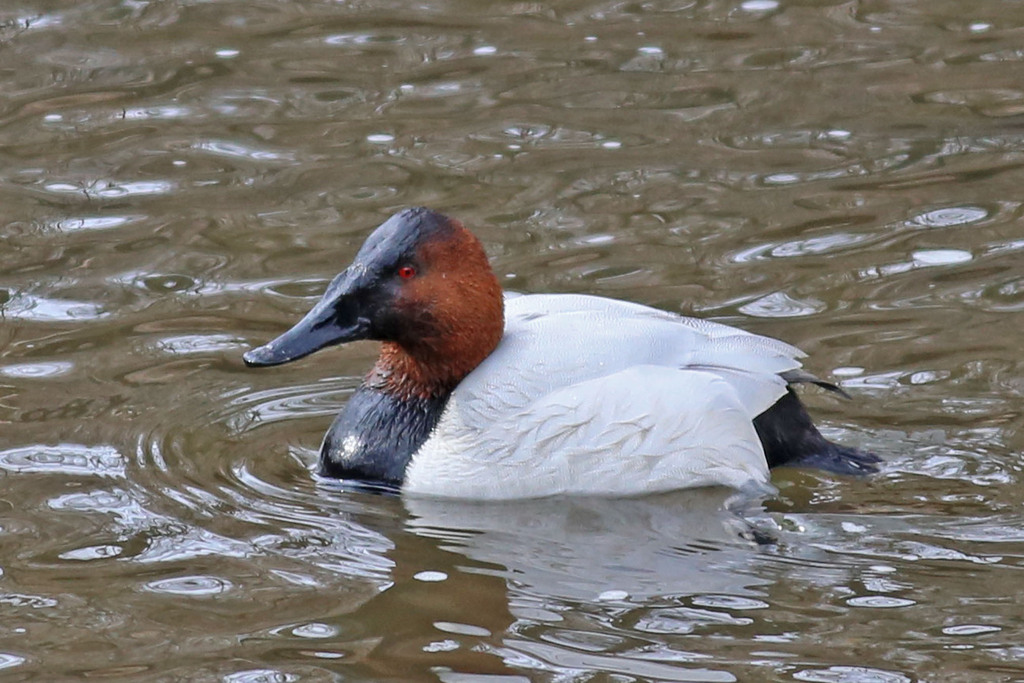
- CanvasbackAythya valisineria
- Carolina WrenThryothorus ludovicianus
- Cedar WaxwingBombycilla cedrorum
- Chimney SwiftChaetura pelagica
- Cliff SwallowPetrochelidon pyrrhonota
- Common NighthawkChordeiles minor
- Common YellowthroatGeothlypis trichas






















Who uses this plant?
 10CaterpillarsGenus host records with ranges including AR
Genus host records with ranges including AR · Galium
- Apantesis phylliraPhyllira Tiger Moth
- Costaconvexa centrostrigariaBent-Lined Carpet
- Hyles lineataWhite-Lined Sphinx
- Lobocleta ossulariaDrab Brown Wave
- Nathalis ioleDainty Sulphur, Dwarf Yellow
- Orthonama obstipataThe Gem
- Pleuroprucha insulsariaCommon Tan Wave
- Scopula limboundataLarge Lace-Border
- Stenoporpia polygrammariaFaded Grey
- Xylophanes tersaTersa Sphinx
 3BeesSoutheastern regional records
Southeastern regional records · Galium
Individual names are not available yet.
Noori, Seltmann & Orr 2026, A curated and integrated dataset for exploring global bee-plant interactions (GloBI), Zenodo, CC BY 4.0 0Specialist beesPollen specialists
 8BirdsRecorded genus food-resource interactions; not a state feeding claim
Recorded genus food-resource interactions; not a state feeding claim · Galium
- Catharus guttatusHermit Thrush
- Columbina passerinaCommon Ground Dove
- Coturnicops noveboracensisYellow Rail
- Dendragapus obscurusDusky Grouse
- Falcipennis canadensisSpruce Grouse
- Fulica americanaAmerican Coot
- Meleagris gallopavoWild Turkey
- Zenaida macrouraMourning Dove
Direct food only: birds recorded eating this genus across North America. Caterpillars on host plants also feed nesting birds. NC Native Plant Society: butterfly gardening
No records yet · Ants · Beetles · Flies · Adult butterflies / moths · Other wasps · Other insects
Plant details
- Family
- Rubiaceae
- Flower color
- White, green or brown
Safety has not been reviewed for this plant; check toxicity and thorns before planting.
Growing sources and scope
- Bloom · “May to September” · Weakley, Flora of the Southeastern United States (2025), Carolinas & Georgia edition · Carolinas and Georgia
- Flower color · “White, green or brown” · Lady Bird Johnson Wildflower Center
- Height · “6 inches–2.5 feet” · Minnesota Wildflowers
- Life cycle · “Perennial” · Minnesota Wildflowers
- Light · “Partial shade; Full shade; Full sun (documented habitat)” · Weakley, Flora of the Southeastern United States (2025), Carolinas & Georgia edition · Carolinas and Georgia
- Soil · “Dry; Moist; Wet (documented habitat)” · Weakley, Flora of the Southeastern United States (2025), Carolinas & Georgia edition · Carolinas and Georgia
Conservation status
| Arkansas rank | SNR |
|---|---|
| Global rank | G5 |
| AR status | Not verified |
| Federal status | Not verified |
Will it fit your yard?
Check this plant against your county, sun and soil moisture. Conditions are checked in your browser.
Sources
- Atlas of the Vascular Plants of Arkansas (2013)
- USDA PLANTS
- Vascular Plants of North Carolina (NC Natural Heritage Program)
- Weakley, Flora of the Southeastern United States (2025)
- Arkansas occurrence source
- Shropshire & Tallamy 2025, Lepidoptera of North America north of Mexico, ZooKeys 1261 (ODbL)
- Noori, Seltmann & Orr 2026, A curated and integrated dataset for exploring global bee-plant interactions (GloBI), Zenodo, CC BY 4.0
- Smith, Bachelder, Russell, Morales, Mosher & Seltmann 2024, Bee-Specialization-Modeling v0.6.1 (specialist host table compiled from J. Fowler's pollen specialist bee lists), Zenodo, CC BY 4.0
- Hurlbert, Olsen, Sawyer & Winner 2021, Avian Diet Database, Scientific Data 8: 260 (CC0)
- Narango, Tallamy & Shropshire 2020, Few keystone plant genera support the majority of Lepidoptera species, Nature Communications