

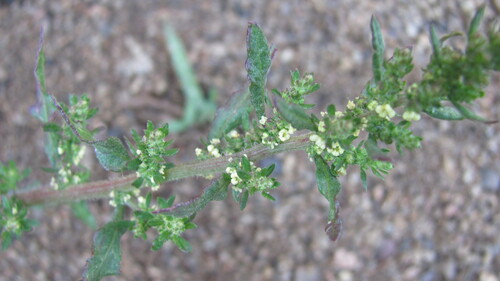
Mexican-tea
Chenopodium ambrosioides
In the Carolinas and Georgia, found in disturbed habitats; common, probably native southward. Weakley, Flora of the Southeastern United States (2025), Carolinas & Georgia edition What its natural habitat tells you
Not native to Arkansas. How scores work Is it native here?
Profile 65%
- Height
- Up to about 5 feet
- Light
- Full sun
- Soil moisture
- Somewhat dry to moist
Do not plant. Listed invasive in Arkansas.
At a glance
- Life cycle
- Annual or perennial
Not yet recorded · Spread · Leaves · Bloom
This plant is missing most of its facts, so Quercus is looking them up in old botany books.
Recorded in 46 Arkansas counties.
Also found with this plant
Wildlife whose habitat models include habitats this plant grows in, in Arkansas. Shared habitat, not food. 62 animals.
Widespread birds also seen here (57)
Found in many habitats here, so not listed above.
- American Goldfinch
- American Kestrel
- American Robin
- Baltimore Oriole
- Belted Kingfisher
- Black-crowned Night-heron
- Blue Grosbeak
- Blue Jay
- Blue-gray Gnatcatcher
- Brown Creeper
- Brown Thrasher
- Cedar Waxwing
- Chimney Swift
- Chipping Sparrow
- Cliff Swallow
- Common Nighthawk
- Common Yellowthroat
- Cooper's Hawk
- Double-crested Cormorant
- Downy Woodpecker
- Eastern Kingbird
- Eastern Screech-owl
- Eurasian Collared-dove
- European Starling
- Golden-crowned Kinglet
- Great Horned Owl
- Hairy Woodpecker
- Harris's Sparrow
- Hooded Merganser
- Indigo Bunting
- Mourning Dove
- Northern Cardinal
- Northern Flicker
- Northern Mockingbird
- Orange-crowned Warbler
- Orchard Oriole
- Osprey
- Pileated Woodpecker
- Pine Siskin
- Purple Finch
- Red-bellied Woodpecker
- Red-headed Woodpecker
- Red-tailed Hawk
- Red-winged Blackbird
- Ruby-crowned Kinglet
- Ruby-throated Hummingbird
- Sharp-shinned Hawk
- Spotted Sandpiper
- Tufted Titmouse
- Turkey Vulture
- White-throated Sparrow
- Wild Turkey
- Wood Thrush
- Yellow-bellied Sapsucker
- Yellow-billed Cuckoo
- Yellow-breasted Chat
- Yellow-rumped Warbler
Who uses this plant?
 33CaterpillarsGenus host records with ranges including AR
Genus host records with ranges including AR · Chenopodium
- Achyra rantalisGarden Webworm Moth
- Amyna strictaEight-Spot Moth
- Anarta trifoliiThe Nutmeg, Clover Cutworm
- Apantesis argeArge Tiger Moth
- Apantesis naisNais Tiger Moth
- Apantesis partheniceParthenice Tiger Moth
- Blepharomastix ranalisHollow-Spotted Blepharomastix Moth
- Burnsius communisCommon Checkered-Skipper
- Cenopis reticulatanaReticulated Fruitworm Moth
- Chrysodeixis includensSoybean Looper Moth
Show all 33
- Emmelina monodactylaMorning-Glory Plume Moth
- Epiblema otiosanaBidens Borer Moth
- Epiblema strenuanaRagweed Borer
- Helicoverpa zeaCorn Earworm Moth
- Herpetogramma bipunctalisSouthern Beet Webworm, Two-Spotted Herpetogramma
- Hyles lineataWhite-Lined Sphinx
- Hyphantria cuneaFall Webworm
- Melanchra pictaPainted Arches, Zebra Caterpillar Moth
- Orgyia leucostigmaWhite-Marked Tussock Moth
- Papaipema nebrisStalk Borer
- Pholisora catullusCommon Sootywing
- Platynota stultanaOmnivorous Leafroller
- Rachiplusia ouGray Looper
- Spilosoma congruaAgreeable Tiger Moth
- Spilosoma virginicaVirginian Tiger Moth, Yellow Woolybear Moth, Yellow Bear
- Spodoptera eridaniaSouthern Armyworm Moth
- Spodoptera frugiperdaFall Armyworm Moth
- Spodoptera ornithogalliYellow-Striped Armyworm Moth, Cotton Cutworm
- Spoladea recurvalisHawaiian Beet Webworm
- Staphylus hayhurstiiHayhurst's Scallopwing, Scalloped Sooty Wing, Scalloped Sootywing
- Trichoplusia niNi Moth, Cabbage Looper Moth
- Vanessa carduiPainted Lady, Cosmopolite
- Virbia aurantiacaOrange Virbia, Orange Holomelina
 —BeesSoutheastern regional records
 —Specialist beesPollen specialists
 14BirdsRecorded eating Chenopodium in Arkansas
Diet records by plant genus, from studies across North America. Not a record from this state. Birds whose range includes Arkansas, most records first.
- Mourning DoveSeeds. 14 diet records
- Brown-headed Cowbird5 diet records
- Red-winged Blackbird4 diet records
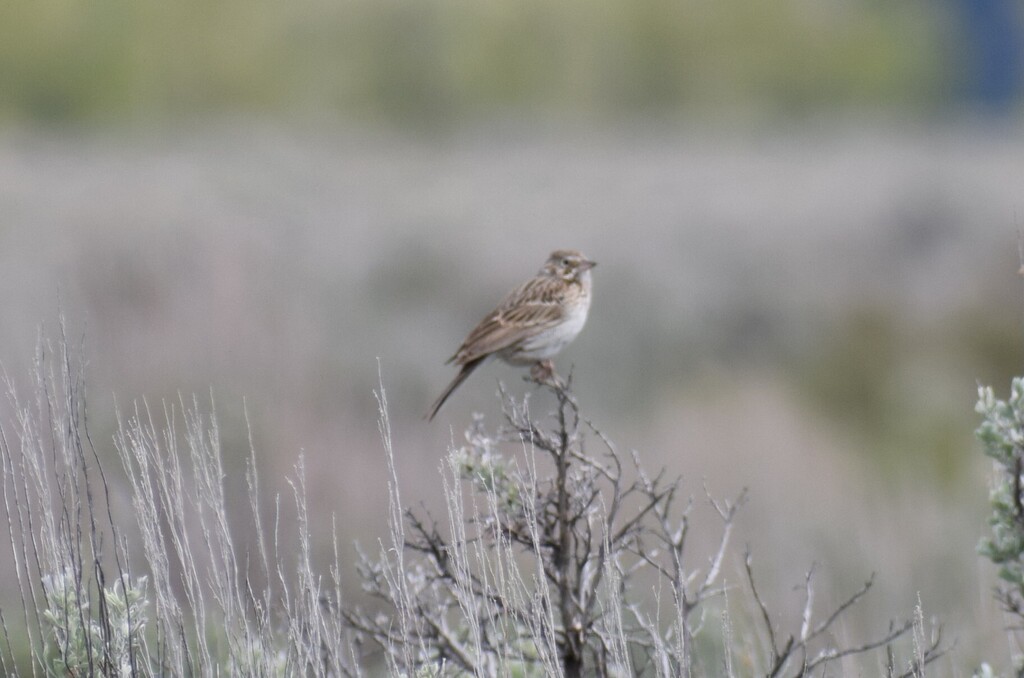
- Vesper Sparrow4 diet records
- Wild Turkey4 diet records
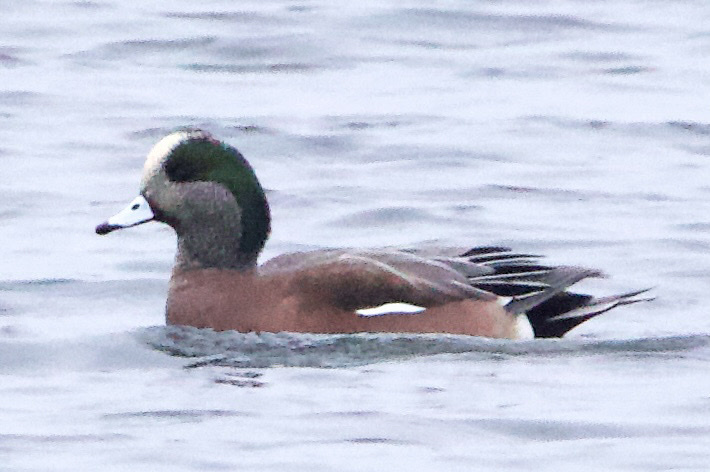
- American WigeonSeeds. 2 diet records
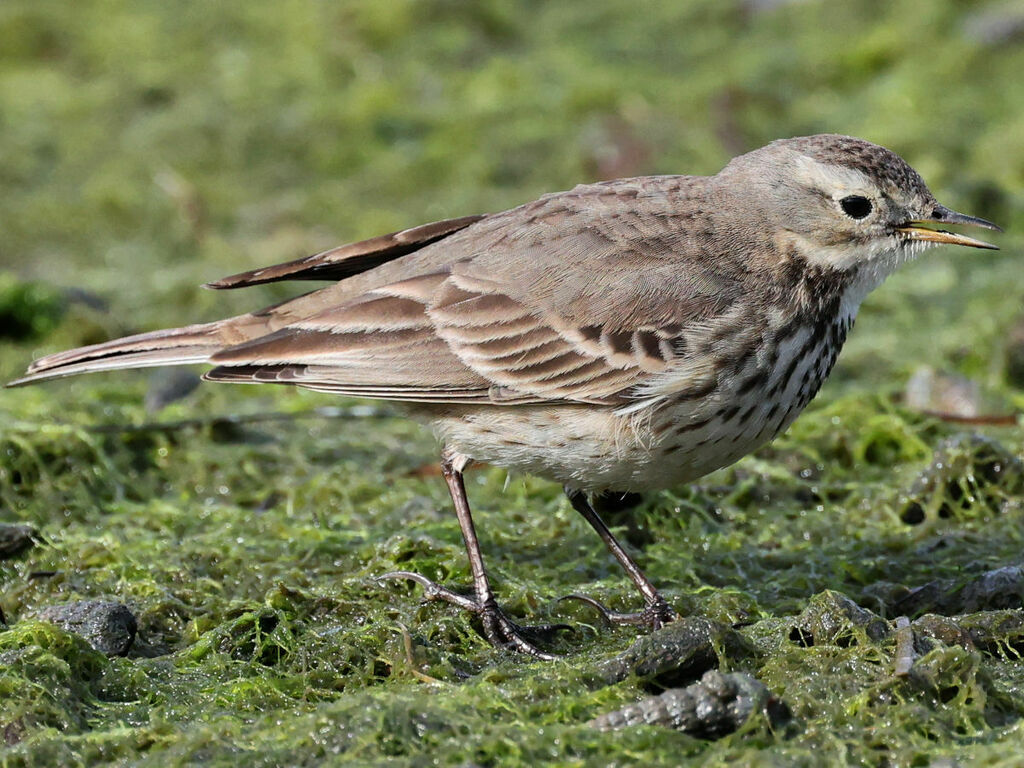
- American Pipit1 diet record
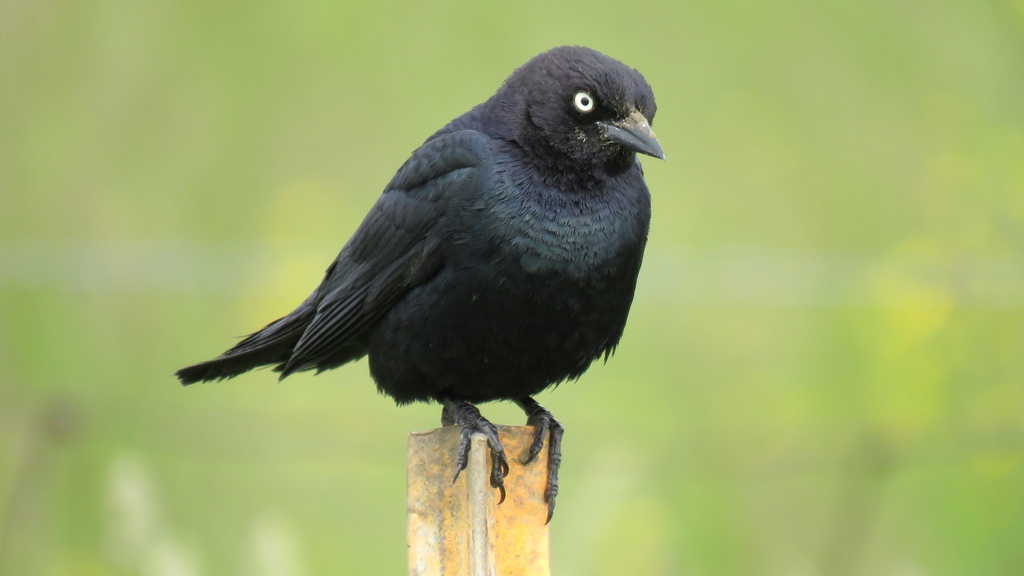
- Brewer's Blackbird1 diet record
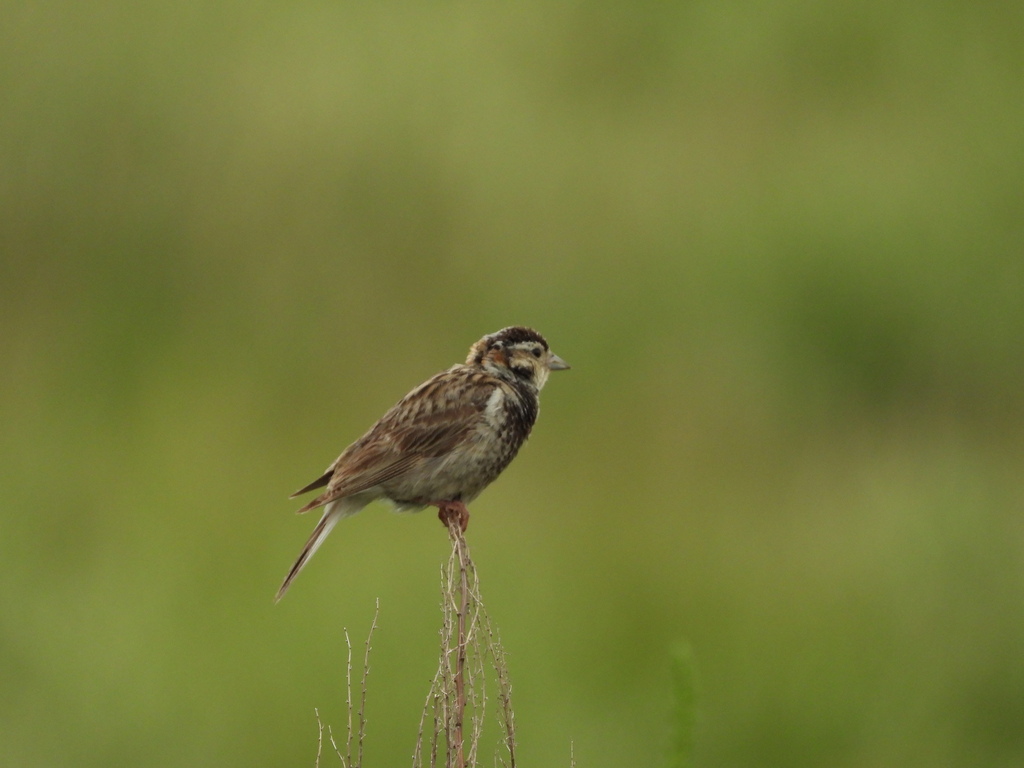
- Chestnut-collared Longspur1 diet record
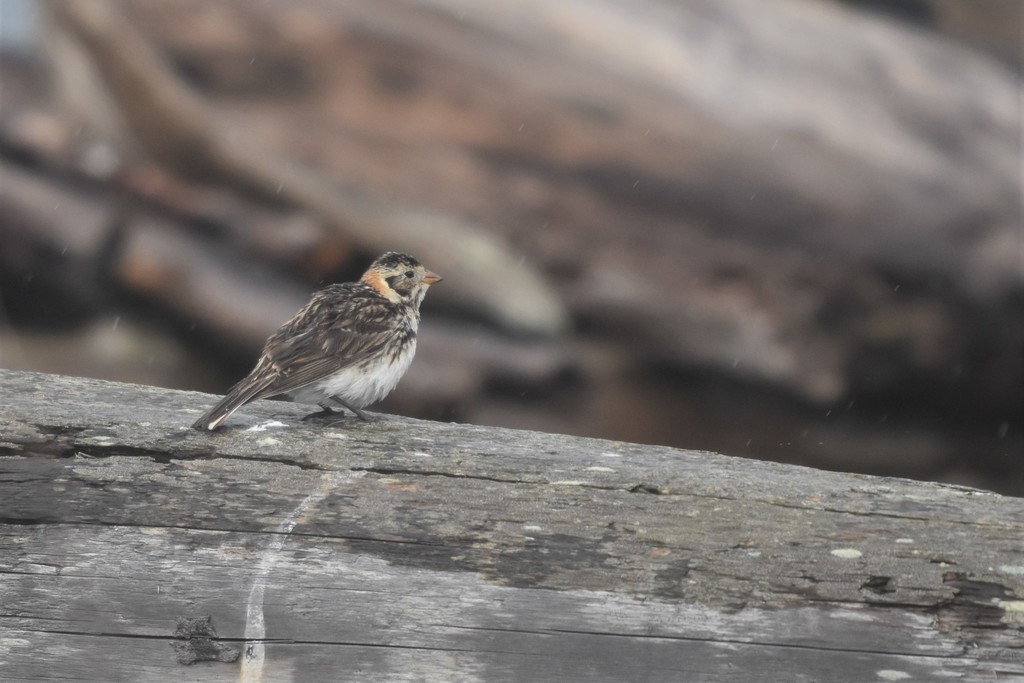
- Lapland Longspur1 diet record
Show all 14
- Ring-necked DuckSeeds. 1 diet record
- Song SparrowSeeds. 1 diet record
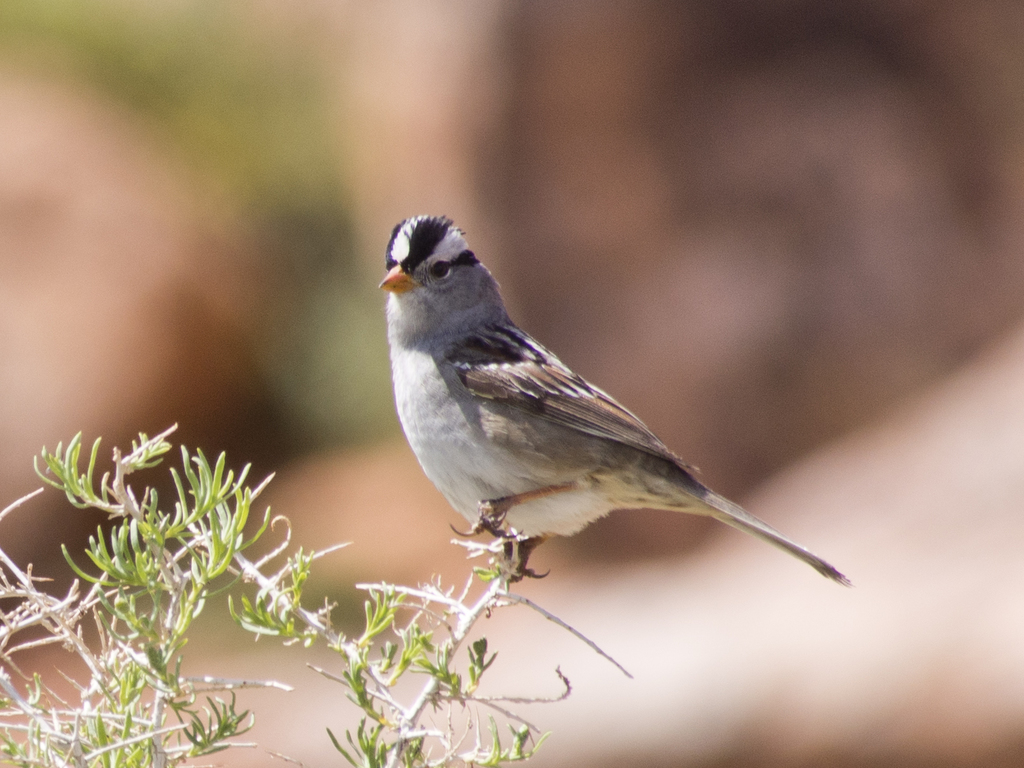
- White-crowned SparrowSeeds. 1 diet record
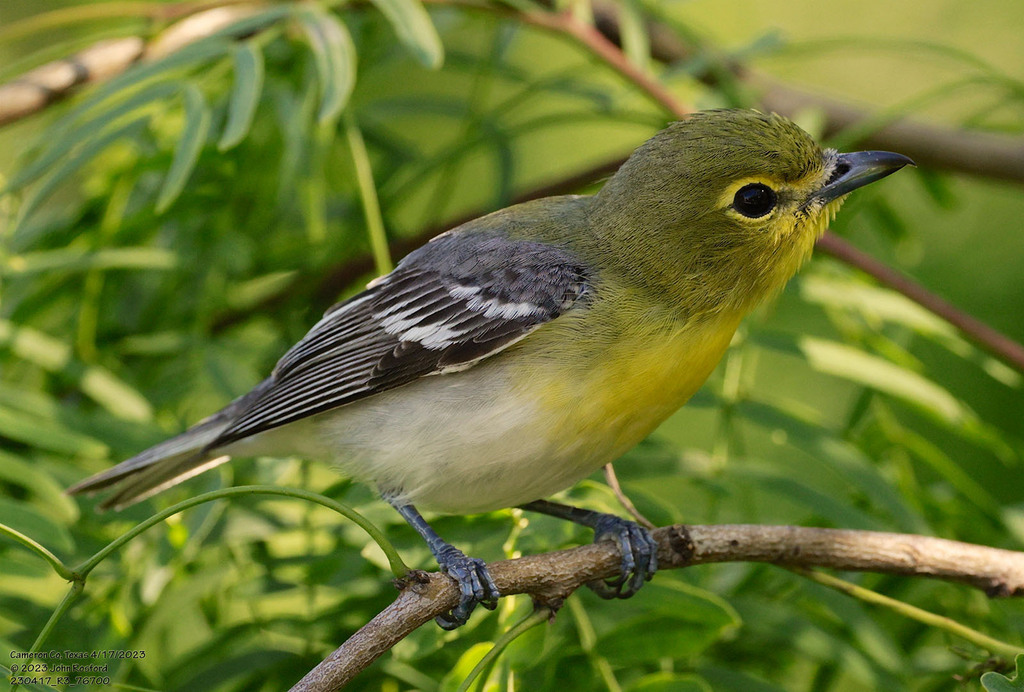
- Yellow-throated Vireo1 diet record
Direct food only. Caterpillars on host plants also feed nesting birds. NC Native Plant Society: butterfly gardening
Birds that eat Chenopodium 14
Diet records by plant genus, from studies across North America. Not a record from this state. Avian Diet Database (Hurlbert Lab), CC0 1.0.
- Mourning DoveZenaida macroura
- Brown-headed CowbirdMolothrus ater
- Red-winged BlackbirdAgelaius phoeniceus
- Vesper SparrowPooecetes gramineus
- Wild TurkeyMeleagris gallopavo
- American WigeonAnas americana
- American PipitAnthus rubescens
- Brewer's BlackbirdEuphagus cyanocephalus
- Chestnut-collared LongspurCalcarius ornatus
- Lapland LongspurCalcarius lapponicus
- Ring-necked DuckAythya collaris
- Song SparrowMelospiza melodia
- White-crowned SparrowZonotrichia leucophrys
- Yellow-throated VireoVireo flavifrons






Plant details
- Family
- Chenopodiaceae
- Flower color
- Green
Safety has not been reviewed for this plant; check toxicity and thorns before planting.
Growing sources and scope
- Flower color · “Green” · NC Extension Plant Toolbox
- Height · “Up to about 5 feet” · Lady Bird Johnson Wildflower Center
- Life cycle · “Annual or perennial” · NC Extension Plant Toolbox (ranked first; Lady Bird Johnson Wildflower Center differs)
- Light · “Full sun (6 or more hours of direct sunlight a day)” · NC Extension Plant Toolbox
- primary_flower_color · “green” · NC Extension Plant Toolbox
- Soil · “Moist; Occasionally dry” · NC Extension Plant Toolbox
Also known as
Chenopodium ambrosioides; Mexican Tea; goosefoot
Conservation status
| Arkansas rank | SNA |
|---|---|
| Global rank | GNR |
| AR status | Not verified |
| Federal status | Not verified |
Native alternatives
Find natives for your gardenSources
- Atlas of the Vascular Plants of Arkansas (2013)
- USDA PLANTS
- Weakley, Flora of the Southeastern United States (2025)
- NatureServe Explorer
- Arkansas occurrence source
- Shropshire & Tallamy 2025, Lepidoptera of North America north of Mexico, ZooKeys 1261 (ODbL)
- Noori, Seltmann & Orr 2026, A curated and integrated dataset for exploring global bee-plant interactions (GloBI), Zenodo, CC BY 4.0
- Smith, Bachelder, Russell, Morales, Mosher & Seltmann 2024, Bee-Specialization-Modeling v0.6.1 (specialist host table compiled from J. Fowler's pollen specialist bee lists), Zenodo, CC BY 4.0
- Hurlbert, Olsen, Sawyer & Winner 2021, Avian Diet Database, Scientific Data 8: 260 (CC0)
- Narango, Tallamy & Shropshire 2020, Few keystone plant genera support the majority of Lepidoptera species, Nature Communications