

Purple Prairie Clover
Dalea purpurea
In the Carolinas and Georgia, found in prairies, glades, and open woodlands. Weakley, Flora of the Southeastern United States (2025), Carolinas & Georgia edition What its natural habitat tells you
Native status unresolved in Arkansas. How scores work Is it native here?
Profile 82%
- Height
- 1–3 feet
- Spread
- 1–1.5 feet
- Light
- Full sun
- Soil moisture
- Somewhat dry to moist
Space about 1 ft apart from its recorded spread, about 100 per 100 sq ft. Enter your bed size for a count
Will it fit your yard?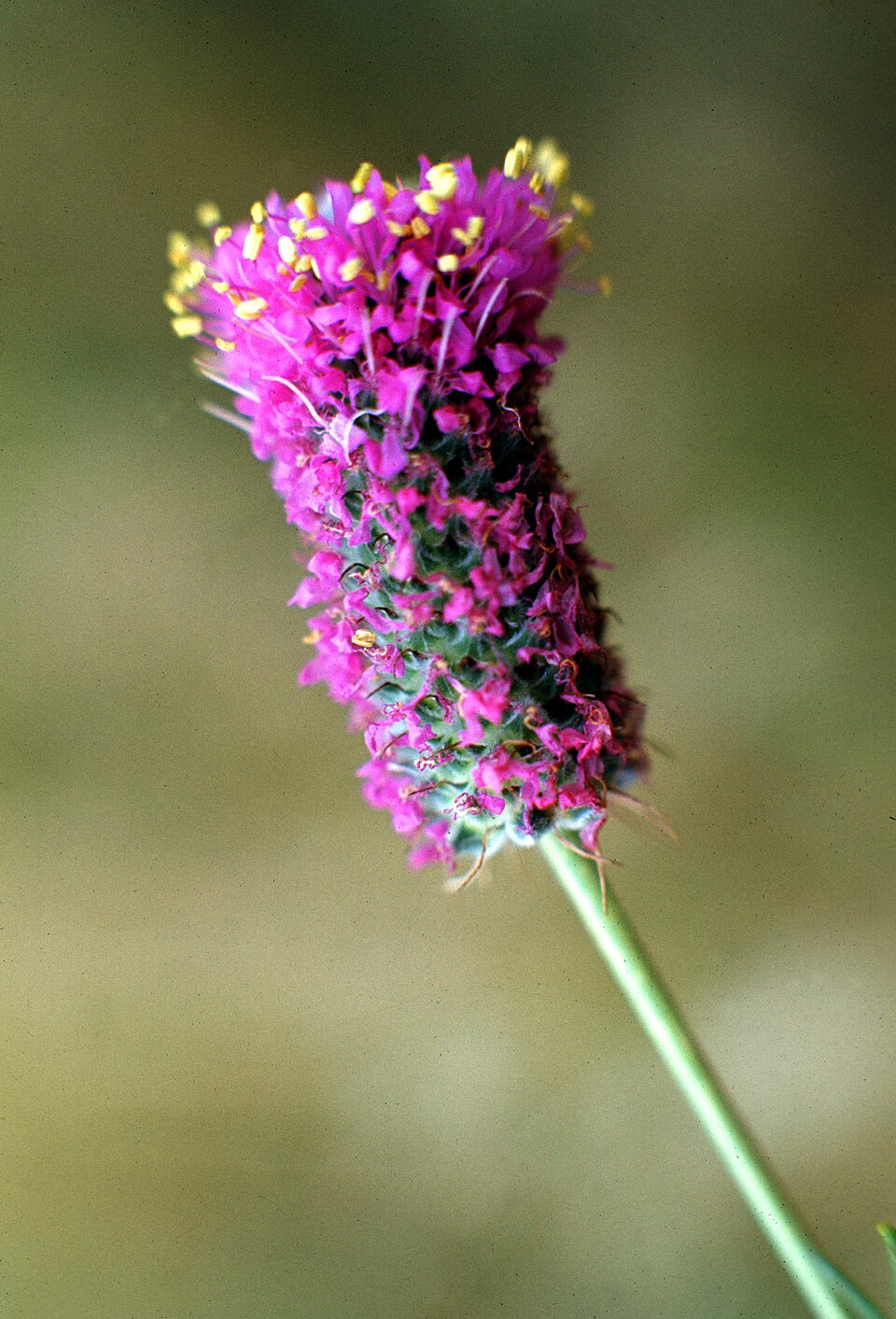
At a glance
- Life cycle
- Perennial
- Bloom
- June to September
Not yet recorded · Leaves
Recorded in 17 Arkansas counties.
Natural habitats
Places it grows wild. Not a planting requirement. Each habitat page lists the plants and wildlife also found there.
Open, grass-dominated places kept open by fire, grazing or thin soil, from tallgrass prairie to Piedmont prairies.
Forest or woodland where the source does not say how moist or dry.
Also found with this plant
Wildlife whose habitat models include habitats this plant grows in, in Arkansas. Shared habitat, not food. 39 animals.
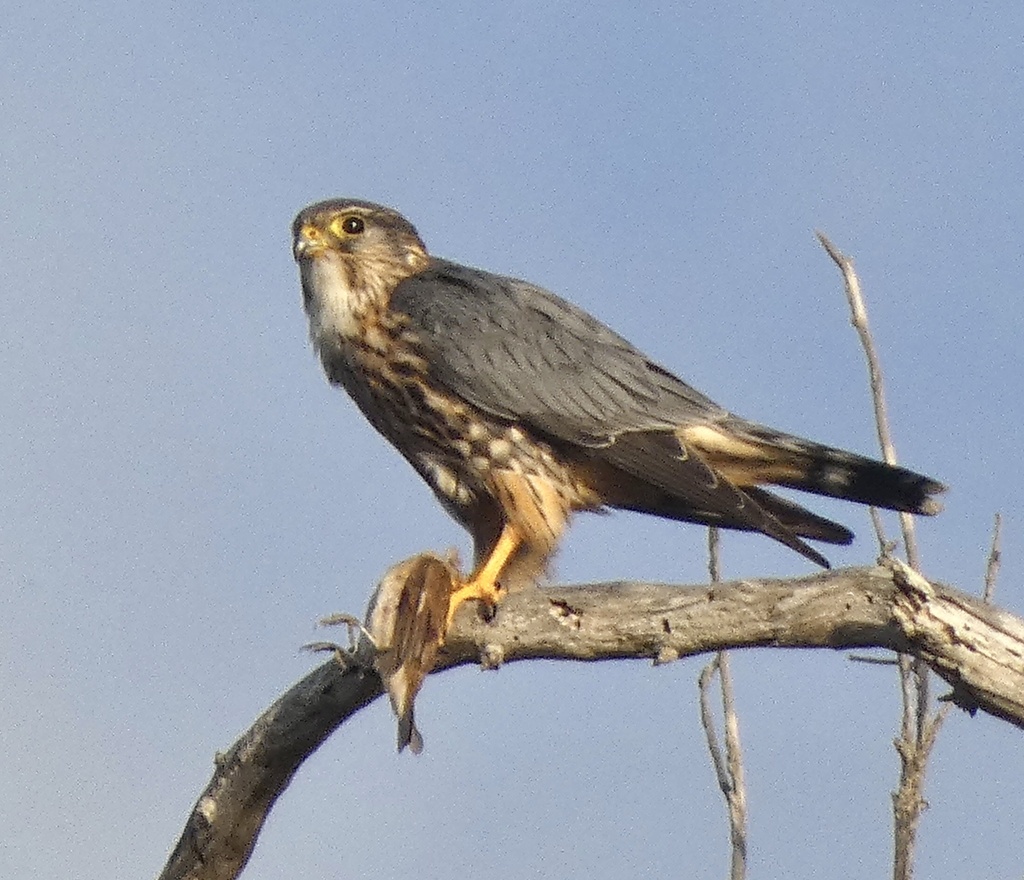
- MerlinFalco columbarius
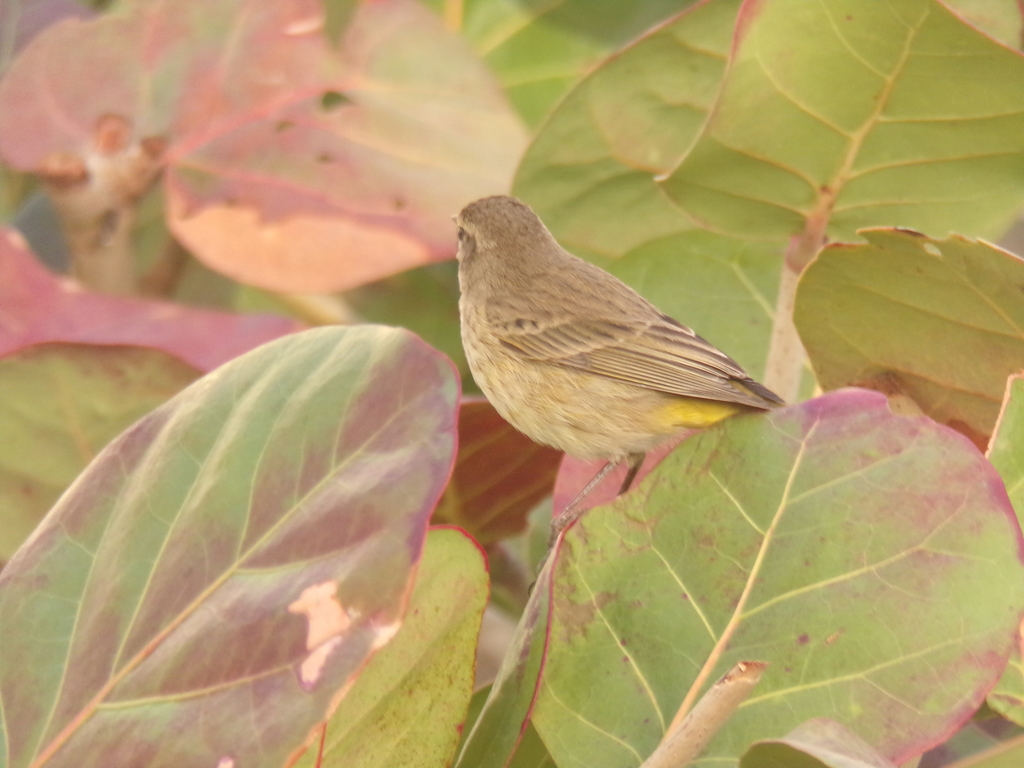
- Palm WarblerDendroica palmarum
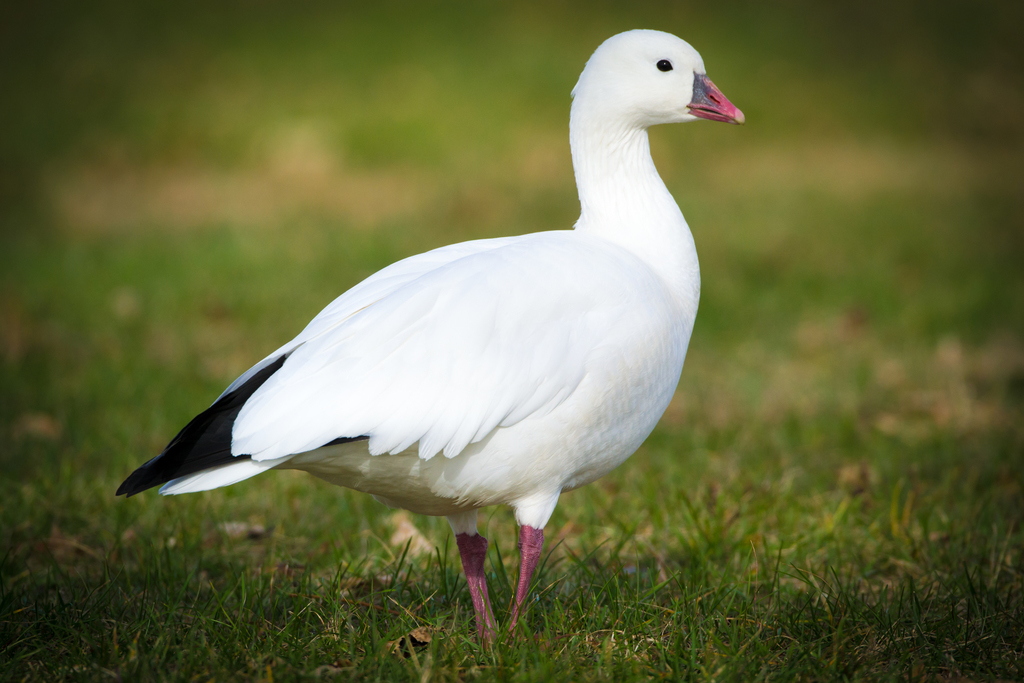
- Ross's GooseChen rossii
- Scissor-tailed FlycatcherTyrannus forficatus
- Smith's LongspurCalcarius pictus
- American CrowCorvus brachyrhynchos
- BobolinkDolichonyx oryzivorus
- Eastern PhoebeSayornis phoebe
- Fish CrowCorvus ossifragus
- Long-eared OwlAsio otus
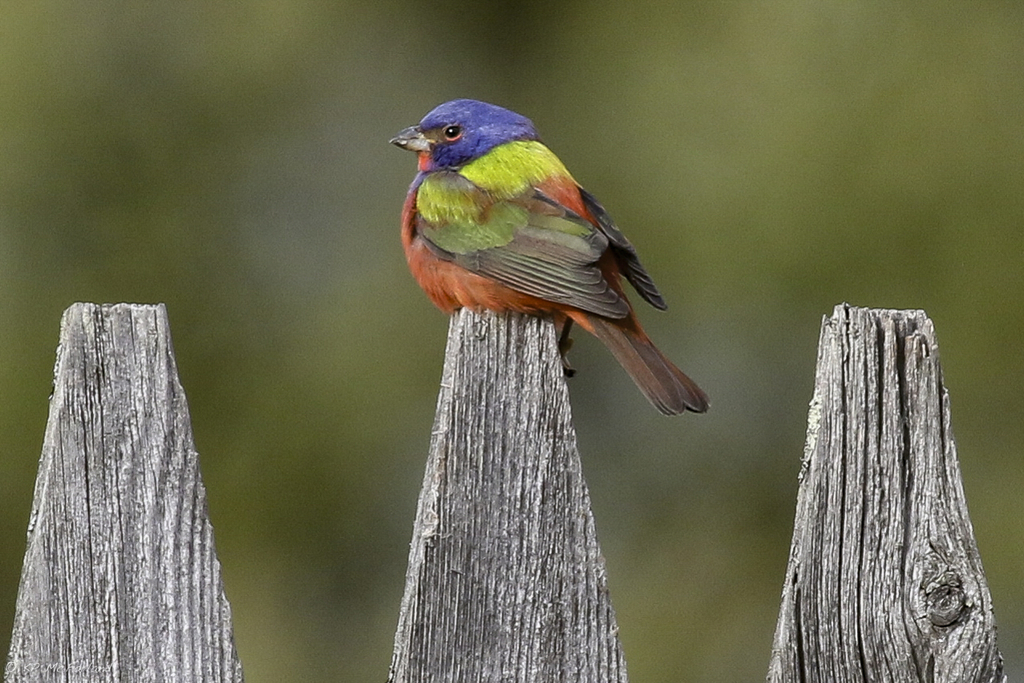
- Painted BuntingPasserina ciris
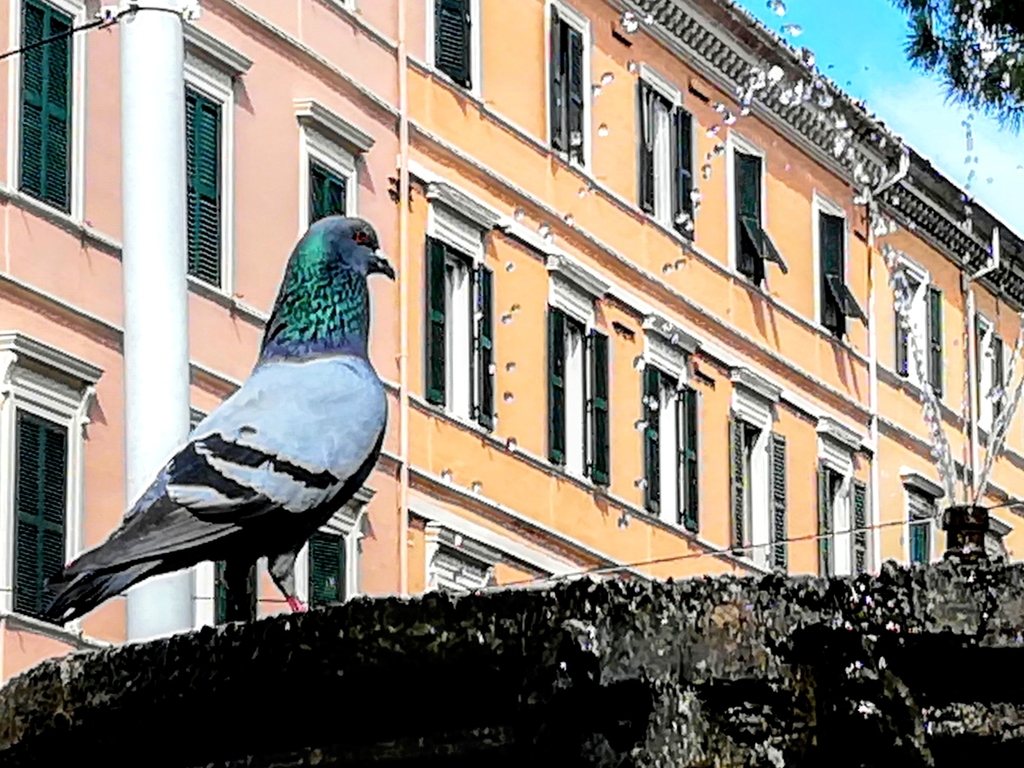
- Rock PigeonColumba livia
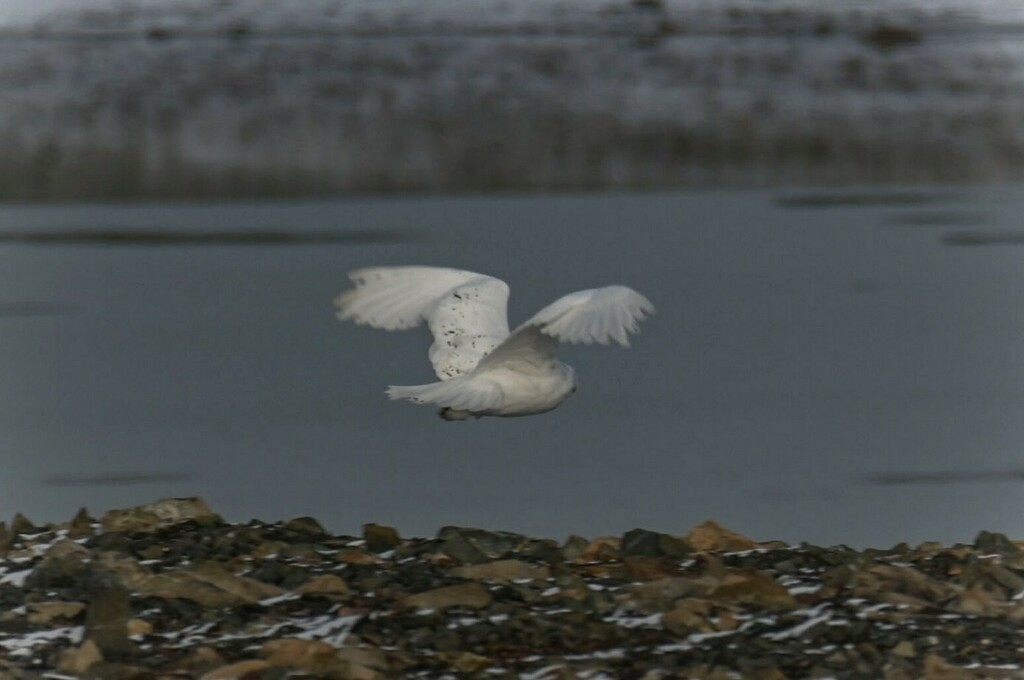
- Snowy OwlBubo scandiacus
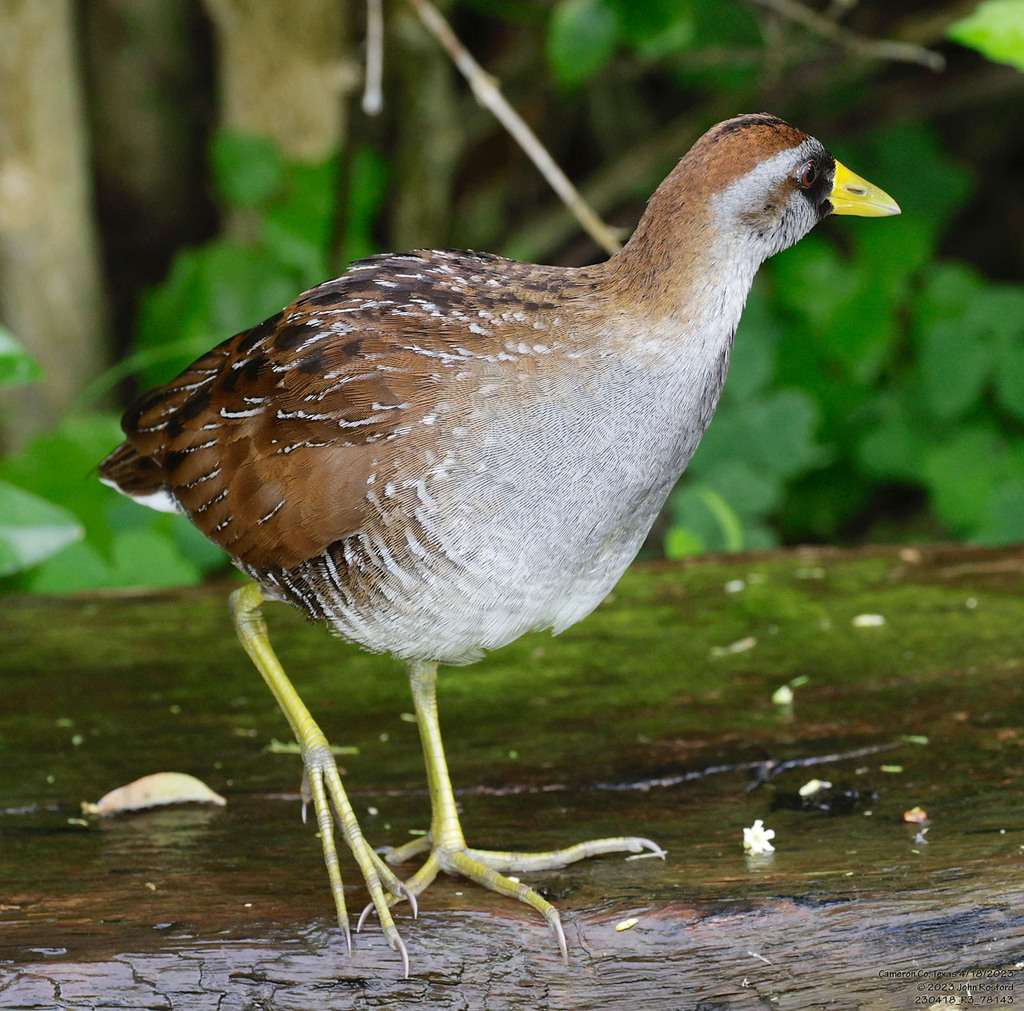
- SoraPorzana carolina
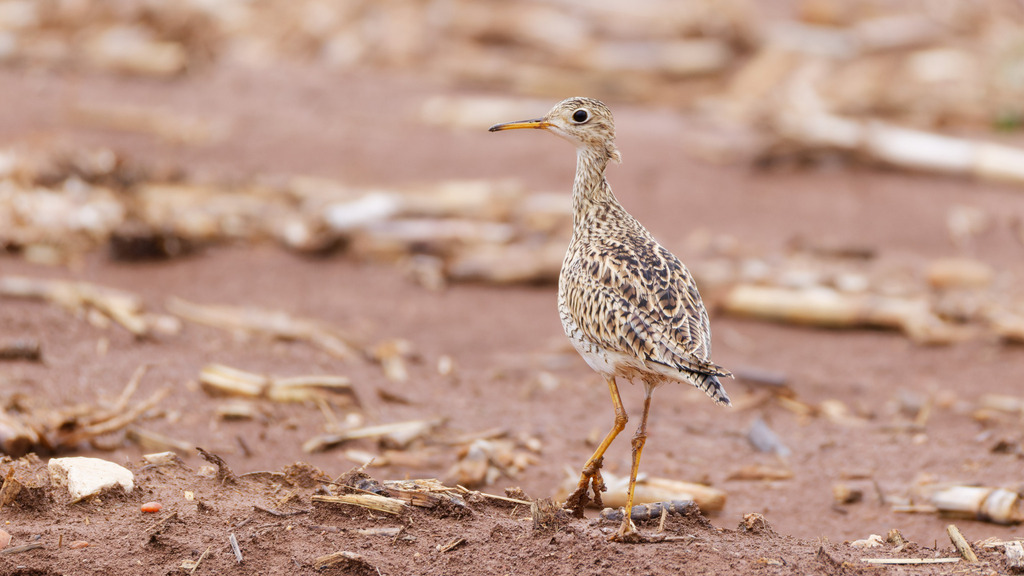
- Upland SandpiperBartramia longicauda
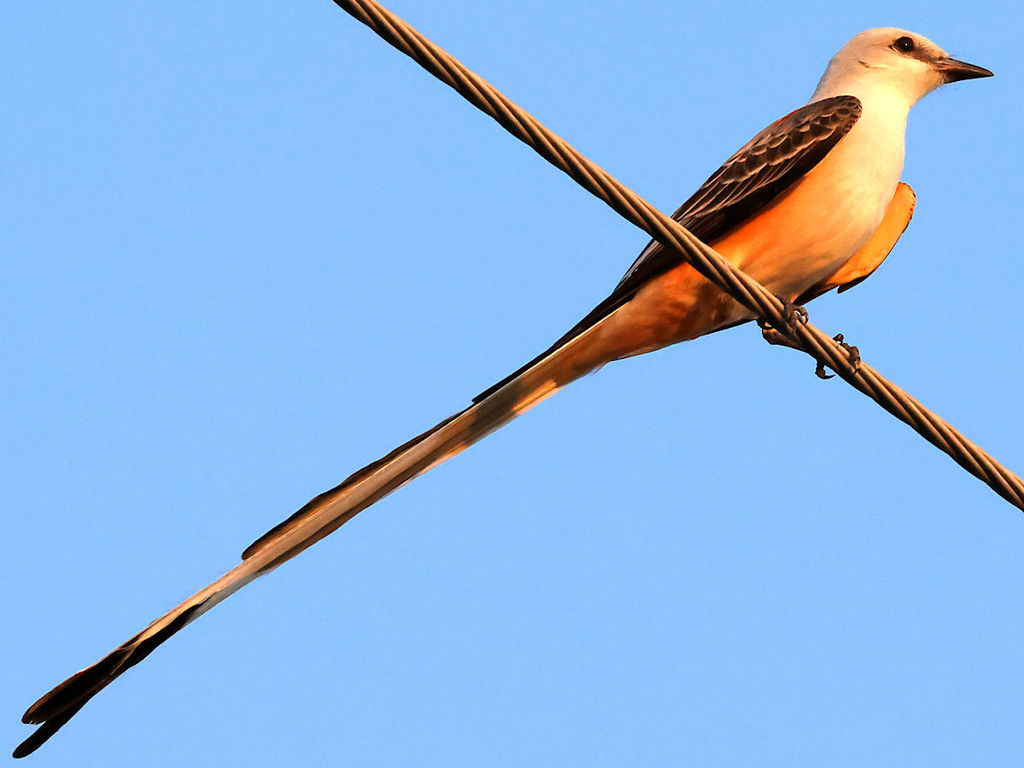
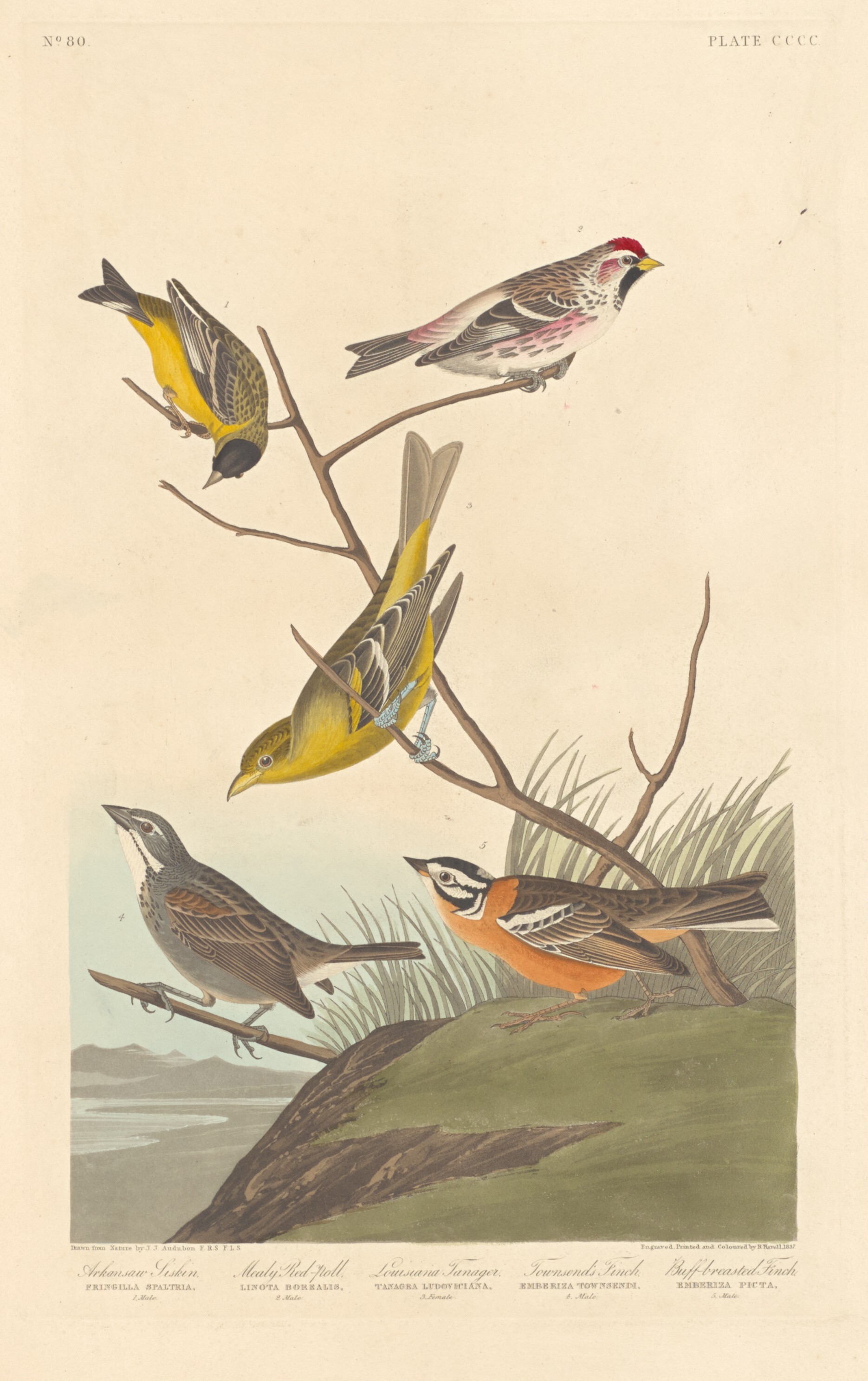

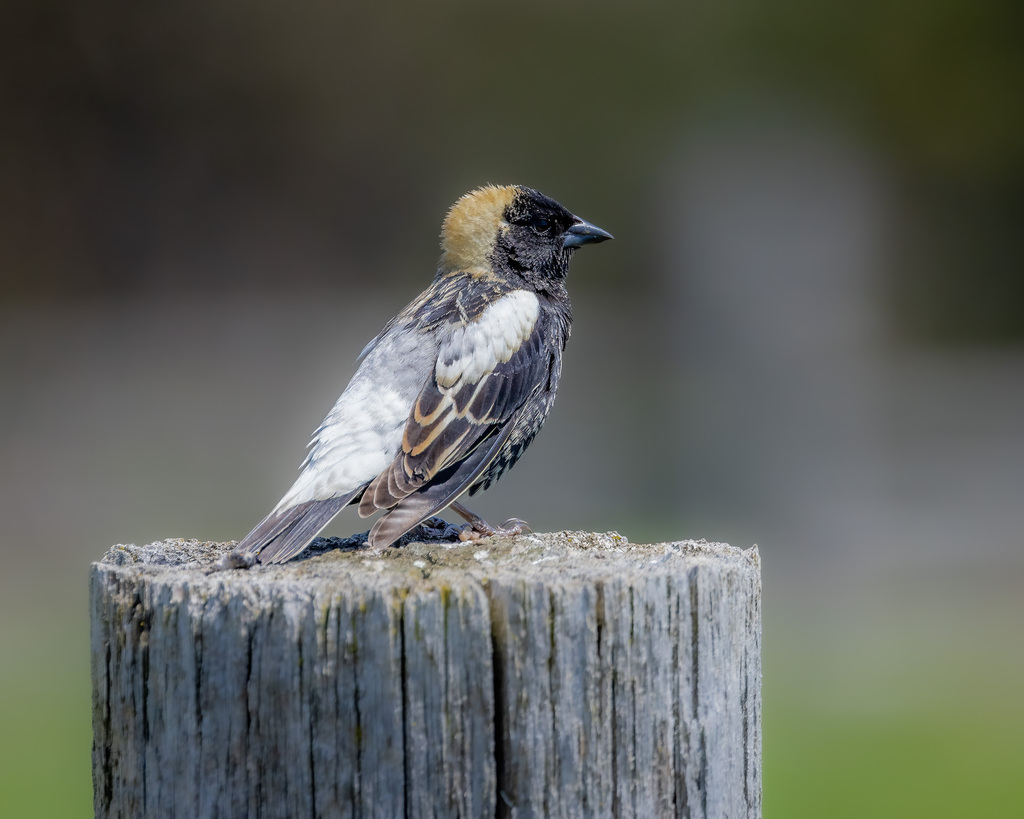


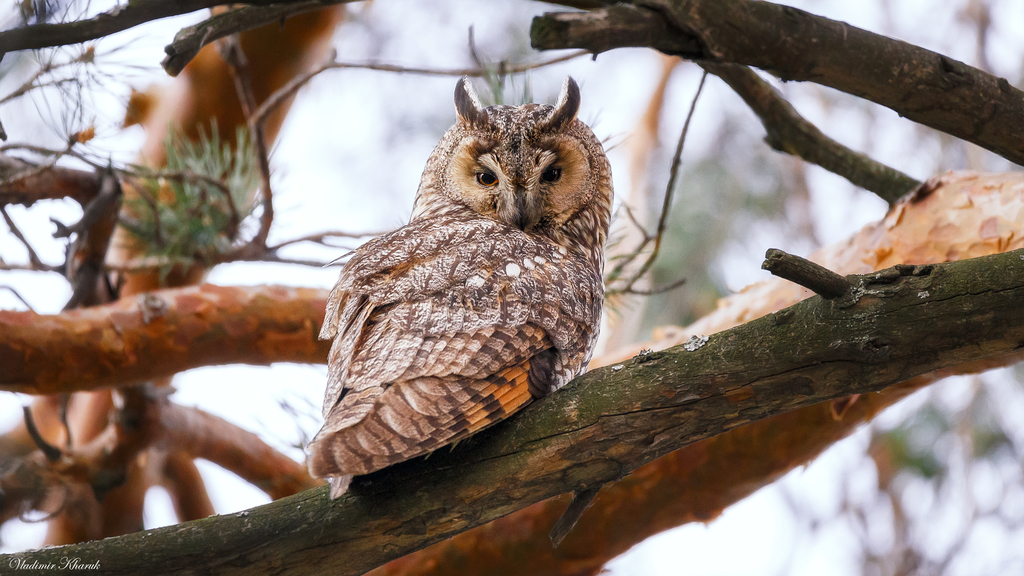

Widespread birds also seen here (46)
Found in many habitats here, so not listed above.
- American Goldfinch
- American Kestrel
- American Robin
- Bald Eagle
- Bank Swallow
- Belted Kingfisher
- Black-crowned Night-heron
- Blue Grosbeak
- Brown Thrasher
- Canada Goose
- Chimney Swift
- Chipping Sparrow
- Cliff Swallow
- Common Nighthawk
- Common Yellowthroat
- Cooper's Hawk
- Dark-eyed Junco
- Eastern Bluebird
- Eastern Kingbird
- Eastern Screech-owl
- Eurasian Collared-dove
- European Starling
- Great Horned Owl
- Harris's Sparrow
- Indigo Bunting
- Mallard
- Mourning Dove
- Northern Flicker
- Northern Mockingbird
- Orchard Oriole
- Osprey
- Pileated Woodpecker
- Pine Siskin
- Prairie Warbler
- Purple Finch
- Red-headed Woodpecker
- Red-tailed Hawk
- Red-winged Blackbird
- Rusty Blackbird
- Sharp-shinned Hawk
- Song Sparrow
- Spotted Sandpiper
- Tree Swallow
- Turkey Vulture
- Wild Turkey
- Yellow-breasted Chat
Who uses this plant?
 10CaterpillarsGenus host records with ranges including AR
Genus host records with ranges including AR · Dalea
- Aristotelia roseosuffusellaPink-Washed Aristotelia
- Echinargus isolaReakirt's Blue, Isola Blue
- Hypomecis umbrosariaUmber Moth
- Hystrichophora taleanaIndigobush Twig Borer Moth
- Iridopsis humariaSmall Purplish Gray
- Leptotes marinaMarine Blue
- Papaipema nebrisStalk Borer
- Schinia lucensAmorpha Flower Moth, Leadplant Moth, Flase Indigo Flower Moth
- Stegasta bosqueellaRed-Necked Peanutworm
- Zerene cesoniaSouthern Dogface
 —BeesSoutheastern regional records
 5Specialist beesPollen specialists
Pollen specialists · Dalea
- Colletes aberrans
- Colletes howardi
- Colletes robertsonii
- Colletes susannae
- Colletes wilmattae
 1BirdsRecorded genus food-resource interactions; not a state feeding claim
Recorded genus food-resource interactions; not a state feeding claim · Dalea
- Tympanuchus pallidicinctusLesser Prairie-Chicken
Direct food only: birds recorded eating this genus across North America. Caterpillars on host plants also feed nesting birds. NC Native Plant Society: butterfly gardening
Plant details
- Family
- Fabaceae
- Hardiness
- Zones 3a–8b
- Soil pH
- Acidic to alkaline
- Flower color
- Pink or purple
Safety has not been reviewed for this plant; check toxicity and thorns before planting.
Growing sources and scope
- Bloom · “June to September” · Weakley, Flora of the Southeastern United States (2025), Carolinas & Georgia edition (ranked first; Prairie Moon 2026 Cultural Guide differs) · Carolinas and Georgia
- Flower color · “Pink or purple” · NC Extension Plant Toolbox (ranked first; Prairie Moon 2026 Cultural Guide differs)
- Hardiness · “Zones 3a–8b” · NC Extension Plant Toolbox
- Height · “1–3 feet” · NC Extension Plant Toolbox (ranked first; Prairie Moon 2026 Cultural Guide differs)
- Life cycle · “Perennial” · NC Extension Plant Toolbox
- Light · “Full sun (6 or more hours of direct sunlight a day)” · NC Extension Plant Toolbox (ranked first; Prairie Moon 2026 Cultural Guide differs)
- Soil · “Moist; Occasionally dry” · NC Extension Plant Toolbox (ranked first; Prairie Moon 2026 Cultural Guide differs)
- Soil pH · “Acidic to alkaline” · NC Extension Plant Toolbox
- Spread · “1–1.5 feet” · NC Extension Plant Toolbox
Also known as
Violet Prairie Clover
Conservation status
| Arkansas rank | SNR |
|---|---|
| Global rank | Not available |
| AR status | Not verified |
| Federal status | Not verified |
Will it fit your yard?
Check this plant against your county, sun and soil moisture. Conditions are checked in your browser.
Sources
- Weakley, Flora of the Southeastern United States (2025)
- Arkansas occurrence source
- Shropshire & Tallamy 2025, Lepidoptera of North America north of Mexico, ZooKeys 1261 (ODbL)
- Noori, Seltmann & Orr 2026, A curated and integrated dataset for exploring global bee-plant interactions (GloBI), Zenodo, CC BY 4.0
- Smith, Bachelder, Russell, Morales, Mosher & Seltmann 2024, Bee-Specialization-Modeling v0.6.1 (specialist host table compiled from J. Fowler's pollen specialist bee lists), Zenodo, CC BY 4.0
- Hurlbert, Olsen, Sawyer & Winner 2021, Avian Diet Database, Scientific Data 8: 260 (CC0)
- Narango, Tallamy & Shropshire 2020, Few keystone plant genera support the majority of Lepidoptera species, Nature Communications