

Elliptical Rushfoil
Croton willdenowii
In the Carolinas and Georgia, found in granitic flatrocks, diabase barrens, calcareous barrens, thin soils around other rock outcrops, open woodlands, disturbed sandy soil. Weakley, Flora of the Southeastern United States (2025), Carolinas & Georgia edition What its natural habitat tells you
Native to Arkansas. How scores work Is it native here?
Profile 76%
- Light
- Full sun
- Soil moisture
- Dry
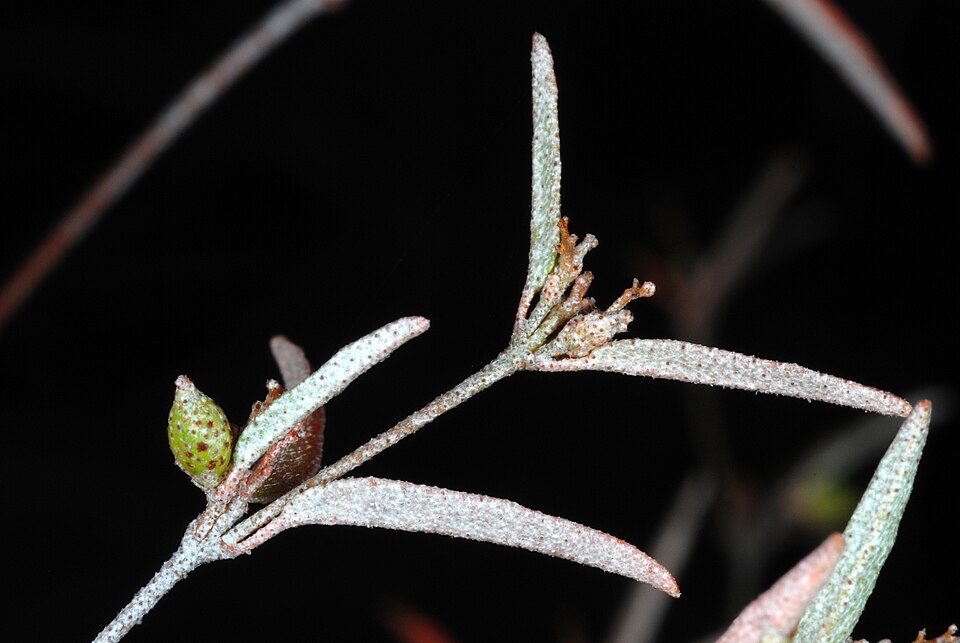
At a glance
- Bloom
- June to October
Not yet recorded · Height · Spread · Life cycle · Leaves
Height: NC species account not read yet.
Spread, life cycle and leaves: no source found yet.
This plant is missing most of its facts, so Quercus is looking them up in old botany books.
Recorded in 41 Arkansas counties.
Natural habitats
Places it grows wild. Not a planting requirement. Each habitat page lists the plants and wildlife also found there.
Glades, barrens and outcrops on limestone
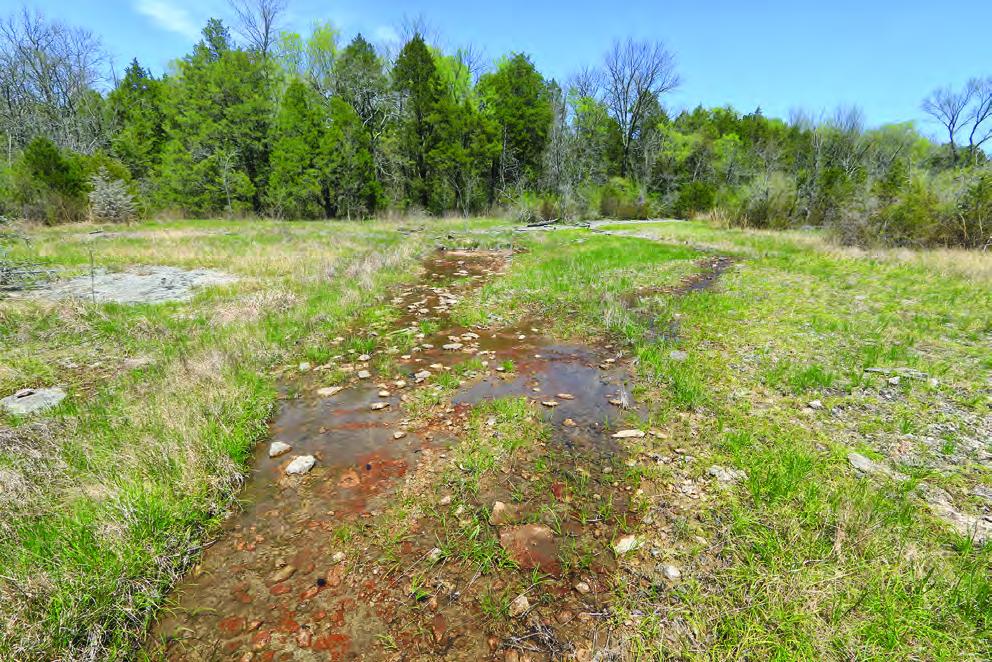
Granite and other acidic rock outcrops
Bare or thin-soil rock on granite, gneiss, sandstone, quartzite and similar acidic rock, including granite flatrocks and domes.
Glades, barrens and outcrops on mafic or serpentine rock
Open, thin-soil openings, outcrops and cliffs on dark, magnesium- or iron-rich rock such as serpentine, diabase or gabbro.
Cliffs, ledges and rocky summits
Cliffs, ledges, rock outcrops, talus and rocky summits where the source does not name the rock. A named rock files the place under its own glade or outcrop type instead.
Forest or woodland where the source does not say how moist or dry.
Also found with this plant
Wildlife whose habitat models include habitats this plant grows in, in Arkansas. Shared habitat, not food. 125 animals.
- American GoldfinchCarduelis tristis
- American RobinTurdus migratorius
- Blue GrosbeakPasserina caerulea
- Common NighthawkChordeiles minor
- Cooper's HawkAccipiter cooperii
- Eastern KingbirdTyrannus tyrannus
- Eastern Screech-owlMegascops asio
- Eurasian Collared-doveStreptopelia decaocto
- Great Horned OwlBubo virginianus
- Northern FlickerColaptes auratus
- Northern MockingbirdMimus polyglottos
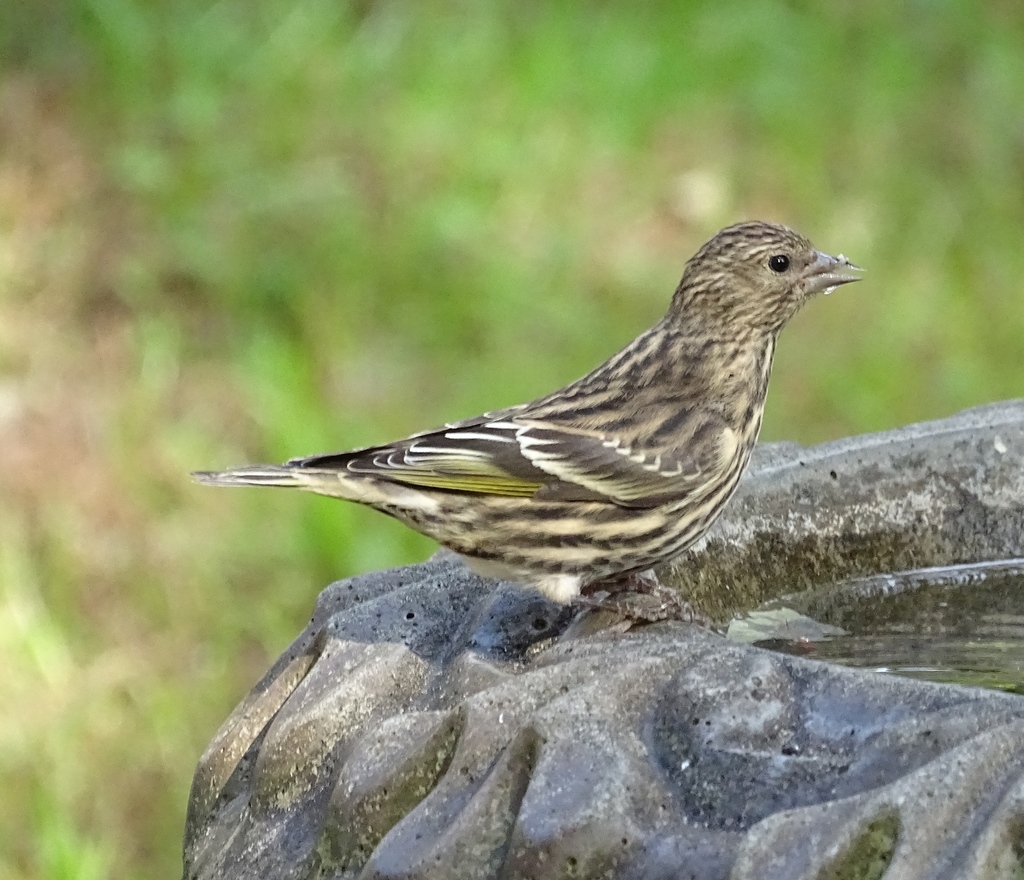
- Pine SiskinCarduelis pinus
- Purple FinchCarpodacus purpureus
- Red-tailed HawkButeo jamaicensis
- Red-winged BlackbirdAgelaius phoeniceus
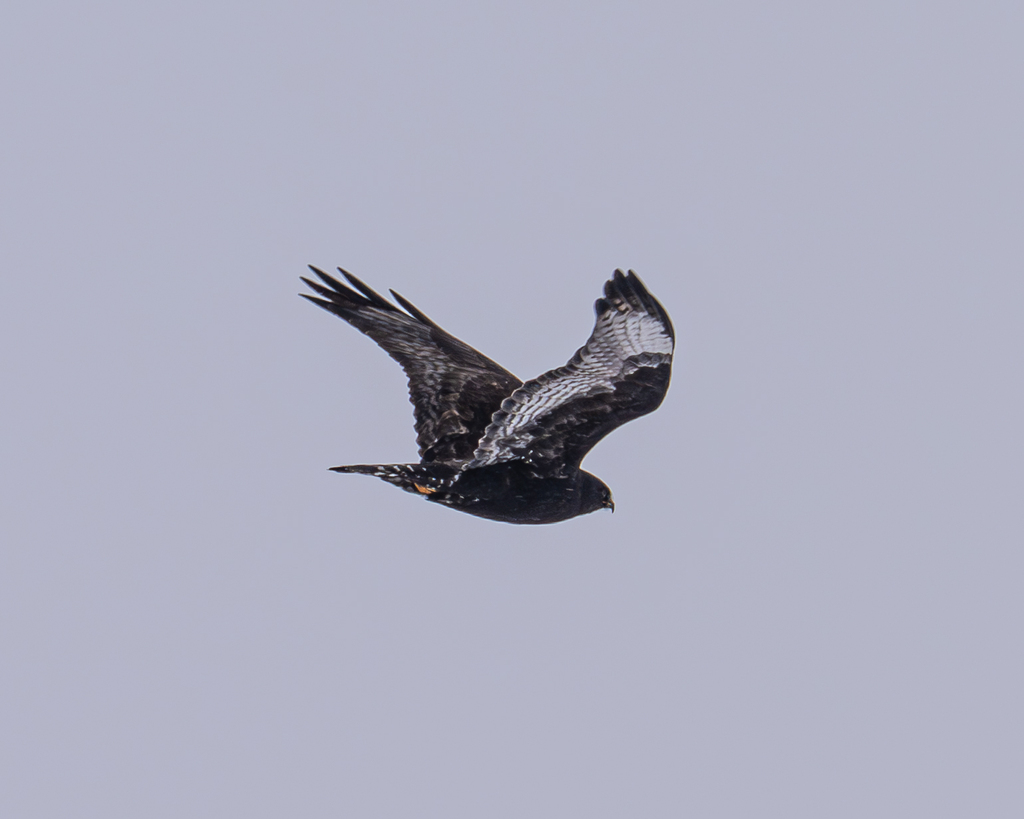
- Rough-legged HawkButeo lagopus
- Sharp-shinned HawkAccipiter striatus
- Spotted SandpiperActitis macularius
- Turkey VultureCathartes aura
- Yellow-breasted ChatIcteria virens
- Bank SwallowRiparia riparia
- Belted KingfisherMegaceryle alcyon
- Blue JayCyanocitta cristata
- Brown CreeperCerthia americana























Who uses this plant?
 10CaterpillarsGenus host records with ranges including AR
Genus host records with ranges including AR · Croton
- Amyna strictaEight-Spot Moth
- Anaea andriaGoatweed Leafwing , Goatweed Leaf Wing
- Anaea troglodytaFlorida Leafwing, Florida Leaf Wing
- Calycopis cecropsRed-Banded Hairstreak, Cecrops Hairstreak
- Chrysodeixis includensSoybean Looper Moth
- Spodoptera eridaniaSouthern Armyworm Moth
- Spodoptera frugiperdaFall Armyworm Moth
- Strymon melinusGray Hairstreak
- Xylophanes tersaTersa Sphinx
- Haplochrois bipunctella
 13BeesSoutheastern regional records
Southeastern regional records · Croton
Individual names are not available yet.
Noori, Seltmann & Orr 2026, A curated and integrated dataset for exploring global bee-plant interactions (GloBI), Zenodo, CC BY 4.0 1Specialist beesPollen specialists
 20BirdsRecorded genus food-resource interactions; not a state feeding claim
Recorded genus food-resource interactions; not a state feeding claim · Croton
- Agelaius phoeniceusRed-winged Blackbird
- Anthus rubescensAmerican Pipit
- Anthus spragueiiSprague's Pipit
- Callipepla californicaCalifornia Quail
- Cardinalis sinuatusPyrrhuloxia
- Colinus virginianusNorthern Bobwhite
- Columbina passerinaCommon Ground Dove
- Francolinus francolinusBlack Francolin
- Haemorhous mexicanusHouse Finch
- Hylocichla mustelinaWood Thrush
Show all 20
- Melospiza melodiaSong Sparrow
- Melozone crissalisCalifornia Towhee
- Ortalis vetulaPlain Chachalaca
- Pipilo maculatusSpotted Towhee
- Spinus psaltriaLesser Goldfinch
- Sturnus vulgarisEuropean Starling
- Tympanuchus pallidicinctusLesser Prairie-Chicken
- Zenaida asiaticaWhite-winged Dove
- Zenaida macrouraMourning Dove
- Zonotrichia atricapillaGolden-crowned Sparrow
Direct food only: birds recorded eating this genus across North America. Caterpillars on host plants also feed nesting birds. NC Native Plant Society: butterfly gardening
No records yet · Ants · Beetles · Flies · Adult butterflies / moths · Other wasps · Other insects
Plant details
- Family
- Euphorbiaceae
Safety has not been reviewed for this plant; check toxicity and thorns before planting.
Growing sources and scope
- Bloom · “June to October” · Weakley, Flora of the Southeastern United States (2025), Carolinas & Georgia edition · Carolinas and Georgia
- Light · “Full sun (documented habitat)” · Weakley, Flora of the Southeastern United States (2025), Carolinas & Georgia edition · Carolinas and Georgia
- Soil · “Dry (documented habitat)” · Weakley, Flora of the Southeastern United States (2025), Carolinas & Georgia edition · Carolinas and Georgia
Also known as
Crotonopsis elliptica; Glade Croton; Willdenows Croton
Conservation status
| Arkansas rank | SNR |
|---|---|
| Global rank | G5 |
| AR status | Not verified |
| Federal status | Not verified |
Will it fit your yard?
Check this plant against your county, sun and soil moisture. Conditions are checked in your browser.
Sources
- Atlas of the Vascular Plants of Arkansas (2013)
- USDA PLANTS
- Vascular Plants of North Carolina (NC Natural Heritage Program)
- Weakley, Flora of the Southeastern United States (2025)
- Arkansas occurrence source
- Shropshire & Tallamy 2025, Lepidoptera of North America north of Mexico, ZooKeys 1261 (ODbL)
- Noori, Seltmann & Orr 2026, A curated and integrated dataset for exploring global bee-plant interactions (GloBI), Zenodo, CC BY 4.0
- Smith, Bachelder, Russell, Morales, Mosher & Seltmann 2024, Bee-Specialization-Modeling v0.6.1 (specialist host table compiled from J. Fowler's pollen specialist bee lists), Zenodo, CC BY 4.0
- Hurlbert, Olsen, Sawyer & Winner 2021, Avian Diet Database, Scientific Data 8: 260 (CC0)
- Narango, Tallamy & Shropshire 2020, Few keystone plant genera support the majority of Lepidoptera species, Nature Communications