

Black Chokeberry
Aronia melanocarpa
Also listed as Photinia melanocarpa
In the Carolinas and Georgia, found in forests and woodlands; cliffs, ledges and rocky summits; seeps and springs. Weakley, Flora of the Southeastern United States (2025), Carolinas & Georgia edition What its natural habitat tells you
Native to Arkansas. How scores work Is it native here?
Profile 100%
- Height
- About 6 feet
- Spread
- 3–6 feet
- Light
- Partial sun, Full sun
- Soil moisture
- Average to wet
Space about 4.5 ft apart from its recorded spread, about 5 per 100 sq ft. Enter your bed size for a count
Will it fit your yard?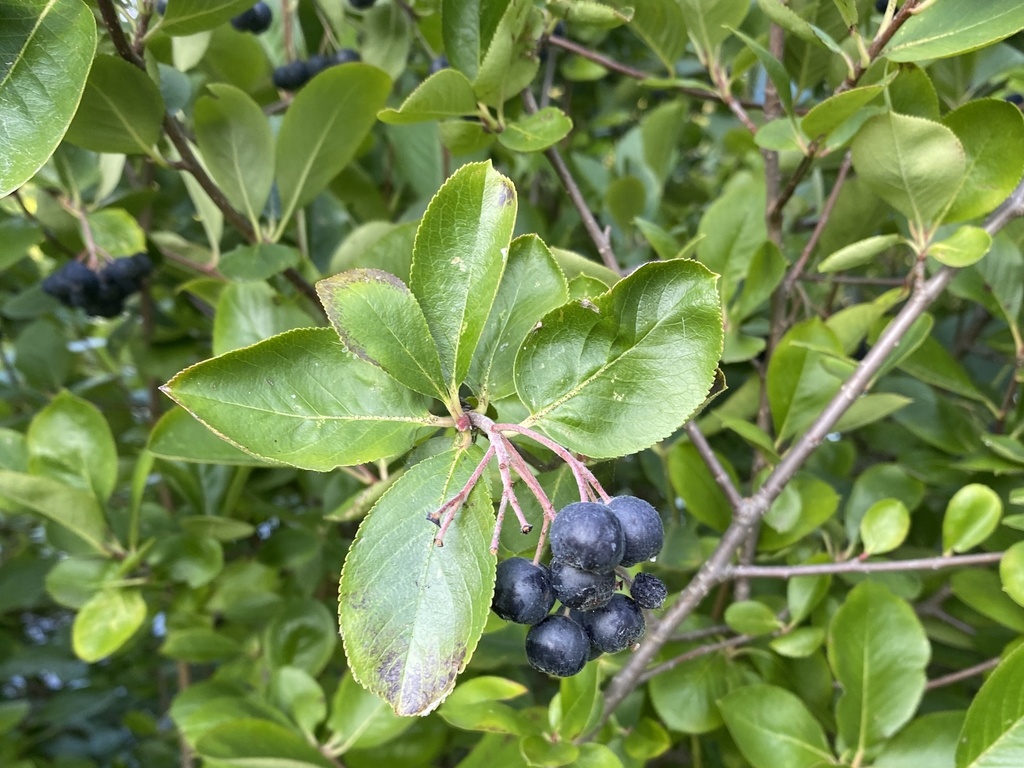
Rare or protected plant. Specialist conservation planting; excluded from routine garden suggestions. Plant caution source
Hidden from default planting suggestions. Wildlife value and native status remain unchanged.
At a glance
- Life cycle
- Perennial
- Leaves
- Deciduous
- Bloom
- May to June
- Fruiting season
- August to September
County records are not available.
Natural habitats
Places it grows wild. Not a planting requirement. Each habitat page lists the plants and wildlife also found there.
Forest or woodland where the source does not say how moist or dry.
Cliffs, ledges and rocky summits
Cliffs, ledges, rock outcrops, talus and rocky summits where the source does not name the rock. A named rock files the place under its own glade or outcrop type instead.
Places where groundwater keeps the soil or rock wet, such as seepage slopes and spring runs.
Also found with this plant
Wildlife whose habitat models include habitats this plant grows in, in Arkansas. Shared habitat, not food. 24 animals.
- American CrowCorvus brachyrhynchos
- American KestrelFalco sparverius
- Bald EagleHaliaeetus leucocephalus
- Bank SwallowRiparia riparia
- Belted KingfisherMegaceryle alcyon
- Chimney SwiftChaetura pelagica
- Cliff SwallowPetrochelidon pyrrhonota
- Common NighthawkChordeiles minor
- Dark-eyed JuncoJunco hyemalis
- Eastern KingbirdTyrannus tyrannus
- Eastern PhoebeSayornis phoebe
- European StarlingSturnus vulgaris
- Fish CrowCorvus ossifragus
- Great Horned OwlBubo virginianus
- Lark SparrowChondestes grammacus
- Mourning DoveZenaida macroura
- Northern FlickerColaptes auratus
- Northern Rough-winged SwallowStelgidopteryx serripennis
- OspreyPandion haliaetus
- Red-tailed HawkButeo jamaicensis
- Rock PigeonColumba livia
- Rough-legged HawkButeo lagopus
- Sharp-shinned HawkAccipiter striatus
- Turkey VultureCathartes aura














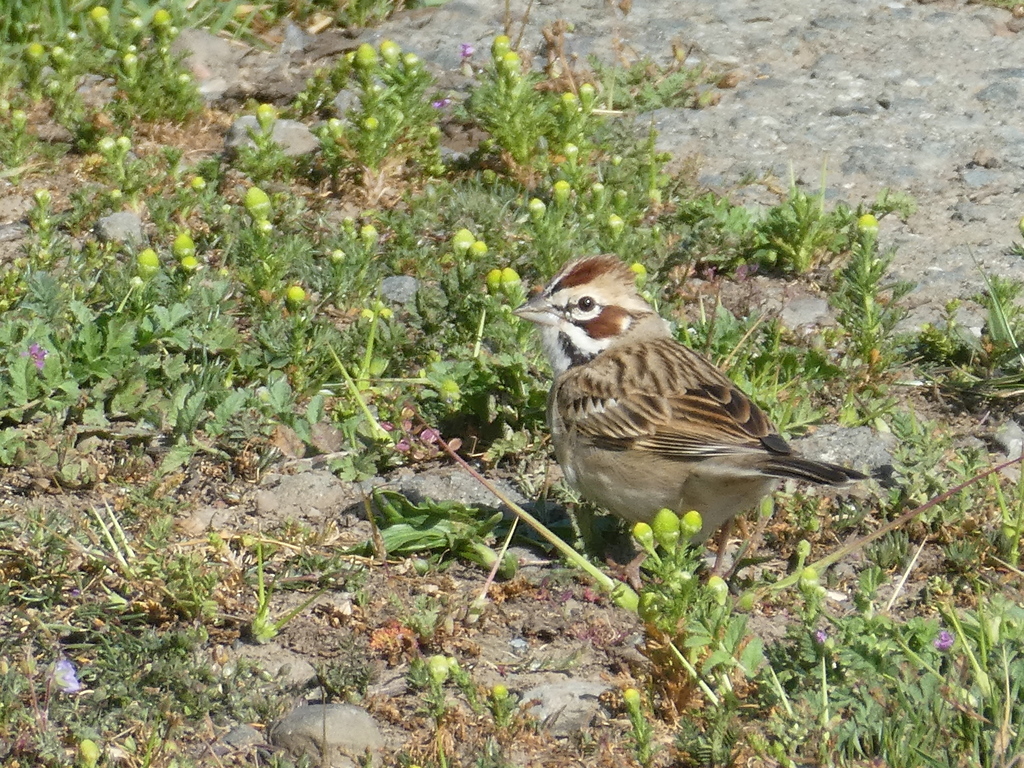





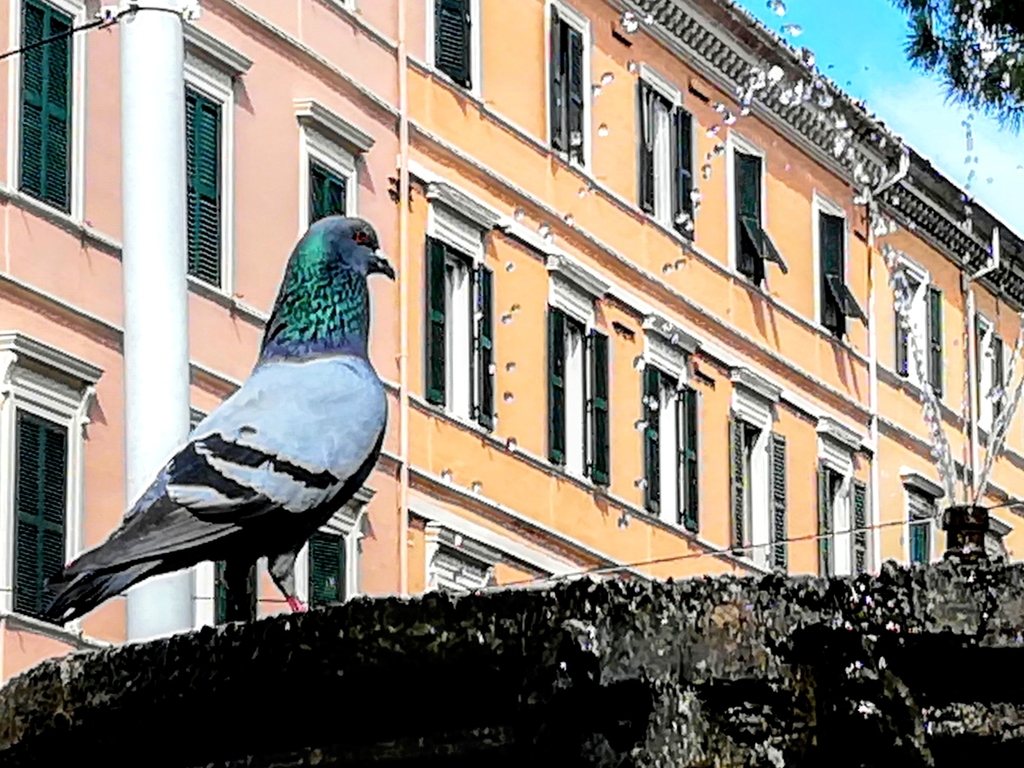
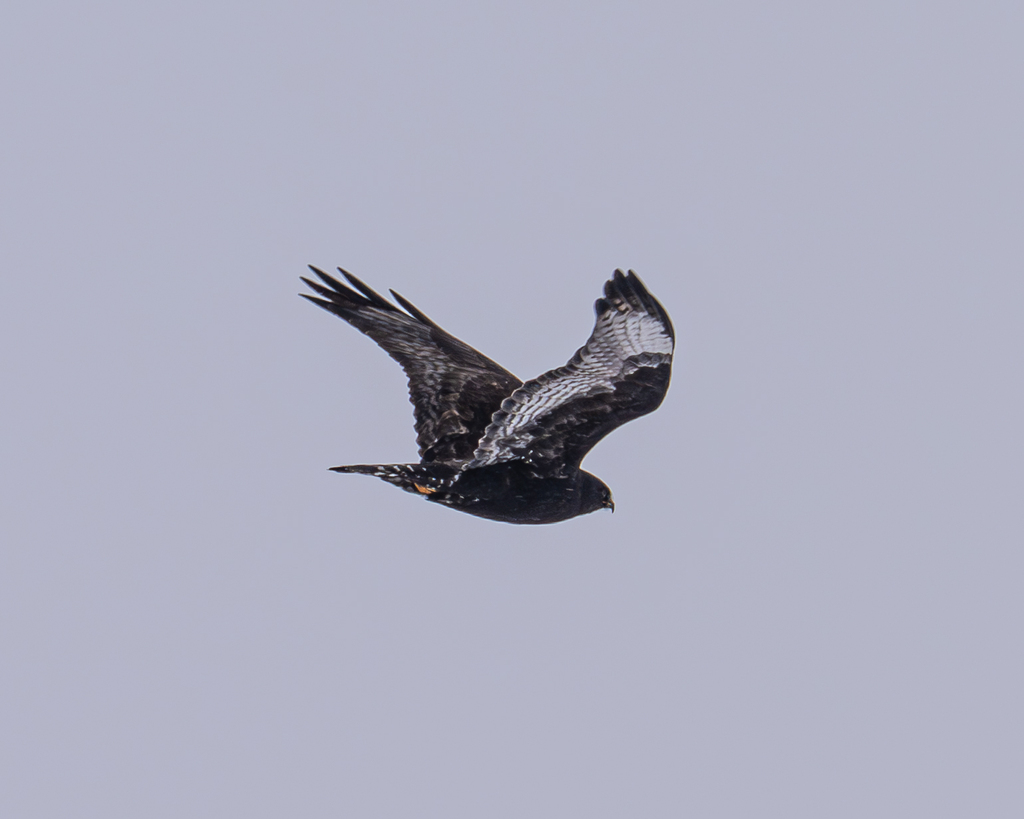


Who uses this plant?
 47CaterpillarsGenus host records with ranges including AR
Genus host records with ranges including AR · Sorbus
- Acronicta americanaAmerican Dagger
- Acronicta funeralisFunerary Dagger, Paddle Caterpillar
- Acronicta impletaYellow-Haired Dagger
- Acronicta interruptaInterrupted Dagger
- Acronicta radcliffeiRadcliffe's Dagger
- Alsophila pometariaFall Cankerworm Moth
- Amphipyra pyramidoidesMiranda Underwing, Copper Underwing, Copper Amphipyra
- Ancylis burgessianaOak Leafroller
- Antheraea polyphemusPolyphemus Moth
- Biston betulariaSalt-and-Pepper Geometer, Cleft-Headed Looper
Show all 47
- Catocala gryneaWoody Underwing
- Cenopis pettitanaMaple-Basswood Leafroller Moth
- Coelodasys unicornisUnicorn Caterpillar Moth
- Crocigrapha normaniNorman's Quaker
- Datana ministraYellow-Necked Caterpillar Moth
- Ennomos subsignariaElm Spanworm Moth
- Erannis tiliariaLinden Looper Moth, Western Winter Moth, Lime Looper
- Eupithecia miserulataCommon Eupithacia, Common Pug
- Euzophera semifuneralisAmerican Plum Borer
- Halysidota tessellarisBanded Tussock Moth, Pale Tiger Moth
- Hedya chionosemaTwin-Spotted Budworm, White-Spotted Hedya
- Hyalophora cecropiaCecropia Silkmoth, Cecropia Moth
- Hyphantria cuneaFall Webworm
- Iridopsis larvariaBent-Line Gray
- Limenitis arthemisBanded Purple, Red-Spotted Admiral
- Lomographa semiclarataBluish Spring Moth, Wildcherry Looper
- Lomographa vestaliataWhite Spring Moth
- Machimia tentoriferellaGold-Striped Leaftier Moth
- Malacosoma americanaEastern Tent Caterpillar
- Malacosoma disstriaForest Tent Caterpillar
- Metaxaglaea semitariaFootpath Sallow
- Metaxaglaea viaticaRoadside Sallow
- Nematocampa resistariaFilament Bearer, Horned Spanworm Moth
- Nemoria mimosariaWhite-Fringed Emerald
- Nymphalis antiopaMourning Cloak
- Orgyia leucostigmaWhite-Marked Tussock Moth
- Orthosia hibisciSpeckled Green Fruitworm Moth, Speckled Green Quaker
- Pandemis limitataThree-Lined Leafroller Moth
- Papilio glaucusEastern Tiger Swallowtail
- Phigalia titeaThe Half-Wing Geometer, Spiney Looper, Eastern Oak Looper
- Phyllonorycter crataegellaApple Leaf Miner, Apple Blotch Leafminer, Apple Leafblotch Miner
- Podosesia syringaeLilac Borer Moth, Ash Borer
- Pseudothyatira cymatophoroidesTufted Thyatirid
- Satyrium liparopsStriped Hairstreak
- Synanthedon pictipesLesser Peachtree Borer Moth
- Synanthedon scitulaDogwood Borer, Pecan Borer
- Venusia comptariaBrown-Shaded Carpet
 14BeesSoutheastern regional records
Southeastern regional records · Aronia
Individual names are not available yet.
Noori, Seltmann & Orr 2026, A curated and integrated dataset for exploring global bee-plant interactions (GloBI), Zenodo, CC BY 4.0 1Specialist beesPollen specialists
 6BirdsRecorded genus food-resource interactions; not a state feeding claim
Recorded genus food-resource interactions; not a state feeding claim · Sorbus
- Catharus fuscescensVeery
- Catharus ustulatusSwainson's Thrush
- Coccothraustes vespertinusEvening Grosbeak
- Falcipennis canadensisSpruce Grouse
- Pinicola enucleatorPine Grosbeak
- Turdus migratoriusAmerican Robin
Direct food only: birds recorded eating this genus across North America. Caterpillars on host plants also feed nesting birds. NC Native Plant Society: butterfly gardening
No records yet · Ants · Beetles · Flies · Adult butterflies / moths · Other wasps · Other insects
Plant details
- Family
- Rosaceae
- Hardiness
- Zones 3–8
- Soil pH
- Acidic
- Flower color
- White
- Growth habit
- Forms thickets
- Foliage color
- Red
- Fruit begins
- August
- Fruit ends
- September
Growing sources and scope
- Bloom · “May to June” · Weakley, Flora of the Southeastern United States (2025), Carolinas & Georgia edition (ranked first; USDA PLANTS differs) · Carolinas and Georgia
- Flower color · “White” · USDA PLANTS · Nationwide species characteristics; local growing conditions may vary
- Foliage color · “Red” · USDA PLANTS · Nationwide species characteristics; local growing conditions may vary
- Fruit begins · “August” · Weakley, Flora of the Southeastern United States (2025), Carolinas & Georgia edition (ranked first; USDA PLANTS differs) · Carolinas and Georgia
- Fruit ends · “September” · Weakley, Flora of the Southeastern United States (2025), Carolinas & Georgia edition (ranked first; USDA PLANTS differs) · Carolinas and Georgia
- Growth habit · “Forms thickets” · USDA PLANTS · Nationwide species characteristics; local growing conditions may vary
- Hardiness · “Zones 3–8” · Missouri Botanical Garden Plant Finder
- Height · “About 6 feet” · USDA PLANTS (ranked first; Lady Bird Johnson Wildflower Center, Missouri Botanical Garden Plant Finder differ) · Nationwide species characteristics; local growing conditions may vary
- Leaves · “Deciduous” · Lady Bird Johnson Wildflower Center
- Leaf retention · “Deciduous” · USDA PLANTS · Nationwide species characteristics; local growing conditions may vary
- Life cycle · “Perennial” · Lady Bird Johnson Wildflower Center
- Light · “Partial sun (minimum requirement); Full sun (minimum requirement)” · Virginia DCR Piedmont (ranked first; Lady Bird Johnson Wildflower Center, Missouri Botanical Garden Plant Finder differ) · Virginia regional planting chart; sunlight is a minimum requirement, moisture is low/moderate/high
- primary_flower_color · “white” · USDA PLANTS
- Soil · “Medium; Wet” · Missouri Botanical Garden: Aronia melanocarpa
- Soil pH · “Acidic” · Lady Bird Johnson Wildflower Center
- Spread · “3–6 feet” · Missouri Botanical Garden Plant Finder
Also known as
Photinia melanocarpa; Sorbus melanocarpa; mountain ash; mountain-ash
Conservation status
| Arkansas rank | S1 |
|---|---|
| Global rank | G5 |
| AR status | Not verified |
| Federal status | Not verified |
Will it fit your yard?
Check this plant against your county, sun and soil moisture. Conditions are checked in your browser.
Growing cautions
- Suckers and forms colonies. Spreads freely and suckers profusely. NC State Extension Plant Toolbox
For planning only; these do not change the score or Fit.
Sources
- NatureServe Explorer
- USDA PLANTS
- Vascular Plants of North Carolina (NC Natural Heritage Program)
- Weakley, Flora of the Southeastern United States (2025), Carolinas & Georgia edition
- Arkansas occurrence source
- Shropshire & Tallamy 2025, Lepidoptera of North America north of Mexico, ZooKeys 1261 (ODbL)
- Noori, Seltmann & Orr 2026, A curated and integrated dataset for exploring global bee-plant interactions (GloBI), Zenodo, CC BY 4.0
- Smith, Bachelder, Russell, Morales, Mosher & Seltmann 2024, Bee-Specialization-Modeling v0.6.1 (specialist host table compiled from J. Fowler's pollen specialist bee lists), Zenodo, CC BY 4.0
- Hurlbert, Olsen, Sawyer & Winner 2021, Avian Diet Database, Scientific Data 8: 260 (CC0)
- Narango, Tallamy & Shropshire 2020, Few keystone plant genera support the majority of Lepidoptera species, Nature Communications