

Bird
Scarlet Tanager
Piranga olivacea
A summer resident that nests in Alabama. Found in all 67 counties, across 7 habitats.
- Here
- Summer and on migration
- Nesting
- Nests here
- Range
- All 67 counties
- Habitats
- 7
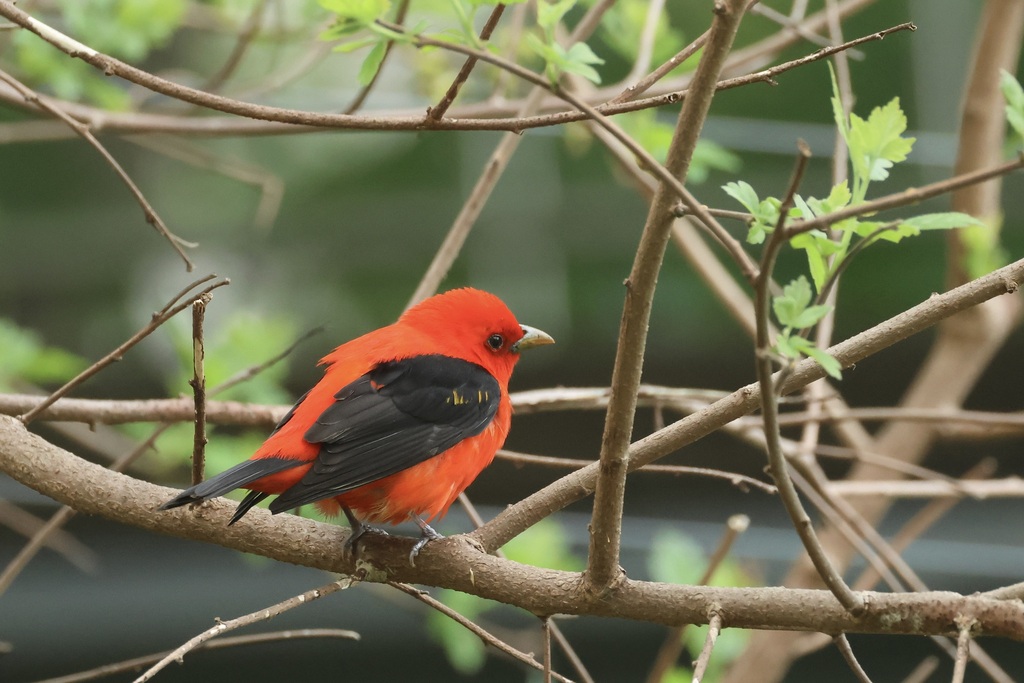
At a glance
- Group
- Birds
- Here
- Summer and on migration
- Nesting
- Nests here
- Range
- All 67 counties
- Habitats
- 7
- Habitat models
- Summer
Where it lives
The places its habitat model includes. It is not found everywhere a habitat occurs.
Habitats in Alabama 7
Each habitat page lists the plants and wildlife also found there.
Streams, rivers and their banks
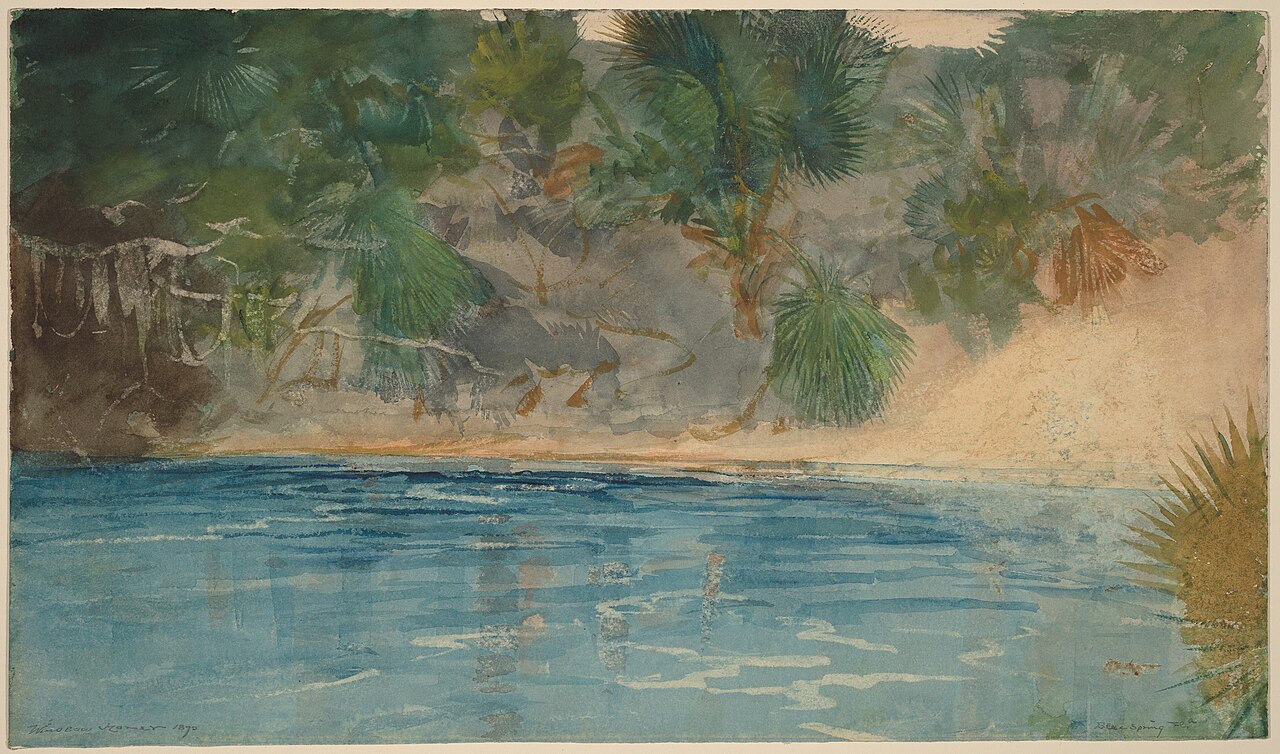
Disturbed and introduced wetlands
Wet ground taken over by weedy or introduced plants after disturbance, such as common reed, Chinese tallow or tamarisk stands; the upland counterpart is roadsides, fields and disturbed ground.
Forests and open woodlands on dry ridges and slopes, often oak or pine.
Floodplain and bottomland forests
Forests on low ground beside rivers and streams that flood from time to time.
Forests between dry and moist, often oak-hickory on slopes.
Forests on moist but not wet ground, such as rich slopes and ravines.
Tree plantations and managed pine
Planted or intensively managed stands of pine or hardwoods grown for timber; a land use rather than a natural community.
Other habitats in its models (38)
Land cover, or classes with no habitat page in Alabama. Those recorded in Alabama first, the rest by region.
Elsewhere in the South (21)
- Atlantic Coastal Plain Brownwater Stream Floodplain Forest Summer.
- Atlantic Coastal Plain Dry and Dry-Mesic Oak Forest Summer.
- Atlantic Coastal Plain Mesic Hardwood and Mixed Forest Summer.
- Atlantic Coastal Plain Small Brownwater River Floodplain Forest Summer.
- Central and Southern Appalachian Montane Oak Forest Summer.
- Central and Southern Appalachian Northern Hardwood Forest Summer.
- Central and Southern Appalachian Spruce-Fir Forest Summer.
- Crosstimbers Oak Forest and Woodland Summer.
- East-Central Texas Plains Post Oak Savanna and Woodland Summer.
- Edwards Plateau Dry-Mesic Slope Forest and Woodland Summer.
- Ouachita Montane Oak Forest Summer.
- Ozark-Ouachita Dry Oak Woodland Summer.
- Ozark-Ouachita Dry-Mesic Oak Forest Summer.
- Ozark-Ouachita Mesic Hardwood Forest Summer.
- Ozark-Ouachita Shortleaf Pine-Oak Forest and Woodland Summer.
- Southern and Central Appalachian Cove Forest Summer.
- Southern and Central Appalachian Oak Forest Summer.
- Southern Appalachian Montane Pine Forest and Woodland Summer.
- Southern Appalachian Northern Hardwood Forest Summer.
- West Gulf Coastal Plain Pine-Hardwood Flatwoods Summer.
- West Gulf Coastal Plain Sandhill Oak and Shortleaf Pine Forest and Woodland Summer.
Northeast (4)
- Appalachian Hemlock-Hardwood Forest Summer.
- Central Appalachian Oak and Pine Forest Summer.
- Central Appalachian Pine-Oak Rocky Woodland Summer.
- Northern Atlantic Coastal Plain Dry Hardwood Forest Summer.
Land cover and other classes (13)
- Atlantic Coastal Plain Fall-line Sandhills Longleaf Pine Woodland - Offsite Hardwood Modifier Summer.
- Central Appalachian Floodplain - Forest Modifier Summer.
- Central Appalachian Riparian - Forest Modifier Summer.
- Developed, Low Intensity Summer.
- East Gulf Coastal Plain Interior Shortleaf Pine-Oak Forest - Hardwood Modifier Summer.
- East Gulf Coastal Plain Interior Shortleaf Pine-Oak Forest - Mixed Modifier Summer.
- East Gulf Coastal Plain Interior Upland Longleaf Pine Woodland - Offsite Hardwood Modifier Summer.
- East Gulf Coastal Plain Northern Loess Plain Oak-Hickory Upland - Hardwood Modifier Summer.
- Northeastern Interior Dry Oak Forest - Mixed Modifier Summer.
- Northeastern Interior Dry Oak Forest-Hardwood Modifier Summer.
- Southern and Central Appalachian Oak Forest - Xeric Summer.
- Southern Piedmont Dry Oak-(Pine) Forest - Mixed Modifier Summer.
- Southern Piedmont Dry Oak-Heath Forest - Mixed Modifier Summer.
Seasons in Alabama
- Migratory: does not nest here, in 35 of 67 counties.
- Summer: nests here, in 46 of 67 counties.
Also found in its main habitats
Its main habitats in Alabama, by how much of its habitat model each one is, with the birds most characteristic of each and the plants that grow wild there. Shared habitat, not food.
Dry forests and woodlands
Birds 65
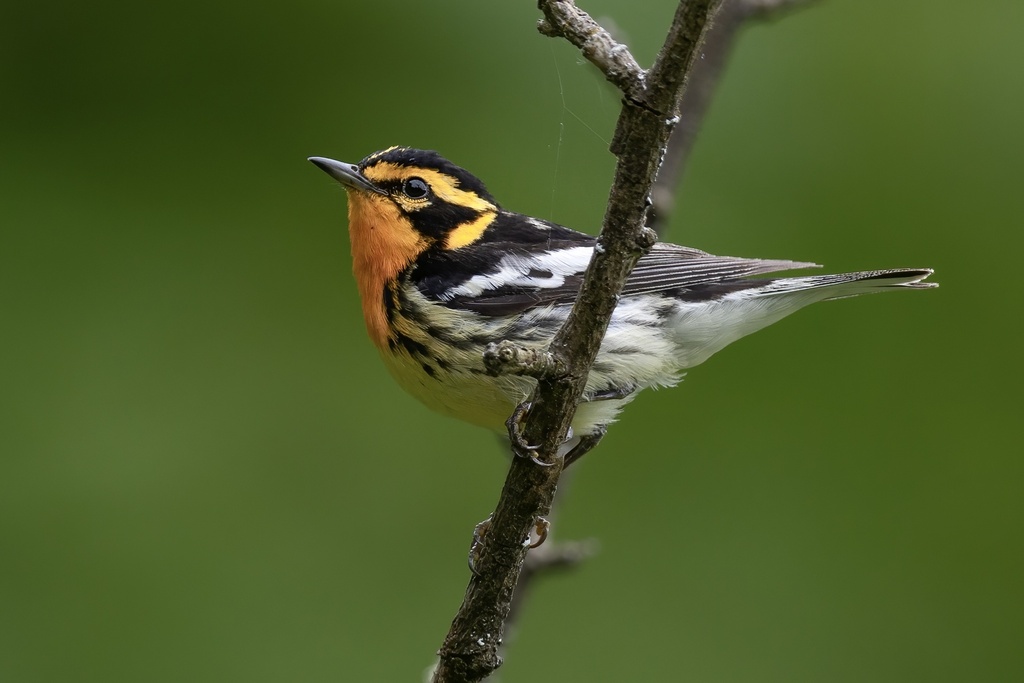
- Blackburnian WarblerDendroica fusca
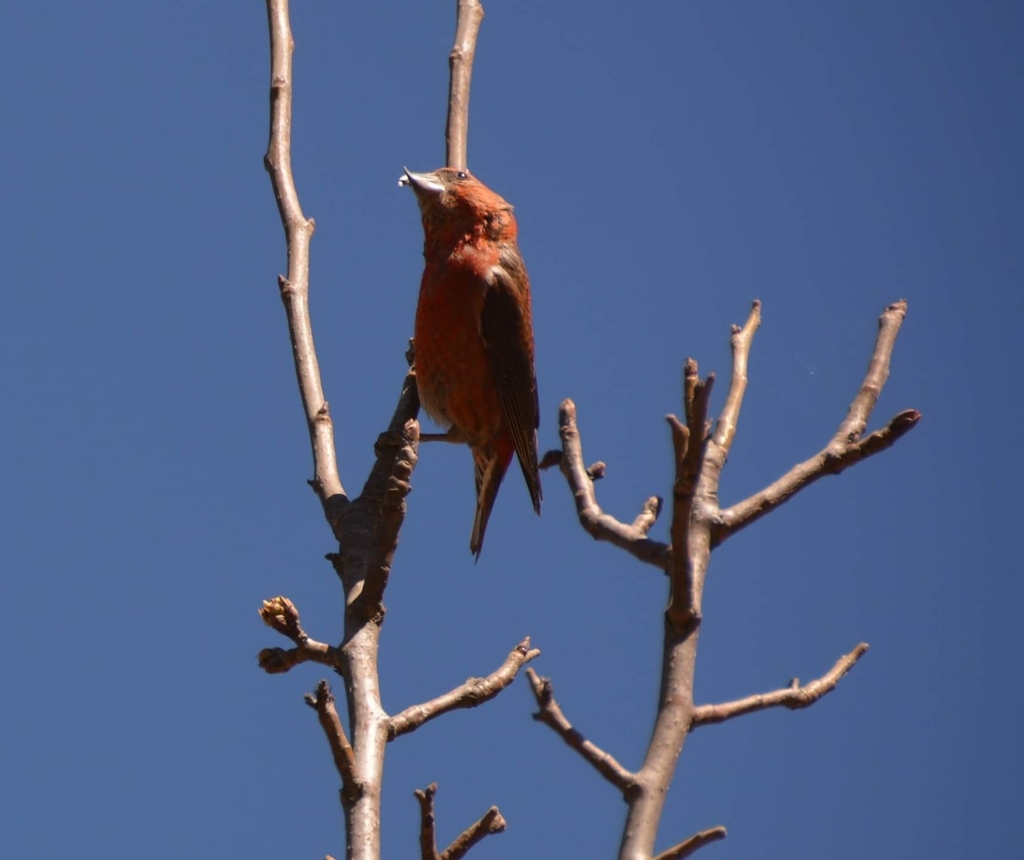
- Red CrossbillLoxia curvirostra
- Red-cockaded WoodpeckerPicoides borealis
- Black-throated Green WarblerDendroica virens
- Blue-headed VireoVireo solitarius
- Evening GrosbeakCoccothraustes vespertinus
- OvenbirdSeiurus aurocapilla
- Pine WarblerDendroica pinus
- Red-breasted NuthatchSitta canadensis
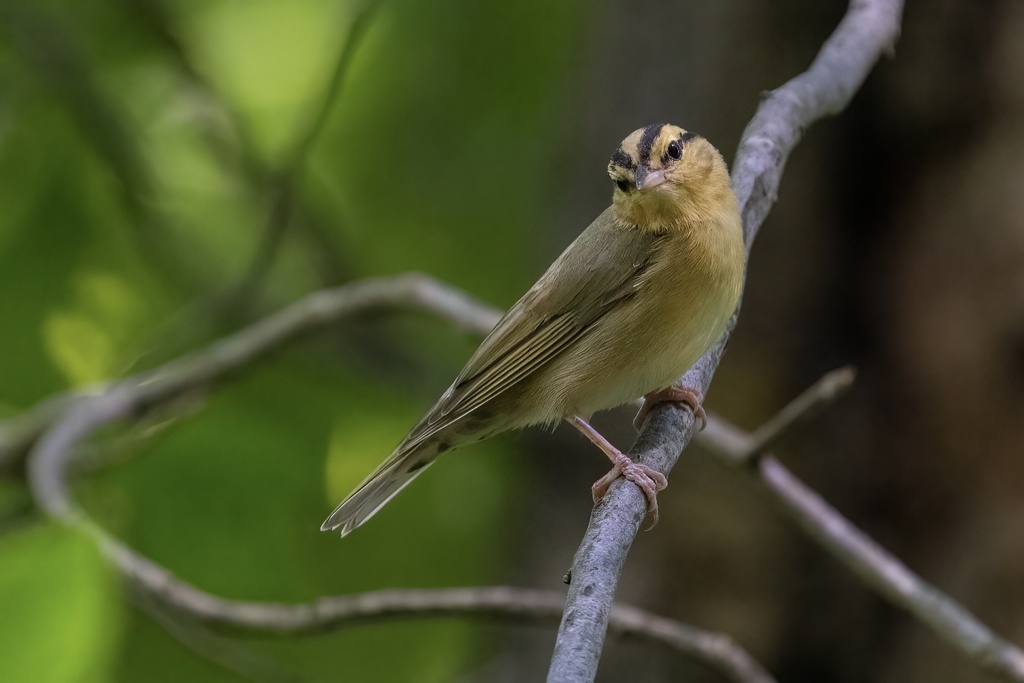
- Worm-eating WarblerHelmitheros vermivorum
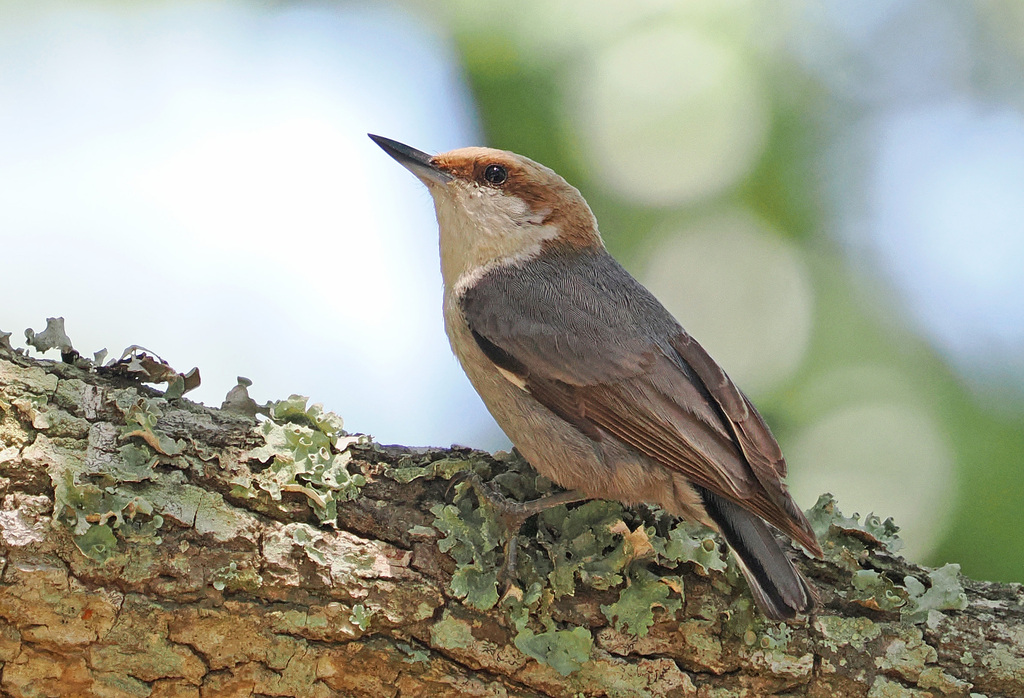
- Brown-headed NuthatchSitta pusilla
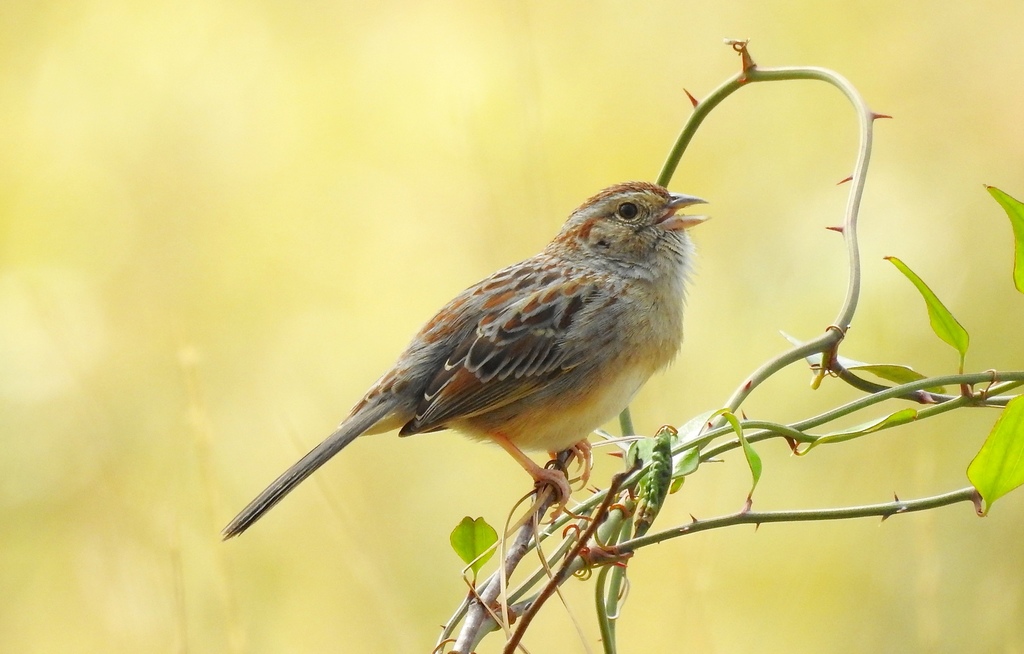
- Bachman's SparrowAimophila aestivalis
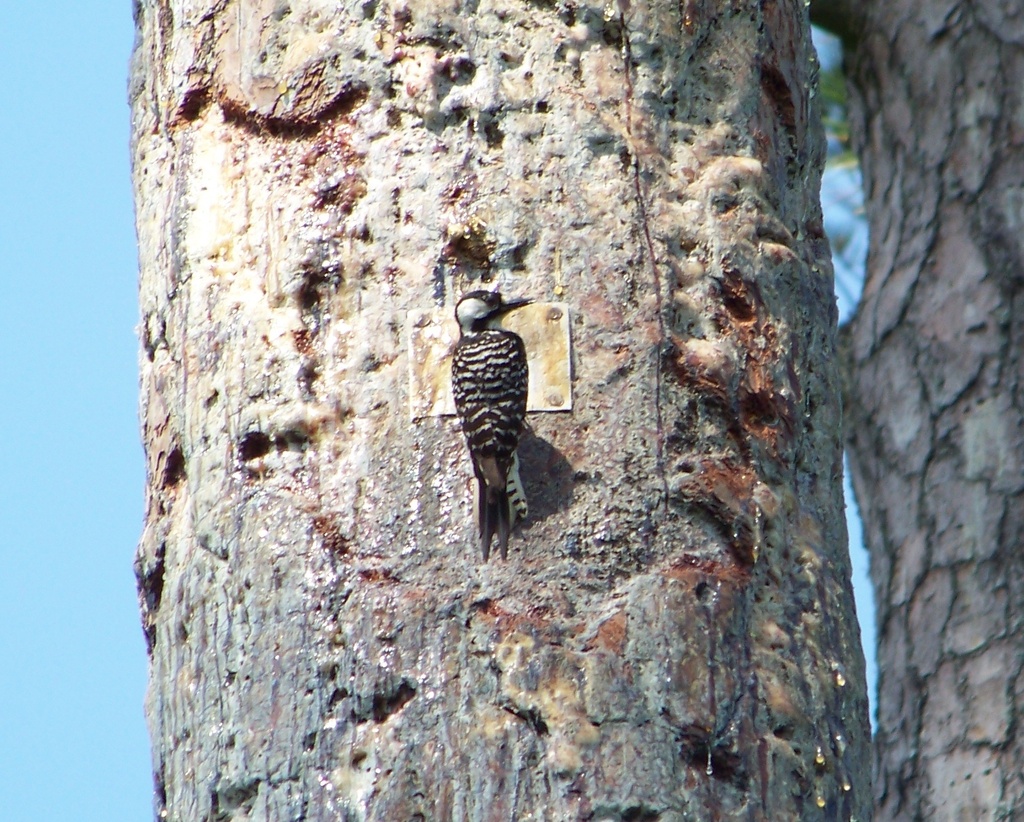
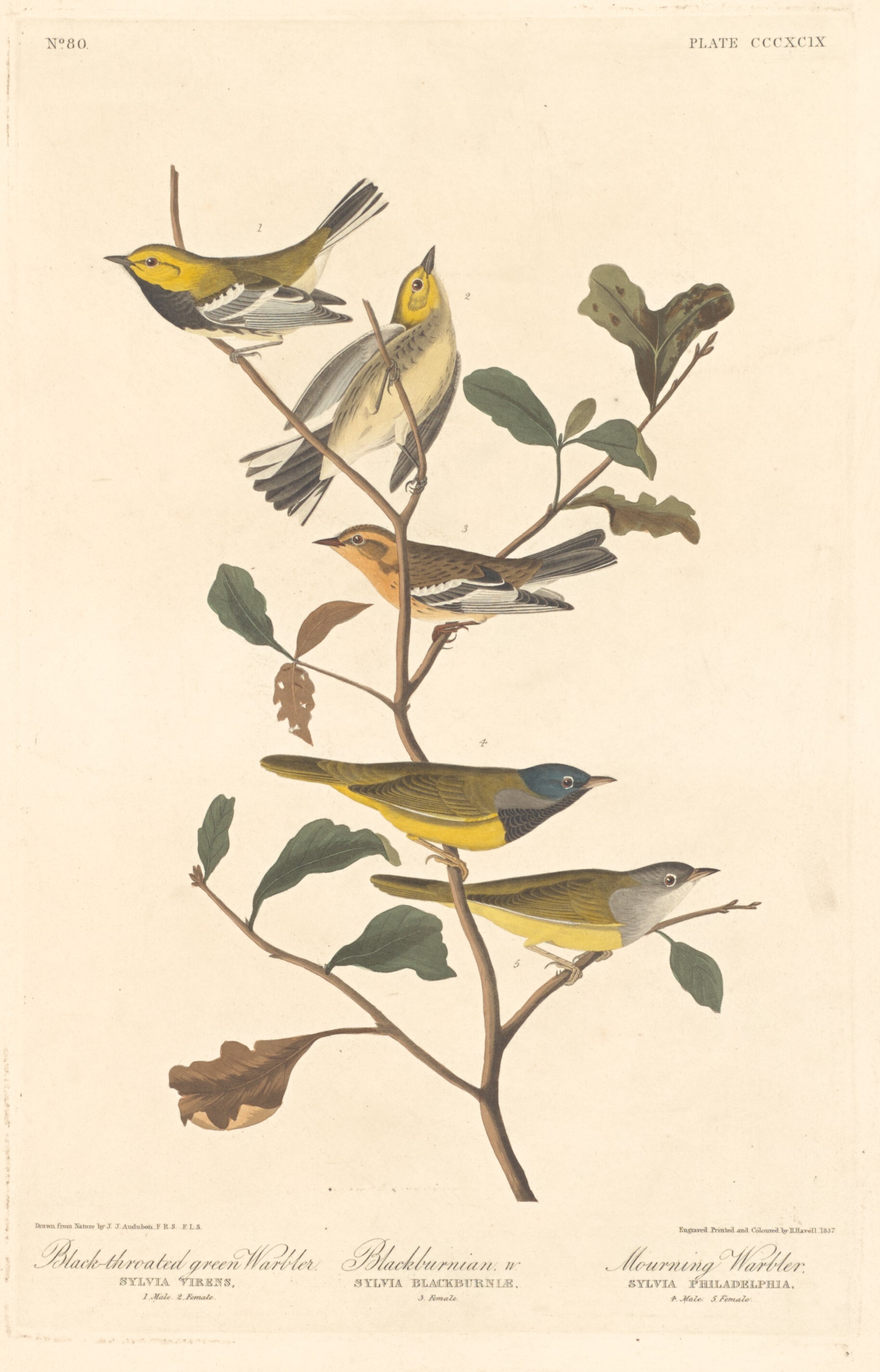

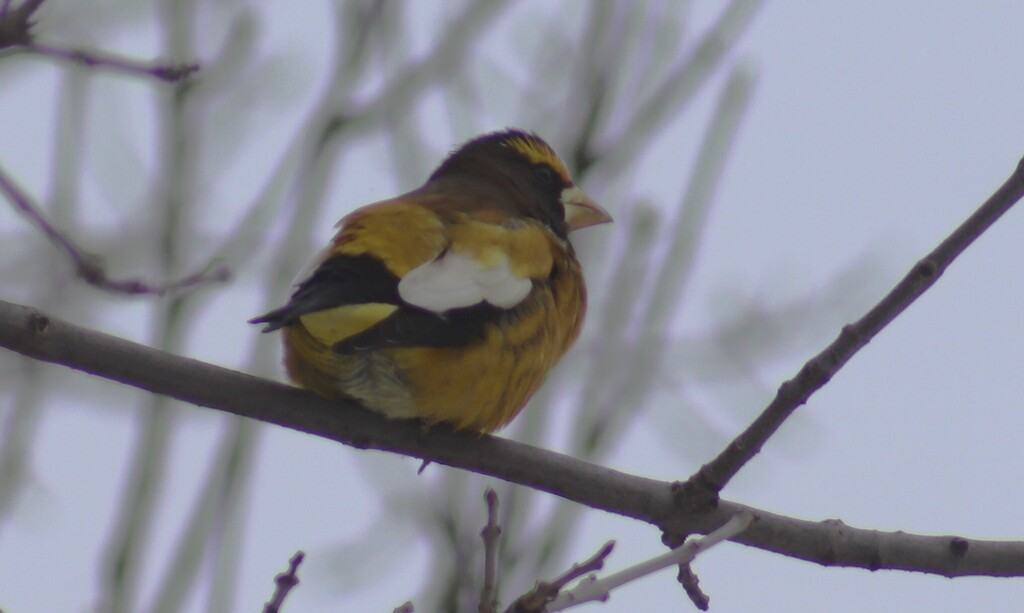

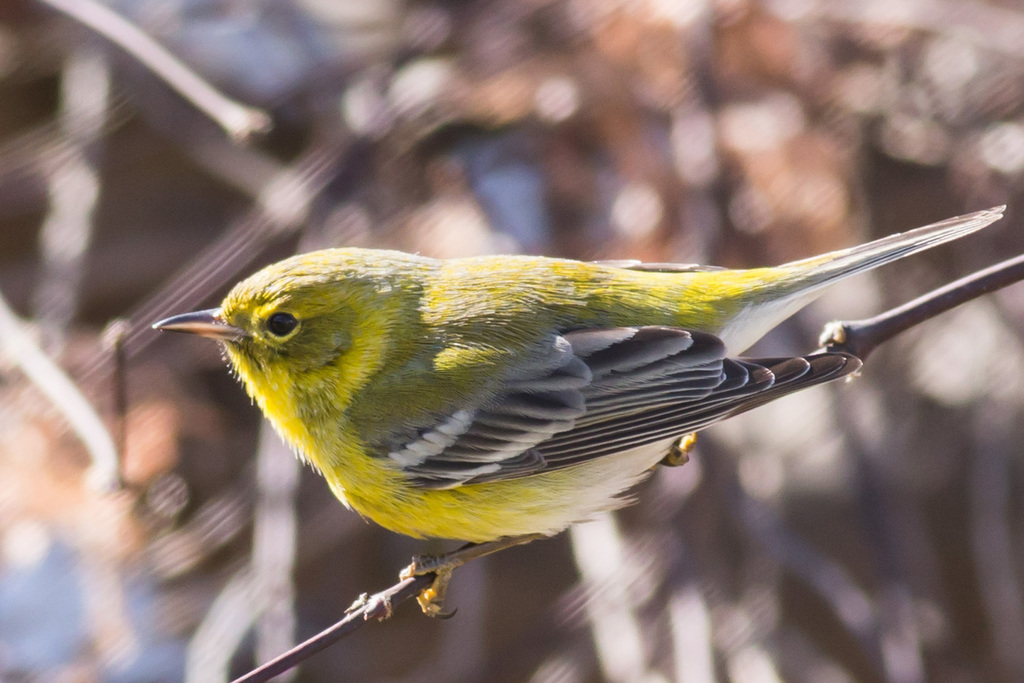

Plants 224
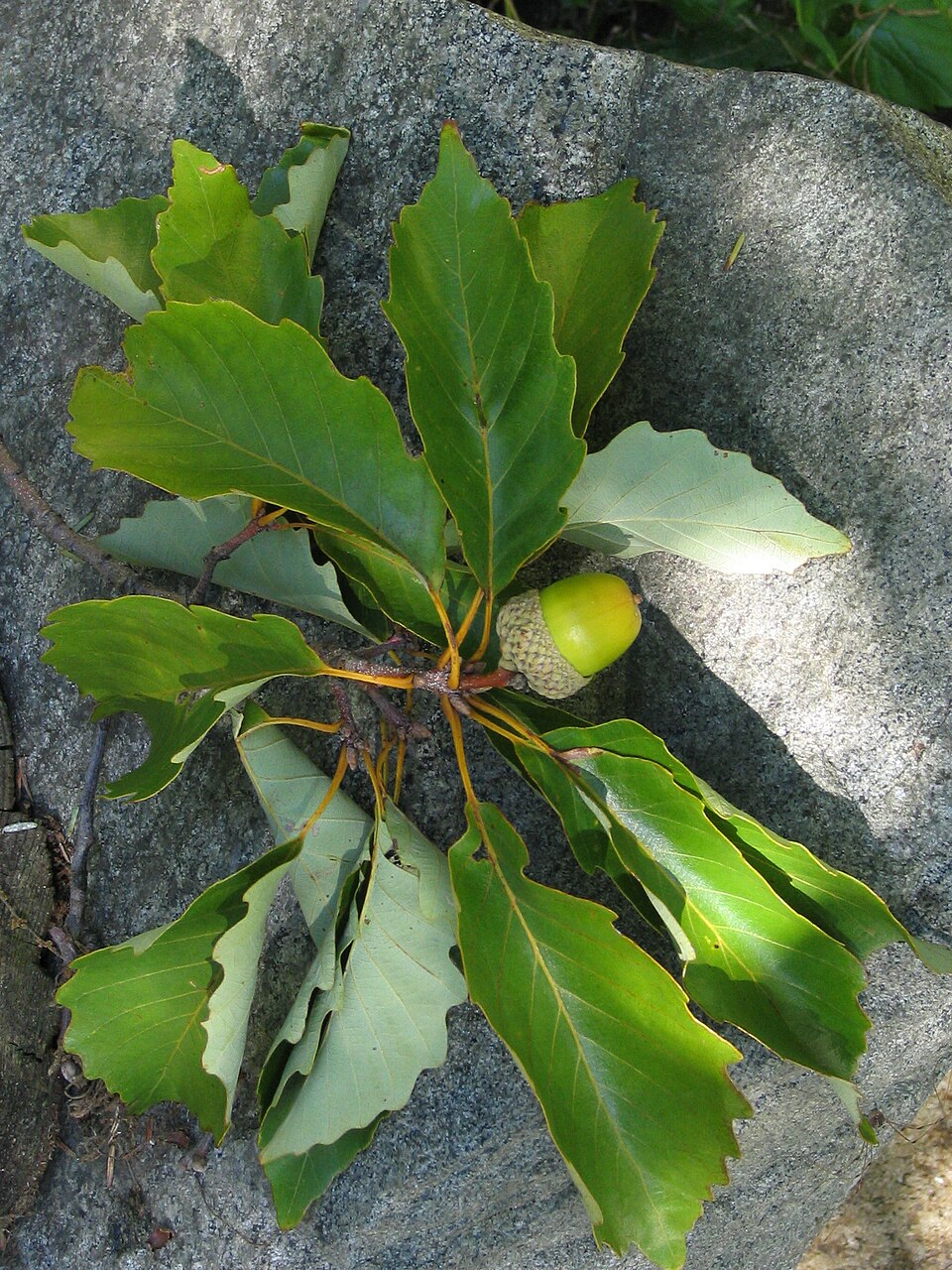
- Chestnut OakQuercus montana
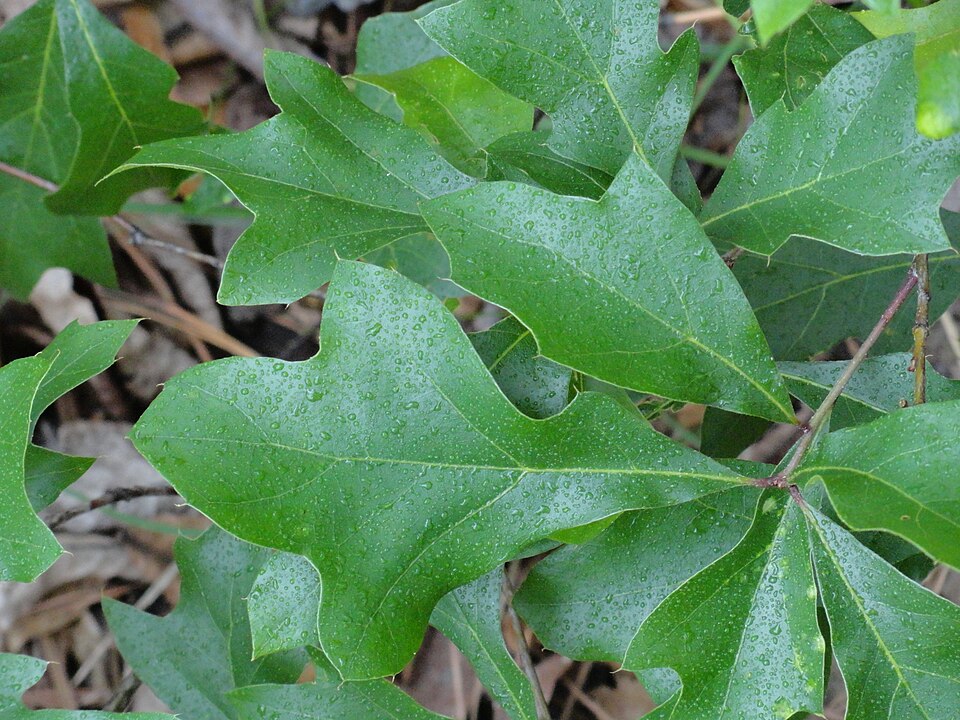
- Georgia OakQuercus georgiana
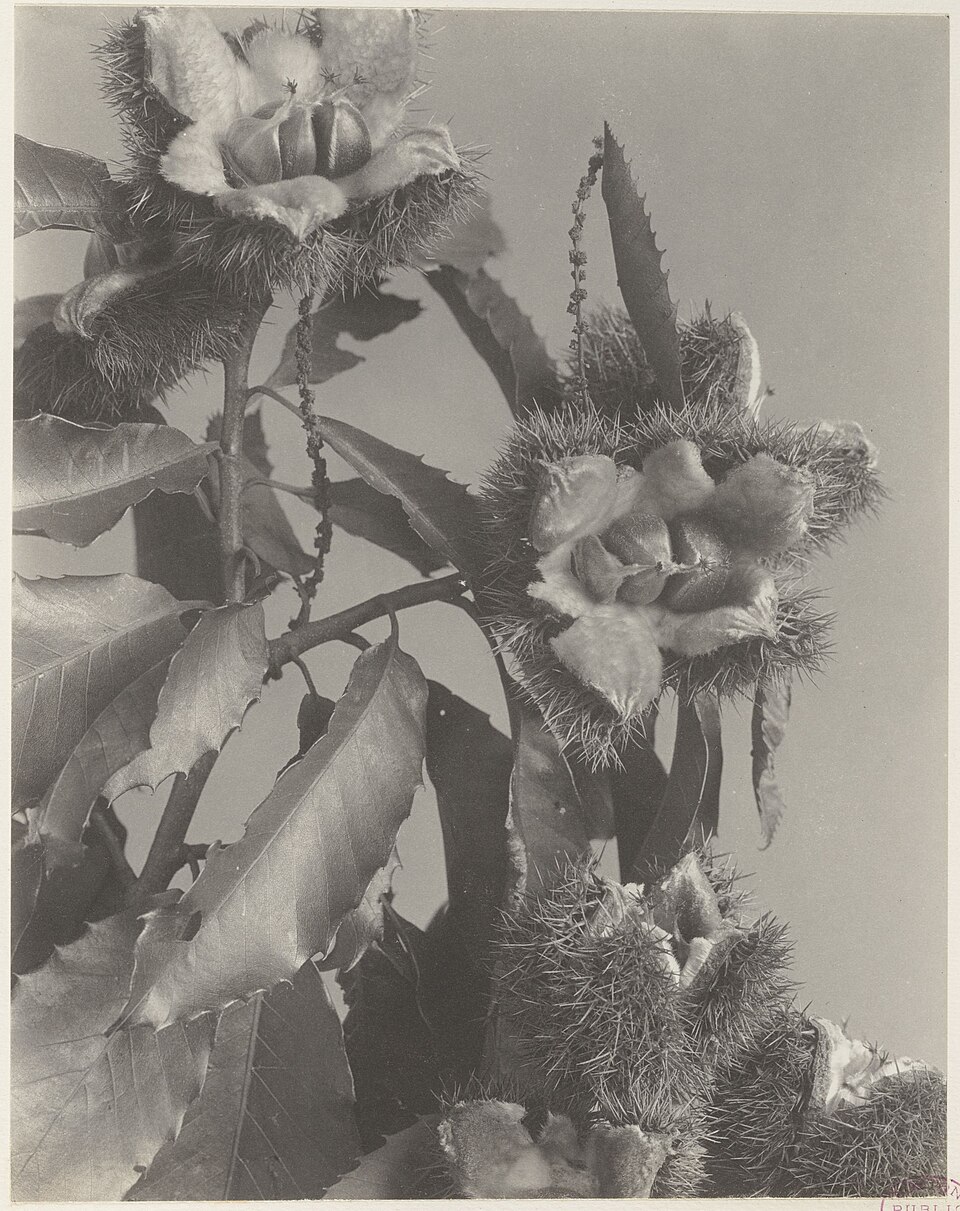
- American ChestnutCastanea dentata
- Boynton's OakQuercus boyntonii
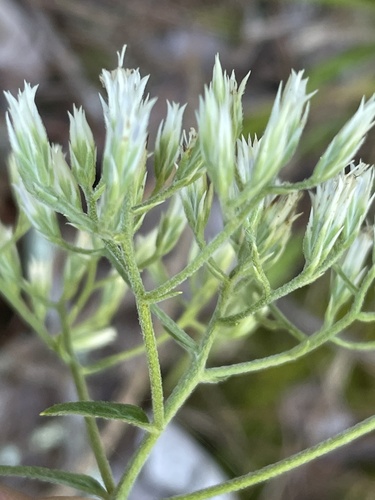
- White ThoroughwortEupatorium album
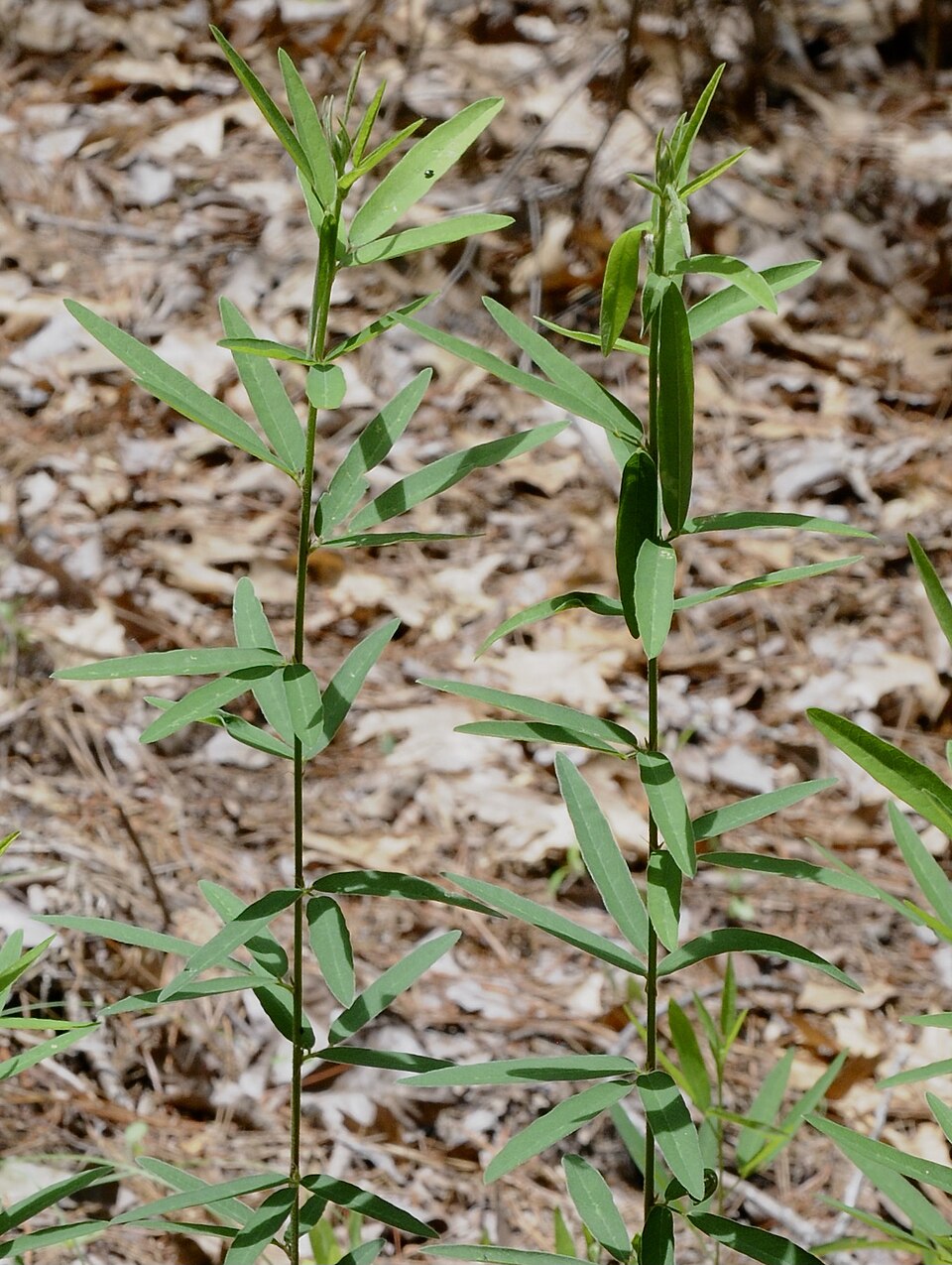
- Sessileleaf Tick-trefoilDesmodium sessilifolium
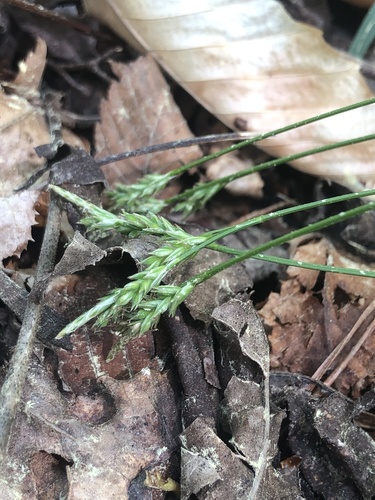
- Painted SedgeCarex picta
- Ernests SpiderwortTradescantia ernestiana
- Leavenworth's SedgeCarex leavenworthii
- Southern Whitetinge SedgeCarex albicans var. australis
- Southern LoosestrifeSteironema tonsa
- Alabama SkullcapScutellaria alabamensis
Floodplain and bottomland forests
Birds 88
- Black-throated Blue WarblerDendroica caerulescens
- Louisiana WaterthrushSeiurus motacilla
- Evening GrosbeakCoccothraustes vespertinus
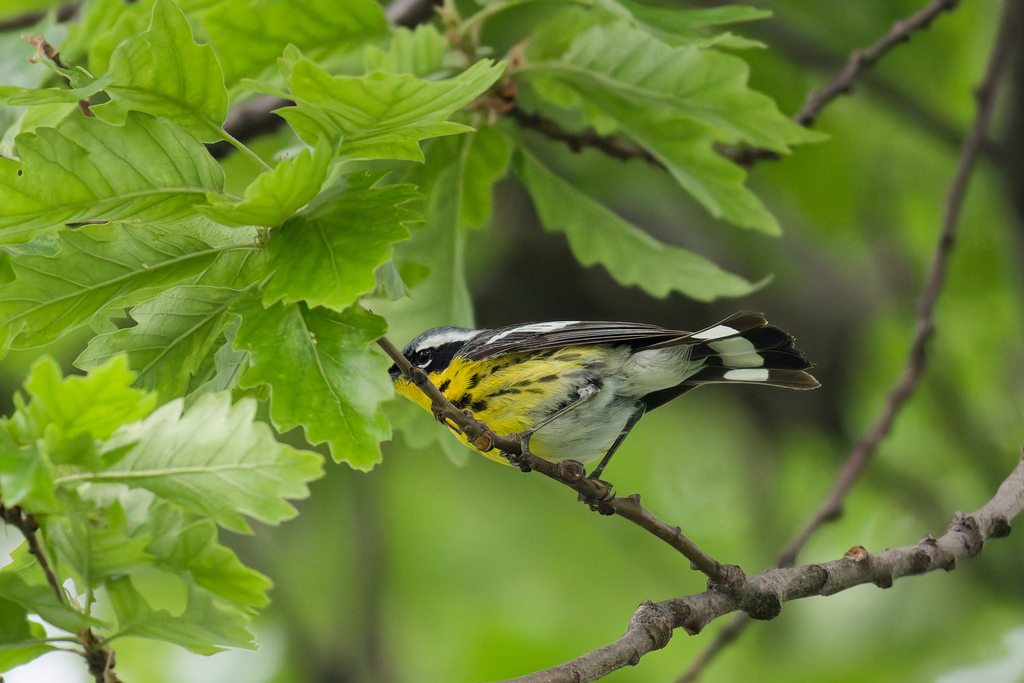
- Magnolia WarblerDendroica magnolia
- OvenbirdSeiurus aurocapilla
- Red-breasted NuthatchSitta canadensis
- Willow FlycatcherEmpidonax traillii
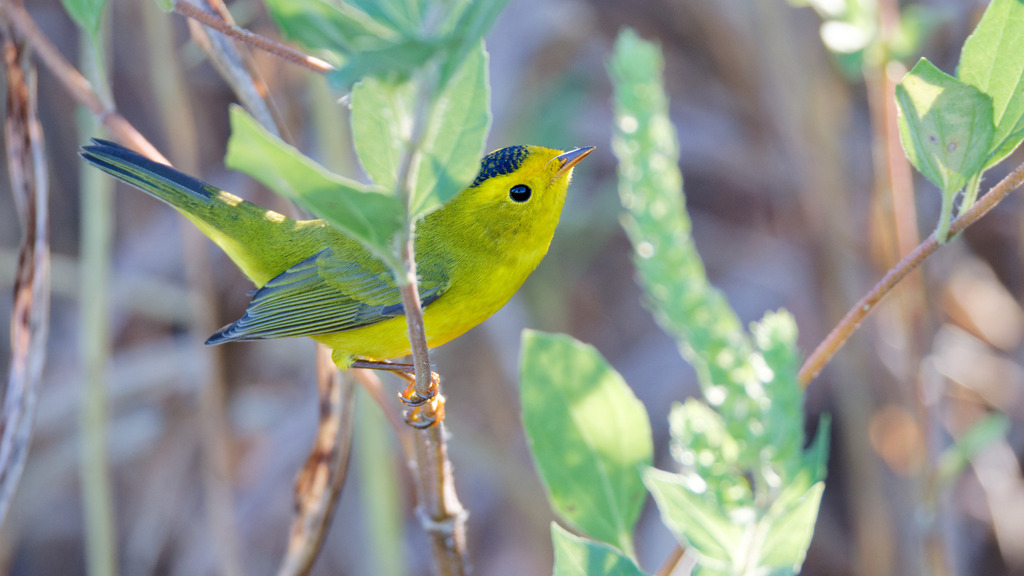
- Wilson's WarblerWilsonia pusilla
- Worm-eating WarblerHelmitheros vermivorum
- American WoodcockScolopax minor
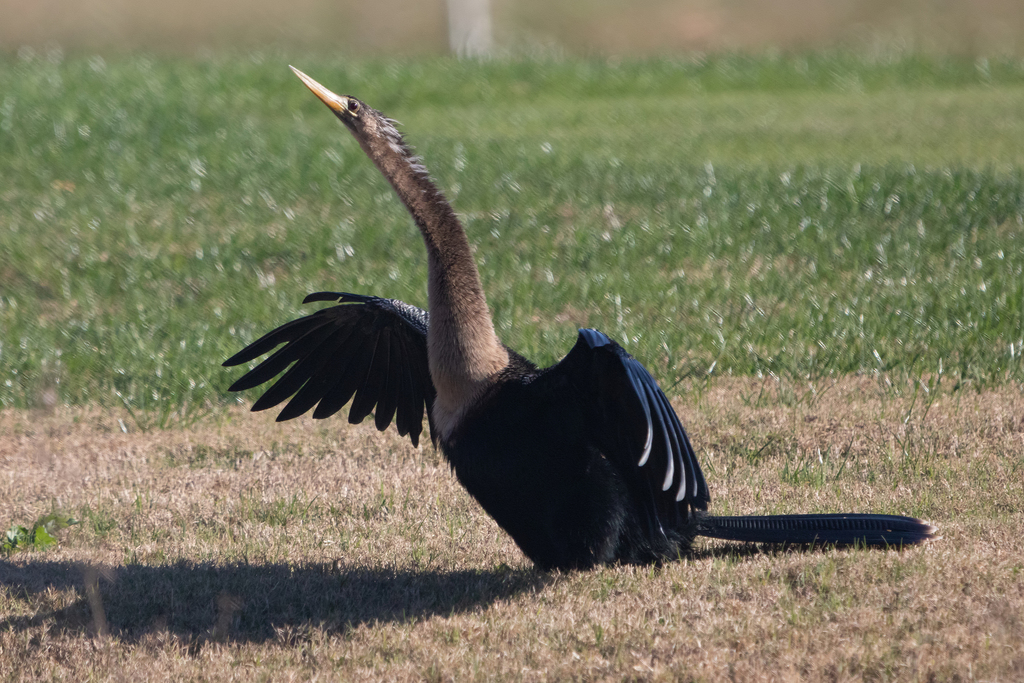
- AnhingaAnhinga anhinga
- Broad-winged HawkButeo platypterus




Plants 418
- Elliott's BlueberryVaccinium elliottii
- White Panicled Aster; Eastern Lined AsterSymphyotrichum lanceolatum var. latifolium
- Possumhaw HollyIlex decidua
- Cherrybark OakQuercus pagoda
- Appalachian Orange ConeflowerRudbeckia umbrosa
- Rudbeckia fulgida var. spathulataRudbeckia spathulata
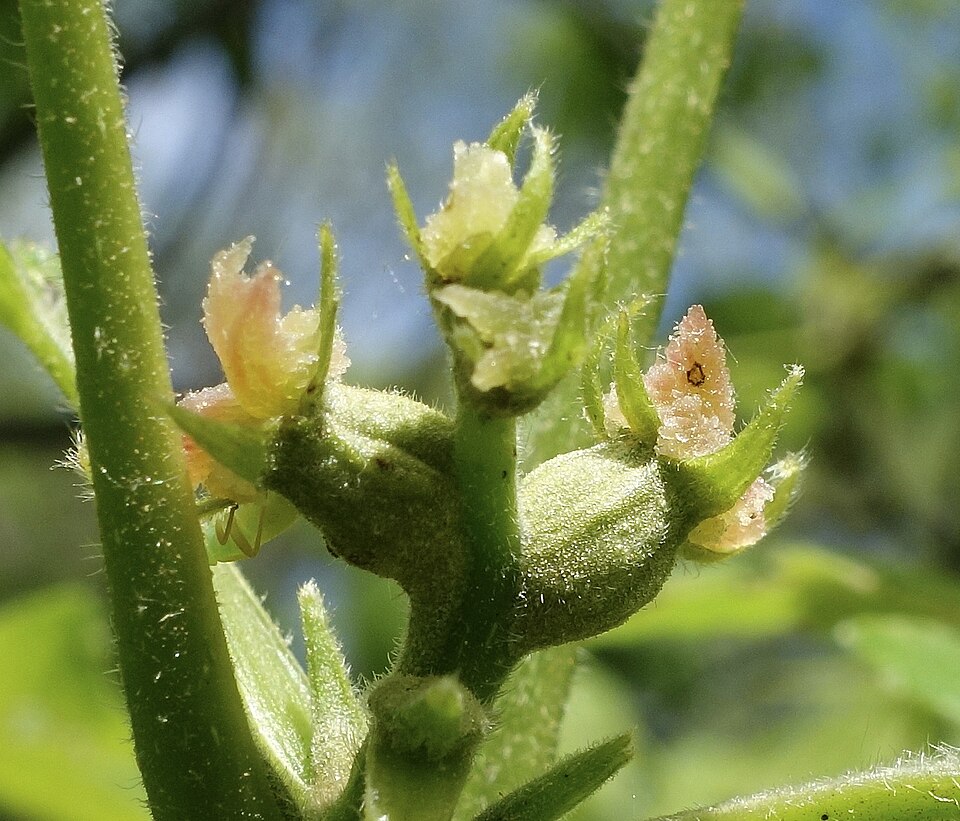
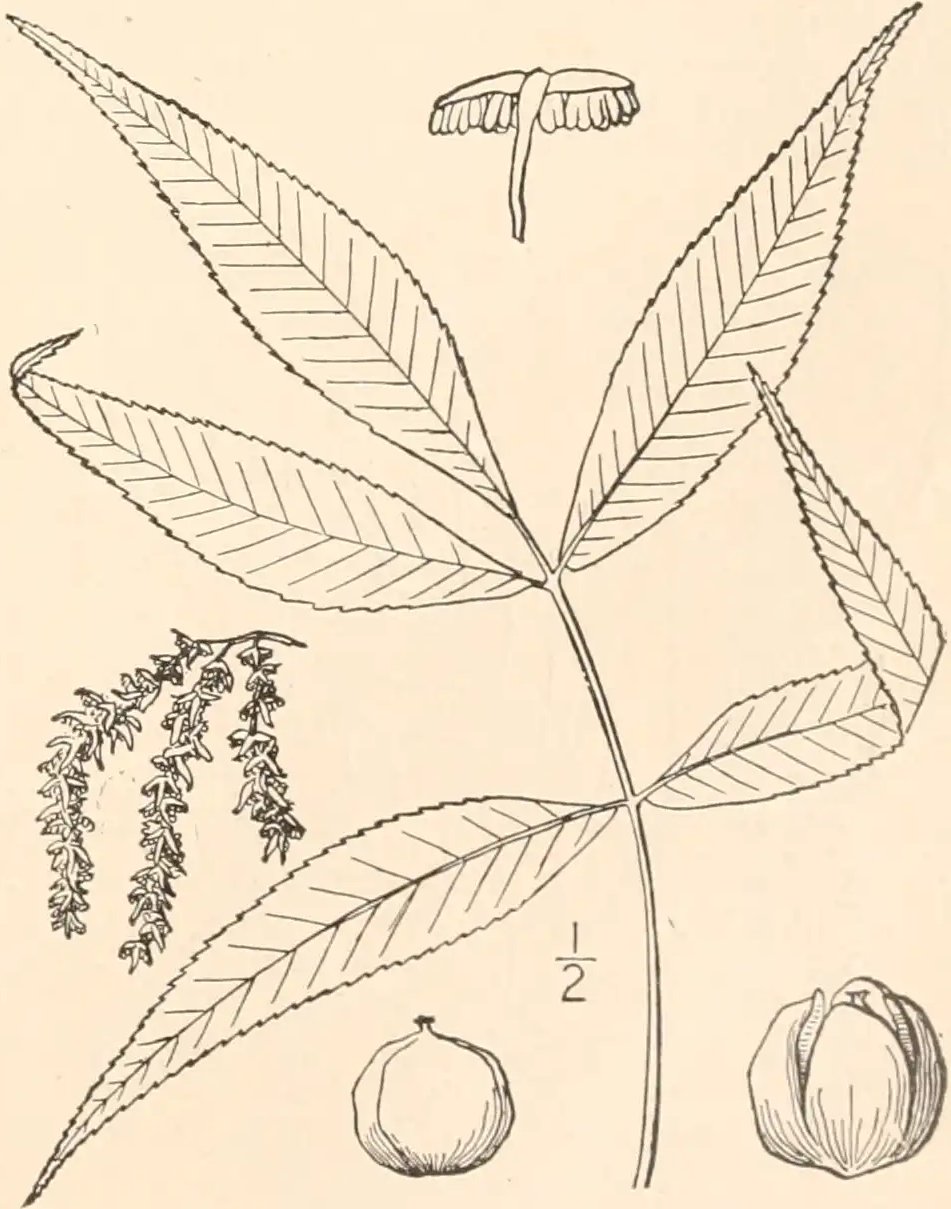
- Shagbark HickoryCarya ovata
- Southern Shagbark HickoryCarya carolinae-septentrionalis
- Spruce Pine; Walters Pine; Cedar PinePinus glabra
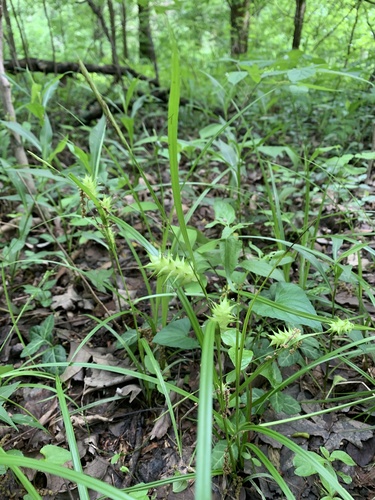
- Spreading SedgeCarex laxiculmis
- Louisiana SedgeCarex louisianica
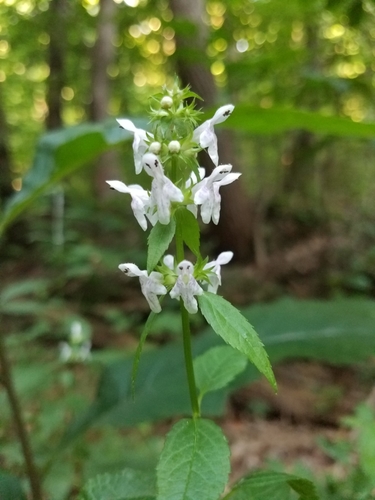
- Smooth Hedge-nettleStachys tenuifolia
Moist forests
Birds 54
- Black-throated Green WarblerDendroica virens
- Louisiana WaterthrushSeiurus motacilla
- Blue-headed VireoVireo solitarius
- Evening GrosbeakCoccothraustes vespertinus
- OvenbirdSeiurus aurocapilla
- Red-breasted NuthatchSitta canadensis
- Worm-eating WarblerHelmitheros vermivorum
- American WoodcockScolopax minor
- Broad-winged HawkButeo platypterus
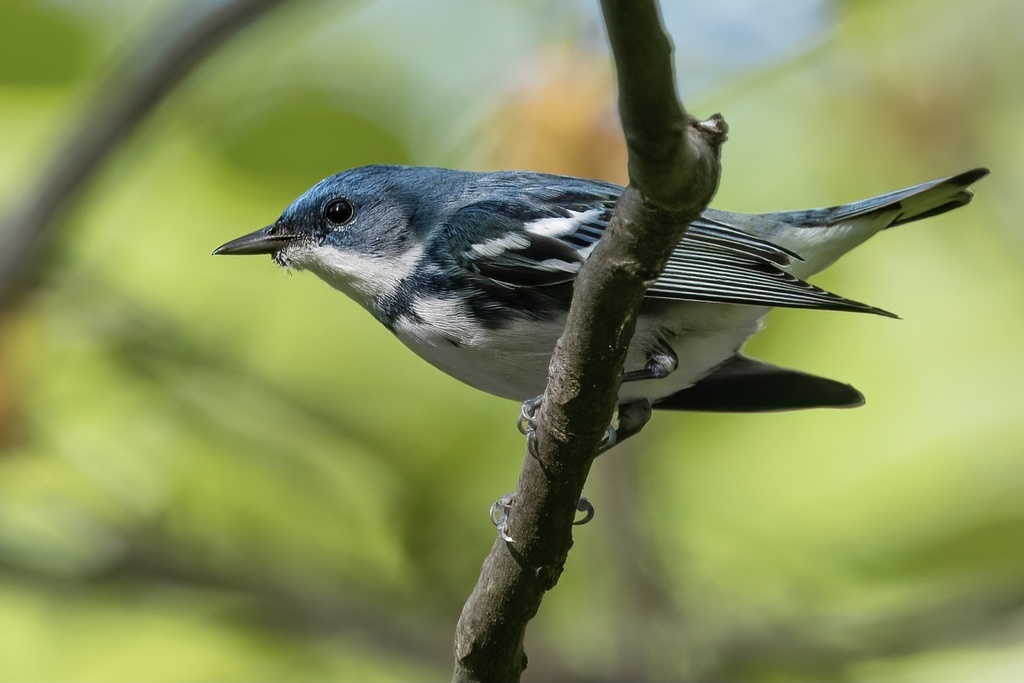
- Cerulean WarblerDendroica cerulea
- Kentucky WarblerOporornis formosus
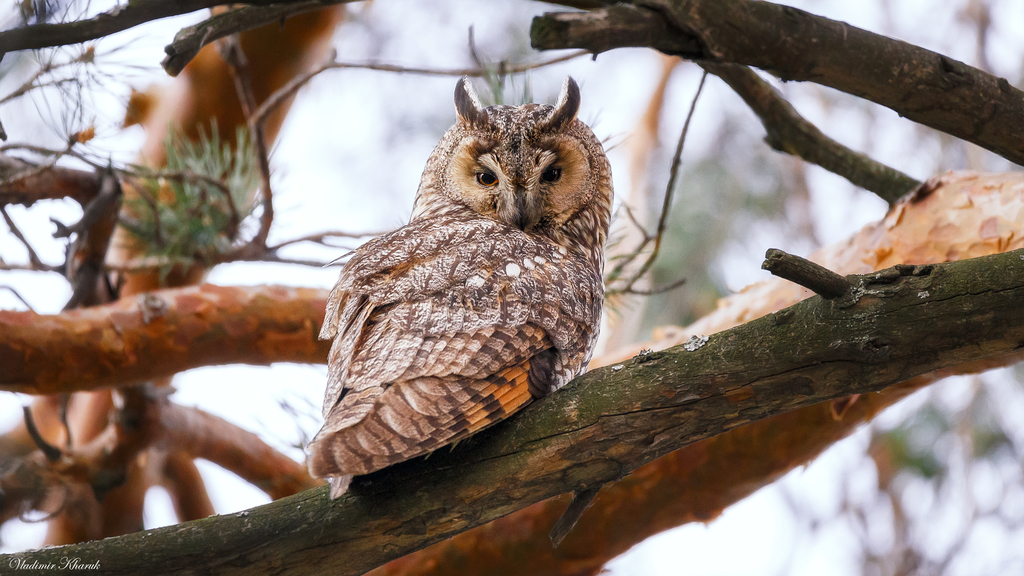
- Long-eared OwlAsio otus

Plants 337
- Smooth Blue AsterSymphyotrichum laeve
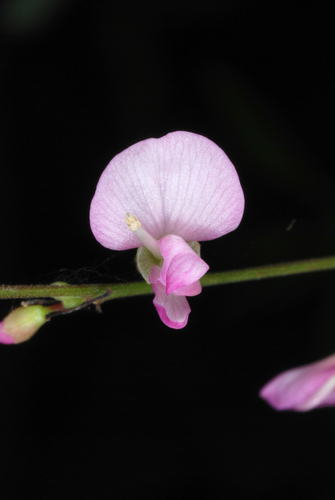
- Fewflower Tick-trefoilHylodesmum pauciflorum
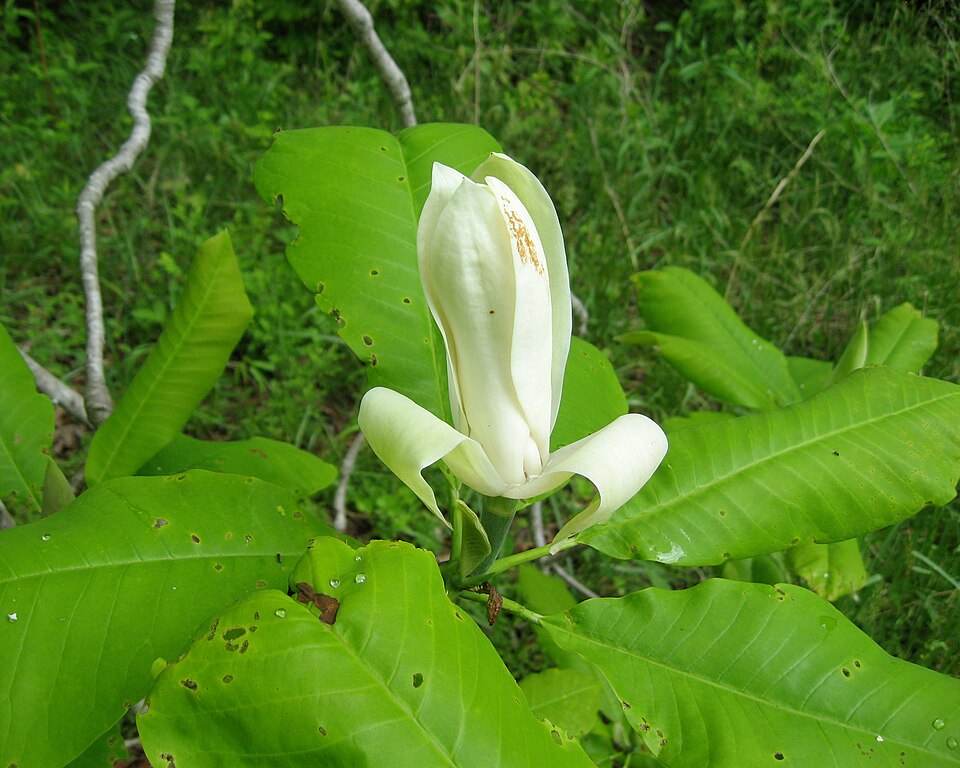
- Umbrella MagnoliaMagnolia tripetala
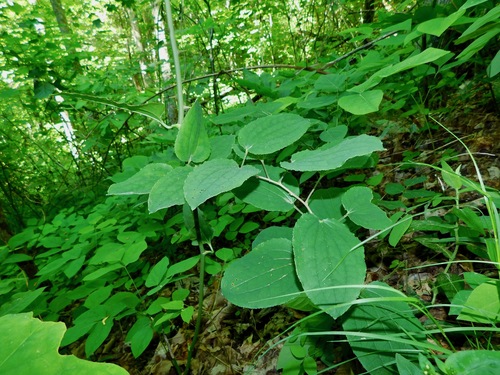
- Pointedleaf Tick-trefoilHylodesmum glutinosum
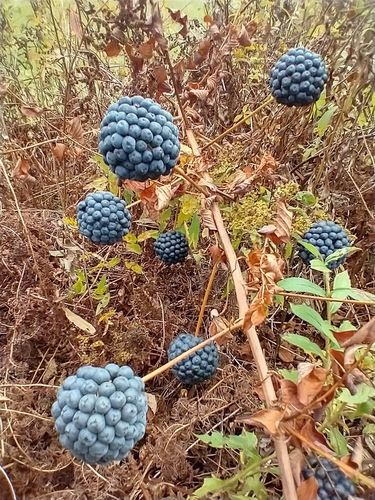
- Smooth Carrion-flowerSmilax herbacea
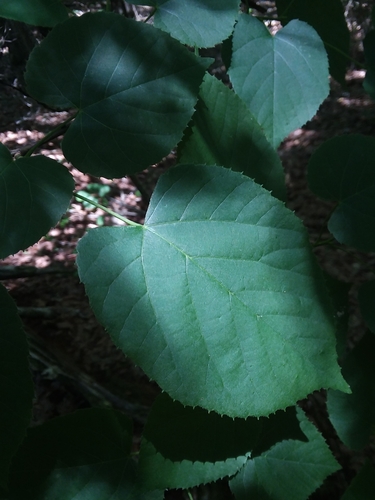
- American Basswood; American LindenTilia americana var. caroliniana
- Huger's Carrion-flowerSmilax hugeri
- Leonard's Witch HazelHamamelis ovalis
- Bryson's SedgeCarex brysonii
- Carex acidicolaCarex acidicola
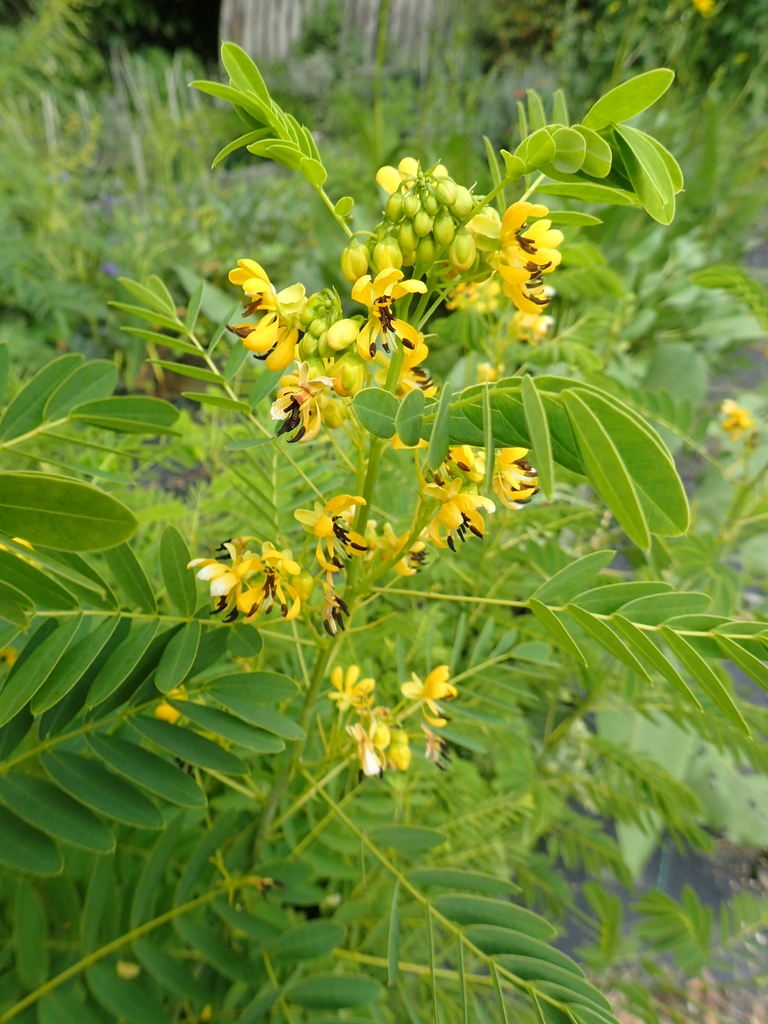
- American SennaSenna hebecarpa
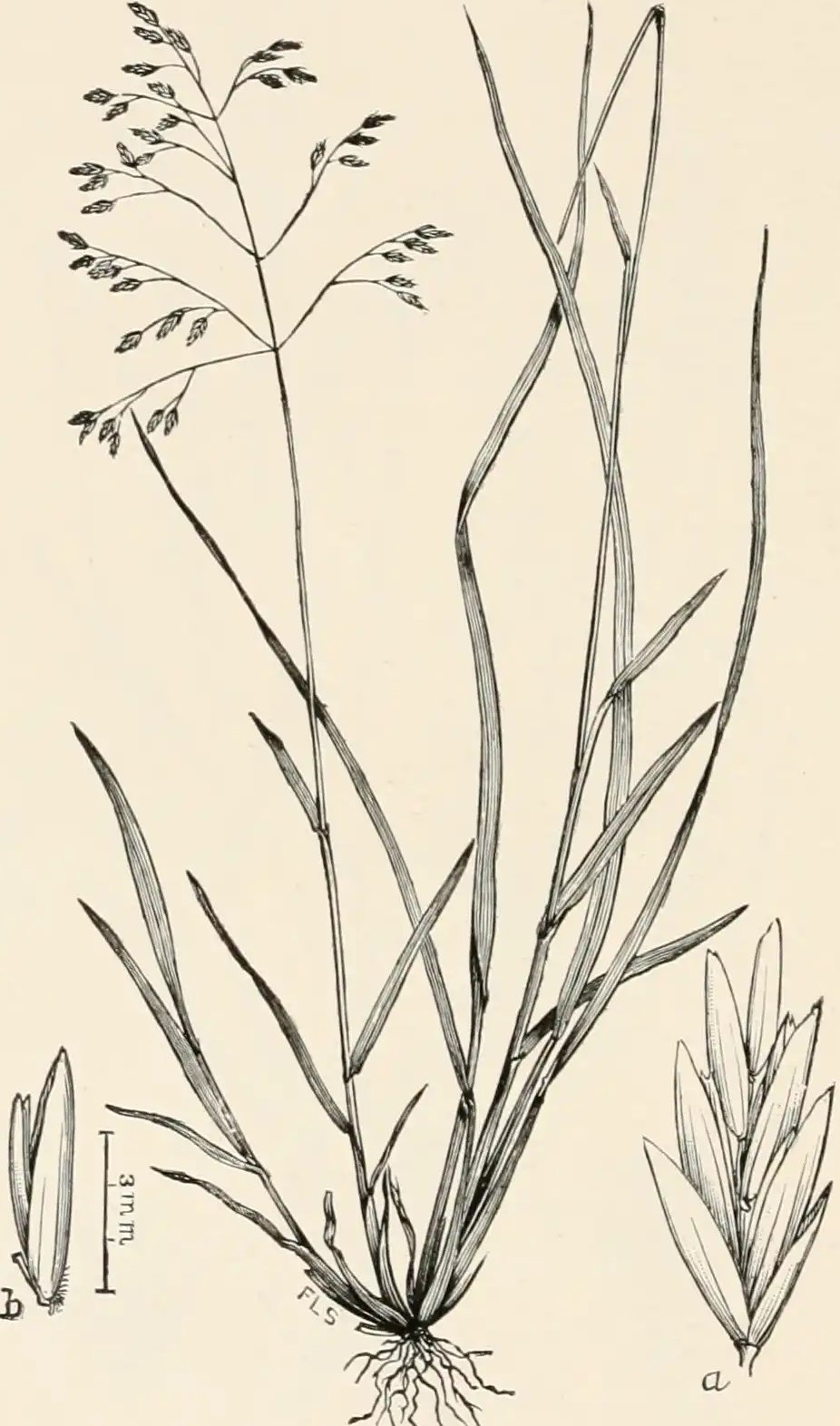
- Early BluegrassPoa cuspidata

Sources
- USGS Gap Analysis Project habitat models (2001)
- USGS GAP summer habitat model for Scarlet Tanager
- USGS Gap Analysis Project range maps (2001), modeled by watershed; migratory gives no dates
- NatureServe Explorer (CC BY 4.0), habitat names
- US Census TIGER/Line counties
- Names follow the USGS Gap Analysis Project (2001)