

Bird
Ruffed Grouse
Bonasa umbellus
Lives in Alabama all year and nests here. Found in 2 of 67 counties, across 8 habitats.
- Here
- All year
- Nesting
- Nests here
- Range
- 2 of 67 counties
- Habitats
- 8

At a glance
- Group
- Birds
- Here
- All year
- Nesting
- Nests here
- Range
- 2 of 67 counties
- Habitats
- 8
- Habitat models
- Year-round
Where it lives
The places its habitat model includes. It is not found everywhere a habitat occurs.
Habitats in Alabama 8
Each habitat page lists the plants and wildlife also found there.
Glades, barrens and outcrops on limestone
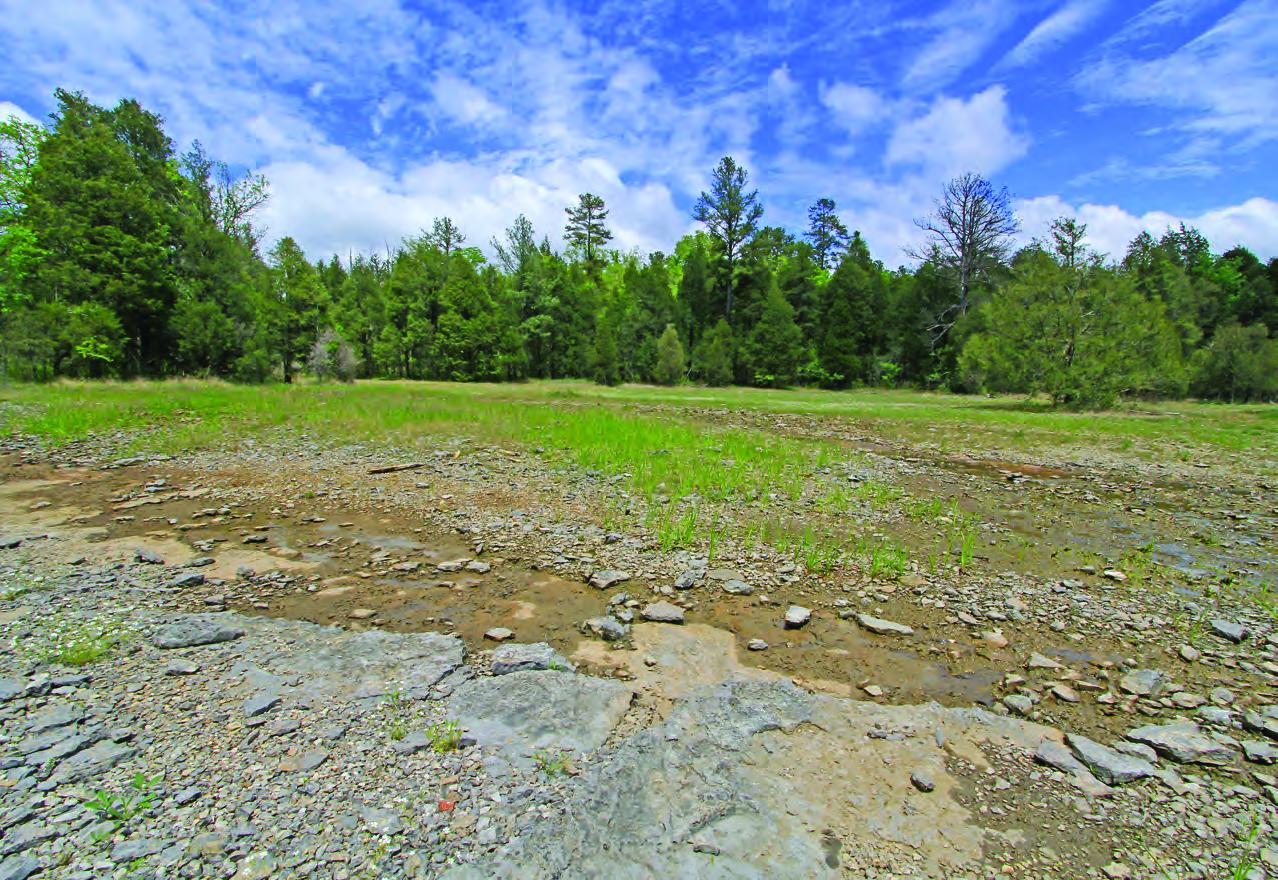
Forests and open woodlands on dry ridges and slopes, often oak or pine.
Floodplain and bottomland forests
Forests on low ground beside rivers and streams that flood from time to time.
Forests between dry and moist, often oak-hickory on slopes.
Forests on moist but not wet ground, such as rich slopes and ravines.
Streams, rivers and their banks
Flowing water and its banks, bars and rocky shoals.
Tree plantations and managed pine
Planted or intensively managed stands of pine or hardwoods grown for timber; a land use rather than a natural community.
Roadsides, fields and disturbed ground
Ground opened by people: roadsides, old fields, pastures, fencerows and lots.
Other habitats in its models (41)
Land cover, or classes with no habitat page in Alabama.
- Central and Southern Appalachian Northern Hardwood Forest Year-round.
- Northeastern Interior Dry Oak Forest-Hardwood Modifier Year-round.
- Northeastern Interior Dry Oak Forest - Mixed Modifier Year-round.
- Southern and Central Appalachian Oak Forest - Xeric Year-round.
- Northeastern Interior Dry-Mesic Oak Forest Year-round.
- Ozark-Ouachita Dry-Mesic Oak Forest Year-round.
- North-Central Interior Dry-Mesic Oak Forest and Woodland Year-round.
- North-Central Interior Dry Oak Forest and Woodland Year-round.
- Ouachita Montane Oak Forest Year-round.
- North-Central Interior Beech-Maple Forest Year-round.
- North-Central Interior Maple-Basswood Forest Year-round.
- Southern and Central Appalachian Oak Forest Year-round.
- Central and Southern Appalachian Montane Oak Forest Year-round.
- Ozark-Ouachita Dry Oak Woodland Year-round.
- Ozark-Ouachita Mesic Hardwood Forest Year-round.
- Northeastern Interior Dry Oak Forest - Virginia/Pitch Pine Modifier Year-round.
- Southern Piedmont Dry Oak-(Pine) Forest - Loblolly Pine Modifier Year-round.
- Southern Ridge and Valley Dry Calcareous Forest - Pine modifier Year-round.
- Southern Piedmont Dry Oak-(Pine) Forest - Mixed Modifier Year-round.
- Southern Piedmont Dry Oak-Heath Forest - Mixed Modifier Year-round.
- Northern Atlantic Coastal Plain Dry Hardwood Forest Year-round.
- Central Interior Highlands Dry Acidic Glade and Barrens Year-round.
- Ozark-Ouachita Shortleaf Pine-Oak Forest and Woodland Year-round.
- Central Appalachian Oak and Pine Forest Year-round.
- Appalachian Hemlock-Hardwood Forest Year-round.
- Acadian Low-Elevation Spruce-Fir-Hardwood Forest Year-round.
- Central Appalachian Pine-Oak Rocky Woodland Year-round.
- Southern and Central Appalachian Cove Forest Year-round.
- Southern Appalachian Montane Pine Forest and Woodland Year-round.
- Ozark-Ouachita Shortleaf Pine-Bluestem Woodland Year-round.
- Central and Southern Appalachian Spruce-Fir Forest Year-round.
- Southern Piedmont Glade and Barrens Year-round.
- Nashville Basin Limestone Glade Year-round.
- Central Appalachian Alkaline Glade and Woodland Year-round.
- Harvested Forest - Grass/Forb Regeneration Year-round, beside its main habitat.
- Introduced Upland Vegetation - Treed Year-round.
- Northern Atlantic Coastal Plain Basin Swamp and Wet Hardwood Forest Year-round.
- Southern and Central Appalachian Bog and Fen Year-round.
- Central Appalachian Riparian - Forest Modifier Year-round.
- Eastern Great Plains Floodplain Systems Year-round.
- Ozark-Ouachita Riparian Year-round.
Seasons in Alabama
- Year-round: nests here, in 2 of 67 counties.
Also found in this habitat
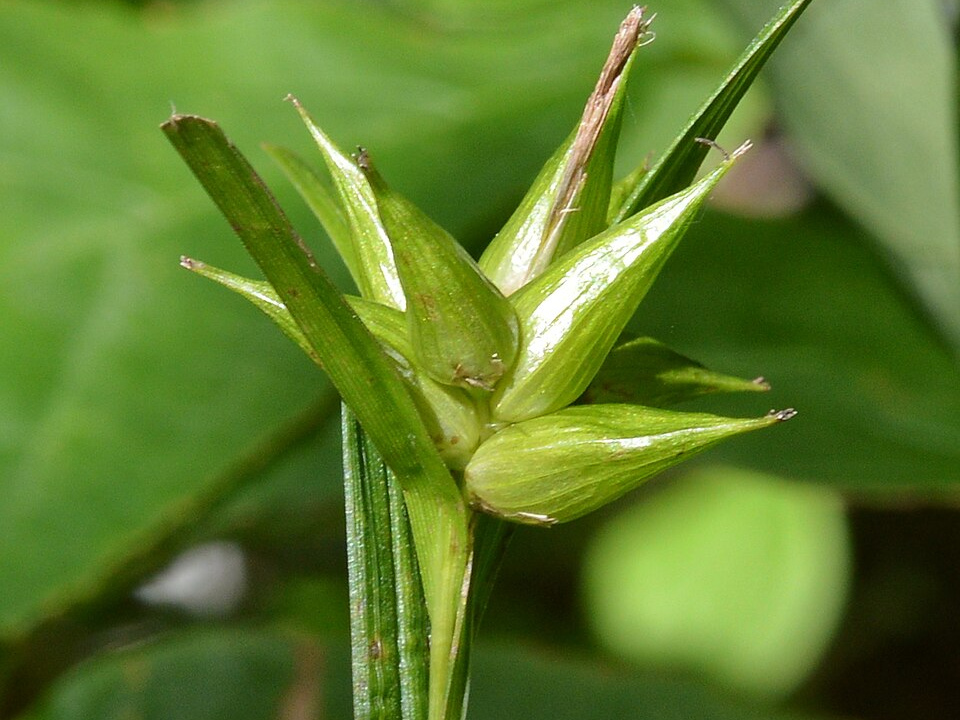
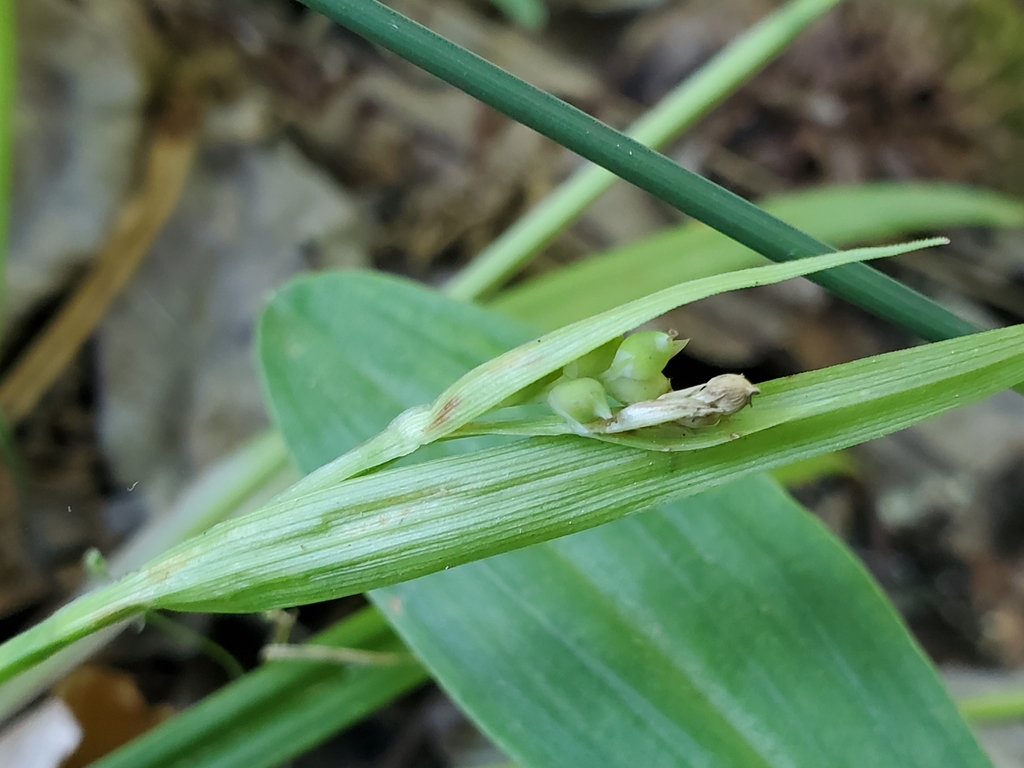
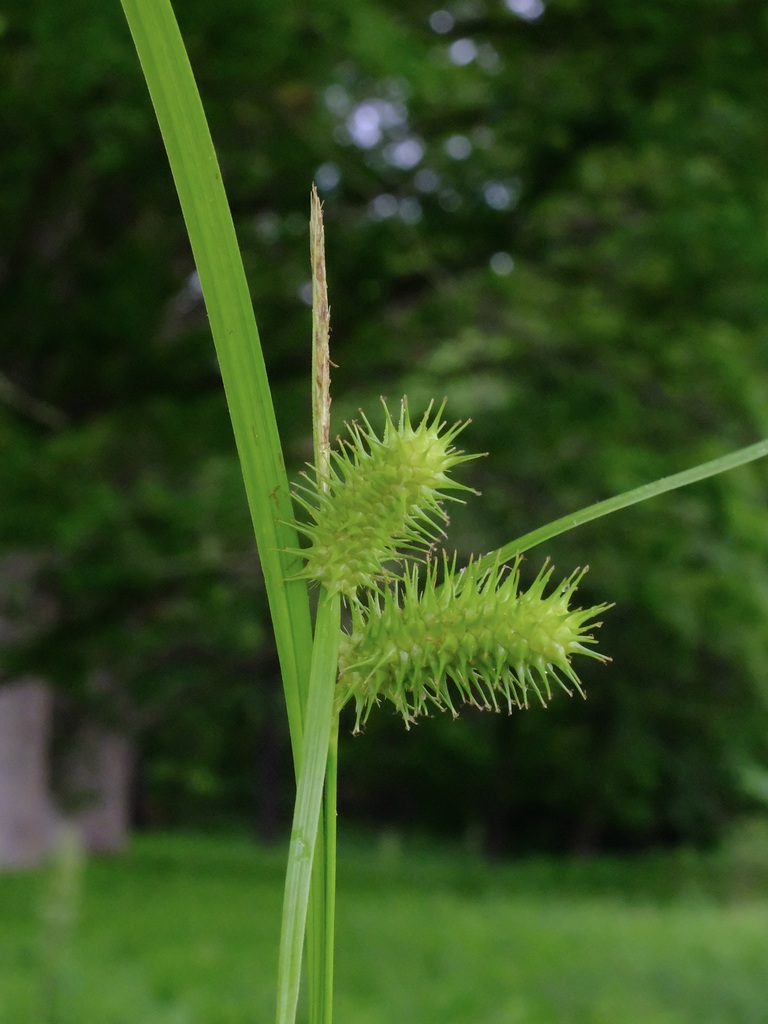
Plants 749
Plants named in NatureServe descriptions of these habitats that grow in Alabama. Shared habitat, not food.
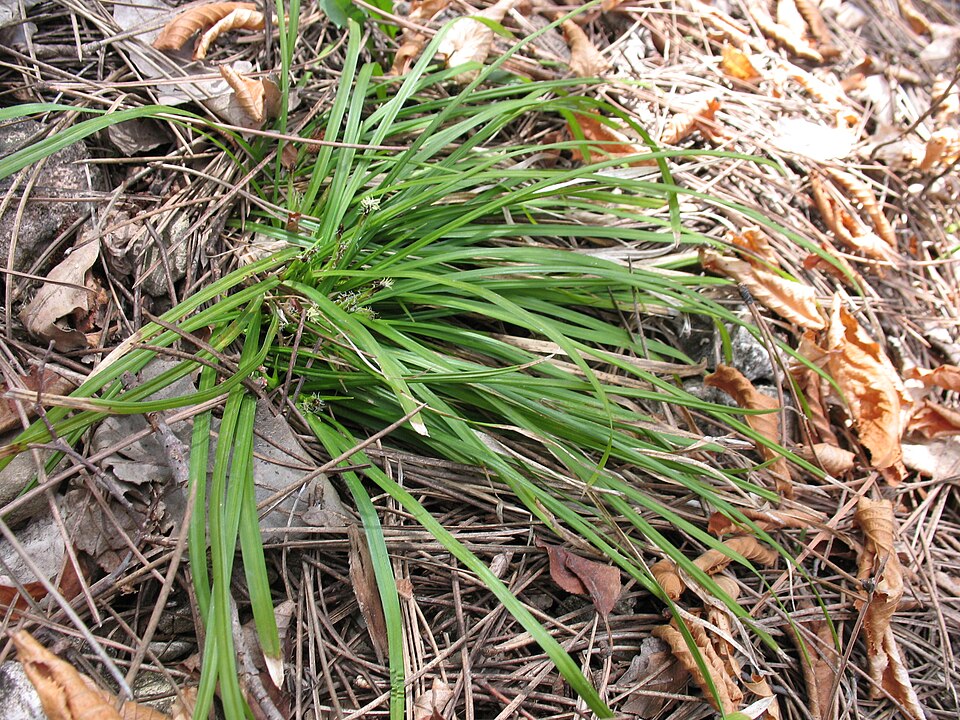
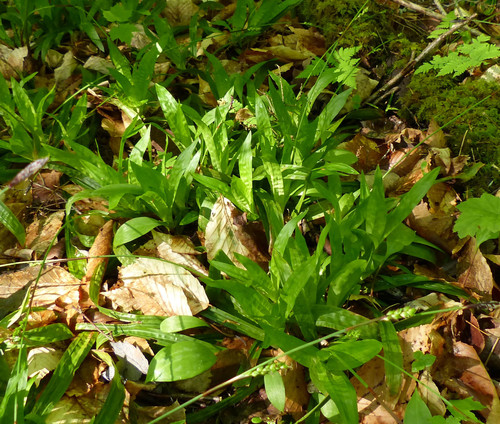
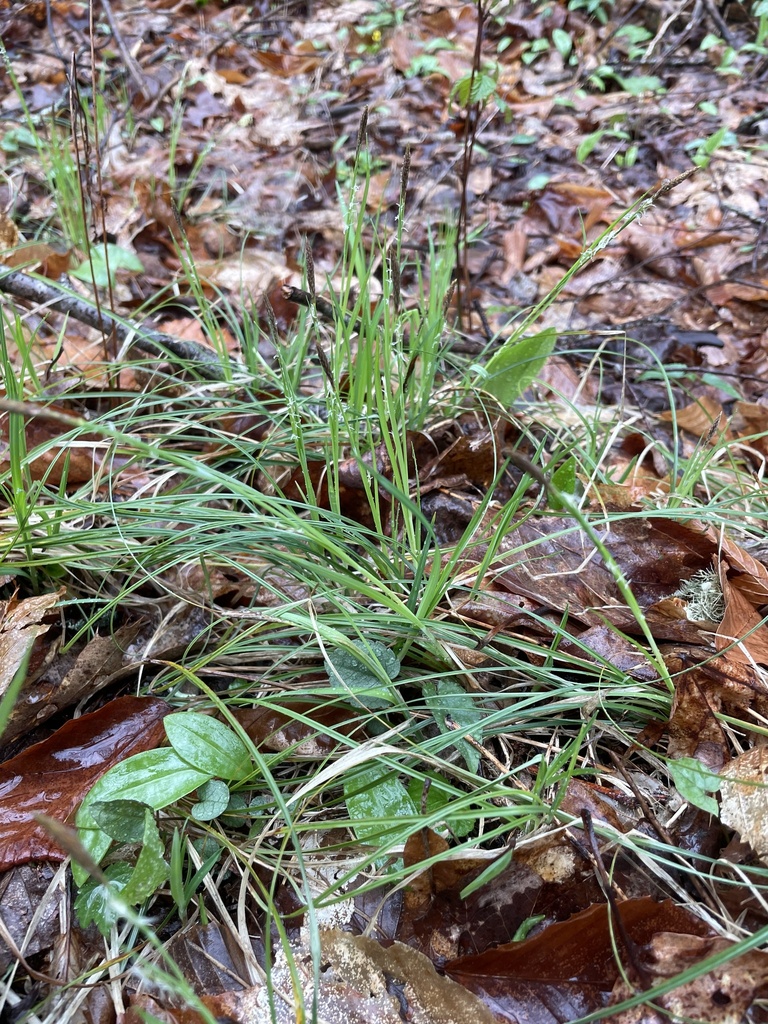
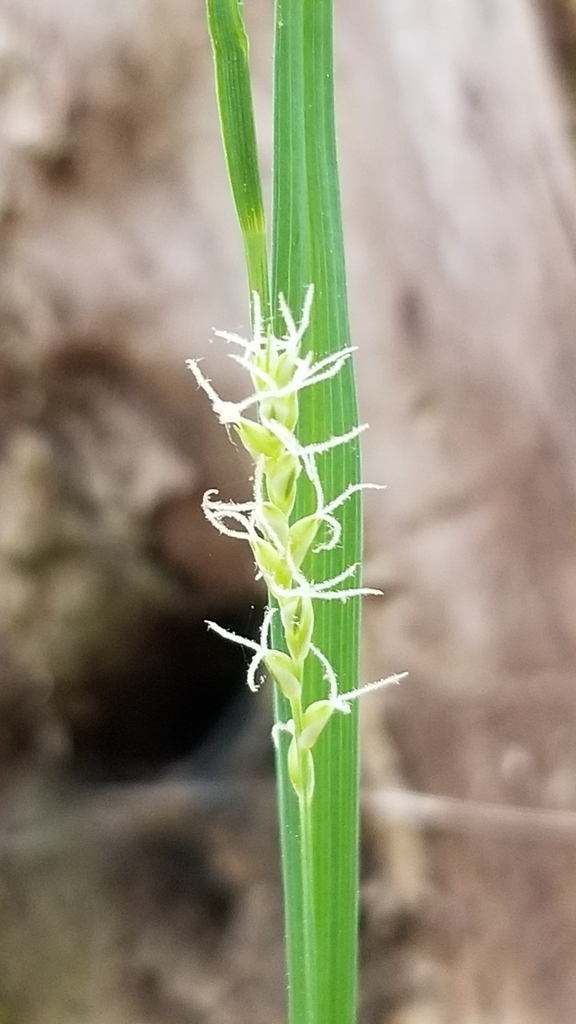
- Ravine SedgeCarex impressinervia
- Bladder SedgeCarex intumescens
- Krals SedgeCarex kraliana
- Sallow SedgeCarex lurida
- Longstalk SedgeCarex pedunculata
- Plantainleaf SedgeCarex plantaginea
- Purple SedgeCarex purpurifera
- Lined SedgeCarex striatula
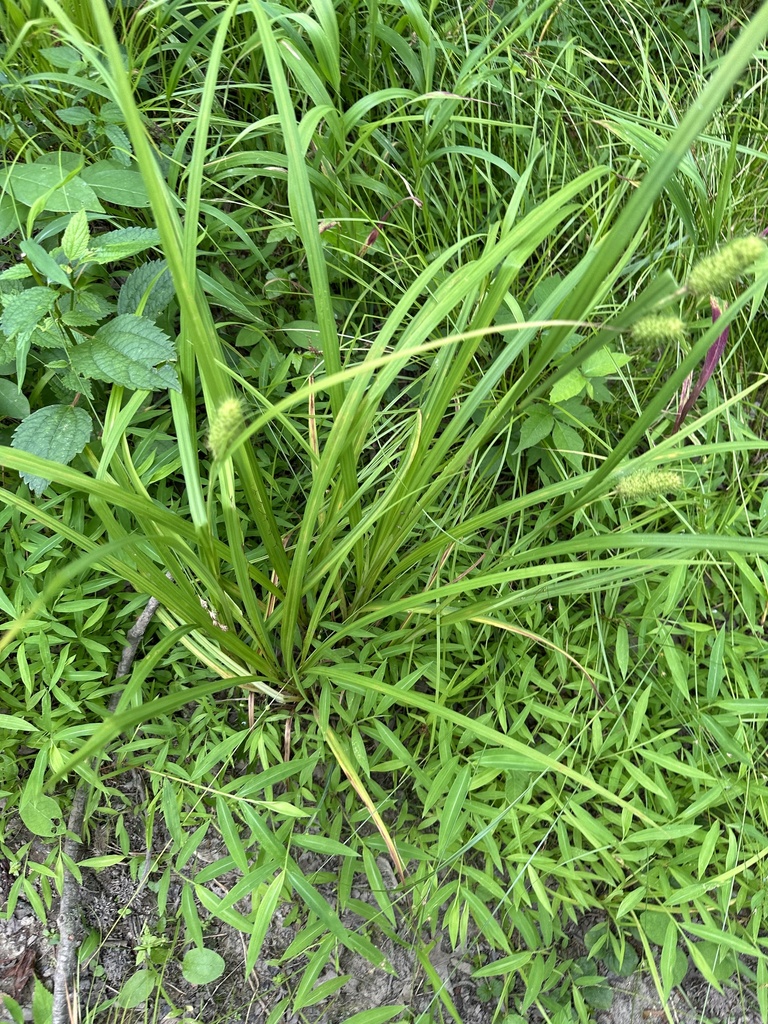
- Cattail SedgeCarex typhina
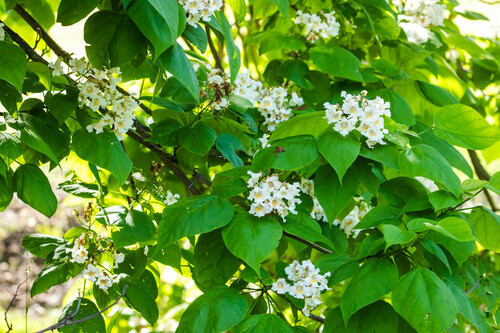
- Southern CatalpaCatalpa bignonioides
- Common Blue CohoshCaulophyllum thalictroides
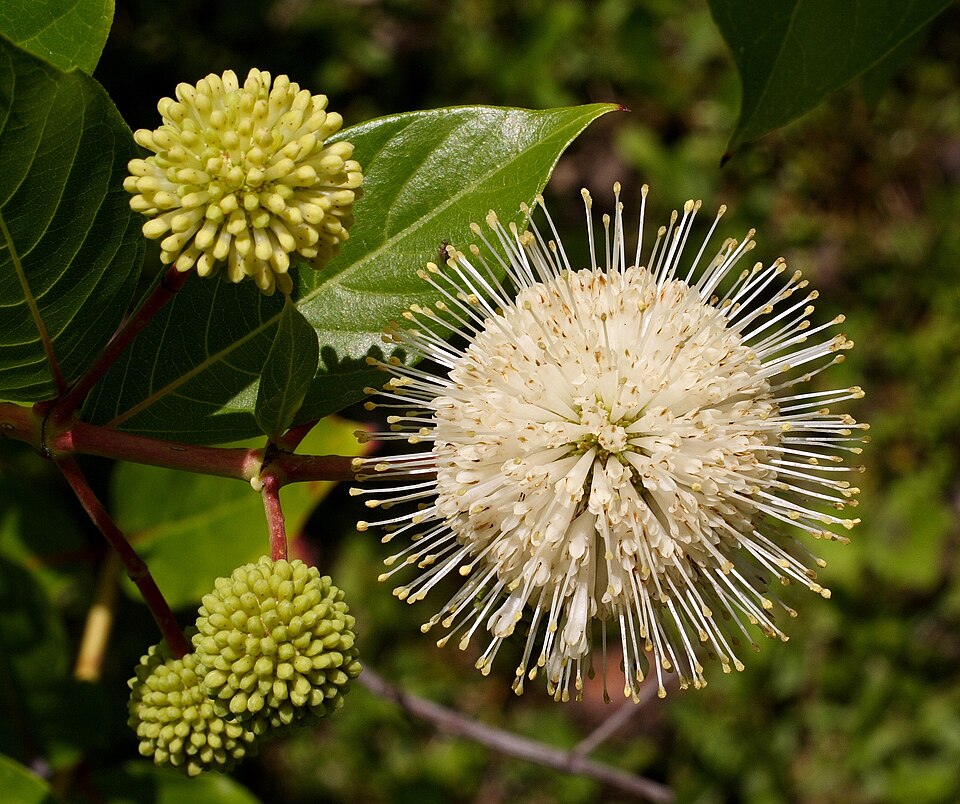
- ButtonbushCephalanthus occidentalis
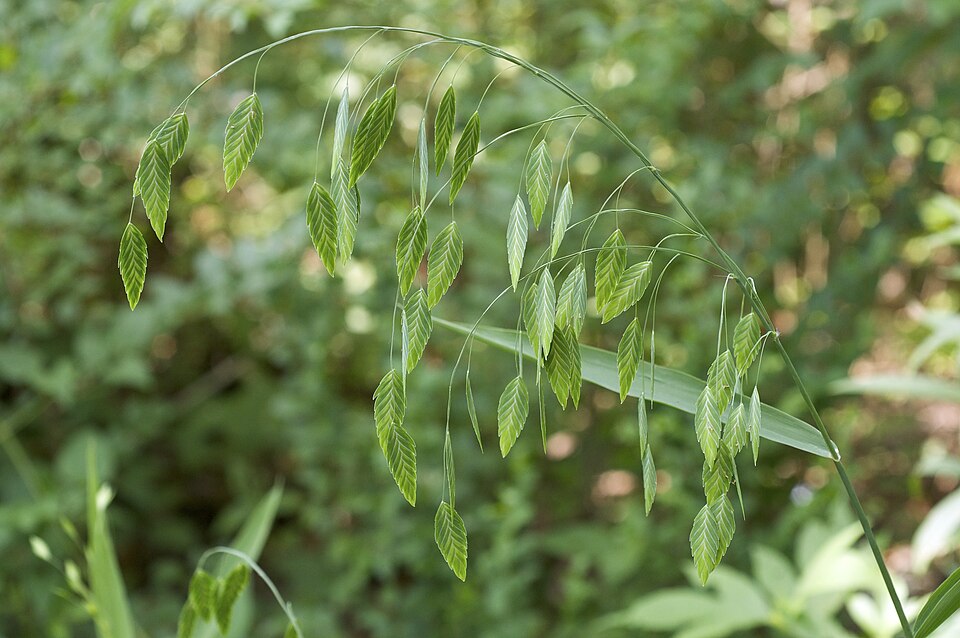
- River OatsChasmanthium latifolium
- Slender SpikegrassChasmanthium laxum
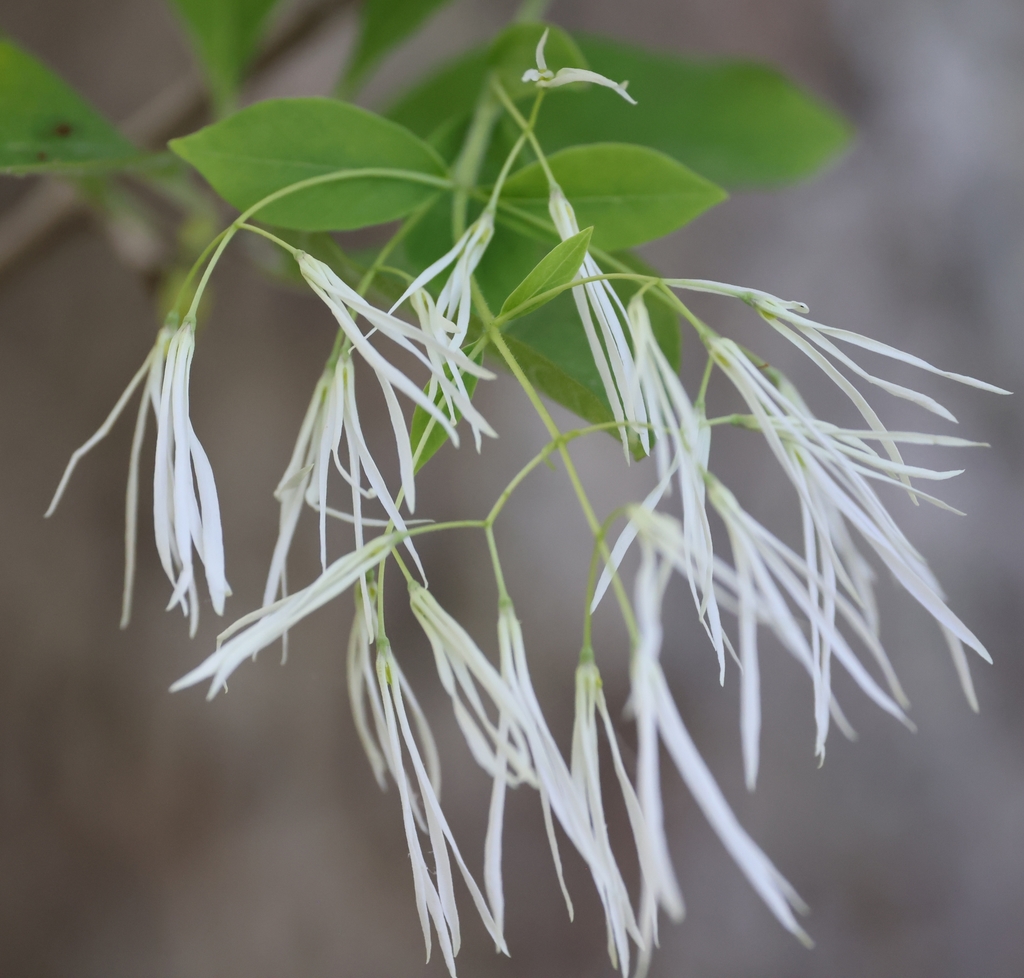
- FringetreeChionanthus virginicus
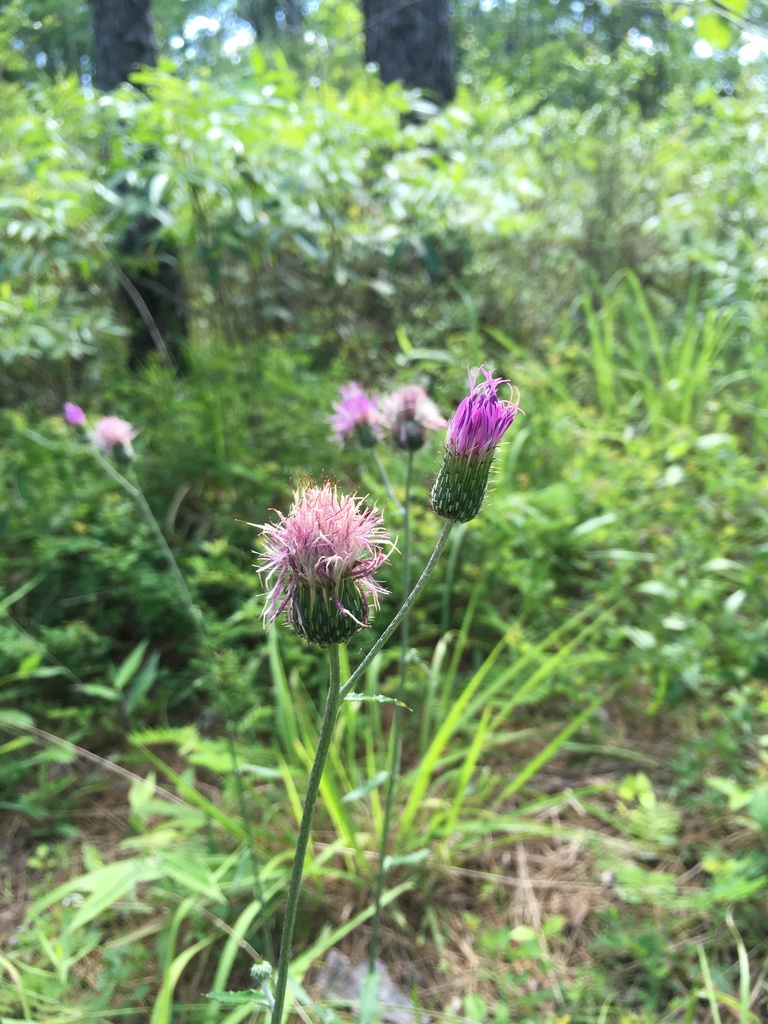
- Carolina ThistleCirsium carolinianum
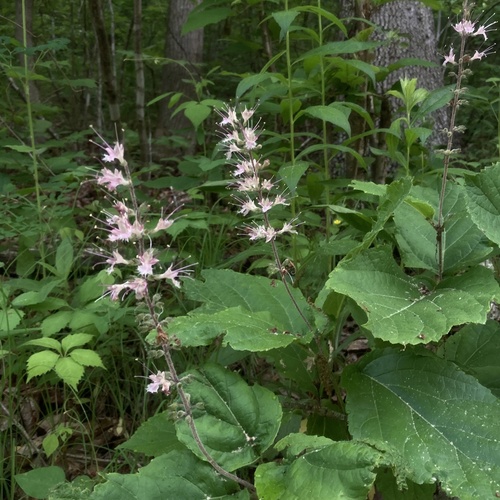
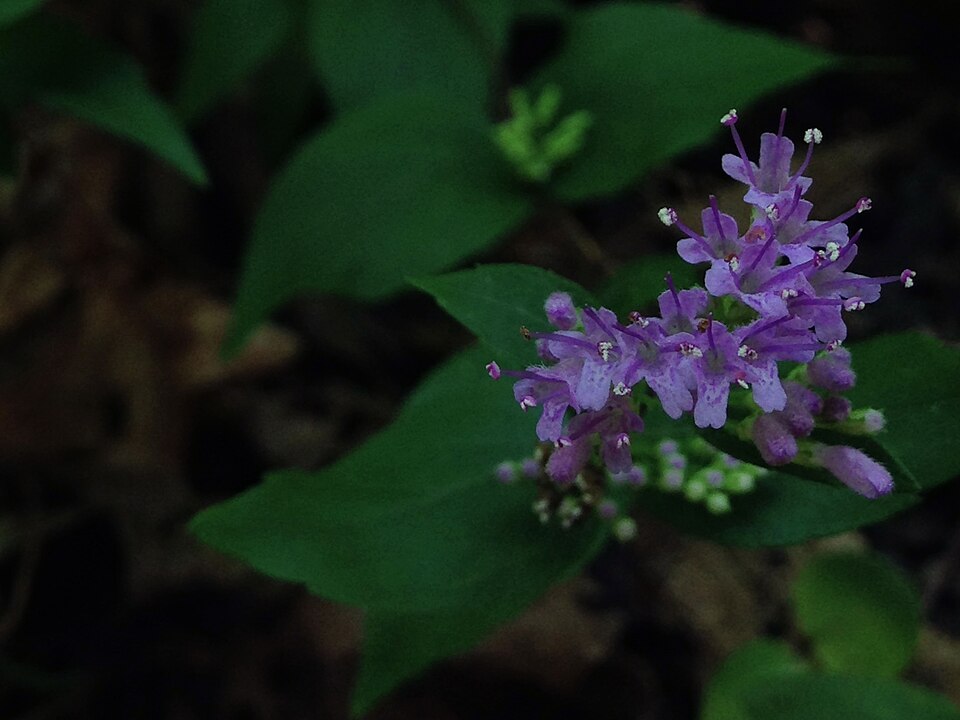
- Whorled HorsebalmCollinsonia verticillata
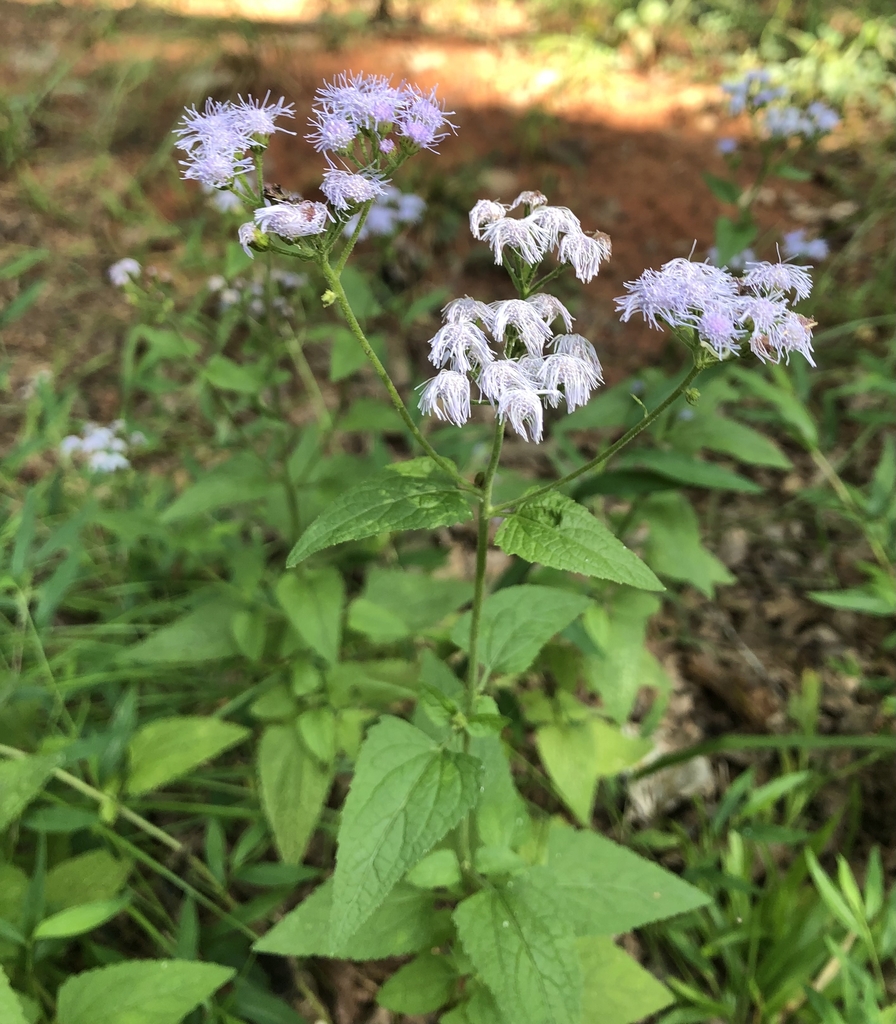
- Blue MistflowerConoclinium coelestinum
- Rough Leaf DogwoodCornus drummondii
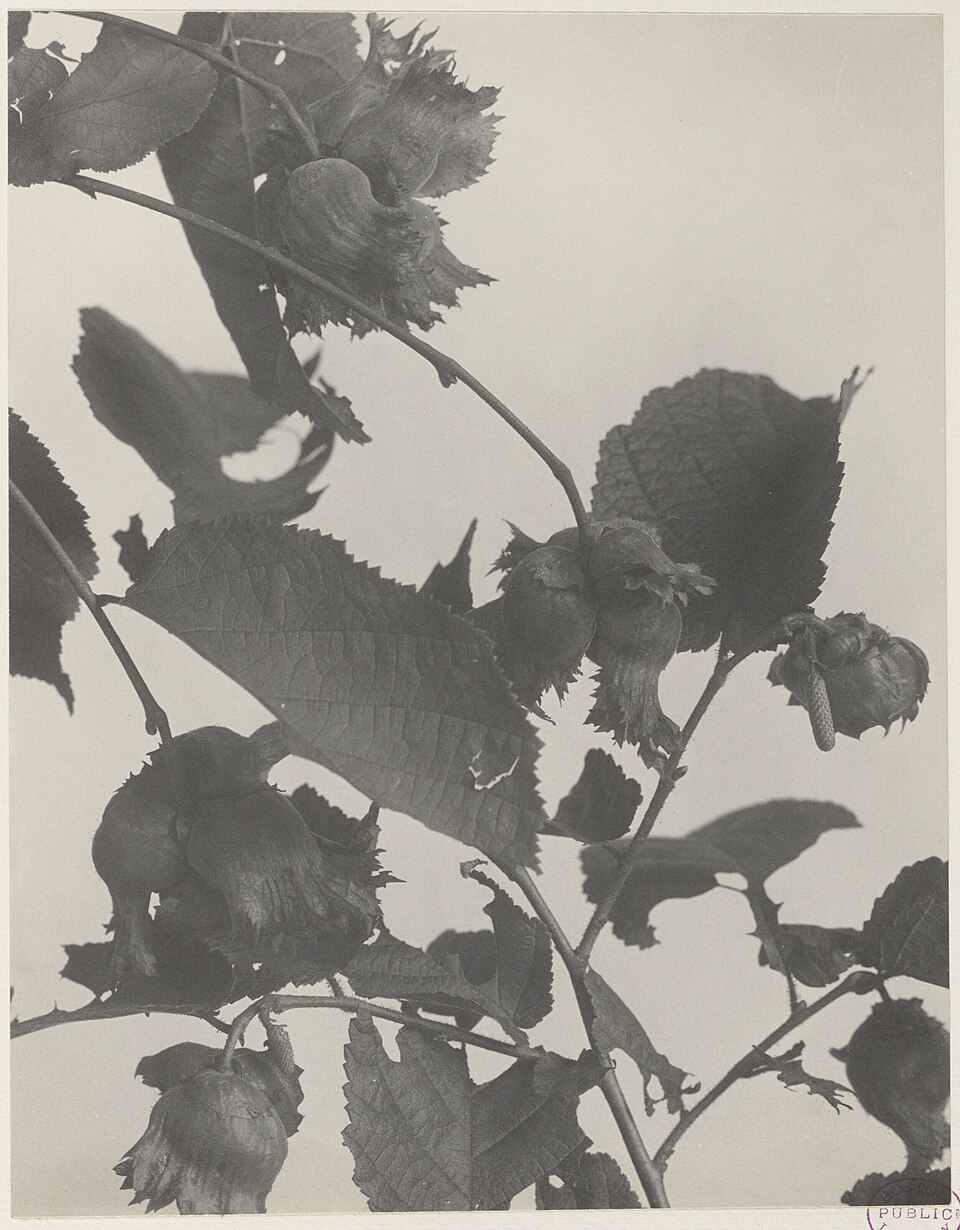
- American HazelnutCorylus americana
- American DittanyCunila origanoides
- Lowland Bladder FernCystopteris protrusa
- Gattingers Prairie CloverDalea gattingeri
- Silky OatgrassDanthonia sericea
Wildlife 215
Other animals whose habitat models include the same habitats in Alabama. Not sighting records.
- American CrowCorvus brachyrhynchos
- American GoldfinchCarduelis tristis
- American RobinTurdus migratorius
- Baltimore OrioleIcterus galbula
- Black VultureCoragyps atratus
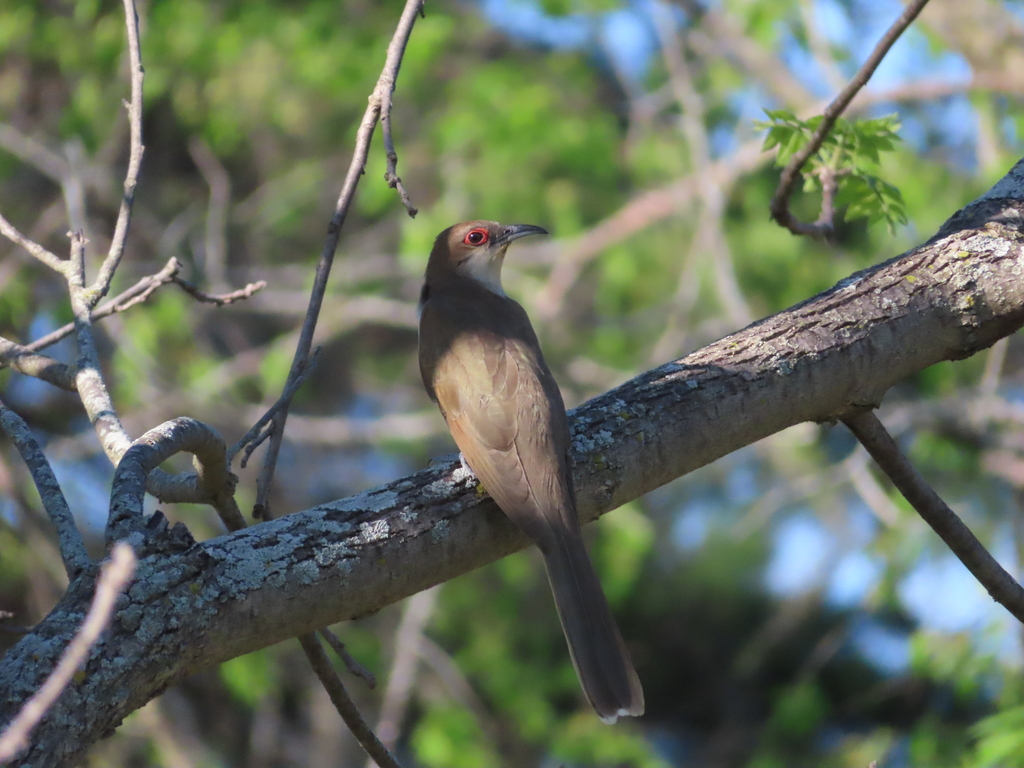
- Black-billed CuckooCoccyzus erythropthalmus
- Blue GrosbeakPasserina caerulea
- Blue-gray GnatcatcherPolioptila caerulea
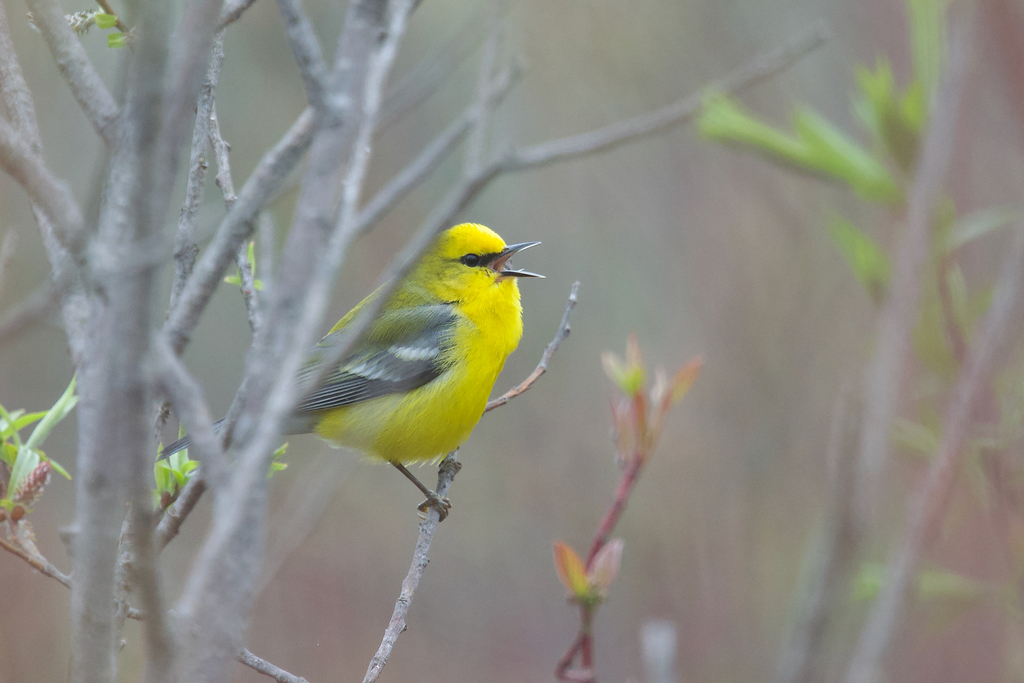
- Blue-winged WarblerVermivora pinus
- Brown ThrasherToxostoma rufum
- Brown-headed CowbirdMolothrus ater
- Carolina WrenThryothorus ludovicianus
- Cedar WaxwingBombycilla cedrorum
- Chimney SwiftChaetura pelagica
- Chipping SparrowSpizella passerina
- Common NighthawkChordeiles minor
- Cooper's HawkAccipiter cooperii
- Eastern KingbirdTyrannus tyrannus
- Eastern TowheePipilo erythrophthalmus
- European StarlingSturnus vulgaris
- Golden-winged WarblerVermivora chrysoptera
- Great Crested FlycatcherMyiarchus crinitus
- Great Horned OwlBubo virginianus
- Indigo BuntingPasserina cyanea





















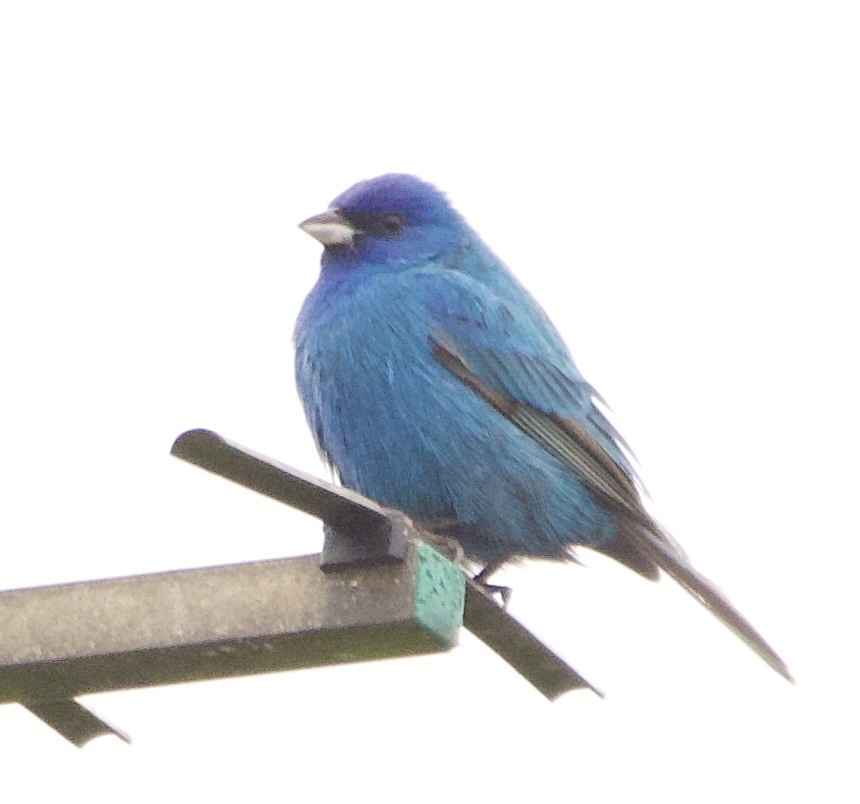
NatureServe Explorer, CC BY 4.0. USGS Gap Analysis Project habitat models.
Sources
- USGS Gap Analysis Project habitat models (2001)
- USGS GAP year-round habitat model for Ruffed Grouse Elevation up to 2,500 m
- USGS Gap Analysis Project range maps (2001), modeled by watershed; migratory gives no dates
- NatureServe Explorer (CC BY 4.0), habitat names
- US Census TIGER/Line counties
- Names follow the USGS Gap Analysis Project (2001)