

Bird
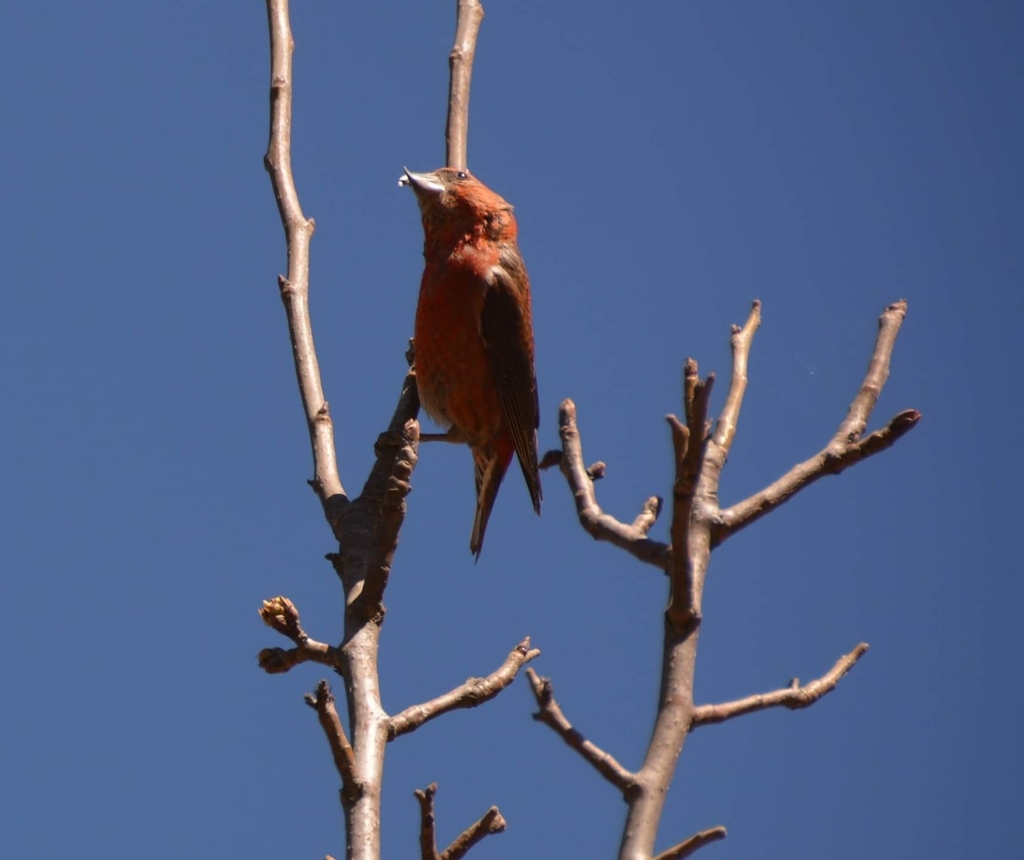
Red Crossbill
Loxia curvirostra
Lives in Alabama all year and nests here. Found in 52 of 67 counties, across 3 habitats.
- Here
- All year
- Nesting
- Nests here
- Range
- 52 of 67 counties
- Habitats
- 3
At a glance
- Group
- Birds
- Here
- All year
- Nesting
- Nests here
- Range
- 52 of 67 counties
- Habitats
- 3
- Habitat models
- Summer, Winter
Where it lives
The places its habitat model includes. It is not found everywhere a habitat occurs.
Habitats in Alabama 3
Each habitat page lists the plants and wildlife also found there.
Forests and open woodlands on dry ridges and slopes, often oak or pine.
Roadsides, fields and disturbed ground
Ground opened by people: roadsides, old fields, pastures, fencerows and lots.
Tree plantations and managed pine
Planted or intensively managed stands of pine or hardwoods grown for timber; a land use rather than a natural community.
Other habitats in its models (12)
Land cover, or classes with no habitat page in Alabama.
- Developed, Low Intensity Winter.
- Northeastern Interior Dry Oak Forest - Mixed Modifier Summer and winter.
- Northeastern Interior Dry Oak Forest - Virginia/Pitch Pine Modifier Summer and winter.
- East Gulf Coastal Plain Northern Dry Upland Hardwood Forest - Offsite Pine Modifier Summer and winter.
- Allegheny-Cumberland Dry Oak Forest and Woodland - Pine Modifier Summer and winter.
- Southern Ridge and Valley Dry Calcareous Forest - Pine modifier Summer and winter.
- Southern Piedmont Dry Oak-(Pine) Forest - Mixed Modifier Summer and winter.
- Southern Piedmont Dry Oak-Heath Forest - Mixed Modifier Summer and winter.
- Central Appalachian Oak and Pine Forest Summer and winter.
- Central Appalachian Pine-Oak Rocky Woodland Summer and winter.
- Southern Appalachian Montane Pine Forest and Woodland Summer and winter.
- Central and Southern Appalachian Spruce-Fir Forest Summer and winter.
Seasons in Alabama
- Year-round: nests here, in 2 of 67 counties.
- Winter: does not nest here, in 52 of 67 counties.
Also found in this habitat
Plants 70
Plants named in NatureServe descriptions of these habitats that grow in Alabama. Shared habitat, not food.
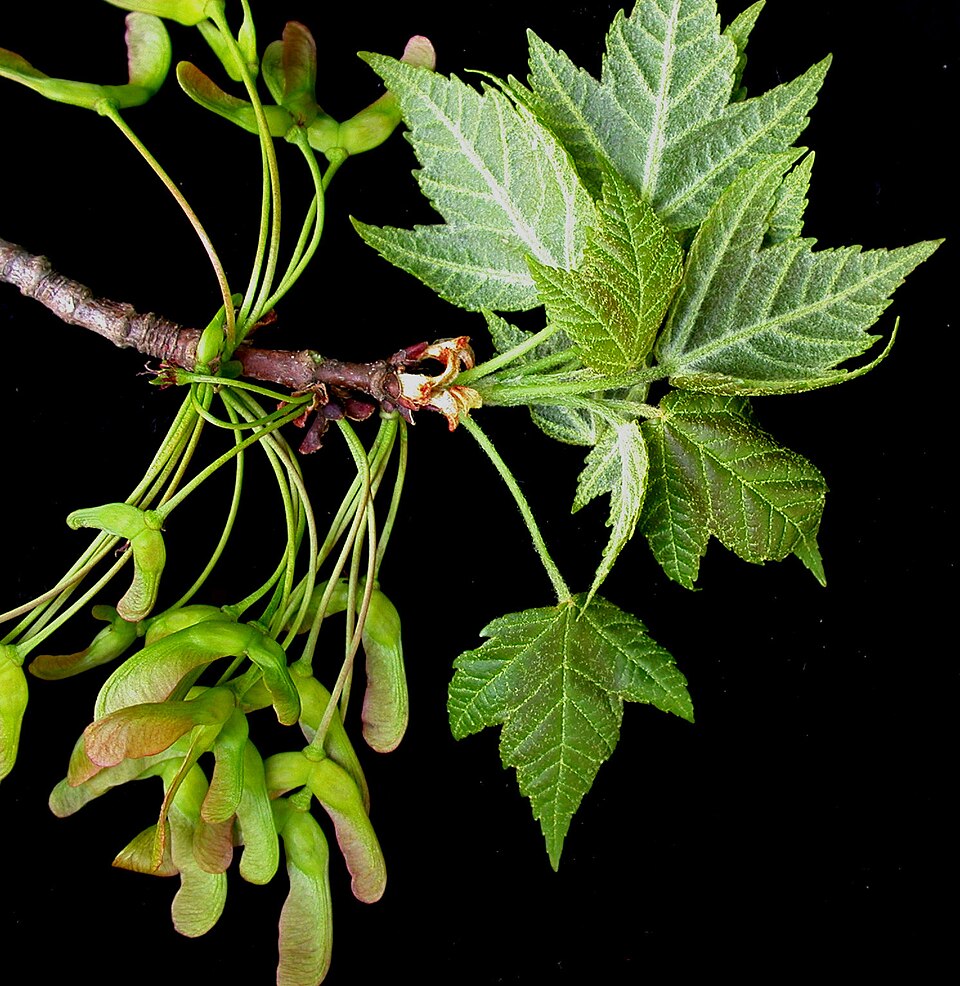
- Red MapleAcer rubrum
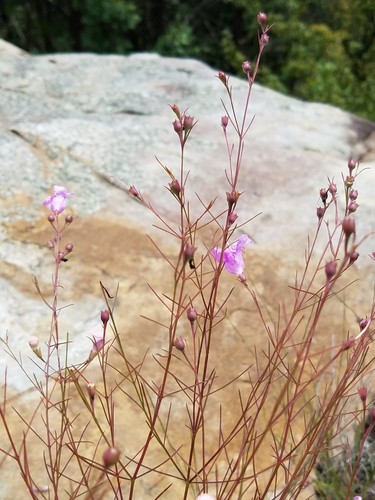
- Chattahoochee False FoxgloveAgalinis plukenetii
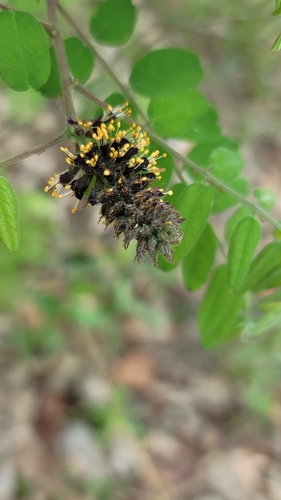
- Piedmont Indigo-bushAmorpha schwerinii
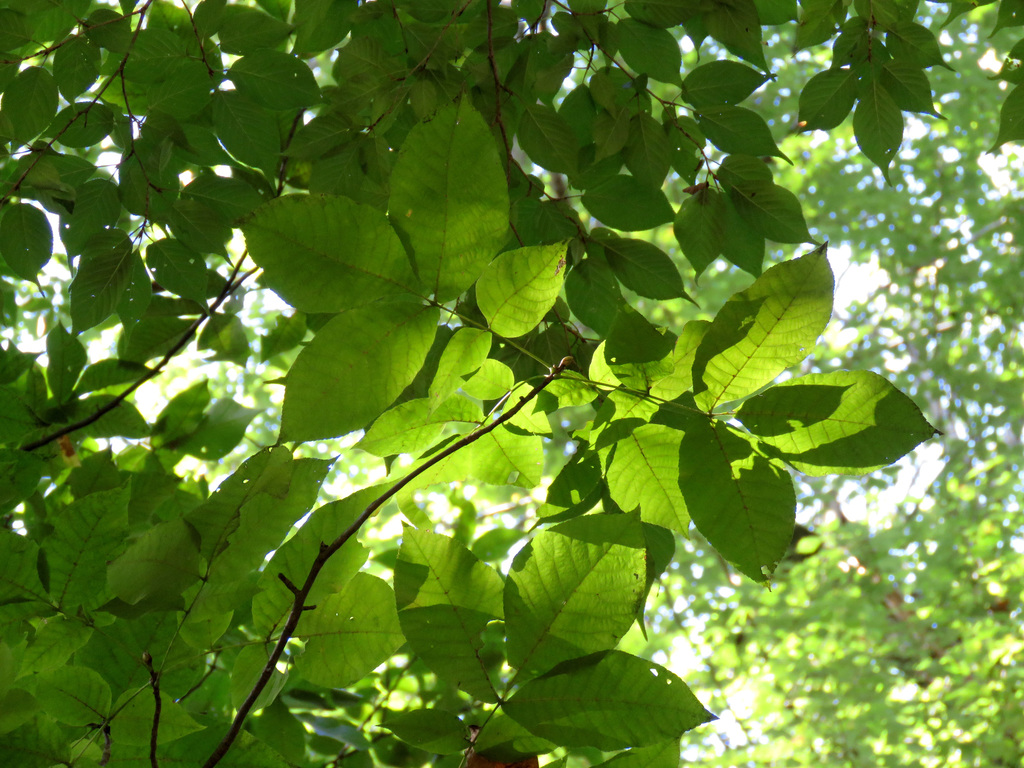
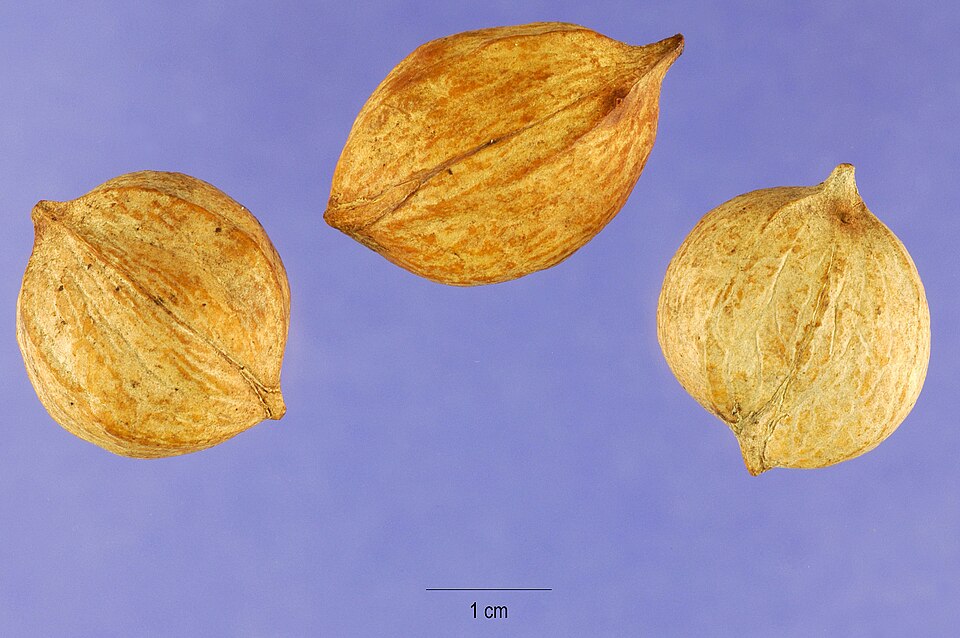
- Pignut HickoryCarya glabra
- Mockernut HickoryCarya tomentosa
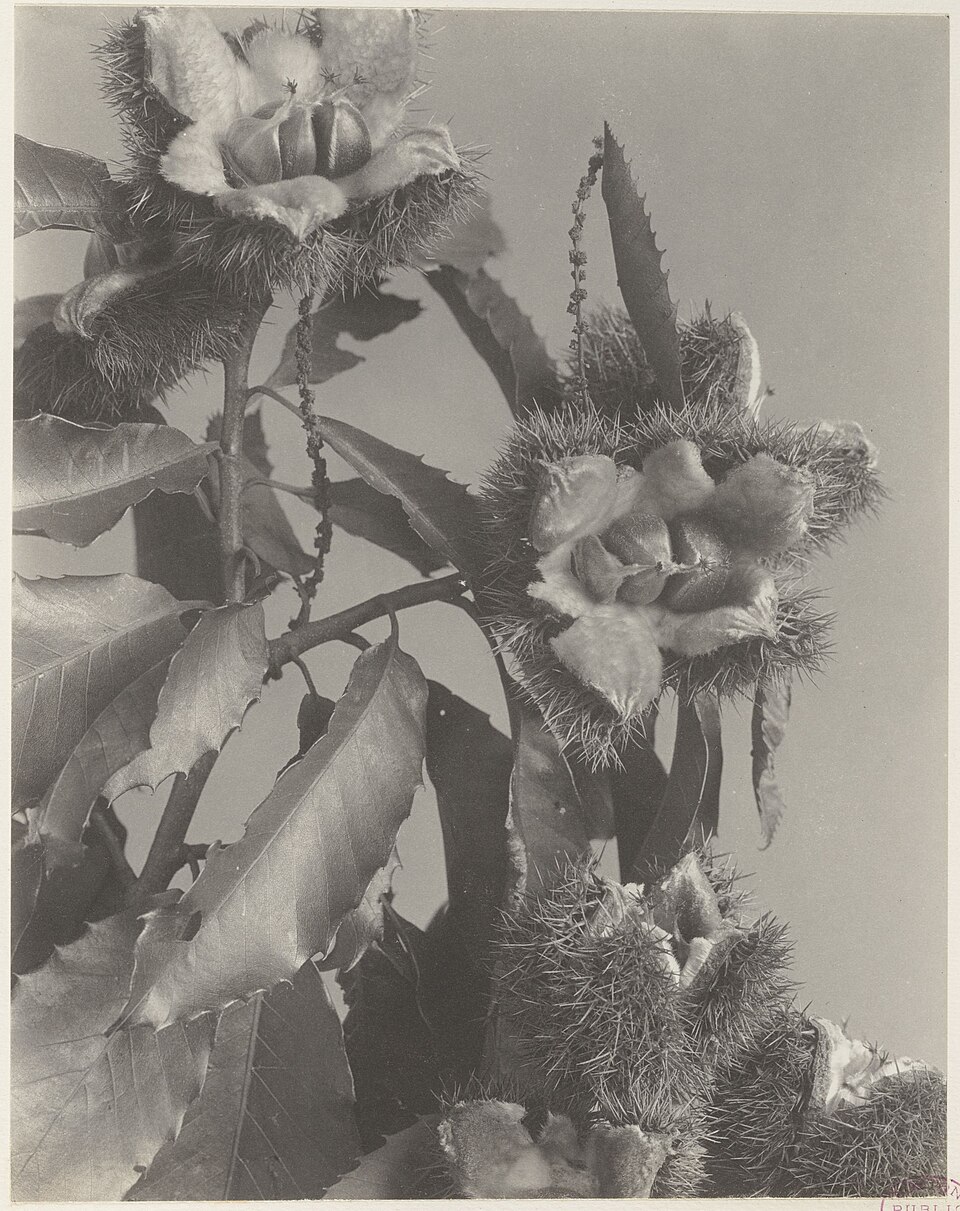
- American ChestnutCastanea dentata
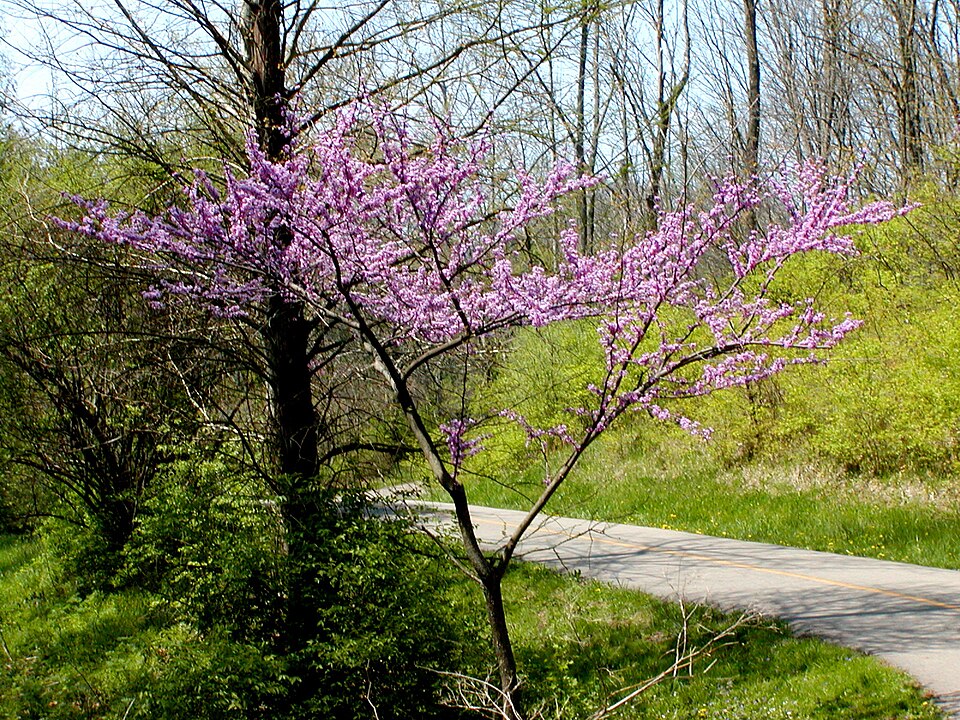
- Eastern RedbudCercis canadensis
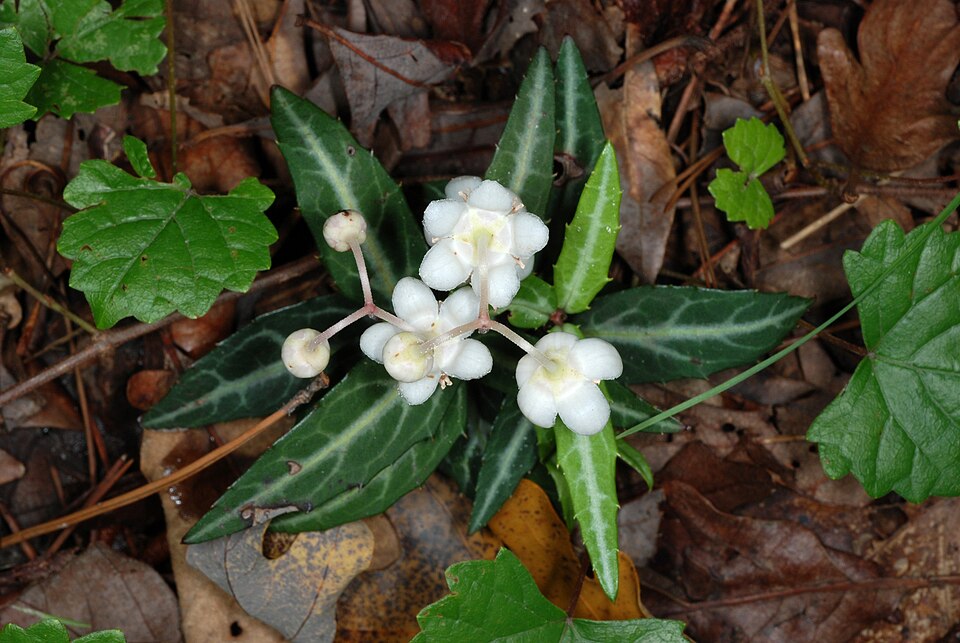
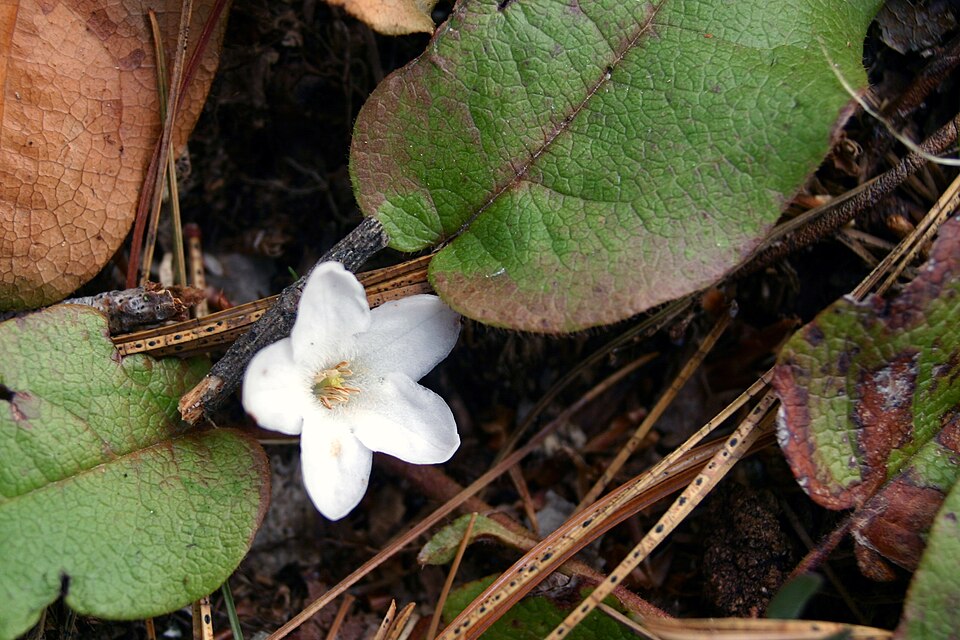
- Spotted WintergreenChimaphila maculata
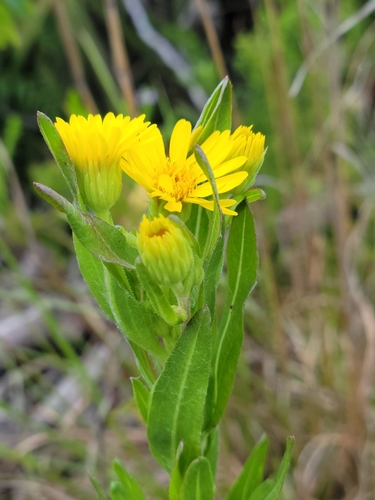
- Maryland Golden-asterChrysopsis mariana
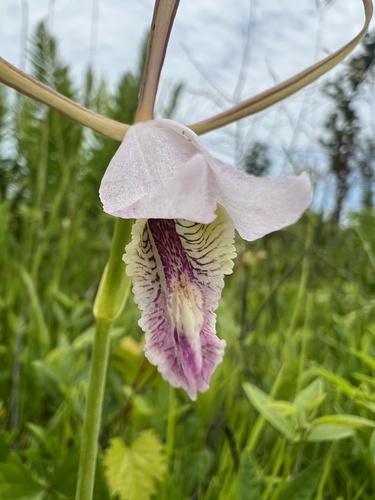
- Appalachian Small Spreading PogoniaCleistesiopsis bifaria
- Lookout Mountain CoreopsisCoreopsis pulchra
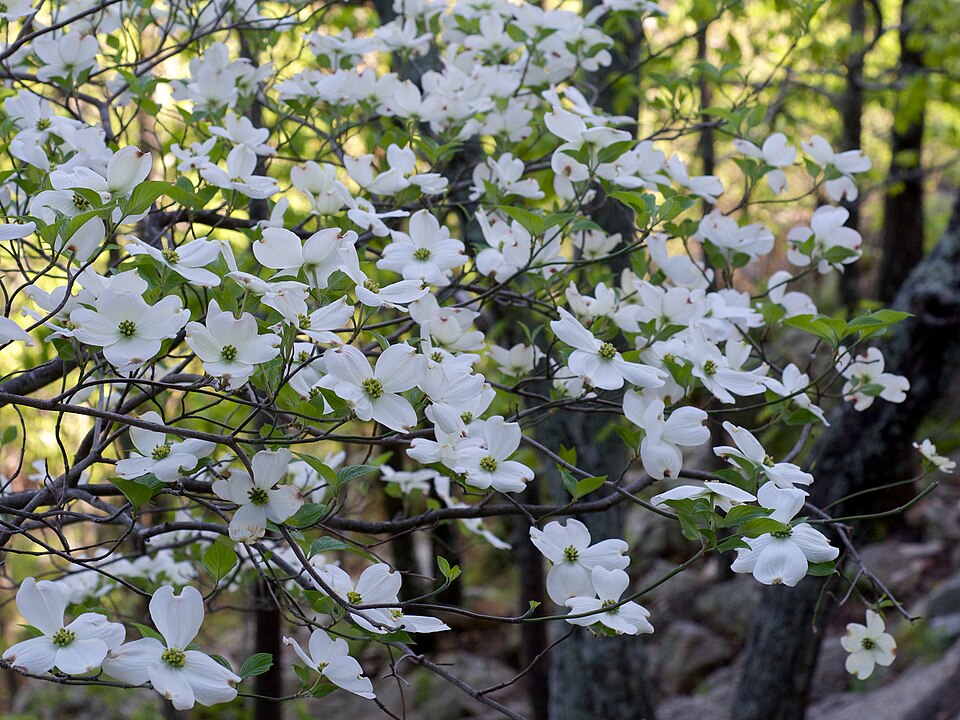
- Flowering DogwoodCornus florida
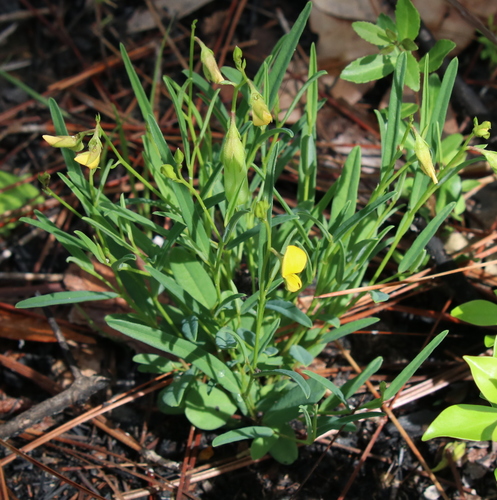
- Pursh's RattleboxCrotalaria purshii
- Harpers DodderCuscuta harperi
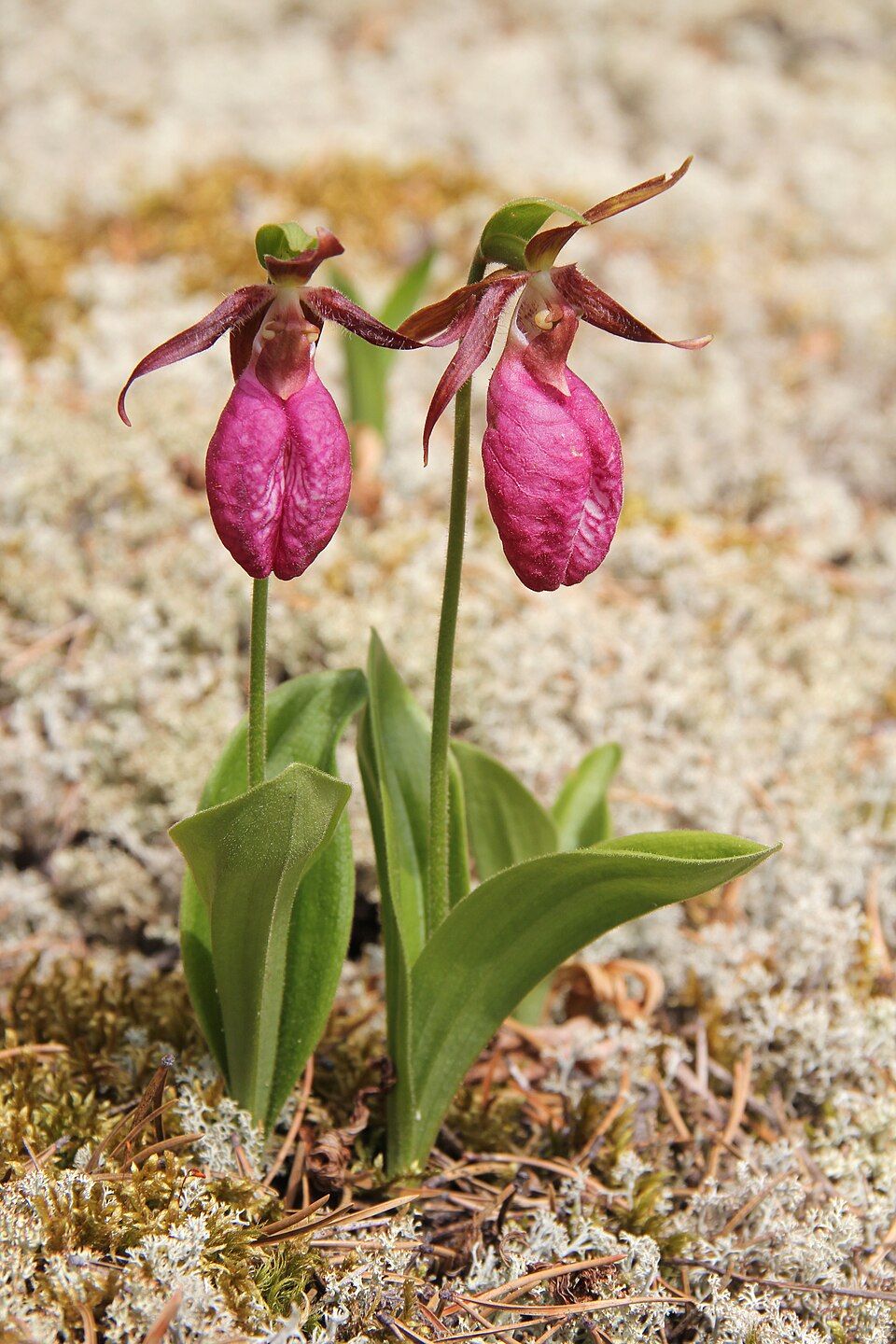
- Pink Lady's-slipperCypripedium acaule
- Silky OatgrassDanthonia sericea
- Poverty OatgrassDanthonia spicata
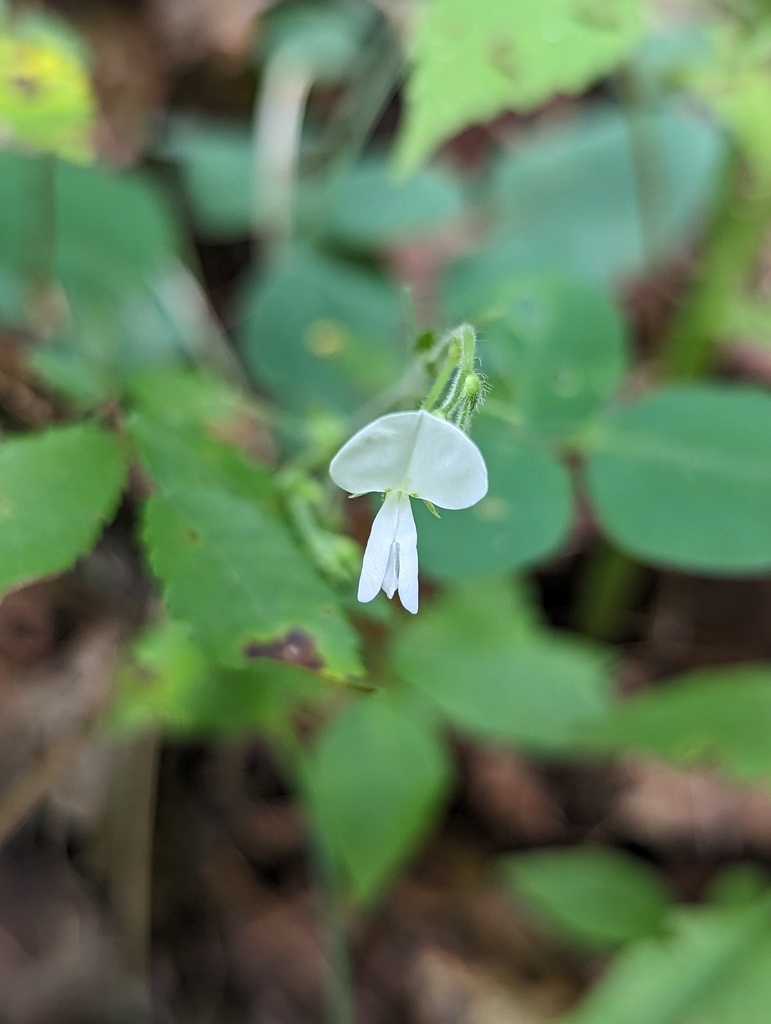
- Cream Tick-trefoilDesmodium ochroleucum
- Hairy Bush HoneysuckleDiervilla rivularis
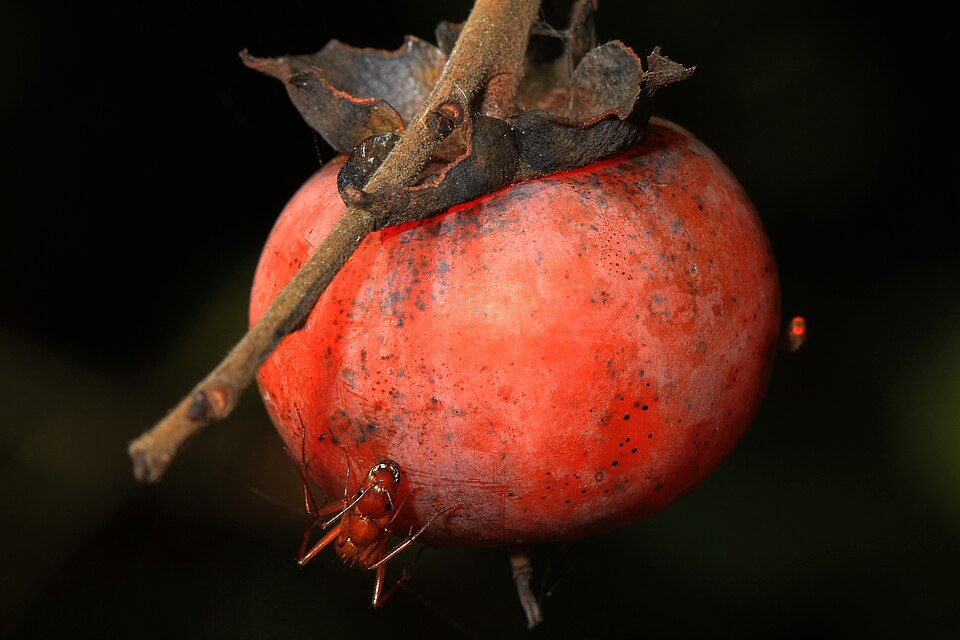
- American PersimmonDiospyros virginiana
- Trailing ArbutusEpigaea repens
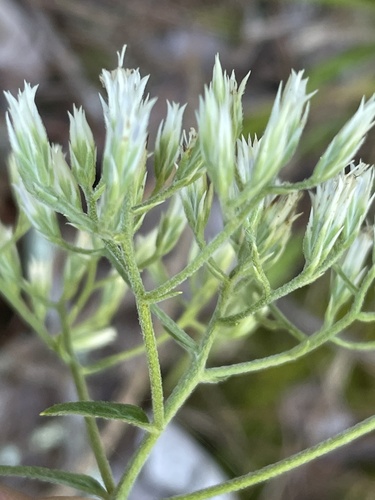
- White ThoroughwortEupatorium album
- Eupatorium rotundifolium var. ovatumEupatorium rotundifolium var. ovatum
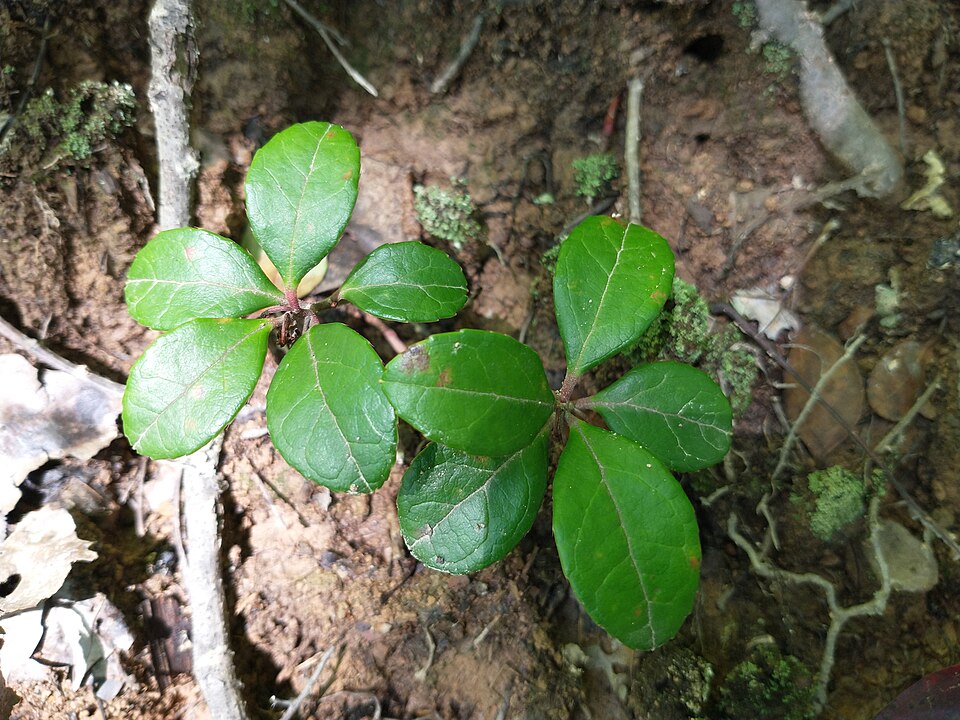
- Eastern TeaberryGaultheria procumbens
Wildlife 191
Other animals whose habitat models include the same habitats in Alabama. Not sighting records.
- Blue JayCyanocitta cristata
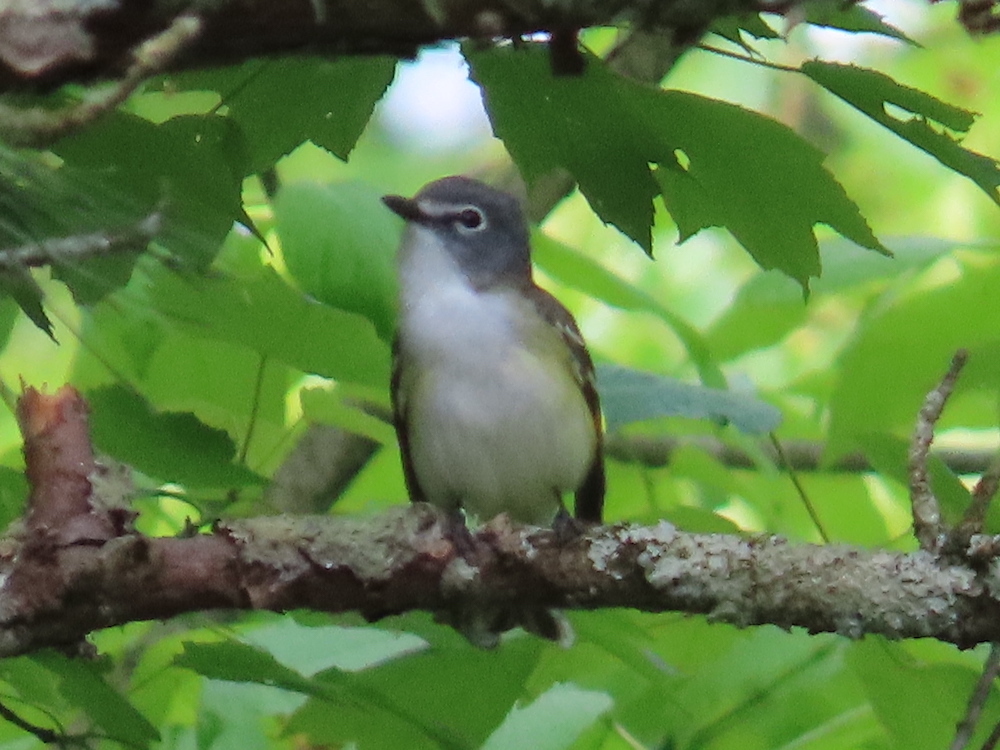
- Blue-headed VireoVireo solitarius
- Brewer's BlackbirdEuphagus cyanocephalus
- Brown CreeperCerthia americana
- Brown-headed NuthatchSitta pusilla
- Buff-bellied HummingbirdAmazilia yucatanensis
- Canada GooseBranta canadensis
- Cerulean WarblerDendroica cerulea
- Cliff SwallowPetrochelidon pyrrhonota
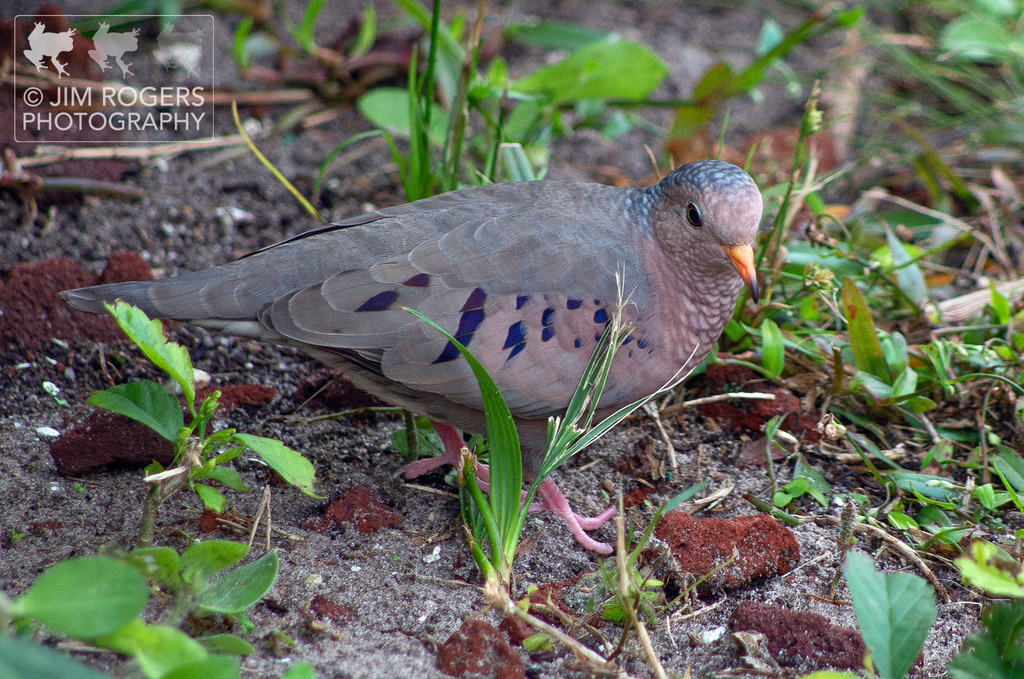
- Common Ground-doveColumbina passerina
- Double-crested CormorantPhalacrocorax auritus
- Downy WoodpeckerPicoides pubescens
- Eastern BluebirdSialia sialis
- Eastern PhoebeSayornis phoebe
- Eastern Screech-owlMegascops asio
- Eastern Wood-peweeContopus virens
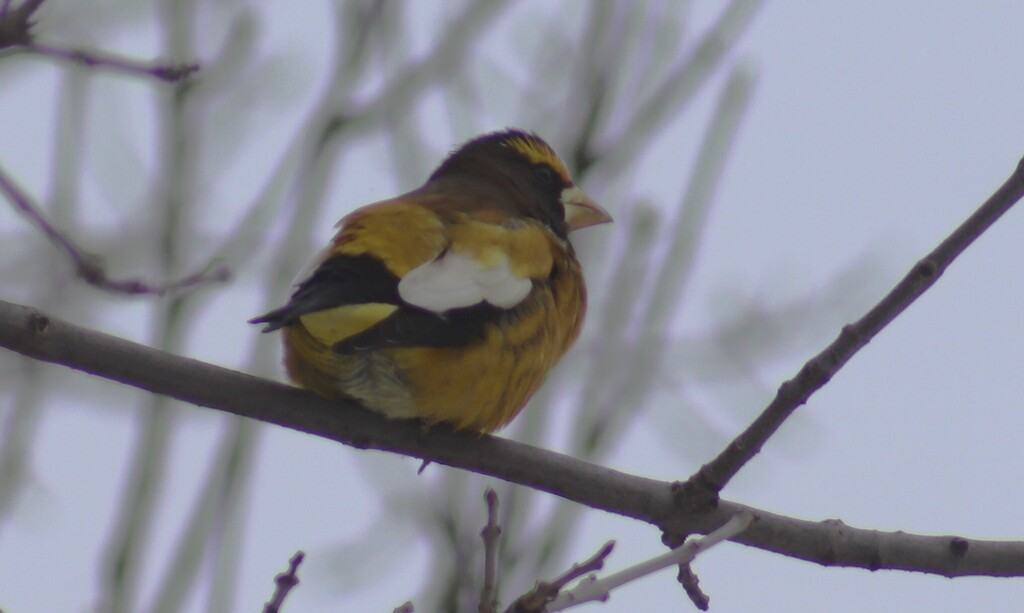
- Evening GrosbeakCoccothraustes vespertinus
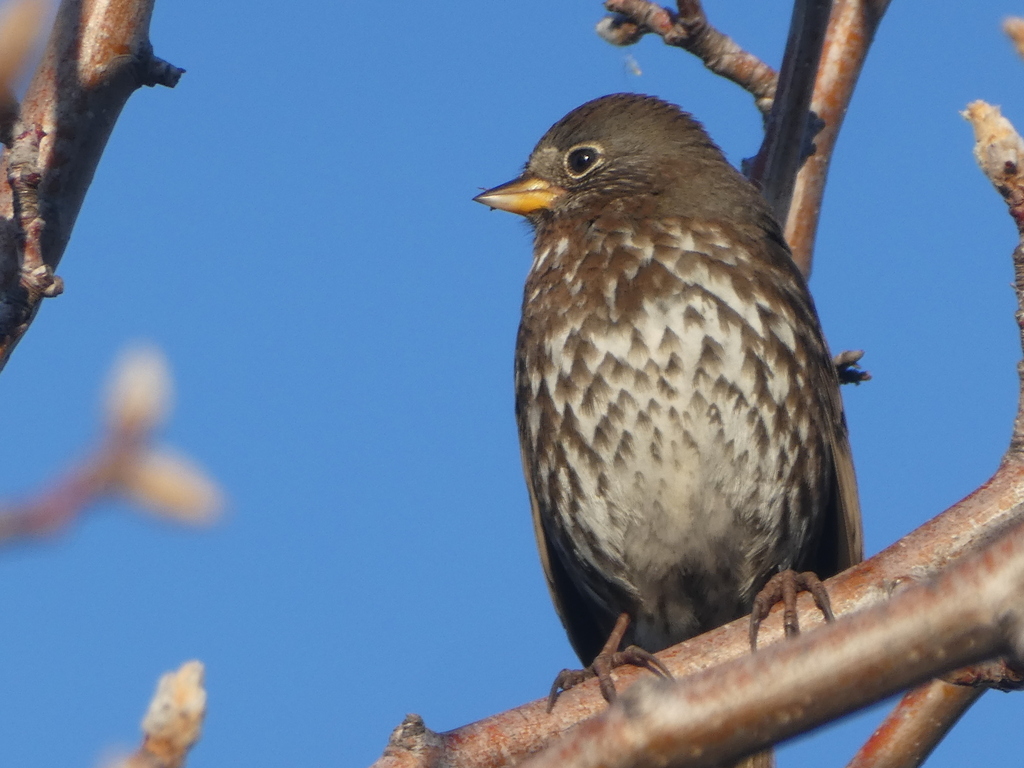
- Fox SparrowPasserella iliaca
- Golden-crowned KingletRegulus satrapa
- Gray CatbirdDumetella carolinensis
- Hairy WoodpeckerPicoides villosus
- Hermit ThrushCatharus guttatus
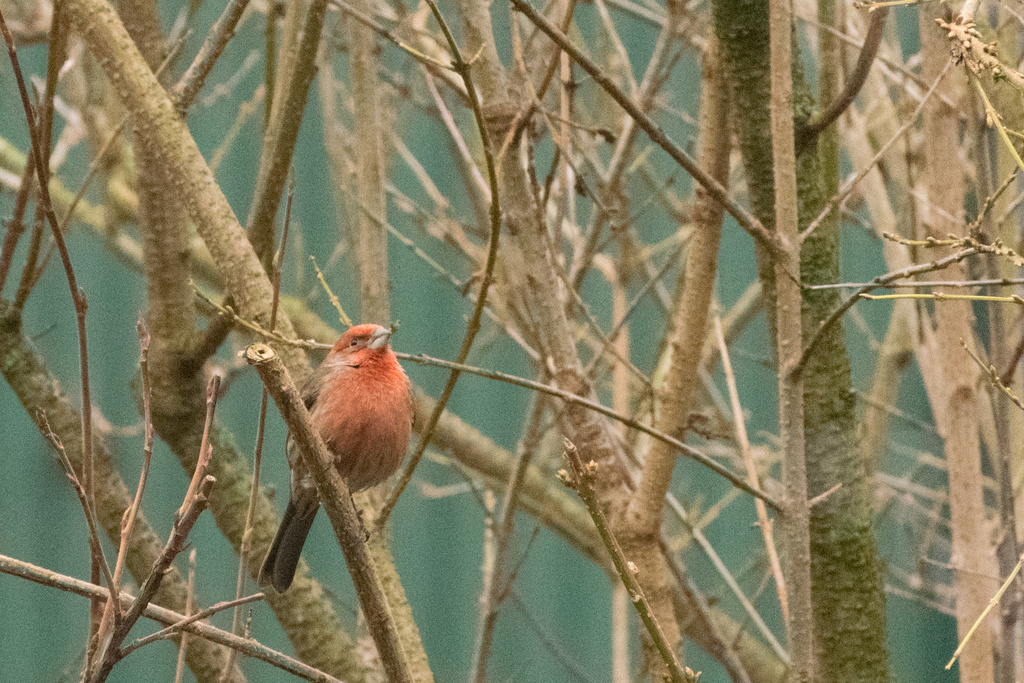
- House FinchCarpodacus mexicanus
- Lincoln's SparrowMelospiza lincolnii

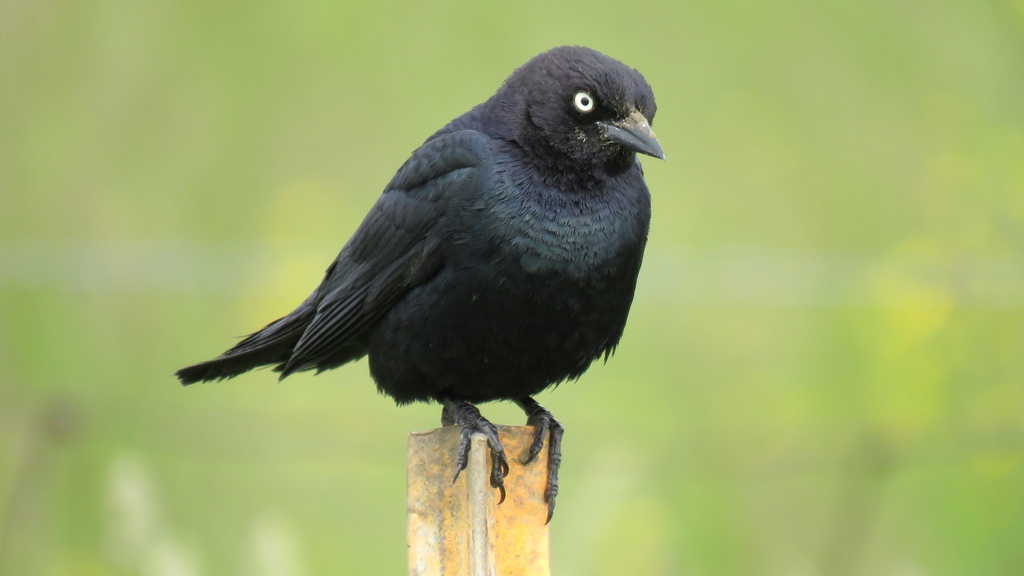

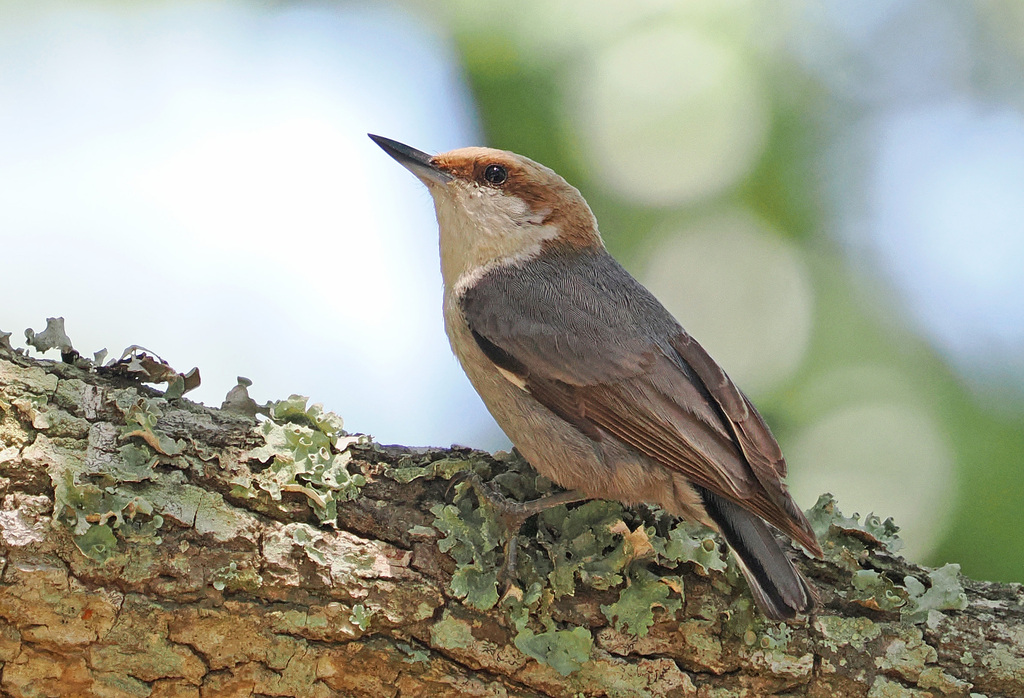
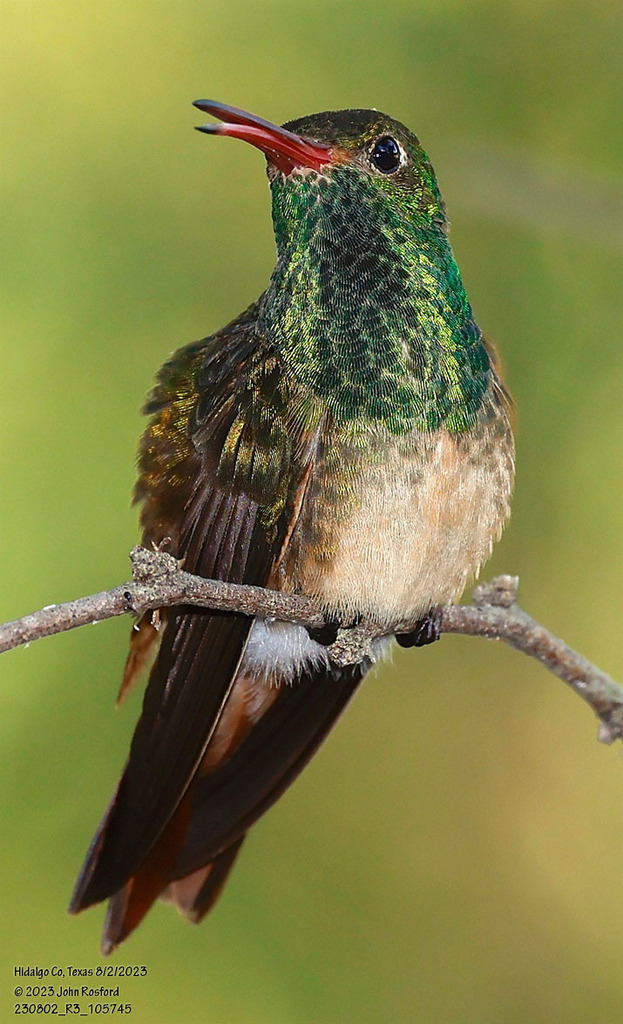

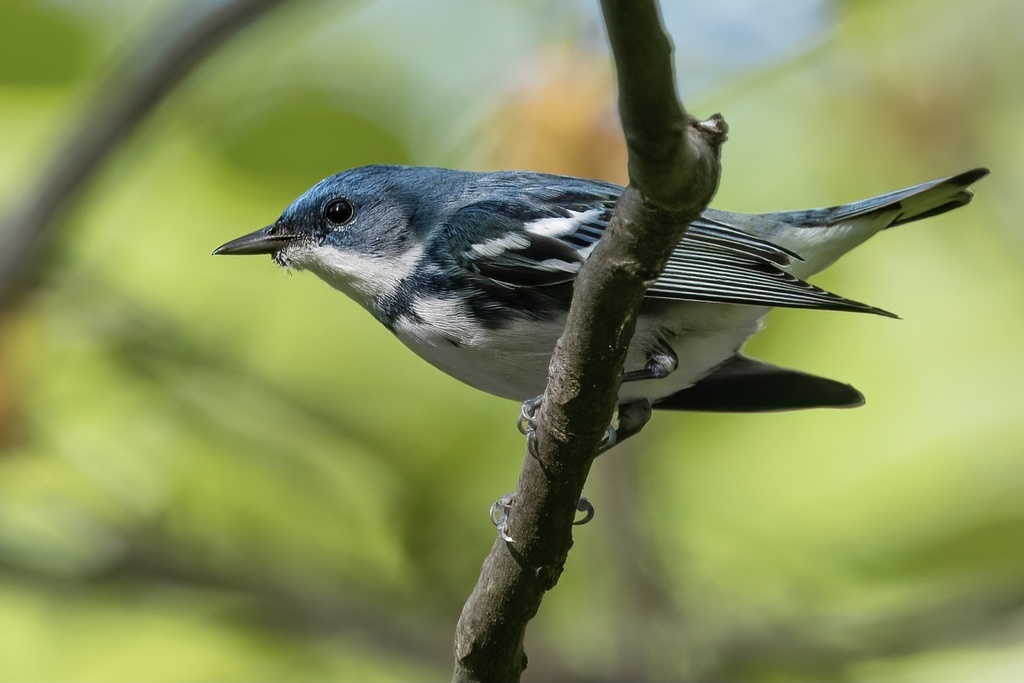












NatureServe Explorer, CC BY 4.0. USGS Gap Analysis Project habitat models.
Sources
- USGS Gap Analysis Project habitat models (2001)
- USGS GAP winter habitat model for Red Crossbill
- USGS Gap Analysis Project range maps (2001), modeled by watershed; migratory gives no dates
- NatureServe Explorer (CC BY 4.0), habitat names
- US Census TIGER/Line counties
- Names follow the USGS Gap Analysis Project (2001)