

Bird
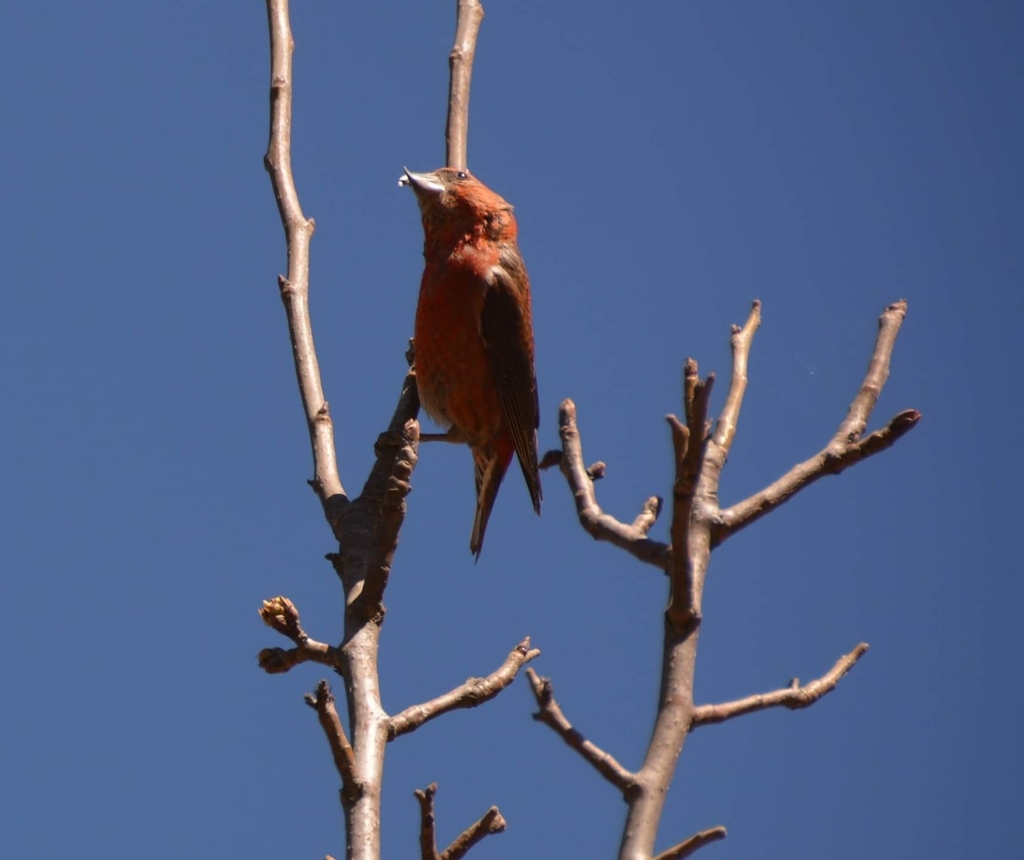
Red Crossbill
Loxia curvirostra
Lives in Alabama all year and nests here. Found in 52 of 67 counties, across 3 habitats.
- Here
- All year
- Nesting
- Nests here
- Range
- 52 of 67 counties
- Habitats
- 3
At a glance
- Group
- Birds
- Here
- All year
- Nesting
- Nests here
- Range
- 52 of 67 counties
- Habitats
- 3
- Habitat models
- Summer, Winter
Where it lives
The places its habitat model includes. It is not found everywhere a habitat occurs.
Habitats in Alabama 3
Each habitat page lists the plants and wildlife also found there.
Forests and open woodlands on dry ridges and slopes, often oak or pine.
Roadsides, fields and disturbed ground
Ground opened by people: roadsides, old fields, pastures, fencerows and lots.
Tree plantations and managed pine
Planted or intensively managed stands of pine or hardwoods grown for timber; a land use rather than a natural community.
Other habitats in its models (12)
Land cover, or classes with no habitat page in Alabama.
- Developed, Low Intensity Winter.
- Northeastern Interior Dry Oak Forest - Mixed Modifier Summer and winter.
- Northeastern Interior Dry Oak Forest - Virginia/Pitch Pine Modifier Summer and winter.
- East Gulf Coastal Plain Northern Dry Upland Hardwood Forest - Offsite Pine Modifier Summer and winter.
- Allegheny-Cumberland Dry Oak Forest and Woodland - Pine Modifier Summer and winter.
- Southern Ridge and Valley Dry Calcareous Forest - Pine modifier Summer and winter.
- Southern Piedmont Dry Oak-(Pine) Forest - Mixed Modifier Summer and winter.
- Southern Piedmont Dry Oak-Heath Forest - Mixed Modifier Summer and winter.
- Central Appalachian Oak and Pine Forest Summer and winter.
- Central Appalachian Pine-Oak Rocky Woodland Summer and winter.
- Southern Appalachian Montane Pine Forest and Woodland Summer and winter.
- Central and Southern Appalachian Spruce-Fir Forest Summer and winter.
Seasons in Alabama
- Year-round: nests here, in 2 of 67 counties.
- Winter: does not nest here, in 52 of 67 counties.
Also found in this habitat
Plants 70
Plants named in NatureServe descriptions of these habitats that grow in Alabama. Shared habitat, not food.
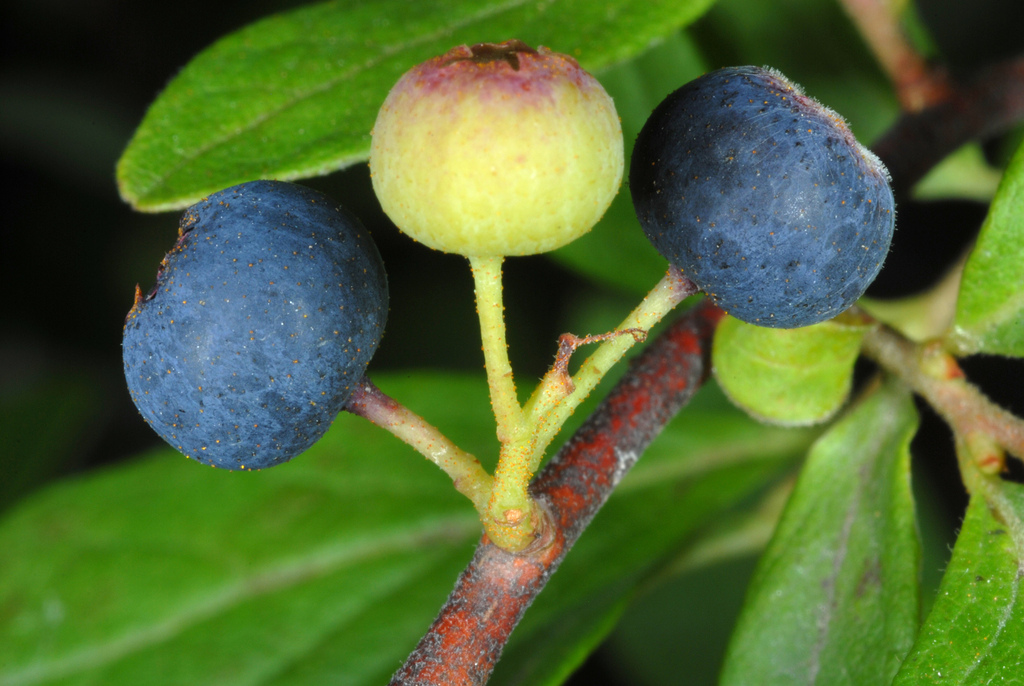
- Black HuckleberryGaylussacia baccata
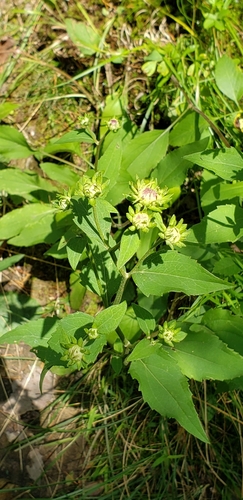
- Longleaf SunflowerHelianthus longifolius
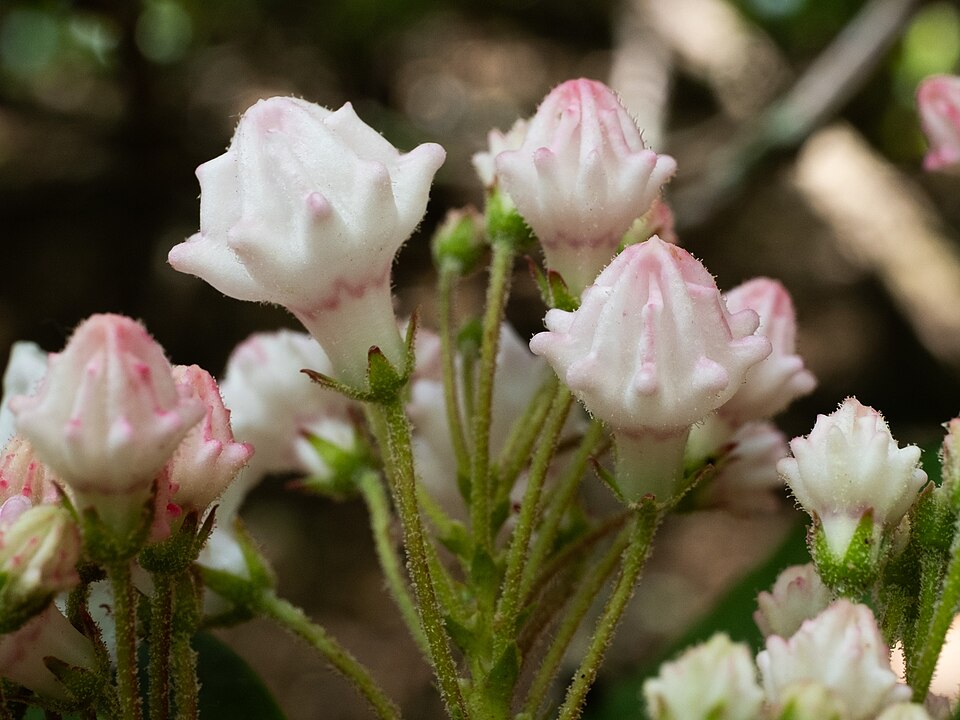
- Mountain LaurelKalmia latifolia
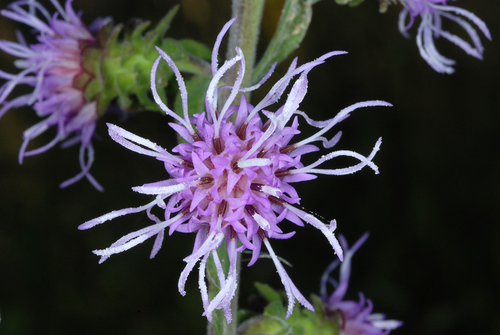
- Appalachian Blazing-starLiatris squarrulosa
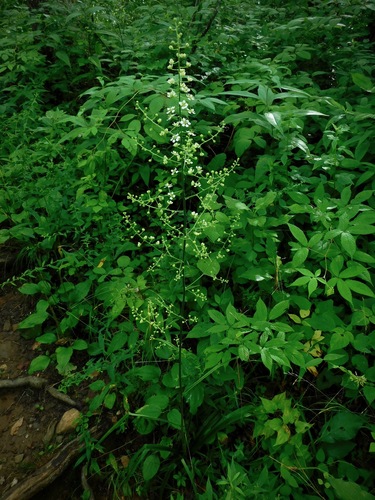
- Slender BunchflowerMelanthium hybridum
- NestroniaNestronia umbellula
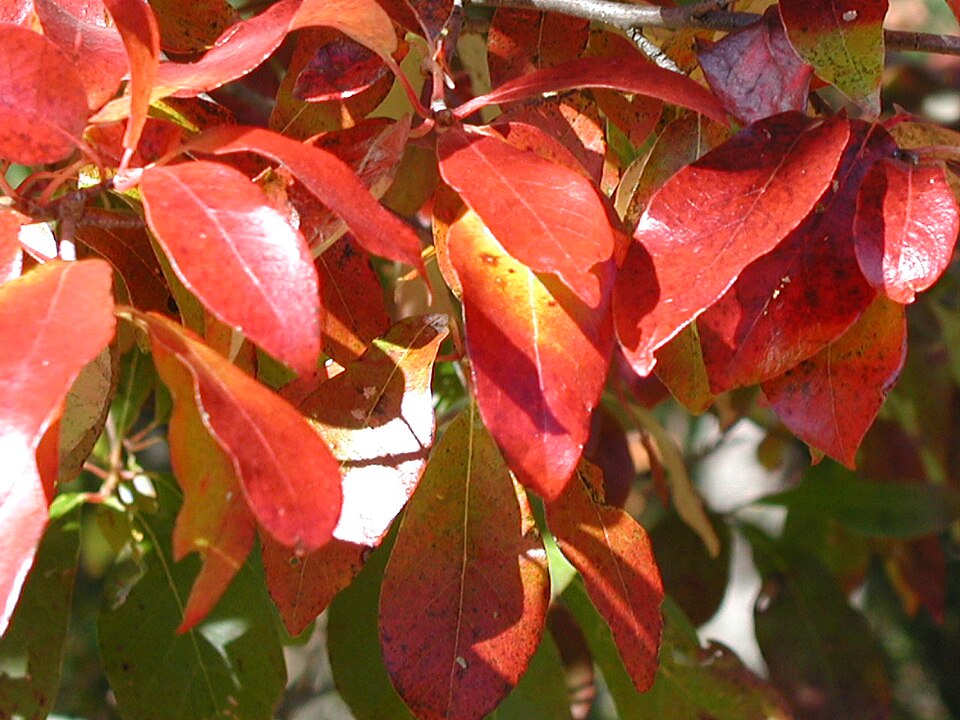
- BlackgumNyssa sylvatica
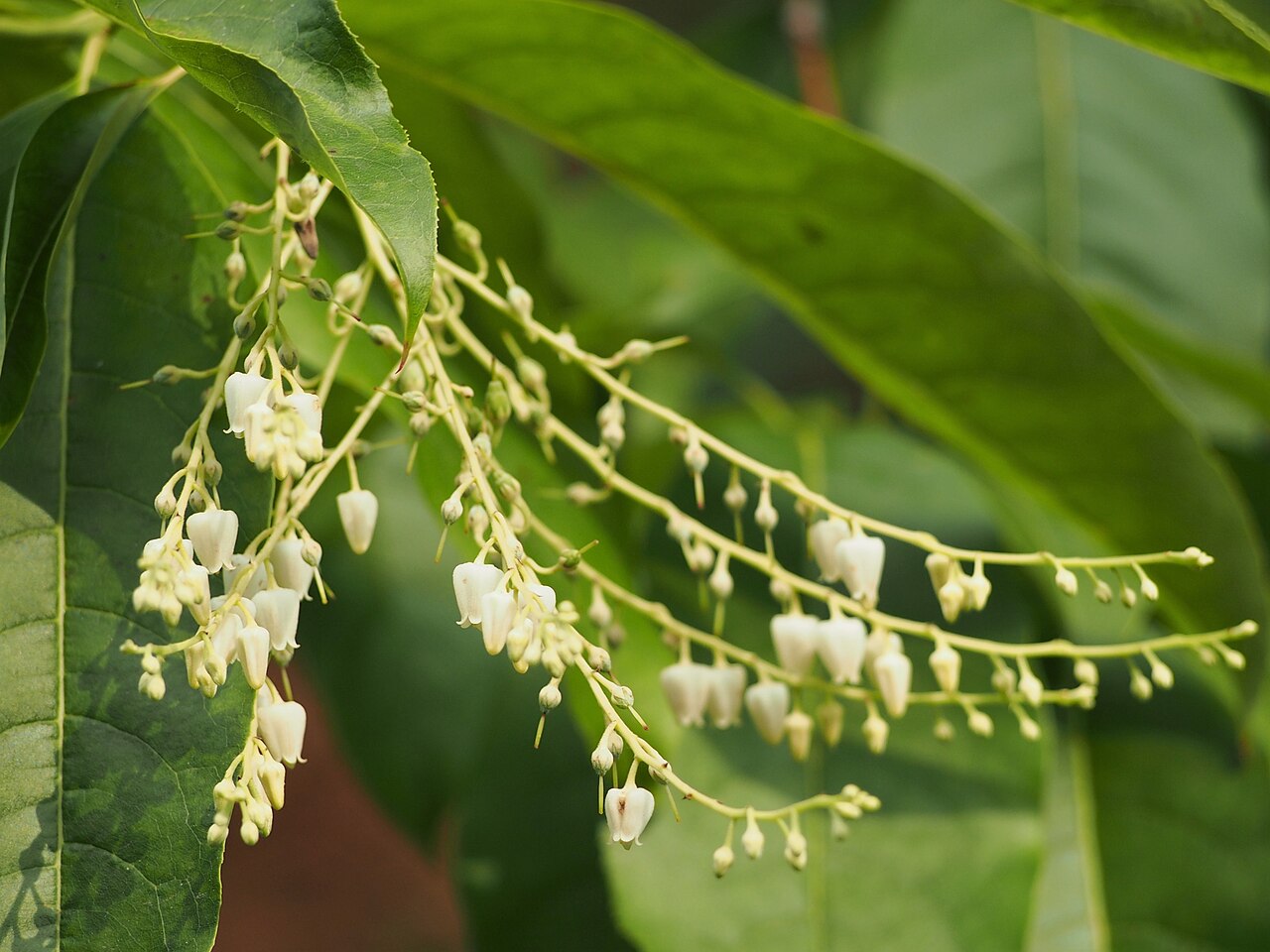
- SourwoodOxydendrum arboreum
- Menges FameflowerPhemeranthus mengesii
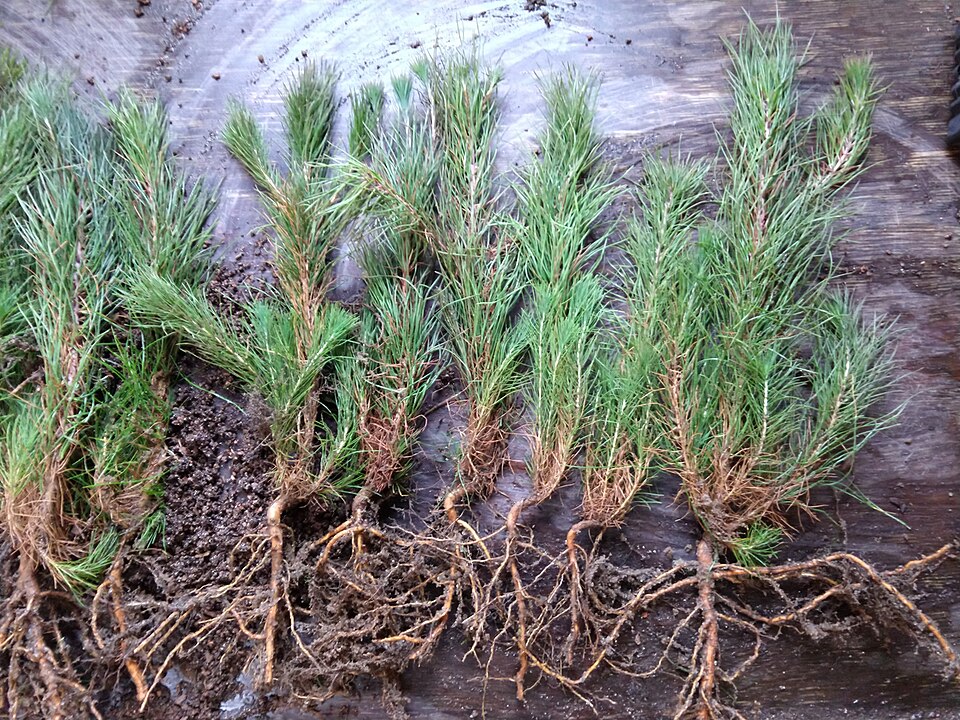
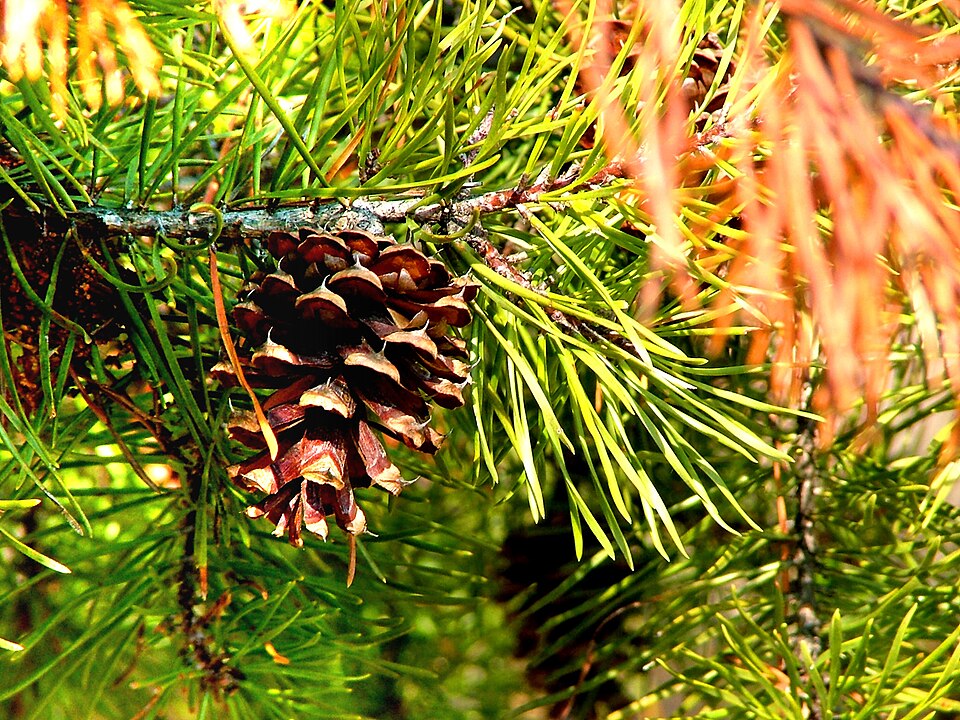
- Shortleaf PinePinus echinata
- Virginia PinePinus virginiana
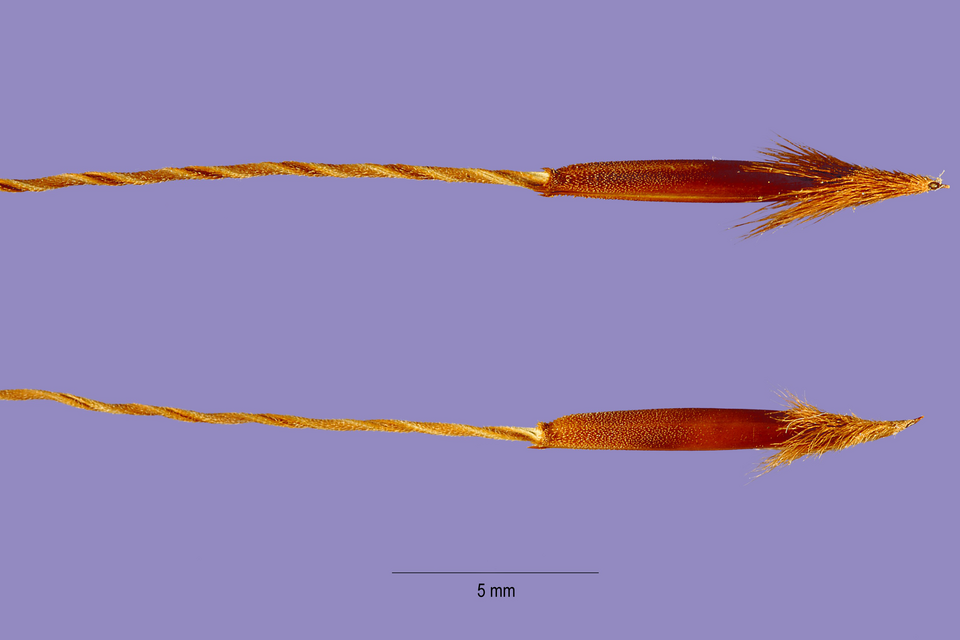
- Eastern Needle GrassPiptochaetium avenaceum
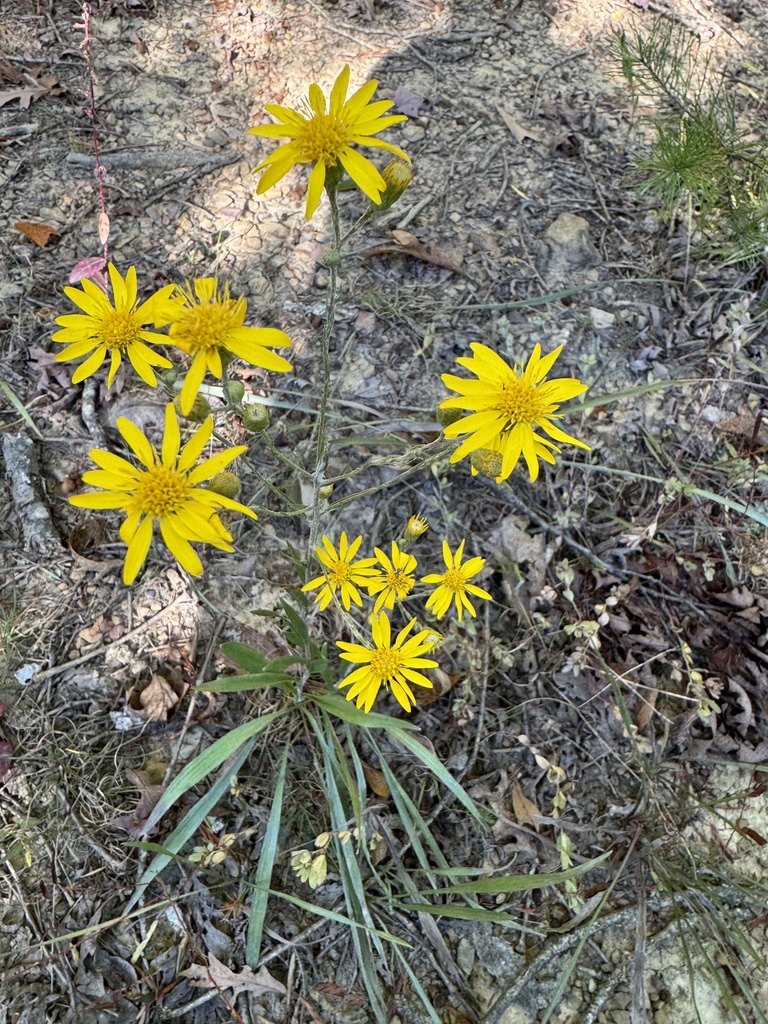
- Narrowleaf SilkgrassPityopsis graminifolia
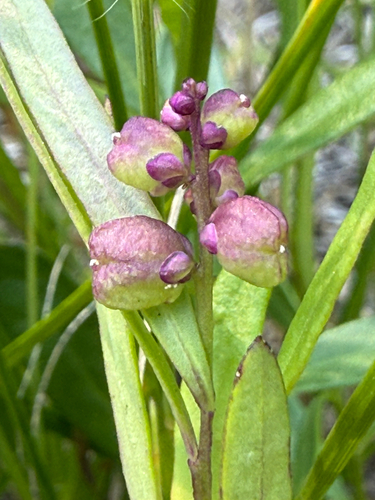
- Racemed MilkwortPolygala polygama
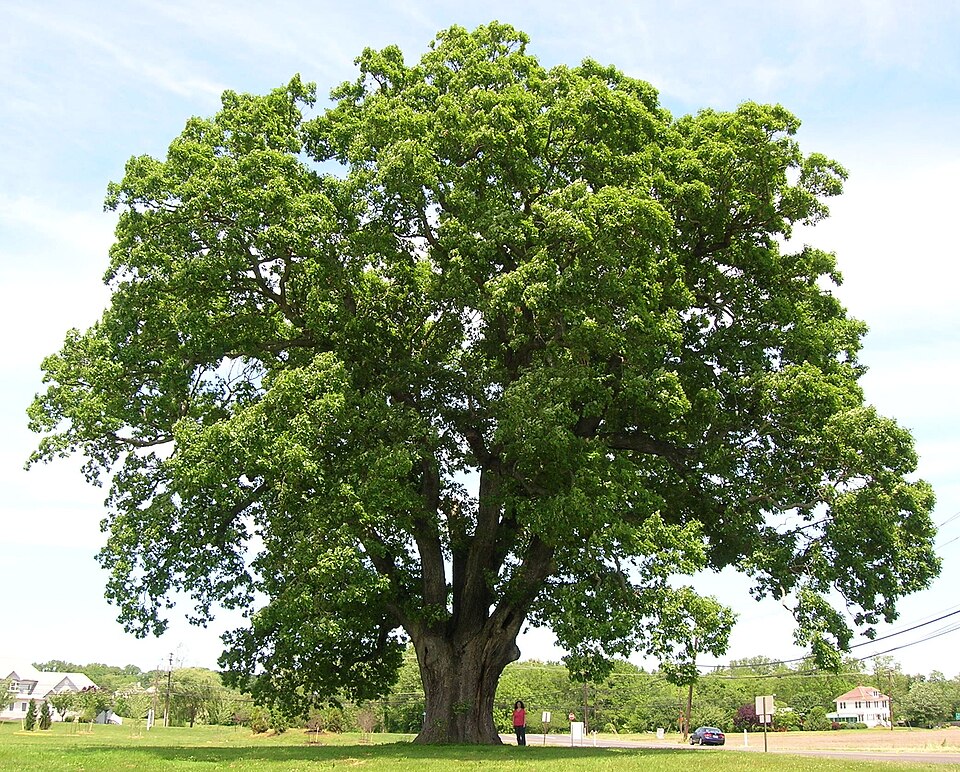
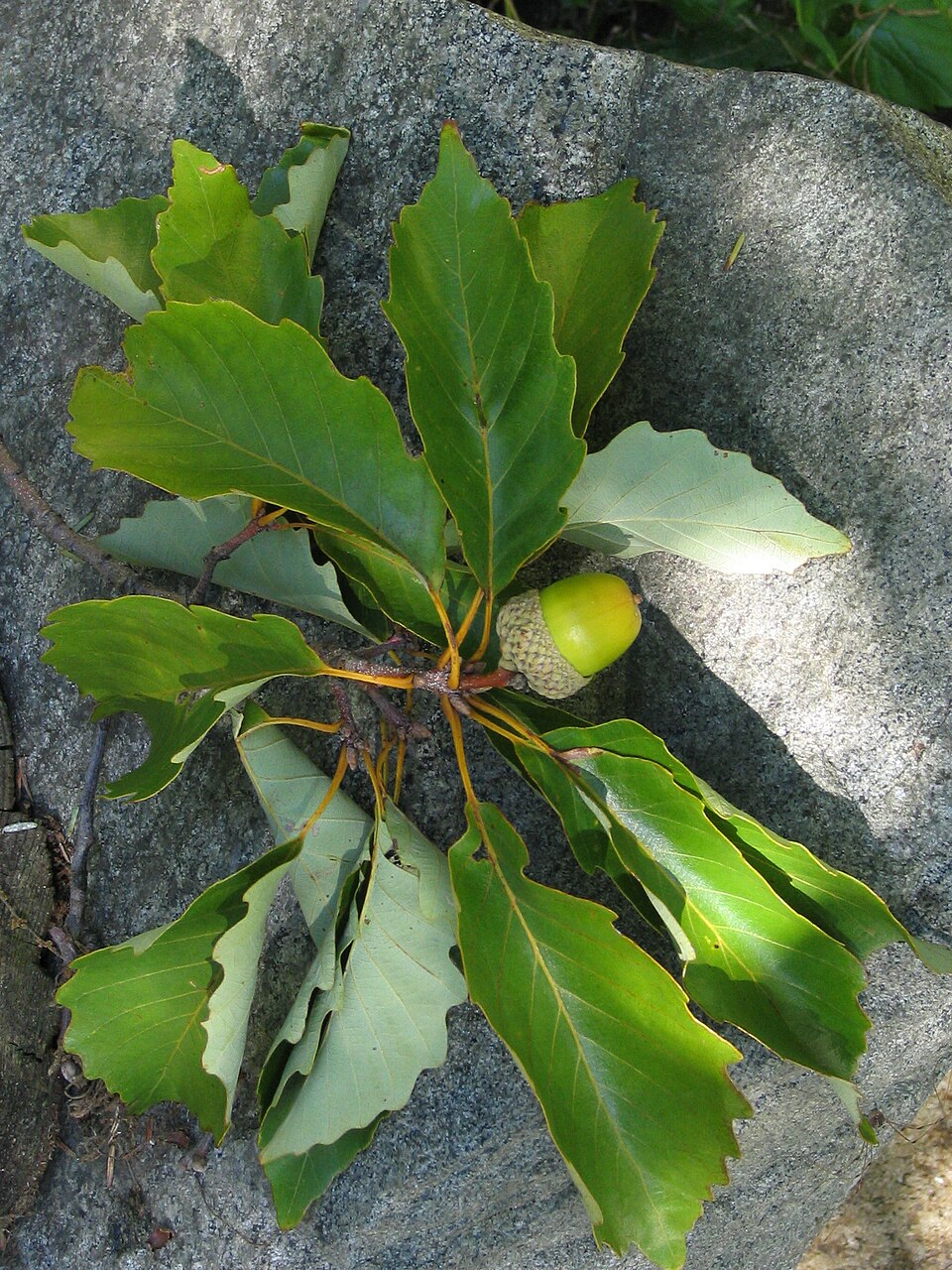
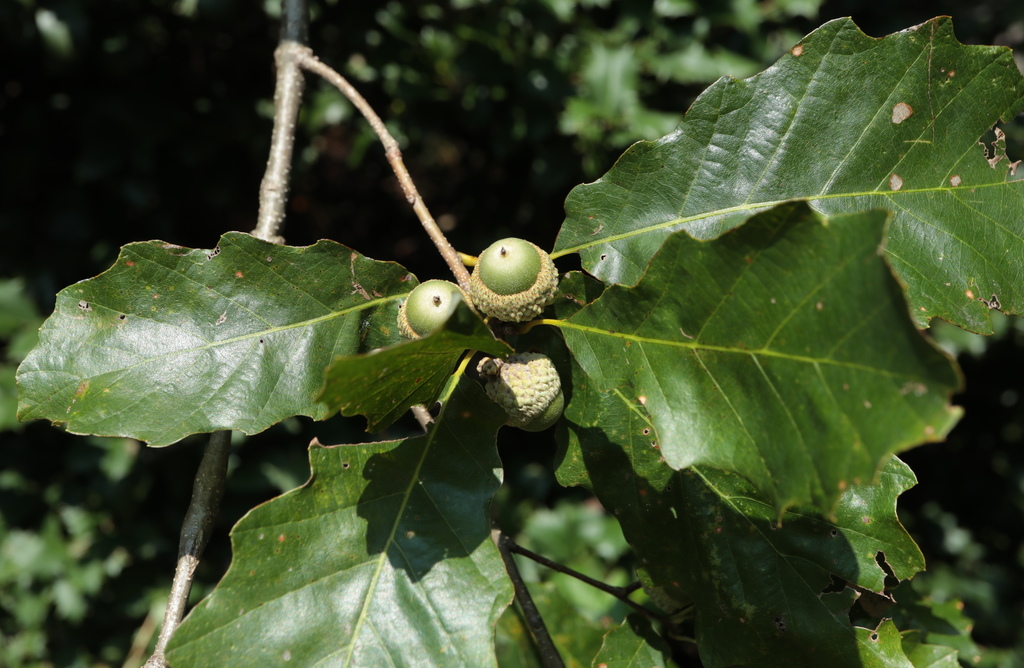
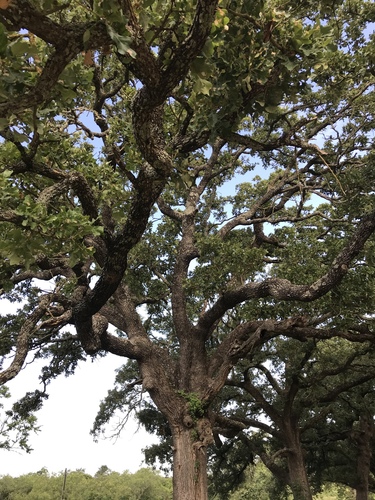
- White OakQuercus alba
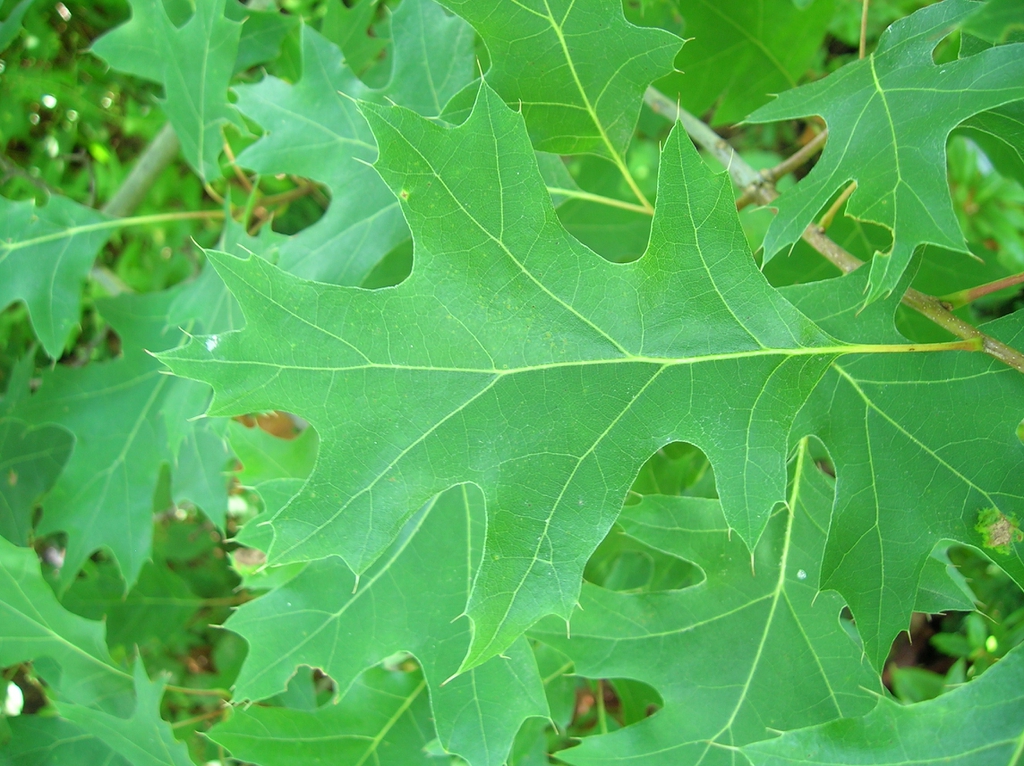
- Scarlet OakQuercus coccinea
- Southern Red OakQuercus falcata
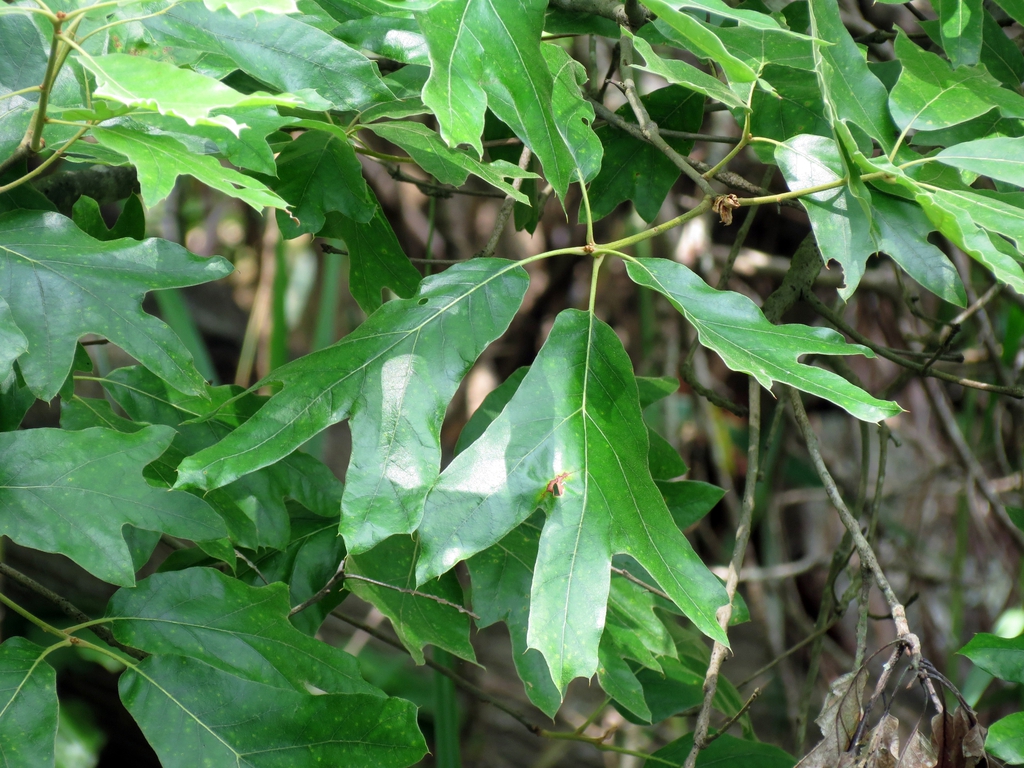
- Blackjack OakQuercus marilandica
- Chestnut OakQuercus montana
- Dwarf Chinquapin OakQuercus prinoides
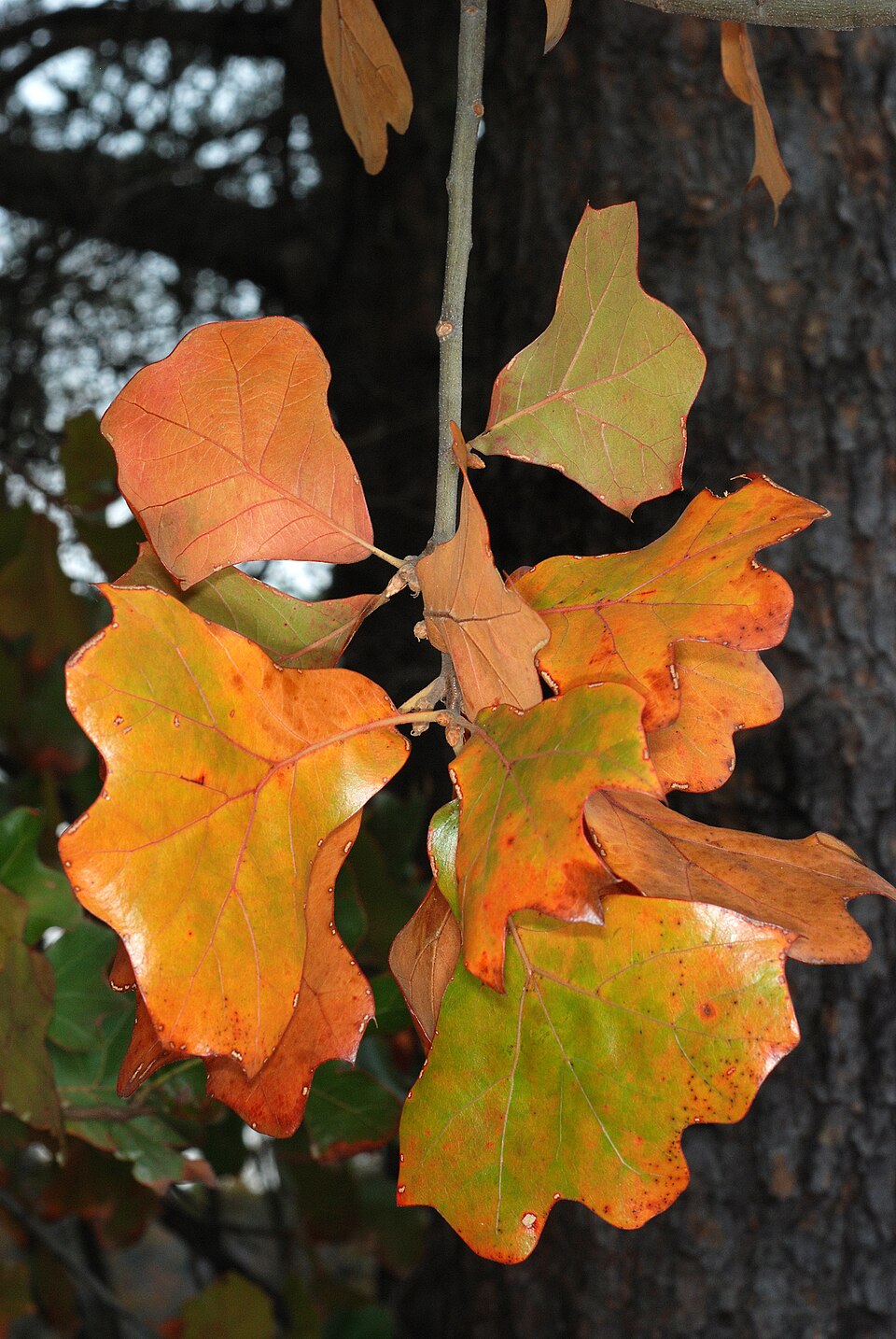
- Post OakQuercus stellata
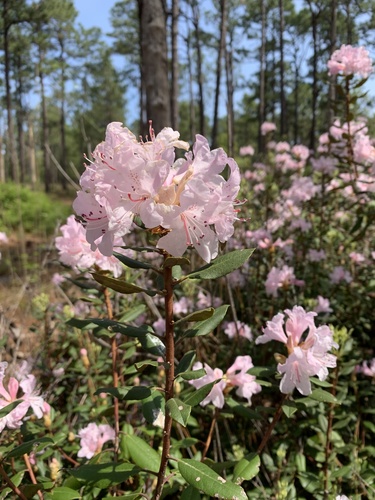
- Piedmont RhododendronRhododendron minus
- Granite GooseberryRibes curvatum
- Sun-facing ConeflowerRudbeckia heliopsidis
Wildlife 191
Other animals whose habitat models include the same habitats in Alabama. Not sighting records.
- American CrowCorvus brachyrhynchos
- American GoldfinchCarduelis tristis
- American RobinTurdus migratorius
- Baltimore OrioleIcterus galbula
- Black VultureCoragyps atratus
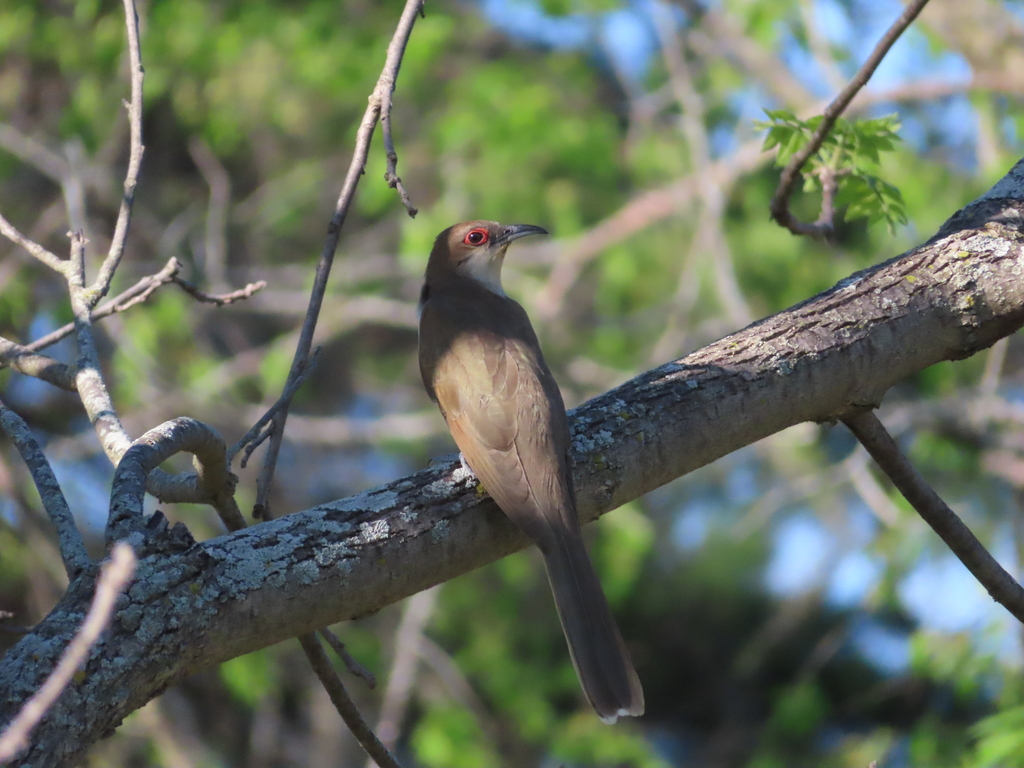
- Black-billed CuckooCoccyzus erythropthalmus
- Blue GrosbeakPasserina caerulea
- Blue-gray GnatcatcherPolioptila caerulea
- Blue-winged WarblerVermivora pinus
- Broad-winged HawkButeo platypterus
- Brown ThrasherToxostoma rufum
- Brown-headed CowbirdMolothrus ater
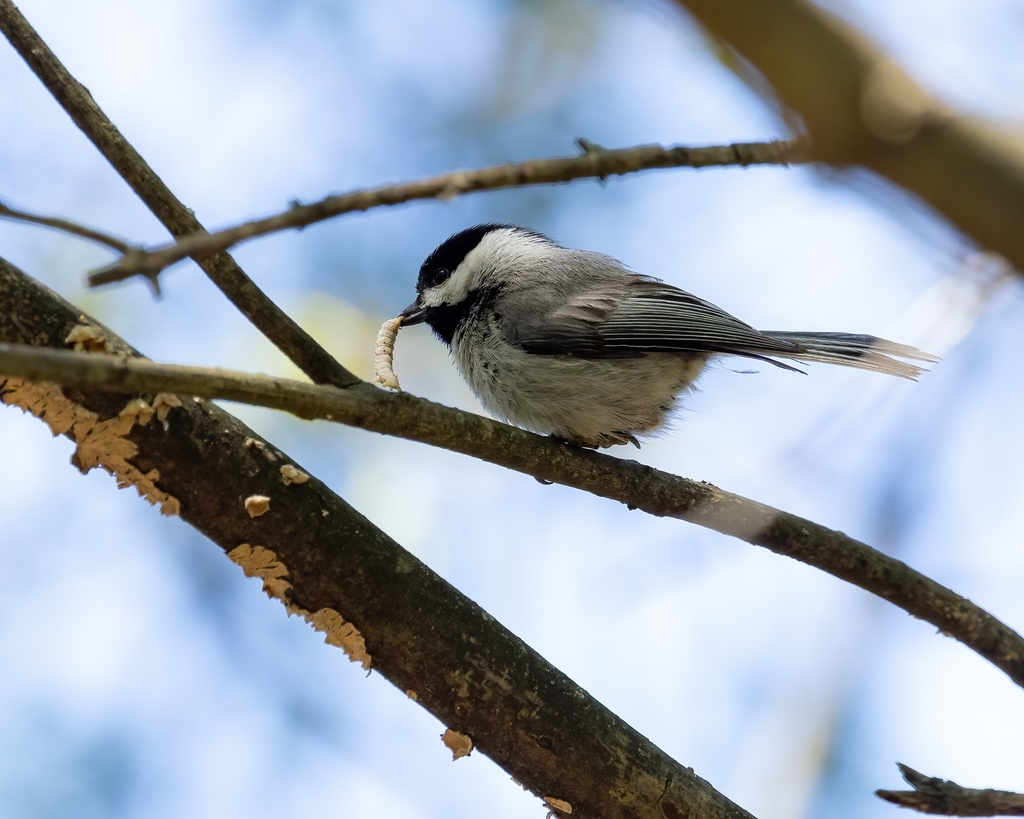
- Carolina ChickadeePoecile carolinensis
- Carolina WrenThryothorus ludovicianus
- Cedar WaxwingBombycilla cedrorum
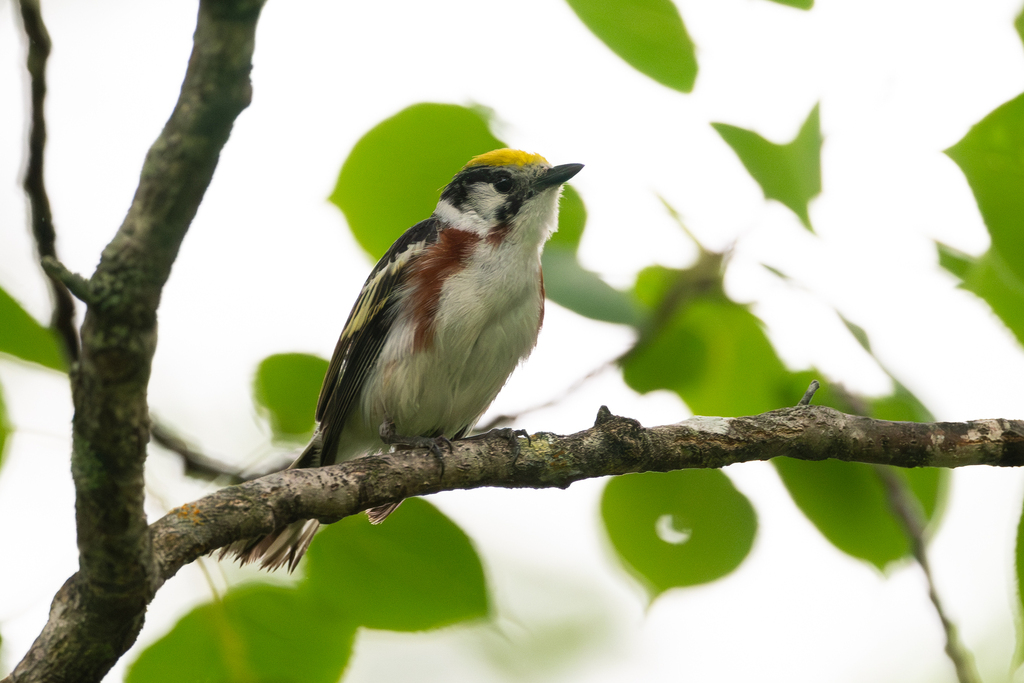
- Chestnut-sided WarblerDendroica pensylvanica
- Chimney SwiftChaetura pelagica
- Chipping SparrowSpizella passerina
- Chuck-will's-widowCaprimulgus carolinensis
- Common GrackleQuiscalus quiscula
- Common NighthawkChordeiles minor
- Common YellowthroatGeothlypis trichas
- Cooper's HawkAccipiter cooperii
- Dark-eyed JuncoJunco hyemalis















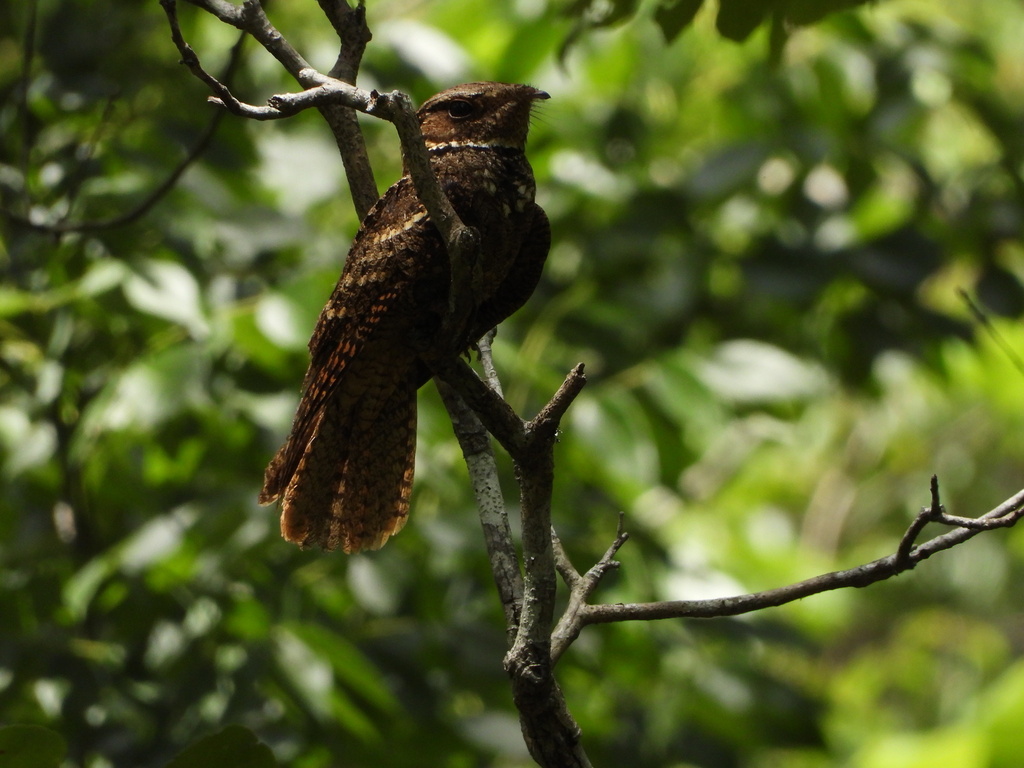





NatureServe Explorer, CC BY 4.0. USGS Gap Analysis Project habitat models.
Sources
- USGS Gap Analysis Project habitat models (2001)
- USGS GAP winter habitat model for Red Crossbill
- USGS Gap Analysis Project range maps (2001), modeled by watershed; migratory gives no dates
- NatureServe Explorer (CC BY 4.0), habitat names
- US Census TIGER/Line counties
- Names follow the USGS Gap Analysis Project (2001)