

Bird
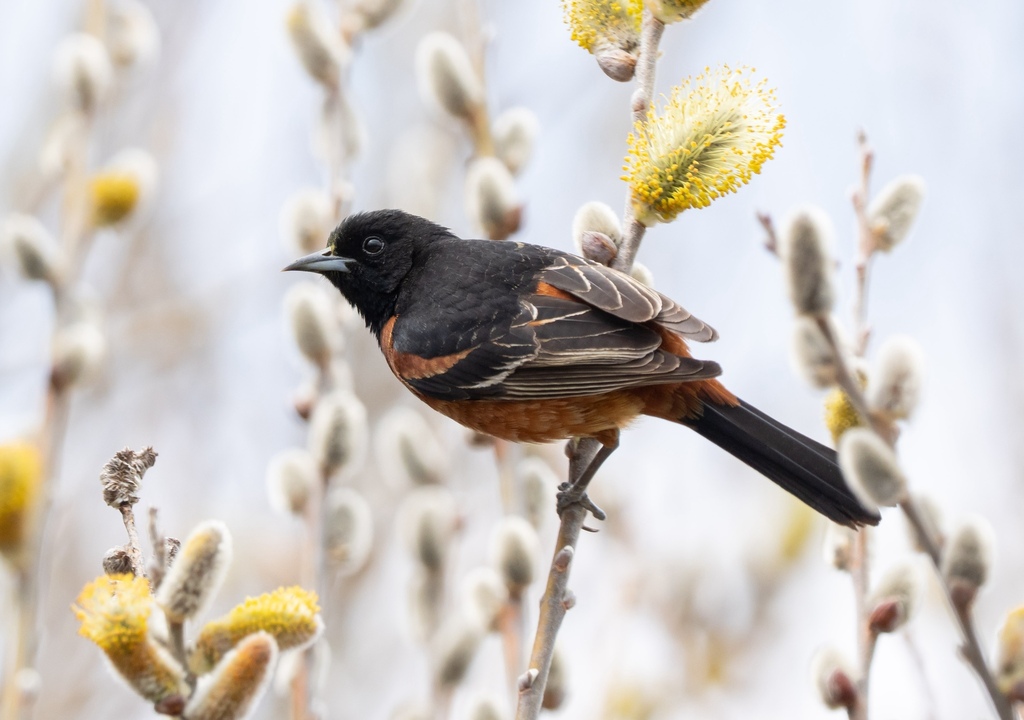
Orchard Oriole
Icterus spurius
A summer resident that nests in Alabama. Found in all 67 counties, across 14 habitats.
- Here
- Summer
- Nesting
- Nests here
- Range
- All 67 counties
- Habitats
- 14
At a glance
- Group
- Birds
- Here
- Summer
- Nesting
- Nests here
- Range
- All 67 counties
- Habitats
- 14
- Habitat models
- Summer
Where it lives
The places its habitat model includes. It is not found everywhere a habitat occurs.
Habitats in Alabama 14
Each habitat page lists the plants and wildlife also found there.

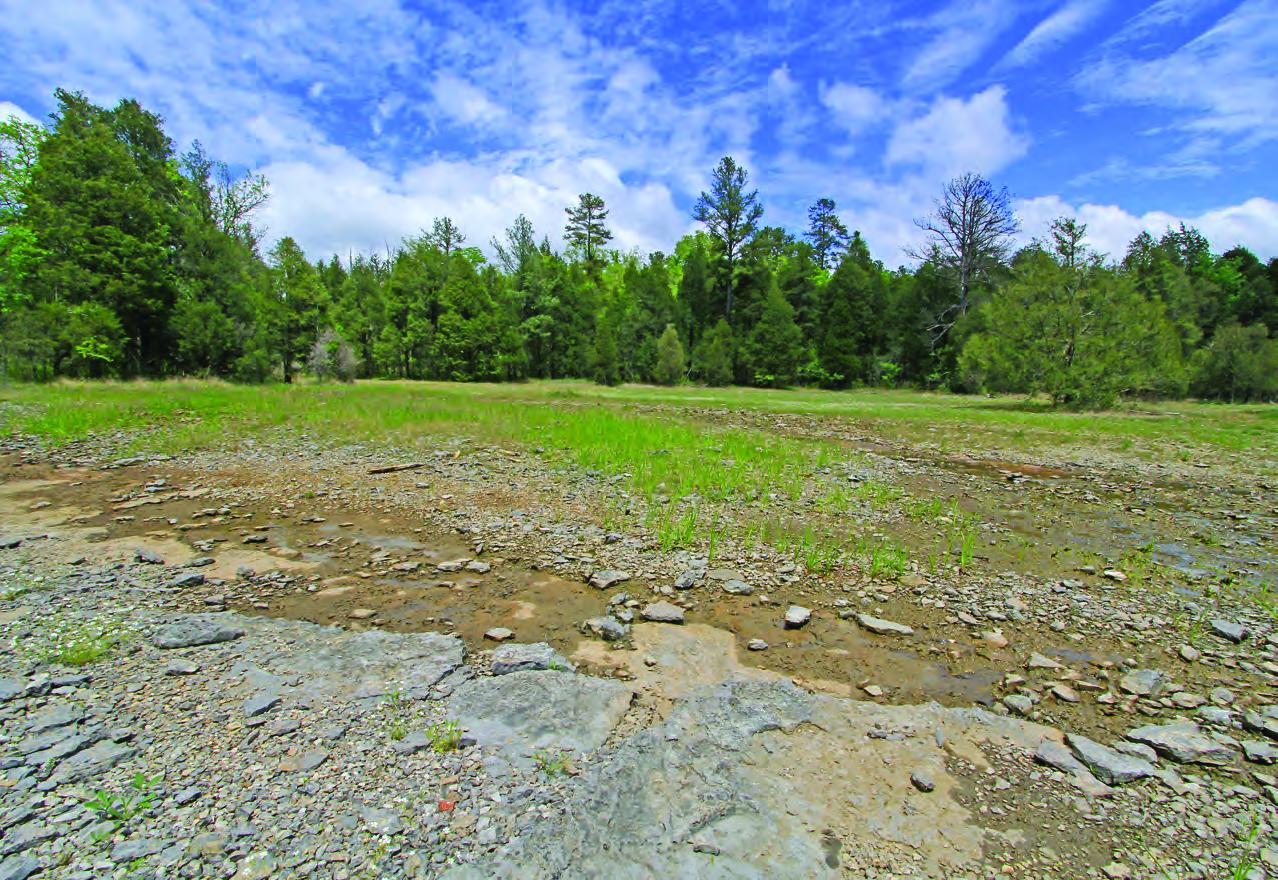
Glades, barrens and outcrops on limestone
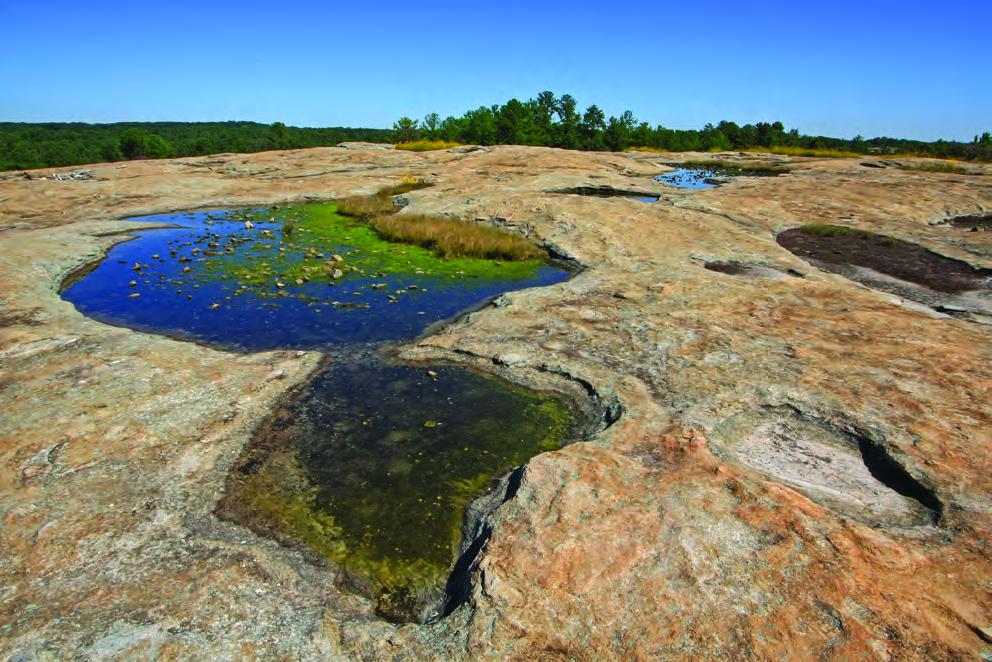
Granite and other acidic rock outcrops

Dense, evergreen groves of live oak, magnolia and other hardwoods in the southern Coastal Plain, from dry oak domes to wet hydric hammocks and south Florida's tropical hammocks; salt-shaped maritime hammocks are maritime forests.
Disturbed and introduced wetlands
Wet ground taken over by weedy or introduced plants after disturbance, such as common reed, Chinese tallow or tamarisk stands; the upland counterpart is roadsides, fields and disturbed ground.
Forests and open woodlands on dry ridges and slopes, often oak or pine.
Floodplain and bottomland forests
Forests on low ground beside rivers and streams that flood from time to time.
Flat, poorly drained uplands and terraces with oaks, sweetgum and sometimes loblolly pine, wet in winter and dry in summer, but neither a floodplain nor a swamp.
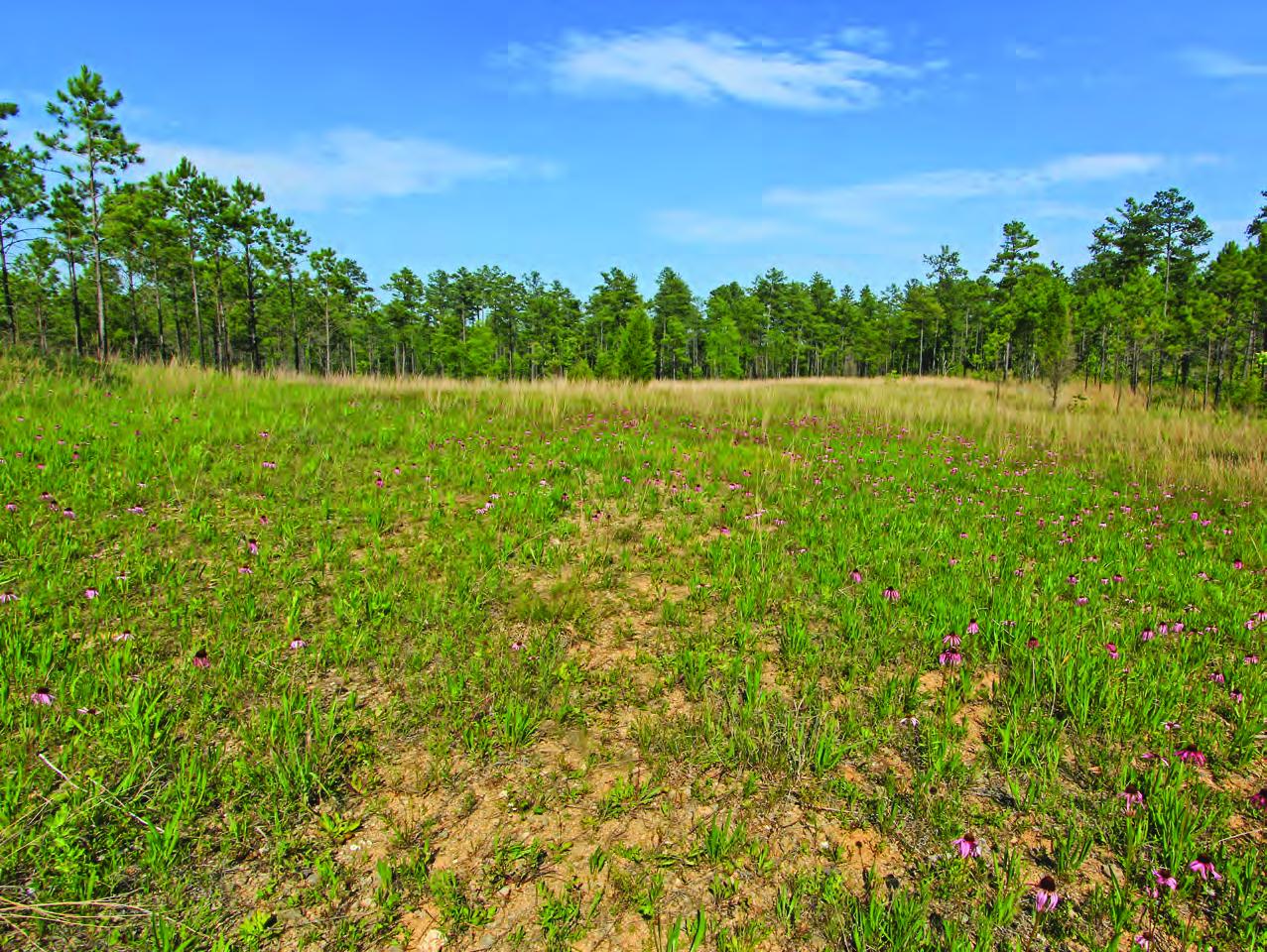
Flat, sandy Coastal Plain pine woodlands, wetter than sandhills and denser than savannas.
Roadsides, fields and disturbed ground
Ground opened by people: roadsides, old fields, pastures, fencerows and lots.
Streams, rivers and their banks
Flowing water and its banks, bars and rocky shoals.
Tree plantations and managed pine
Planted or intensively managed stands of pine or hardwoods grown for timber; a land use rather than a natural community.
Other habitats in its models (70)
Land cover, or classes with no habitat page in Alabama.
- Developed, Low Intensity Summer.
- Orchards Vineyards and Other High Structure Agriculture Summer.
- East Gulf Coastal Plain Northern Loess Plain Oak-Hickory Upland - Hardwood Modifier Summer.
- East Gulf Coastal Plain Northern Loess Plain Oak-Hickory Upland - Juniper Modifier Summer.
- Crosstimbers Oak Forest and Woodland Summer.
- North-Central Interior Dry-Mesic Oak Forest and Woodland Summer.
- North-Central Interior Dry Oak Forest and Woodland Summer.
- Central and South Texas Coastal Fringe Forest and Woodland Summer.
- East-Central Texas Plains Post Oak Savanna and Woodland Summer.
- East-Central Texas Plains Riparian Forest Summer.
- East-Central Texas Plains Floodplain Forest Summer.
- Ozark-Ouachita Dry Oak Woodland Summer.
- Lower Mississippi River Dune Woodland and Forest Summer.
- East Gulf Coastal Plain Black Belt Calcareous Prairie and Woodland - Woodland Modifier Summer.
- Allegheny-Cumberland Dry Oak Forest and Woodland - Pine Modifier Summer.
- Western Great Plains Dry Bur Oak Forest and Woodland Summer.
- Appalachian Shale Barrens Summer.
- Central Interior Highlands Dry Acidic Glade and Barrens Summer.
- Ozark-Ouachita Shortleaf Pine-Oak Forest and Woodland Summer.
- Central Appalachian Pine-Oak Rocky Woodland Summer.
- East Gulf Coastal Plain Interior Upland Longleaf Pine Woodland - Offsite Hardwood Modifier Summer.
- East Gulf Coastal Plain Interior Upland Longleaf Pine Woodland - Loblolly Modifier Summer.
- East Gulf Coastal Plain Interior Upland Longleaf Pine Woodland - Open Understory Modifier Summer.
- East Gulf Coastal Plain Interior Upland Longleaf Pine Woodland - Scrub/Shrub Modifier Summer.
- Atlantic Coastal Plain Upland Longleaf Pine Woodland Summer.
- Southern Appalachian Montane Pine Forest and Woodland Summer.
- Atlantic Coastal Plain Fall-line Sandhills Longleaf Pine Woodland - Offsite Hardwood Modifier Summer.
- Florida Peninsula Inland Scrub Summer.
- North-Central Interior Oak Savanna Summer.
- North-Central Oak Barrens Summer.
- Southern Piedmont Glade and Barrens Summer.
- Nashville Basin Limestone Glade Summer.
- Central Appalachian Alkaline Glade and Woodland Summer.
- Southern Appalachian Grass and Shrub Bald - Shrub Modifier Summer.
- Southern Appalachian Grass and Shrub Bald - Herbaceous Modifier Summer.
- Western Great Plains Mesquite Woodland and Shrubland Summer.
- Central Mixedgrass Prairie Summer.
- Arkansas Valley Prairie and Woodland Summer.
- Central Tallgrass Prairie Summer.
- Southern Blackland Tallgrass Prairie Summer.
- Southeastern Great Plains Tallgrass Prairie Summer.
- Florida Dry Prairie Summer.
- Southern Appalachian Grass and Shrub Bald Summer.
- Recently Logged Areas Summer.
- Harvested Forest - Grass/Forb Regeneration Summer.
- Recently Burned Summer.
- Recently Burned Forest Summer.
- Recently Burned Grassland Summer.
- Recently Burned Shrubland Summer.
- Introduced Upland Vegetation - Shrub Summer.
- Introduced Upland Vegetation - Forbland Summer.
- Introduced Upland Vegetation - Perennial Grassland Summer.
- Introduced Upland Vegetation - Perennial Grassland and Forbland Summer.
- Central Interior and Appalachian Shrub-Herbaceous Wetland Systems Summer.
- South Florida Dwarf Cypress Savanna Summer.
- Lower Mississippi River Bottomland Depressions - Forest Modifier Summer.
- South Florida Cypress Dome Summer.
- Atlantic Coastal Plain Blackwater Stream Floodplain Forest - Forest Modifier Summer.
- Central Appalachian Floodplain - Forest Modifier Summer.
- Central Appalachian Riparian - Forest Modifier Summer.
- Eastern Great Plains Floodplain Systems Summer.
- Mississippi River Riparian Forest Summer.
- Mississippi River Low Floodplain (Bottomland) Forest Summer.
- Atlantic Coastal Plain Small Brownwater River Floodplain Forest Summer.
- Atlantic Coastal Plain Small Blackwater River Floodplain Forest Summer.
- Atlantic Coastal Plain Brownwater Stream Floodplain Forest Summer.
- South Florida Pine Flatwoods Summer.
- Central Atlantic Coastal Plain Wet Longleaf Pine Savanna and Flatwoods Summer.
- Atlantic Coastal Plain Southern Wet Pine Savanna and Flatwoods Summer.
- West Gulf Coastal Plain Pine-Hardwood Flatwoods Summer.
Seasons in Alabama
- Summer: nests here, in all 67 counties.
Also found in this habitat
Plants 680
Plants named in NatureServe descriptions of these habitats that grow in Alabama. Shared habitat, not food.
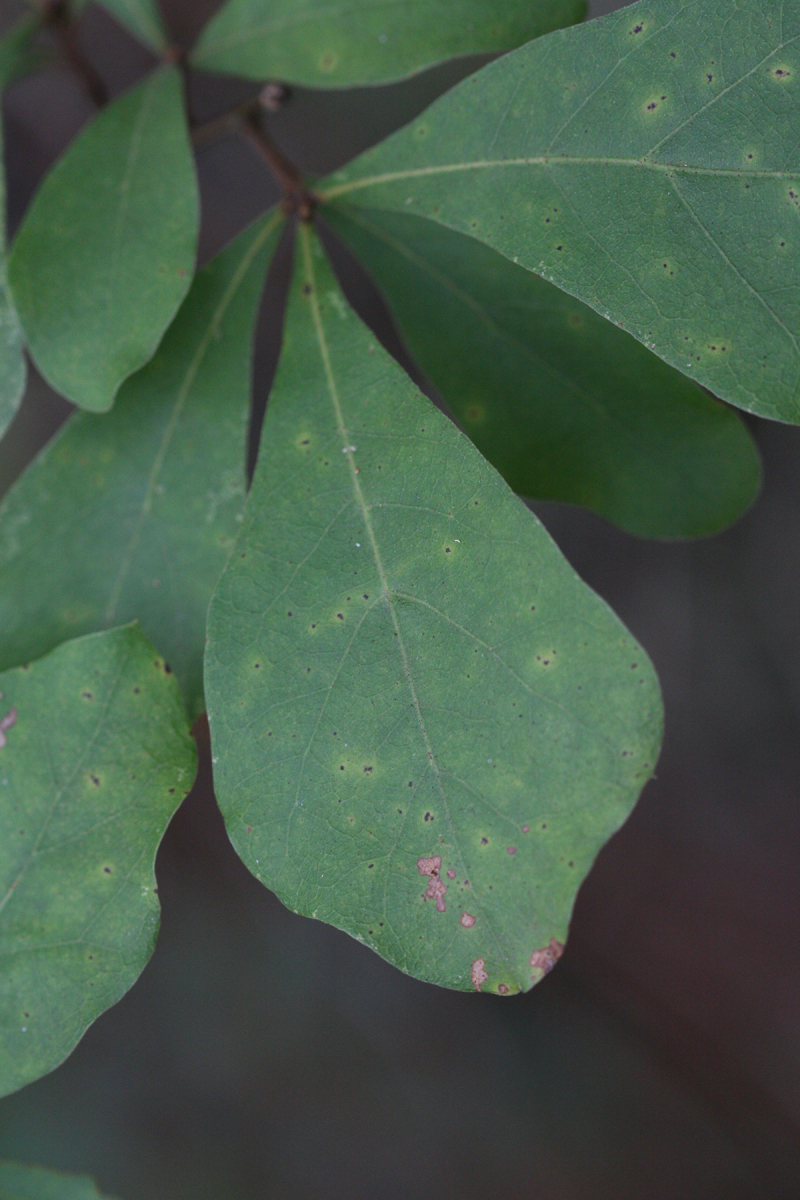
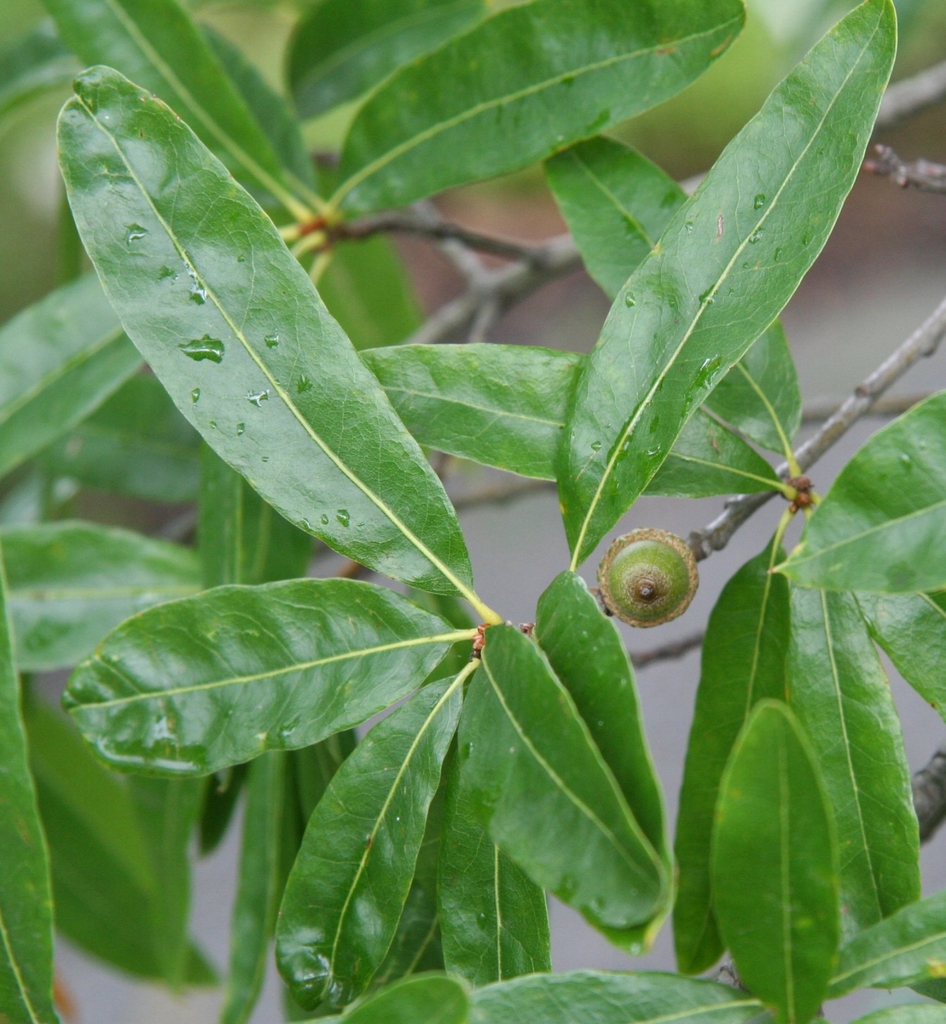
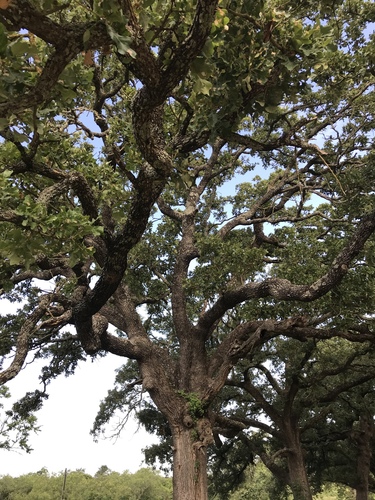
- Water OakQuercus nigra
- Willow OakQuercus phellos
- Post OakQuercus stellata
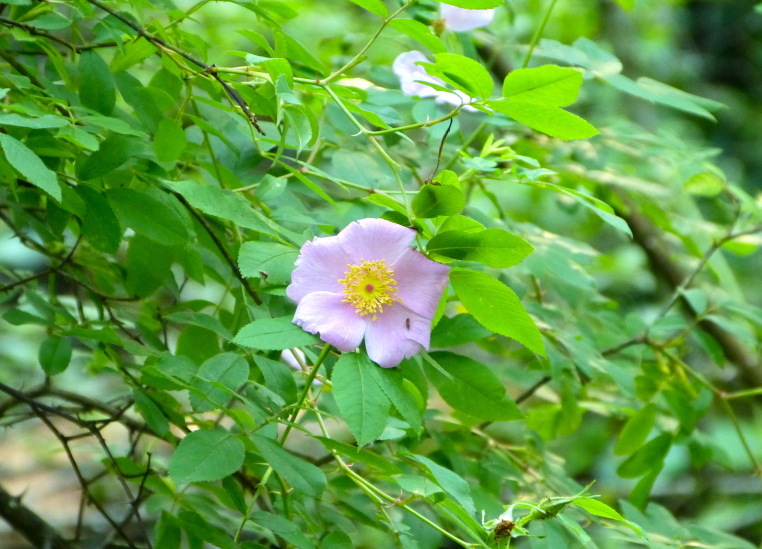
- Swamp RoseRosa palustris
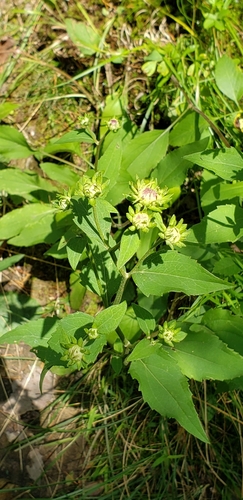
- Sun-facing ConeflowerRudbeckia heliopsidis
- Salix floridanaSalix floridana
- Sideroxylon thorneiSideroxylon thornei
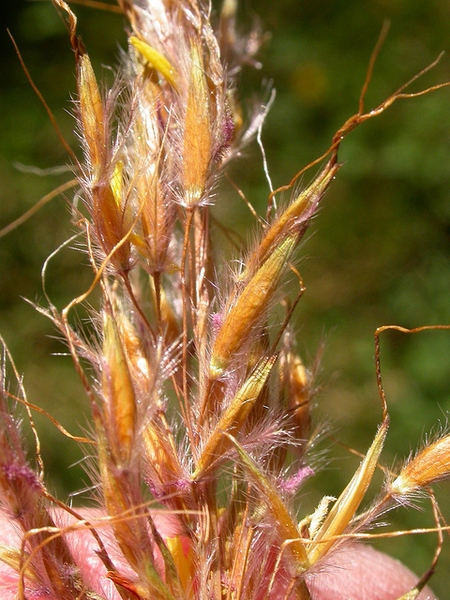
- Yellow IndiangrassSorghastrum nutans
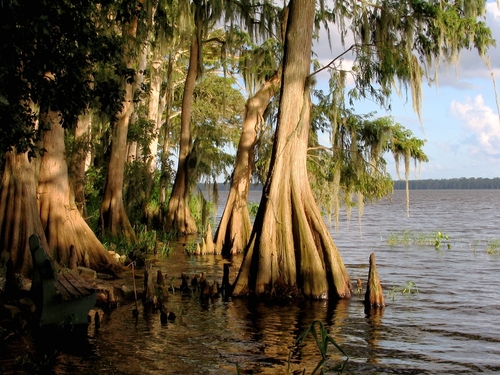
- Bald CypressTaxodium distichum
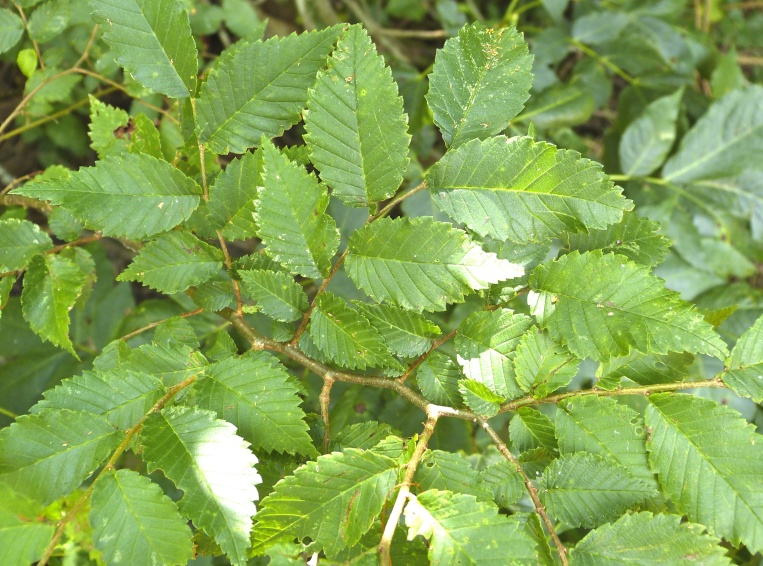
- American ElmUlmus americana
- Riverbank GrapeVitis riparia
- Drummonds Red MapleAcer drummondii
- Florida MapleAcer floridanum
- Arnoglossum diversifoliumArnoglossum diversifolium
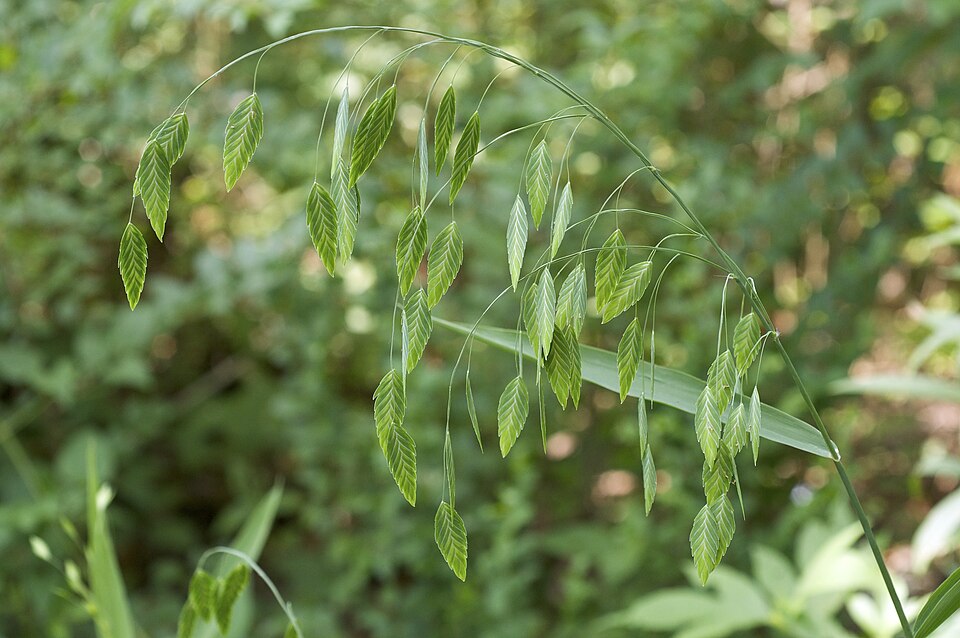
- Giant CaneArundinaria gigantea
- Asclepias viridulaAsclepias viridula
- Twisted SedgeCarex torta
- Pignut HickoryCarya glabra
- Common HackberryCeltis occidentalis
- River OatsChasmanthium latifolium
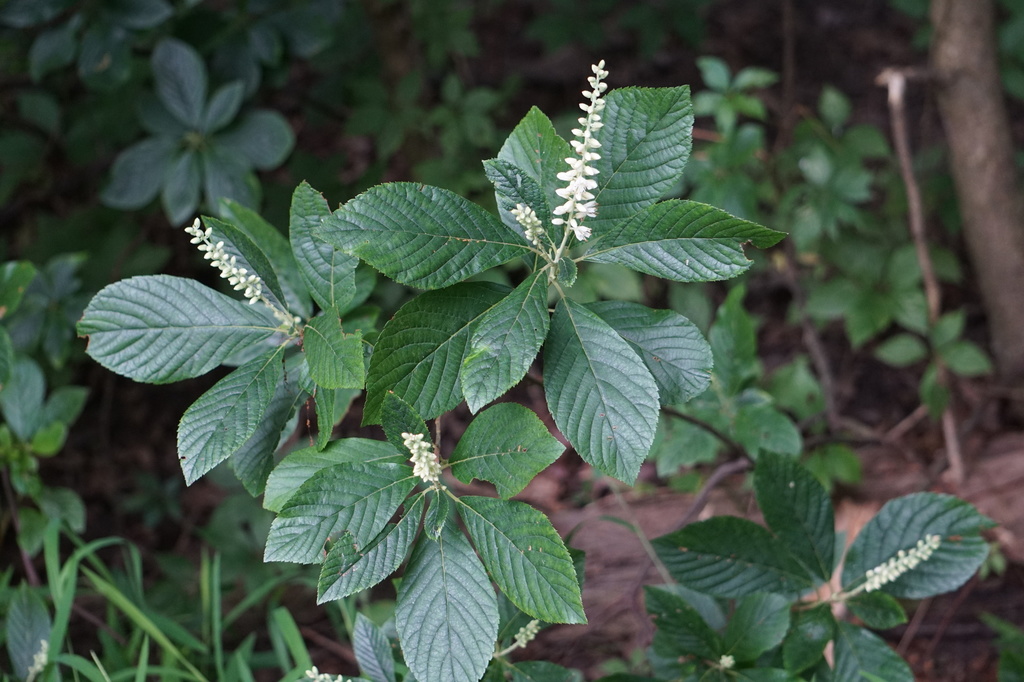
- Coastal Sweet-pepperbushClethra alnifolia
- Cliftonia monophyllaCliftonia monophylla
- Lookout Mountain CoreopsisCoreopsis pulchra
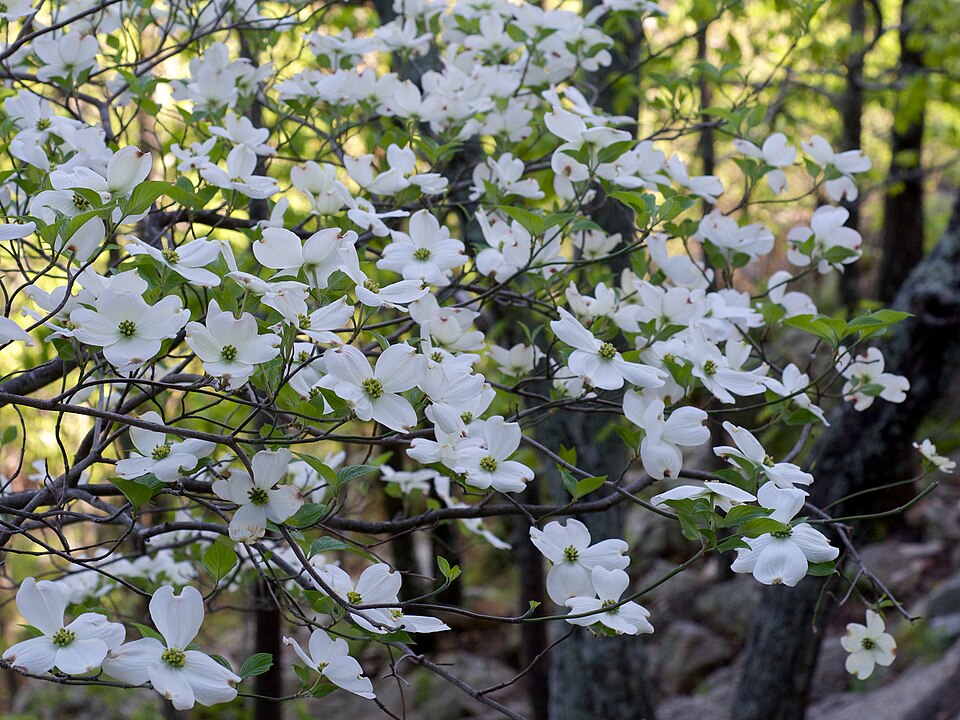
- Flowering DogwoodCornus florida
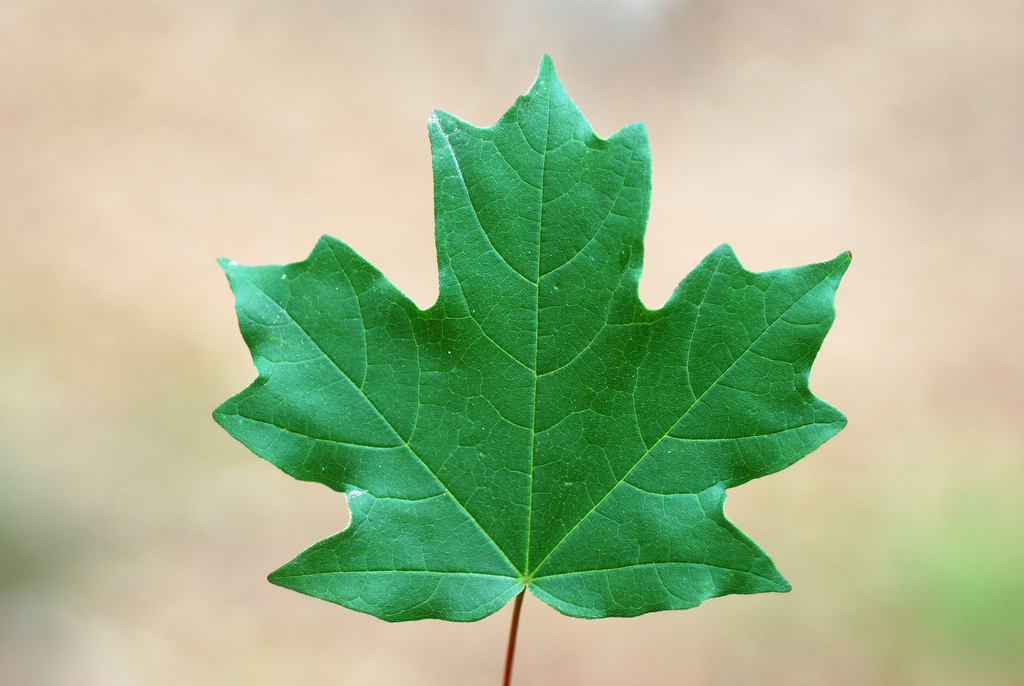
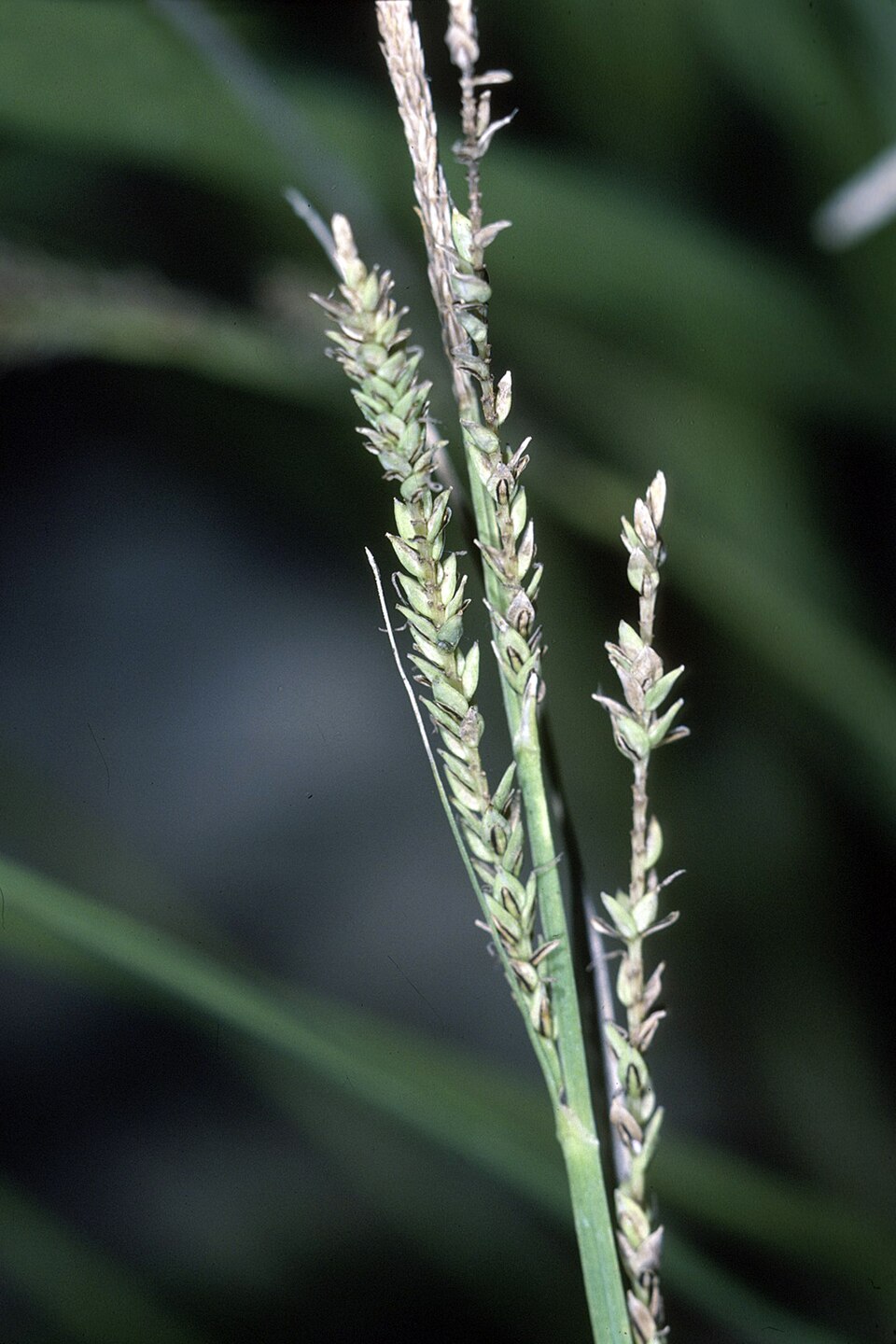
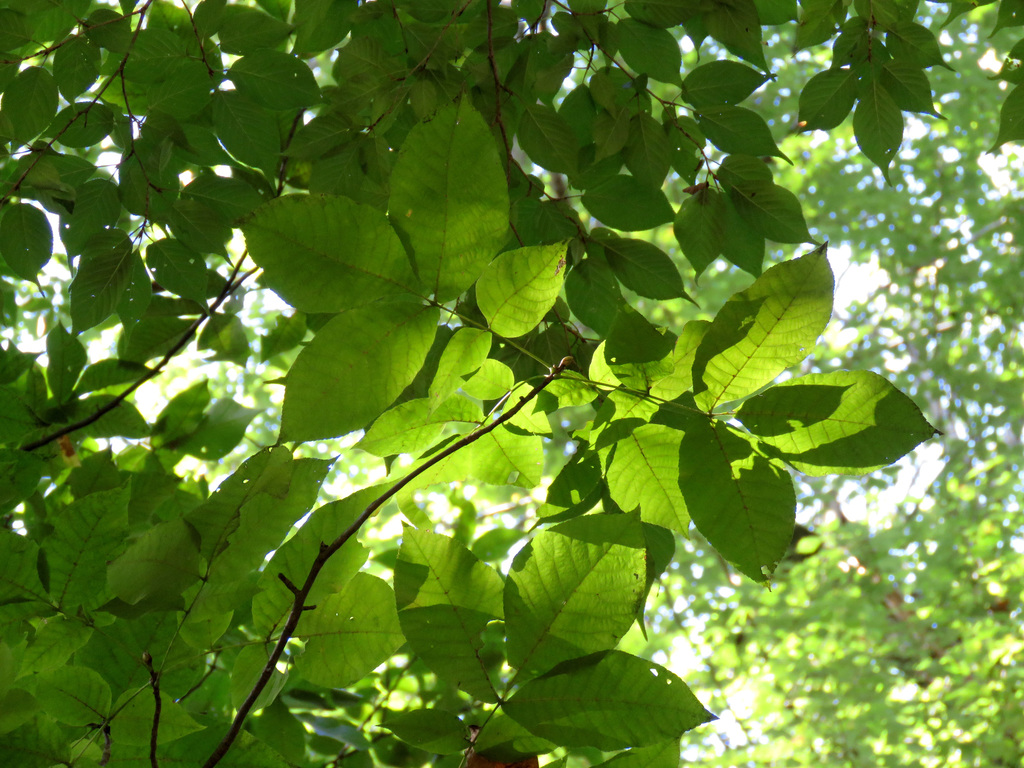
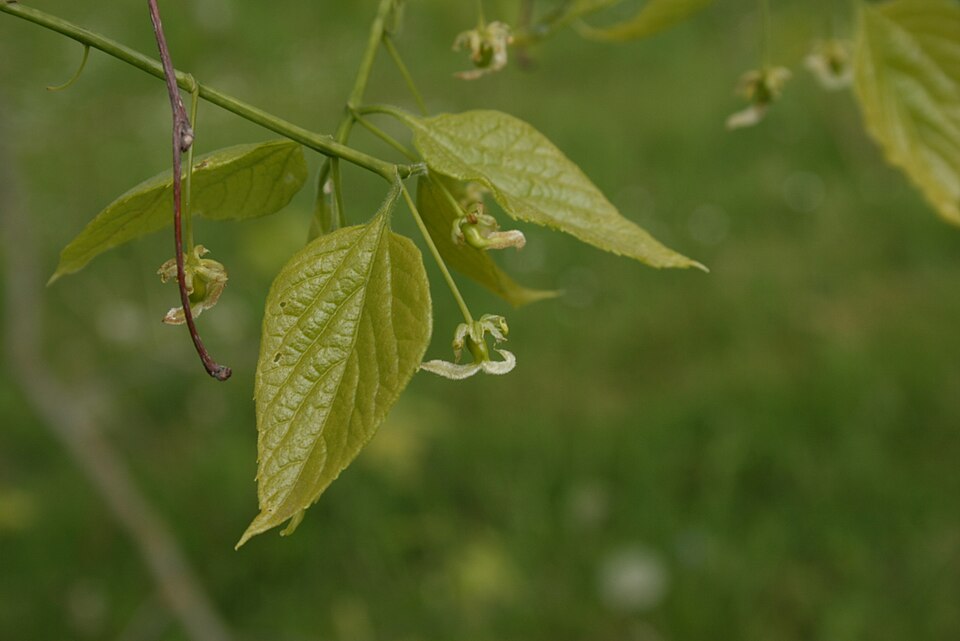
Wildlife 245
Other animals whose habitat models include the same habitats in Alabama. Not sighting records.
- American CrowCorvus brachyrhynchos
- American GoldfinchCarduelis tristis
- American RobinTurdus migratorius
- Chimney SwiftChaetura pelagica
- Common NighthawkChordeiles minor
- Cooper's HawkAccipiter cooperii
- Eastern KingbirdTyrannus tyrannus
- European StarlingSturnus vulgaris
- Great Crested FlycatcherMyiarchus crinitus
- Great Horned OwlBubo virginianus
- Red-tailed HawkButeo jamaicensis
- Red-winged BlackbirdAgelaius phoeniceus
- Sharp-shinned HawkAccipiter striatus
- Turkey VultureCathartes aura
- Yellow-breasted ChatIcteria virens
- Black VultureCoragyps atratus
- Blue GrosbeakPasserina caerulea
- Carolina WrenThryothorus ludovicianus
- Cedar WaxwingBombycilla cedrorum
- Chipping SparrowSpizella passerina
- Eastern Screech-owlMegascops asio
- Eastern TowheePipilo erythrophthalmus
- Eurasian Collared-doveStreptopelia decaocto
- Fish CrowCorvus ossifragus
























NatureServe Explorer, CC BY 4.0. USGS Gap Analysis Project habitat models.
Sources
- USGS Gap Analysis Project habitat models (2001)
- USGS GAP summer habitat model for Orchard Oriole Elevation 0 to 610 m. Avoids forest interior
- USGS Gap Analysis Project range maps (2001), modeled by watershed; migratory gives no dates
- NatureServe Explorer (CC BY 4.0), habitat names
- US Census TIGER/Line counties
- Names follow the USGS Gap Analysis Project (2001)