

Yellow Indiangrass
Sorghastrum nutans
Found in forests and woodlands; prairies and grasslands; roadsides, fields and disturbed ground. FloraQuest, phone app (app page) What its natural habitat tells you
Native to Alabama. How scores work Is it native here?
Profile 100%
- Height
- 5–7 feet
- Spread
- 1–2 feet
- Light
- Full sun
- Soil moisture
- Somewhat dry to moist
Space about 1.5 ft apart from its recorded spread, about 44 per 100 sq ft. Enter your bed size for a count
Will it fit your yard?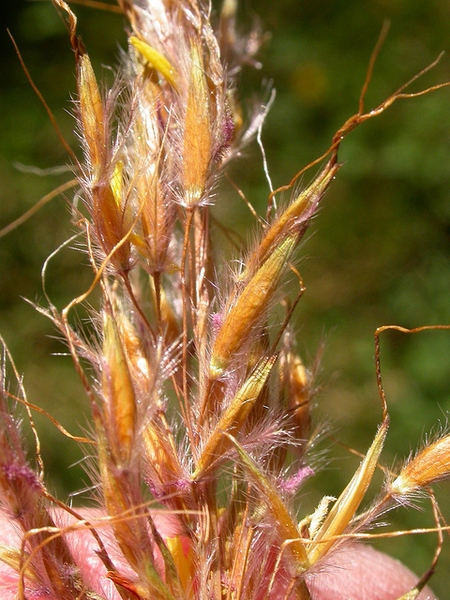
At a glance
- Life cycle
- Perennial
- Leaves
- Deciduous
- Bloom
- August to November
- Fruiting season
- Fall
Recorded in 50 Alabama counties.
Natural habitats
Places it grows wild. Not a planting requirement. Each habitat page lists the plants and wildlife also found there.
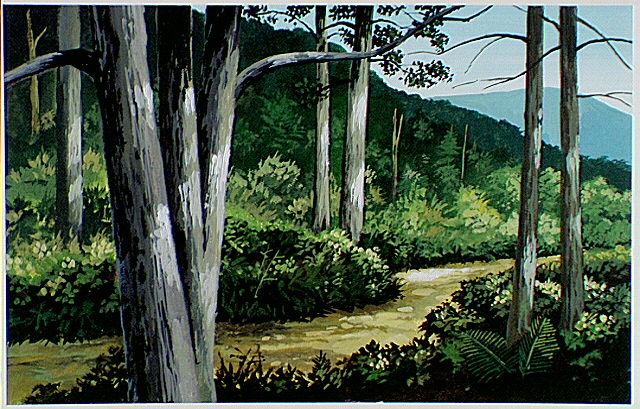
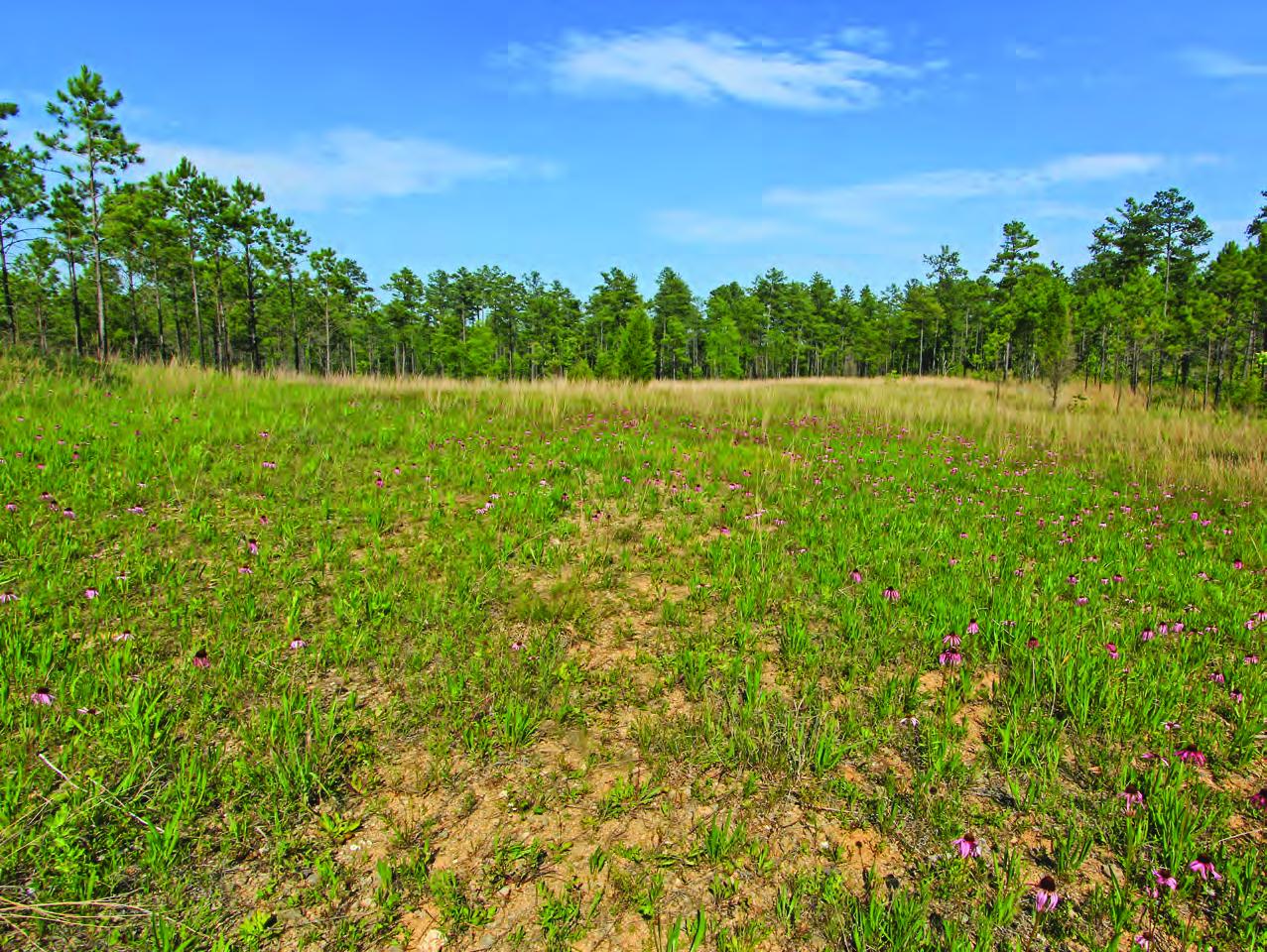
Roadsides, fields and disturbed ground
Ground opened by people: roadsides, old fields, pastures, fencerows and lots.
Also found with this plant
Wildlife whose habitat models include habitats this plant grows in, in Alabama. Shared habitat, not food. 155 animals.
- American RobinTurdus migratorius
- Blue JayCyanocitta cristata
- Cedar WaxwingBombycilla cedrorum
- Common NighthawkChordeiles minor
- Cooper's HawkAccipiter cooperii
- Double-crested CormorantPhalacrocorax auritus
- Downy WoodpeckerPicoides pubescens
- Eastern KingbirdTyrannus tyrannus
- Great Horned OwlBubo virginianus
- Hooded MerganserLophodytes cucullatus
- Mourning DoveZenaida macroura
- Northern FlickerColaptes auratus
- Northern MockingbirdMimus polyglottos
- Purple FinchCarpodacus purpureus
- Red-tailed HawkButeo jamaicensis
- Red-winged BlackbirdAgelaius phoeniceus
- Sharp-shinned HawkAccipiter striatus
- Spotted SandpiperActitis macularius
- Tufted TitmouseBaeolophus bicolor
- Turkey VultureCathartes aura
- Yellow-breasted ChatIcteria virens
- American GoldfinchCarduelis tristis
- Blue GrosbeakPasserina caerulea
- Blue-gray GnatcatcherPolioptila caerulea
























Who uses this plant?
 8CaterpillarsGenus host records with ranges including AL
Genus host records with ranges including AL · Sorghastrum
- Amblyscirtes hegonPepper and Salt Skipper
- Anatrytone loganDelaware Skipper, Logan Skipper, Black-Vein Skipper
- Atrytone arogosArogos Skipper, Beardgrass Skipper
- Atrytonopsis hiannaDusted Skipper
- Dargida diffusaWheat Head Armywotm Moth
- Lerodea eufalaEufala Skipper, Gray Skipper, Rice Leafroller
- Nastra lherminierSwarthy Skipper
- Oligoria maculataTwin-Spot Skipper
 2BeesSoutheastern regional records
Southeastern regional records · Sorghastrum
Individual names are not available yet.
Noori, Seltmann & Orr 2026, A curated and integrated dataset for exploring global bee-plant interactions (GloBI), Zenodo, CC BY 4.0 0Specialist beesPollen specialists
 4BirdsRecorded genus food-resource interactions; not a state feeding claim
Recorded genus food-resource interactions; not a state feeding claim · Sorghastrum
- Ammospiza leconteiiLeConte's Sparrow
- Pooecetes gramineusVesper Sparrow
- Spizella passerinaChipping Sparrow
- Spizella pusillaField Sparrow
Direct food only: birds recorded eating this genus across North America. Caterpillars on host plants also feed nesting birds. NC Native Plant Society: butterfly gardening
No records yet · Ants · Beetles · Flies · Adult butterflies / moths · Other wasps · Other insects
Plant details
- Family
- Poaceae
- Hardiness
- Zones 4a–9b
- Flower color
- Yellow or orange
- Growth rate
- Moderate
- Growth habit
- Grows in clumps
- Foliage color
- Green
- Fruit begins
- Fall
- Fruit ends
- Fall
Safety has not been reviewed for this plant; check toxicity and thorns before planting.
Growing sources and scope
- Bloom · “Late August to November” · FloraQuest: Carolinas, Georgia (Southeastern Flora Team), phone app (app page) (ranked first; USDA PLANTS, Prairie Moon 2026 Cultural Guide differ) · Carolinas and Georgia
- Flower color · “Yellow or orange” · NC Extension Plant Toolbox (ranked first; USDA PLANTS differs)
- Foliage color · “Green” · USDA PLANTS · Nationwide species characteristics; local growing conditions may vary
- Fruit begins · “Fall” · NC Extension Plant Toolbox (ranked first; USDA PLANTS differs) · Species profile fruit display season; not a local ripening date
- Fruit ends · “Fall” · NC Extension Plant Toolbox · Species profile fruit display season; not a local ripening date
- Growth habit · “Grows in clumps” · USDA PLANTS · Nationwide species characteristics; local growing conditions may vary
- Growth rate · “Moderate” · USDA PLANTS · Nationwide species characteristics; local growing conditions may vary
- Hardiness · “Zones 4a–9b” · NC Extension Plant Toolbox
- Height · “5–7 feet” · NC Extension Plant Toolbox (ranked first; Tennessee Smart Yards, USDA PLANTS, Prairie Moon 2026 Cultural Guide differ)
- Leaves · “Deciduous” · NC Extension Plant Toolbox
- Life cycle · “Perennial” · NC Extension Plant Toolbox
- Light · “Full sun (6 or more hours of direct sunlight a day)” · NC Extension Plant Toolbox (ranked first; Tennessee Smart Yards, Virginia DCR Coastal Plain, Prairie Moon 2026 Cultural Guide differ)
- Soil · “Moist; Occasionally dry” · NC Extension Plant Toolbox (ranked first; Tennessee Smart Yards, Virginia DCR Coastal Plain, Prairie Moon 2026 Cultural Guide differ)
- Spread · “1–2 feet” · NC Extension Plant Toolbox
Also known as
Indian Grass
Conservation status
| Alabama rank | SNR |
|---|---|
| Global rank | G5 |
| AL status | Not verified |
| Federal status | Not verified |
Will it fit your yard?
Check this plant against your county, sun and soil moisture. Conditions are checked in your browser.
Growing cautions
- Spreads by rhizomes. Will naturalize both by rhizomes and self-seeding in optimum growing conditions. Tennessee Smart Yards
For planning only; these do not change the score or Fit.
Sources
- Alabama Plant Atlas
- USDA PLANTS
- Vascular Plants of North Carolina (NC Natural Heritage Program)
- NatureServe Explorer
- Shropshire & Tallamy 2025, Lepidoptera of North America north of Mexico, ZooKeys 1261 (ODbL)
- Noori, Seltmann & Orr 2026, A curated and integrated dataset for exploring global bee-plant interactions (GloBI), Zenodo, CC BY 4.0
- Smith, Bachelder, Russell, Morales, Mosher & Seltmann 2024, Bee-Specialization-Modeling v0.6.1 (specialist host table compiled from J. Fowler's pollen specialist bee lists), Zenodo, CC BY 4.0
- Hurlbert, Olsen, Sawyer & Winner 2021, Avian Diet Database, Scientific Data 8: 260 (CC0)
- Narango, Tallamy & Shropshire 2020, Few keystone plant genera support the majority of Lepidoptera species, Nature Communications