

Bird
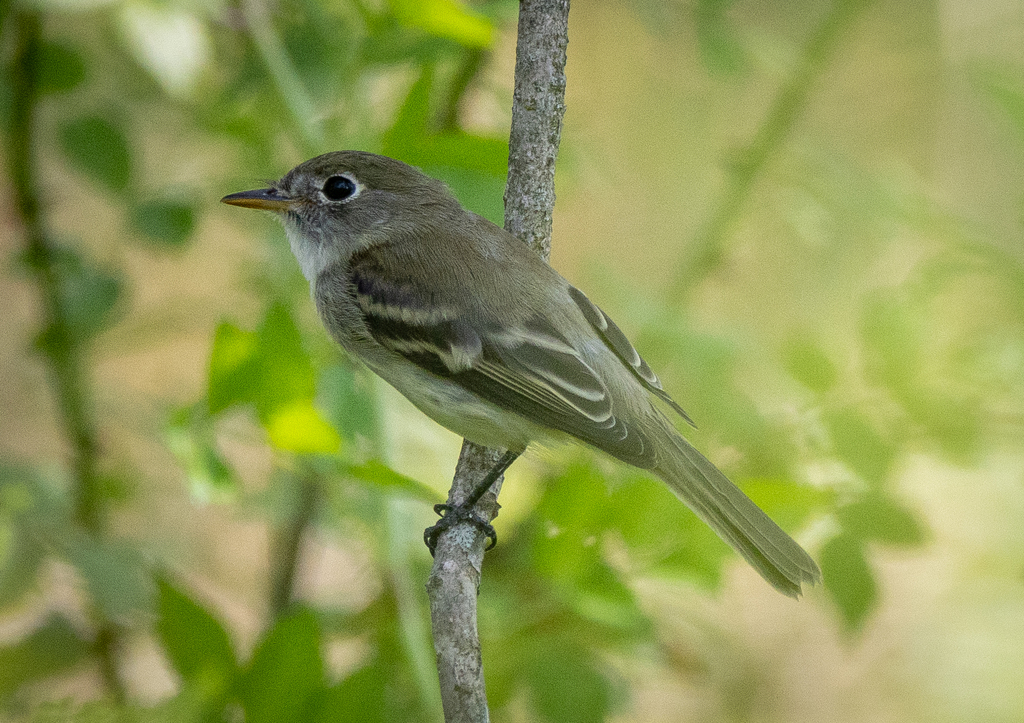
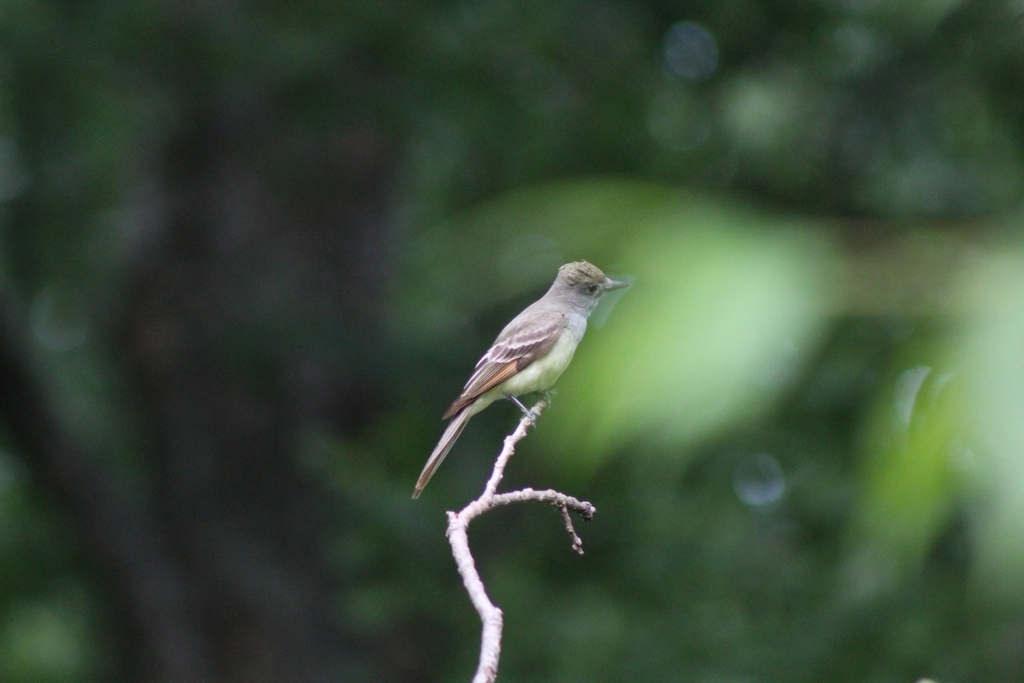
Least Flycatcher
Empidonax minimus
Passes through Alabama on migration. Found in all 67 counties, across 15 habitats.
- Here
- On migration
- Nesting
- Not known to nest here
- Range
- All 67 counties
- Habitats
- 15
At a glance
- Group
- Birds
- Here
- On migration
- Nesting
- Not known to nest here
- Range
- All 67 counties
- Habitats
- 15
- Habitat models
- Summer, Winter
Where it lives
The places its habitat model includes. It is not found everywhere a habitat occurs.
Habitats in Alabama 15
Each habitat page lists the plants and wildlife also found there.
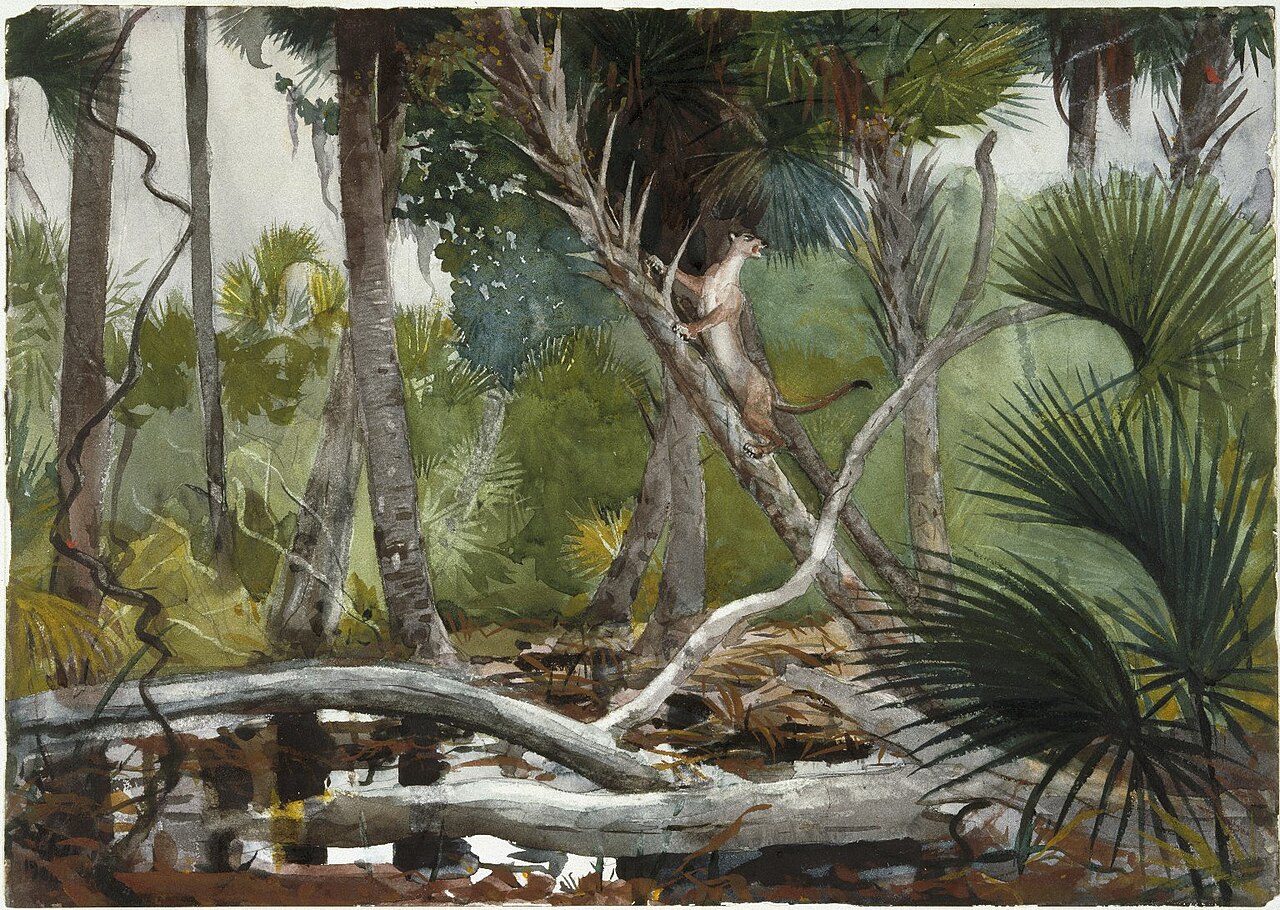
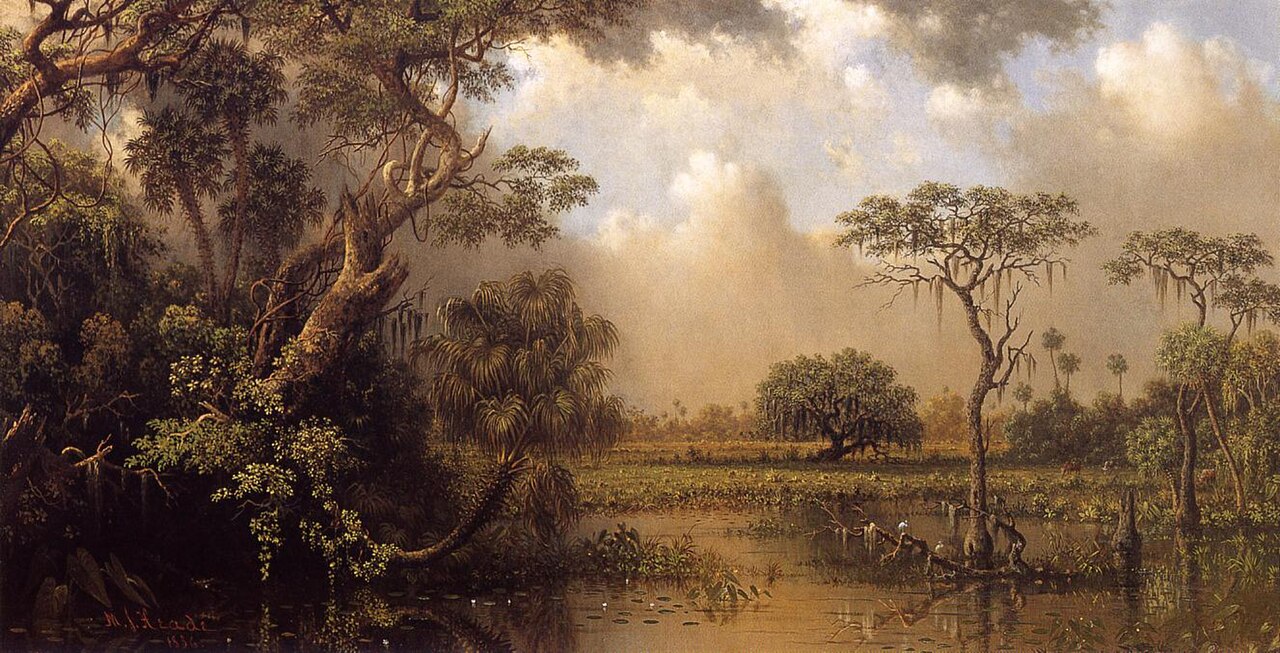
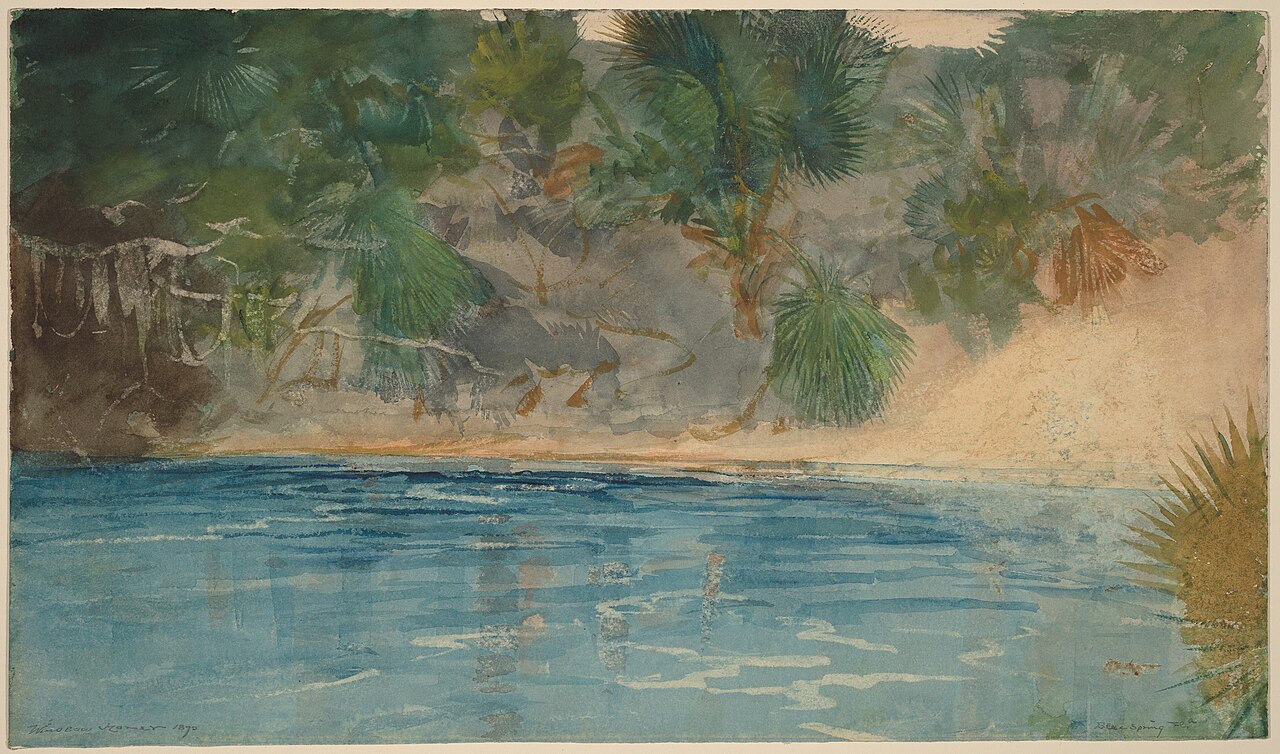
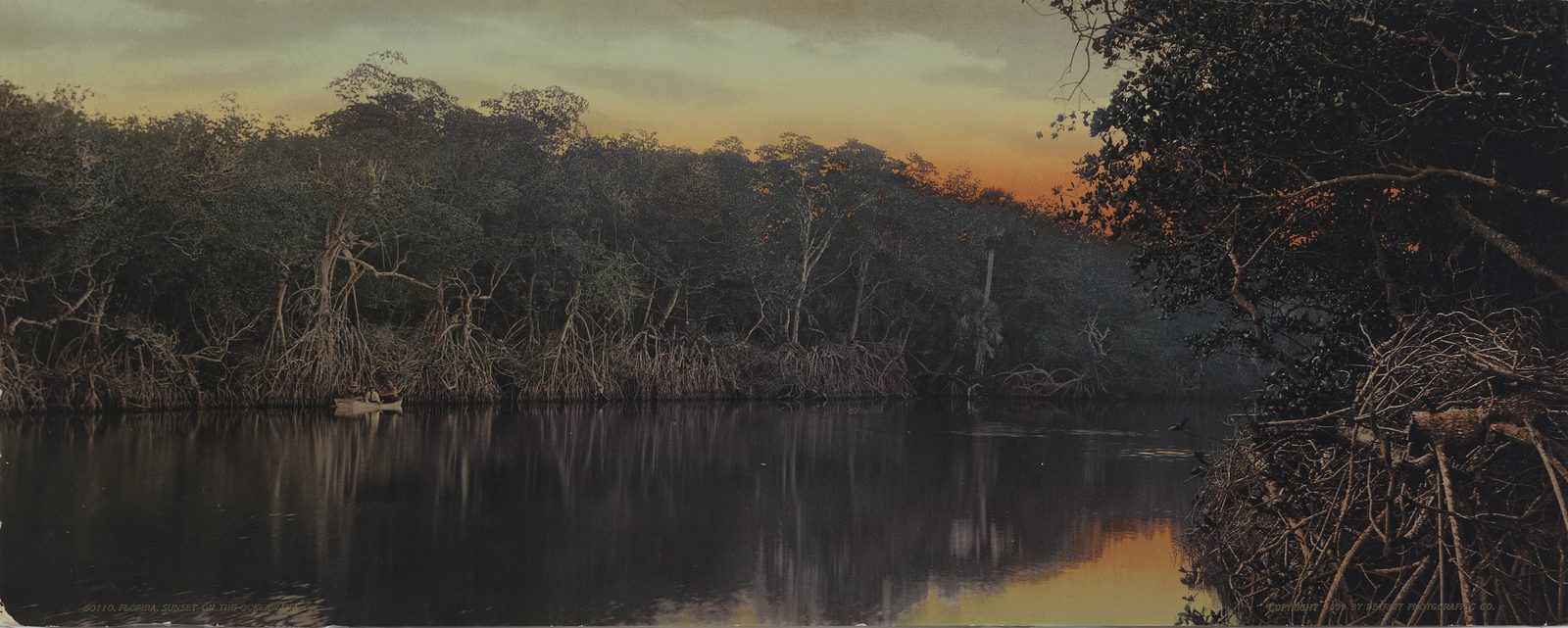
Streams, rivers and their banks
Disturbed and introduced wetlands
Wet ground taken over by weedy or introduced plants after disturbance, such as common reed, Chinese tallow or tamarisk stands; the upland counterpart is roadsides, fields and disturbed ground.
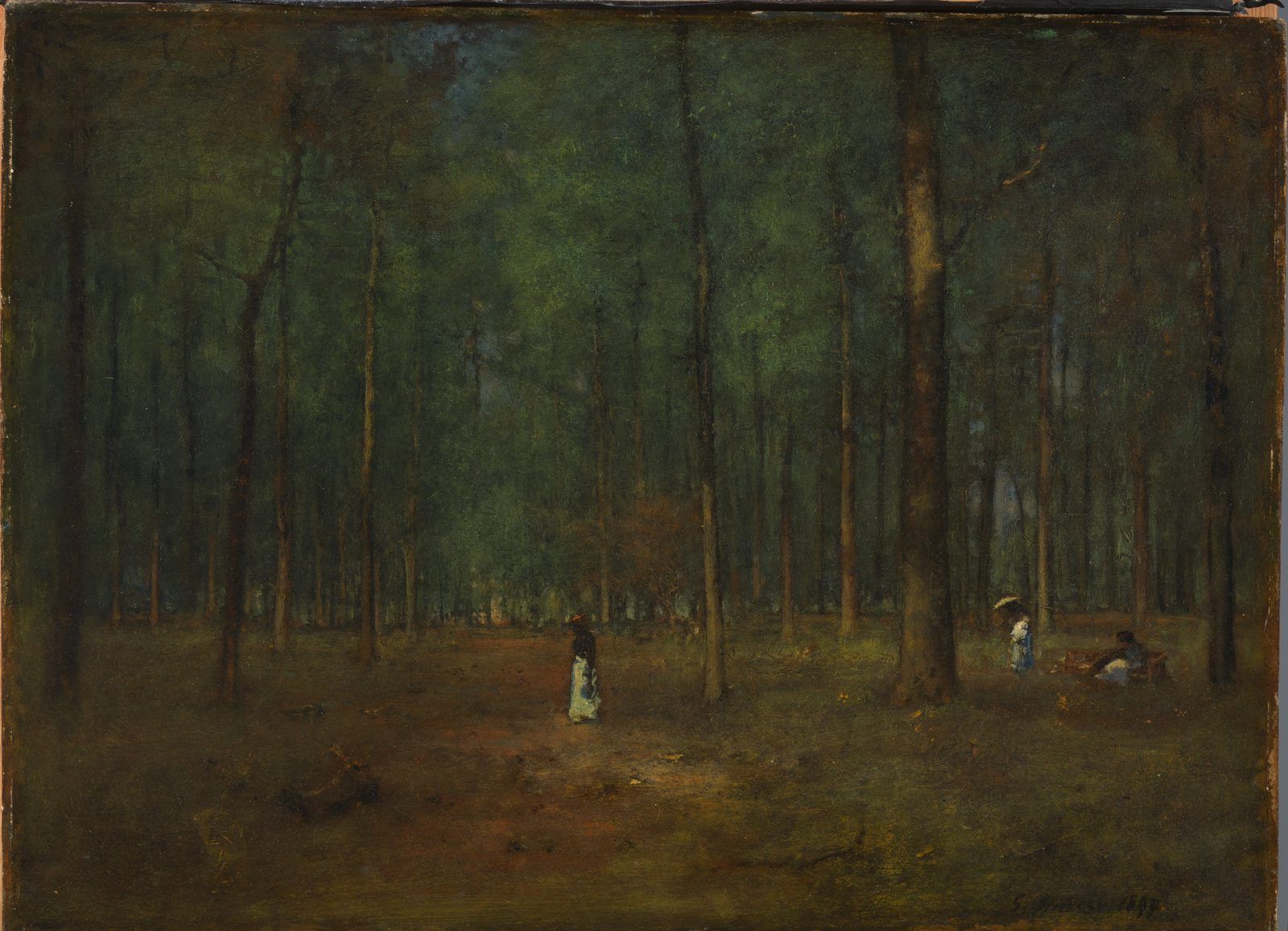
Forests and open woodlands on dry ridges and slopes, often oak or pine.
Floodplain and bottomland forests
Forests on low ground beside rivers and streams that flood from time to time.
Flat, poorly drained uplands and terraces with oaks, sweetgum and sometimes loblolly pine, wet in winter and dry in summer, but neither a floodplain nor a swamp.
Salt-pruned forests and shrub thickets behind coastal dunes.
Forests between dry and moist, often oak-hickory on slopes.
Forests on moist but not wet ground, such as rich slopes and ravines.
Tree plantations and managed pine
Planted or intensively managed stands of pine or hardwoods grown for timber; a land use rather than a natural community.
Borders of forests, clearings and shrubby thickets.
Roadsides, fields and disturbed ground
Ground opened by people: roadsides, old fields, pastures, fencerows and lots.
Other habitats in its models (36)
Land cover, or classes with no habitat page in Alabama. Those recorded in Alabama first, the rest by region.
Elsewhere in the South (15)
- Central and Southern Appalachian Montane Oak Forest Summer.
- Central and Southern Appalachian Northern Hardwood Forest Summer.
- Central Florida Pine Flatwoods Winter.
- Florida Peninsula Inland Scrub Winter.
- South Florida Bayhead Swamp Winter.
- South Florida Cypress Dome Winter.
- South Florida Hardwood Hammock Winter.
- South Florida Mangrove Swamp Winter.
- South Florida Pine Flatwoods Winter.
- Southeast Florida Coastal Strand and Maritime Hammock Winter.
- Southern and Central Appalachian Bog and Fen Summer.
- Southern and Central Appalachian Cove Forest Summer.
- Southern and Central Appalachian Oak Forest Summer.
- Southern Appalachian Northern Hardwood Forest Summer.
- Southwest Florida Coastal Strand and Maritime Hammock Winter.
Northeast (3)
- Appalachian Hemlock-Hardwood Forest Summer.
- Central Appalachian Oak and Pine Forest Summer.
- Central Appalachian Pine-Oak Rocky Woodland Summer.
Land cover and other classes (18)
- Central Appalachian Floodplain - Forest Modifier Summer.
- Central Appalachian Riparian - Forest Modifier Summer.
- Developed, Low Intensity Summer and winter, beside its main habitat.
- East Gulf Coastal Plain Large River Floodplain Forest - Herbaceous Modifier Winter.
- Introduced Upland Vegetation - Shrub Summer, beside its main habitat.
- Orchards Vineyards and Other High Structure Agriculture Summer, beside its main habitat.
- Recently Burned Summer, beside its main habitat.
- Recently Burned Forest Summer, beside its main habitat.
- Recently Burned Shrubland Summer, beside its main habitat.
- Recently Logged Areas Summer, beside its main habitat.
- South-Central Interior Large Floodplain - Herbaceous Modifier Summer.
- Southern and Central Appalachian Oak Forest - Xeric Summer.
- Southern Appalachian Grass and Shrub Bald - Shrub Modifier Summer, beside its main habitat.
- Southern Coastal Plain Nonriverine Basin Swamp - Okefenokee Clethra Modifier Winter.
- Southern Coastal Plain Nonriverine Basin Swamp - Okefenokee Pine Modifier Winter.
- Southern Piedmont Dry Oak-(Pine) Forest - Loblolly Pine Modifier Summer.
- Southern Piedmont Dry Oak-(Pine) Forest - Mixed Modifier Summer.
- Southern Piedmont Dry Oak-Heath Forest - Mixed Modifier Summer.
Seasons in Alabama
- Migratory: does not nest here, in all 67 counties.
Also found in this habitat
Plants 831
Plants named in NatureServe descriptions of these habitats that grow in Alabama. Shared habitat, not food.
- Large Whorled PogoniaIsotria verticillata
- Jamesianthus alabamensisJamesianthus alabamensis
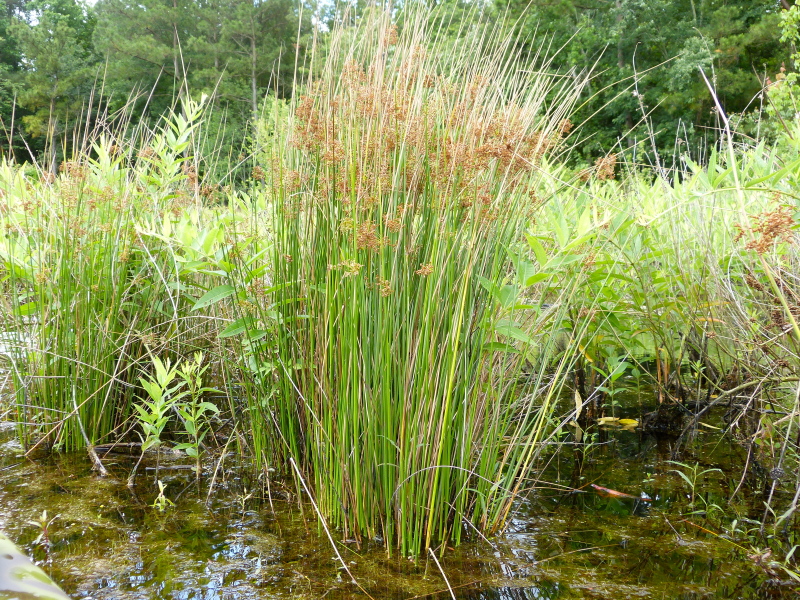
- Soft RushJuncus effusus
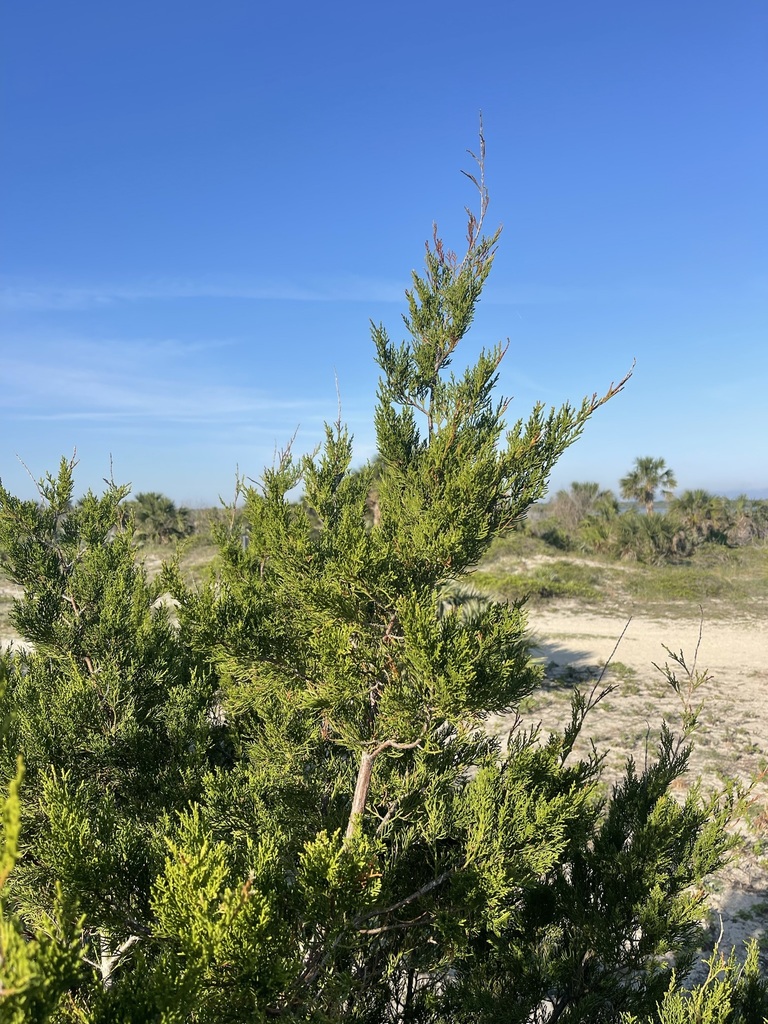
- Southern Red CedarJuniperus virginiana var. silicicola
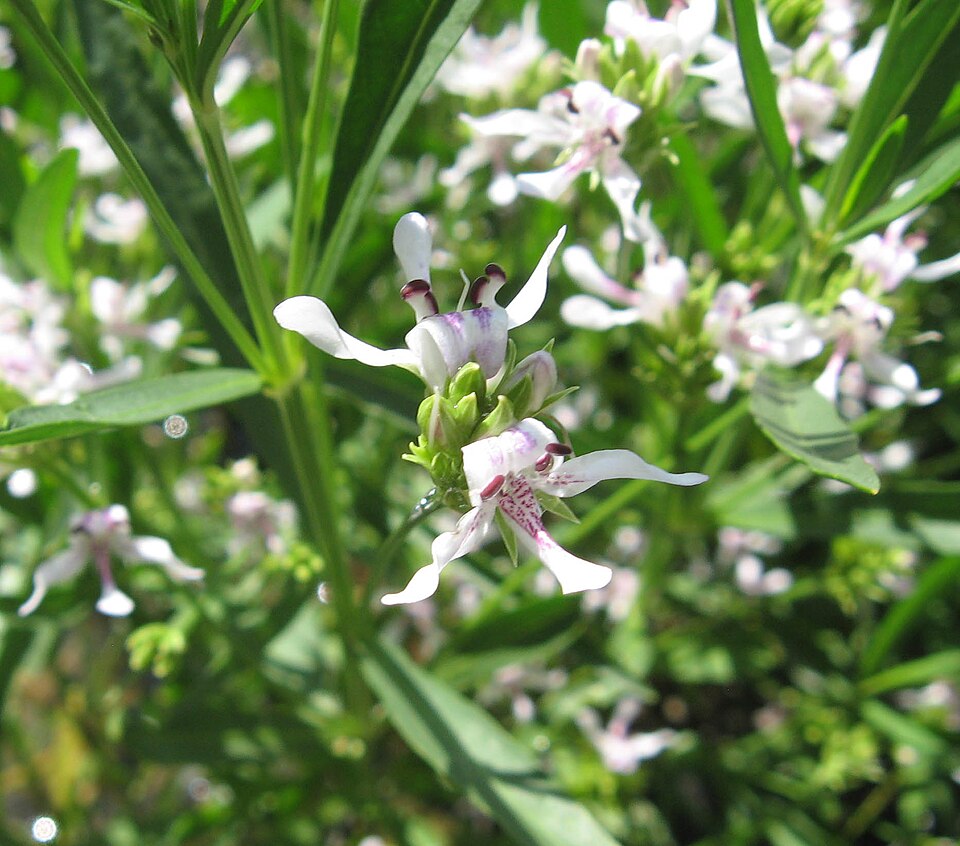
- American Water-willowJusticia americana
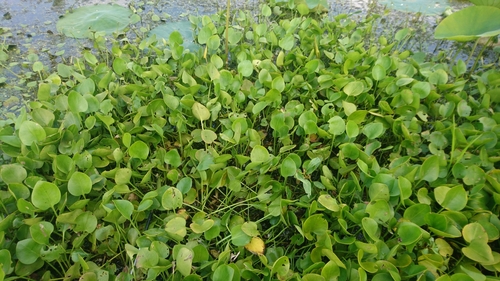
- American Frog's-bitLimnobium spongia
- Spring Hill FlaxLinum macrocarpum
- Boykin's LobeliaLobelia boykinii
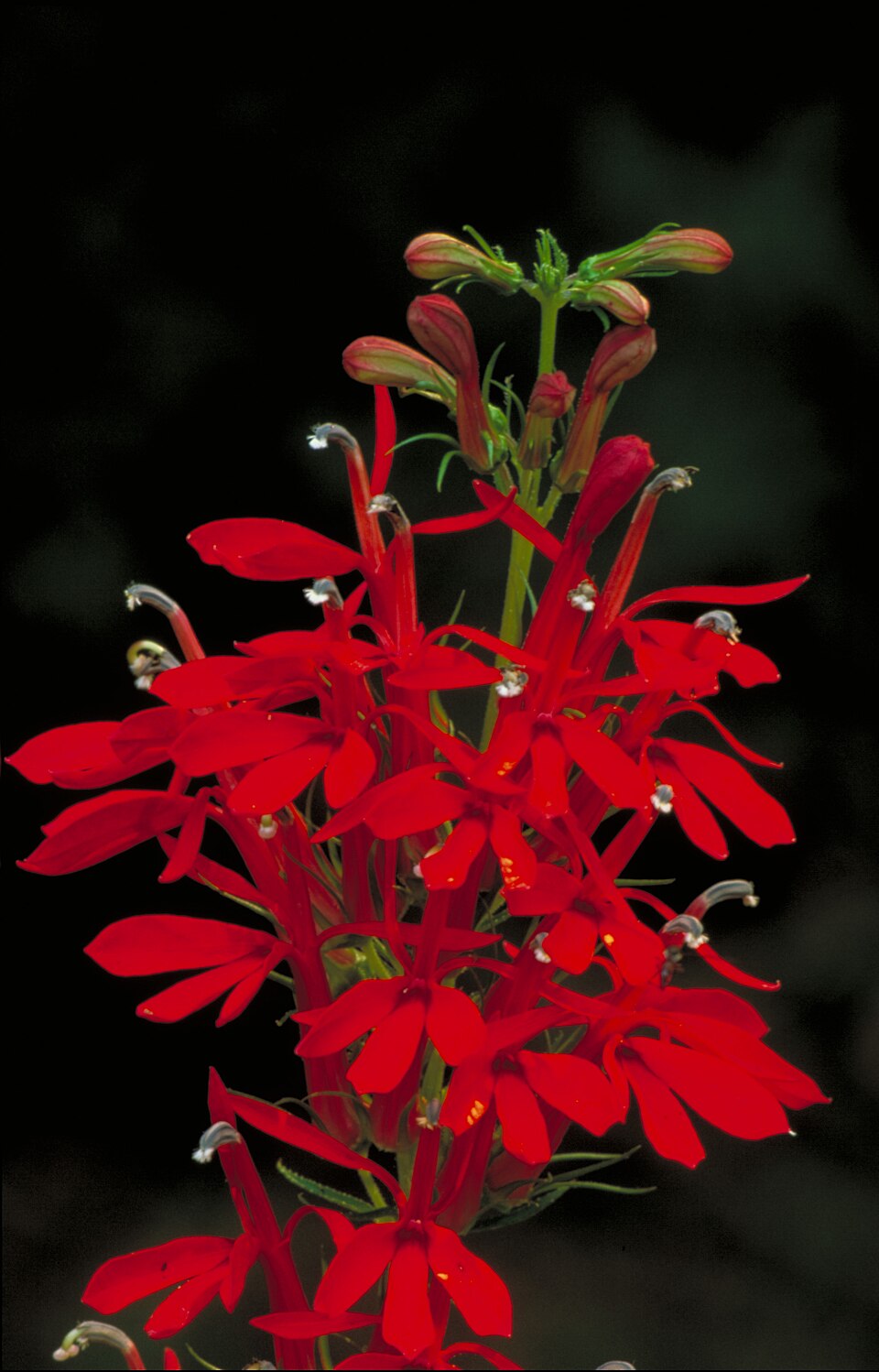
- Cardinal-flowerLobelia cardinalis
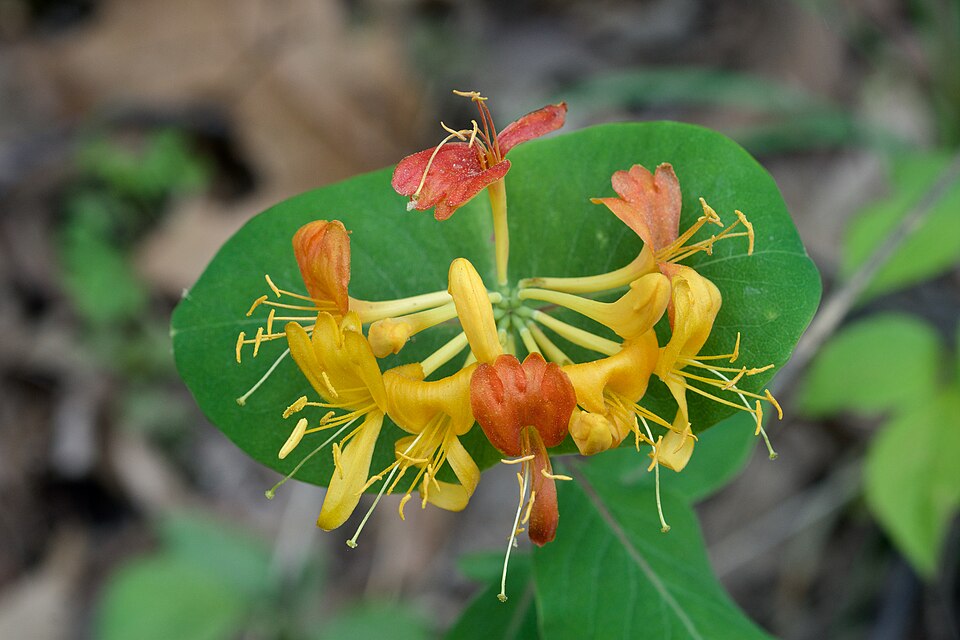
- Yellow HoneysuckleLonicera flava
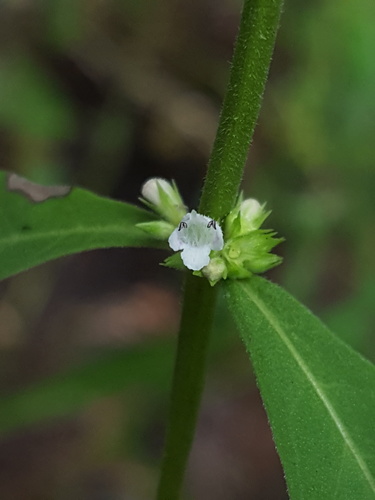
- Taperleaf BugleweedLycopus rubellus
- Virginia BugleweedLycopus virginicus
- Fraser's LoosestrifeLysimachia fraseri
- Broadleaf Barbara's-buttonsMarshallia trinervia
- Matelea baldwynianaMatelea baldwyniana
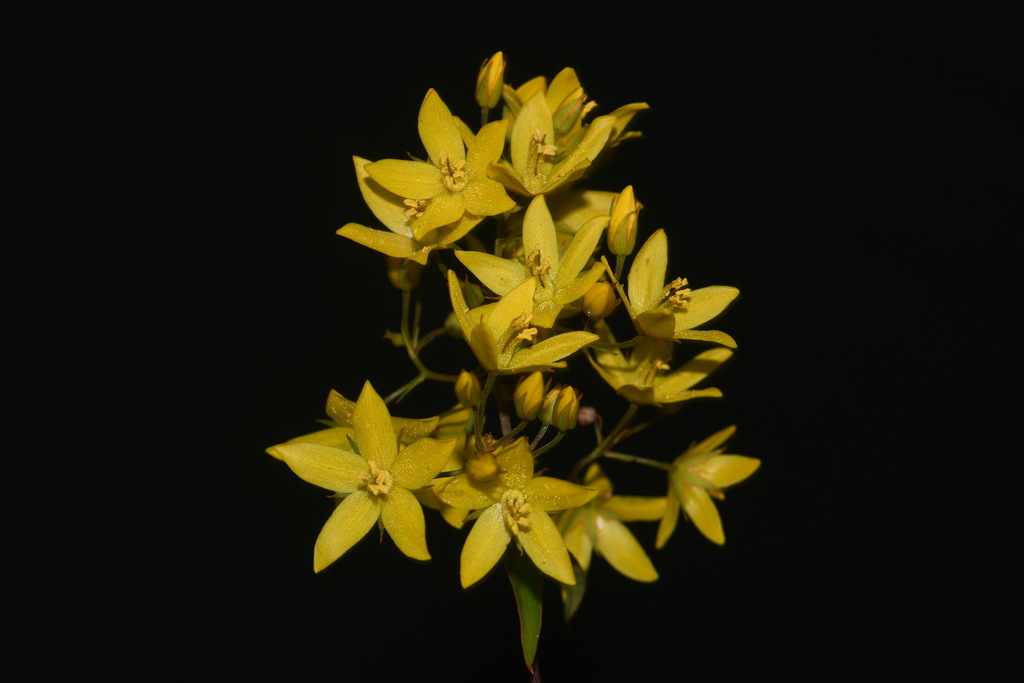
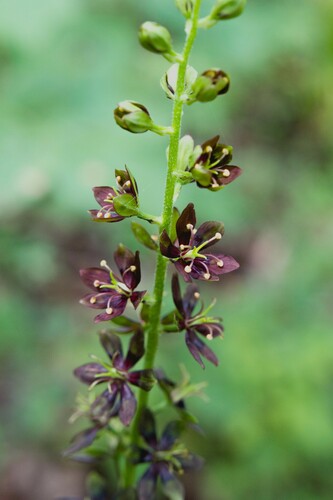
- Ozark BunchflowerMelanthium woodii
- Three-flower MelicgrassMelica nitens
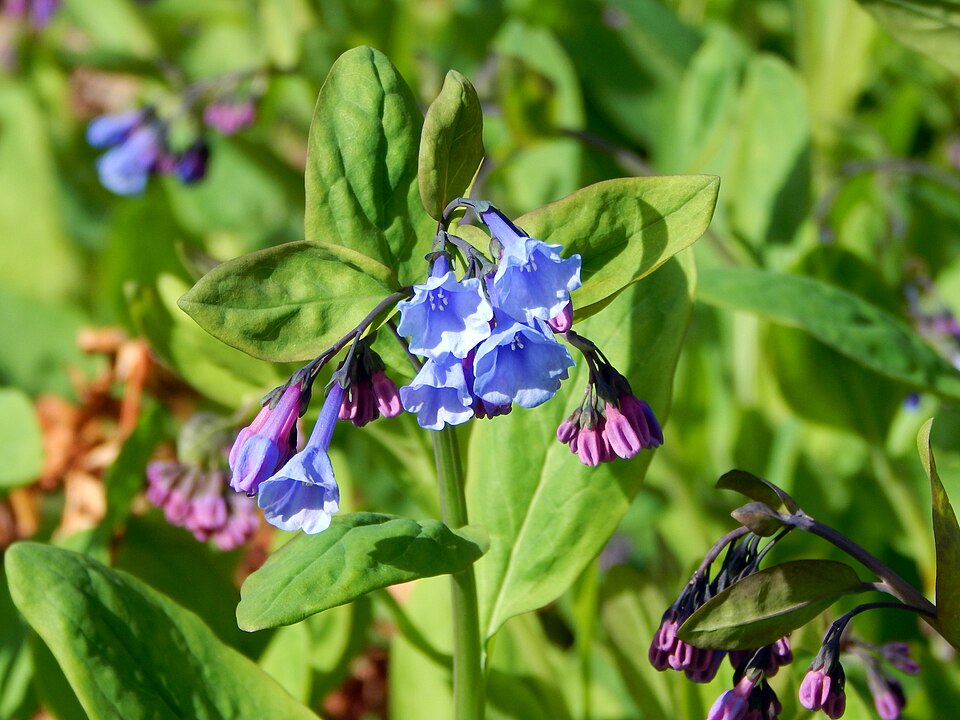
- Virginia BluebellsMertensia virginica
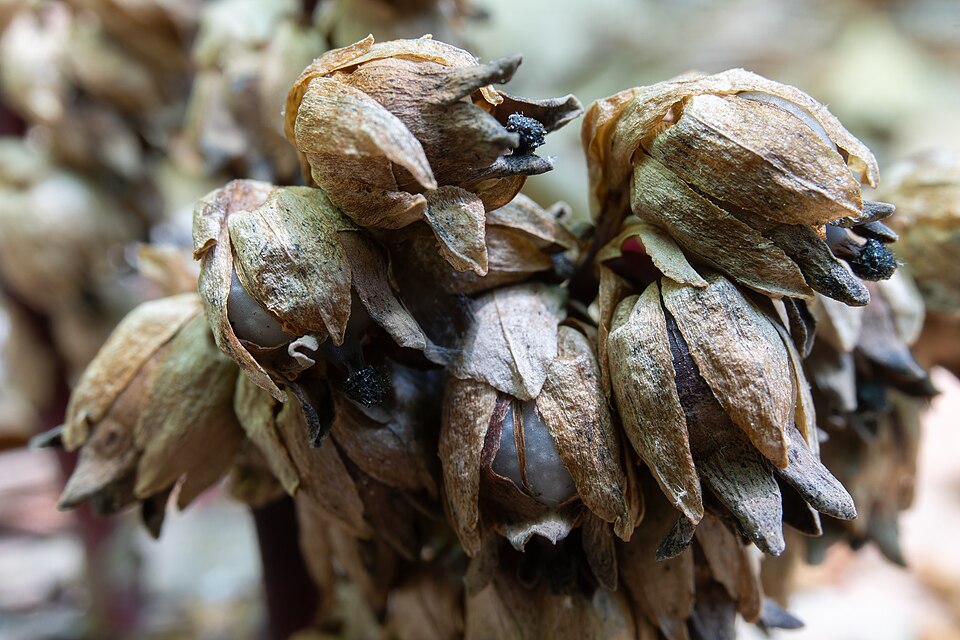
- Sweet PinesapMonotropsis odorata
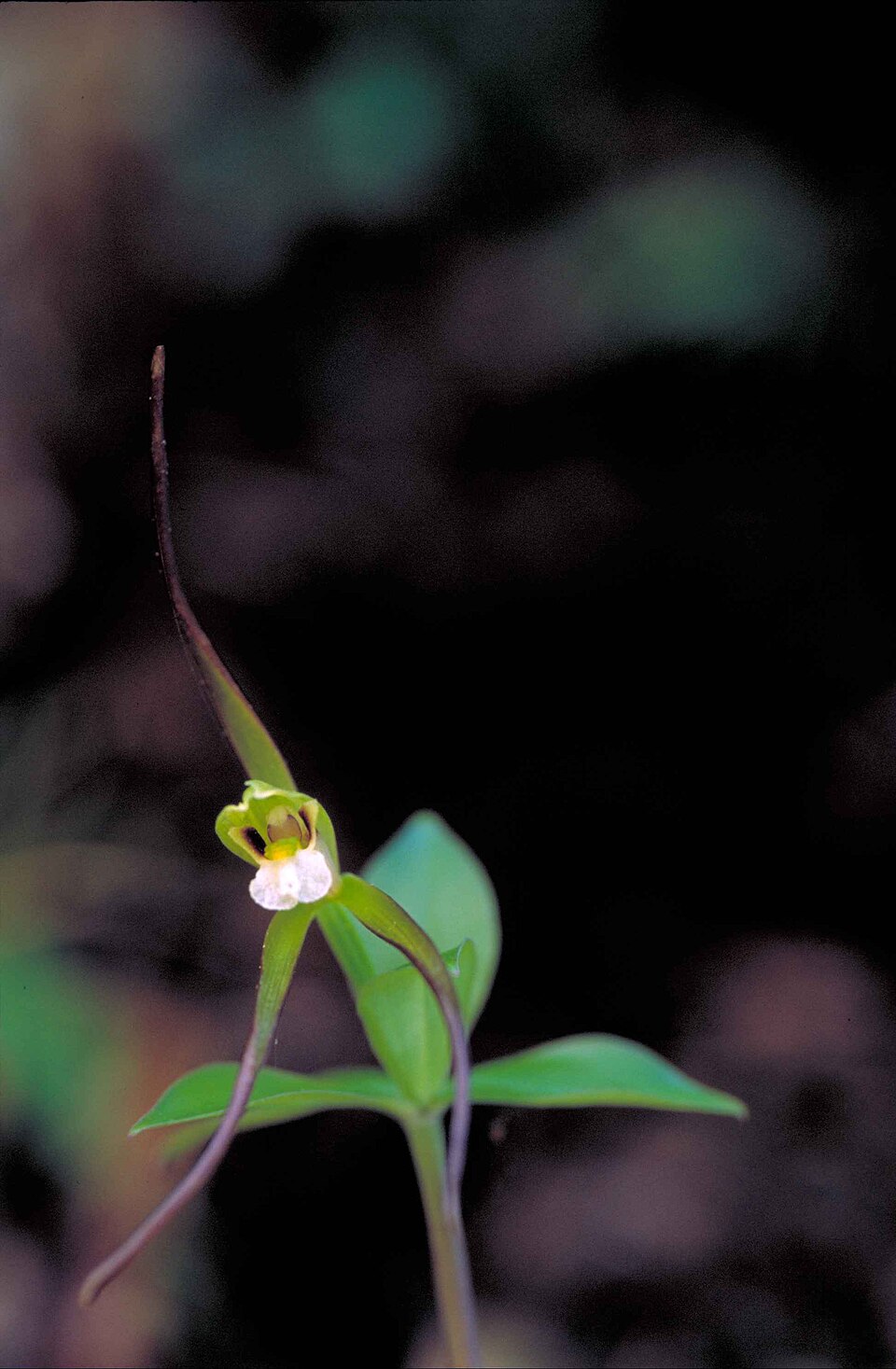
- Southern TwaybladeNeottia bifolia
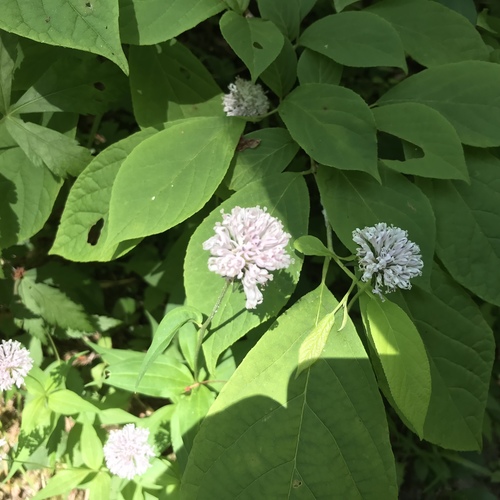
- NestroniaNestronia umbellula
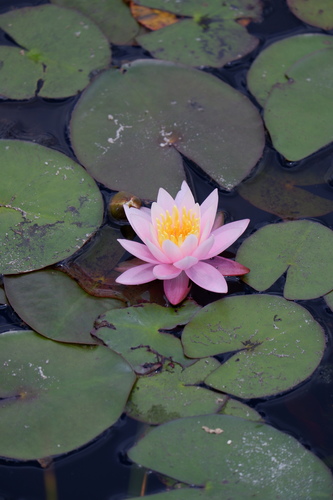
- Fragrant Water-lilyNymphaea odorata
- Nyssa ogecheNyssa ogeche
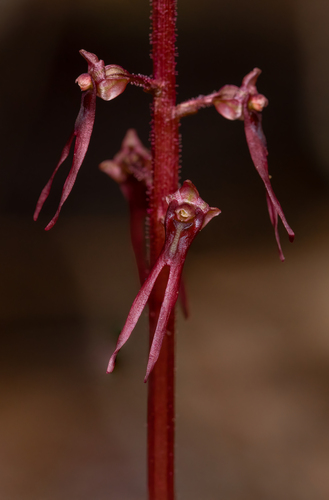
- Spiked MedusaOrthochilus ecristatus
Wildlife 245
Other animals whose habitat models include the same habitats in Alabama. Not sighting records.
- American CrowCorvus brachyrhynchos
- American GoldfinchCarduelis tristis
- American RobinTurdus migratorius
- Common GrackleQuiscalus quiscula
- Common NighthawkChordeiles minor
- Cooper's HawkAccipiter cooperii
- Eastern KingbirdTyrannus tyrannus
- European StarlingSturnus vulgaris
- Great Horned OwlBubo virginianus
- Northern CardinalCardinalis cardinalis
- Red-winged BlackbirdAgelaius phoeniceus
- Sharp-shinned HawkAccipiter striatus
- Turkey VultureCathartes aura
- Blue-gray GnatcatcherPolioptila caerulea
- Carolina WrenThryothorus ludovicianus
- Cedar WaxwingBombycilla cedrorum
- Chimney SwiftChaetura pelagica
- Common YellowthroatGeothlypis trichas
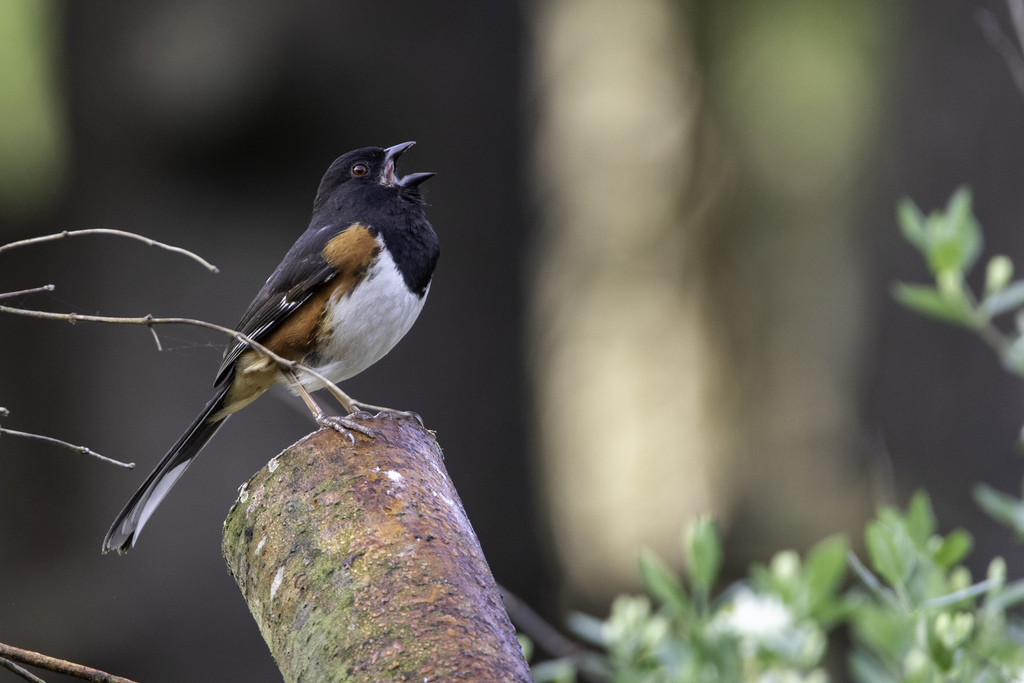
- Eastern TowheePipilo erythrophthalmus
- Great Crested FlycatcherMyiarchus crinitus
- Mourning DoveZenaida macroura
- Northern FlickerColaptes auratus
- Northern MockingbirdMimus polyglottos
- Purple FinchCarpodacus purpureus
























NatureServe Explorer, CC BY 4.0. USGS Gap Analysis Project habitat models.
Sources
- USGS Gap Analysis Project habitat models (2001)
- USGS GAP winter habitat model for Least Flycatcher
- USGS Gap Analysis Project range maps (2001), modeled by watershed; migratory gives no dates
- NatureServe Explorer (CC BY 4.0), habitat names
- US Census TIGER/Line counties
- Names follow the USGS Gap Analysis Project (2001)