

Bird
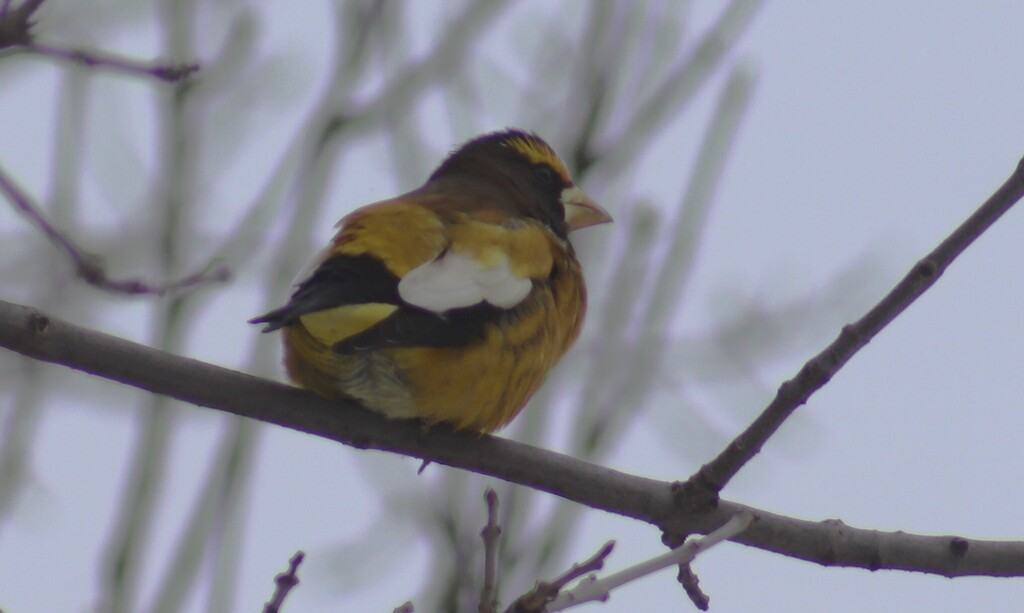
Evening Grosbeak
Coccothraustes vespertinus
A winter visitor to Alabama, found in 23 of 67 counties and 5 habitats.
- Here
- Winter
- Nesting
- Not known to nest here
- Range
- 23 of 67 counties
- Habitats
- 5
At a glance
- Group
- Birds
- Here
- Winter
- Nesting
- Not known to nest here
- Range
- 23 of 67 counties
- Habitats
- 5
- Habitat models
- Winter
Where it lives
The places its habitat model includes. It is not found everywhere a habitat occurs.
Habitats in Alabama 5
Each habitat page lists the plants and wildlife also found there.
Forests and open woodlands on dry ridges and slopes, often oak or pine.
Floodplain and bottomland forests
Forests on low ground beside rivers and streams that flood from time to time.
Forests on moist but not wet ground, such as rich slopes and ravines.
Streams, rivers and their banks
Flowing water and its banks, bars and rocky shoals.
Tree plantations and managed pine
Planted or intensively managed stands of pine or hardwoods grown for timber; a land use rather than a natural community.
Other habitats in its models (26)
Land cover, or classes with no habitat page in Alabama.
- Orchards Vineyards and Other High Structure Agriculture Winter.
- Central and Southern Appalachian Northern Hardwood Forest Winter.
- Southern and Central Appalachian Oak Forest - Xeric Winter.
- Southern Appalachian Northern Hardwood Forest Winter.
- North-Central Interior Dry-Mesic Oak Forest and Woodland Winter.
- North-Central Interior Maple-Basswood Forest Winter.
- Southern and Central Appalachian Oak Forest Winter.
- Central and Southern Appalachian Montane Oak Forest Winter.
- Atlantic Coastal Plain Dry and Dry-Mesic Oak Forest Winter.
- Southern Piedmont Dry Oak-(Pine) Forest - Loblolly Pine Modifier Winter.
- Allegheny-Cumberland Dry Oak Forest and Woodland - Pine Modifier Winter.
- Southern Piedmont Dry Oak-(Pine) Forest - Mixed Modifier Winter.
- Southern Piedmont Dry Oak-Heath Forest - Mixed Modifier Winter.
- Central Appalachian Oak and Pine Forest Winter.
- Appalachian Hemlock-Hardwood Forest Winter.
- Acadian Low-Elevation Spruce-Fir-Hardwood Forest Winter.
- Central Appalachian Pine-Oak Rocky Woodland Winter.
- Southern and Central Appalachian Cove Forest Winter.
- Atlantic Coastal Plain Upland Longleaf Pine Woodland Winter.
- Southern Appalachian Montane Pine Forest and Woodland Winter.
- Acadian-Appalachian Montane Spruce-Fir Forest Winter.
- Atlantic Coastal Plain Fall-line Sandhills Longleaf Pine Woodland - Offsite Hardwood Modifier Winter.
- Central and Southern Appalachian Spruce-Fir Forest Winter.
- Central Appalachian Alkaline Glade and Woodland Winter.
- Central Appalachian Floodplain - Forest Modifier Winter.
- Central Appalachian Riparian - Forest Modifier Winter.
Seasons in Alabama
- Winter: does not nest here, in 23 of 67 counties.
Also found in this habitat
Plants 295
Plants named in NatureServe descriptions of these habitats that grow in Alabama. Shared habitat, not food.
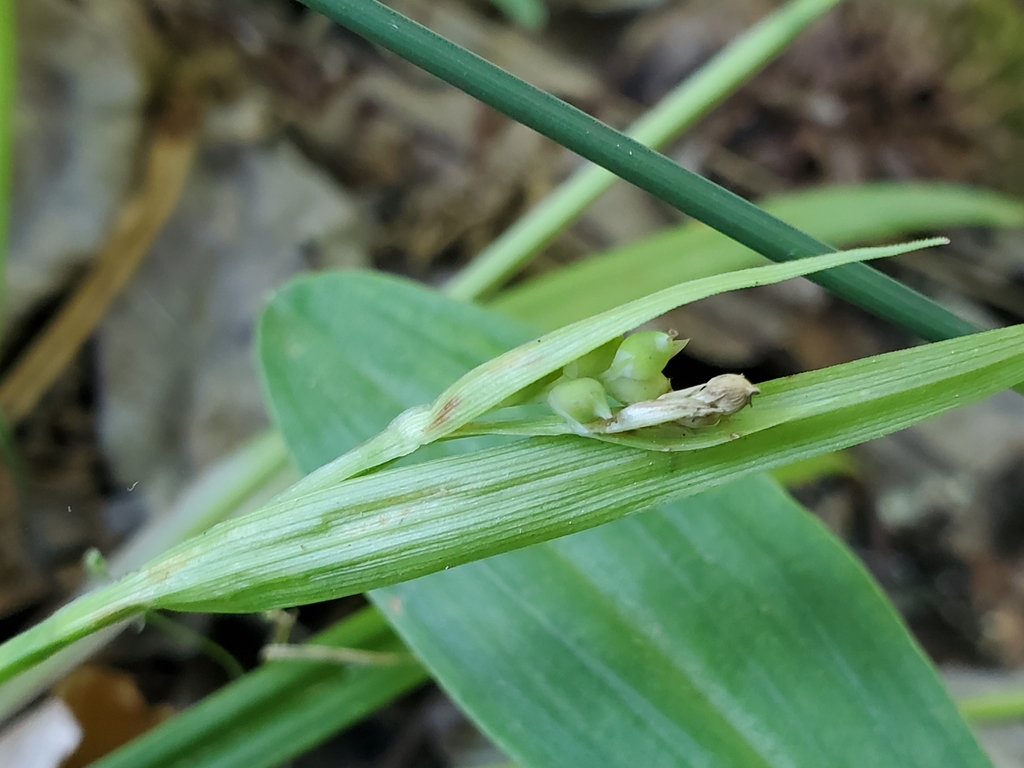
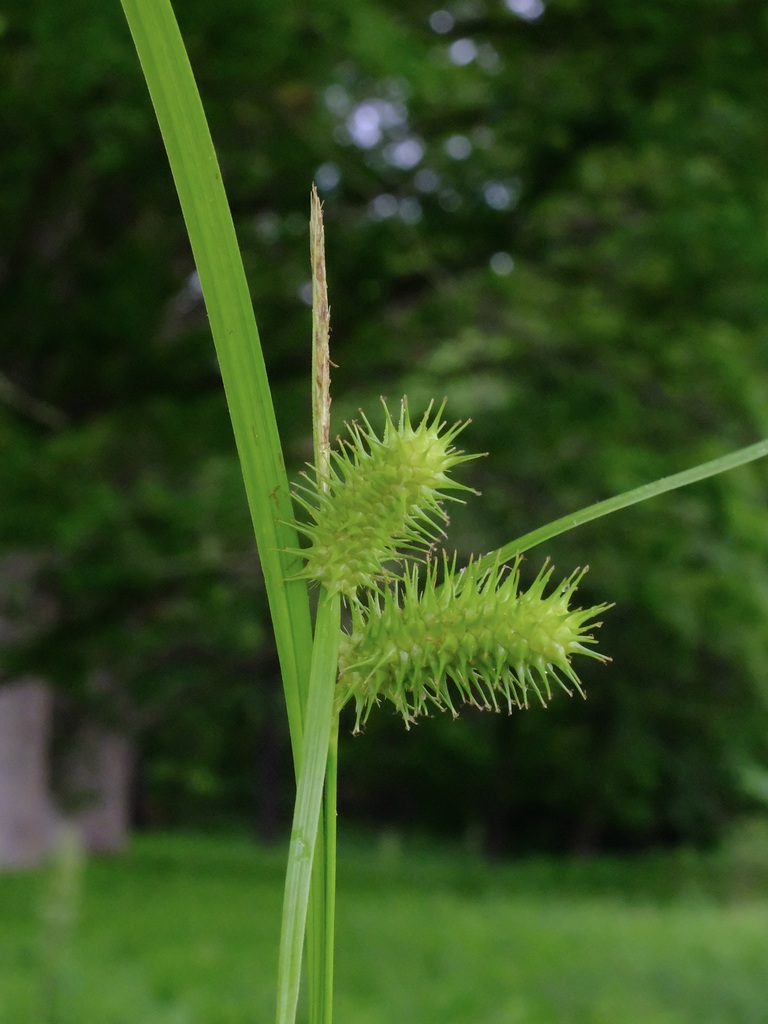
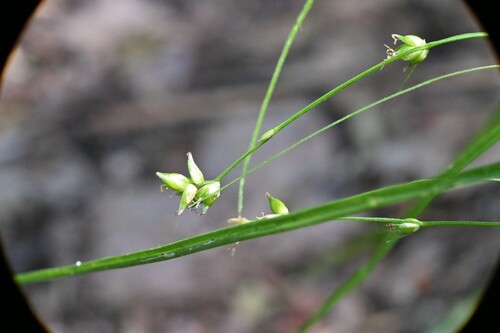
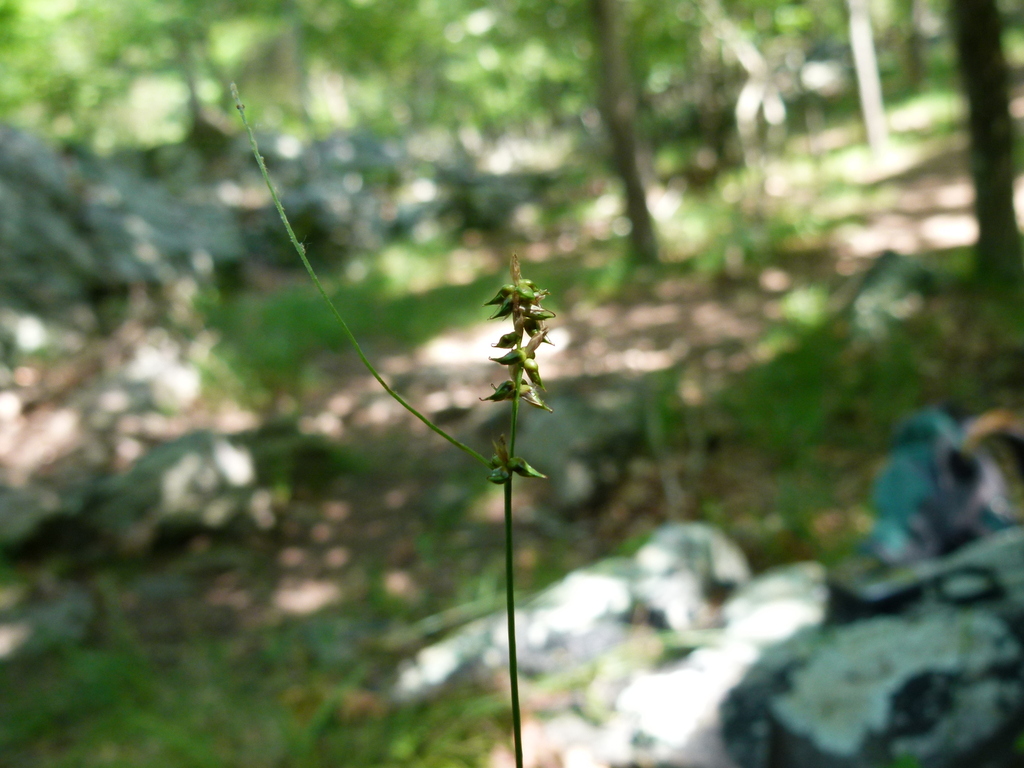
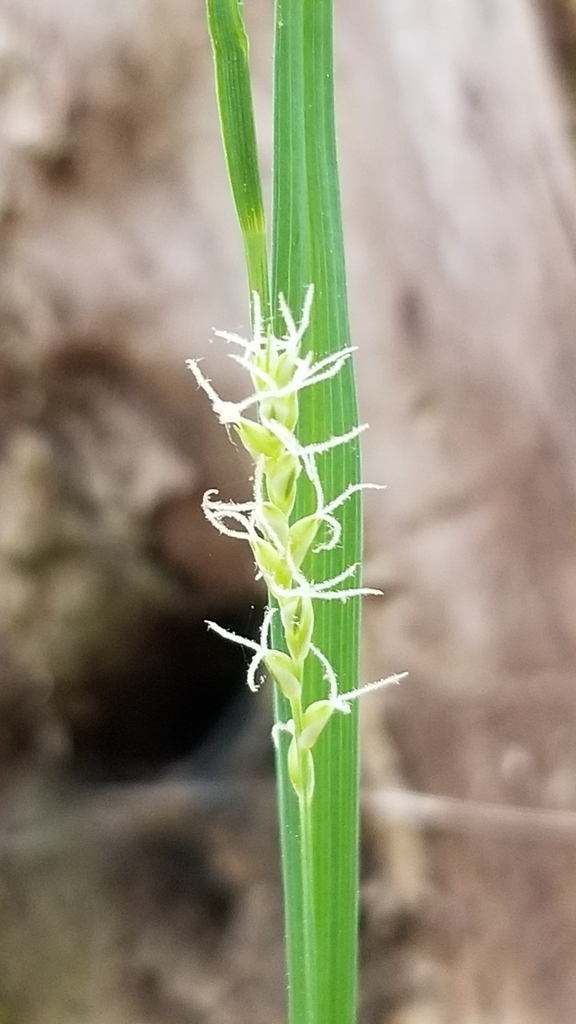
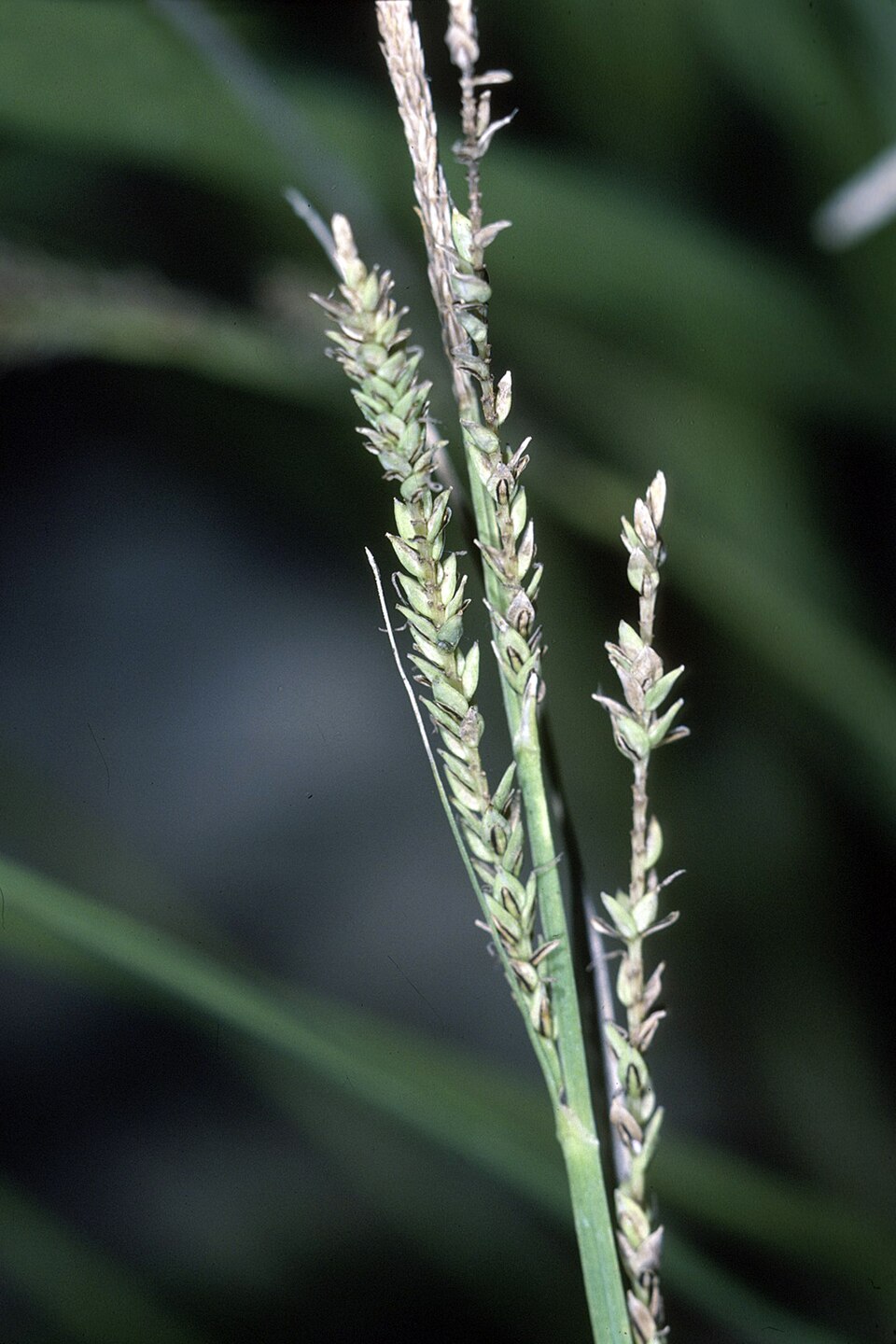
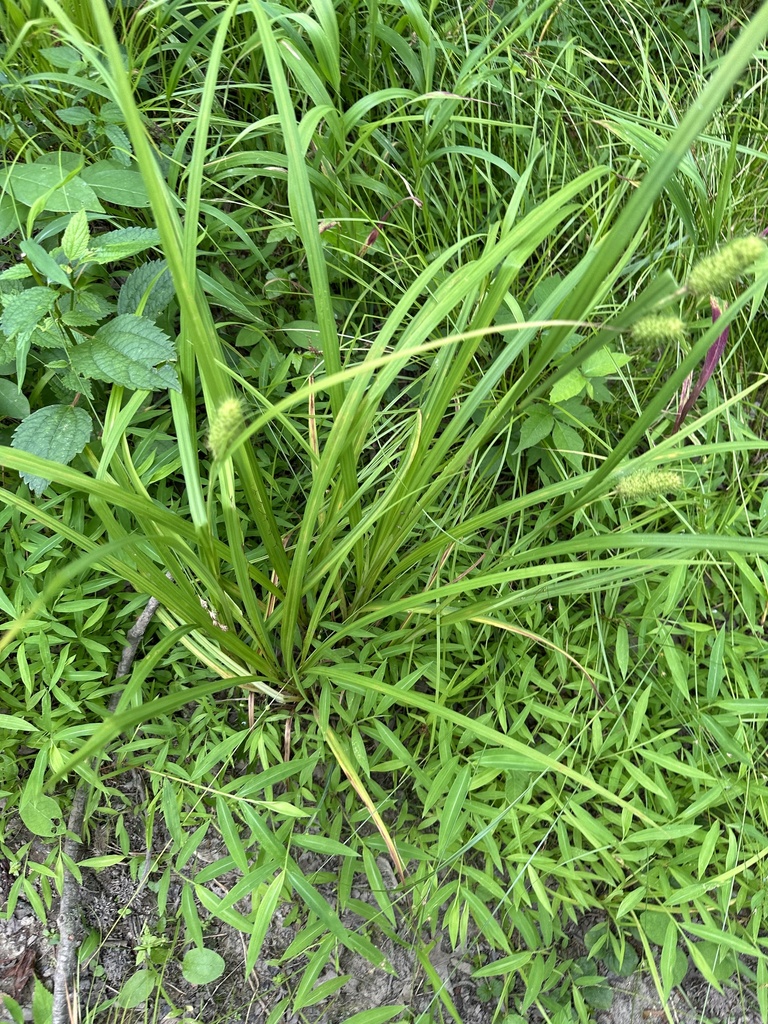
- Krals SedgeCarex kraliana
- Sallow SedgeCarex lurida
- Eastern Star SedgeCarex radiata
- Reflexed SedgeCarex retroflexa
- Lined SedgeCarex striatula
- Tussock SedgeCarex stricta
- Twisted SedgeCarex torta
- Cattail SedgeCarex typhina
- American HornbeamCarpinus caroliniana
- Southern Shagbark HickoryCarya carolinae-septentrionalis
- Red HickoryCarya ovalis
- Shagbark HickoryCarya ovata
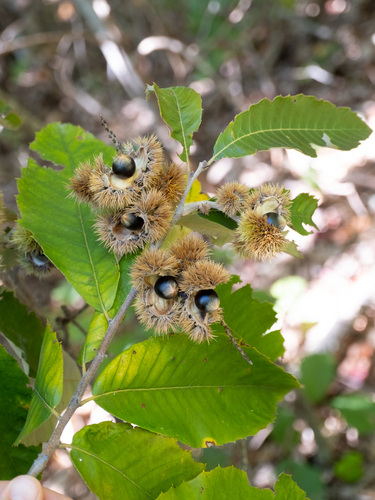
- American ChestnutCastanea dentata
- Allegheny ChinquapinCastanea pumila
- Common Blue CohoshCaulophyllum thalictroides
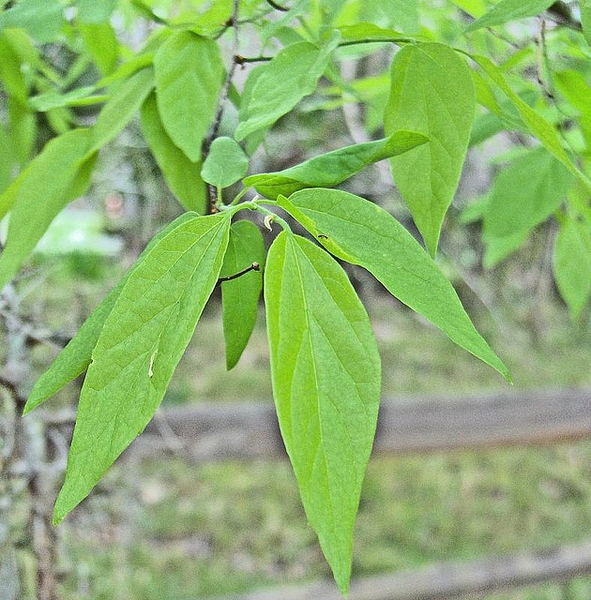
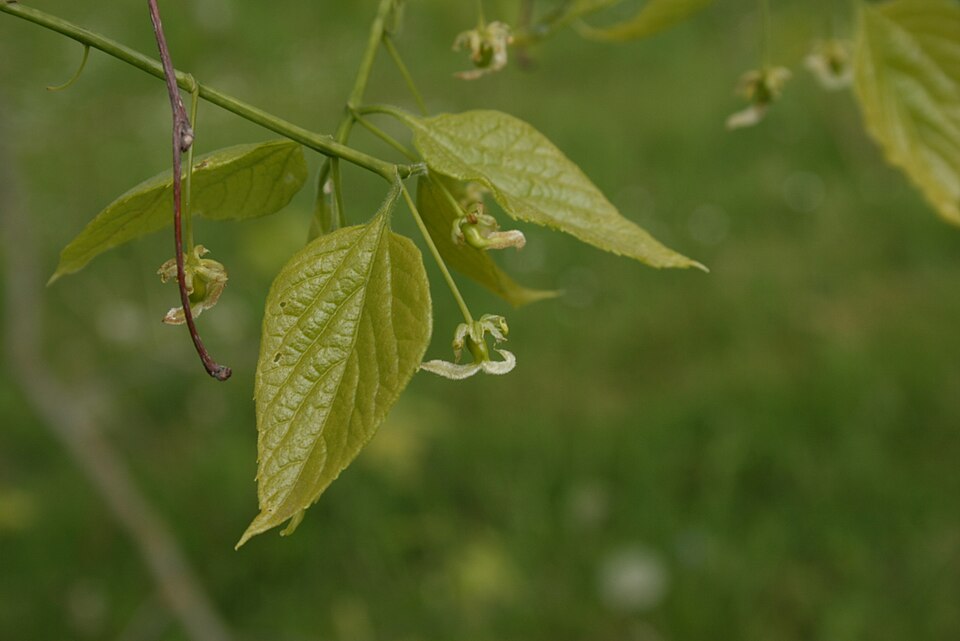
- SugarberryCeltis laevigata
- Common HackberryCeltis occidentalis
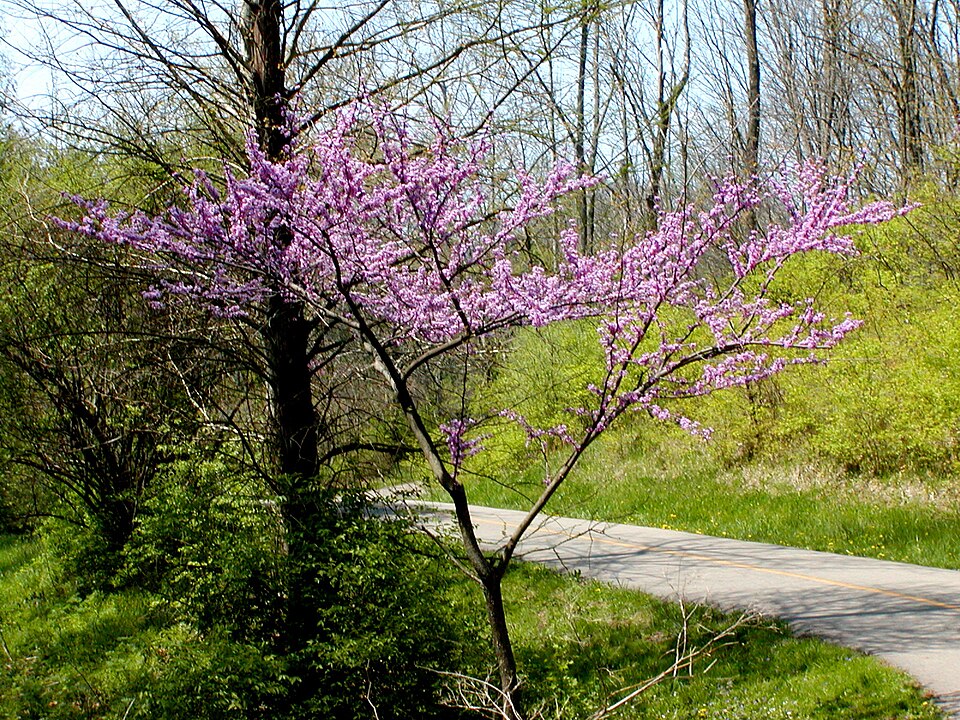
- Eastern RedbudCercis canadensis
- Slender SpikegrassChasmanthium laxum
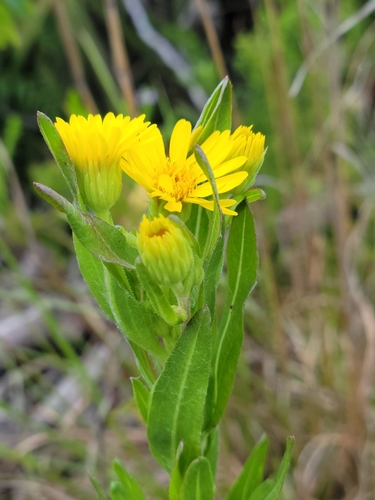
- Maryland Golden-asterChrysopsis mariana
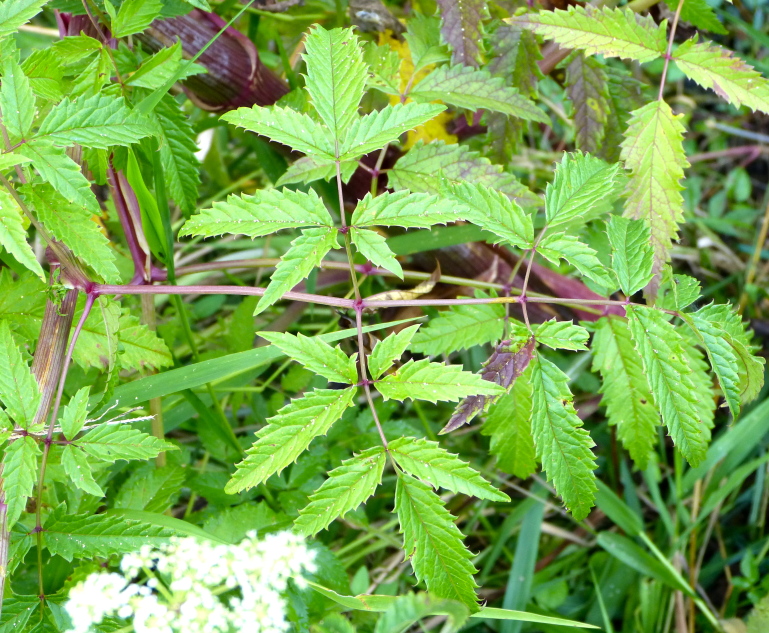
- Spotted Water-hemlockCicuta maculata
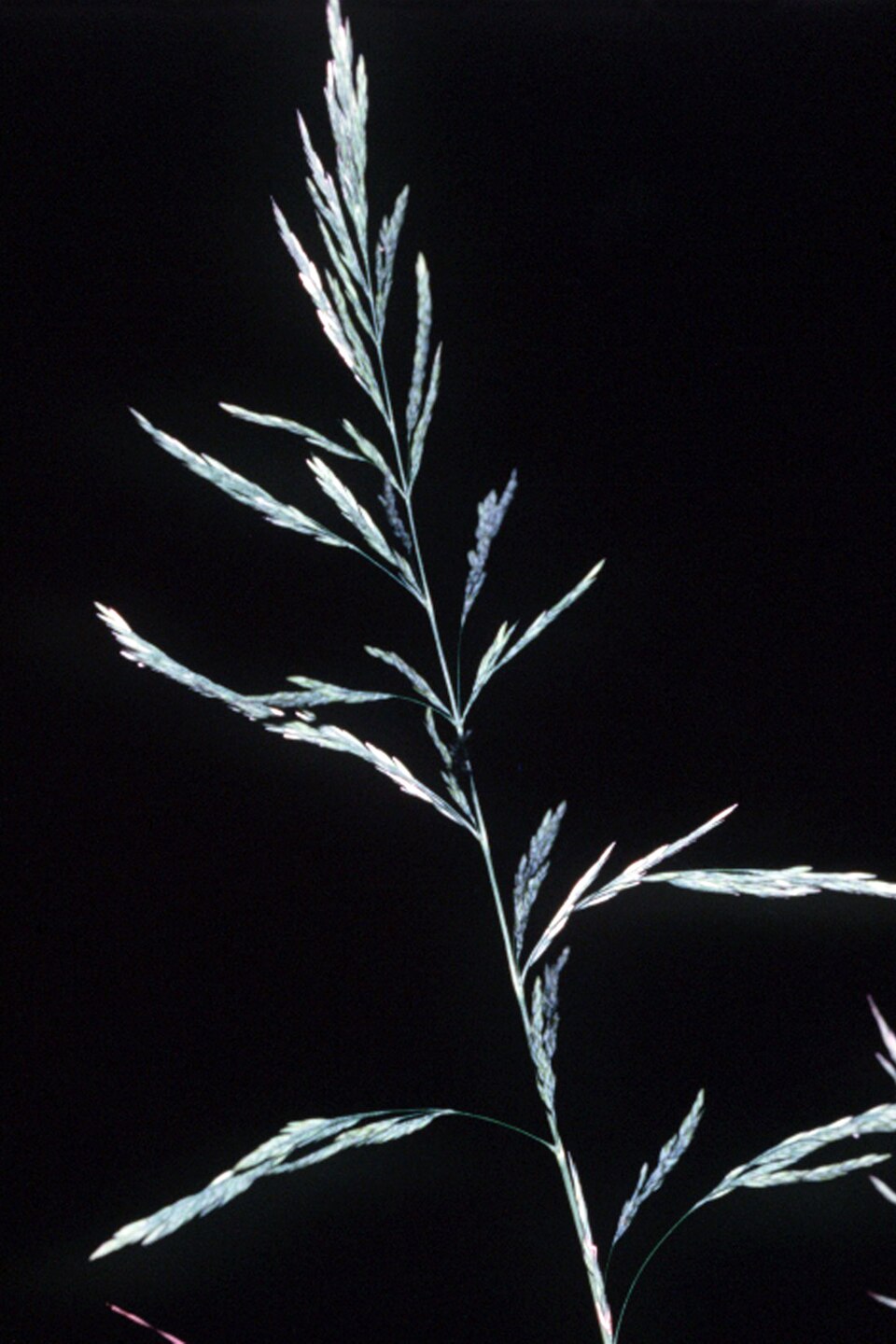
- Sweet WoodreedCinna arundinacea
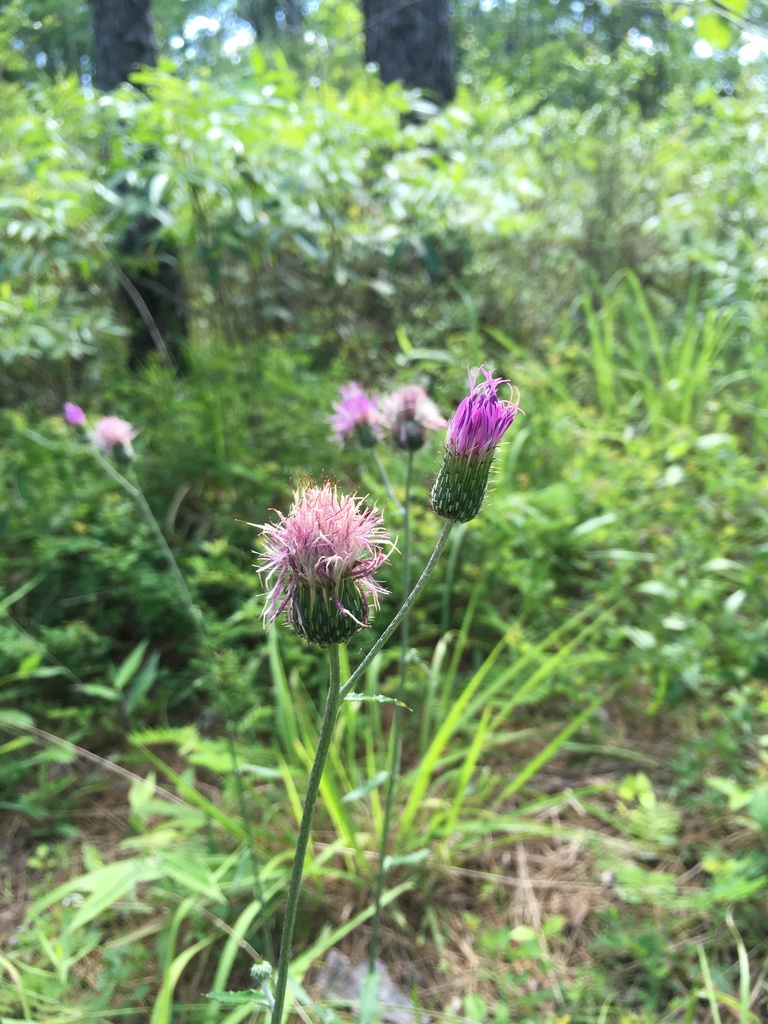
- Carolina ThistleCirsium carolinianum
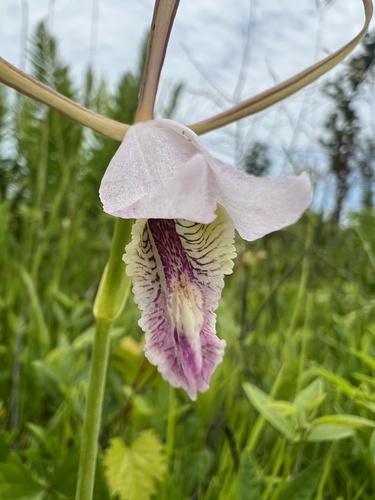
- Appalachian Small Spreading PogoniaCleistesiopsis bifaria
Wildlife 172
Other animals whose habitat models include the same habitats in Alabama. Not sighting records.
- Acadian FlycatcherEmpidonax virescens
- American CrowCorvus brachyrhynchos
- American GoldfinchCarduelis tristis
- American RedstartSetophaga ruticilla
- American RobinTurdus migratorius
- Baltimore OrioleIcterus galbula
- Belted KingfisherMegaceryle alcyon
- Black VultureCoragyps atratus
- Black-and-White WarblerMniotilta varia
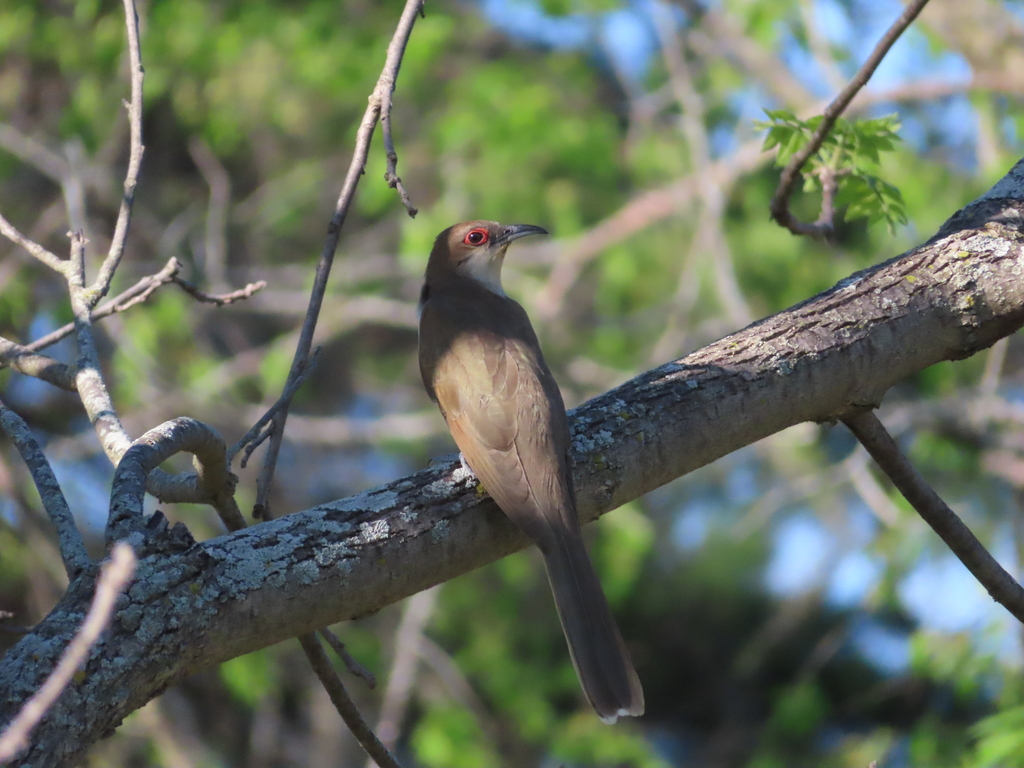
- Black-billed CuckooCoccyzus erythropthalmus
- Blue GrosbeakPasserina caerulea
- Blue JayCyanocitta cristata
- Blue-gray GnatcatcherPolioptila caerulea
- Blue-winged WarblerVermivora pinus
- Broad-winged HawkButeo platypterus
- Brown CreeperCerthia americana
- Brown ThrasherToxostoma rufum
- Brown-headed CowbirdMolothrus ater
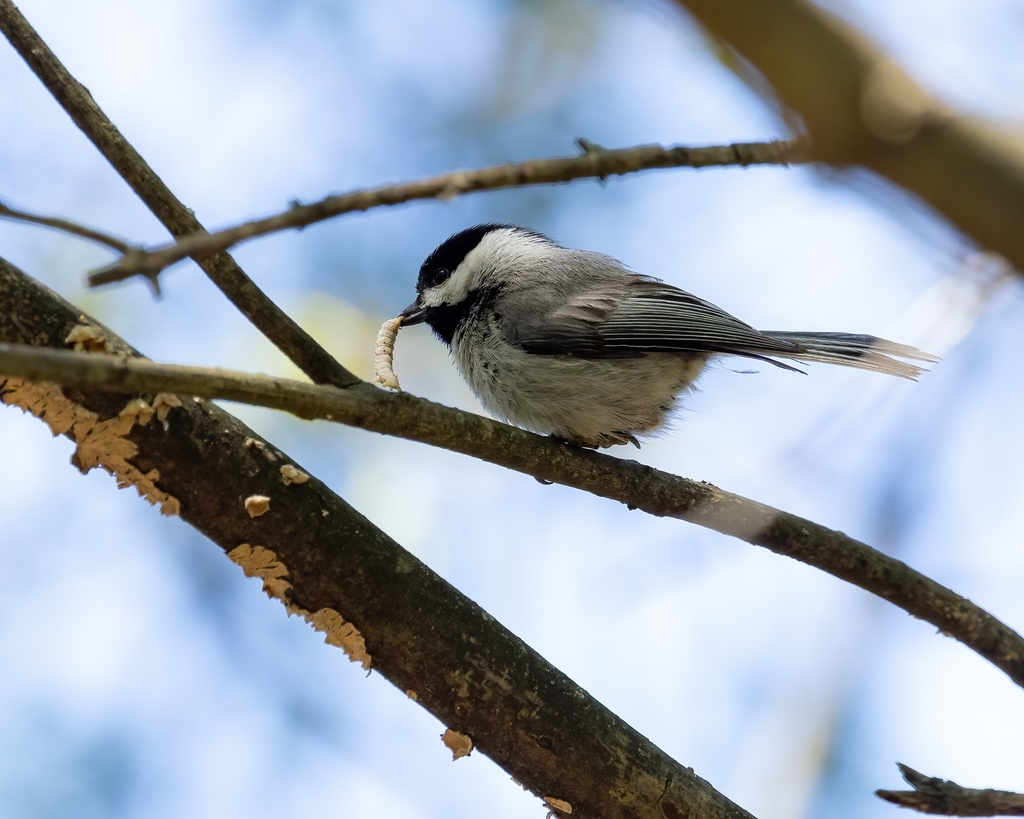
- Carolina ChickadeePoecile carolinensis
- Carolina WrenThryothorus ludovicianus
- Cedar WaxwingBombycilla cedrorum
- Cerulean WarblerDendroica cerulea
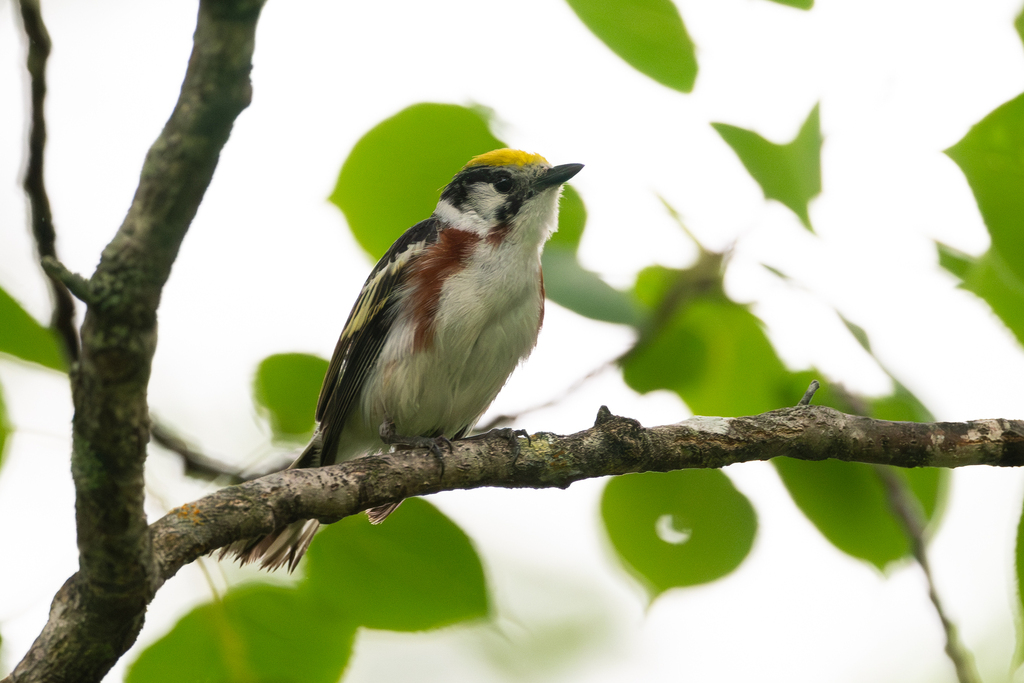
- Chestnut-sided WarblerDendroica pensylvanica
- Chimney SwiftChaetura pelagica





















NatureServe Explorer, CC BY 4.0. USGS Gap Analysis Project habitat models.
Sources
- USGS Gap Analysis Project habitat models (2001)
- USGS GAP winter habitat model for Evening Grosbeak
- USGS Gap Analysis Project range maps (2001), modeled by watershed; migratory gives no dates
- NatureServe Explorer (CC BY 4.0), habitat names
- US Census TIGER/Line counties
- Names follow the USGS Gap Analysis Project (2001)