

Bird
Black-billed Cuckoo
Coccyzus erythropthalmus
Passes through Alabama on migration. Found in all 67 counties, across 10 habitats.
- Here
- On migration
- Nesting
- Not known to nest here
- Range
- All 67 counties
- Habitats
- 10
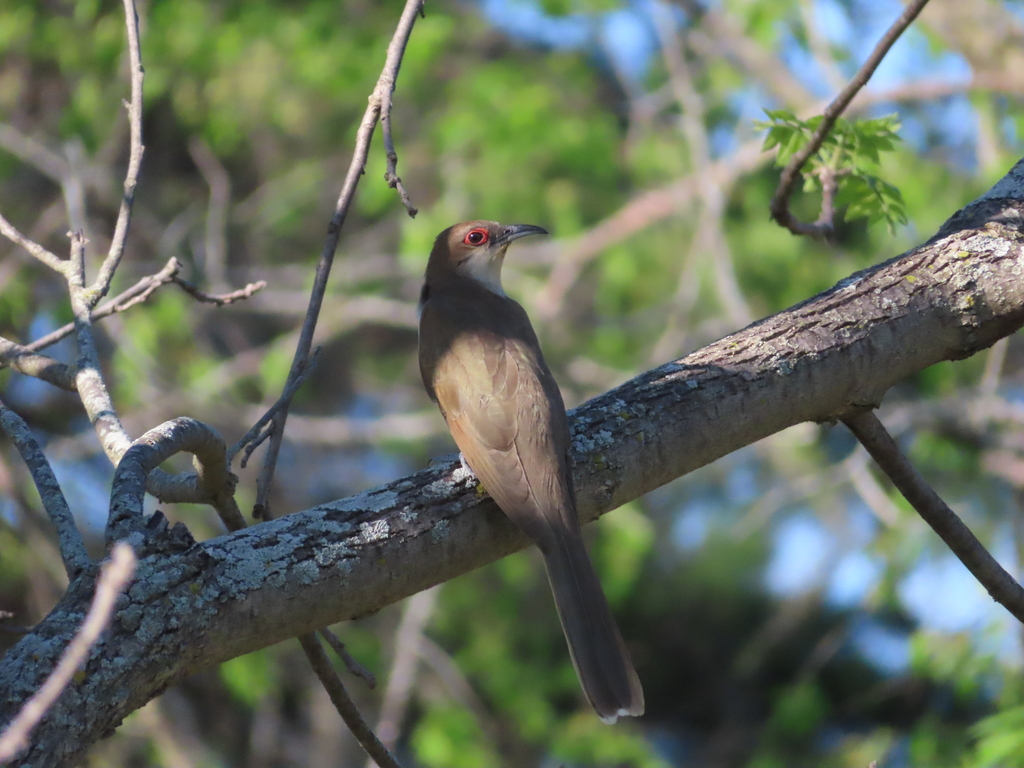
At a glance
- Group
- Birds
- Here
- On migration
- Nesting
- Not known to nest here
- Range
- All 67 counties
- Habitats
- 10
- Habitat models
- Summer
Where it lives
The places its habitat model includes. It is not found everywhere a habitat occurs.
Habitats in Alabama 10
Each habitat page lists the plants and wildlife also found there.
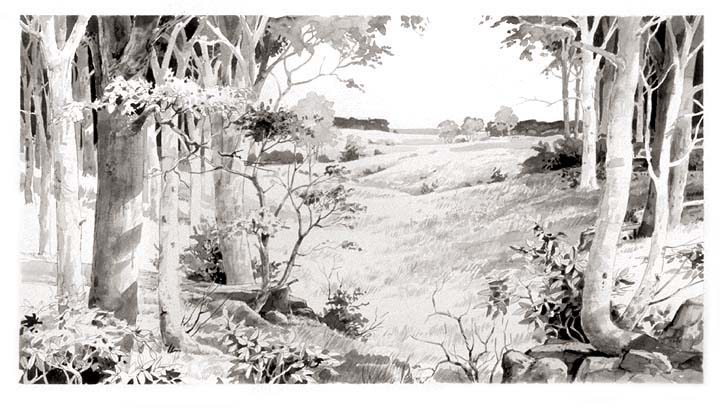
Glades, barrens and outcrops on limestone
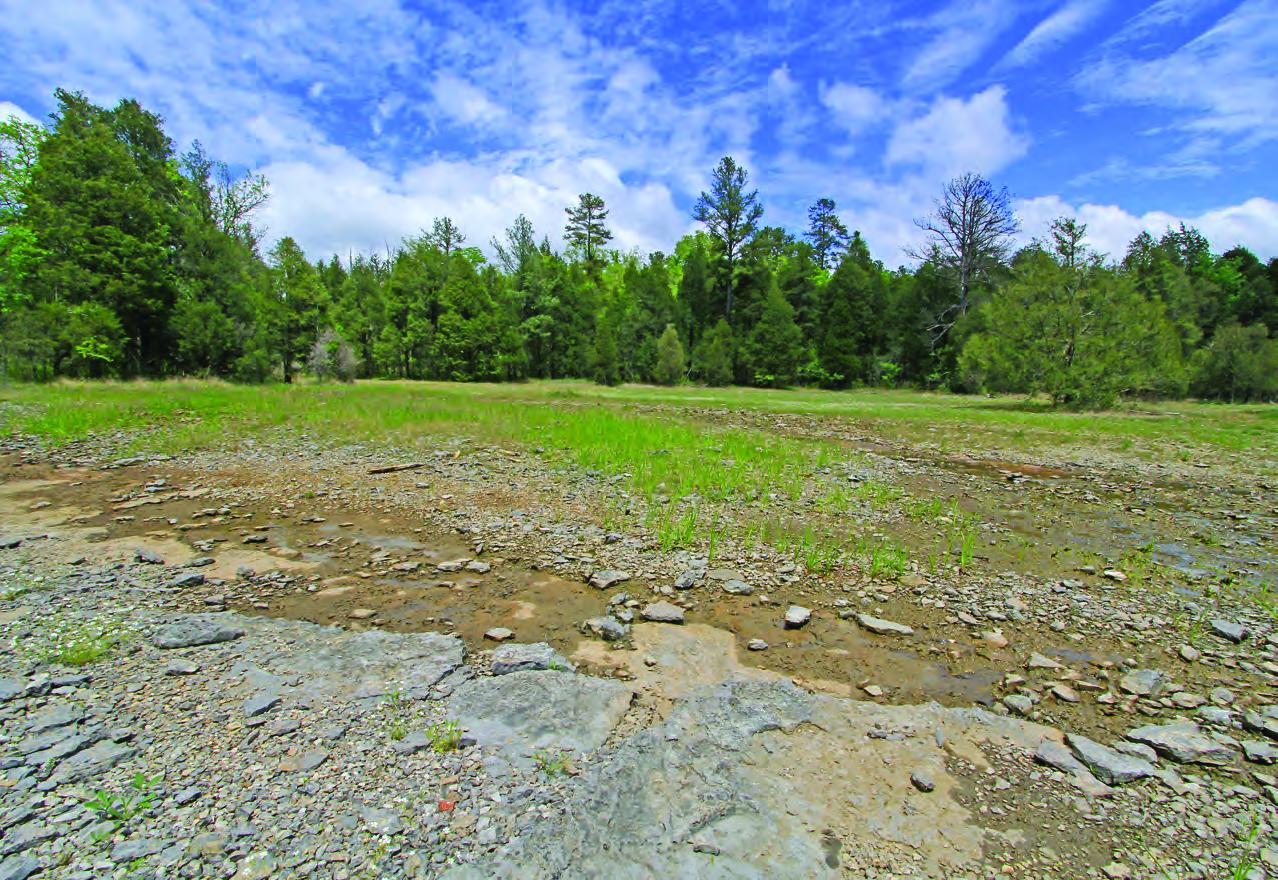
Disturbed and introduced wetlands
Wet ground taken over by weedy or introduced plants after disturbance, such as common reed, Chinese tallow or tamarisk stands; the upland counterpart is roadsides, fields and disturbed ground.
Forests and open woodlands on dry ridges and slopes, often oak or pine.
Floodplain and bottomland forests
Forests on low ground beside rivers and streams that flood from time to time.
Forests between dry and moist, often oak-hickory on slopes.
Forests on moist but not wet ground, such as rich slopes and ravines.
Roadsides, fields and disturbed ground
Ground opened by people: roadsides, old fields, pastures, fencerows and lots.
Streams, rivers and their banks
Flowing water and its banks, bars and rocky shoals.
Tree plantations and managed pine
Planted or intensively managed stands of pine or hardwoods grown for timber; a land use rather than a natural community.
Other habitats in its models (32)
Land cover, or classes with no habitat page in Alabama.
- Developed, Low Intensity Summer.
- Central and Southern Appalachian Northern Hardwood Forest Summer.
- Northeastern Interior Dry Oak Forest-Hardwood Modifier Summer.
- Northeastern Interior Dry Oak Forest - Mixed Modifier Summer.
- Southern and Central Appalachian Oak Forest - Xeric Summer.
- Crosstimbers Oak Forest and Woodland Summer.
- North-Central Interior Dry-Mesic Oak Forest and Woodland Summer.
- North-Central Interior Dry Oak Forest and Woodland Summer.
- North-Central Interior Beech-Maple Forest Summer.
- North-Central Interior Maple-Basswood Forest Summer.
- Southern and Central Appalachian Oak Forest Summer.
- Central and Southern Appalachian Montane Oak Forest Summer.
- Ozark-Ouachita Dry Oak Woodland Summer.
- Western Great Plains Wooded Draw and Ravine Summer.
- Northeastern Interior Dry Oak Forest - Virginia/Pitch Pine Modifier Summer.
- Central Appalachian Oak and Pine Forest Summer.
- Appalachian Hemlock-Hardwood Forest Summer.
- Central Appalachian Pine-Oak Rocky Woodland Summer.
- Southern and Central Appalachian Cove Forest Summer.
- Southern Appalachian Montane Pine Forest and Woodland Summer.
- North-Central Interior Oak Savanna Summer.
- North-Central Oak Barrens Summer.
- Western Great Plains Mesquite Woodland and Shrubland Summer.
- Recently Burned Shrubland Summer.
- Central Interior and Appalachian Shrub-Herbaceous Wetland Systems Summer.
- Eastern Great Plains Wet Meadow, Prairie, and Marsh Summer.
- Western Great Plains Depressional Wetland Systems Summer.
- Central Appalachian Floodplain - Forest Modifier Summer.
- Central Appalachian Riparian - Forest Modifier Summer.
- Western Great Plains Floodplain Systems Summer.
- Eastern Great Plains Floodplain Systems Summer.
- North-Central Interior Wet Flatwoods Summer.
Seasons in Alabama
- Migratory: does not nest here, in all 67 counties.
Also found in this habitat
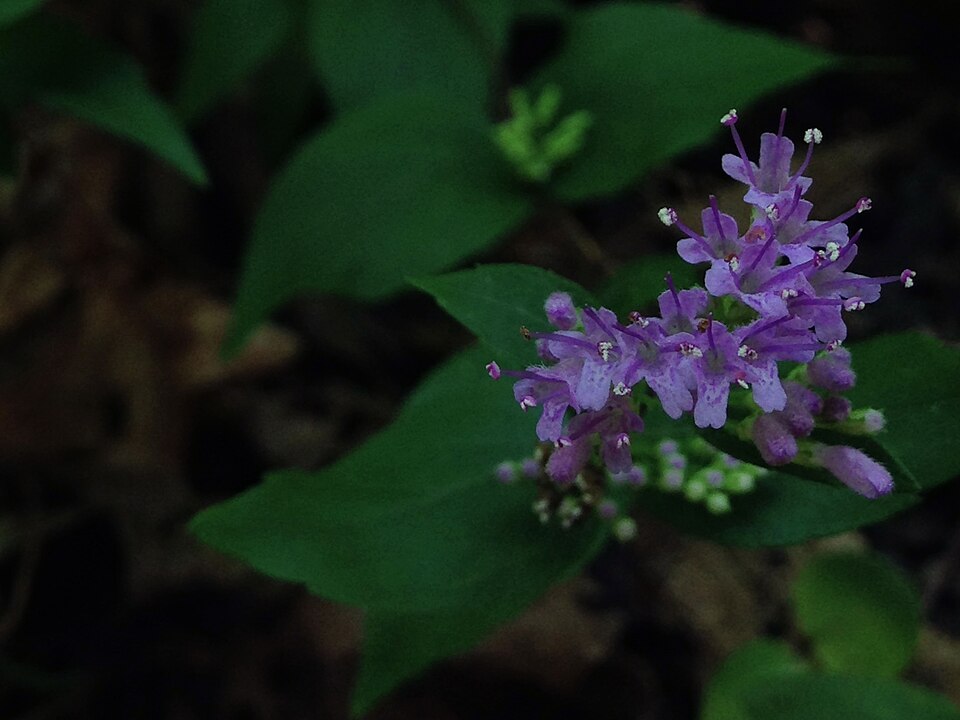
Plants 527
Plants named in NatureServe descriptions of these habitats that grow in Alabama. Shared habitat, not food.
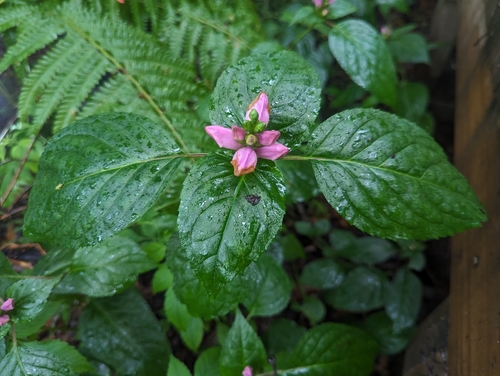
- Pink TurtleheadChelone lyonii
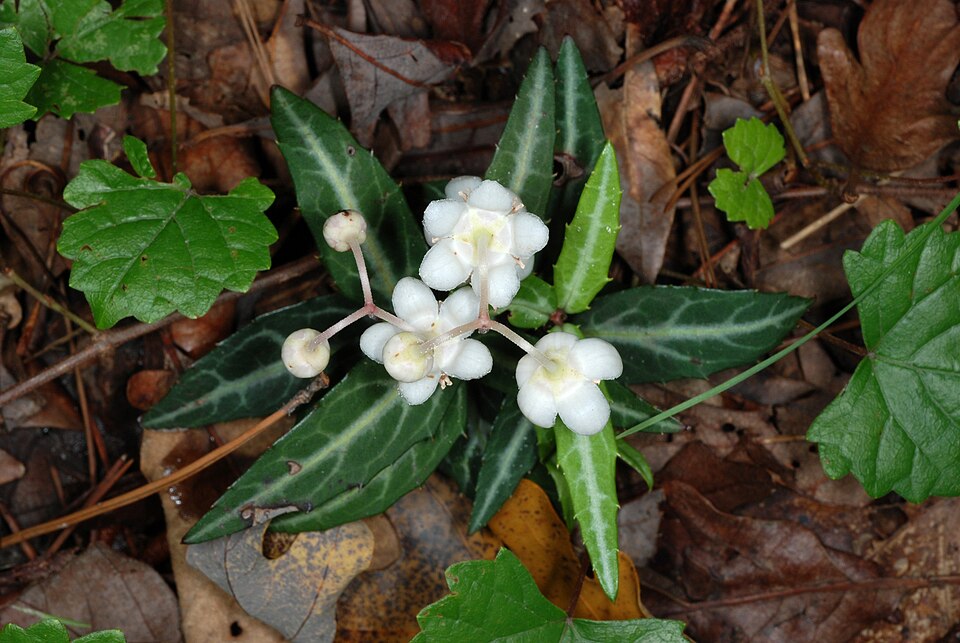
- Spotted WintergreenChimaphila maculata
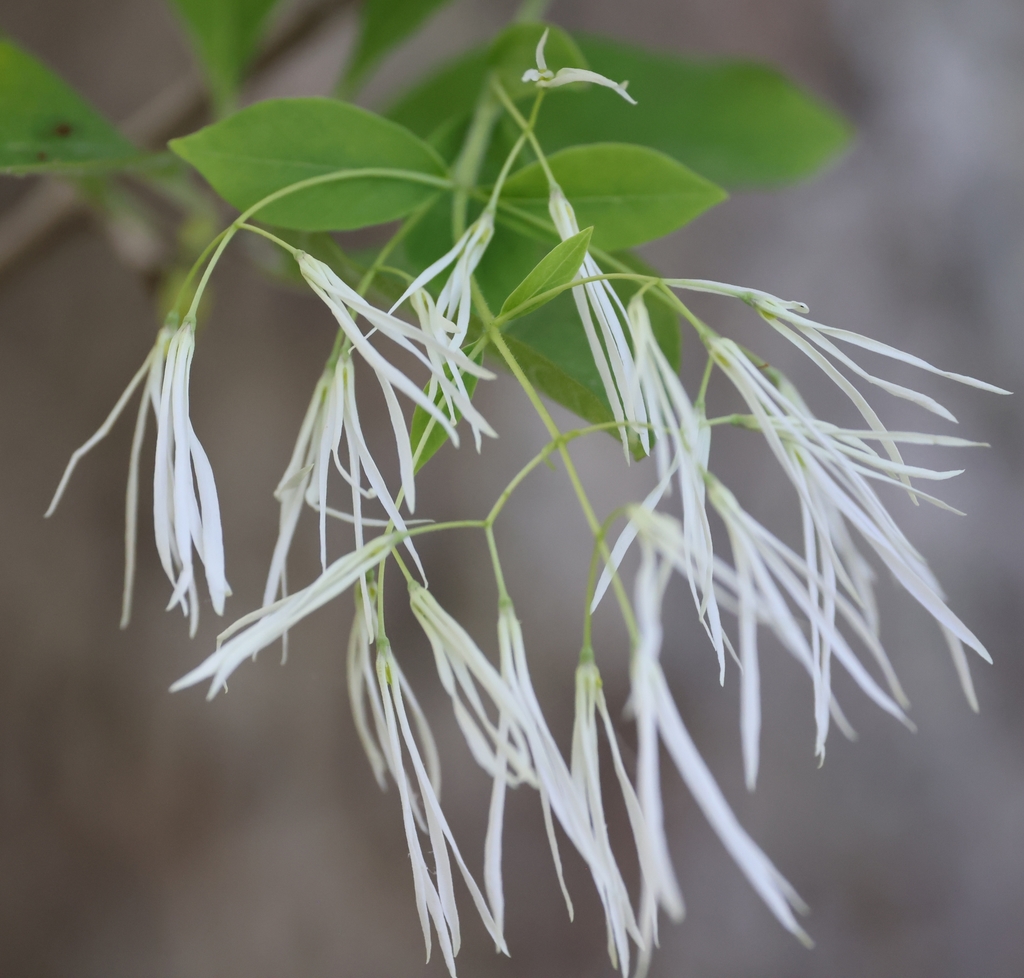
- FringetreeChionanthus virginicus
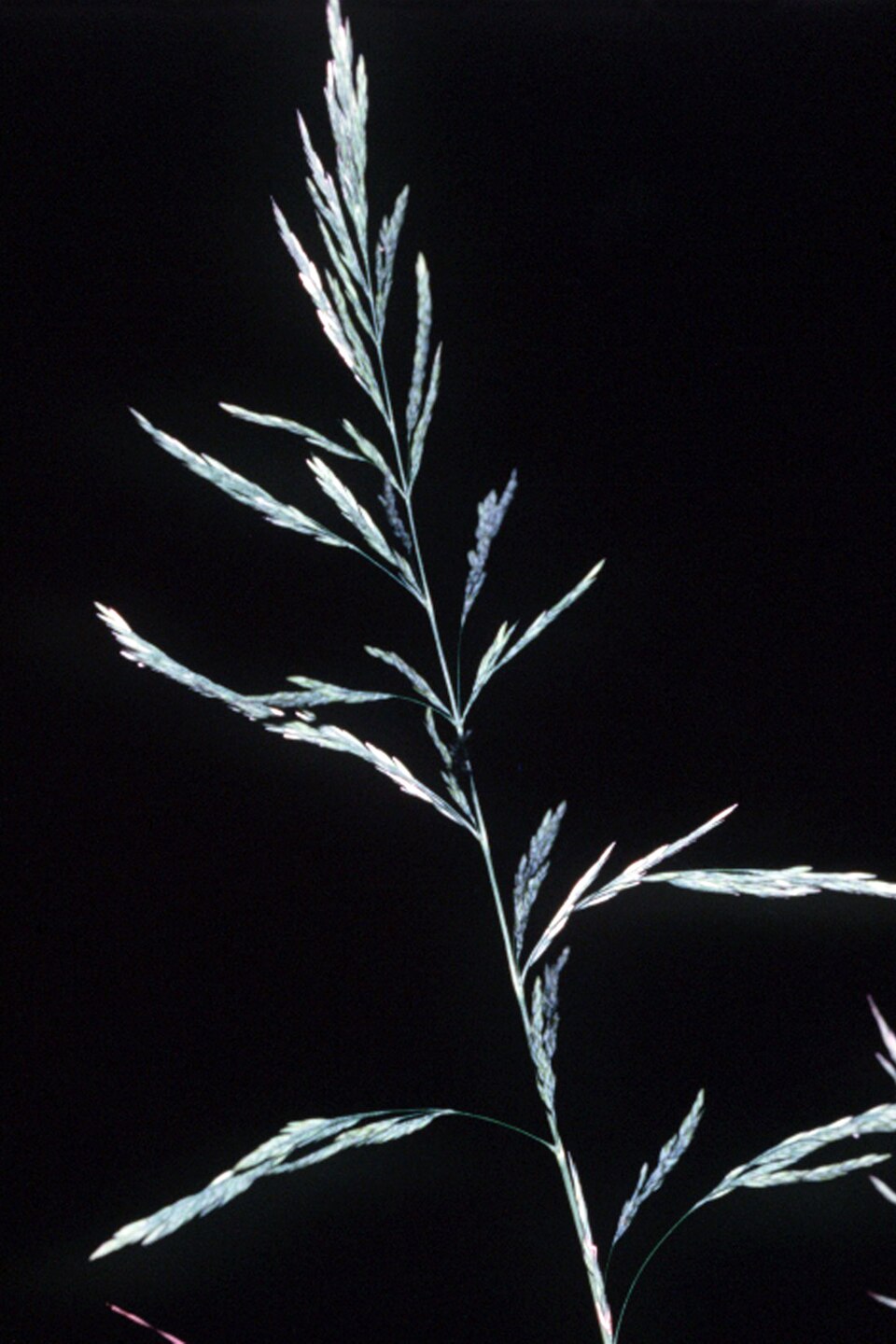
- Sweet WoodreedCinna arundinacea
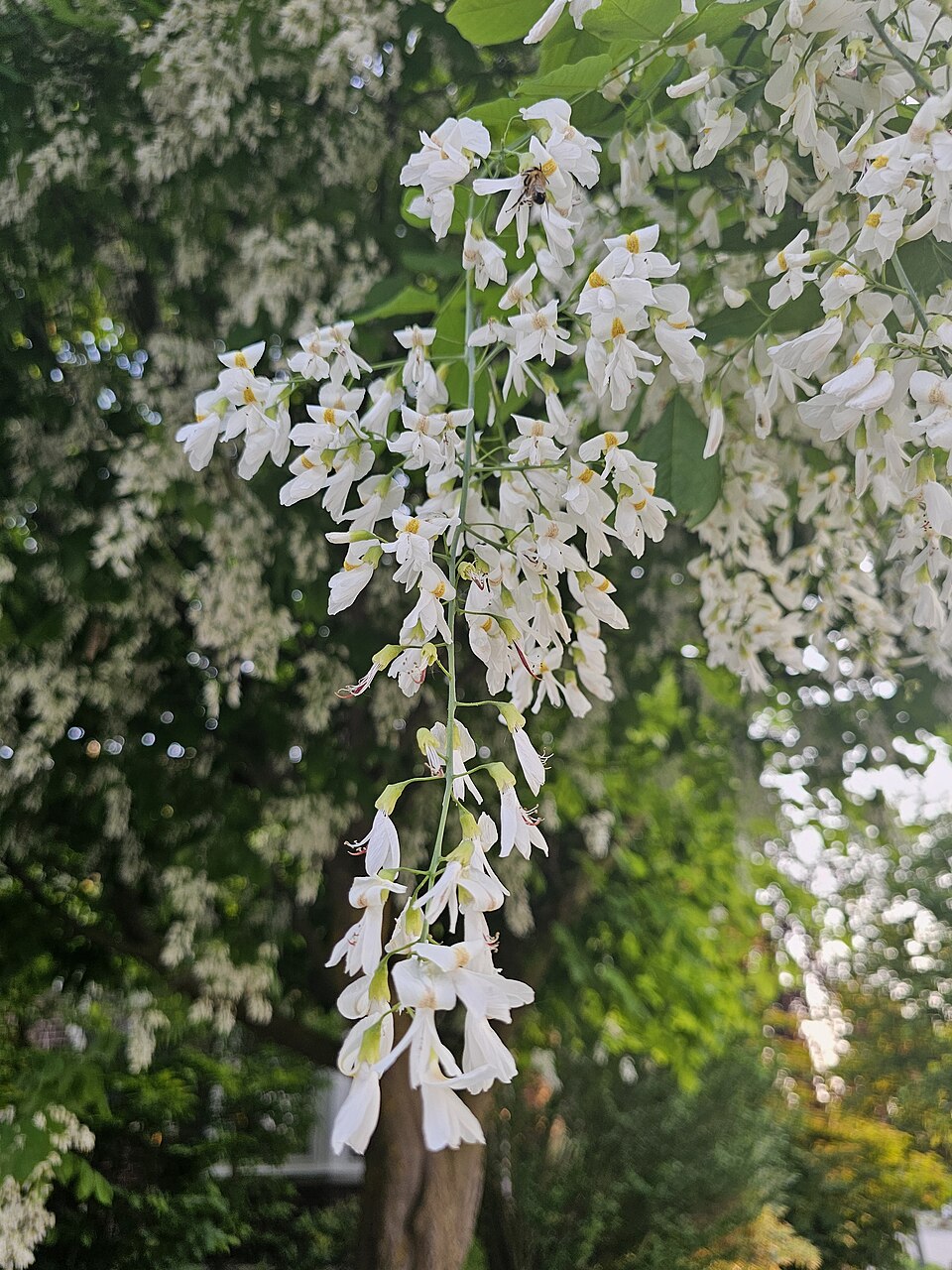
- Kentucky YellowwoodCladrastis kentukea
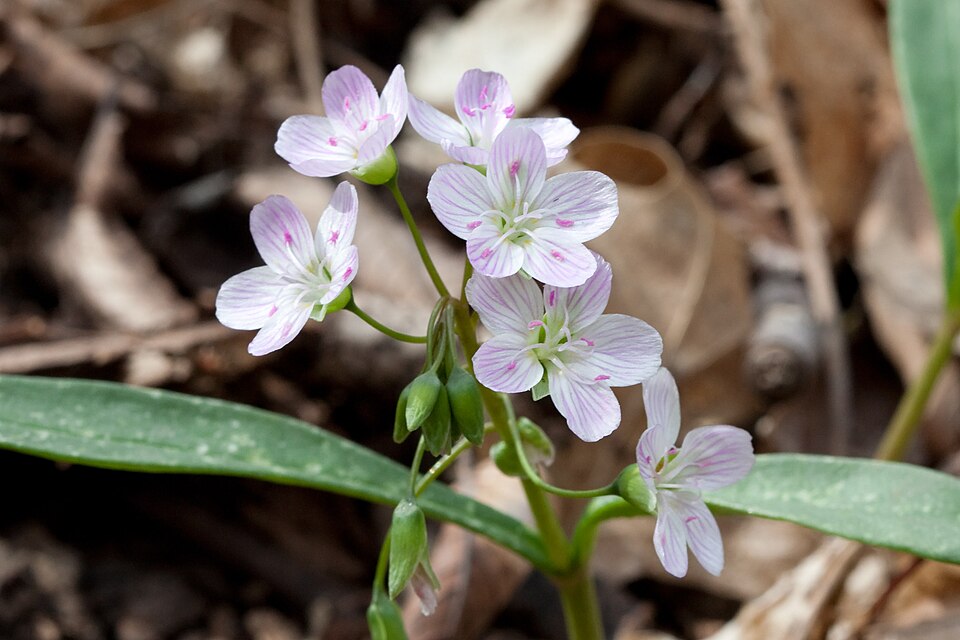
- Virginia Spring-beautyClaytonia virginica
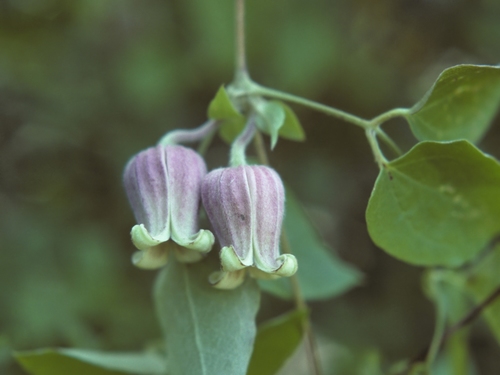
- White Leaf Leather FlowerClematis glaucophylla
- Morefields Leather FlowerClematis morefieldii
- Mountain Sweet-pepperbushClethra acuminata
- Georgia CalamintClinopodium georgianum
- Stalked PanicgrassColeataenia stipitata
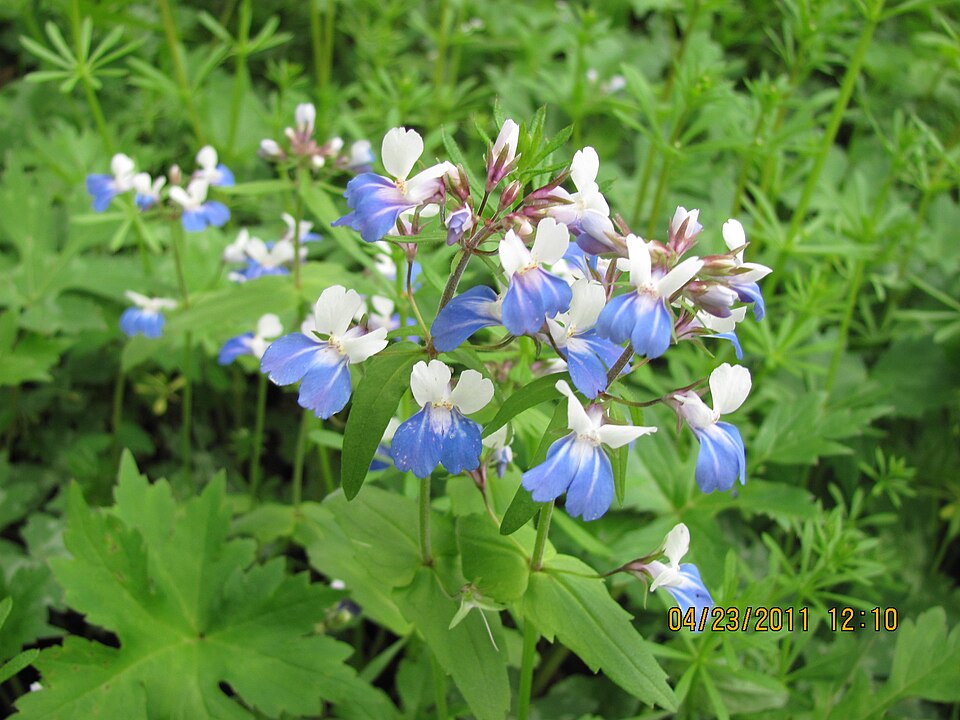
- Eastern Blue Eyed MaryCollinsia verna
- Deepwoods HorsebalmCollinsonia tuberosa
- Whorled HorsebalmCollinsonia verticillata
- Blue MistflowerConoclinium coelestinum
- Lookout Mountain CoreopsisCoreopsis pulchra
- Rough Leaf DogwoodCornus drummondii
- American HazelnutCorylus americana
- Pear HawthornCrataegus calpodendron
- Washington HawthornCrataegus phaenopyrum
- Croomia; Elfin ShoesCroomia pauciflora
- Green-violetCubelium concolor
- American DittanyCunila origanoides
- Hazel DodderCuscuta coryli
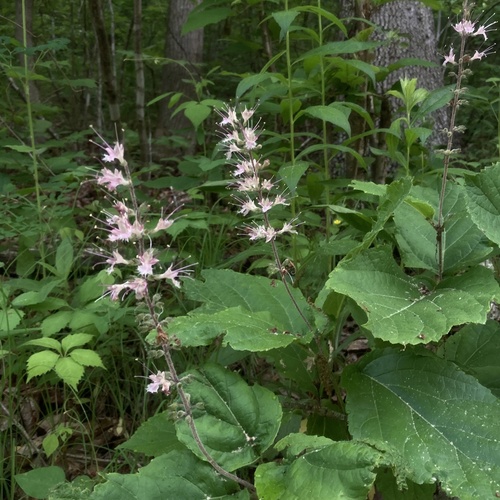
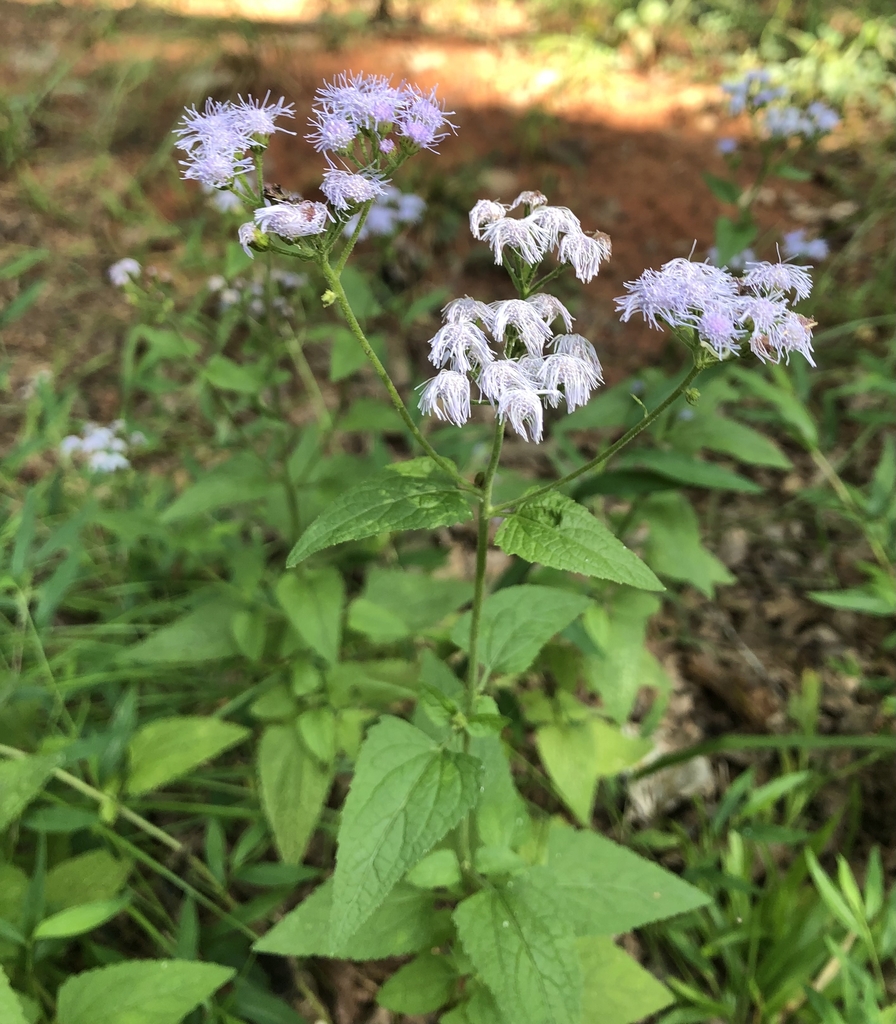
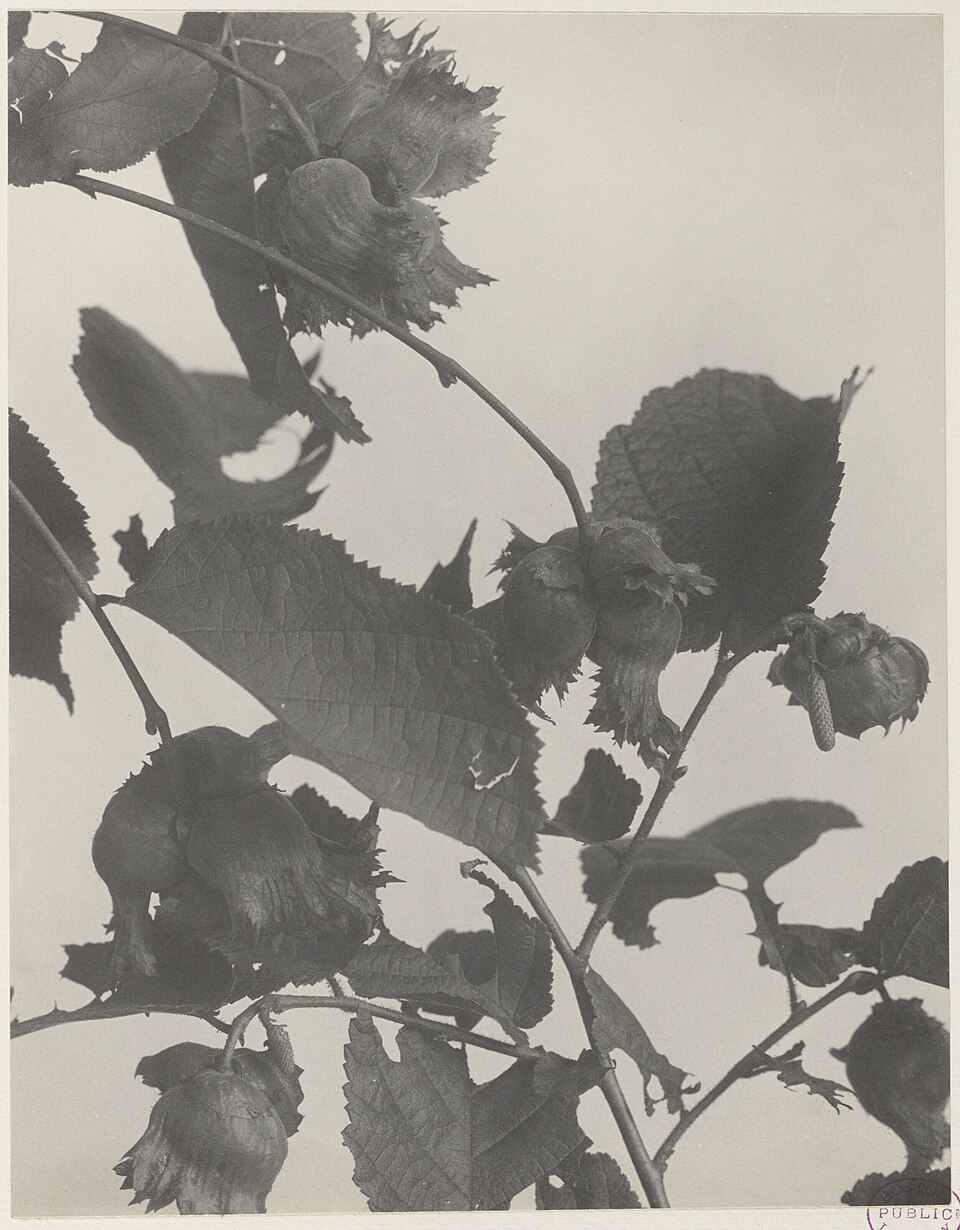
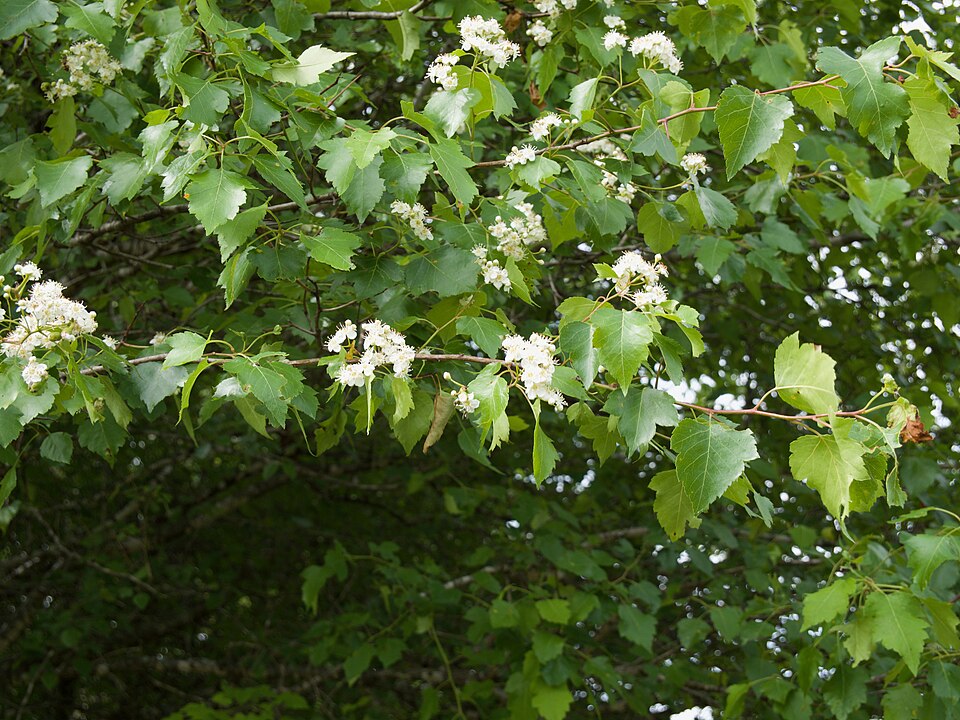
Wildlife 242
Other animals whose habitat models include the same habitats in Alabama. Not sighting records.
- American CrowCorvus brachyrhynchos
- American GoldfinchCarduelis tristis
- American RobinTurdus migratorius
- Baltimore OrioleIcterus galbula
- Blue-gray GnatcatcherPolioptila caerulea
- Brown-headed CowbirdMolothrus ater
- Carolina WrenThryothorus ludovicianus
- Cedar WaxwingBombycilla cedrorum
- Chimney SwiftChaetura pelagica
- Chipping SparrowSpizella passerina
- Common NighthawkChordeiles minor
- Cooper's HawkAccipiter cooperii
- Eastern KingbirdTyrannus tyrannus
- Eastern TowheePipilo erythrophthalmus
- European StarlingSturnus vulgaris
- Great Crested FlycatcherMyiarchus crinitus
- Great Horned OwlBubo virginianus
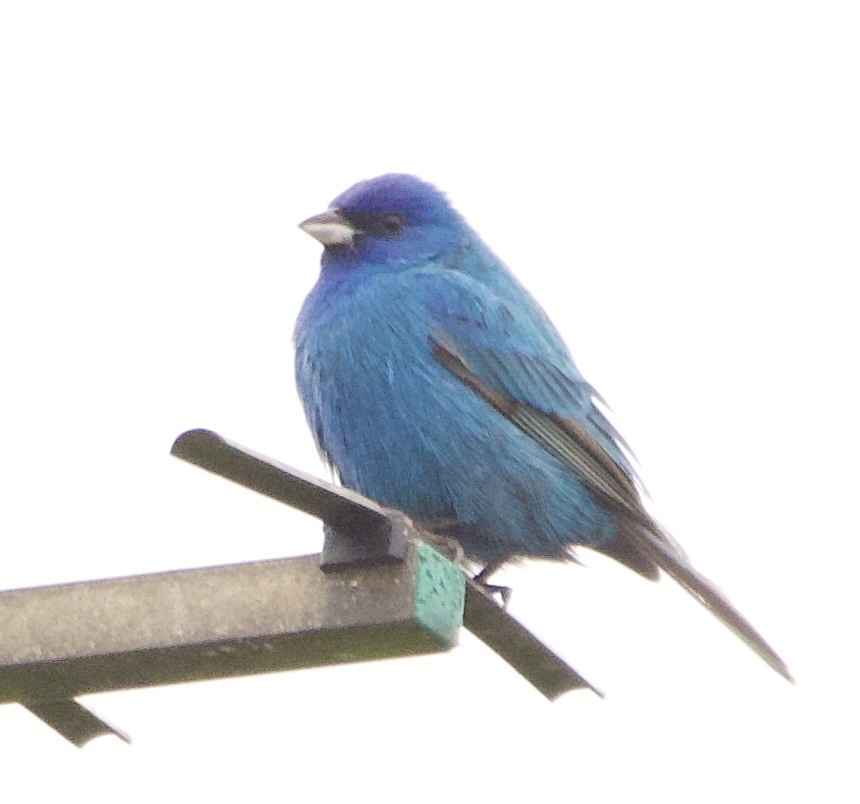
- Indigo BuntingPasserina cyanea
- Northern CardinalCardinalis cardinalis
- Red-tailed HawkButeo jamaicensis
- Red-winged BlackbirdAgelaius phoeniceus
- Ruby-throated HummingbirdArchilochus colubris
- Sharp-shinned HawkAccipiter striatus
- Turkey VultureCathartes aura























NatureServe Explorer, CC BY 4.0. USGS Gap Analysis Project habitat models.
Sources
- USGS Gap Analysis Project habitat models (2001)
- USGS GAP summer habitat model for Black-billed Cuckoo
- USGS Gap Analysis Project range maps (2001), modeled by watershed; migratory gives no dates
- NatureServe Explorer (CC BY 4.0), habitat names
- US Census TIGER/Line counties
- Names follow the USGS Gap Analysis Project (2001)