

Washington Hawthorn
Crataegus phaenopyrum
Found in moist upland woodlands, floodplain forests, pastures, thickets, disturbed areas, sometimes locally abundant. Weakley, Flora of the Southeastern United States (2025), South Central edition What its natural habitat tells you
Native to Alabama. How scores work Is it native here?
Profile 100%
- Height
- About 30 feet
- Spread
- 25–30 feet
- Light
- Full sun
- Soil moisture
- Somewhat dry to average
Space about 27.5 ft apart from its recorded spread. Enter your bed size for a count
Will it fit your yard?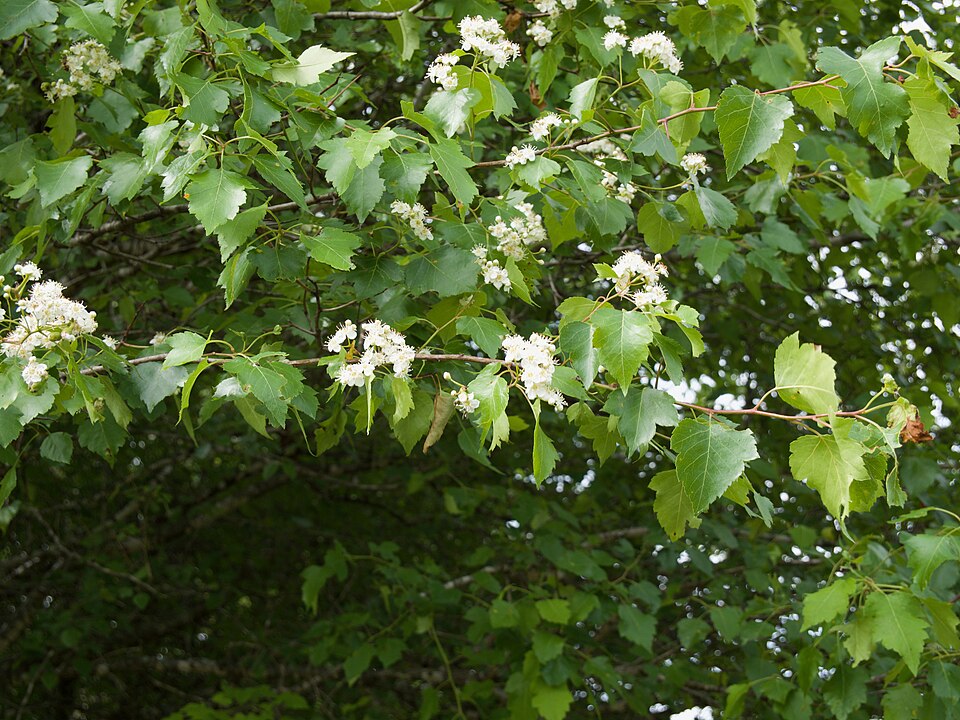
At a glance
- Life cycle
- Perennial
- Leaves
- Deciduous
- Bloom
- May to June
- Fruiting season
- September to October
Recorded in 4 Alabama counties.
Natural habitats
Places it grows wild. Not a planting requirement. Each habitat page lists the plants and wildlife also found there.

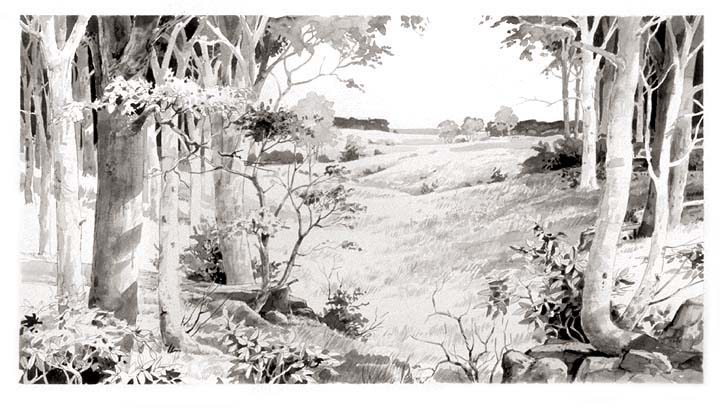
Floodplain and bottomland forests
Forests on low ground beside rivers and streams that flood from time to time.
Roadsides, fields and disturbed ground
Ground opened by people: roadsides, old fields, pastures, fencerows and lots.
Also found with this plant
Wildlife whose habitat models include habitats this plant grows in, in Alabama. Shared habitat, not food. 92 animals.
- Acadian FlycatcherEmpidonax virescens
- American CrowCorvus brachyrhynchos
- American GoldfinchCarduelis tristis
- American KestrelFalco sparverius
- American RobinTurdus migratorius
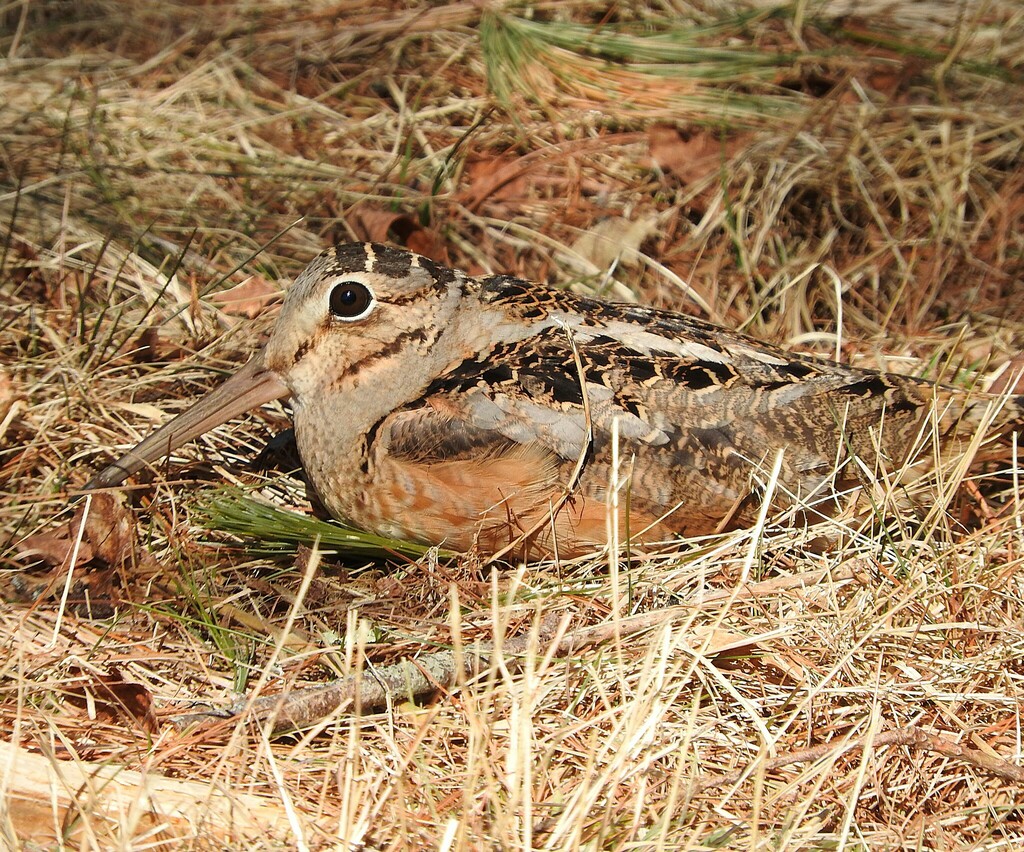
- American WoodcockScolopax minor
- Bald EagleHaliaeetus leucocephalus
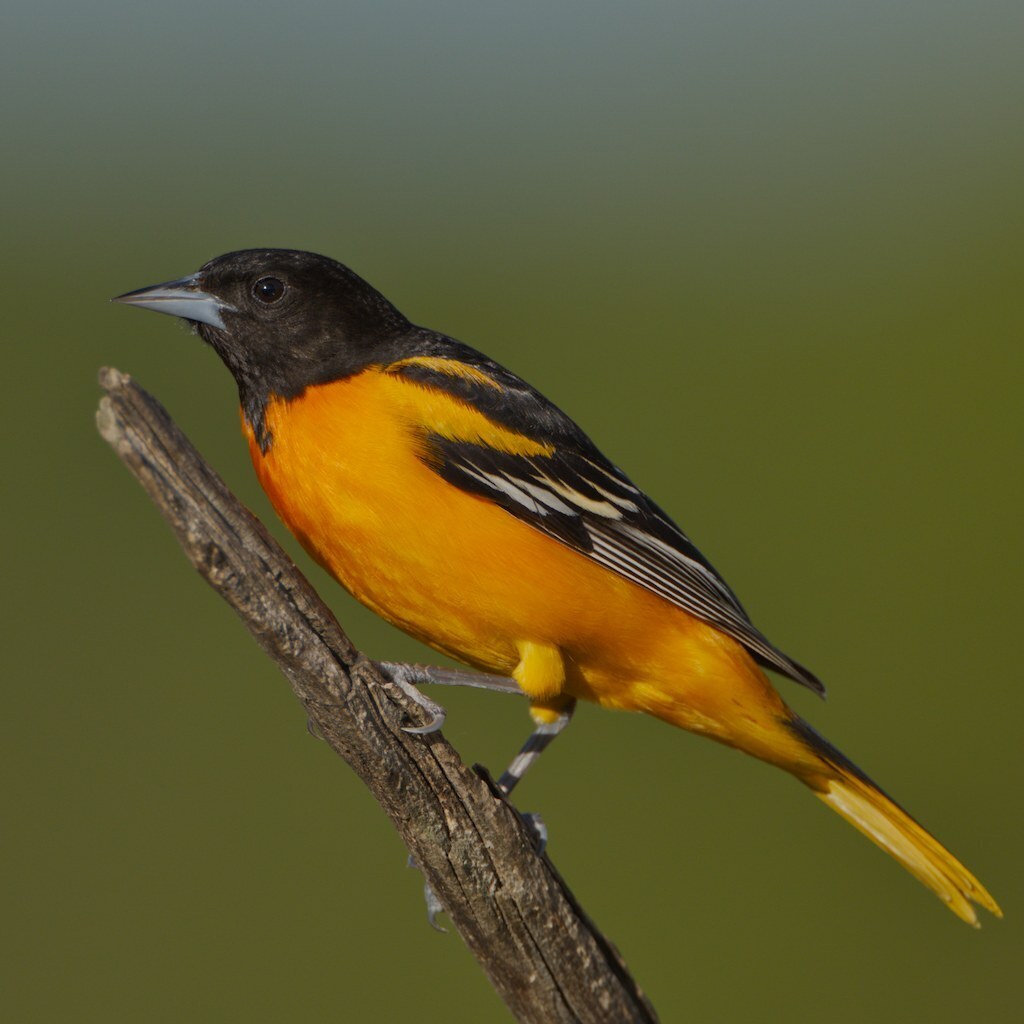
- Baltimore OrioleIcterus galbula
- Barred OwlStrix varia
- Belted KingfisherMegaceryle alcyon
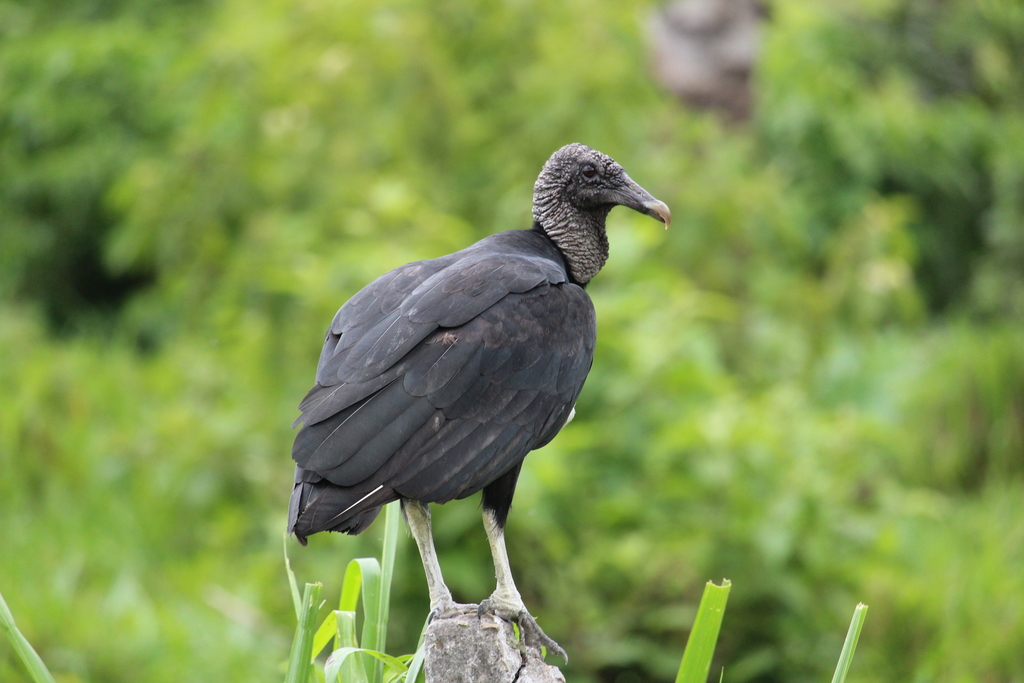
- Black VultureCoragyps atratus
- Black-and-White WarblerMniotilta varia
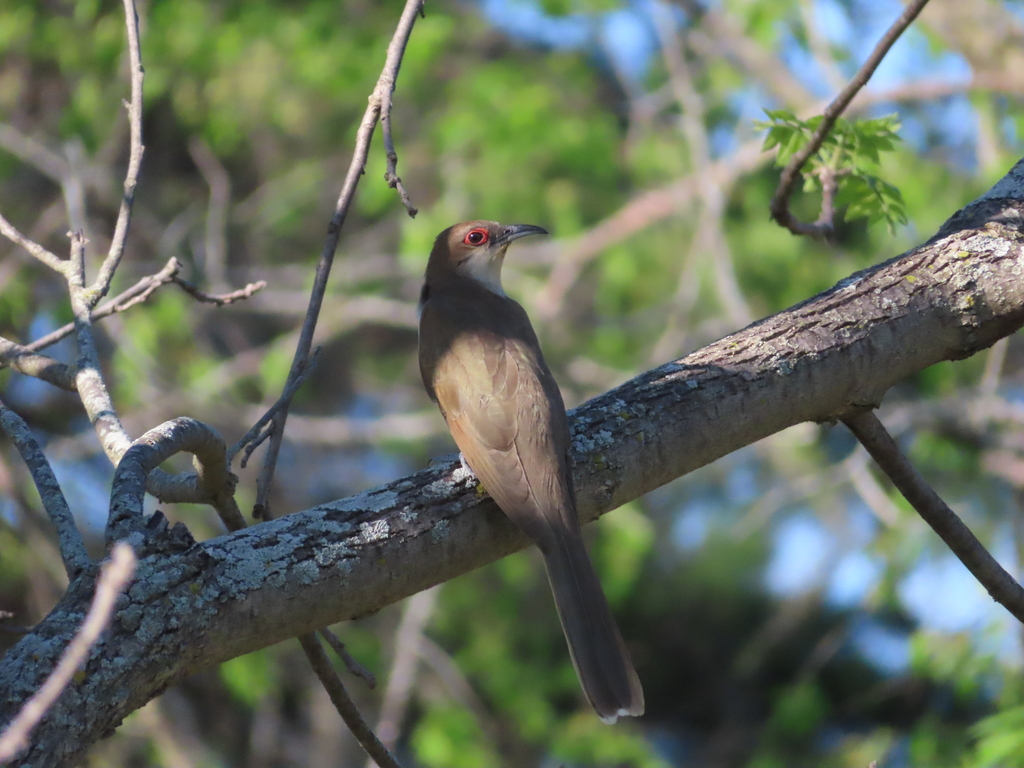
- Black-billed CuckooCoccyzus erythropthalmus
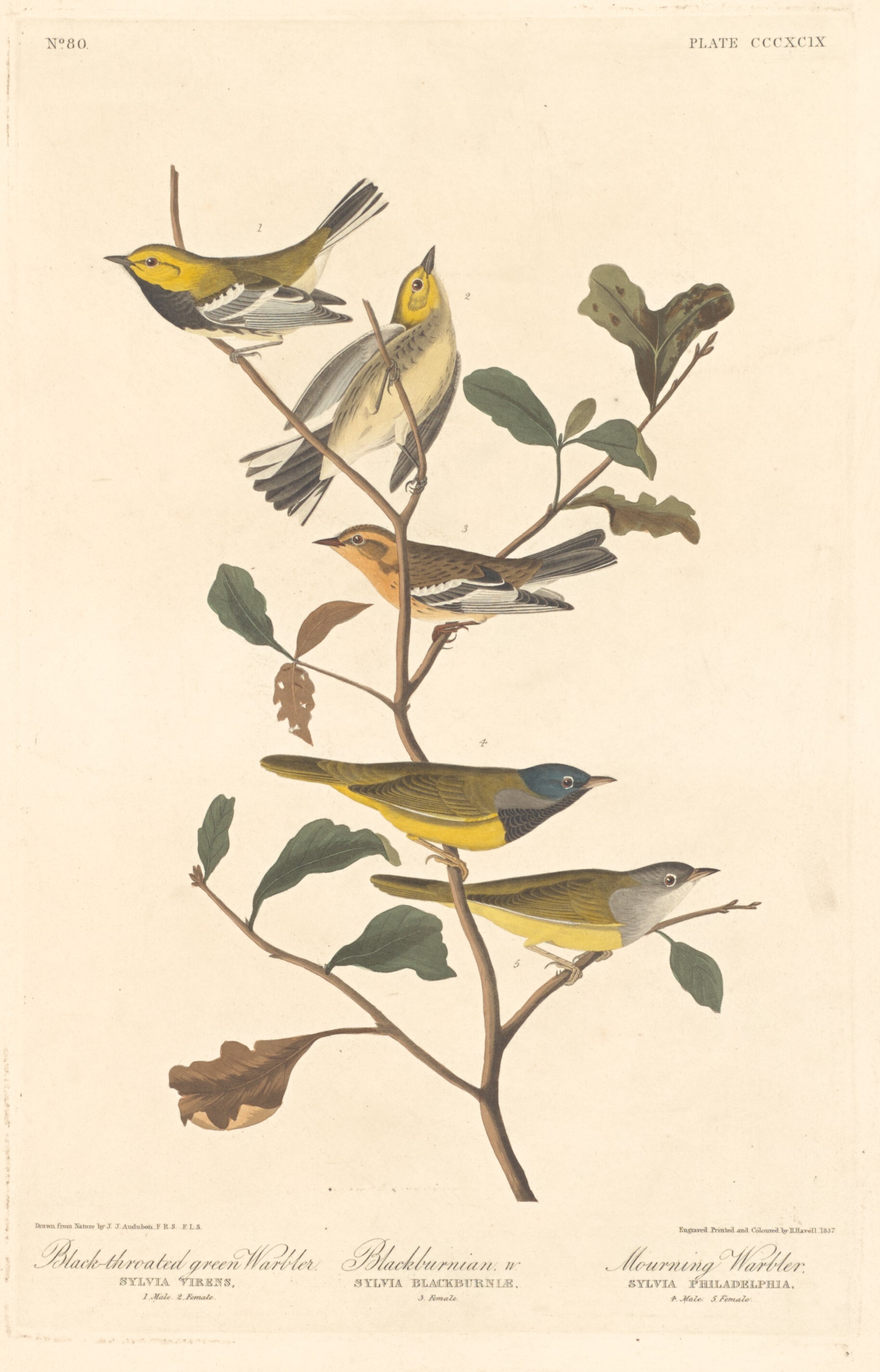
- Black-throated Green WarblerDendroica virens
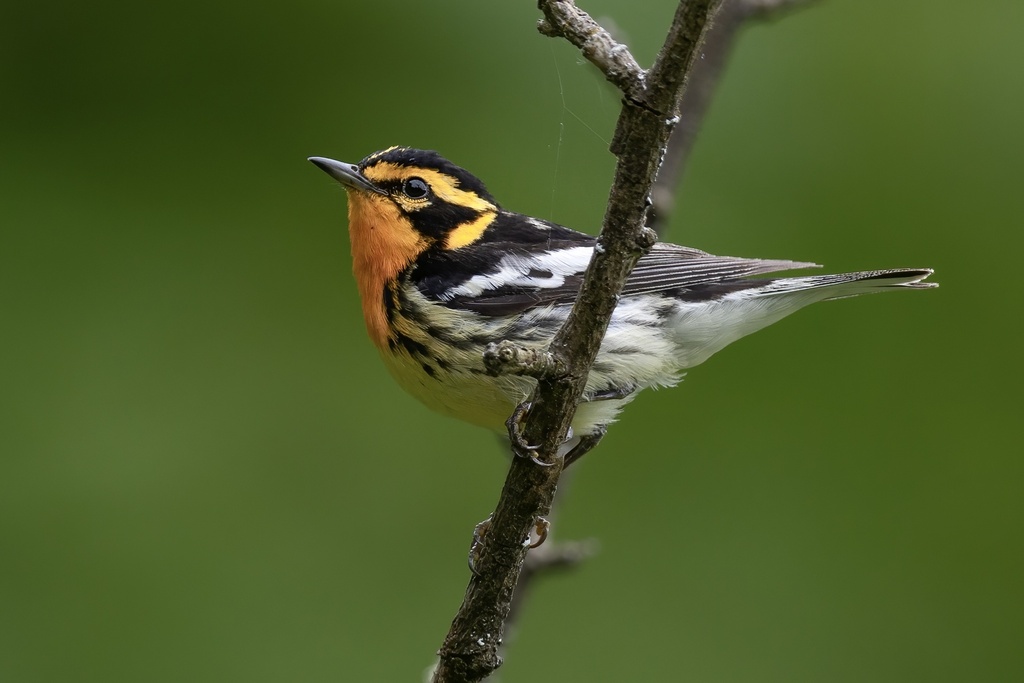
- Blackburnian WarblerDendroica fusca
- Blue GrosbeakPasserina caerulea
- Blue JayCyanocitta cristata
- Blue-gray GnatcatcherPolioptila caerulea
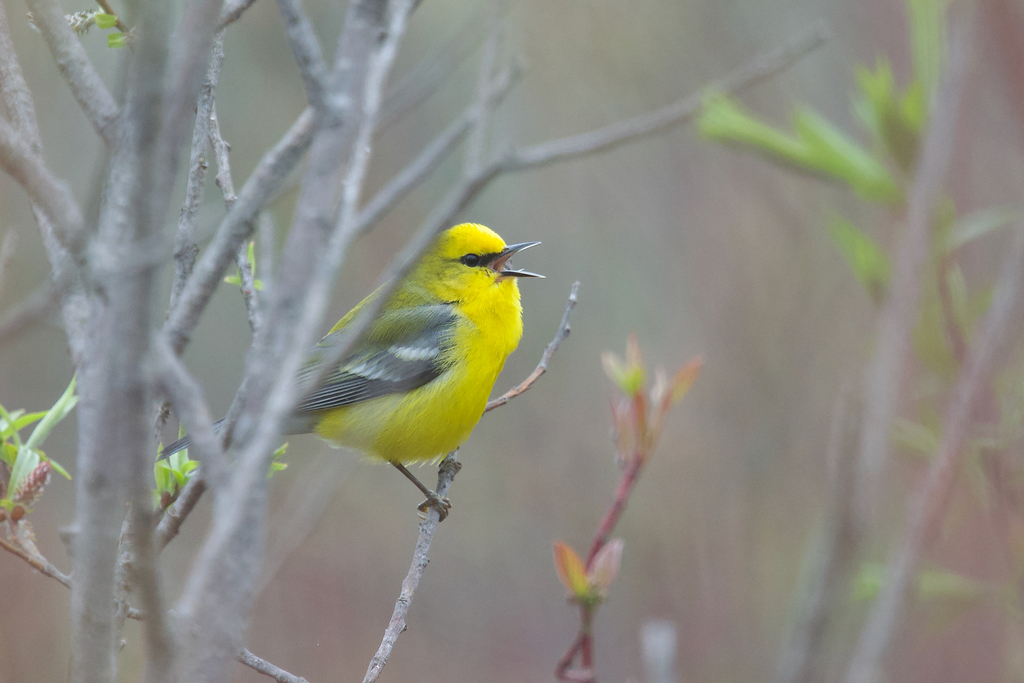
- Blue-winged WarblerVermivora pinus
- Broad-winged HawkButeo platypterus
- Brown CreeperCerthia americana
- Brown ThrasherToxostoma rufum
- Brown-headed CowbirdMolothrus ater
- Carolina ChickadeePoecile carolinensis


















Who uses this plant?
 114CaterpillarsGenus host records with ranges including AL
Genus host records with ranges including AL · Crataegus
- Hemaris thysbeHummingbird Clearwing
- Limenitis arthemisRed-spotted Purple
- Acrobasis indigenellaLeaf Crumpler
- Acronicta americanaAmerican Dagger
- Acronicta clarescensClear Dagger
- Acronicta funeralisFunerary Dagger, Paddle Caterpillar
- Acronicta impletaYellow-Haired Dagger
- Acronicta interruptaInterrupted Dagger
- Acronicta radcliffeiRadcliffe's Dagger
- Alsophila pometariaFall Cankerworm Moth
Show all 114
- Amorbia humerosanaWhite-Lined Leafroller Moth
- Amphipyra pyramidoidesMiranda Underwing, Copper Underwing, Copper Amphipyra
- Anavitrinella pampinariaCommon Gray, Cranberry Spanworm
- Antheraea polyphemusPolyphemus Moth
- Archips argyrospilaFruit-Tree Leafroller Moth
- Archips griseaGray Archips
- Argyresthia oreasellaCherry Shoot Borer
- Argyrostrotis anilisShort-Lined Chocolate
- Argyrotaenia ivanaIvana Leafroller Moth
- Automeris ioIo Moth
- Balsa labeculaWhite-Blotched Balsa
- Balsa tristrigellaThree-Lined Balsa
- Biston betulariaSalt-and-Pepper Geometer, Cleft-Headed Looper
- Carposina fernaldanaCurrant Fruitworm Moth
- Catocala alabamaeAlabama Underwing, [Titan Underwing]
- Catocala blandulaCharming Underwing
- Catocala clintoniiClinton's Underwing
- Catocala crataegiHawthorne Underwing, Thorn Underwing
- Catocala gryneaWoody Underwing
- Catocala lincolnanaLincoln Underwing
- Catocala miraWonderful Underwing
- Catocala mirandaMiranda Underwing
- Catocala orbaOrba Underwing
- Catocala praeclaraPraeclara Underwing, Chokeberry Underwing, Charlotte's Underwing
- Catocala pretiosaPrecious Underwing, Texarkana Underwing
- Catocala ultroniaUltronia Underwing
- Cecrita guttivittaMaple Prominent, Saddled Prominent
- Cenopis diluticostanaSpring Dead-Leaf Roller Moth, Oak Cenopis
- Ceratomia undulosaWaved Sphinx
- Cerma cerinthaTufted Bird-Dropping Moth, Cherry Agate
- Cerma coraThe Agate
- Choristoneura rosaceanaOblique-Banded Leafroller Moth, Rosaceous Leaf Roller
- Coelodasys unicornisUnicorn Caterpillar Moth
- Cryptothelea gloveriiOrange Bagworm
- Datana ministraYellow-Necked Caterpillar Moth
- Eacles imperialisImperial Moth, Imperial Spiny Caterpillar
- Ennomos magnariaMaple Spanworm Moth, Notchwing Geometer
- Ennomos subsignariaElm Spanworm Moth
- Episimus argutanaSumac Leaftier
- Erannis tiliariaLinden Looper Moth, Western Winter Moth, Lime Looper
- Euchlaena johnsonariaJohnson's Euchlaena
- Euclea delphiniiSpiny Oak-Slug Moth
- Eulithis gracilineataGreater Grapevine Looper
- Eumacaria madopataBrown-Bordered Geometer
- Euphyia intermediataSharp-Angled Carpet Moth, The Intermediate
- Eupsilia vinulentaStraight-Toothed Sallow
- Glenoides texanariaTexas Gray
- Grapholita packardiCherry Fruit Worm
- Halysidota tessellarisBanded Tussock Moth, Pale Tiger Moth
- Hedya chionosemaTwin-Spotted Budworm, White-Spotted Hedya
- Hedya separatanaPink-Washed Leafroller Moth
- Hyalophora cecropiaCecropia Silkmoth, Cecropia Moth
- Hypagyrtis unipunctataOne-Spotted Variant
- Hyphantria cuneaFall Webworm
- Iridopsis larvariaBent-Line Gray
- Kocakina fidelisIntractable Quaker, Green Fruitworm, Fourlined Green Fruitworm
- Lambdina fiscellariaHemlock Looper, Western Oak Looper
- Limenitis archippusViceroy
- Lithophane antennataAshen Pinion
- Lithophane bethuneiBethune's Pinion
- Lochmaeus manteoVariable Oakleaf Caterpillar Moth
- Lomographa glomerariaGray Spring Moth
- Lomographa semiclarataBluish Spring Moth, Wildcherry Looper
- Lomographa vestaliataWhite Spring Moth
- Lytrosis unitariaCommon Lytrosis
- Macaria coortariaFour-Spotted Angle, Four-Spotted Granite
- Machimia tentoriferellaGold-Striped Leaftier Moth
- Malacosoma americanaEastern Tent Caterpillar
- Malacosoma disstriaForest Tent Caterpillar
- Metarranthis duariaRuddy Metarranthis
- Morrisonia mucensGray Woodgrain
- Nematocampa resistariaFilament Bearer, Horned Spanworm Moth
- Nemoria mimosariaWhite-Fringed Emerald
- Oedemasia concinnaRed-Humped Caterpillar, Red-Humped Appleworm
- Oedemasia semirufescensRed-Washed Prominent
- Orgyia leucostigmaWhite-Marked Tussock Moth
- Orthosia garmaniGarman's Quaker
- Orthosia hibisciSpeckled Green Fruitworm Moth, Speckled Green Quaker
- Paleacrita vernataSpring Cankerworm Moth
- Paonias excaecataBlinded Sphinx, Blind Eyed Sphinx
- Paonias myopsSmall-Eyed Sphinx
- Papaipema nebrisStalk Borer
- Papilio glaucusEastern Tiger Swallowtail
- Phaecasiophora niveiguttanaLabyrinth Moth
- Phaeoura quernariaOak Beauty Moth
- Phigalia strigatariaSmall Phigalia, Small Oak Looper
- Phigalia titeaThe Half-Wing Geometer, Spiney Looper, Eastern Oak Looper
- Phyllodesma americanaLappet Moth, American Lappet Moth, Southern Lappet Moth
- Probole alienariaDogwood Probole, Alien Probole
- Prolimacodes badiaSkiff Moth, Skiff Caterpillar
- Pseudothyatira cymatophoroidesTufted Thyatirid
- Rhopobota dietzianaWinterberry Moth
- Satyrium liparopsStriped Hairstreak
- Schizura ipomaeaeMorning-Glory Prominent, Checkered-Fringe Prominent
- Sparganothis sulfureanaSparganothis Fruitworm Moth, Sulfur Leafroller, False Yellow-Head
- Sphecodina abbottiiAbbott's Sphinx
- Strymon melinusGray Hairstreak
- Synanthedon pictipesLesser Peachtree Borer Moth
- Synanthedon scitulaDogwood Borer, Pecan Borer
- Syndemis afflictanaFall Dead-Leaf Roller, Gray Leafroller, Black-and-Grey Banded Leafroller
- Thyridopteryx ephemeraeformisEvergreen Bagworm Moth
- Xanthorhoe lacustrataToothed Brown Carpet
- Zale lunataLunate Zale
- Zale minereaColorful Zale
 11BeesSoutheastern regional records
Southeastern regional records · Crataegus
Individual names are not available yet.
Noori, Seltmann & Orr 2026, A curated and integrated dataset for exploring global bee-plant interactions (GloBI), Zenodo, CC BY 4.0 0Specialist beesPollen specialists
 14BirdsRecorded genus food-resource interactions; not a state feeding claim
Recorded genus food-resource interactions; not a state feeding claim · Crataegus
- Bonasa umbellusRuffed Grouse
- Callipepla californicaCalifornia Quail
- Catharus guttatusHermit Thrush
- Dendragapus obscurusDusky Grouse
- Melanerpes carolinusRed-bellied Woodpecker
- Meleagris gallopavoWild Turkey
- Oreortyx pictusMountain Quail
- Patagioenas fasciataBand-tailed Pigeon
- Pinicola enucleatorPine Grosbeak
- Sialia sialisEastern Bluebird
Show all 14
- Sitta carolinensisWhite-breasted Nuthatch
- Turdus migratoriusAmerican Robin
- Tympanuchus phasianellusSharp-tailed Grouse
- Tyrannus verticalisWestern Kingbird
Direct food only: birds recorded eating this genus across North America. Caterpillars on host plants also feed nesting birds. NC Native Plant Society: butterfly gardening
No records yet · Ants · Beetles · Flies · Adult butterflies / moths · Other wasps · Other insects
Plant details
- Family
- Rosaceae
- Hardiness
- Zones 3–8
- Soil pH
- Neutral
- Flower color
- White
- Growth rate
- Moderate
- Growth habit
- Single stem
- Foliage color
- Green
- Fruit begins
- September
- Fruit ends
- October
Safety has not been reviewed for this plant; check toxicity and thorns before planting.
Growing sources and scope
- Bloom · “May to early June” · Weakley, Flora of the Southeastern United States (2025), Carolinas & Georgia edition (ranked first; USDA PLANTS differs) · Carolinas and Georgia
- Flower color · “White” · USDA PLANTS · Nationwide species characteristics; local growing conditions may vary
- Foliage color · “Green” · USDA PLANTS · Nationwide species characteristics; local growing conditions may vary
- Fruit begins · “September” · Weakley, Flora of the Southeastern United States (2025), Carolinas & Georgia edition (ranked first; USDA PLANTS differs) · Carolinas and Georgia
- Fruit ends · “October” · Weakley, Flora of the Southeastern United States (2025), Carolinas & Georgia edition (ranked first; USDA PLANTS differs) · Carolinas and Georgia
- Growth habit · “Single stem” · USDA PLANTS · Nationwide species characteristics; local growing conditions may vary
- Growth rate · “Moderate” · USDA PLANTS · Nationwide species characteristics; local growing conditions may vary
- Hardiness · “Zones 3–8” · Missouri Botanical Garden Plant Finder
- Height · “About 30 feet” · USDA PLANTS (ranked first; Lady Bird Johnson Wildflower Center, Missouri Botanical Garden Plant Finder differ) · Nationwide species characteristics; local growing conditions may vary
- Leaves · “Deciduous” · Lady Bird Johnson Wildflower Center
- Leaf retention · “Deciduous” · USDA PLANTS · Nationwide species characteristics; local growing conditions may vary
- Life cycle · “Perennial” · Lady Bird Johnson Wildflower Center
- Light · “Full sun” · Tennessee Smart Yards (ranked first; Lady Bird Johnson Wildflower Center differs) · Published Tennessee growing guidance; exact cached scientific heading
- primary_flower_color · “white” · USDA PLANTS
- Soil · “medium to moderately dry” · Tennessee Smart Yards (ranked first; Lady Bird Johnson Wildflower Center, Missouri Botanical Garden Plant Finder differ) · Published Tennessee growing guidance; exact cached scientific heading
- Soil pH · “Neutral” · Lady Bird Johnson Wildflower Center
- Spread · “25–30 feet” · Missouri Botanical Garden Plant Finder
Conservation status
| Alabama rank | SNR |
|---|---|
| Global rank | G4? |
| AL status | Not verified |
| Federal status | Not verified |
Will it fit your yard?
Check this plant against your county, sun and soil moisture. Conditions are checked in your browser.
Sources
- Alabama Plant Atlas
- USDA PLANTS
- Vascular Plants of North Carolina (NC Natural Heritage Program)
- Weakley, Flora of the Southeastern United States (2025)
- Shropshire & Tallamy 2025, Lepidoptera of North America north of Mexico, ZooKeys 1261 (ODbL)
- Noori, Seltmann & Orr 2026, A curated and integrated dataset for exploring global bee-plant interactions (GloBI), Zenodo, CC BY 4.0
- Smith, Bachelder, Russell, Morales, Mosher & Seltmann 2024, Bee-Specialization-Modeling v0.6.1 (specialist host table compiled from J. Fowler's pollen specialist bee lists), Zenodo, CC BY 4.0
- Hurlbert, Olsen, Sawyer & Winner 2021, Avian Diet Database, Scientific Data 8: 260 (CC0)
- Narango, Tallamy & Shropshire 2020, Few keystone plant genera support the majority of Lepidoptera species, Nature Communications