

Bird
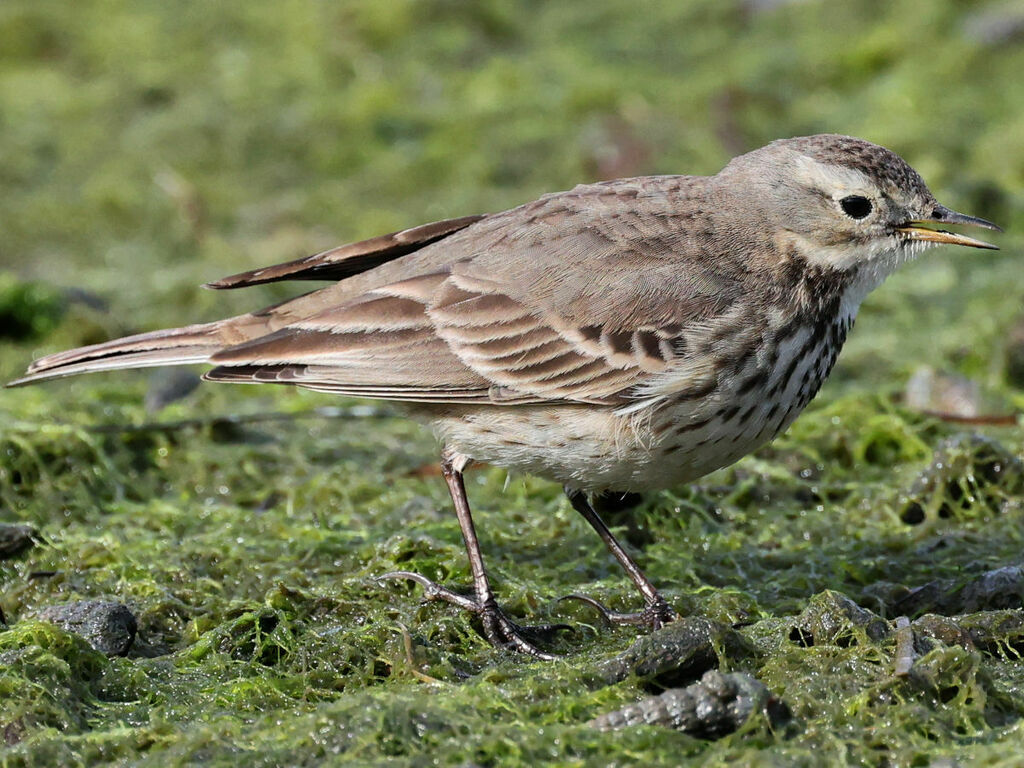
American Pipit
Anthus rubescens
A winter visitor to Alabama, found in all 67 counties and 10 habitats.
- Here
- Winter and on migration
- Nesting
- Not known to nest here
- Range
- All 67 counties
- Habitats
- 10
At a glance
- Group
- Birds
- Here
- Winter and on migration
- Nesting
- Not known to nest here
- Range
- All 67 counties
- Habitats
- 10
- Habitat models
- Winter
Where it lives
The places its habitat model includes. It is not found everywhere a habitat occurs.
Habitats in Alabama 10
Each habitat page lists the plants and wildlife also found there.
Open sand of beaches, dunes and the hollows between them.
Open, wet, seepage-fed bogs of the Coastal Plain and Sandhills, often with pitcher plants.
Coastal tidal marshes (salinity not stated)
Tidal marshes of the Atlantic and Gulf coasts where the source does not say whether the water is fresh, brackish or salt. A stated salinity files the marsh under freshwater tidal marshes or salt and brackish marshes instead.
Disturbed and introduced wetlands
Wet ground taken over by weedy or introduced plants after disturbance, such as common reed, Chinese tallow or tamarisk stands; the upland counterpart is roadsides, fields and disturbed ground.
Floodplain and bottomland forests
Forests on low ground beside rivers and streams that flood from time to time.
Open, fire-kept longleaf pine stands over grasses and wildflowers on wet to moist sandy soil.
Roadsides, fields and disturbed ground
Ground opened by people: roadsides, old fields, pastures, fencerows and lots.
Coastal marshes flooded by salty or brackish tides.

Salt and brackish open water of sounds, bays and estuaries, with the mud and sand flats and seagrass beds that tides cover and uncover; the vegetated marsh is salt and brackish marshes.
Other habitats in its models (34)
Land cover, or classes with no habitat page in Alabama.
- Atlantic Coastal Plain Northern Sandy Beach Winter.
- Atlantic Coastal Plain Southern Beach Winter.
- Unconsolidated Shore (Lake/River/Pond) Winter.
- Unconsolidated Shore Winter.
- Upper Texas Coast Beach Winter.
- Atlantic Coastal Plain Sea Island Beach Winter.
- Texas Coastal Bend Beach Winter.
- East-Central Texas Plains Floodplain Forest Winter.
- Atlantic Coastal Plain Southern Dune and Maritime Grassland Winter.
- Atlantic Coastal Plain Central Salt and Brackish Tidal Marsh Winter.
- Atlantic Coastal Plain Indian River Lagoon Tidal Marsh Winter.
- Atlantic Coastal Plain Embayed Region Tidal Salt and Brackish Marsh Winter.
- Atlantic Coastal Plain Northern Tidal Salt Marsh Winter.
- Florida Big Bend Salt-Brackish Tidal Marsh Winter.
- Atlantic Coastal Plain Clay-Based Carolina Bay Herbaceous Wetland Winter.
- Atlantic Coastal Plain Large Natural Lakeshore Winter.
- Atlantic Coastal Plain Southern Tidal Wooded Swamp Winter.
- Floridian Highlands Freshwater Marsh Winter.
- Atlantic Coastal Plain Embayed Region Tidal Freshwater Marsh Winter.
- Florida Big Bend Fresh-Oligohaline Tidal Marsh Winter.
- Atlantic Coastal Plain Northern Fresh and Oligohaline Tidal Marsh Winter.
- Atlantic Coastal Plain Central Fresh-Oligohaline Tidal Marsh Winter.
- Southern and Central Appalachian Bog and Fen Winter.
- Central Florida Herbaceous Pondshore Winter.
- East Gulf Coastal Plain Southern Depression Pondshore Winter.
- Atlantic Coastal Plain Depression Pondshore Winter.
- Mississippi River Bottomland Depression Winter.
- Central Appalachian Floodplain - Forest Modifier Winter.
- East Gulf Coastal Plain Large River Floodplain Forest - Herbaceous Modifier Winter.
- Mississippi River Riparian Forest Winter.
- Mississippi River Low Floodplain (Bottomland) Forest Winter.
- Red River Large Floodplain Forest Winter.
- Texas-Louisiana Coastal Prairie Slough Winter.
- Mississippi River Floodplain and Riparian Forest Winter.
Seasons in Alabama
- Migratory: does not nest here, in 24 of 67 counties.
- Winter: does not nest here, in 55 of 67 counties.
Also found in this habitat
Plants 259
Plants named in NatureServe descriptions of these habitats that grow in Alabama. Shared habitat, not food.
- Pinewoods BluestemAndropogon arctatus
- Asclepias viridulaAsclepias viridula
- TitiCyrilla racemiflora
- Eurybia eryngiifoliaEurybia eryngiifolia
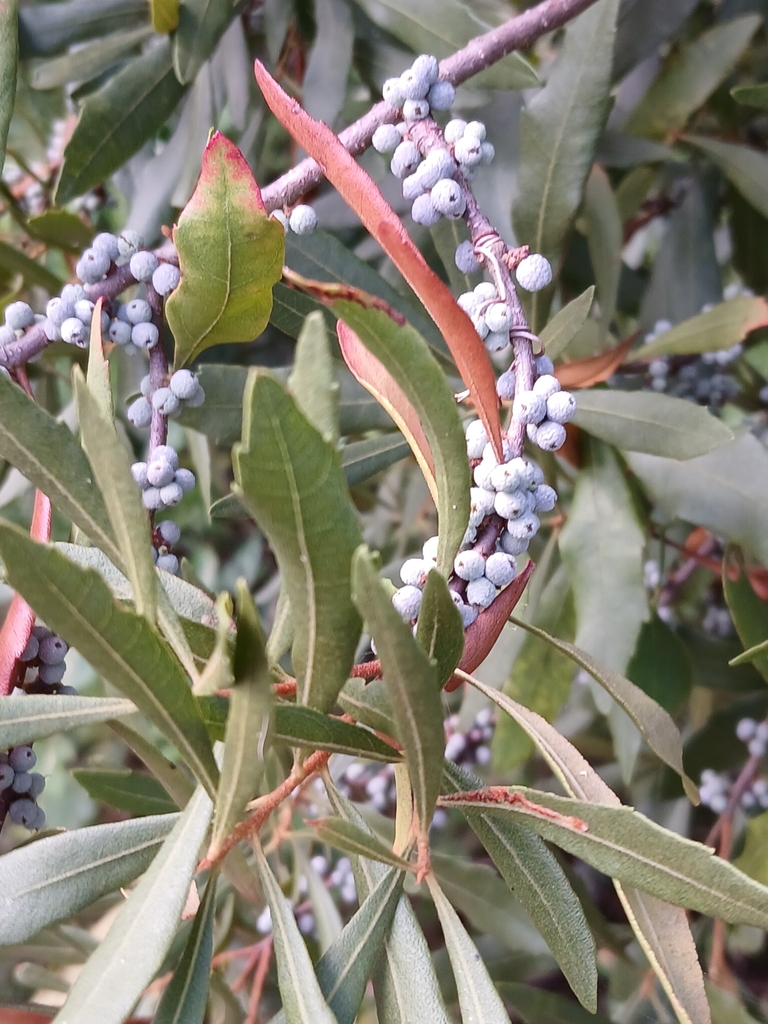
- Common WaxmyrtleMorella cerifera
- Largeleaf Grass-of-ParnassusParnassia grandifolia
- Pinguicula planifoliaPinguicula planifolia
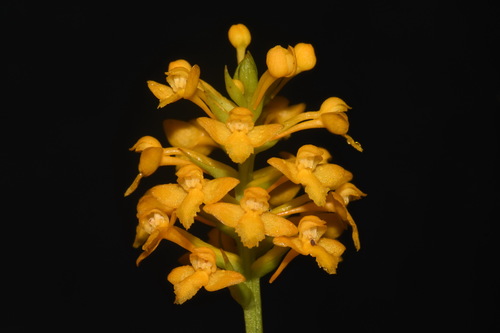
- Yellow Fringeless OrchidPlatanthera integra
- Rush-featherlingPleea tenuifolia
- Ruellia noctifloraRuellia noctiflora
- Whitetop PitcherplantSarracenia leucophylla
- Quillwort Yellow Eyed GrassXyris isoetifolia
- Drummonds Red MapleAcer drummondii
- Red MapleAcer rubrum
- Agalinis filicaulisAgalinis filicaulis
- Aristida beyrichianaAristida beyrichiana
- Red MilkweedAsclepias rubra
- Southern BluethreadBurmannia capitata
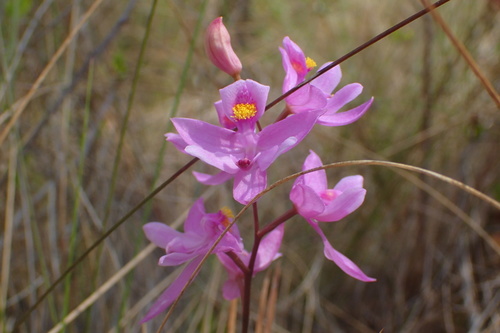
- Bearded Grass-pinkCalopogon barbatus
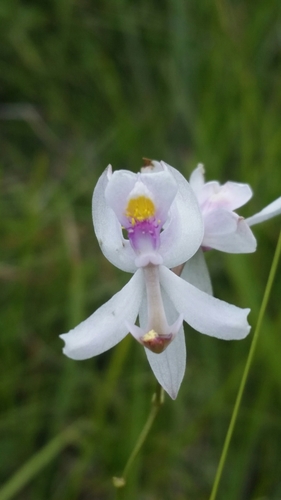
- Pale Grass-pinkCalopogon pallidus
- Carphephorus pseudoliatrisCarphephorus pseudoliatris
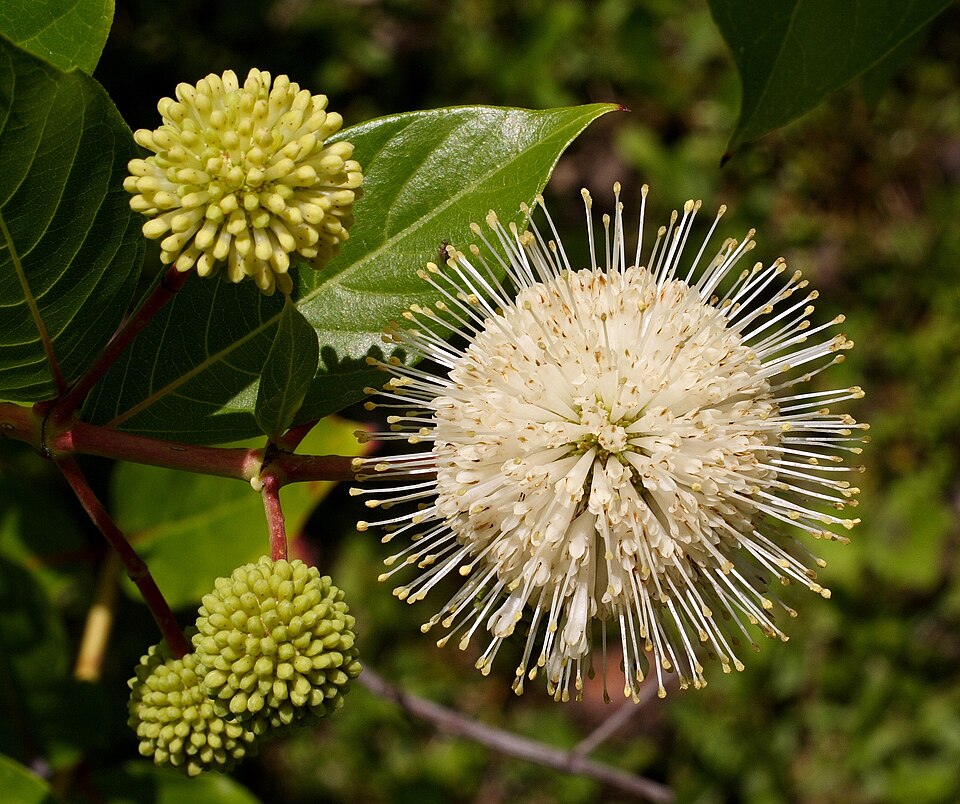
- ButtonbushCephalanthus occidentalis
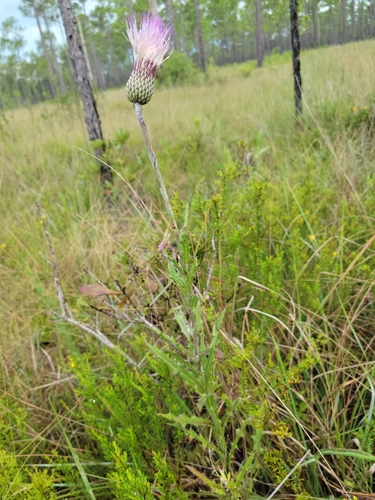
- LeConte's ThistleCirsium lecontei
- Toothache GrassCtenium aromaticum
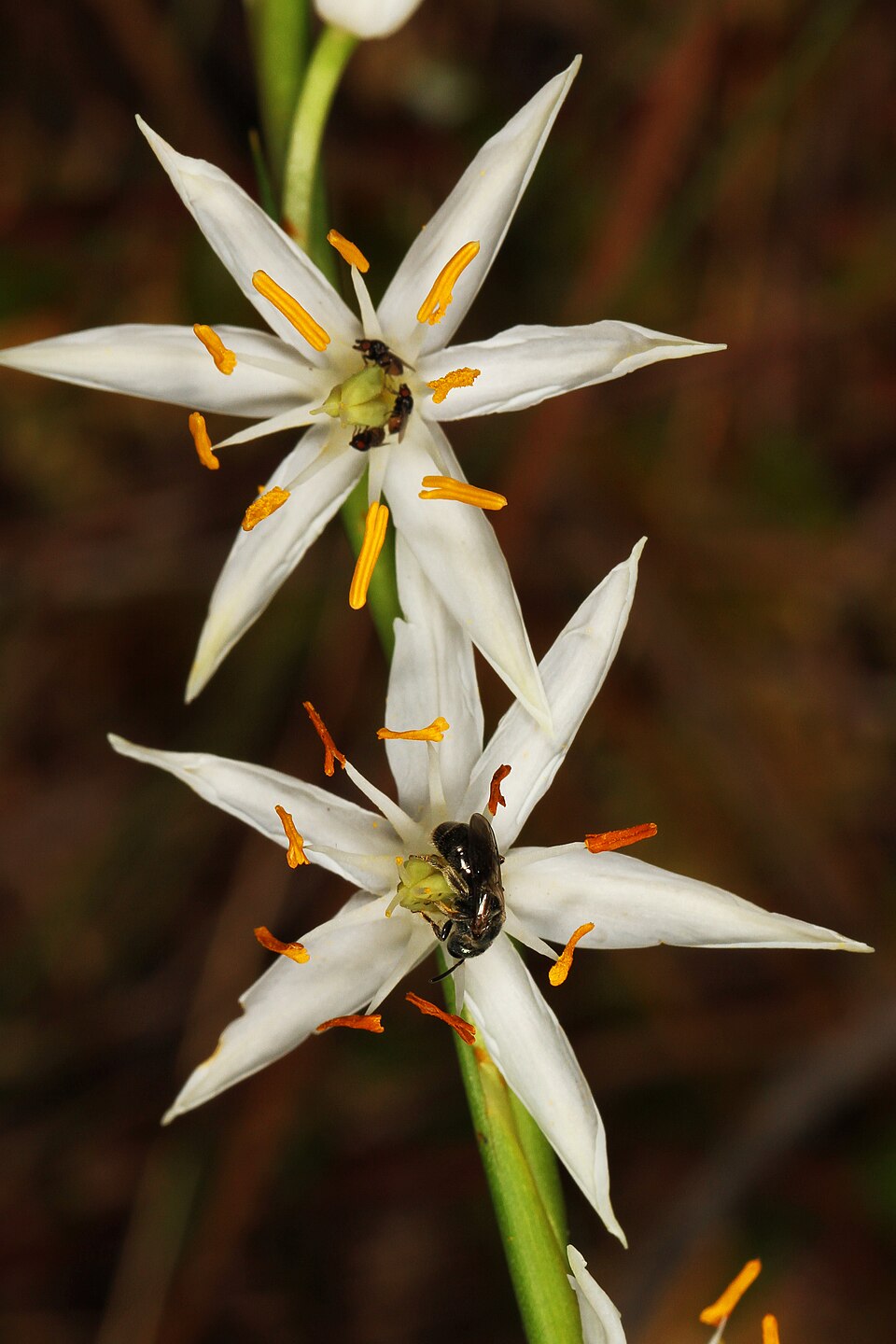
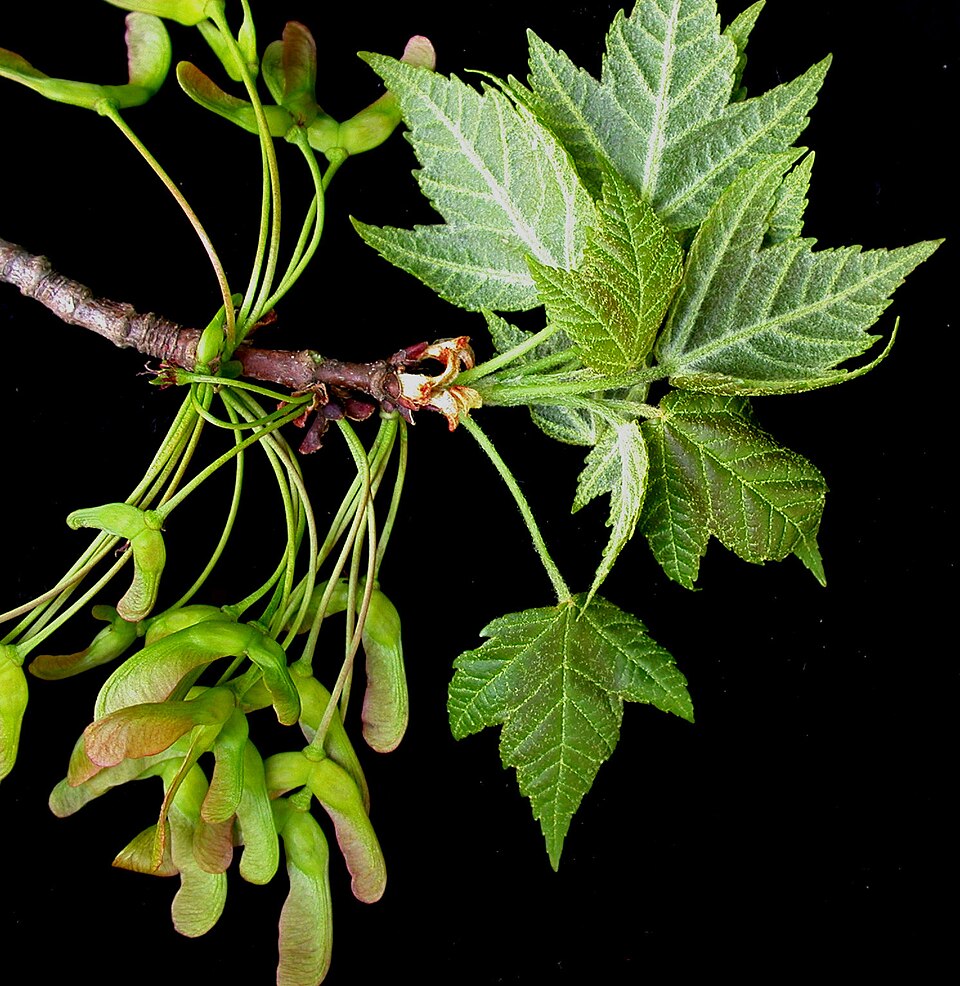
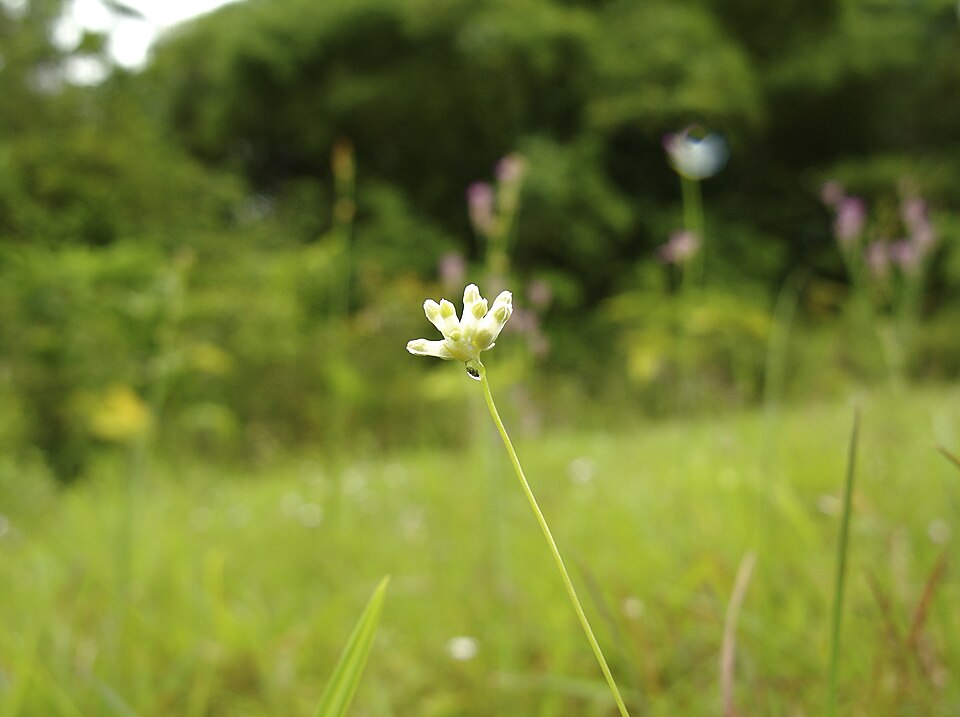
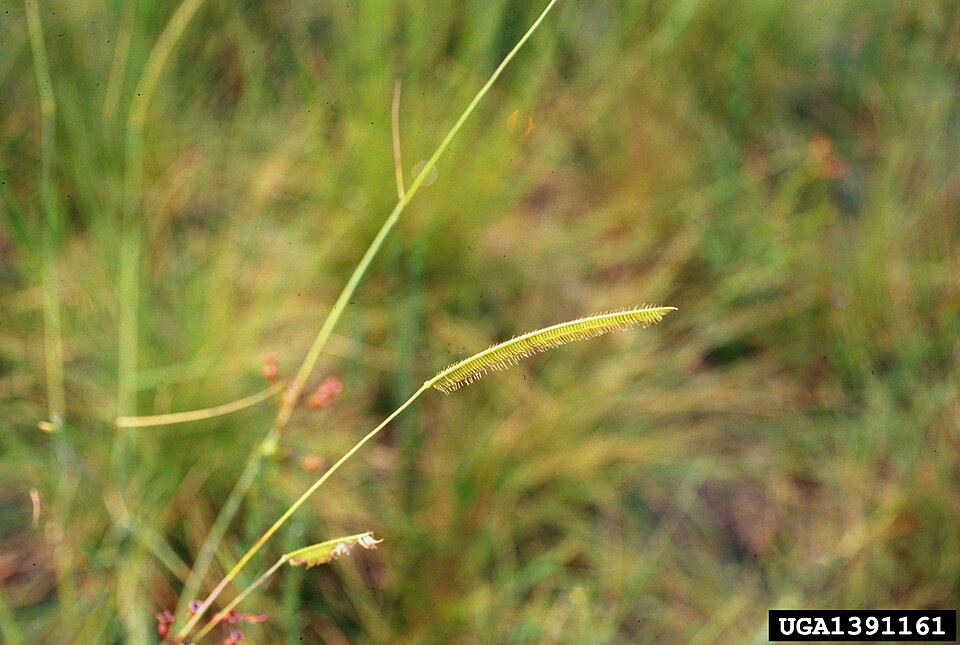
Wildlife 255
Other animals whose habitat models include the same habitats in Alabama. Not sighting records.
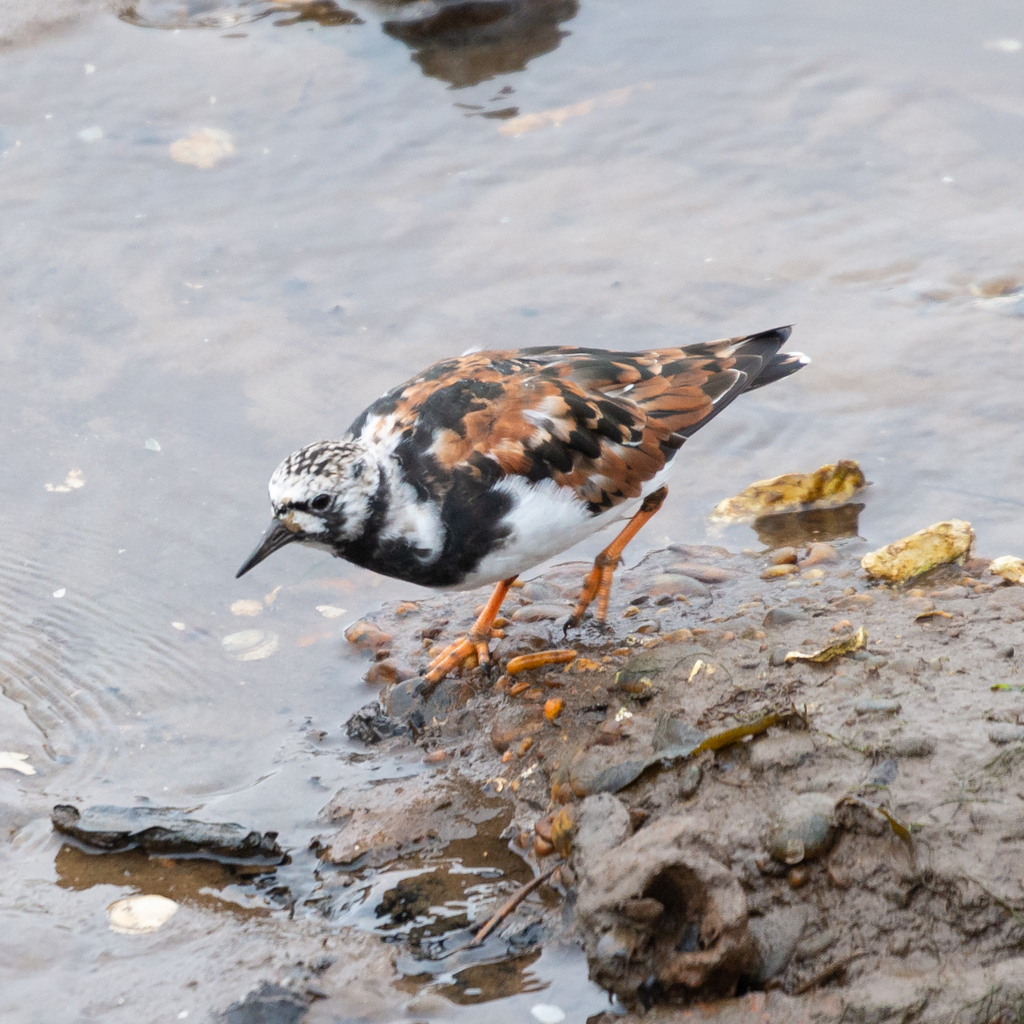
- Ruddy TurnstoneArenaria interpres
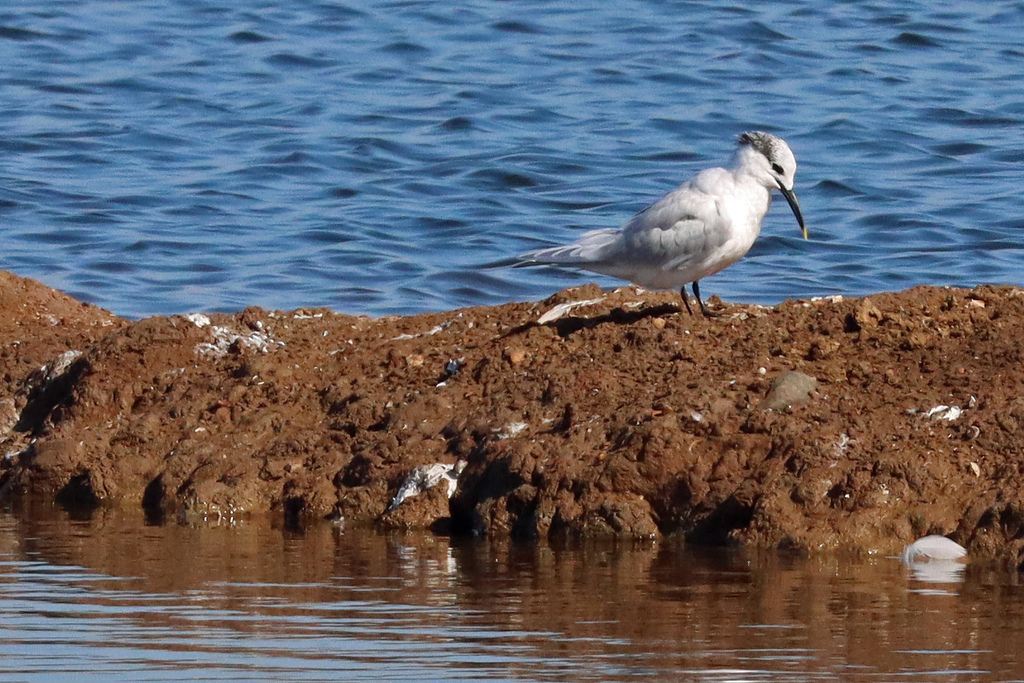
- Sandwich TernThalasseus sandvicensis
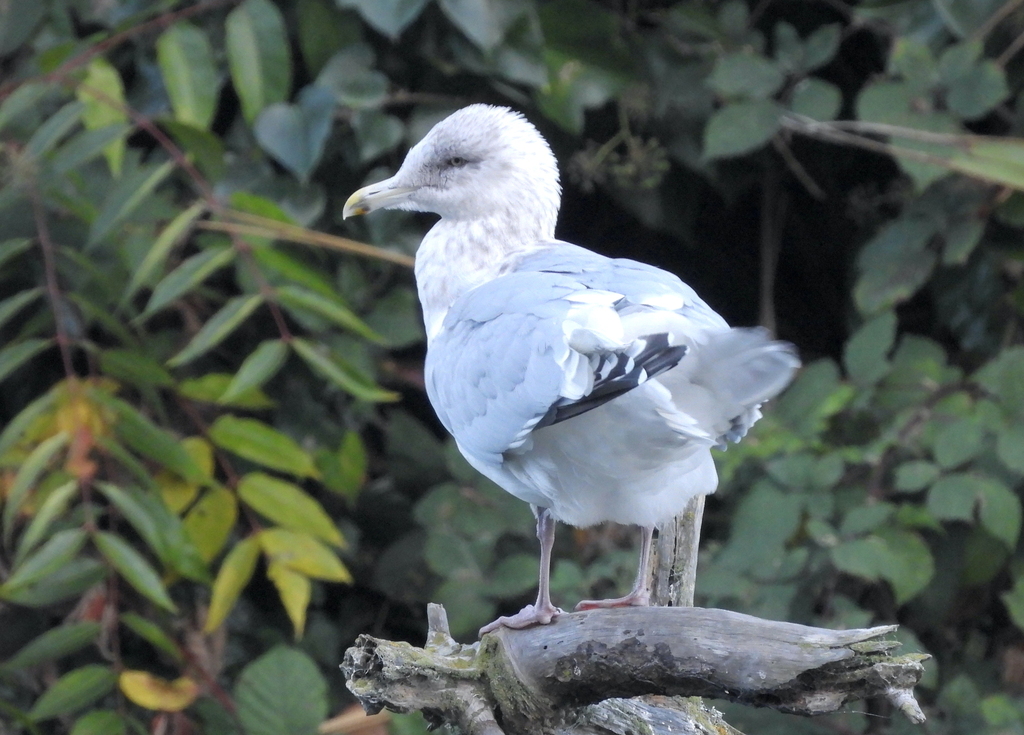
- Thayer's GullLarus thayeri
- Alder FlycatcherEmpidonax alnorum
- American WoodcockScolopax minor
- Baltimore OrioleIcterus galbula
- Black VultureCoragyps atratus
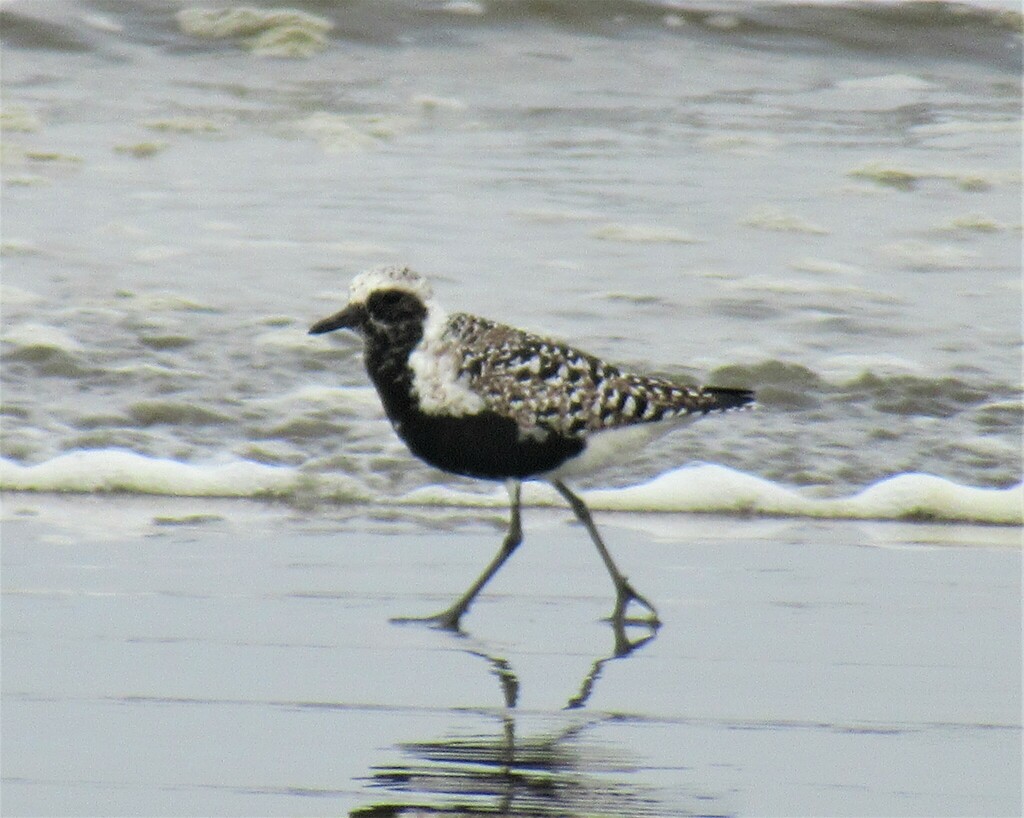
- Black-bellied PloverPluvialis squatarola
- Black-billed CuckooCoccyzus erythropthalmus
- Blue GrosbeakPasserina caerulea
- Blue-gray GnatcatcherPolioptila caerulea
- Blue-headed VireoVireo solitarius
- Brown-headed CowbirdMolothrus ater
- Carolina WrenThryothorus ludovicianus
- Cedar WaxwingBombycilla cedrorum
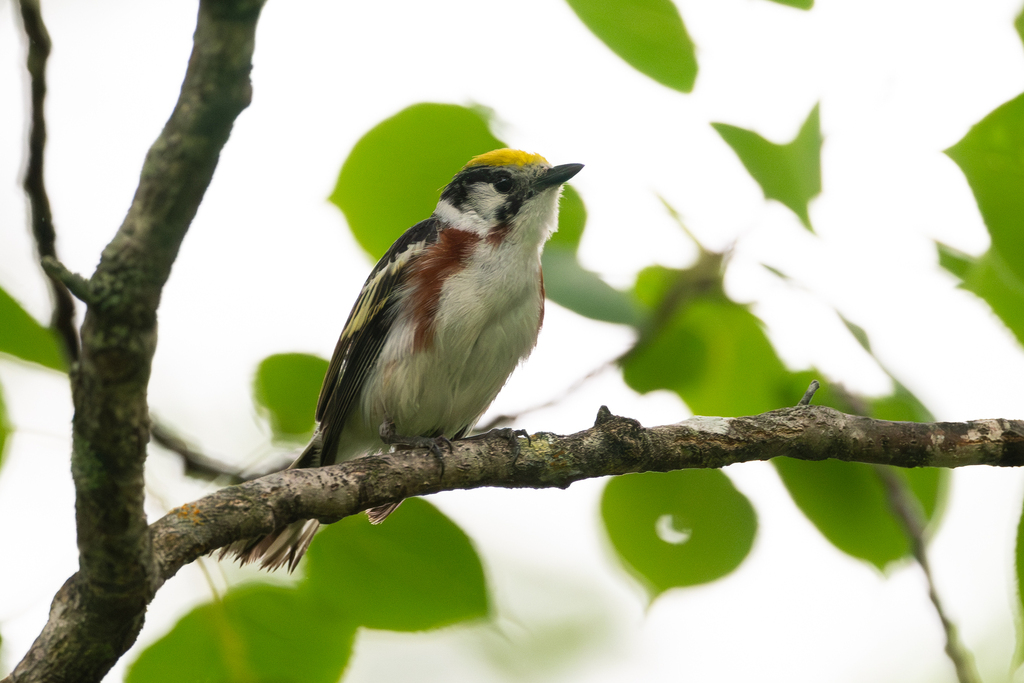
- Chestnut-sided WarblerDendroica pensylvanica
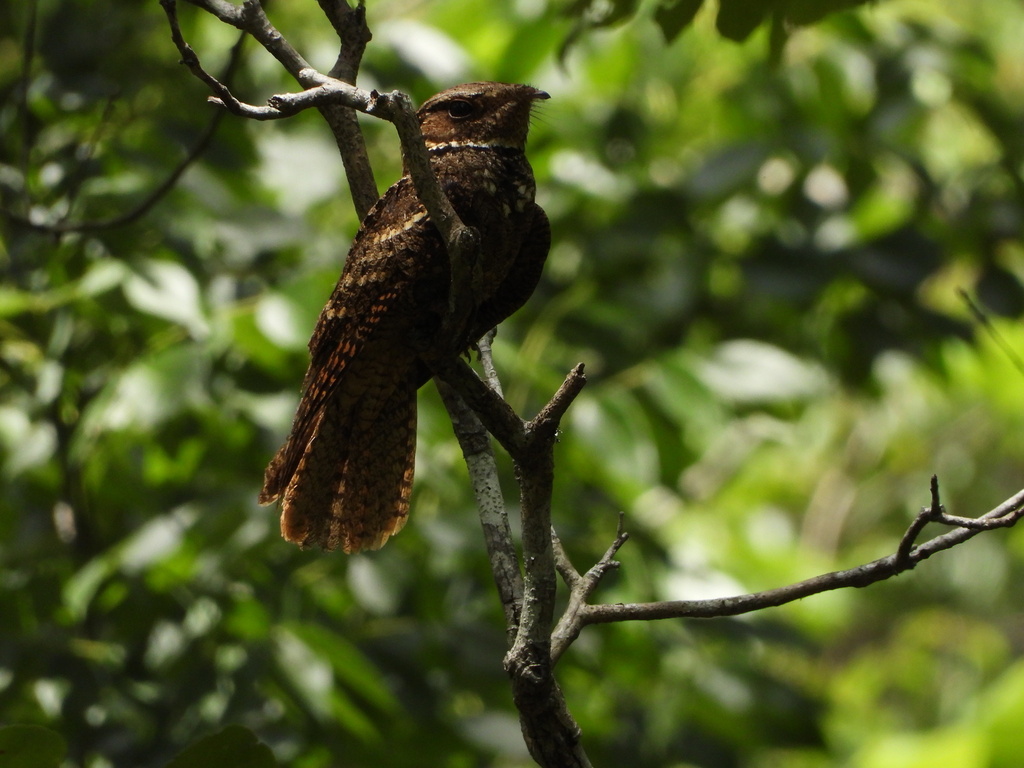
- Chuck-will's-widowCaprimulgus carolinensis
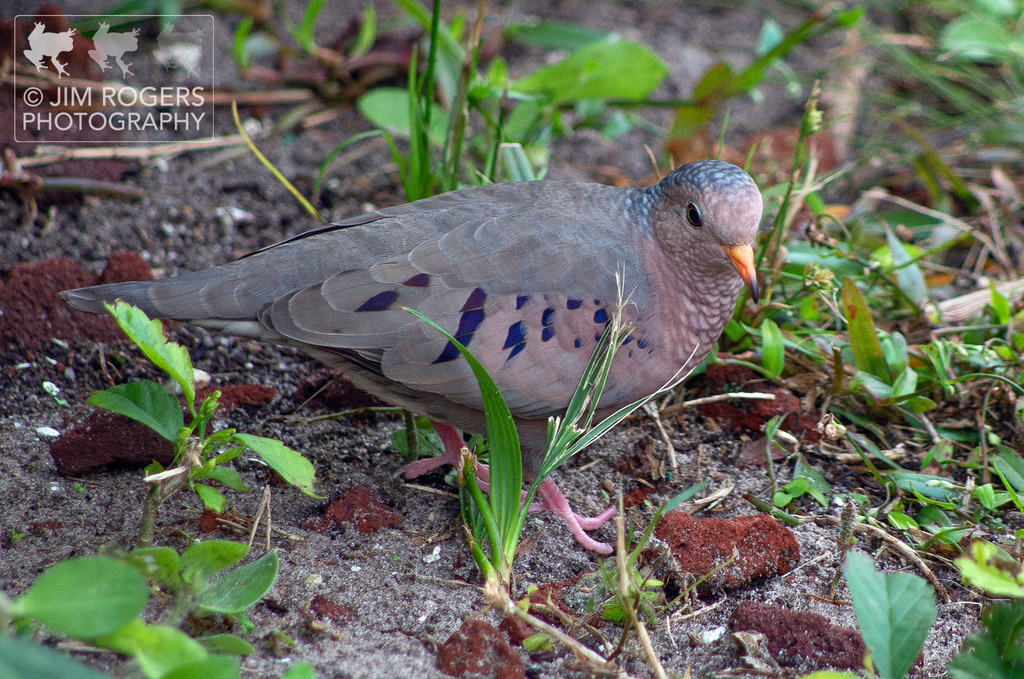
- Common Ground-doveColumbina passerina
- Dark-eyed JuncoJunco hyemalis
- Eastern Wood-peweeContopus virens
- Lark SparrowChondestes grammacus
- Least FlycatcherEmpidonax minimus
- Loggerhead ShrikeLanius ludovicianus
- Marbled GodwitLimosa fedoa













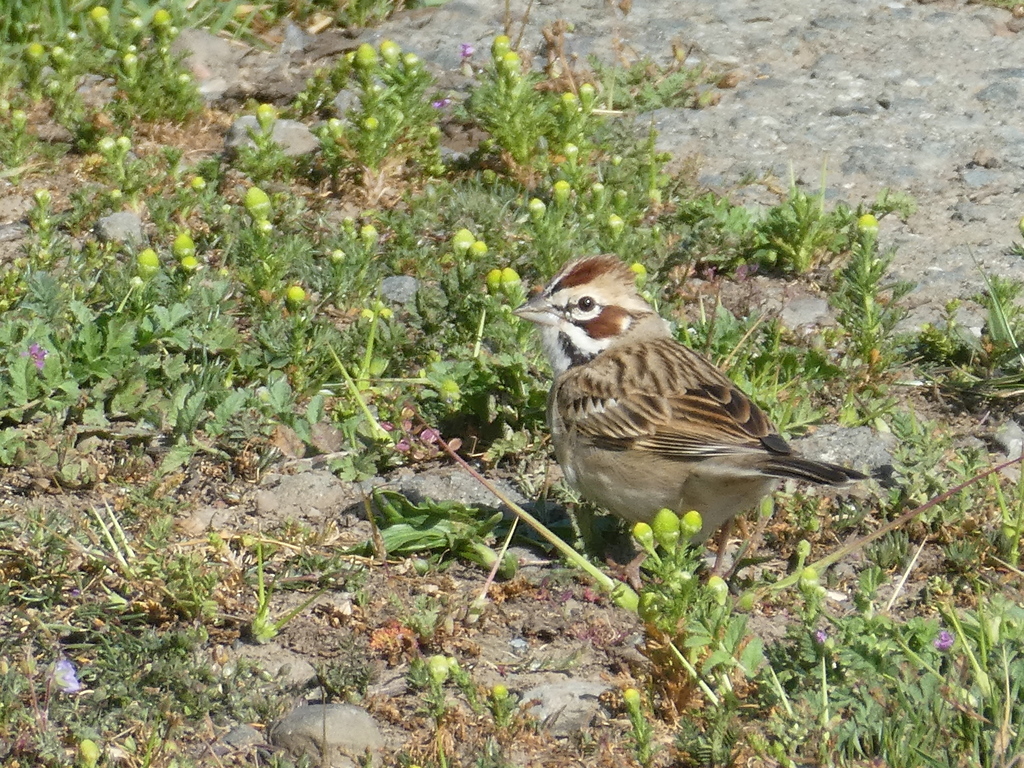
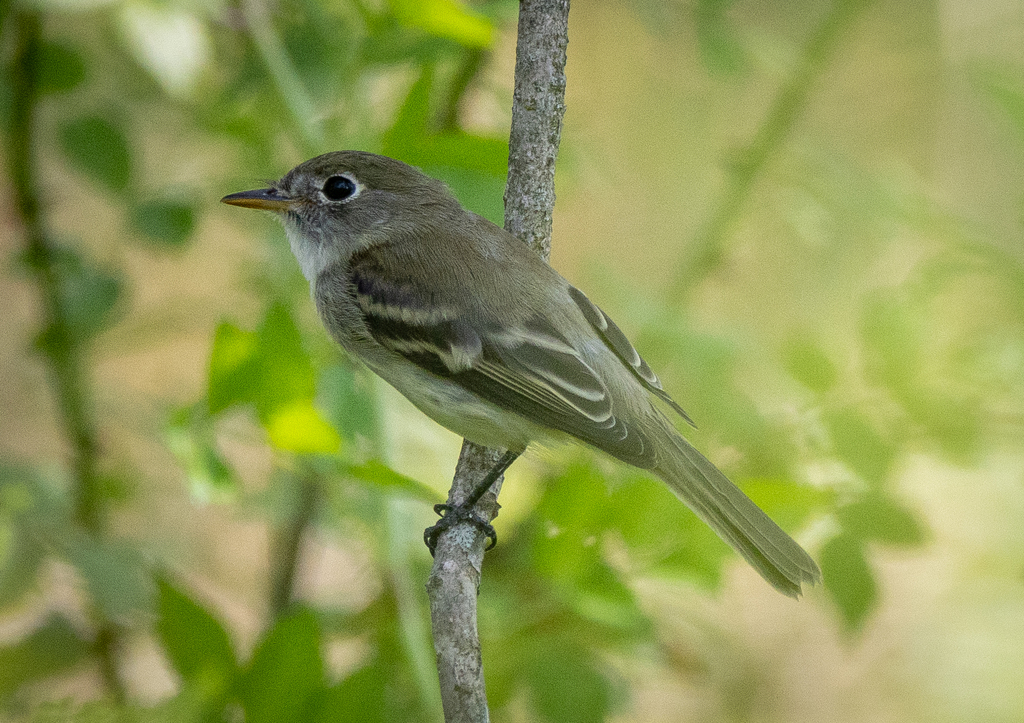
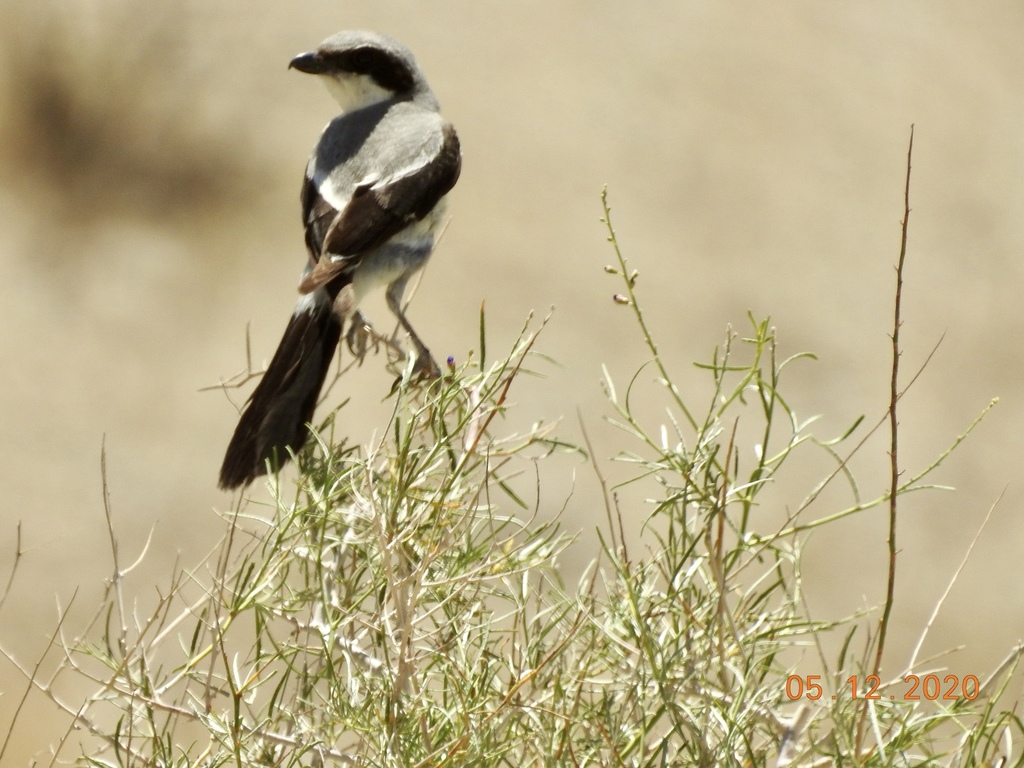
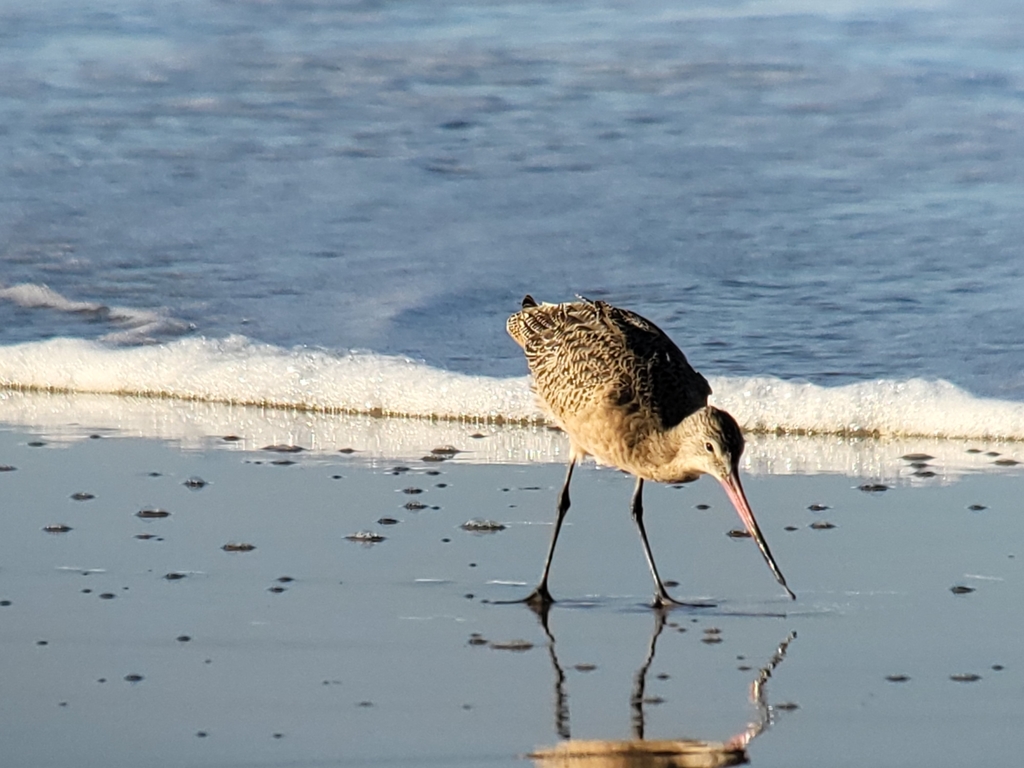
NatureServe Explorer, CC BY 4.0. USGS Gap Analysis Project habitat models.
Sources
- USGS Gap Analysis Project habitat models (2001)
- USGS GAP winter habitat model for American Pipit
- USGS Gap Analysis Project range maps (2001), modeled by watershed; migratory gives no dates
- NatureServe Explorer (CC BY 4.0), habitat names
- US Census TIGER/Line counties
- Names follow the USGS Gap Analysis Project (2001)