

Common Mullein
Verbascum thapsus
—
Not native
Not native to Alabama. How scores work Is it native here?
Profile 65%
- Height
- 3–10 feet
- Spread
- 2–3 feet
- Light
- Full sun
- Soil moisture
- Dry to average
No photograph yet. Looking for an old drawing…
Plant this instead
Choose your county to list local plants first.
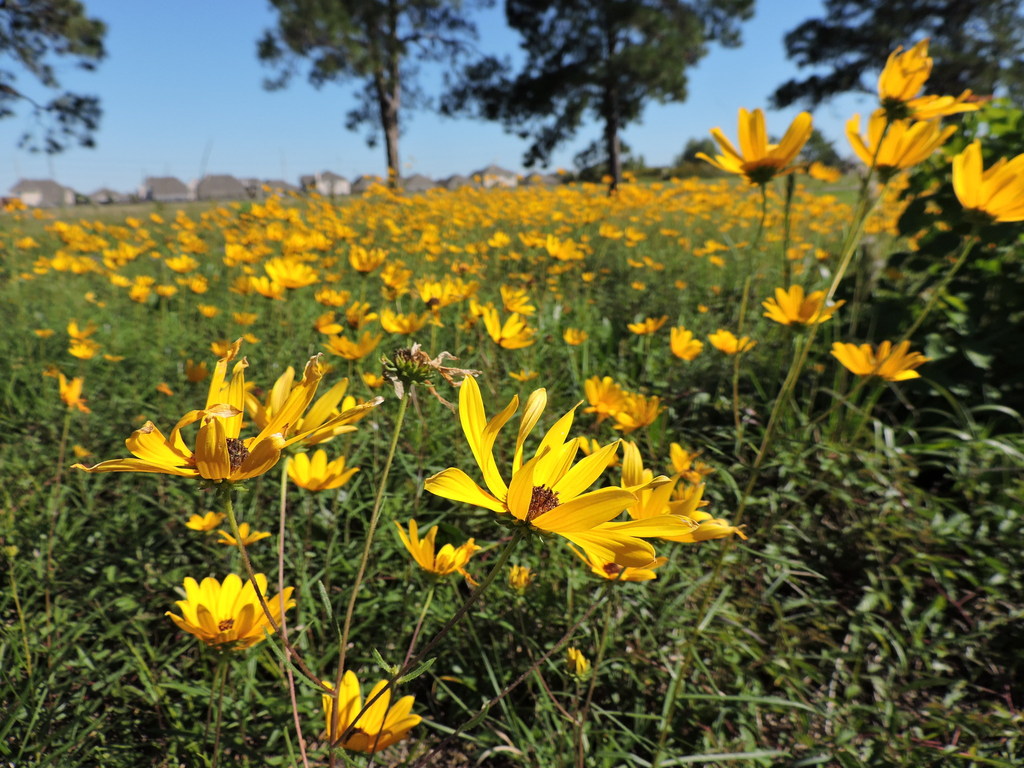
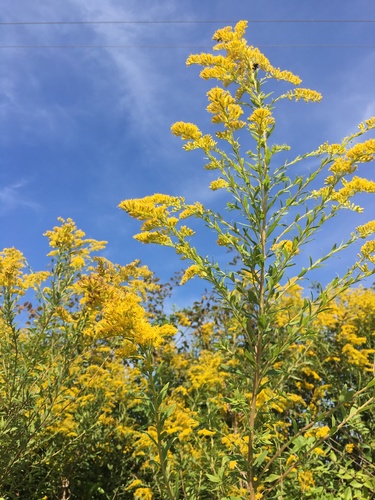
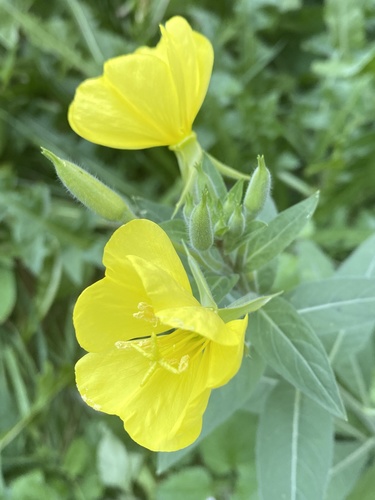
No recorded swaps for this county. Try the garden finder.
At a glance
- Life cycle
- Biennial
- Leaves
- Semi-evergreen or evergreen
Not yet recorded · Bloom
Recorded in 47 Alabama counties.
Also found with this plant
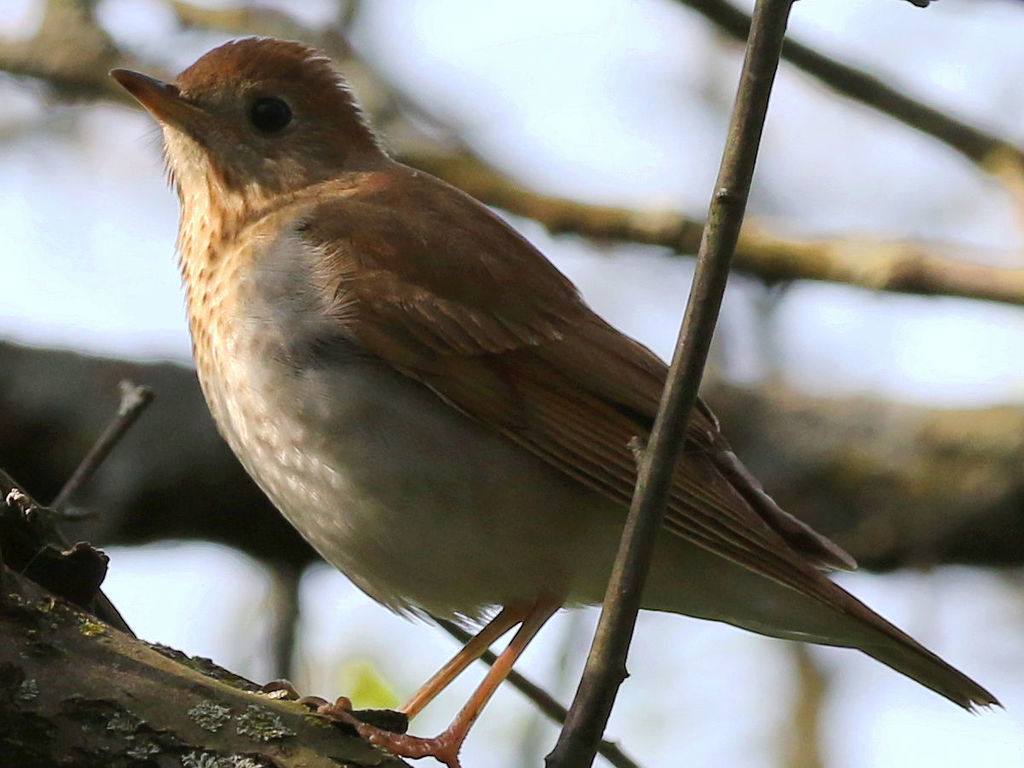
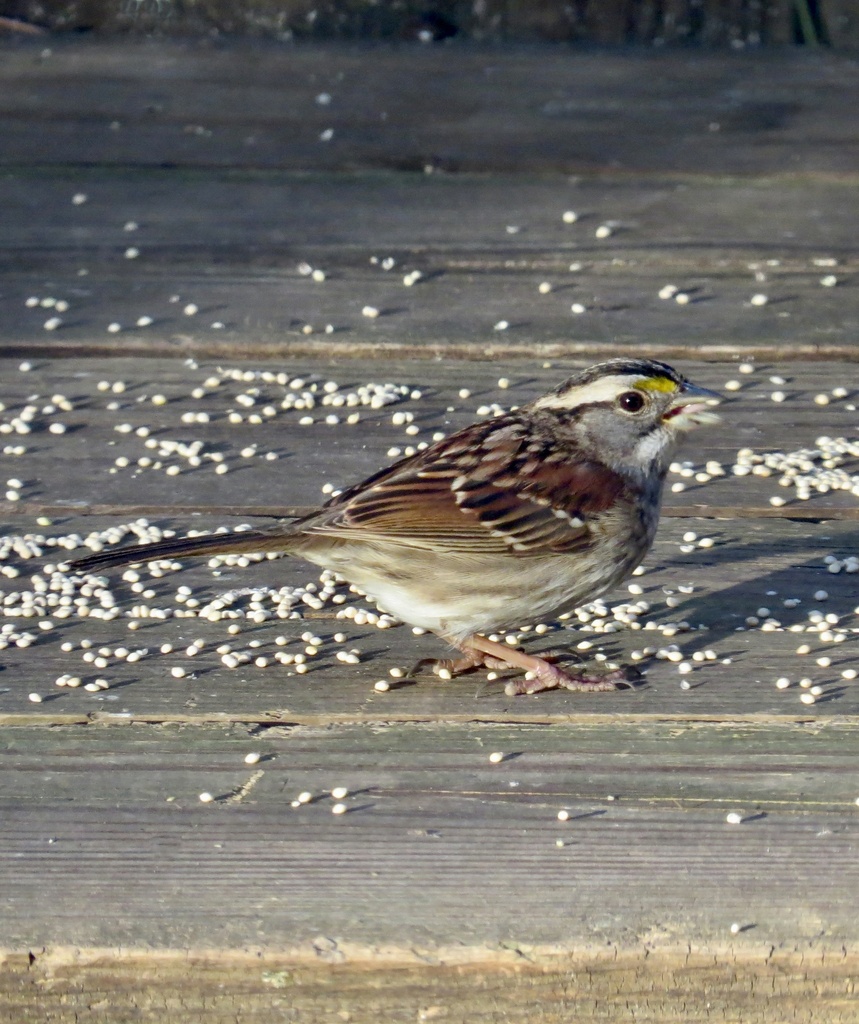
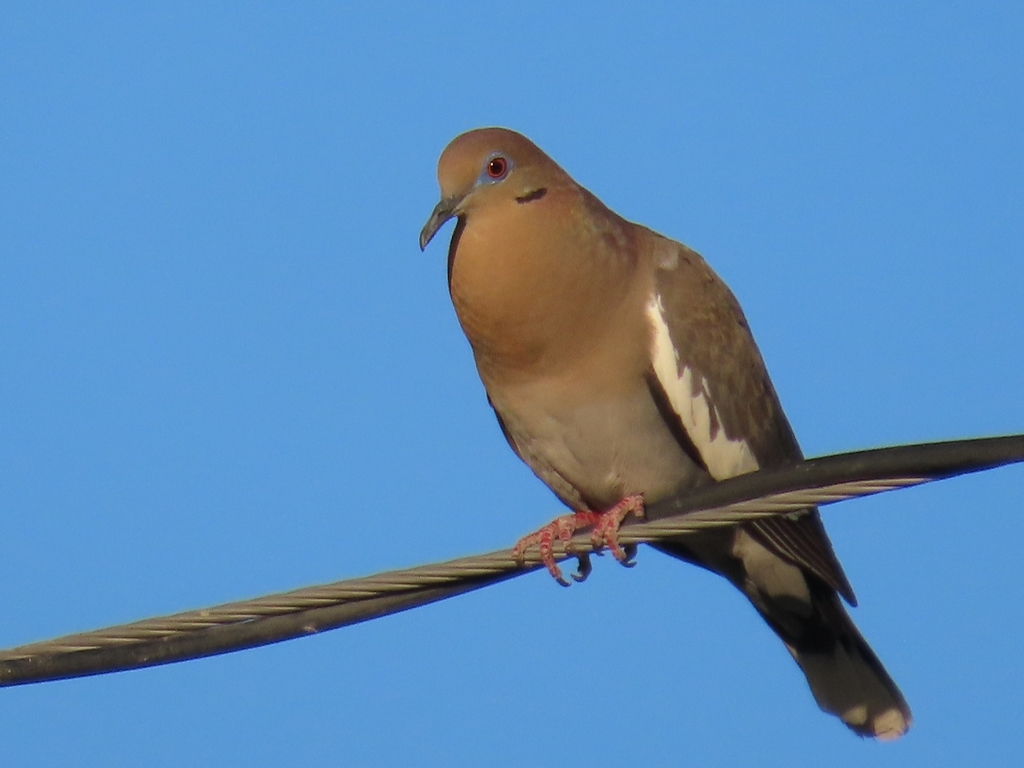
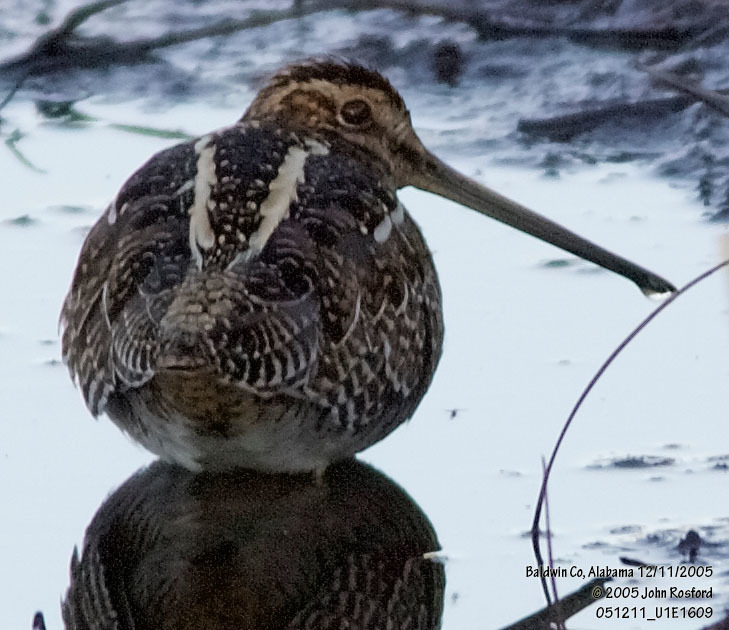
Wildlife whose habitat models include habitats this plant grows in, in Alabama. Shared habitat, not food. 117 animals.
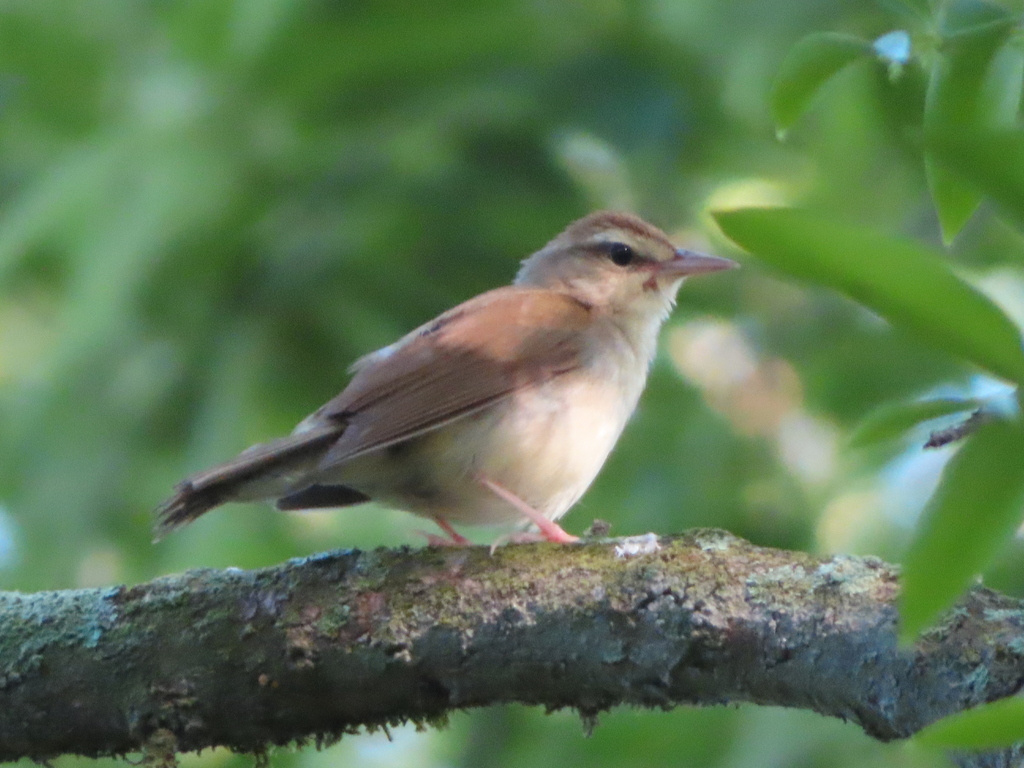
- Swainson's WarblerLimnothlypis swainsonii
- Tree SwallowTachycineta bicolor
- Tufted TitmouseBaeolophus bicolor
- Turkey VultureCathartes aura
- VeeryCatharus fuscescens
- White-breasted NuthatchSitta carolinensis
- White-eyed VireoVireo griseus
- White-throated SparrowZonotrichia albicollis
- White-winged DoveZenaida asiatica
- Wild TurkeyMeleagris gallopavo
- Willow FlycatcherEmpidonax traillii
- Wilson's SnipeGallinago delicata
- Wood DuckAix sponsa
- Wood ThrushHylocichla mustelina
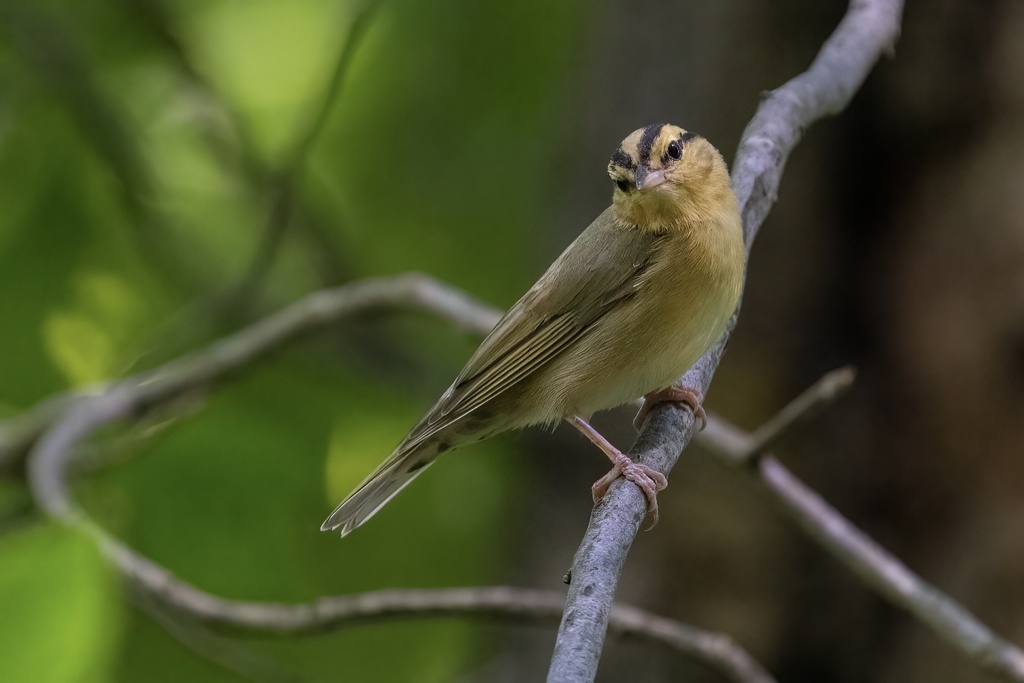
- Worm-eating WarblerHelmitheros vermivorum
- Yellow-bellied SapsuckerSphyrapicus varius
- Yellow-billed CuckooCoccyzus americanus
- Yellow-breasted ChatIcteria virens
- Yellow-crowned Night-heronNyctanassa violacea
- Yellow-rumped WarblerDendroica coronata
- Yellow-throated WarblerDendroica dominica














Ecological relationships
Who uses this plant?
 9CaterpillarsGenus host records with ranges including AL
Genus host records with ranges including AL · Verbascum
- Endothenia hebesanaVerbena Bud Moth
- Feltia jaculiferaDingy Cutworm
- Papaipema nebrisStalk Borer
- Platynota flavedanaBlack-Shaded Platynota
- Spodoptera frugiperdaFall Armyworm Moth
- Stenoptilodes taprobanesNarrow Plume Moth
- Strymon melinusGray Hairstreak
- Trichopolia oviducaRuddy Quaker
- Xestia dolosaGreater Black-Letter Dart, Greater Spotted Cutworm
 —BeesSoutheastern regional records
 —Specialist beesPollen specialists
 —BirdsRecorded genus food-resource interactions; not a state feeding claim
Growing and identification
Plant details
- Family
- Scrophulariaceae
- Hardiness
- Zones 3a–9b
- Soil pH
- Acidic to neutral
- Flower color
- Yellow
What its natural habitat tells you
Safety has not been reviewed for this plant; check toxicity and thorns before planting.
Growing sources and scope
- Flower color · “Yellow” · NC Extension Plant Toolbox
- Hardiness · “Zones 3a–9b” · NC Extension Plant Toolbox
- Height · “3–10 feet” · NC Extension Plant Toolbox (ranked first; Fire Effects Information System: Verbascum thapsus, Minnesota Wildflowers differ)
- Leaves · “Semi-evergreen or evergreen” · NC Extension Plant Toolbox
- Life cycle · “Biennial” · NC Extension Plant Toolbox
- Light · “Full sun (6 or more hours of direct sunlight a day)” · NC Extension Plant Toolbox
- primary_flower_color · “yellow” · NC Extension Plant Toolbox
- Soil · “Occasionally dry” · NC Extension Plant Toolbox
- Soil pH · “Acidic to neutral” · NC Extension Plant Toolbox
- Spread · “2–3 feet” · NC Extension Plant Toolbox
Also known as
Woolly Mullein
Conservation status
| Alabama rank | SNA |
|---|---|
| Global rank | GNR |
| AL status | Not verified |
| Federal status | Not verified |
Sources
- Alabama Plant Atlas
- USDA PLANTS
- NatureServe Explorer
- Shropshire & Tallamy 2025, Lepidoptera of North America north of Mexico, ZooKeys 1261 (ODbL)
- Noori, Seltmann & Orr 2026, A curated and integrated dataset for exploring global bee-plant interactions (GloBI), Zenodo, CC BY 4.0
- Smith, Bachelder, Russell, Morales, Mosher & Seltmann 2024, Bee-Specialization-Modeling v0.6.1 (specialist host table compiled from J. Fowler's pollen specialist bee lists), Zenodo, CC BY 4.0
- Hurlbert, Olsen, Sawyer & Winner 2021, Avian Diet Database, Scientific Data 8: 260 (CC0)
- Narango, Tallamy & Shropshire 2020, Few keystone plant genera support the majority of Lepidoptera species, Nature Communications