

Seashore Dropseed
Sporobolus virginicus
Found in salt marshes, tidal mud flats, and low dunes in the outer Coastal Plain. Weakley, Flora of the Southeastern United States (2025), South Central edition What its natural habitat tells you
Native to Alabama. How scores work Is it native here?
Profile 94%
- Height
- About 2 feet
- Light
- Full sun
- Soil moisture
- Moist to wet
No photograph yet. Looking for an old drawing…
At a glance
- Bloom
- Summer
- Fruiting season
- Summer to fall
Not yet recorded · Spread · Life cycle · Leaves
Recorded in 2 Alabama counties.
Natural habitats
Places it grows wild. Not a planting requirement. Each habitat page lists the plants and wildlife also found there.
Coastal marshes flooded by salty or brackish tides.
Salt and brackish open water of sounds, bays and estuaries, with the mud and sand flats and seagrass beds that tides cover and uncover; the vegetated marsh is salt and brackish marshes.
Open sand of beaches, dunes and the hollows between them.
Also found with this plant
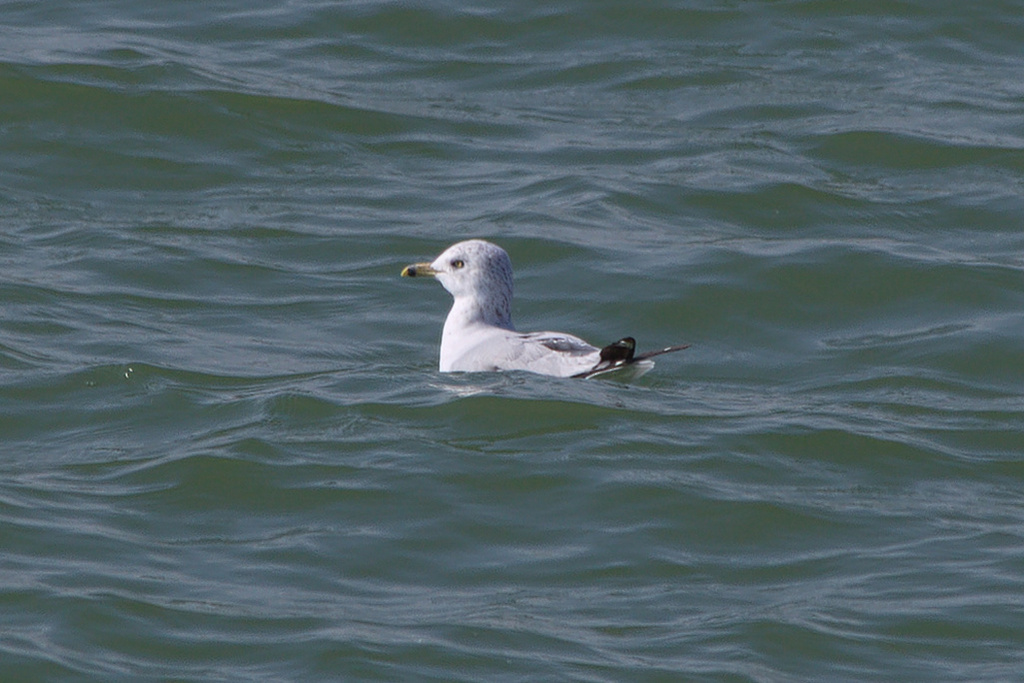
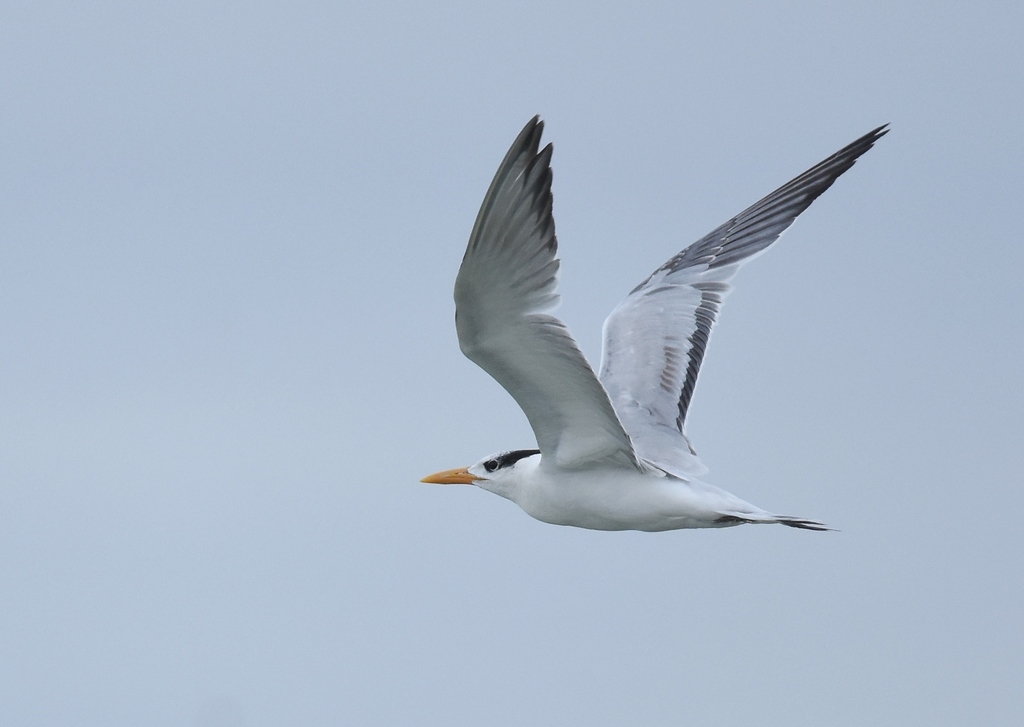
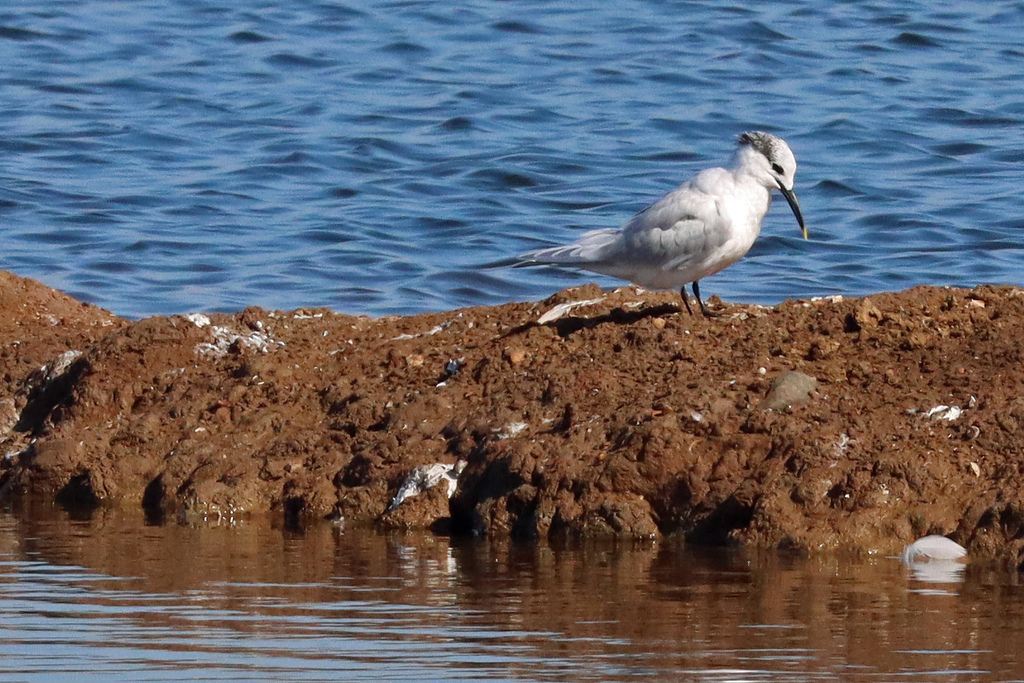
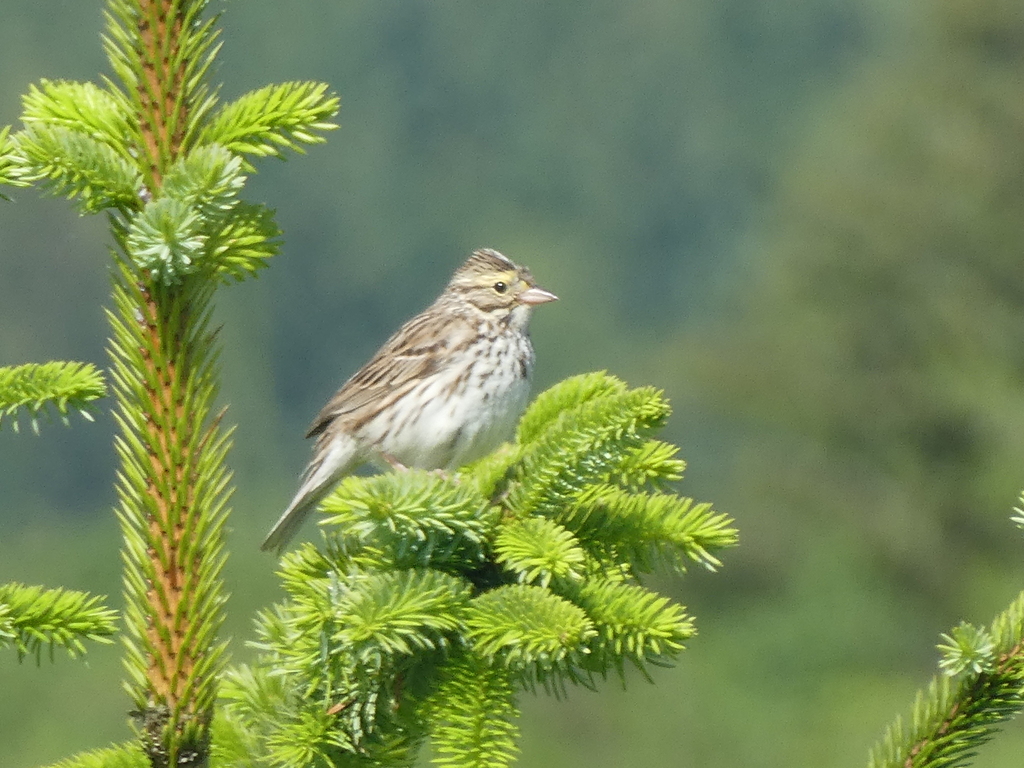
Wildlife whose habitat models include habitats this plant grows in, in Alabama. Shared habitat, not food. 142 animals.
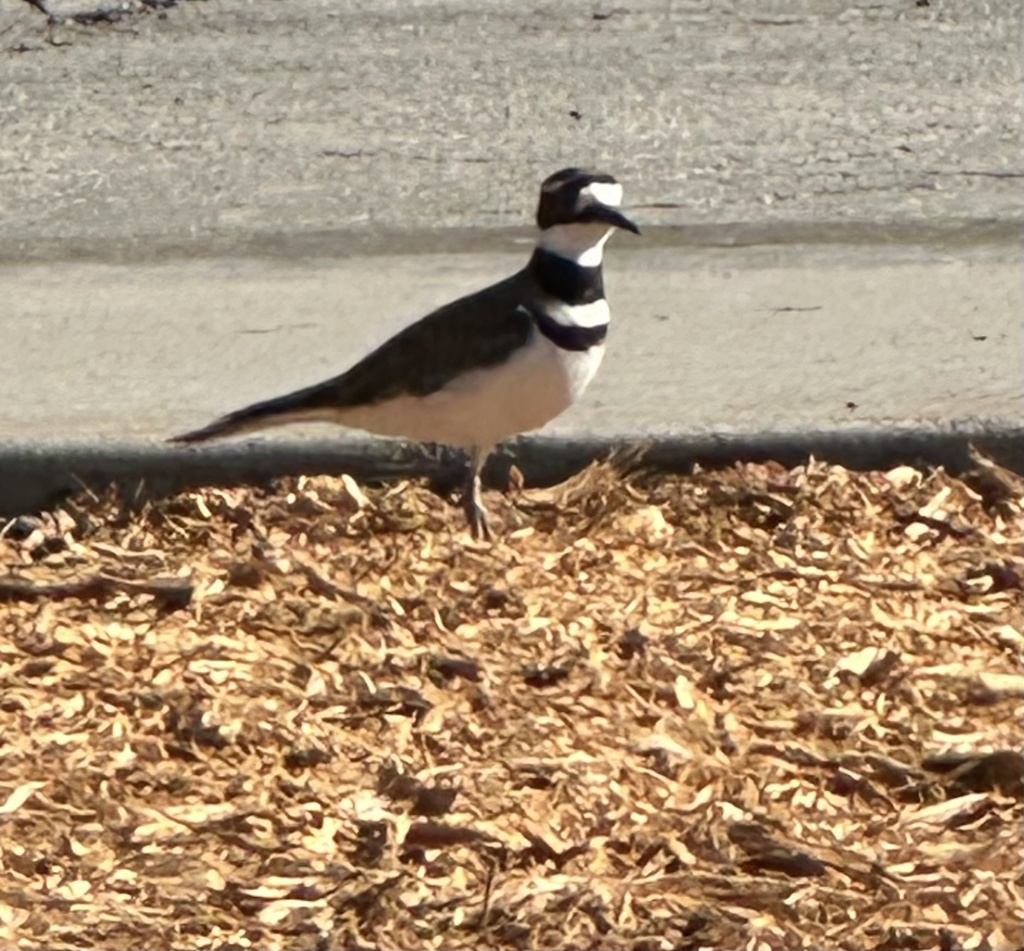
- KilldeerCharadrius vociferus
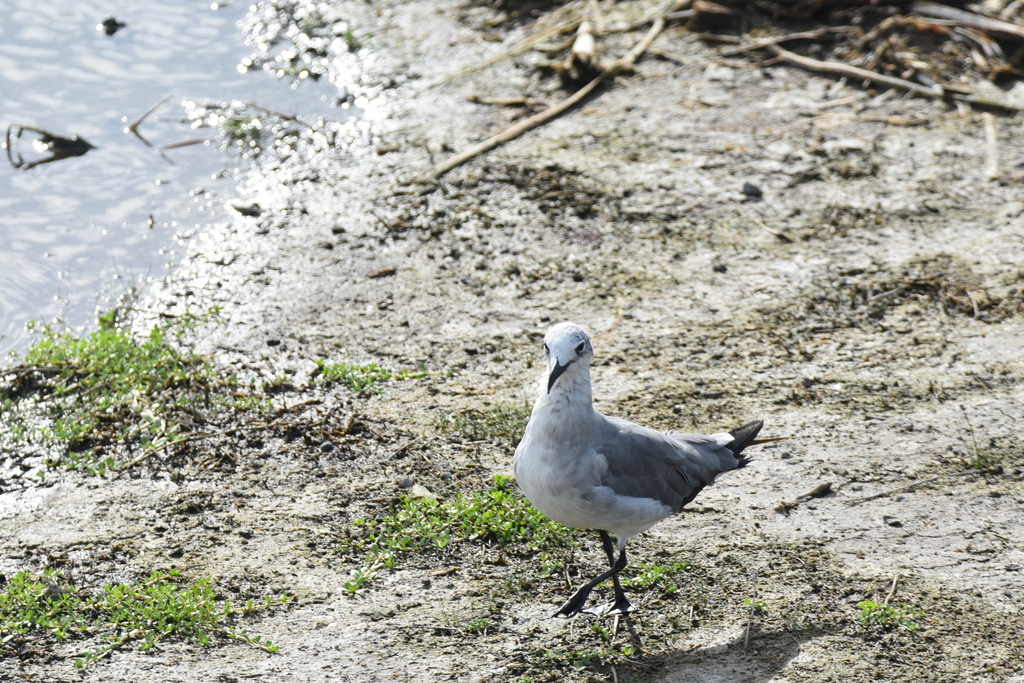
- Laughing GullLeucophaeus atricilla
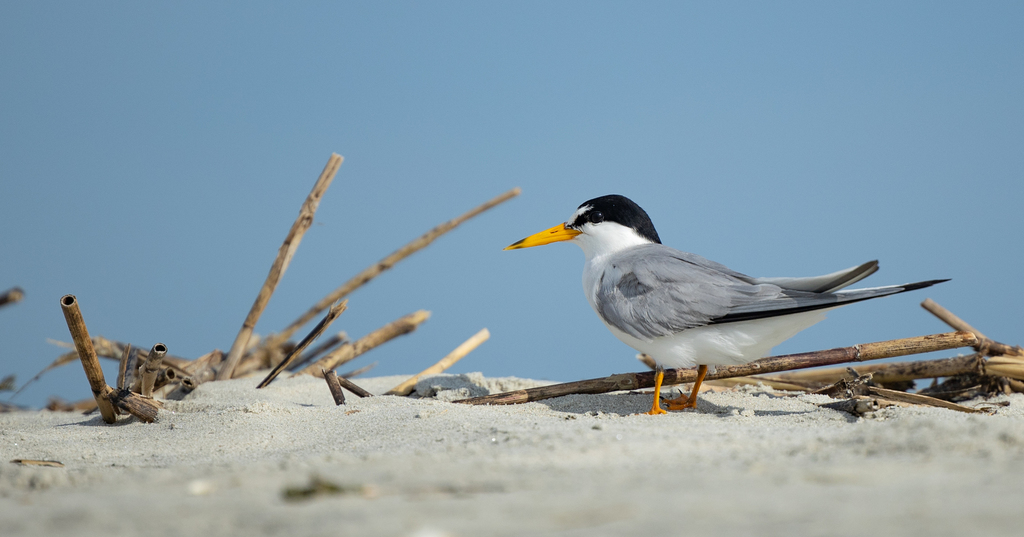
- Least TernSternula antillarum
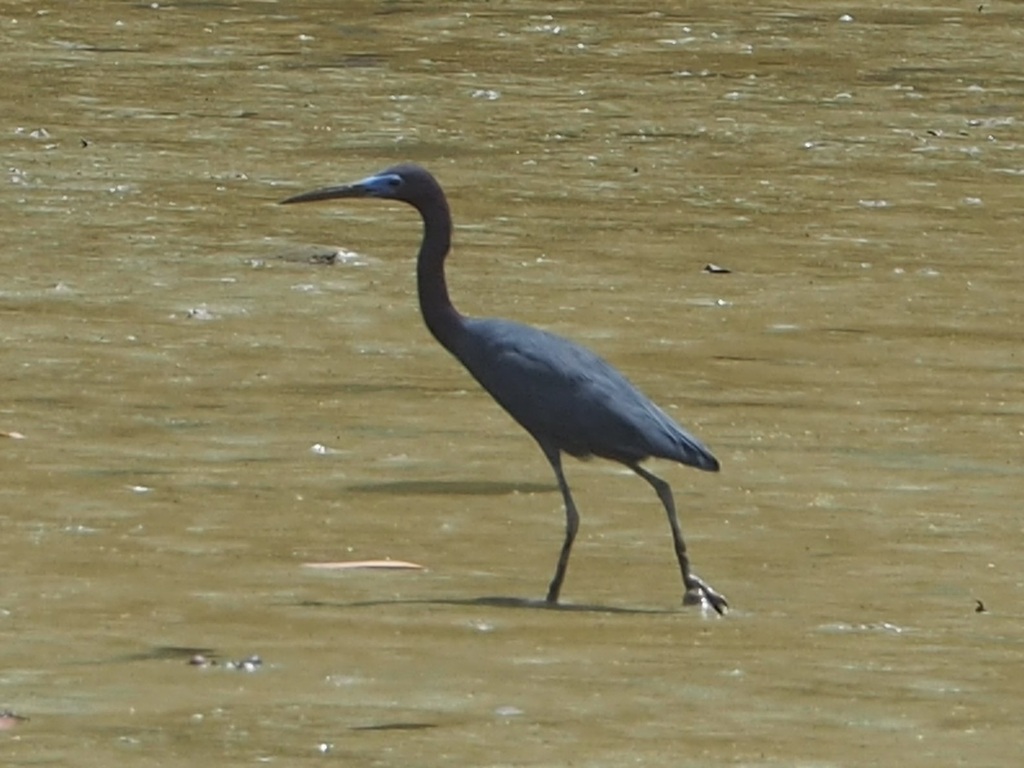
- Little Blue HeronEgretta caerulea
- Long-billed DowitcherLimnodromus scolopaceus
- Marbled GodwitLimosa fedoa
- Northern Rough-winged SwallowStelgidopteryx serripennis
- Palm WarblerDendroica palmarum
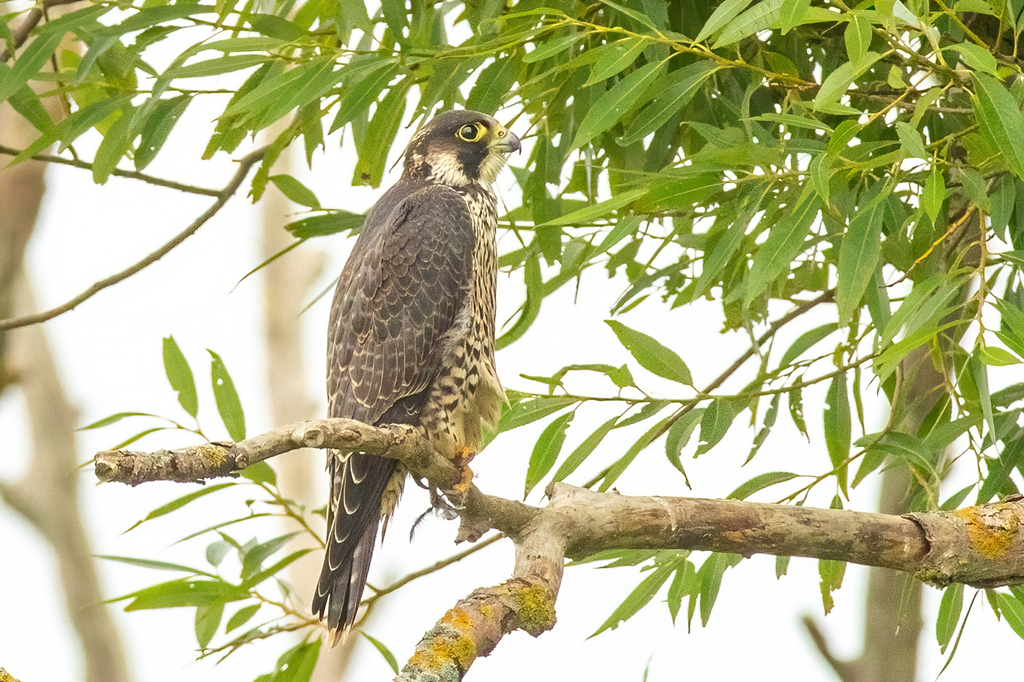
- Peregrine FalconFalco peregrinus
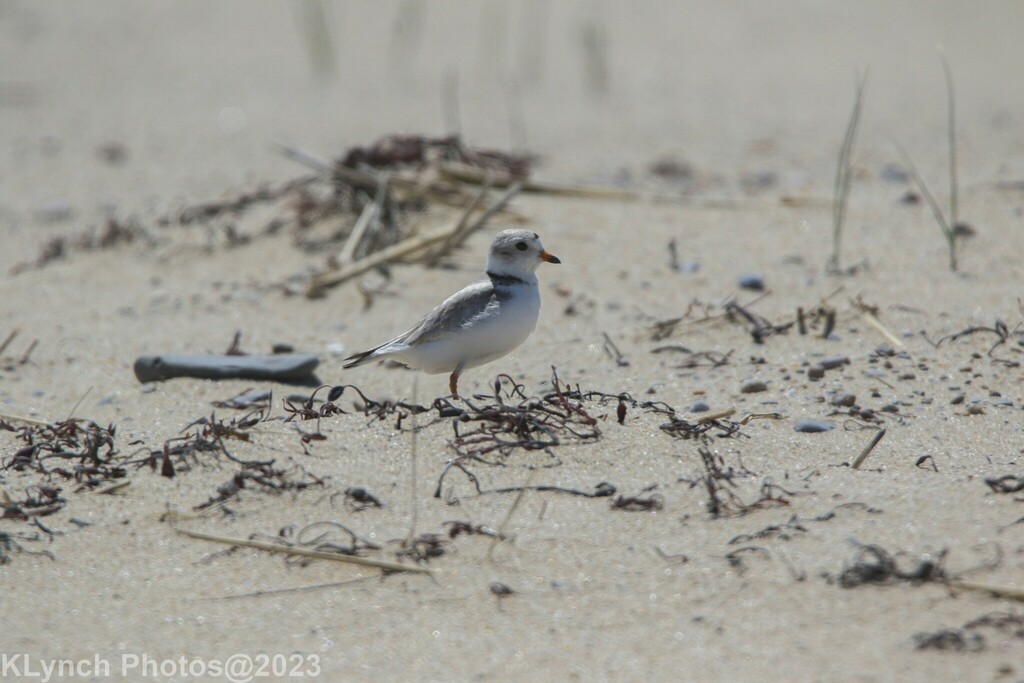
- Piping PloverCharadrius melodus
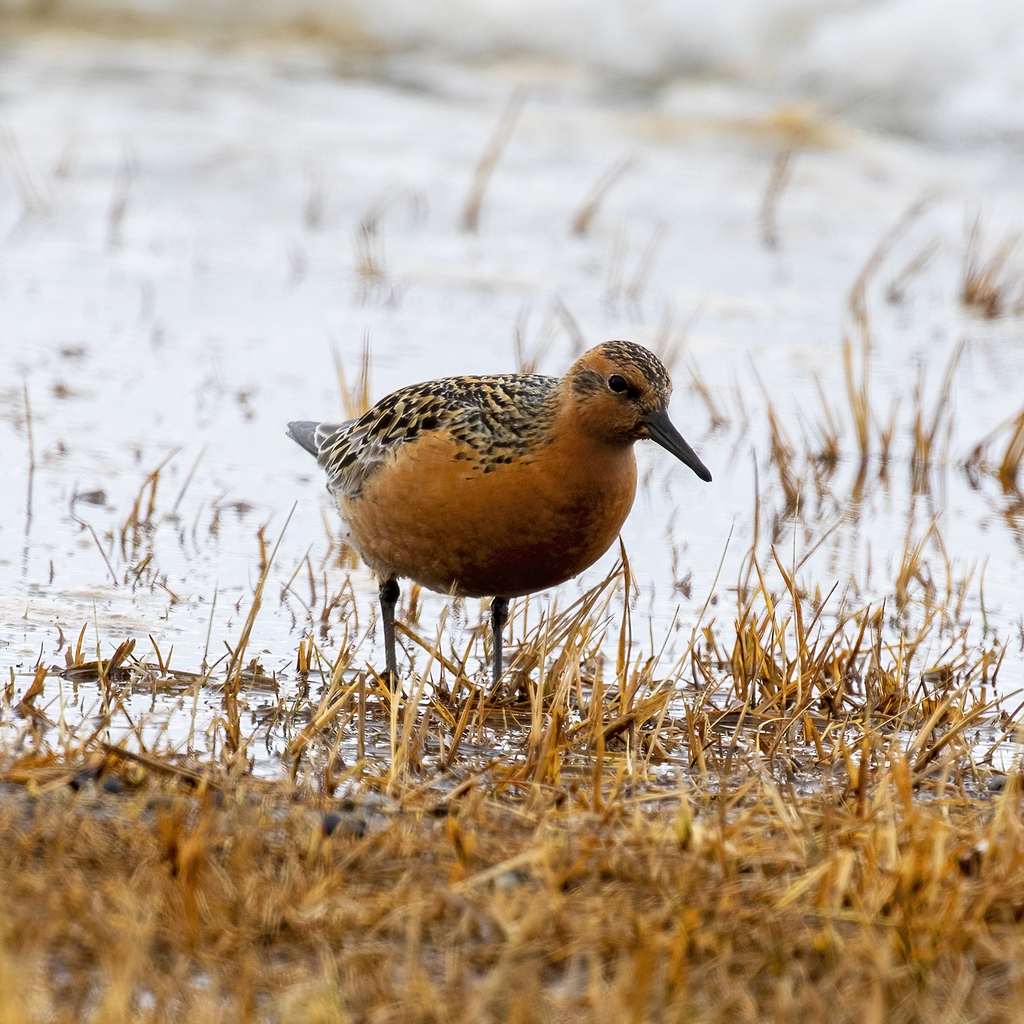
- Red KnotCalidris canutus
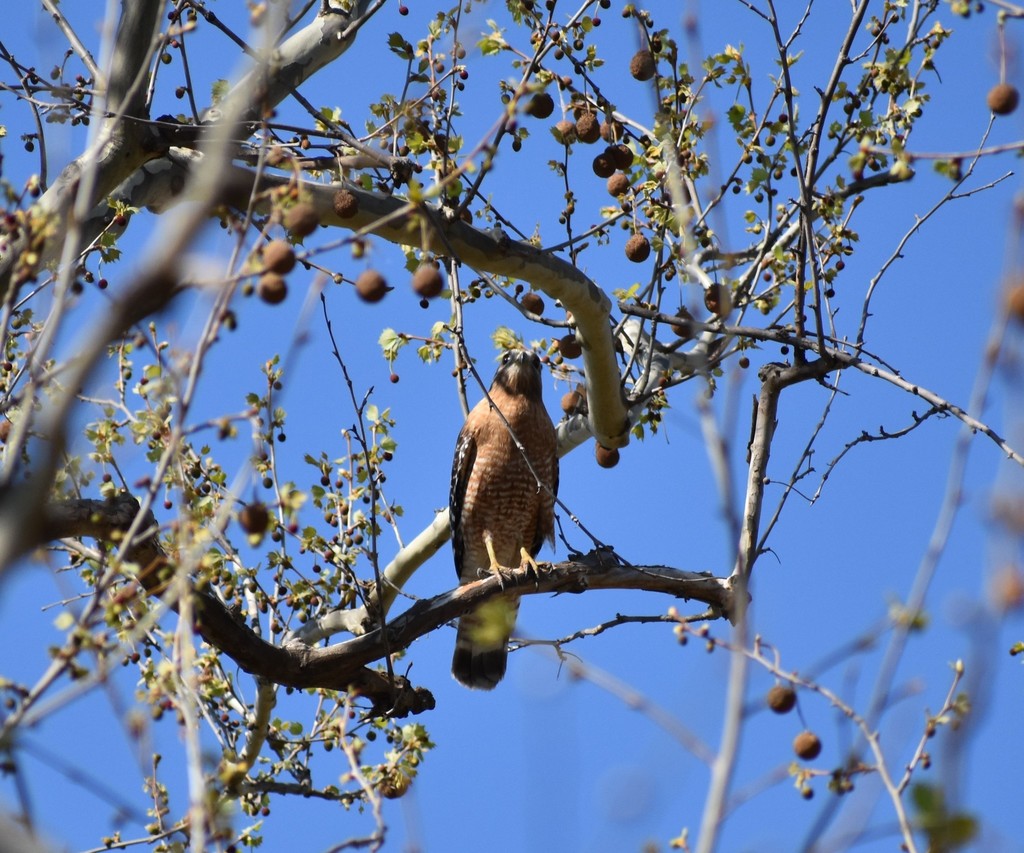
- Red-shouldered HawkButeo lineatus
- Red-tailed HawkButeo jamaicensis
- Red-winged BlackbirdAgelaius phoeniceus
- Ring-billed GullLarus delawarensis
- Royal TernThalasseus maximus
- Sandwich TernThalasseus sandvicensis
- Savannah SparrowPasserculus sandwichensis
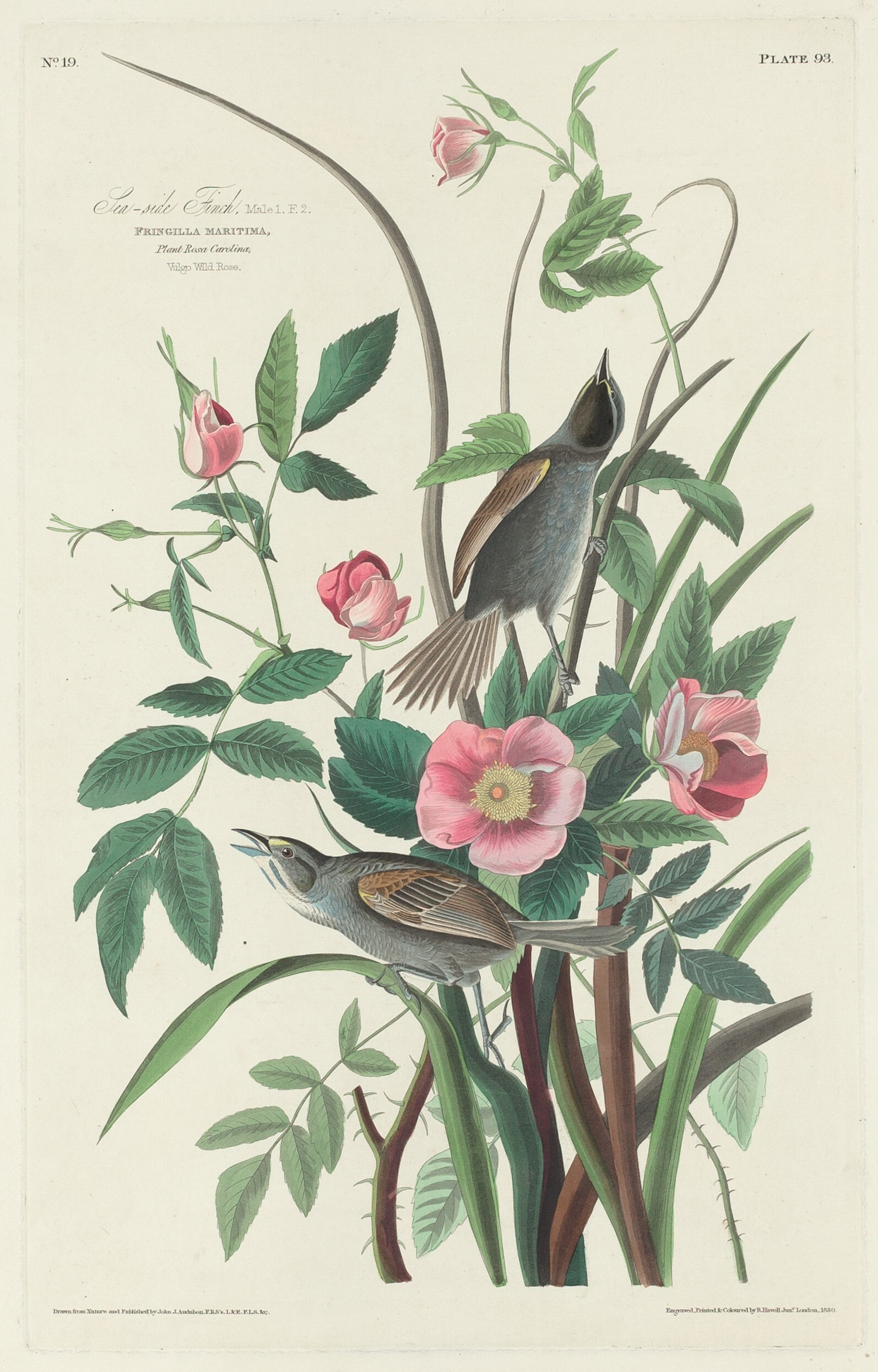
- Seaside SparrowAmmodramus maritimus
- Sharp-shinned HawkAccipiter striatus
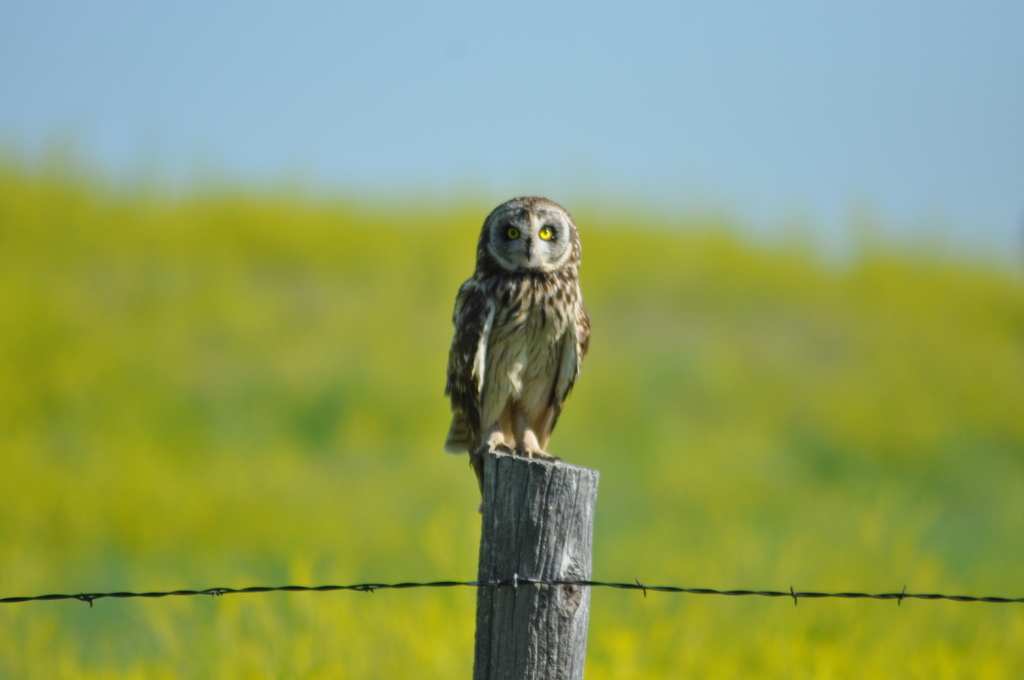
- Short-eared OwlAsio flammeus
- Song SparrowMelospiza melodia
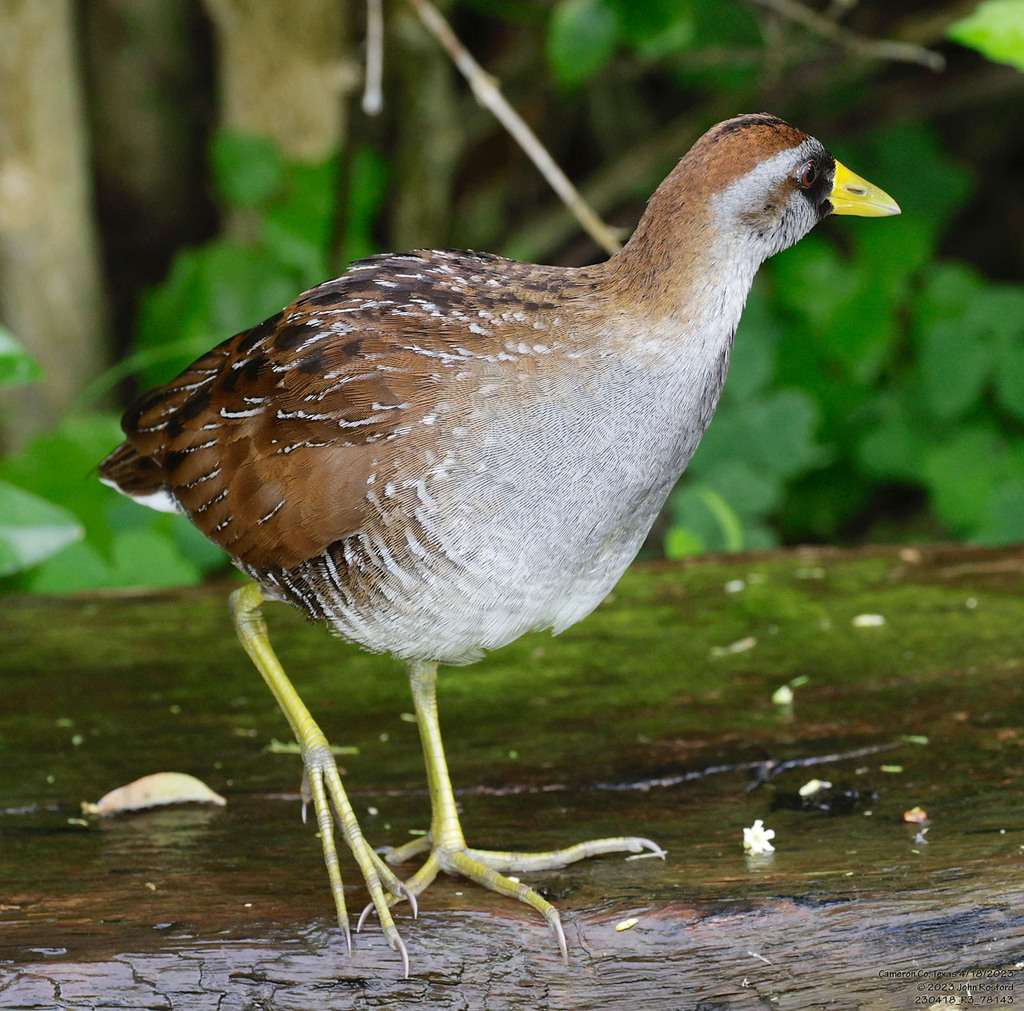
- SoraPorzana carolina
- Spotted SandpiperActitis macularius
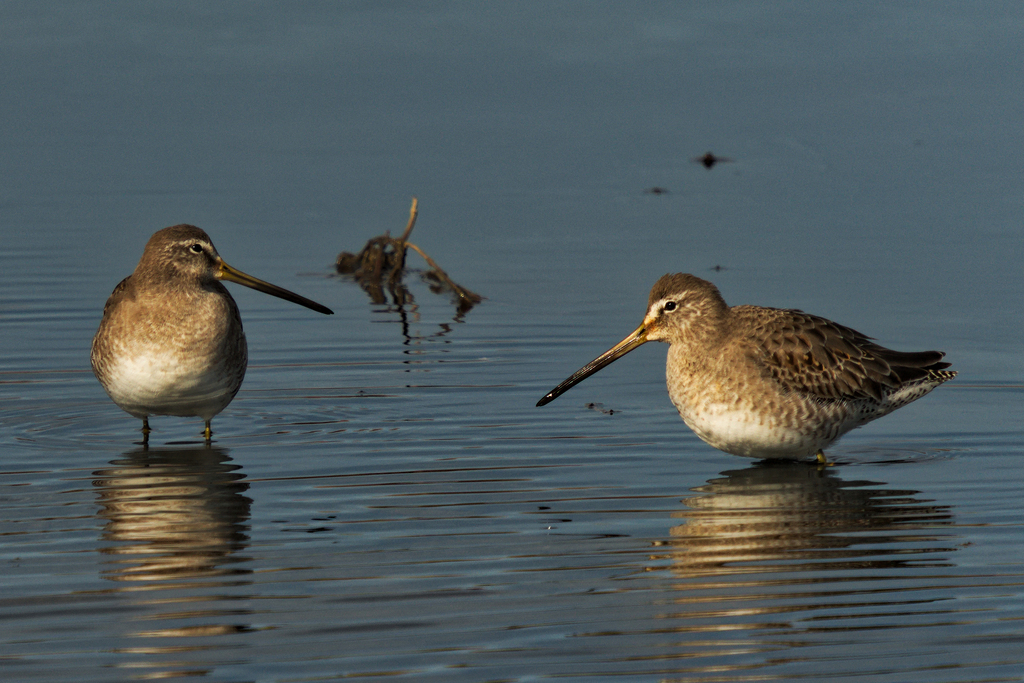
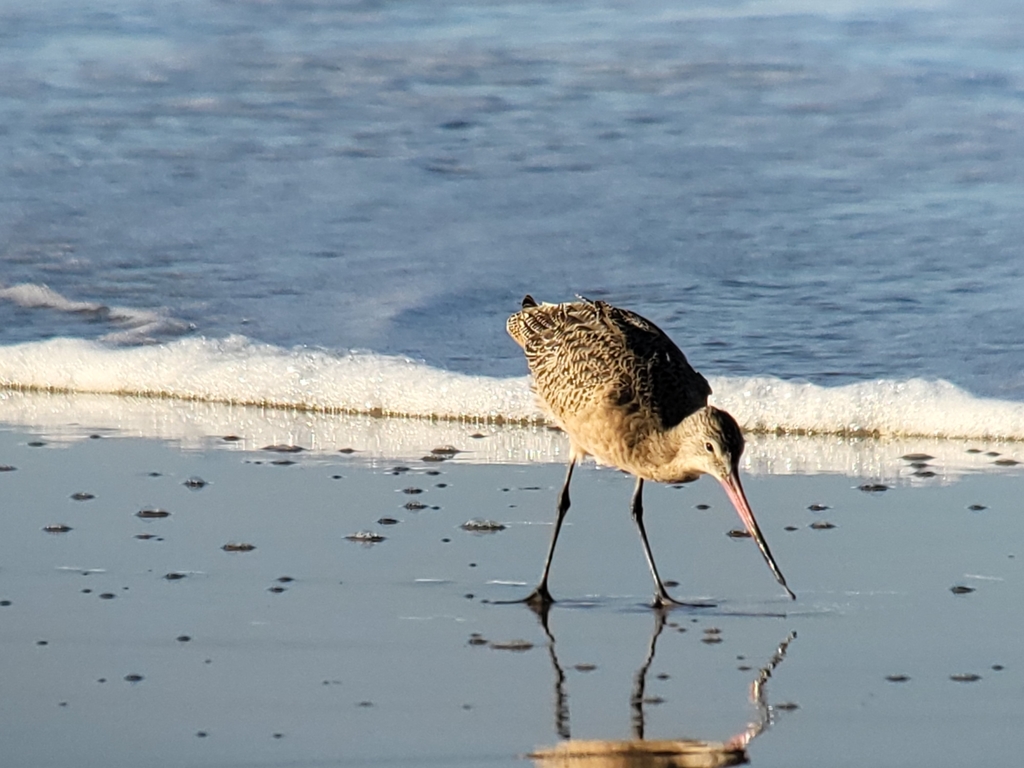
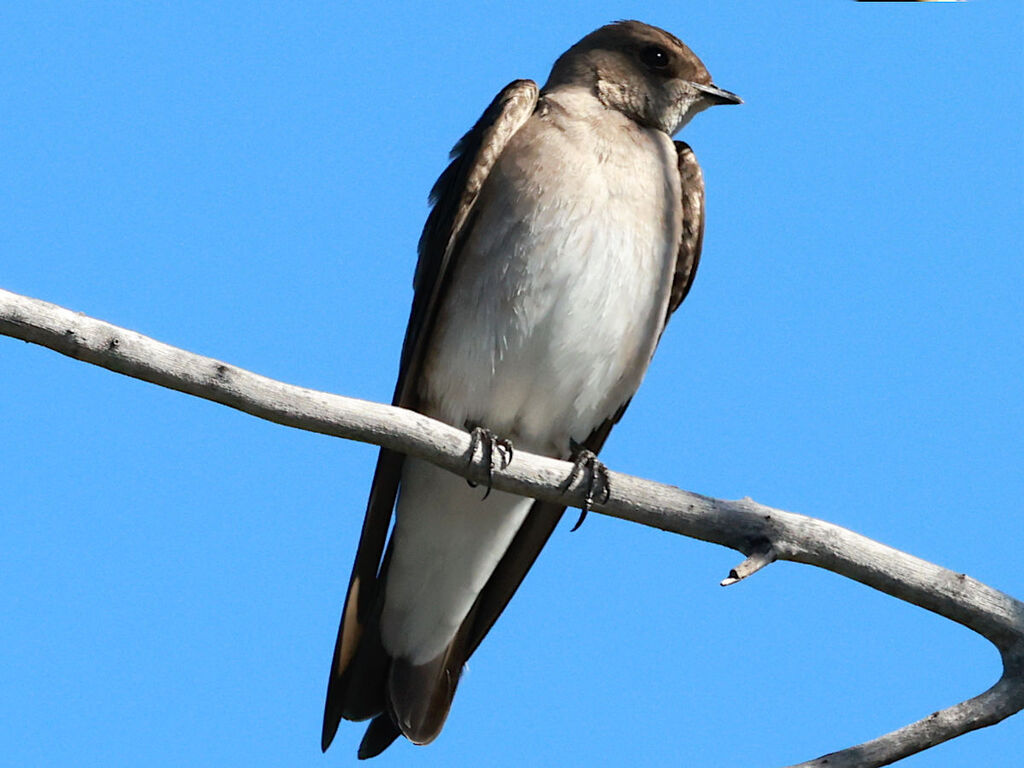
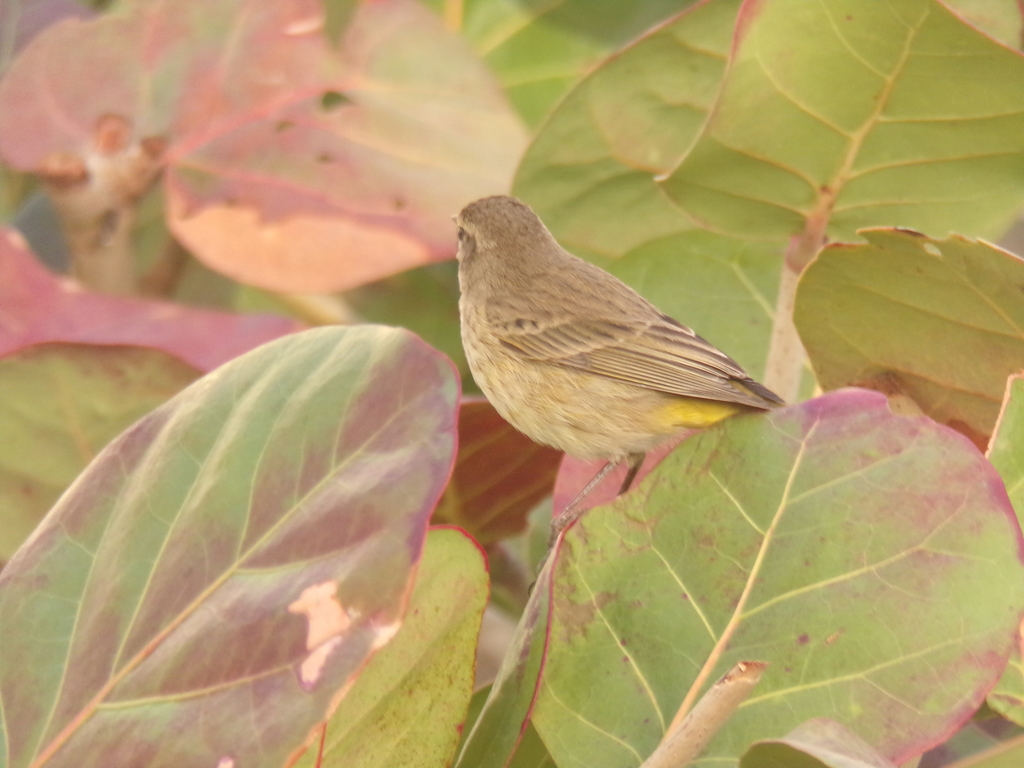





Who uses this plant?
 2CaterpillarsGenus host records with ranges including AL
Genus host records with ranges including AL · Sporobolus
- Hesperia leonardusLeonard's Skipper, Blazing Star Skipper, Pawnee Prairie Skipper, Pawnee Montane Skipper
- Spodoptera frugiperdaFall Armyworm Moth
 1BeesSoutheastern regional records
Southeastern regional records · Sporobolus
Individual names are not available yet.
Noori, Seltmann & Orr 2026, A curated and integrated dataset for exploring global bee-plant interactions (GloBI), Zenodo, CC BY 4.0 0Specialist beesPollen specialists
 10BirdsRecorded genus food-resource interactions; not a state feeding claim
Recorded genus food-resource interactions; not a state feeding claim · Sporobolus
- Agelaius phoeniceusRed-winged Blackbird
- Ammospiza leconteiiLeConte's Sparrow
- Calcarius ornatusChestnut-collared Longspur
- Calcarius pictusSmith's Longspur
- Catharus fuscescensVeery
- Euphagus cyanocephalusBrewer's Blackbird
- Meleagris gallopavoWild Turkey
- Molothrus aterBrown-headed Cowbird
- Plectrophenax nivalisSnow Bunting
- Pooecetes gramineusVesper Sparrow
Direct food only: birds recorded eating this genus across North America. Caterpillars on host plants also feed nesting birds. NC Native Plant Society: butterfly gardening
No records yet · Ants · Beetles · Flies · Adult butterflies / moths · Other wasps · Other insects
Plant details
- Family
- Poaceae
- Flower color
- Brown
- Growth rate
- Moderate
- Growth habit
- Spreads by rhizomes
- Foliage color
- Green
- Fruit begins
- Summer
- Fruit ends
- Fall
Safety has not been reviewed for this plant; check toxicity and thorns before planting.
Growing sources and scope
- Bloom · “Summer” · USDA PLANTS · Nationwide species characteristics; local growing conditions may vary
- Flower color · “Brown” · USDA PLANTS · Nationwide species characteristics; local growing conditions may vary
- Foliage color · “Green” · USDA PLANTS · Nationwide species characteristics; local growing conditions may vary
- Fruit begins · “Summer” · USDA PLANTS · Nationwide species characteristics; local growing conditions may vary
- Fruit ends · “Fall” · USDA PLANTS · Nationwide species characteristics; local growing conditions may vary
- Growth habit · “Spreads by rhizomes” · USDA PLANTS · Nationwide species characteristics; local growing conditions may vary
- Growth rate · “Moderate” · USDA PLANTS · Nationwide species characteristics; local growing conditions may vary
- Height · “About 2 feet” · USDA PLANTS · Nationwide species characteristics; local growing conditions may vary
- Light · “Full sun (documented habitat)” · Weakley, Flora of the Southeastern United States (2025), Carolinas & Georgia edition · Carolinas and Georgia
- Soil · “Moist; Wet (documented habitat)” · Weakley, Flora of the Southeastern United States (2025), Carolinas & Georgia edition · Carolinas and Georgia
Conservation status
| Alabama rank | SNR |
|---|---|
| Global rank | G5 |
| AL status | Not verified |
| Federal status | Not verified |
Will it fit your yard?
Check this plant against your county, sun and soil moisture. Conditions are checked in your browser.
Growing cautions
- Spreads by rhizomes. USDA PLANTS lists its growth form as rhizomatous. USDA PLANTS
For planning only; these do not change the score or Fit.
Sources
- Alabama Plant Atlas
- USDA PLANTS
- Vascular Plants of North Carolina (NC Natural Heritage Program)
- Weakley, Flora of the Southeastern United States (2025)
- Shropshire & Tallamy 2025, Lepidoptera of North America north of Mexico, ZooKeys 1261 (ODbL)
- Noori, Seltmann & Orr 2026, A curated and integrated dataset for exploring global bee-plant interactions (GloBI), Zenodo, CC BY 4.0
- Smith, Bachelder, Russell, Morales, Mosher & Seltmann 2024, Bee-Specialization-Modeling v0.6.1 (specialist host table compiled from J. Fowler's pollen specialist bee lists), Zenodo, CC BY 4.0
- Hurlbert, Olsen, Sawyer & Winner 2021, Avian Diet Database, Scientific Data 8: 260 (CC0)
- Narango, Tallamy & Shropshire 2020, Few keystone plant genera support the majority of Lepidoptera species, Nature Communications