

Saw Greenbrier
Smilax bona-nox
Native to Alabama. Not suggested for planting. How scores work Is it native here?
Profile 100%
- Height
- About 4 feet
- Light
- Dappled sunlight, Deep shade, Full sun, Partial shade
- Soil moisture
- Somewhat dry to moist
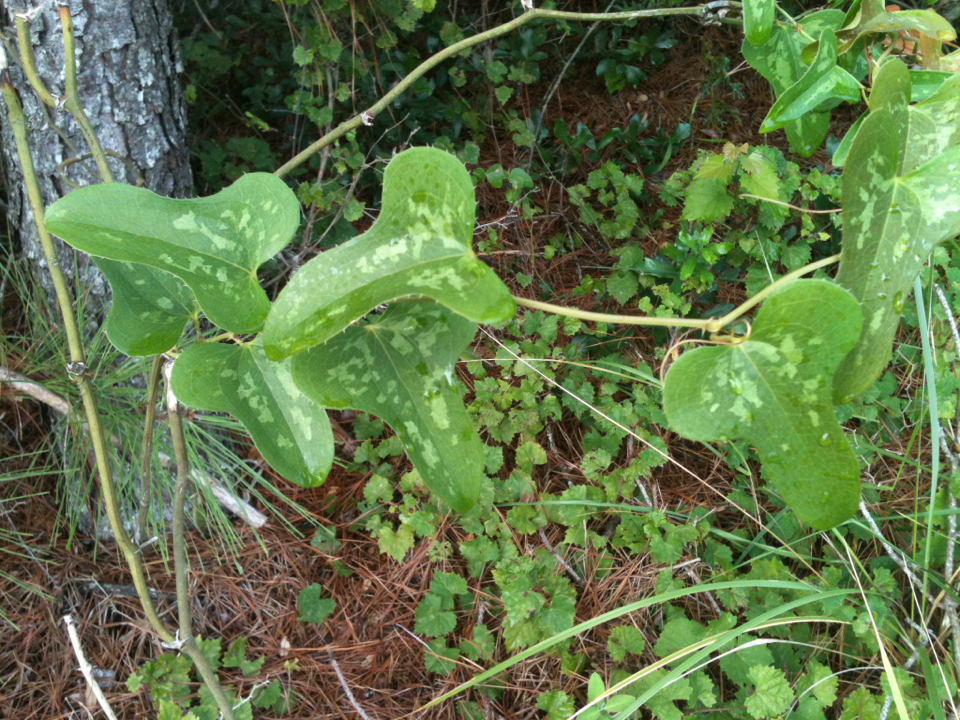
Thorny, weedy vine. Prickly stems and persistent rhizomes need management; keep away from paths and play areas. Plant caution source
Hidden from default planting suggestions. Wildlife value and native status remain unchanged.
At a glance
- Life cycle
- Woody perennial
- Leaves
- Deciduous or semi-evergreen
- Bloom
- Spring
- Fruiting season
- Spring to fall
Not yet recorded · Spread
Recorded in 58 Alabama counties.
Also found with this plant
Wildlife whose habitat models include habitats this plant grows in, in Alabama. Shared habitat, not food. 139 animals.
- Cerulean WarblerDendroica cerulea
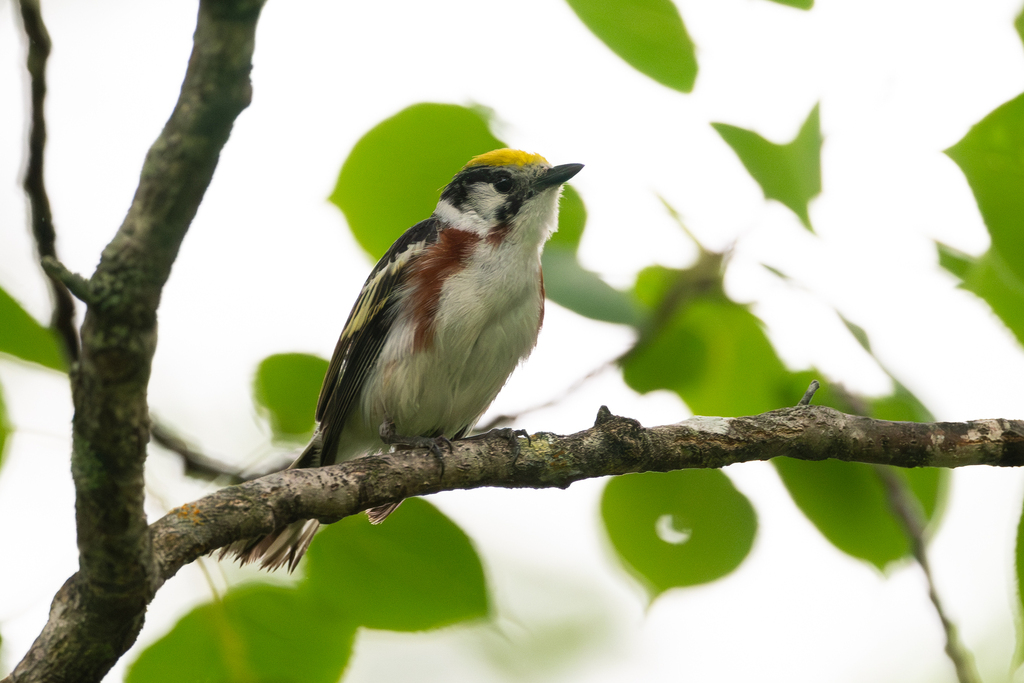
- Chestnut-sided WarblerDendroica pensylvanica
- Cliff SwallowPetrochelidon pyrrhonota
- Common GrackleQuiscalus quiscula
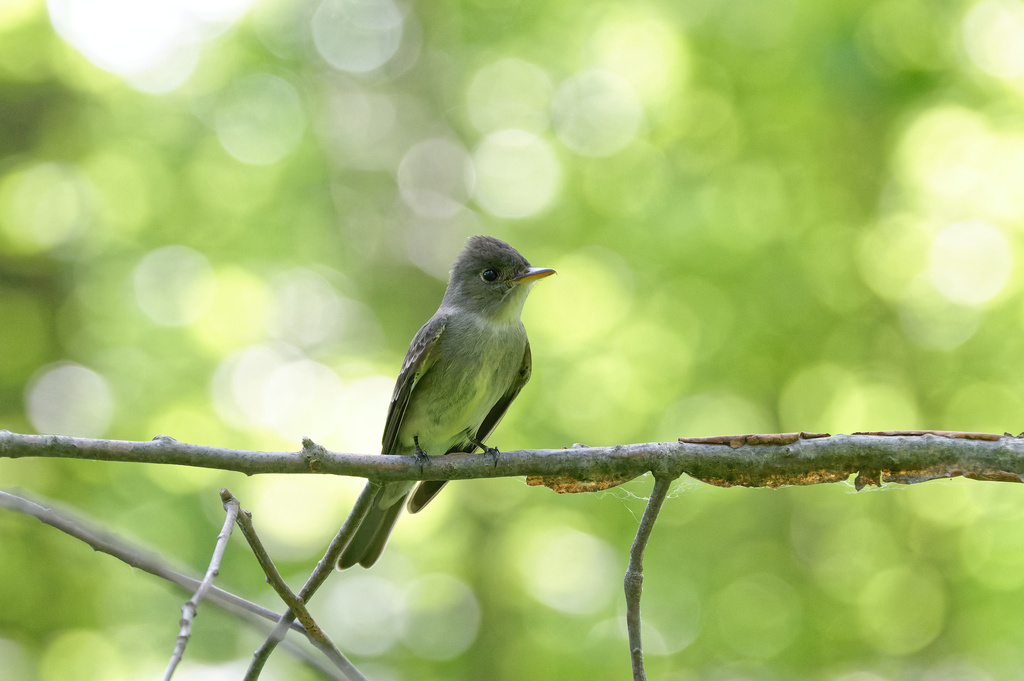
- Eastern Wood-peweeContopus virens
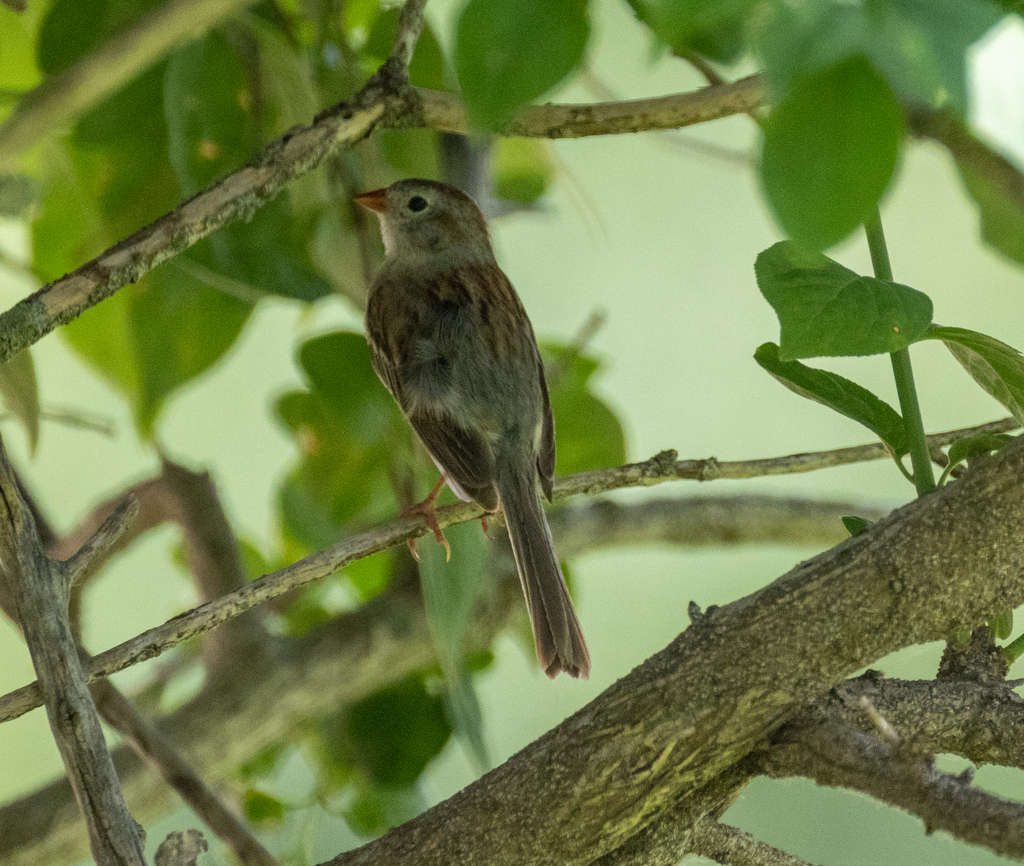
- Field SparrowSpizella pusilla
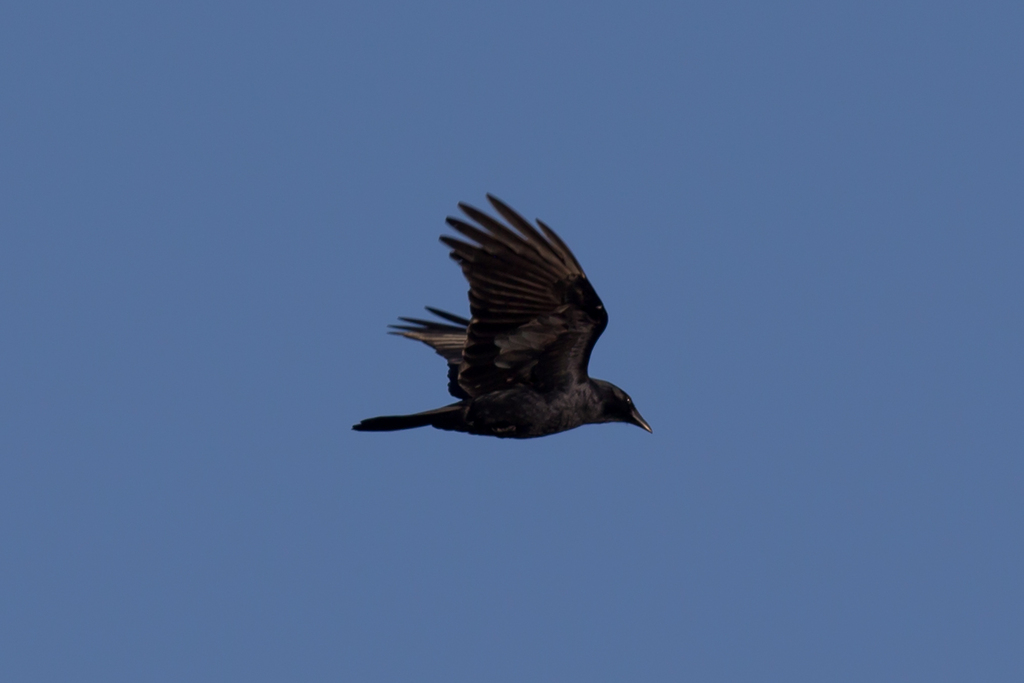
- Fish CrowCorvus ossifragus
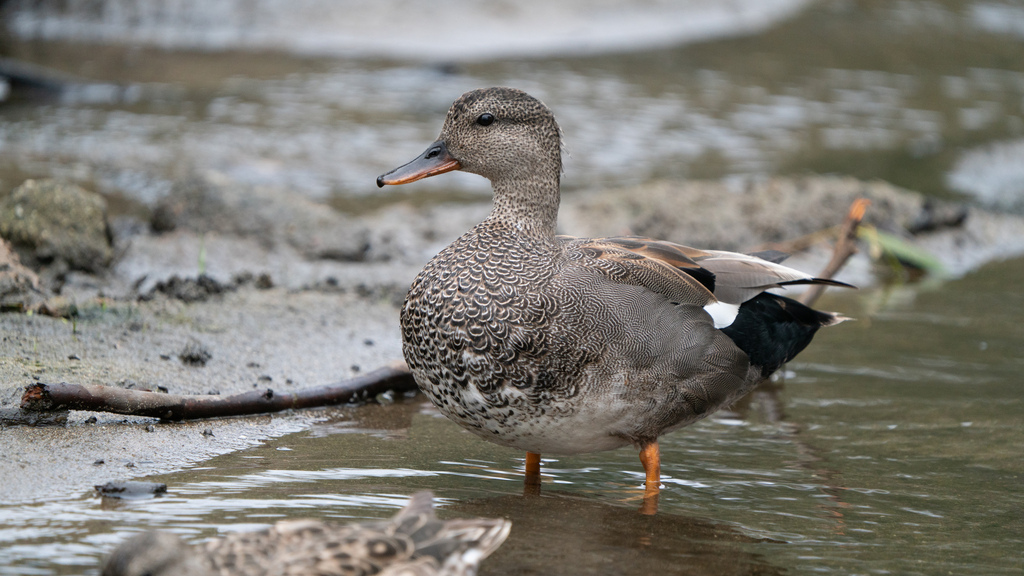
- GadwallAnas strepera
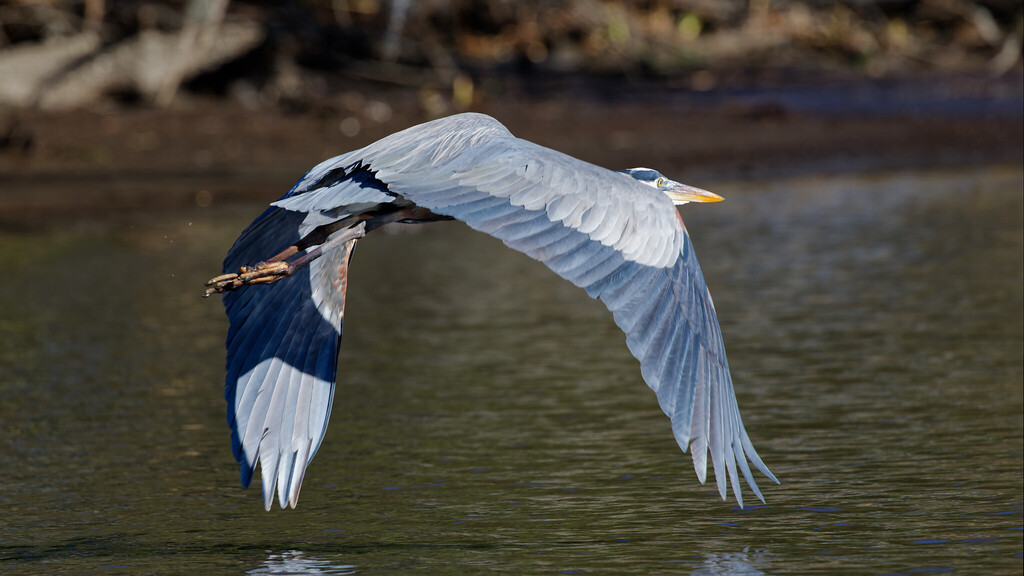
- Great Blue HeronArdea herodias
- Great EgretArdea alba
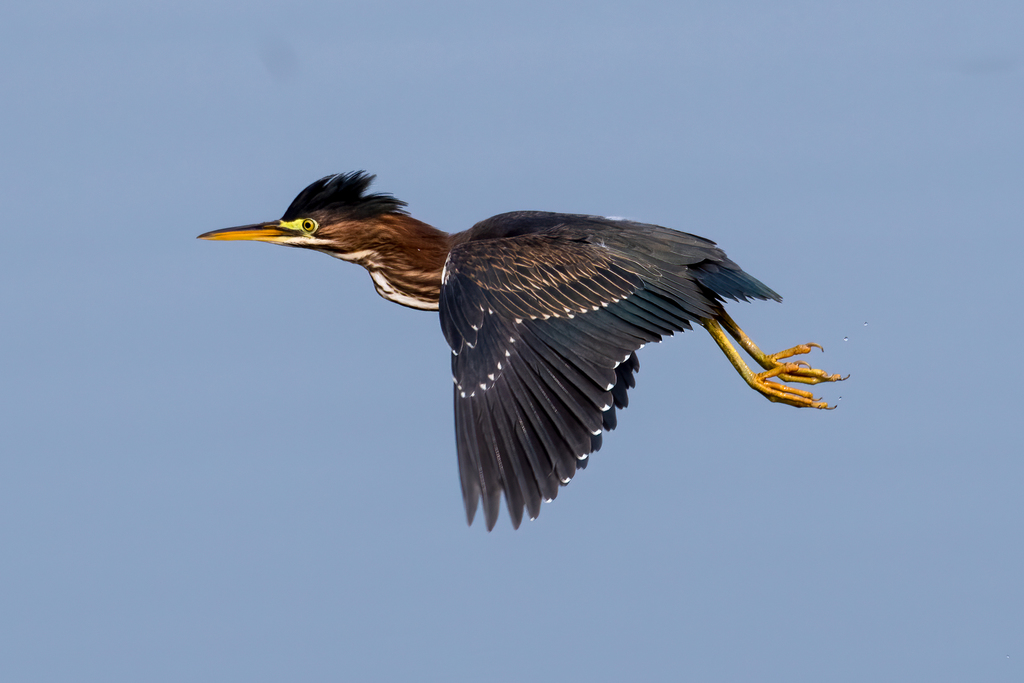
- Green HeronButorides virescens
- Hooded WarblerWilsonia citrina
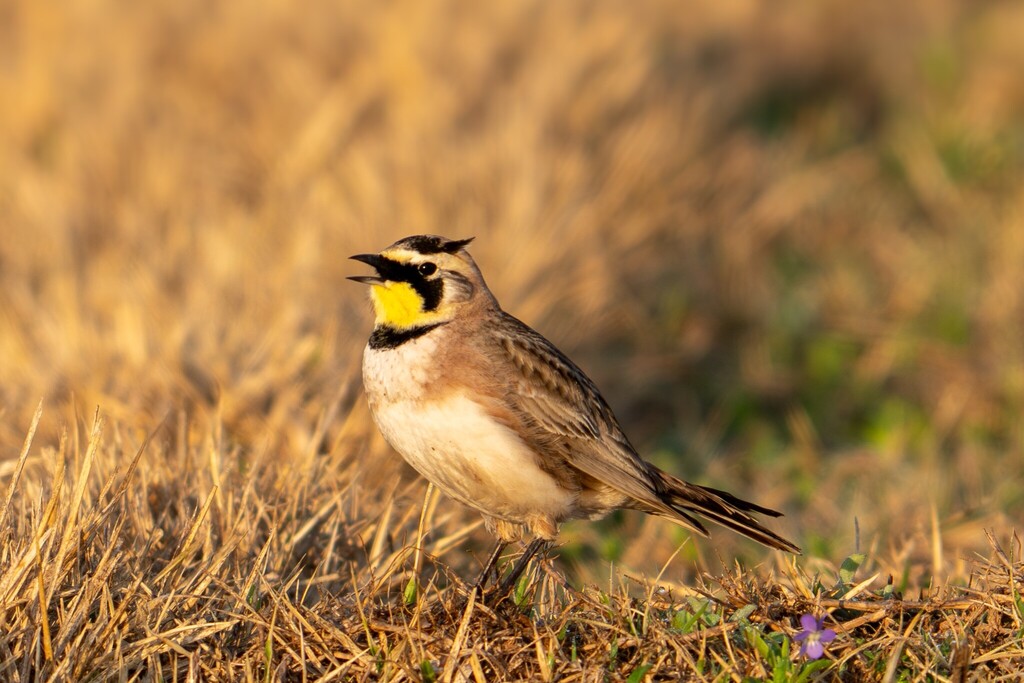
- Horned LarkEremophila alpestris
- Kentucky WarblerOporornis formosus
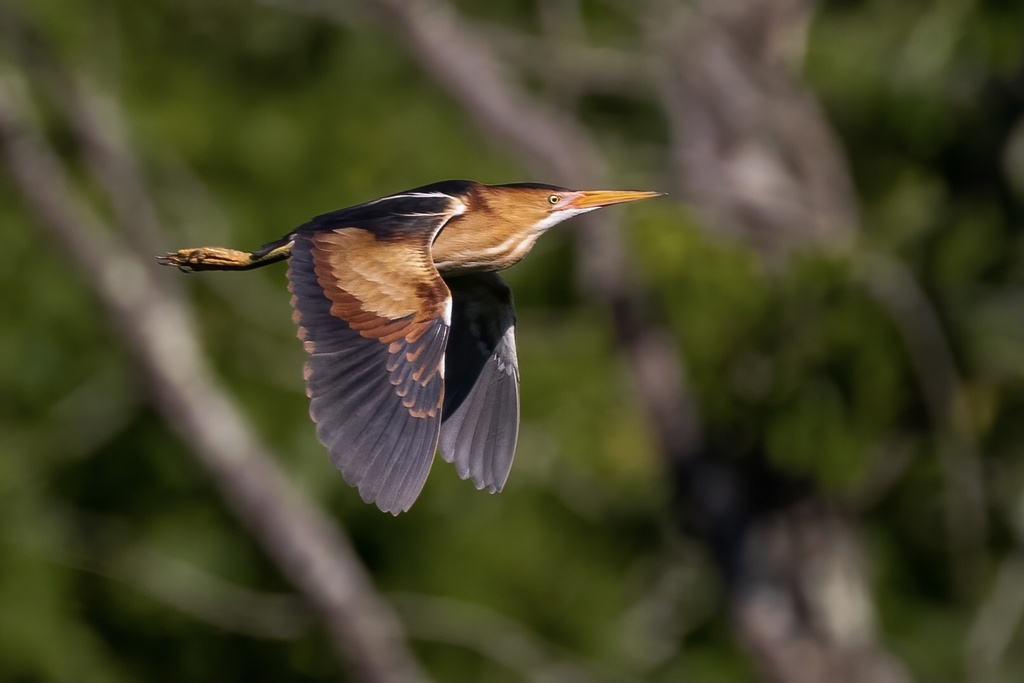
- Least BitternIxobrychus exilis
- Least FlycatcherEmpidonax minimus
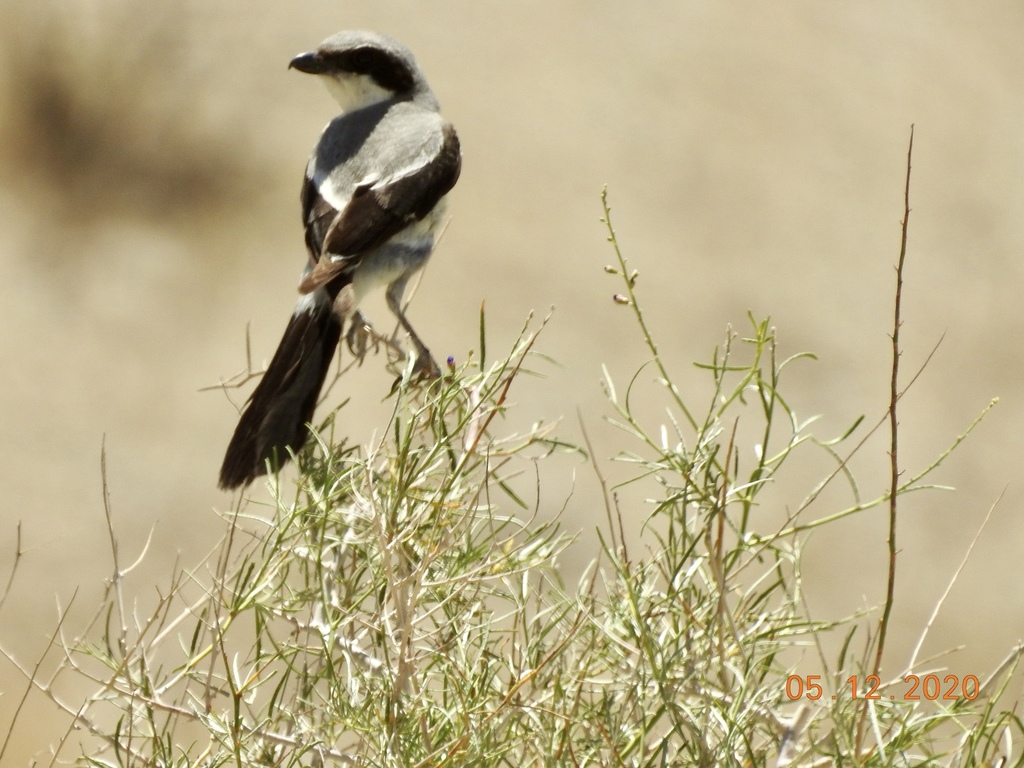
- Loggerhead ShrikeLanius ludovicianus
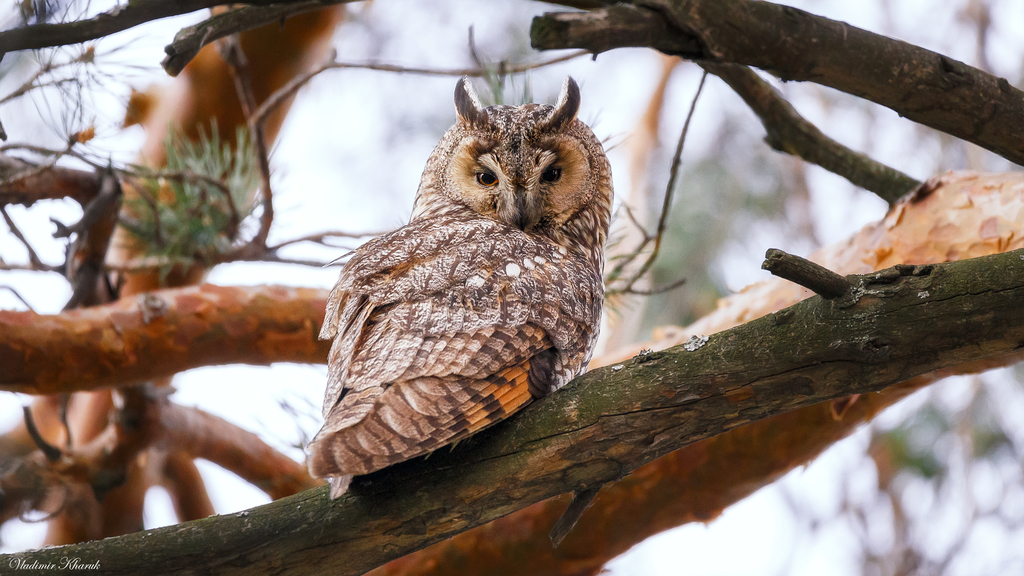
- Long-eared OwlAsio otus
- Louisiana WaterthrushSeiurus motacilla
- MallardAnas platyrhynchos
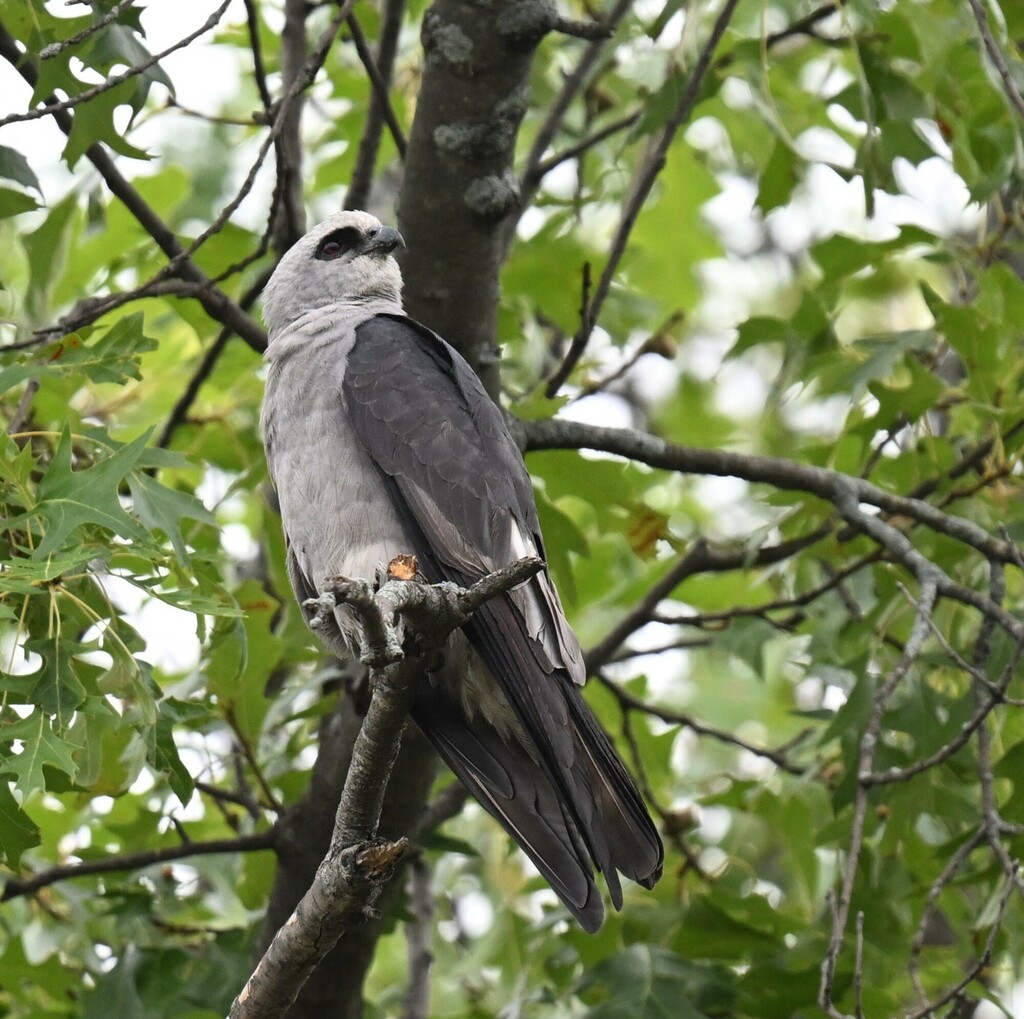
- Mississippi KiteIctinia mississippiensis
- Northern ParulaParula americana
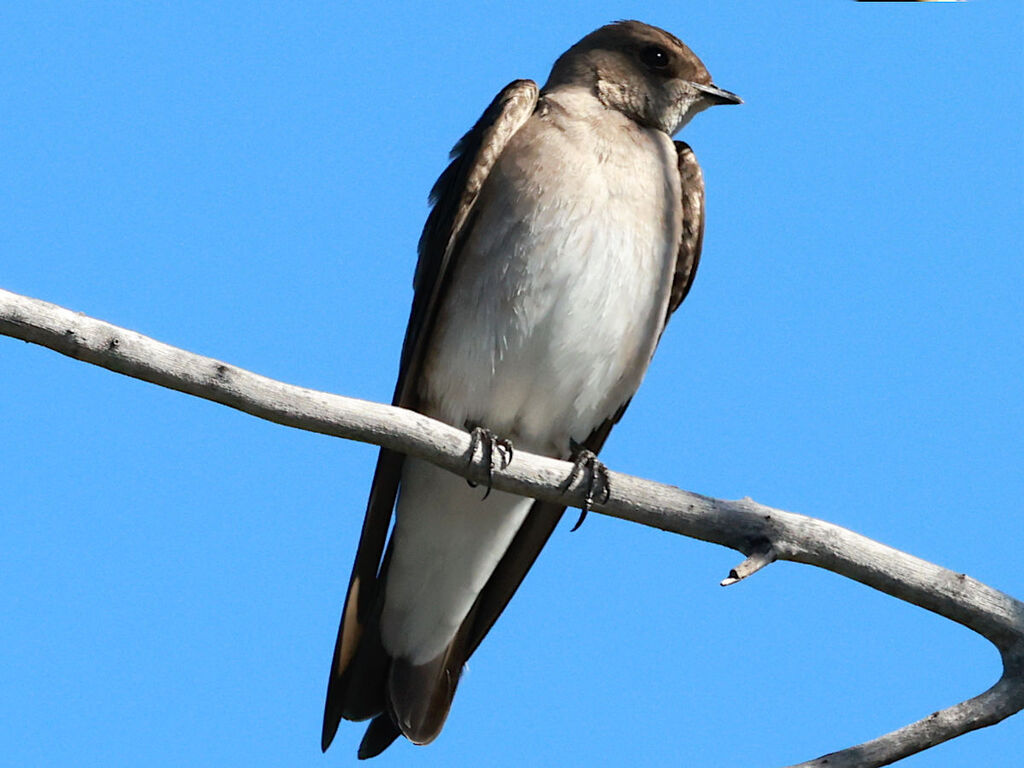
- Northern Rough-winged SwallowStelgidopteryx serripennis
- Northern Saw-whet OwlAegolius acadicus











Who uses this plant?
 22CaterpillarsGenus host records with ranges including AL
Genus host records with ranges including AL · Smilax
- Acrolepiopsis incertellaCarrionflower Moth
- Amphipyra pyramidoidesMiranda Underwing, Copper Underwing, Copper Amphipyra
- Callopistria floridensisFlorida Fern Caterpillar
- Choristoneura parallelaParallel-Banded Leafroller, Spotted Fireworm Moth
- Cymatophora approximariaLarge Scalloped-Wing, Giant Grey
- Ephestiodes infimellaReddish Ephestiodes
- Eutrapela clematariaCurved-Tooth Geometer, Purplish Brown Looper
- Feniseca tarquiniusHarvester
- Hedone vibexWhirlabout
- Lithophane viridipallensPale Green Pinion
Show all 22
- Norape cretataWhite Flannel Moth
- Oiketicus abbotiiAbbot's Bagworm Moth
- Orthosia rubescensRuby Quaker
- Phosphila miselioidesSpotted Phosphila
- Phosphila turbulentaTurbulent Phosphila
- Phyprosopus callitrichoidesCurved-Line Owlet
- Proleucoptera smilaciellaGreenbrier Leafminer
- Pseudogalleria inimicellaInimical Borer
- Pseudothyris sepulchralisMournful Thyris
- Thyridopteryx ephemeraeformisEvergreen Bagworm Moth
- Trichoplusia niNi Moth, Cabbage Looper Moth
- Acrolepiopsis heppneri
 10BeesSoutheastern regional records
Southeastern regional records · Smilax
Individual names are not available yet.
Noori, Seltmann & Orr 2026, A curated and integrated dataset for exploring global bee-plant interactions (GloBI), Zenodo, CC BY 4.0 0Specialist beesPollen specialists
 11BirdsRecorded genus food-resource interactions; not a state feeding claim
Recorded genus food-resource interactions; not a state feeding claim · Smilax
- Bonasa umbellusRuffed Grouse
- Cardinalis cardinalisNorthern Cardinal
- Catharus fuscescensVeery
- Catharus guttatusHermit Thrush
- Catharus minimus/bicknelliGray-cheeked/Bicknell's Thrush
- Catharus ustulatusSwainson's Thrush
- Meleagris gallopavoWild Turkey
- Pinicola enucleatorPine Grosbeak
- Sialia sialisEastern Bluebird
- Turdus migratoriusAmerican Robin
Show all 11
- Vireo solitariusBlue-headed Vireo
Direct food only: birds recorded eating this genus across North America. Caterpillars on host plants also feed nesting birds. NC Native Plant Society: butterfly gardening
No records yet · Ants · Beetles · Flies · Adult butterflies / moths · Other wasps · Other insects
Plant details
- Family
- Smilacaceae
- Hardiness
- Zones 5a–11b
- Soil pH
- Acidic to alkaline
- Flower color
- Green, inconspicuous or white
- Growth rate
- Rapid
- Growth habit
- Forms thickets
- Foliage color
- Green
- Fruit begins
- Spring
- Fruit ends
- Fall
What its natural habitat tells you
Growing sources and scope
- Bloom · “Spring” · USDA PLANTS · Nationwide species characteristics; local growing conditions may vary
- Flower color · “Green, inconspicuous or white” · NC Extension Plant Toolbox (ranked first; USDA PLANTS differs)
- Foliage color · “Green” · USDA PLANTS · Nationwide species characteristics; local growing conditions may vary
- Fruit begins · “Spring” · USDA PLANTS · Nationwide species characteristics; local growing conditions may vary
- Fruit ends · “Fall” · USDA PLANTS · Nationwide species characteristics; local growing conditions may vary
- Growth habit · “Forms thickets” · USDA PLANTS · Nationwide species characteristics; local growing conditions may vary
- Growth rate · “Rapid” · USDA PLANTS · Nationwide species characteristics; local growing conditions may vary
- Hardiness · “Zones 5a–11b” · NC Extension Plant Toolbox
- Height · “About 4 feet” · USDA PLANTS · Nationwide species characteristics; local growing conditions may vary
- Leaves · “Deciduous or semi-evergreen” · NC Extension Plant Toolbox
- Life cycle · “Woody perennial” · NC Extension Plant Toolbox
- Light · “Dappled sunlight (shade through upper canopy all day); Deep shade (less than 2 hours to no direct sunlight); Full sun (6 or more hours of direct sunlight a day); Partial shade (direct sunlight only part of the day, 2-6 hours)” · NC Extension Plant Toolbox
- Soil · “Moist; Occasionally dry” · NC Extension Plant Toolbox
- Soil pH · “Acidic to alkaline” · NC Extension Plant Toolbox
Also known as
Greenbrier
Conservation status
| Alabama rank | SNR |
|---|---|
| Global rank | G5 |
| AL status | Not verified |
| Federal status | Not verified |
Will it fit your yard?
Check this plant against your county, sun and soil moisture. Conditions are checked in your browser.
Growing cautions
- Suckers and forms colonies. USDA PLANTS lists its growth form as thicket forming. USDA PLANTS
For planning only; these do not change the score or Fit.
Sources
- Alabama Plant Atlas
- USDA PLANTS
- Vascular Plants of North Carolina (NC Natural Heritage Program)
- Shropshire & Tallamy 2025, Lepidoptera of North America north of Mexico, ZooKeys 1261 (ODbL)
- Noori, Seltmann & Orr 2026, A curated and integrated dataset for exploring global bee-plant interactions (GloBI), Zenodo, CC BY 4.0
- Smith, Bachelder, Russell, Morales, Mosher & Seltmann 2024, Bee-Specialization-Modeling v0.6.1 (specialist host table compiled from J. Fowler's pollen specialist bee lists), Zenodo, CC BY 4.0
- Hurlbert, Olsen, Sawyer & Winner 2021, Avian Diet Database, Scientific Data 8: 260 (CC0)
- Narango, Tallamy & Shropshire 2020, Few keystone plant genera support the majority of Lepidoptera species, Nature Communications