

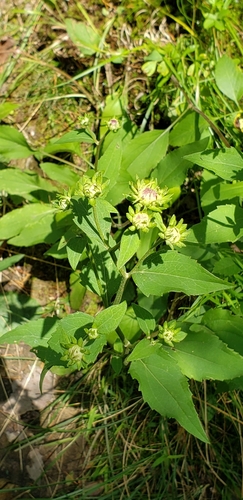
Sun-facing Coneflower
Rudbeckia heliopsidis
Found in limestone or sandstone streambanks and barrens, pinelands, roadside relict woodlands. FloraQuest, phone app (app page) What its natural habitat tells you
Native to Alabama. How scores work Is it native here?
Profile 94%
- Height
- Up to about 4 feet
- Light
- Partial shade, Full sun
- Soil moisture
- Dry to wet
Rare or protected plant. Specialist conservation planting; excluded from routine garden suggestions. Plant caution source
Hidden from default planting suggestions. Wildlife value and native status remain unchanged.
At a glance
- Life cycle
- Perennial
- Bloom
- July to September
Not yet recorded · Spread · Leaves
Recorded in 8 Alabama counties.
Natural habitats
Places it grows wild. Not a planting requirement. Each habitat page lists the plants and wildlife also found there.
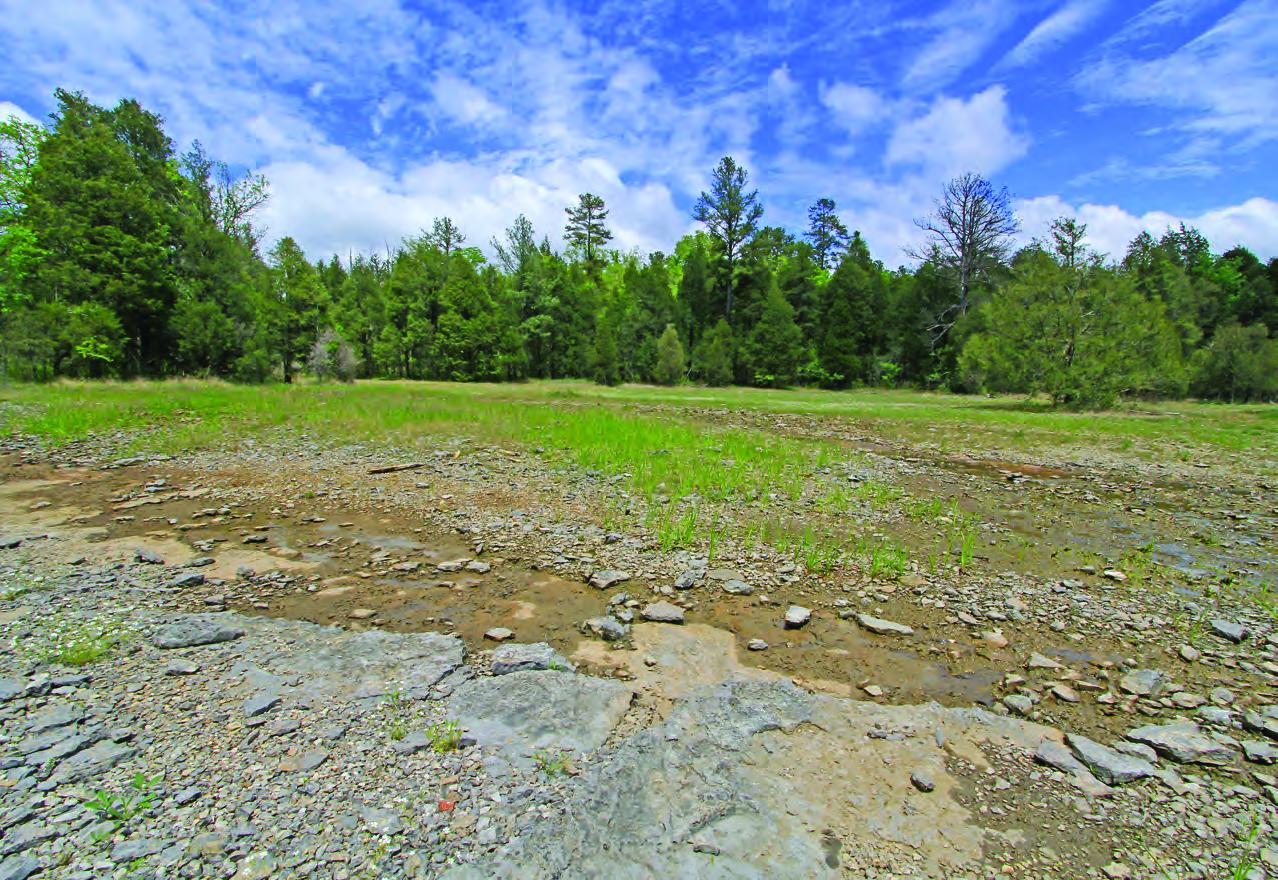
Glades, barrens and outcrops on limestone
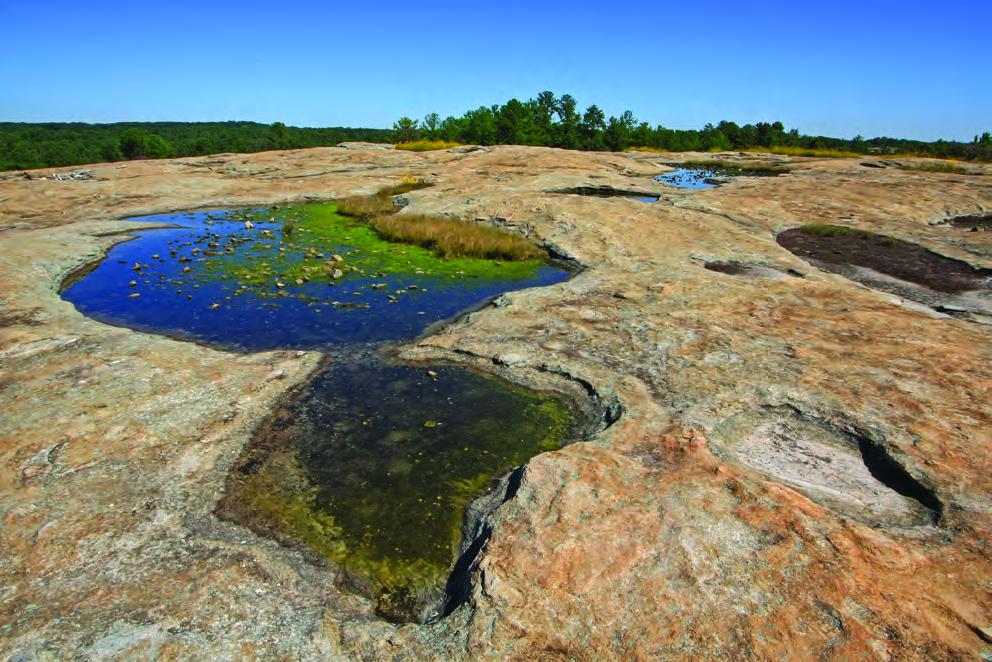
Granite and other acidic rock outcrops
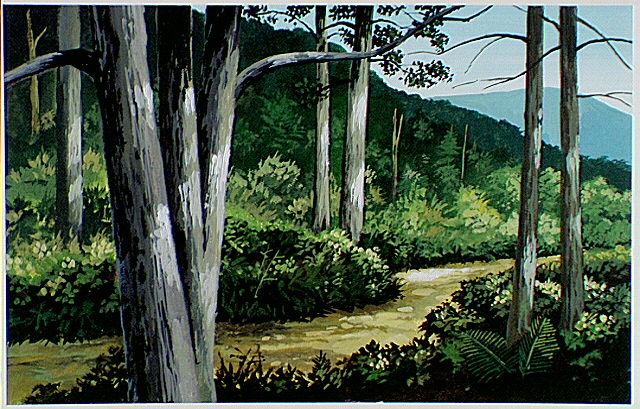
Streams, rivers and their banks
Flowing water and its banks, bars and rocky shoals.
Roadsides, fields and disturbed ground
Ground opened by people: roadsides, old fields, pastures, fencerows and lots.
Also found with this plant
Wildlife whose habitat models include habitats this plant grows in, in Alabama. Shared habitat, not food. 155 animals.
- Carolina WrenThryothorus ludovicianus
- Chimney SwiftChaetura pelagica
- Chipping SparrowSpizella passerina
- Double-crested CormorantPhalacrocorax auritus
- Eastern PhoebeSayornis phoebe
- Eastern Screech-owlMegascops asio
- Eastern TowheePipilo erythrophthalmus
- Eurasian Collared-doveStreptopelia decaocto
- European StarlingSturnus vulgaris
- Golden-crowned KingletRegulus satrapa
- Hairy WoodpeckerPicoides villosus
- Hooded MerganserLophodytes cucullatus
- Northern CardinalCardinalis cardinalis
- OspreyPandion haliaetus
- Pine SiskinCarduelis pinus
- Ruby-crowned KingletRegulus calendula
- White-breasted NuthatchSitta carolinensis
- Yellow-bellied SapsuckerSphyrapicus varius
- Yellow-billed CuckooCoccyzus americanus
- Yellow-rumped WarblerDendroica coronata
- American KestrelFalco sparverius
- Bald EagleHaliaeetus leucocephalus
- Black VultureCoragyps atratus
- Blue-gray GnatcatcherPolioptila caerulea
























Who uses this plant?
 18CaterpillarsGenus host records with ranges including AL
Genus host records with ranges including AL · Rudbeckia
- Chlosyne nycteisSilvery Checkerspot
- Acharia stimuleaSaddleback Caterpillar Moth
- Adaina ambrosiaeAmbrosia Plume Moth, Ragweed Plume Moth
- Archips griseaGray Archips
- Chlorochlamys chloroleucariaBlackberry Looper Moth
- Epiblema carolinanaGray-Blotched Epiblema
- Epiblema tripartitanaThree-Parted Epiblema
- Eupithecia miserulataCommon Eupithacia, Common Pug
- Homoeosoma electellaSunflower Moth
- Papaipema cataphractaBurdock Border, Potato-Stalk Borer
Show all 18
- Papaipema nebrisStalk Borer
- Synchlora aerataWavy-Lined Emerald, Camouflaged Looper
- Synchlora frondariaSouthern Emerald
- Vanessa carduiPainted Lady, Cosmopolite
- Dichomeris costarufoella
- Isophrictis rudbeckiella
- Isophrictis similiella
- Paralobesia rhoifructana
 56BeesSoutheastern regional records
Southeastern regional records · Rudbeckia
Individual names are not available yet.
Noori, Seltmann & Orr 2026, A curated and integrated dataset for exploring global bee-plant interactions (GloBI), Zenodo, CC BY 4.0 25Specialist beesPollen specialists
Pollen specialists · Rudbeckia
- Andrena aliciae
- Andrena asteris
- Andrena rudbeckiae
- Diadasia enavata
- Dieunomia bolliana
- Dieunomia heteropoda
- Megachile inimica
- Megachile parallela
- Megachile pugnata
- Megachile xylocopoides
Show all 25
- Melissodes bidentis
- Melissodes boltoniae
- Melissodes coreopsis
- Melissodes denticulatus
- Melissodes dentiventris
- Melissodes desponsus
- Melissodes druriellus
- Melissodes illatus
- Melissodes subillatus
- Melissodes trinodis
- Melissodes wheeleri
- Paranthidium jugatorium
- Perdita octomaculata
- Protandrena albitarsis
- Protandrena andrenoides
 —BirdsRecorded genus food-resource interactions; not a state feeding claim
No records yet · Ants · Beetles · Flies · Adult butterflies / moths · Other wasps · Other insects
Plant details
- Family
- Asteraceae
- Flower color
- Yellow
Growing sources and scope
- Bloom · “July to September” · FloraQuest: Carolinas, Georgia (Southeastern Flora Team), phone app (app page) · Carolinas and Georgia
- Flower color · “Yellow” · Lady Bird Johnson Wildflower Center
- Height · “Up to about 4 feet” · Lady Bird Johnson Wildflower Center
- Life cycle · “Perennial” · Lady Bird Johnson Wildflower Center
- Light · “Partial shade; Full sun (documented habitat)” · FloraQuest: Carolinas, Georgia (Southeastern Flora Team), phone app (app page) · Carolinas and Georgia
- primary_flower_color · “yellow” · Lady Bird Johnson Wildflower Center
- Soil · “Dry; Moist; Wet (documented habitat)” · FloraQuest: Carolinas, Georgia (Southeastern Flora Team), phone app (app page) · Carolinas and Georgia
Also known as
Sun facing Coneflower
Conservation status
| Alabama rank | S2 |
|---|---|
| Global rank | G2 |
| AL status | Not verified |
| Federal status | Not verified |
Will it fit your yard?
Check this plant against your county, sun and soil moisture. Conditions are checked in your browser.
Sources
- Alabama Plant Atlas
- USDA PLANTS
- Vascular Plants of North Carolina (NC Natural Heritage Program)
- FloraQuest: Carolinas, Georgia (Weakley), phone app (app page)
- FloraQuest: South Central (Weakley), phone app (app page)
- FloraQuest: Northern Tier (Weakley), phone app (app page)
- NatureServe Explorer
- Shropshire & Tallamy 2025, Lepidoptera of North America north of Mexico, ZooKeys 1261 (ODbL)
- Noori, Seltmann & Orr 2026, A curated and integrated dataset for exploring global bee-plant interactions (GloBI), Zenodo, CC BY 4.0
- Smith, Bachelder, Russell, Morales, Mosher & Seltmann 2024, Bee-Specialization-Modeling v0.6.1 (specialist host table compiled from J. Fowler's pollen specialist bee lists), Zenodo, CC BY 4.0
- Hurlbert, Olsen, Sawyer & Winner 2021, Avian Diet Database, Scientific Data 8: 260 (CC0)
- Narango, Tallamy & Shropshire 2020, Few keystone plant genera support the majority of Lepidoptera species, Nature Communications