

Menges Fameflower
Phemeranthus mengesii
Found in shallow soil over felsic rocks (granite) or sandstone (in GA and AL), or Altamaha Grit (GA), where periodically wet by seepage; rare (locally common in GA). Weakley, Flora of the Southeastern United States (2025), South Central edition What its natural habitat tells you
Native to Alabama. How scores work Is it native here?
Profile 88%
- Height
- Up to about 1.25 feet
- Light
- Full sun
- Soil moisture
- Dry
No photograph yet. Looking for an old drawing…
At a glance
- Life cycle
- Perennial
- Bloom
- June to September
Not yet recorded · Spread · Leaves
Recorded in 22 Alabama counties.
Natural habitats
Places it grows wild. Not a planting requirement. Each habitat page lists the plants and wildlife also found there.
Granite and other acidic rock outcrops
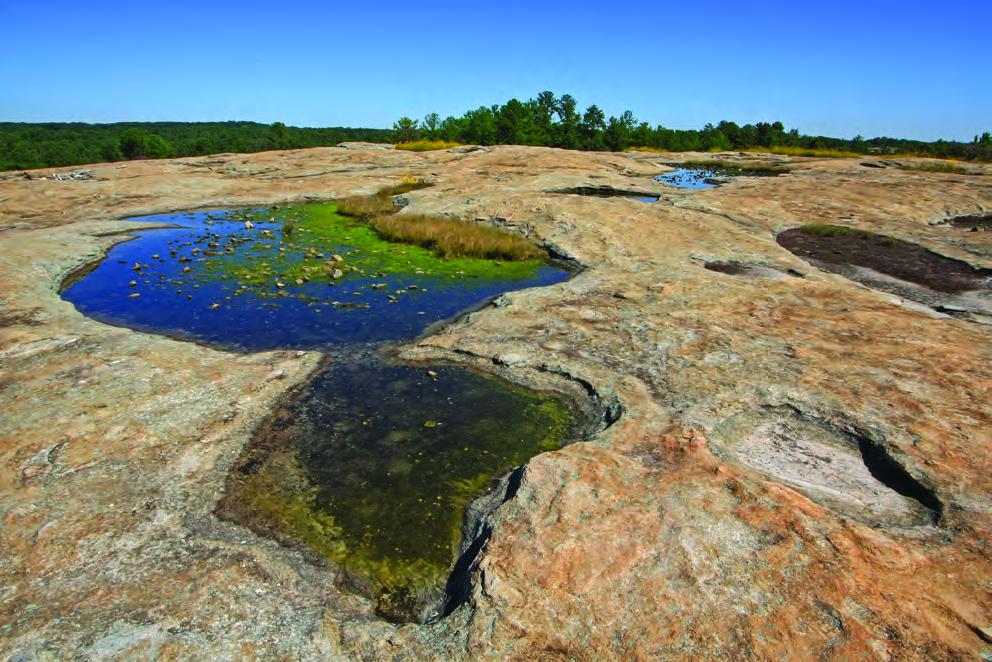
Places where groundwater keeps the soil or rock wet, such as seepage slopes and spring runs.
Also found with this plant
Wildlife whose habitat models include habitats this plant grows in, in Alabama. Shared habitat, not food. 92 animals.
- Ruby-crowned KingletRegulus calendula
- Ruby-throated HummingbirdArchilochus colubris
- Spotted SandpiperActitis macularius
- Tufted TitmouseBaeolophus bicolor
- Yellow-bellied SapsuckerSphyrapicus varius
- Yellow-billed CuckooCoccyzus americanus
- Yellow-breasted ChatIcteria virens
- Yellow-rumped WarblerDendroica coronata
- Baltimore OrioleIcterus galbula
- Barred OwlStrix varia
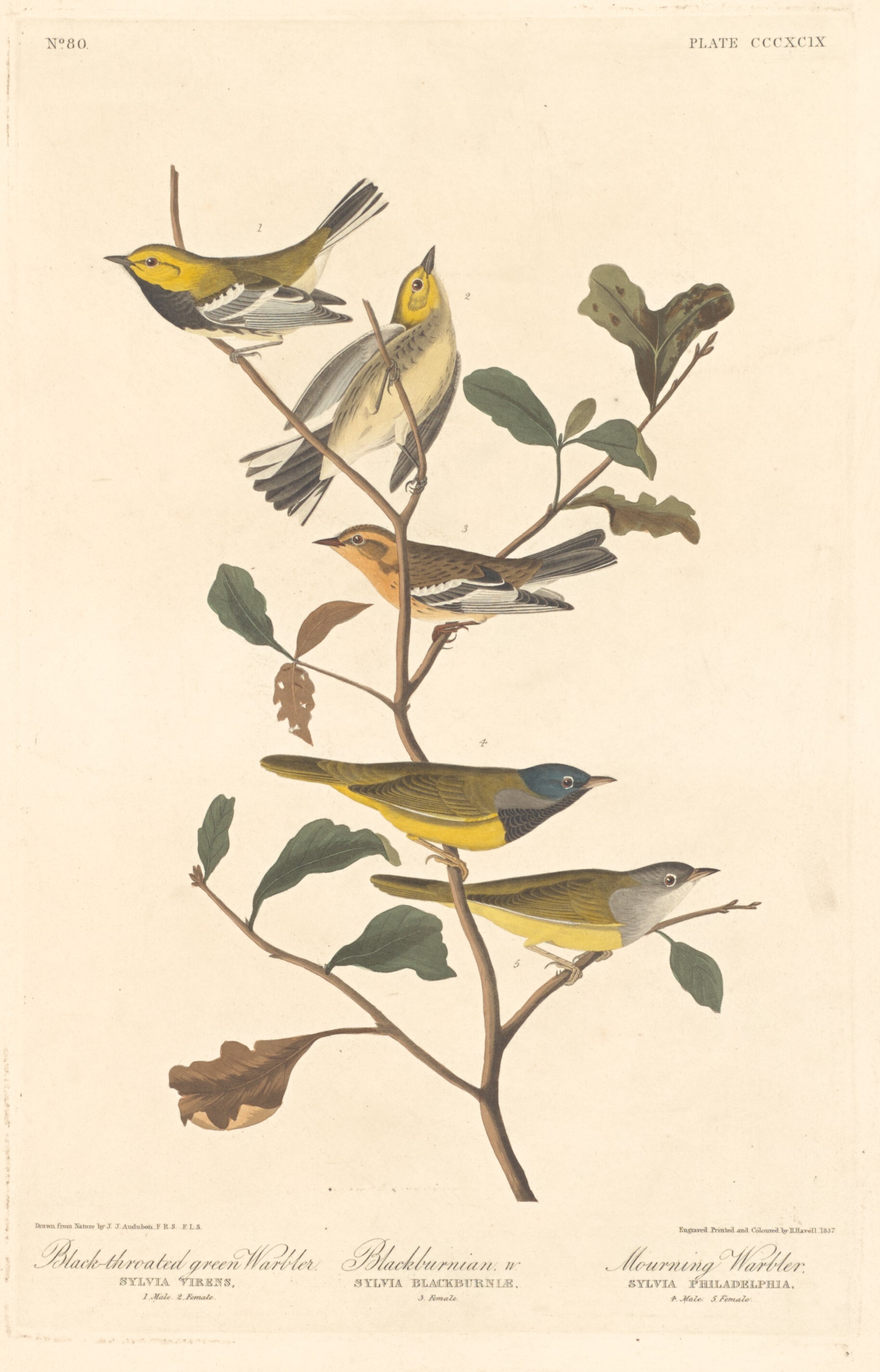
- Black-throated Green WarblerDendroica virens
- Blue-headed VireoVireo solitarius
- Brown-headed CowbirdMolothrus ater
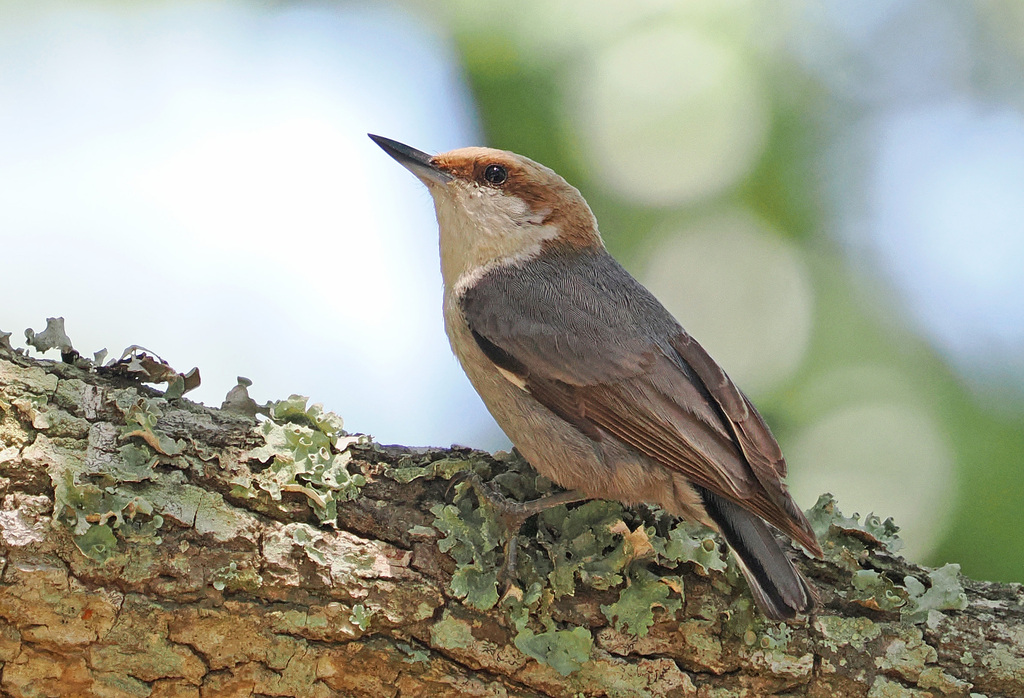
- Brown-headed NuthatchSitta pusilla
- Cliff SwallowPetrochelidon pyrrhonota
- Common GrackleQuiscalus quiscula
- Double-crested CormorantPhalacrocorax auritus
- Eastern BluebirdSialia sialis
- Eastern Wood-peweeContopus virens
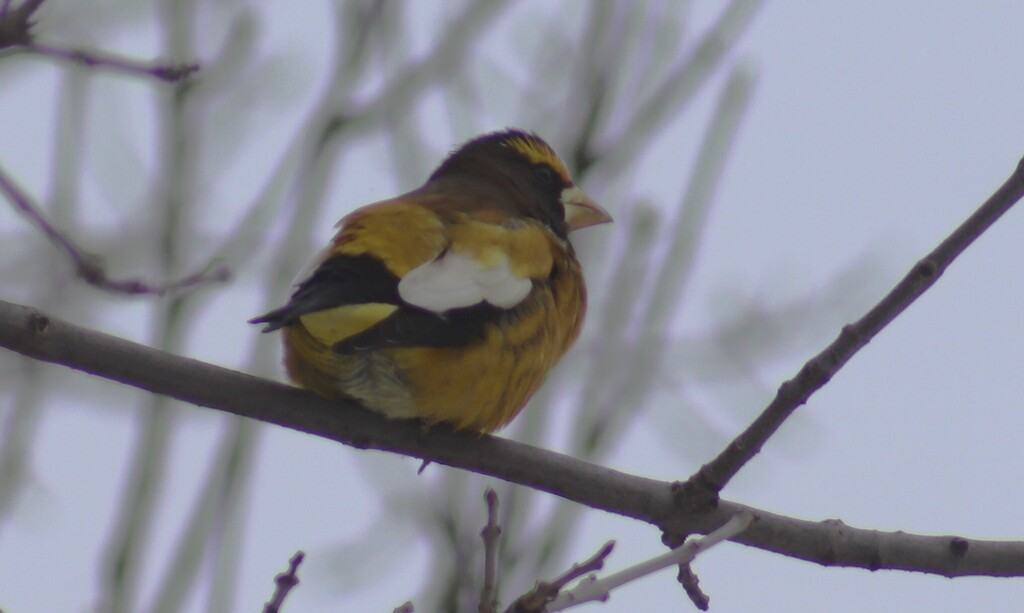
- Evening GrosbeakCoccothraustes vespertinus
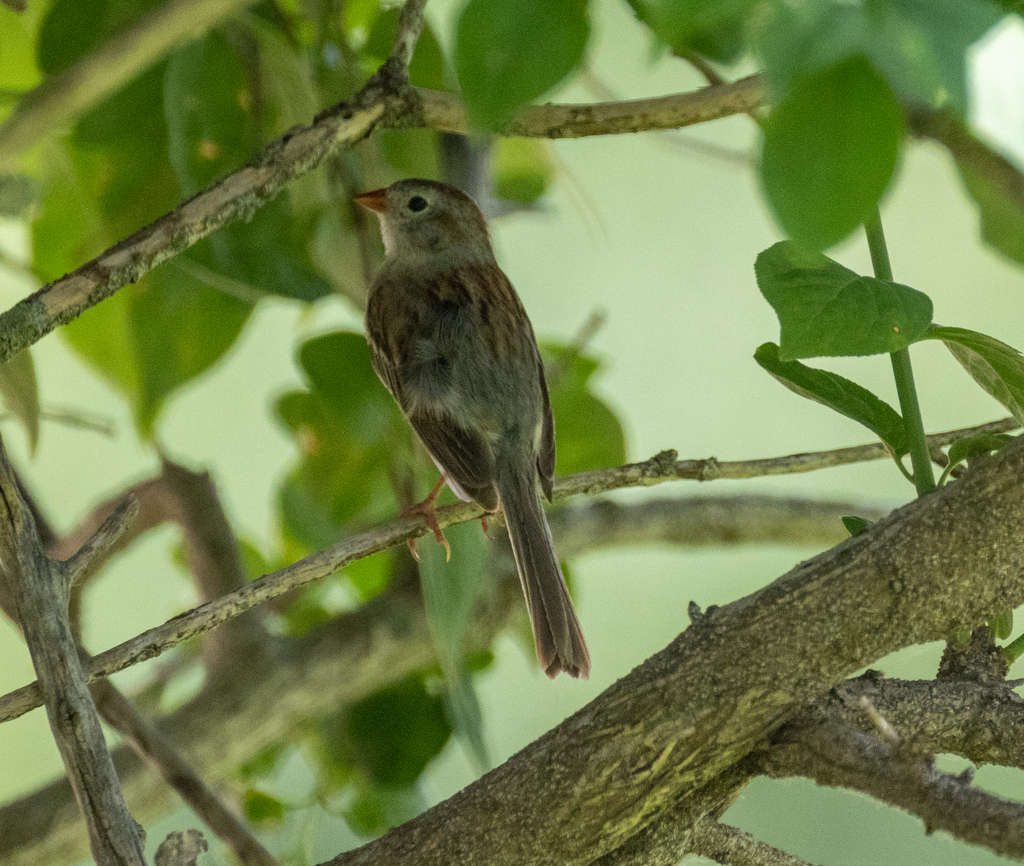
- Field SparrowSpizella pusilla
- Fish CrowCorvus ossifragus
- Hooded MerganserLophodytes cucullatus
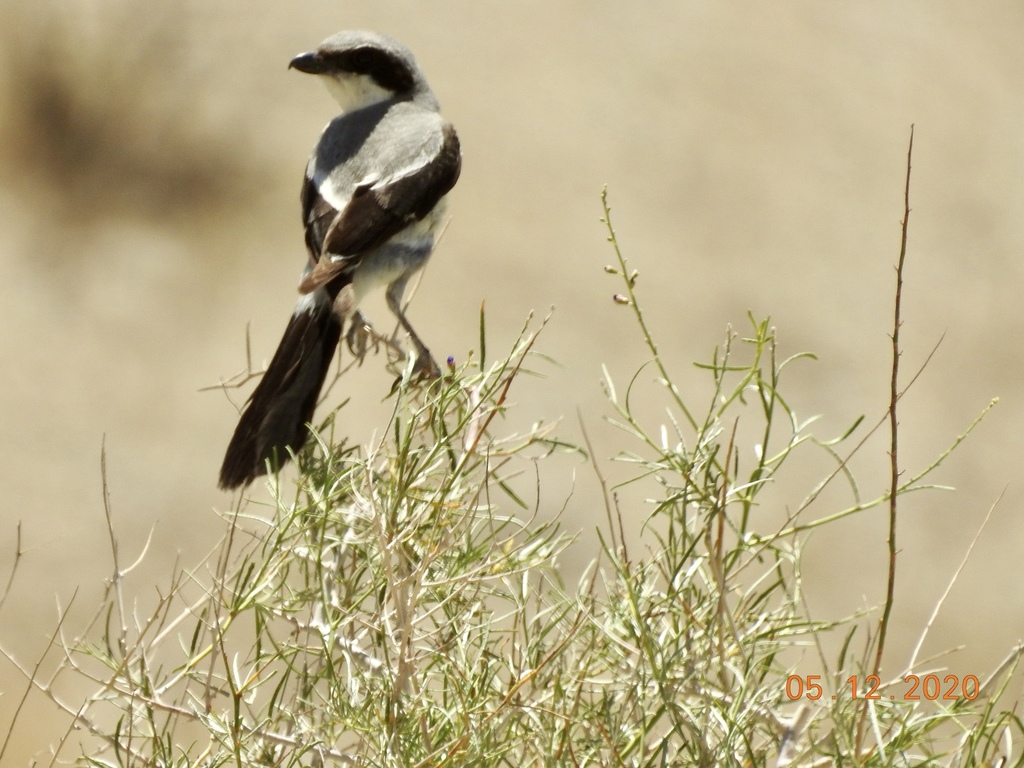
- Loggerhead ShrikeLanius ludovicianus



















Who uses this plant?
 1CaterpillarsGenus host records with ranges including AL
Genus host records with ranges including AL · Talinum
- Spodoptera frugiperdaFall Armyworm Moth
 0BeesSoutheastern regional records
 0Specialist beesPollen specialists
 —BirdsRecorded genus food-resource interactions; not a state feeding claim
No records yet · Ants · Beetles · Flies · Adult butterflies / moths · Other wasps · Other insects
Plant details
- Family
- Montiaceae
- Flower color
- Pink or purple
Safety has not been reviewed for this plant; check toxicity and thorns before planting.
Growing sources and scope
- Bloom · “June to September” · Weakley, Flora of the Southeastern United States (2025), Carolinas & Georgia edition · Carolinas and Georgia
- Flower color · “Pink or purple” · Lady Bird Johnson Wildflower Center
- Height · “Up to about 1.25 feet” · Lady Bird Johnson Wildflower Center
- Life cycle · “Perennial” · Lady Bird Johnson Wildflower Center
- Light · “Full sun (documented habitat)” · Weakley, Flora of the Southeastern United States (2025), Carolinas & Georgia edition · Carolinas and Georgia
- Soil · “Dry (documented habitat)” · Weakley, Flora of the Southeastern United States (2025), Carolinas & Georgia edition · Carolinas and Georgia
Conservation status
| Alabama rank | S3 |
|---|---|
| Global rank | Not available |
| AL status | Not verified |
| Federal status | Not verified |
Will it fit your yard?
Check this plant against your county, sun and soil moisture. Conditions are checked in your browser.
Sources
- Alabama Plant Atlas
- Weakley, Flora of the Southeastern United States (2025), Carolinas & Georgia edition
- NatureServe Explorer
- Shropshire & Tallamy 2025, Lepidoptera of North America north of Mexico, ZooKeys 1261 (ODbL)
- Noori, Seltmann & Orr 2026, A curated and integrated dataset for exploring global bee-plant interactions (GloBI), Zenodo, CC BY 4.0
- Smith, Bachelder, Russell, Morales, Mosher & Seltmann 2024, Bee-Specialization-Modeling v0.6.1 (specialist host table compiled from J. Fowler's pollen specialist bee lists), Zenodo, CC BY 4.0
- Hurlbert, Olsen, Sawyer & Winner 2021, Avian Diet Database, Scientific Data 8: 260 (CC0)
- Narango, Tallamy & Shropshire 2020, Few keystone plant genera support the majority of Lepidoptera species, Nature Communications