

Purple Loosestrife
Lythrum salicaria
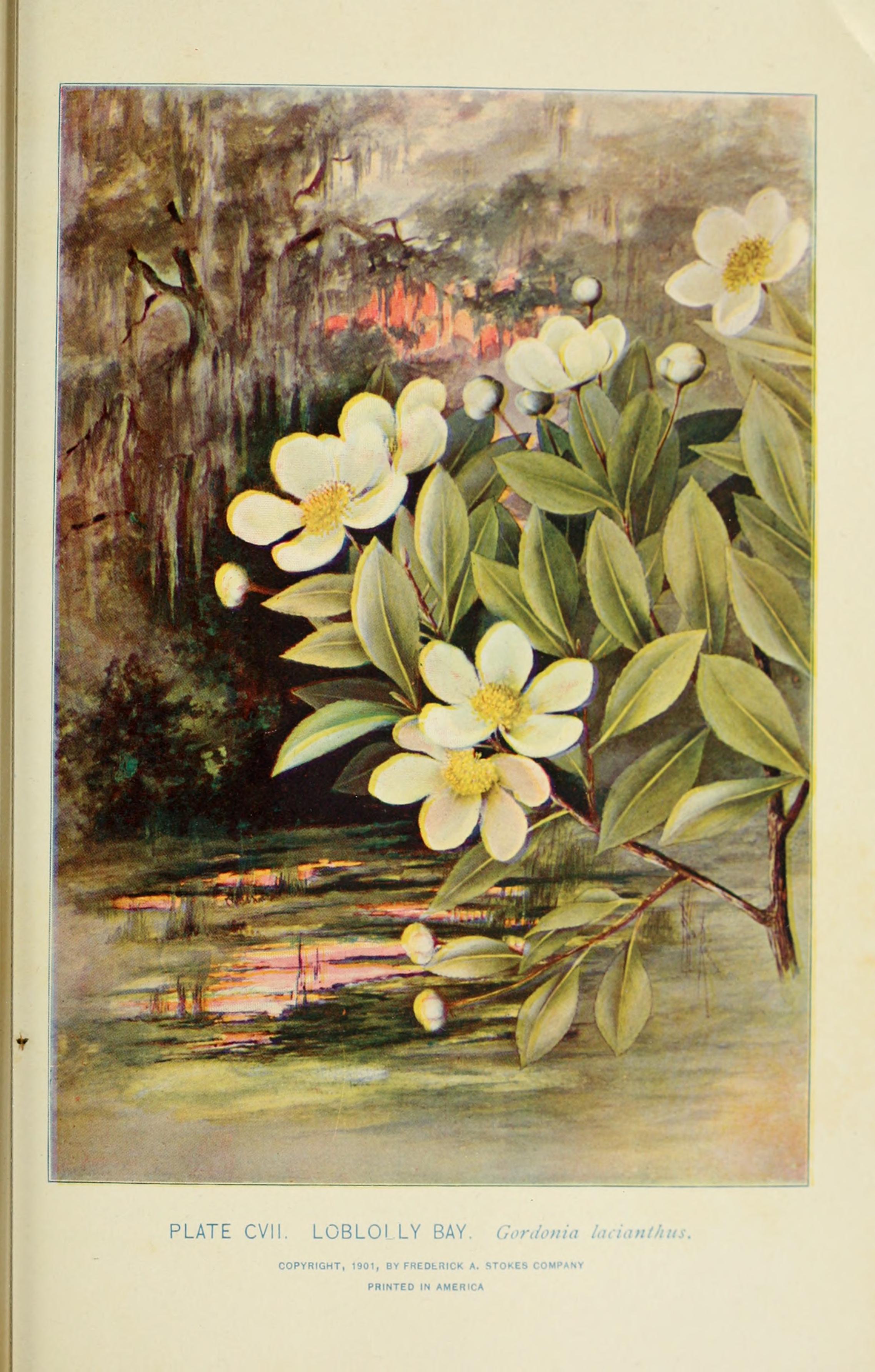
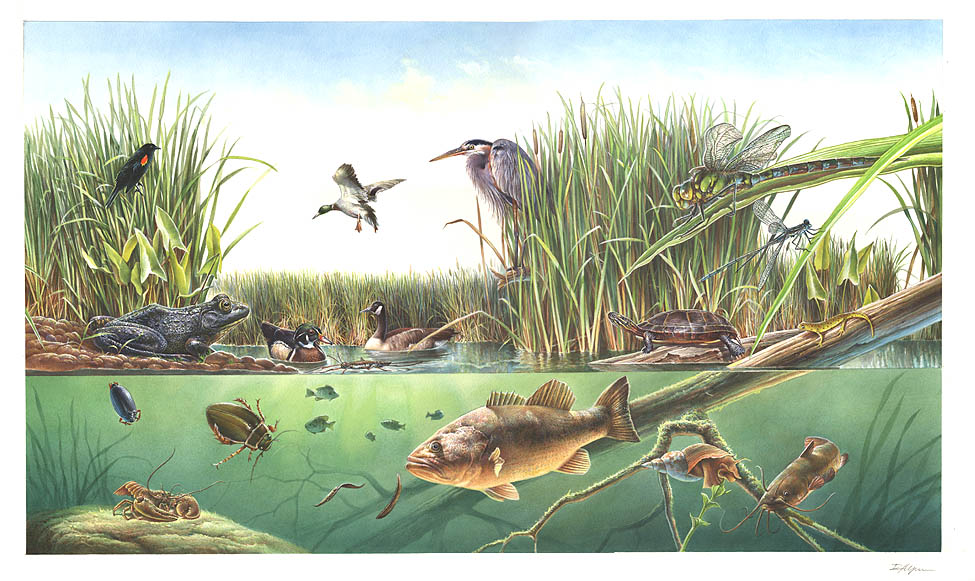
Found in swamps, marshes, other wet places. Weakley, Flora of the Southeastern United States (2025), South Central edition What its natural habitat tells you
Not native to Alabama. How scores work Is it native here?
Profile 76%
- Height
- 2–6 feet
- Spread
- 2–4 feet
- Light
- Full sun
- Soil moisture
- Usually moist
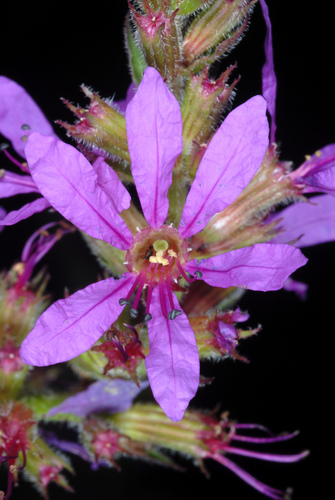
Do not plant. Listed invasive in Alabama.
Plant this instead
Choose your county to list local plants first.
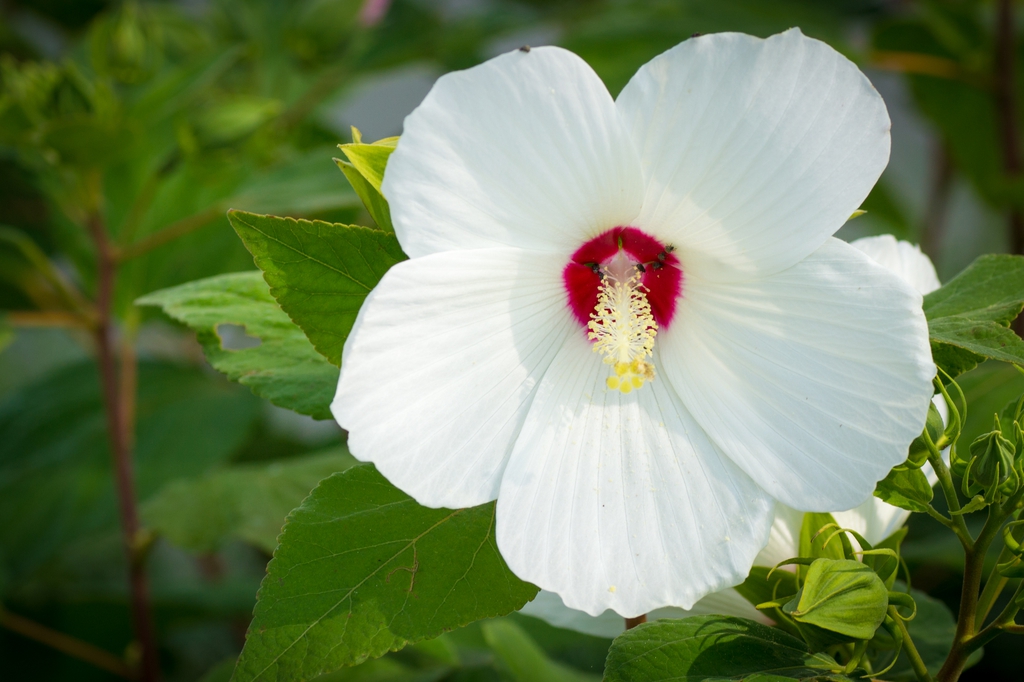
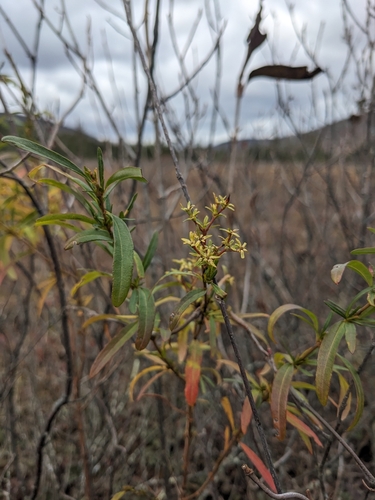
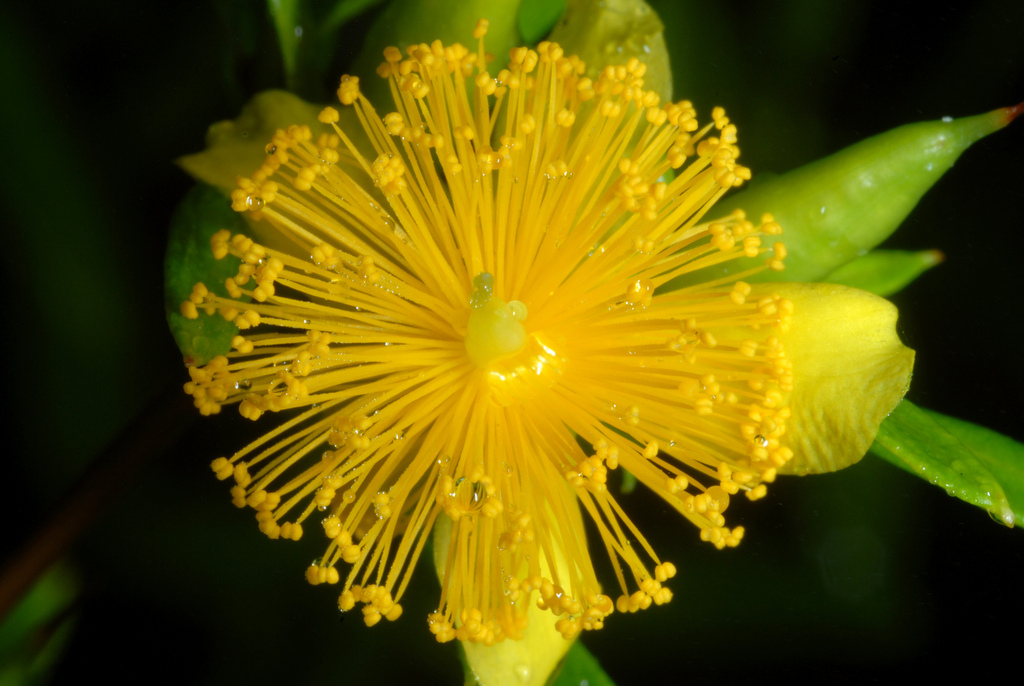
No recorded swaps for this county. Try the garden finder.
At a glance
- Life cycle
- Perennial
- Bloom
- June to September
Not yet recorded · Leaves
Recorded in 1 Alabama county.
Natural habitats
Places it grows wild. Not a planting requirement. Each habitat page lists the plants and wildlife also found there.
Also found with this plant
Wildlife whose habitat models include habitats this plant grows in, in Alabama. Shared habitat, not food. 138 animals.
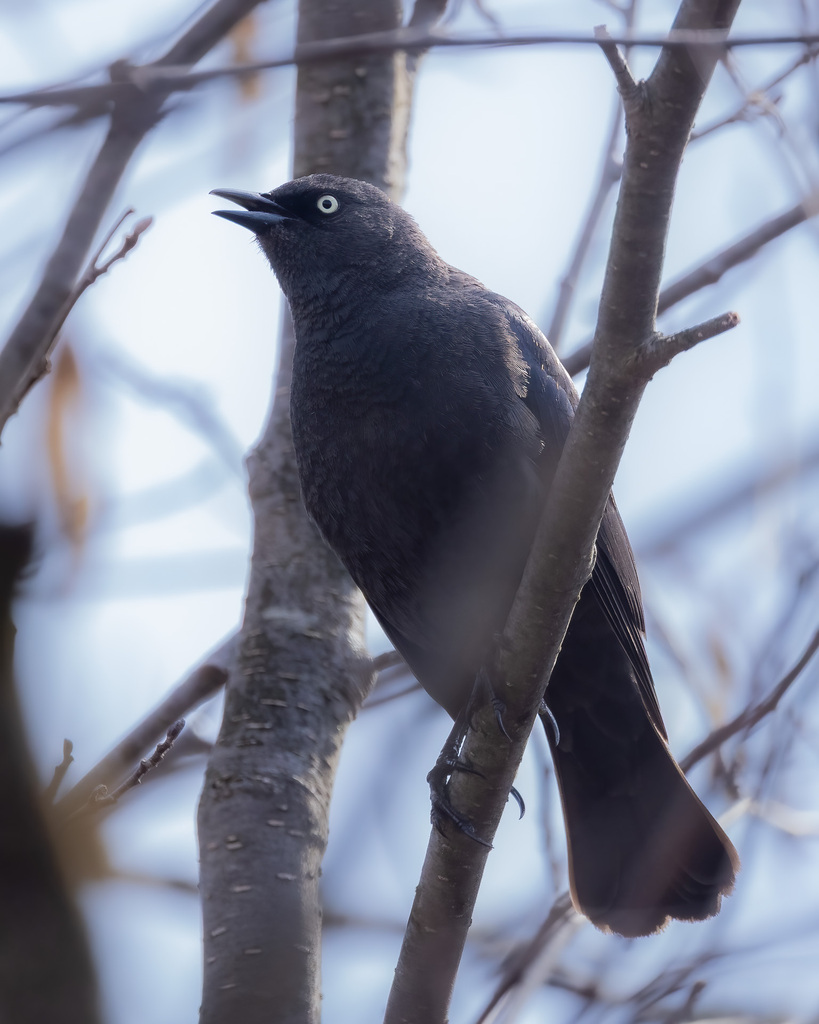
- Rusty BlackbirdEuphagus carolinus
- Song SparrowMelospiza melodia
- Spotted SandpiperActitis macularius
- Tree SwallowTachycineta bicolor
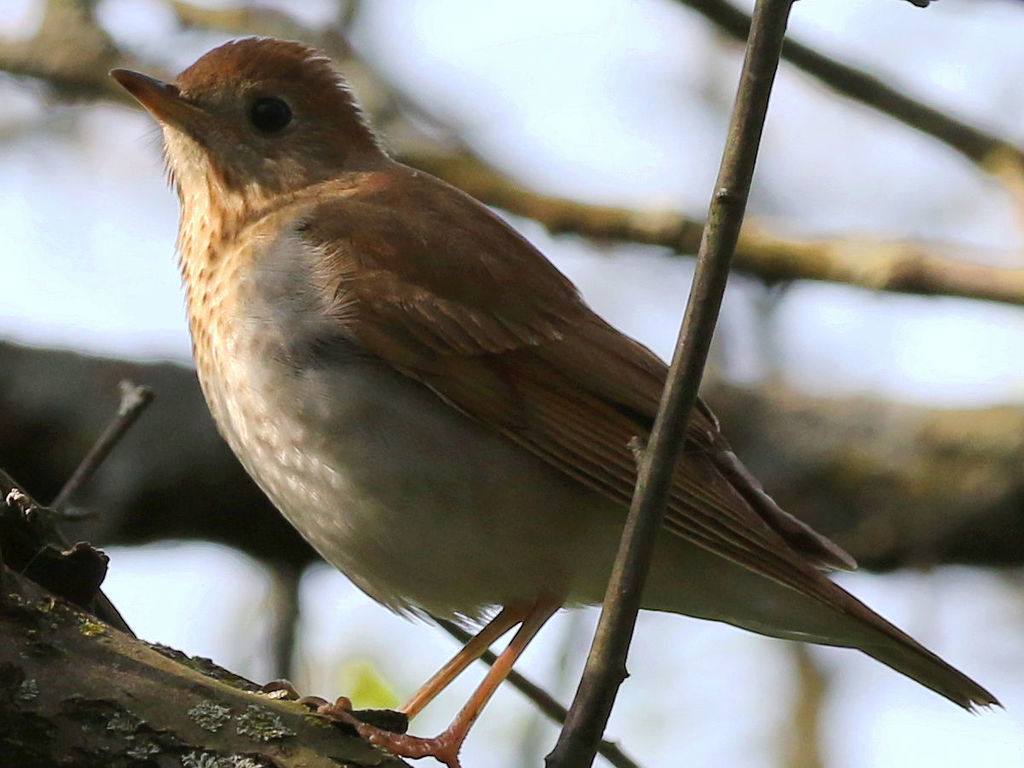
- VeeryCatharus fuscescens
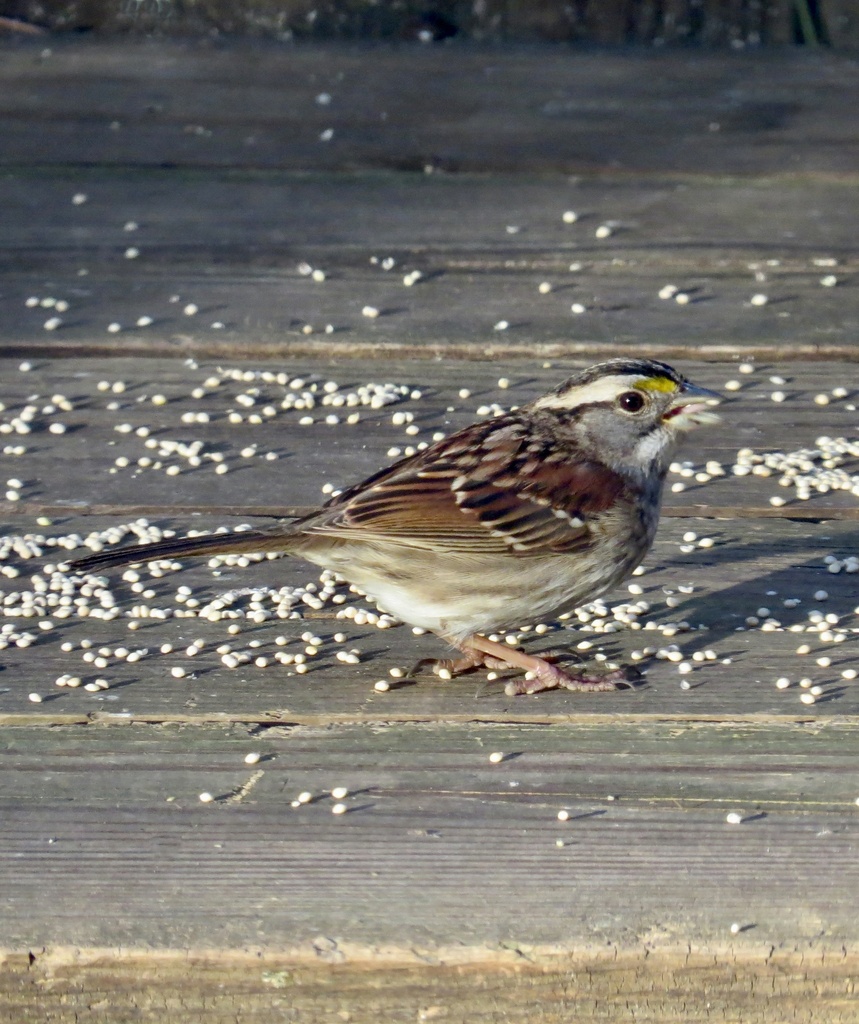
- White-throated SparrowZonotrichia albicollis
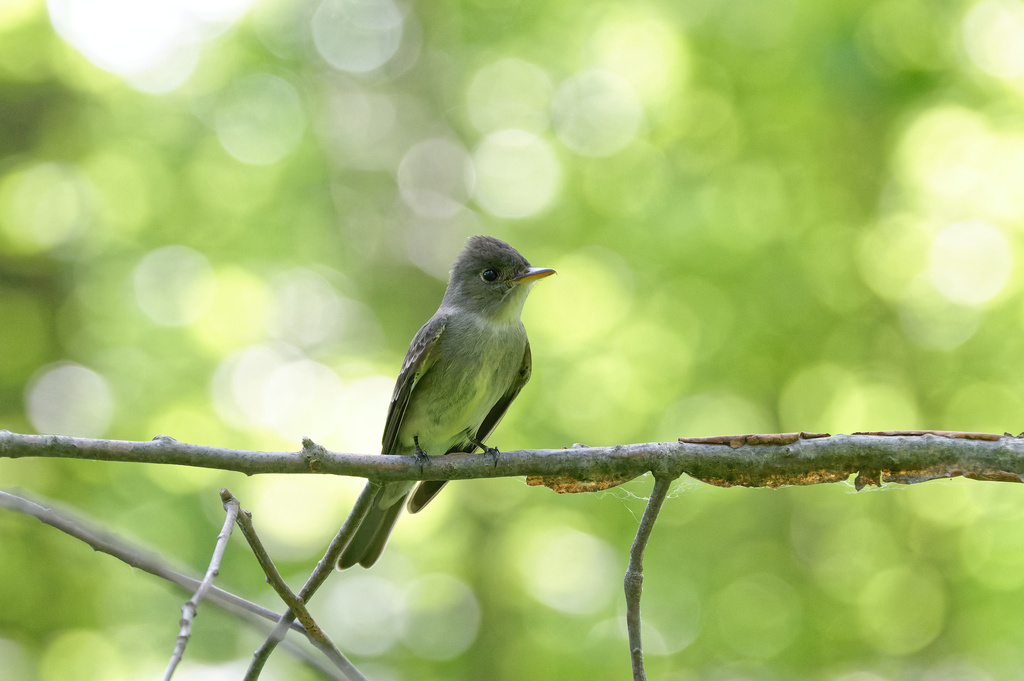
- Willow FlycatcherEmpidonax traillii
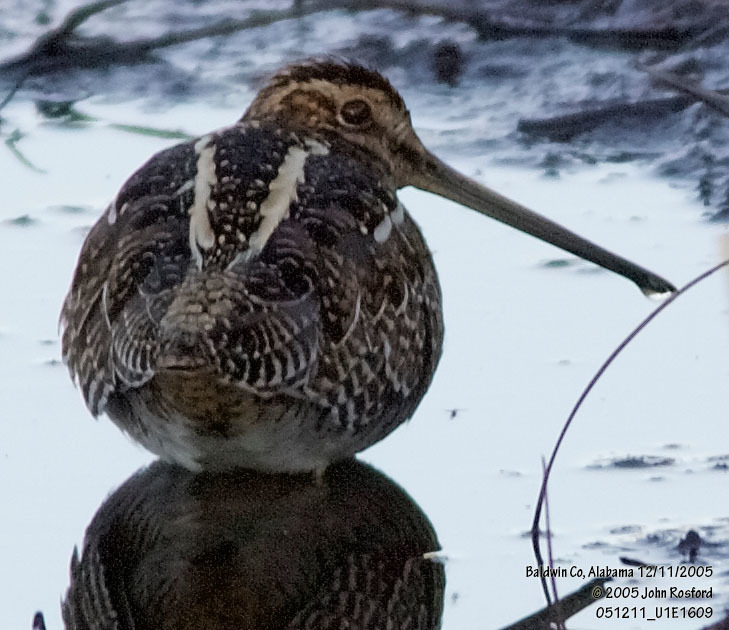
- Wilson's SnipeGallinago delicata
- Wood ThrushHylocichla mustelina
- Yellow-bellied SapsuckerSphyrapicus varius
- Yellow-billed CuckooCoccyzus americanus
- Yellow-crowned Night-heronNyctanassa violacea
- Yellow-rumped WarblerDendroica coronata
- American WoodcockScolopax minor
- Bald EagleHaliaeetus leucocephalus
- Baltimore OrioleIcterus galbula
- Bank SwallowRiparia riparia
- Barred OwlStrix varia
- Black VultureCoragyps atratus
- Blue-winged WarblerVermivora pinus
- Brown ThrasherToxostoma rufum
- CanvasbackAythya valisineria
- Eastern Wood-peweeContopus virens
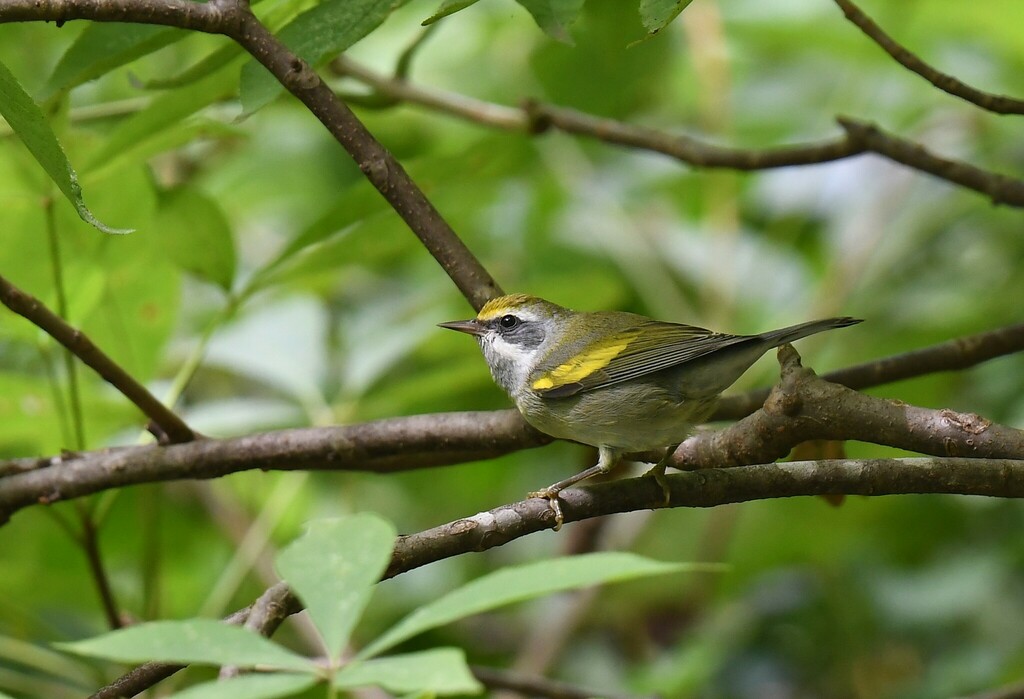
- Golden-winged WarblerVermivora chrysoptera

















Who uses this plant?
 11CaterpillarsGenus host records with ranges including AL
Genus host records with ranges including AL · Lythrum
- Acronicta insularisHenry's Marsh Moth, Cattail Caterpillar
- Actias lunaLuna Moth
- Antheraea polyphemusPolyphemus Moth
- Automeris ioIo Moth
- Callosamia anguliferaTulip-Tree Silkmoth
- Callosamia prometheaPromethea Silkmoth, Promethea Moth
- Citheronia regalisRoyal Walnut Moth, Hickory Horned Devil
- Eacles imperialisImperial Moth, Imperial Spiny Caterpillar
- Eudryas unioPearly Wood-Nymph
- Hyalophora cecropiaCecropia Silkmoth, Cecropia Moth
Show all 11
- Morrisonia confusaConfused Woodgrain
 —BeesSoutheastern regional records
 —Specialist beesPollen specialists
 1BirdsRecorded genus food-resource interactions; not a state feeding claim
Recorded genus food-resource interactions; not a state feeding claim · Lythrum
- Coturnicops noveboracensisYellow Rail
Direct food only: birds recorded eating this genus across North America. Caterpillars on host plants also feed nesting birds. NC Native Plant Society: butterfly gardening
Plant details
- Family
- Lythraceae
- Hardiness
- Zones 3a–9b
- Flower color
- Pink or purple
Safety has not been reviewed for this plant; check toxicity and thorns before planting.
Growing sources and scope
- Bloom · “June to September” · Weakley, Flora of the Southeastern United States (2025), Carolinas & Georgia edition · Carolinas and Georgia
- Flower color · “Pink or purple” · NC Extension Plant Toolbox
- Hardiness · “Zones 3a–9b” · NC Extension Plant Toolbox
- Height · “2–6 feet” · NC Extension Plant Toolbox (ranked first; Fire Effects Information System: Lythrum salicaria differs)
- Life cycle · “Perennial” · NC Extension Plant Toolbox
- Light · “Full sun (6 or more hours of direct sunlight a day)” · NC Extension Plant Toolbox
- Soil · “Occasionally wet” · NC Extension Plant Toolbox
- Spread · “2–4 feet” · NC Extension Plant Toolbox
Conservation status
| Alabama rank | SNA |
|---|---|
| Global rank | G5 |
| AL status | Not verified |
| Federal status | Not verified |
Sources
- Alabama Plant Atlas
- Alabama Invasive Plant Council list
- USDA PLANTS
- Weakley, Flora of the Southeastern United States (2025)
- NatureServe Explorer
- Shropshire & Tallamy 2025, Lepidoptera of North America north of Mexico, ZooKeys 1261 (ODbL)
- Noori, Seltmann & Orr 2026, A curated and integrated dataset for exploring global bee-plant interactions (GloBI), Zenodo, CC BY 4.0
- Smith, Bachelder, Russell, Morales, Mosher & Seltmann 2024, Bee-Specialization-Modeling v0.6.1 (specialist host table compiled from J. Fowler's pollen specialist bee lists), Zenodo, CC BY 4.0
- Hurlbert, Olsen, Sawyer & Winner 2021, Avian Diet Database, Scientific Data 8: 260 (CC0)
- Narango, Tallamy & Shropshire 2020, Few keystone plant genera support the majority of Lepidoptera species, Nature Communications