

Grooved Yellow Flax
Linum sulcatum
Found in prairies and grasslands; forests and woodlands; glades, barrens and outcrops on limestone; glades, barrens and outcrops on mafic or serpentine rock. Weakley, Flora of the Southeastern United States (2025), South Central edition What its natural habitat tells you
Native to Alabama. How scores work Is it native here?
Profile 88%
- Height
- 8–24 inches
- Light
- Full sun
- Soil moisture
- Dry to somewhat dry
No photograph yet. Looking for an old drawing…
At a glance
- Life cycle
- Annual
- Bloom
- May to October
Not yet recorded · Spread · Leaves
Recorded in 18 Alabama counties.
Natural habitats
Places it grows wild. Not a planting requirement. Each habitat page lists the plants and wildlife also found there.
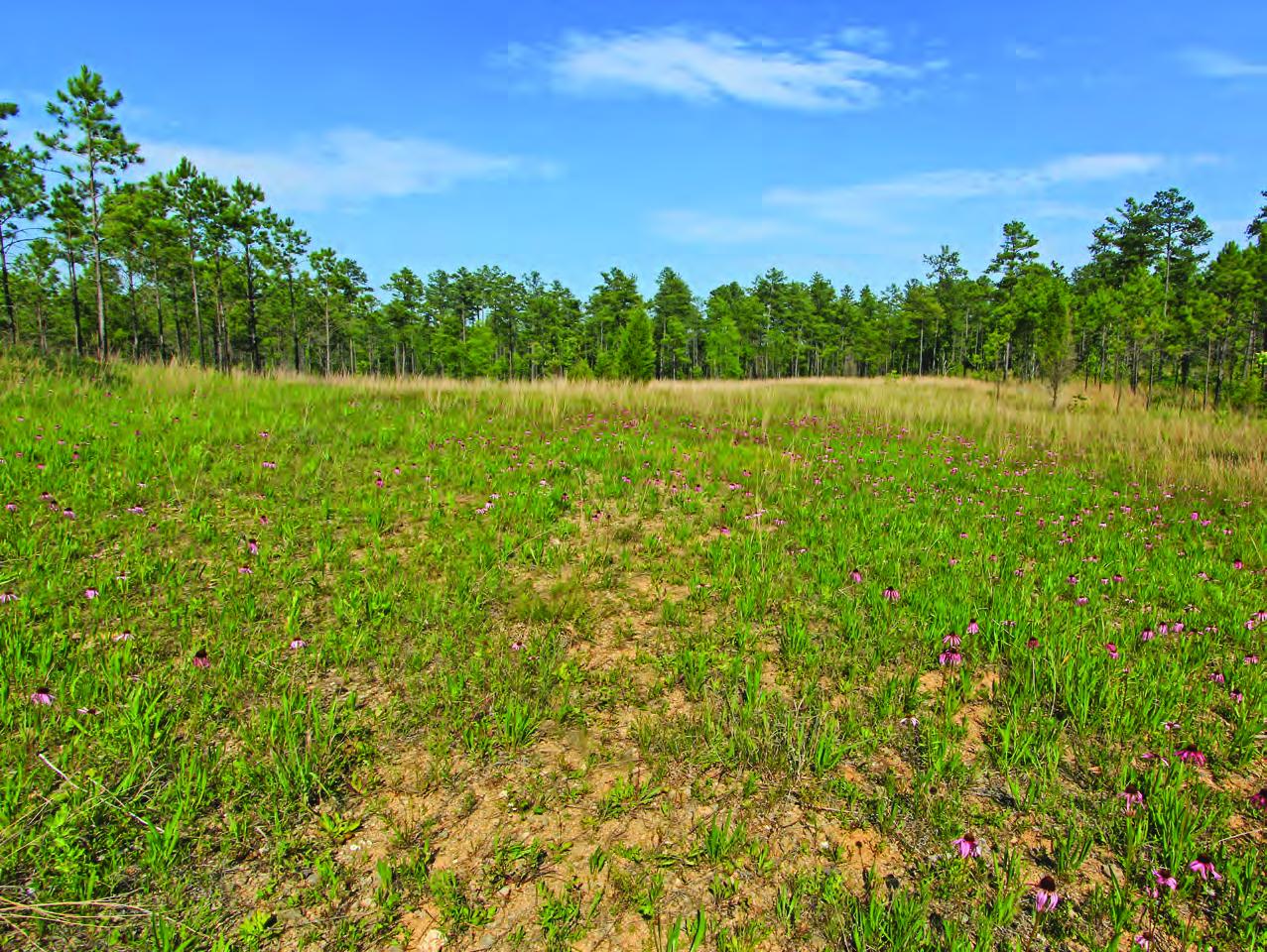
Glades, barrens and outcrops on limestone
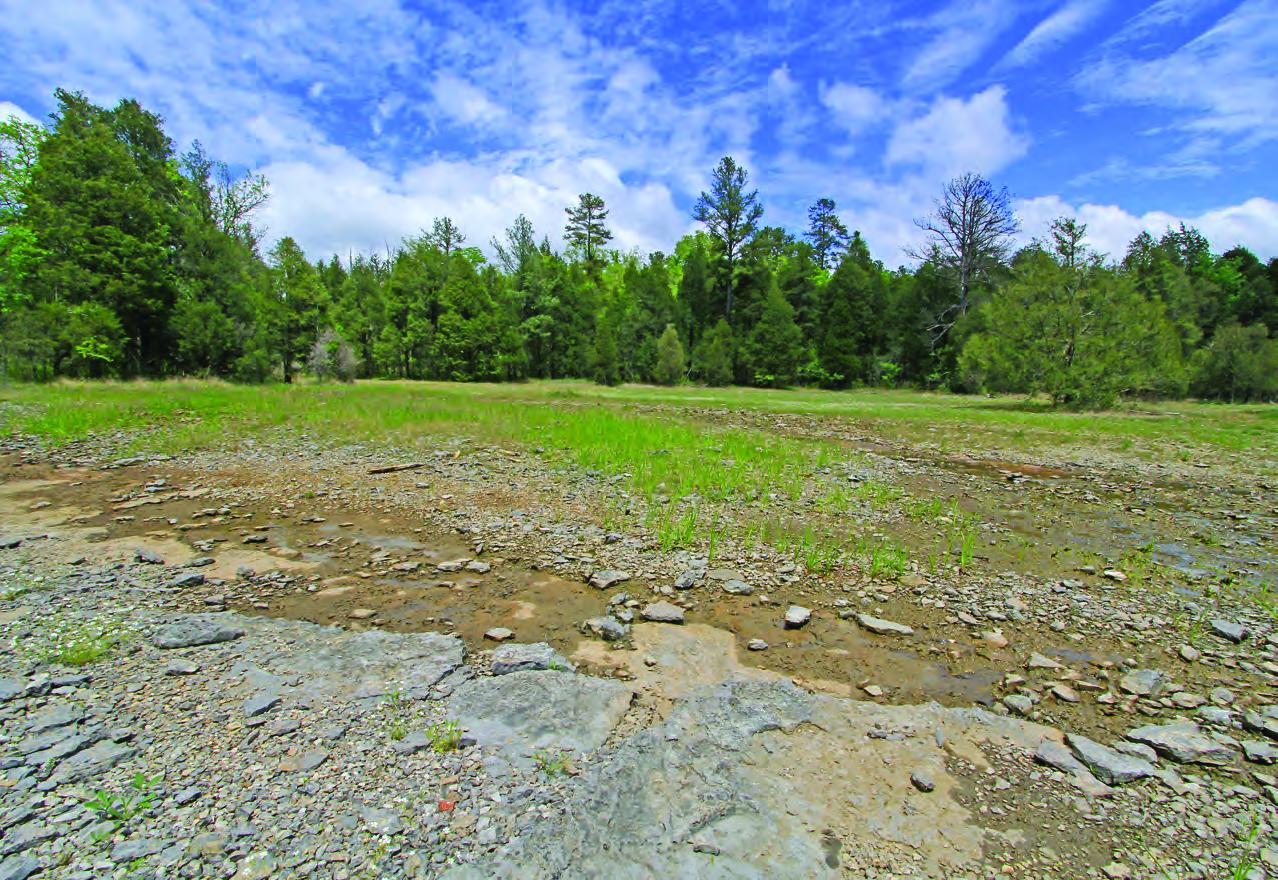
Glades, barrens and outcrops on mafic or serpentine rock
Open, thin-soil openings, outcrops and cliffs on dark, magnesium- or iron-rich rock such as serpentine, diabase or gabbro.
Also found with this plant
Wildlife whose habitat models include habitats this plant grows in, in Alabama. Shared habitat, not food. 61 animals.
- European StarlingSturnus vulgaris
- Golden-crowned KingletRegulus satrapa
- Great Horned OwlBubo virginianus
- Hairy WoodpeckerPicoides villosus
- Hooded MerganserLophodytes cucullatus
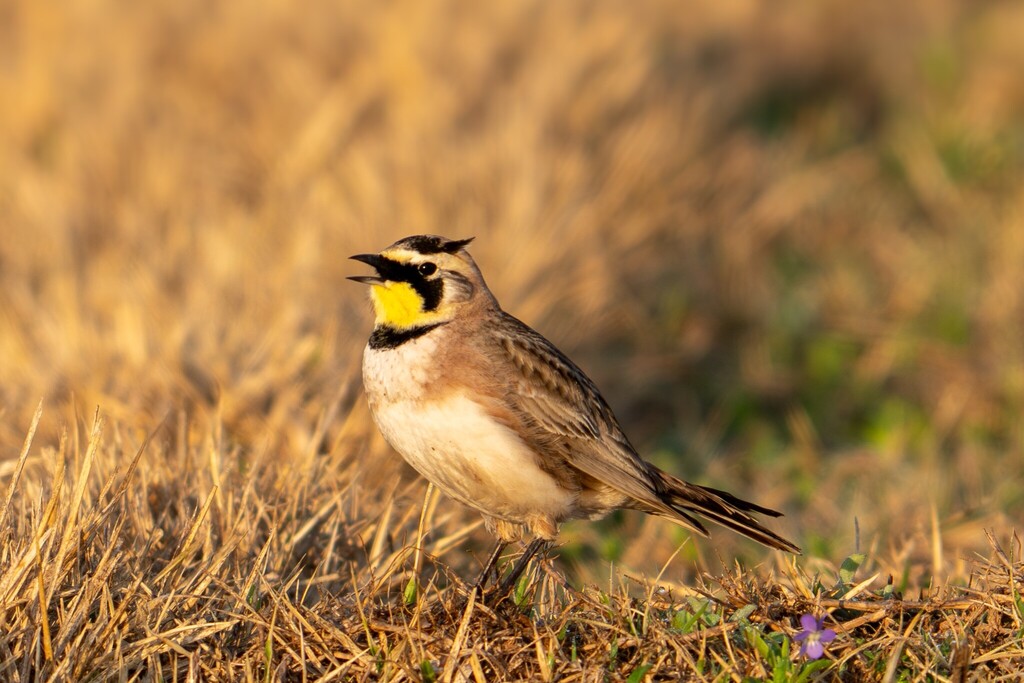
- Horned LarkEremophila alpestris
- Lark SparrowChondestes grammacus
- Mourning DoveZenaida macroura
- Northern BobwhiteColinus virginianus
- Northern FlickerColaptes auratus
- Northern MockingbirdMimus polyglottos
- Orchard OrioleIcterus spurius
- OspreyPandion haliaetus
- Pine SiskinCarduelis pinus
- Prairie WarblerDendroica discolor
- Purple FinchCarpodacus purpureus
- Red-headed WoodpeckerMelanerpes erythrocephalus
- Red-tailed HawkButeo jamaicensis
- Red-winged BlackbirdAgelaius phoeniceus
- Ruby-crowned KingletRegulus calendula
- Ruby-throated HummingbirdArchilochus colubris
- Ruffed GrouseBonasa umbellus
- Sharp-shinned HawkAccipiter striatus
- Short-eared OwlAsio flammeus





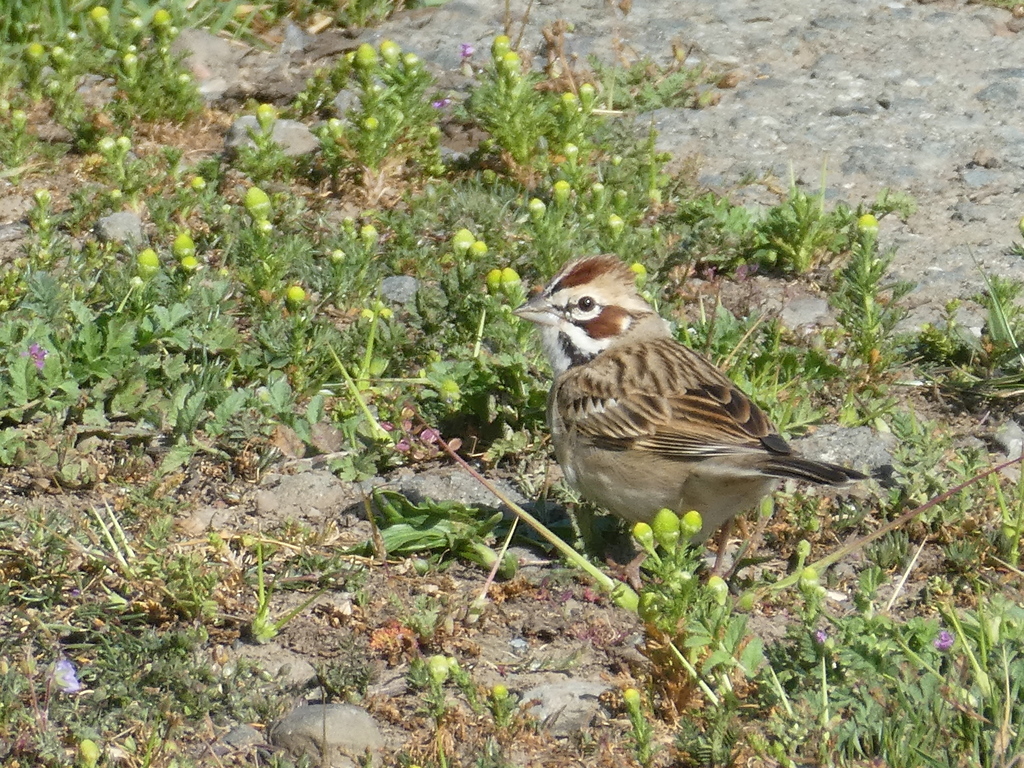




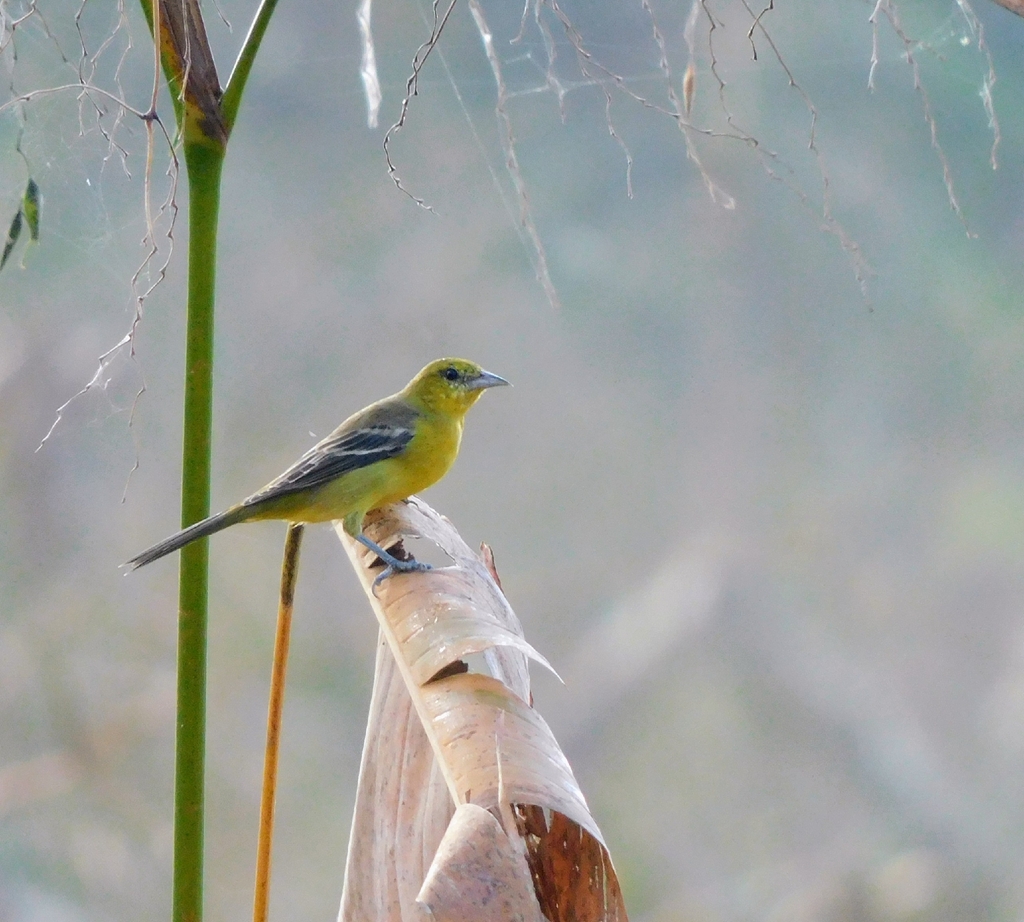


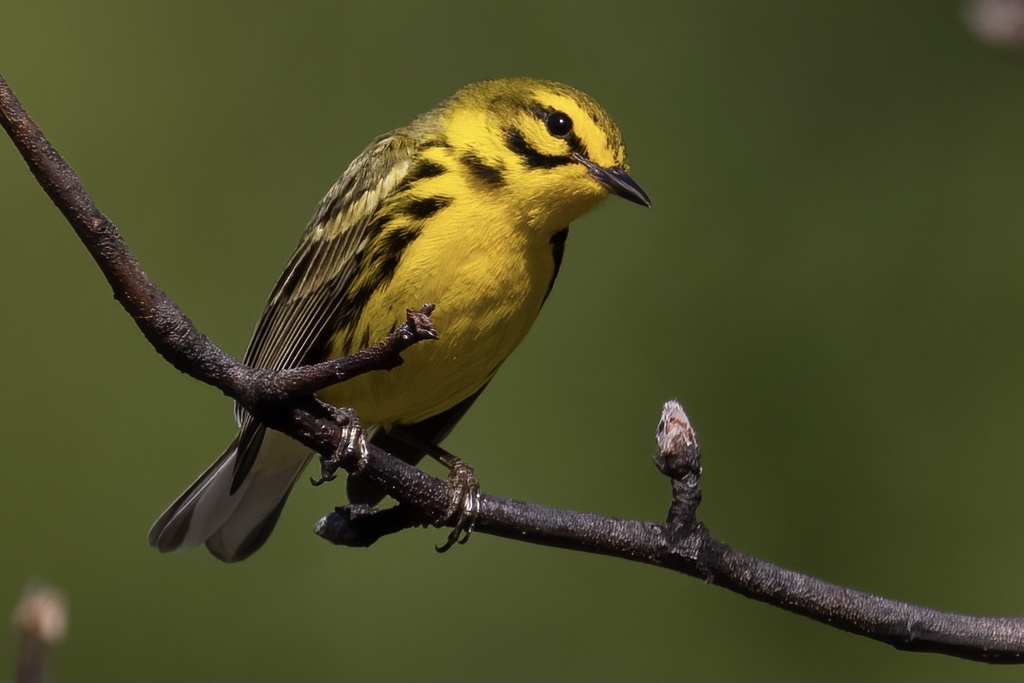








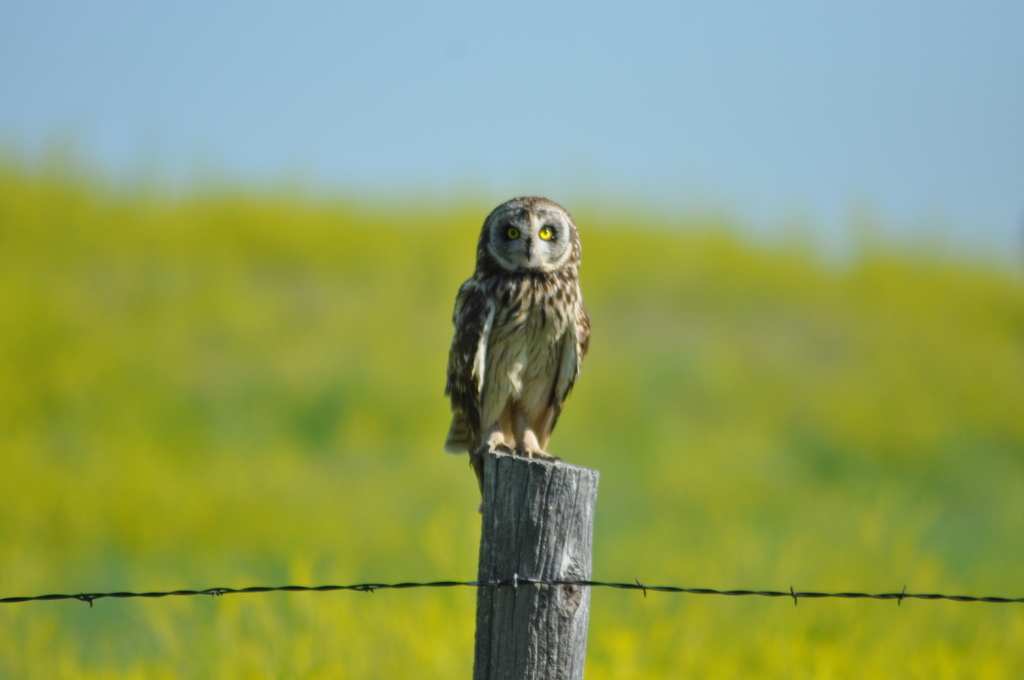
Who uses this plant?
 14CaterpillarsGenus host records with ranges including AL
Genus host records with ranges including AL · Linum
- Anticarsia gemmatalisVelvetbean Caterpillar Moth
- Chloridea virescensTobacco Budworm Moth
- Chrysodeixis includensSoybean Looper Moth
- Elasmopalpus lignosellaLesser Cornstalk Borer
- Euptoieta claudiaVariegated Fritillary, (?)Gulf Fritillary
- Feltia jaculiferaDingy Cutworm
- Feltia subgothicaSubgothic Dart
- Helicoverpa zeaCorn Earworm Moth
- Mythimna unipunctaArmyworm Moth, White Speck
- Paleacrita vernataSpring Cankerworm Moth
Show all 14
- Spodoptera albulaWhite-Spotted Armyworm, Gray-Streaked Armyworm
- Spodoptera eridaniaSouthern Armyworm Moth
- Spodoptera frugiperdaFall Armyworm Moth
- Xestia dolosaGreater Black-Letter Dart, Greater Spotted Cutworm
 0BeesSoutheastern regional records
 0Specialist beesPollen specialists
 3BirdsRecorded genus food-resource interactions; not a state feeding claim
Recorded genus food-resource interactions; not a state feeding claim · Linum
- Antigone canadensisSandhill Crane
- Tympanuchus pallidicinctusLesser Prairie-Chicken
- Tympanuchus phasianellusSharp-tailed Grouse
Direct food only: birds recorded eating this genus across North America. Caterpillars on host plants also feed nesting birds. NC Native Plant Society: butterfly gardening
No records yet · Ants · Beetles · Flies · Adult butterflies / moths · Other wasps · Other insects
Plant details
- Family
- Linaceae
- Flower color
- Yellow
Safety has not been reviewed for this plant; check toxicity and thorns before planting.
Growing sources and scope
- Bloom · “May to October” · Weakley, Flora of the Southeastern United States (2025), Carolinas & Georgia edition (ranked first; Prairie Moon 2026 Cultural Guide differs) · Carolinas and Georgia
- Flower color · “Yellow” · Prairie Moon 2026 Cultural Guide · Nursery cultural guide; height in flower; moisture categories retained as printed
- Height · “8–24 inches” · Minnesota Wildflowers (ranked first; Prairie Moon 2026 Cultural Guide differs)
- Life cycle · “Annual” · Minnesota Wildflowers
- Light · “Full sun (6+ hours)” · Prairie Moon 2026 Cultural Guide · Nursery cultural guide; height in flower; moisture categories retained as printed
- primary_flower_color · “yellow” · Prairie Moon 2026 Cultural Guide
- Soil · “Dry-mesic; Dry” · Prairie Moon 2026 Cultural Guide · Nursery cultural guide; height in flower; moisture categories retained as printed
Conservation status
| Alabama rank | S3S4 |
|---|---|
| Global rank | G5 |
| AL status | Not verified |
| Federal status | Not verified |
Will it fit your yard?
Check this plant against your county, sun and soil moisture. Conditions are checked in your browser.
Sources
- Alabama Plant Atlas
- USDA PLANTS
- Vascular Plants of North Carolina (NC Natural Heritage Program)
- Weakley, Flora of the Southeastern United States (2025), Carolinas & Georgia edition
- NatureServe Explorer
- Shropshire & Tallamy 2025, Lepidoptera of North America north of Mexico, ZooKeys 1261 (ODbL)
- Noori, Seltmann & Orr 2026, A curated and integrated dataset for exploring global bee-plant interactions (GloBI), Zenodo, CC BY 4.0
- Smith, Bachelder, Russell, Morales, Mosher & Seltmann 2024, Bee-Specialization-Modeling v0.6.1 (specialist host table compiled from J. Fowler's pollen specialist bee lists), Zenodo, CC BY 4.0
- Hurlbert, Olsen, Sawyer & Winner 2021, Avian Diet Database, Scientific Data 8: 260 (CC0)
- Narango, Tallamy & Shropshire 2020, Few keystone plant genera support the majority of Lepidoptera species, Nature Communications