

Atlantic St. John's-wort
Hypericum tenuifolium
Found in pine flatwoods, pine savannas, longleaf pine sandhills. Weakley, Flora of the Southeastern United States (2025), South Central edition What its natural habitat tells you
Native to Alabama. How scores work Is it native here?
Profile 82%
- Height
- 1–2 feet
- Spread
- 1–2 feet
- Light
- Full sun, Partial shade
- Soil moisture
- Somewhat dry to moist
Space about 1.5 ft apart from its recorded spread, about 44 per 100 sq ft. Enter your bed size for a count
Will it fit your yard?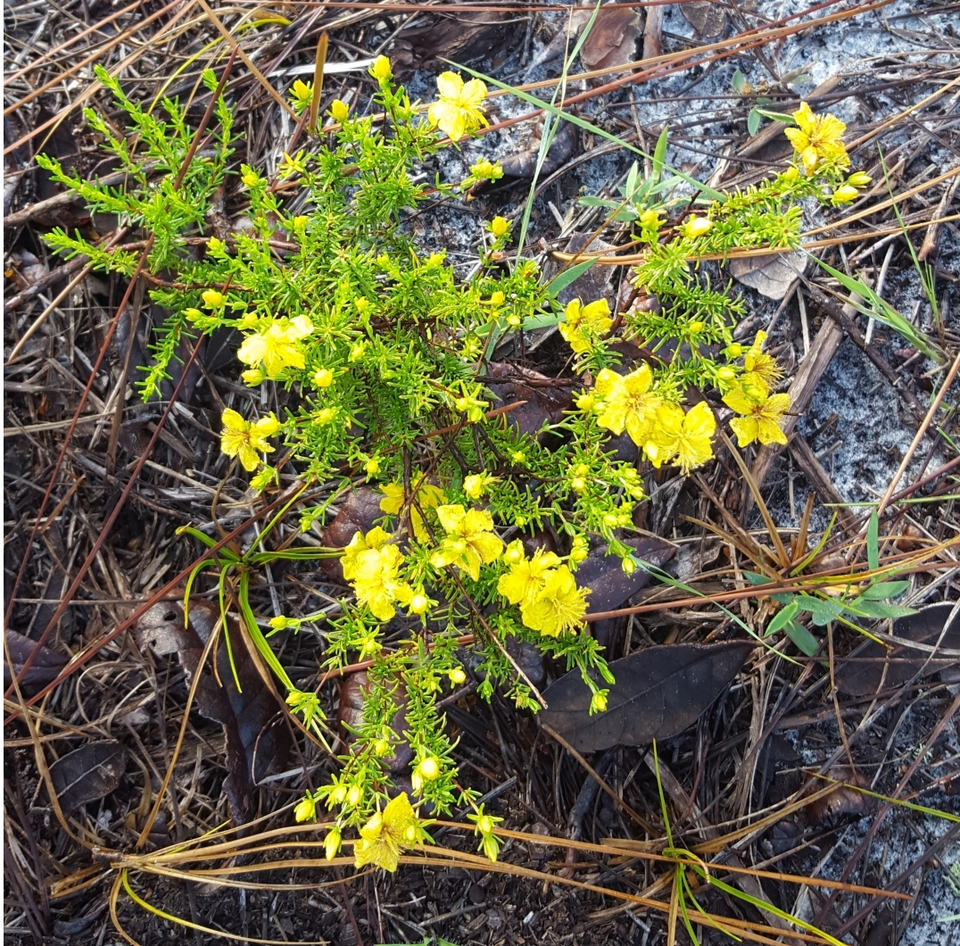
Rare or protected plant. Specialist conservation planting; excluded from routine garden suggestions. Plant caution source
Hidden from default planting suggestions. Wildlife value and native status remain unchanged.
At a glance
- Life cycle
- Woody perennial
- Leaves
- Evergreen
Not yet recorded · Bloom
Recorded in 5 Alabama counties.
Natural habitats
Places it grows wild. Not a planting requirement. Each habitat page lists the plants and wildlife also found there.
Flat, sandy Coastal Plain pine woodlands, wetter than sandhills and denser than savannas.
Open, fire-kept longleaf pine stands over grasses and wildflowers on wet to moist sandy soil.
Dry, deep-sand ridges with longleaf pine and turkey oak, kept open by fire.
Also found with this plant
Wildlife whose habitat models include habitats this plant grows in, in Alabama. Shared habitat, not food. 101 animals.
- Ring-necked DuckAythya collaris
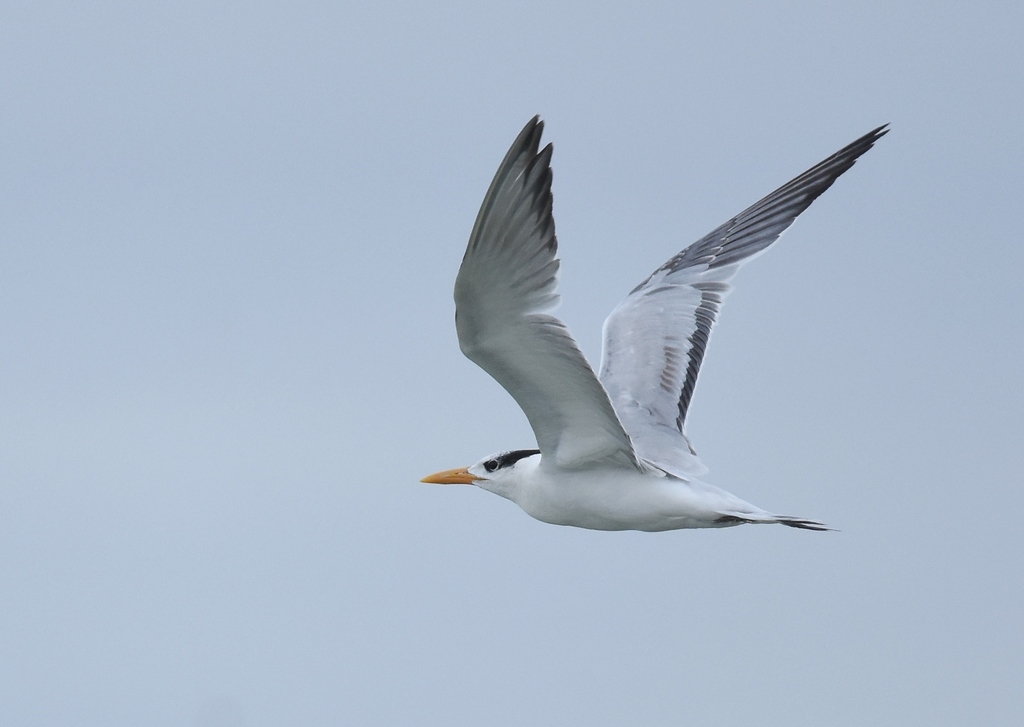
- Royal TernThalasseus maximus
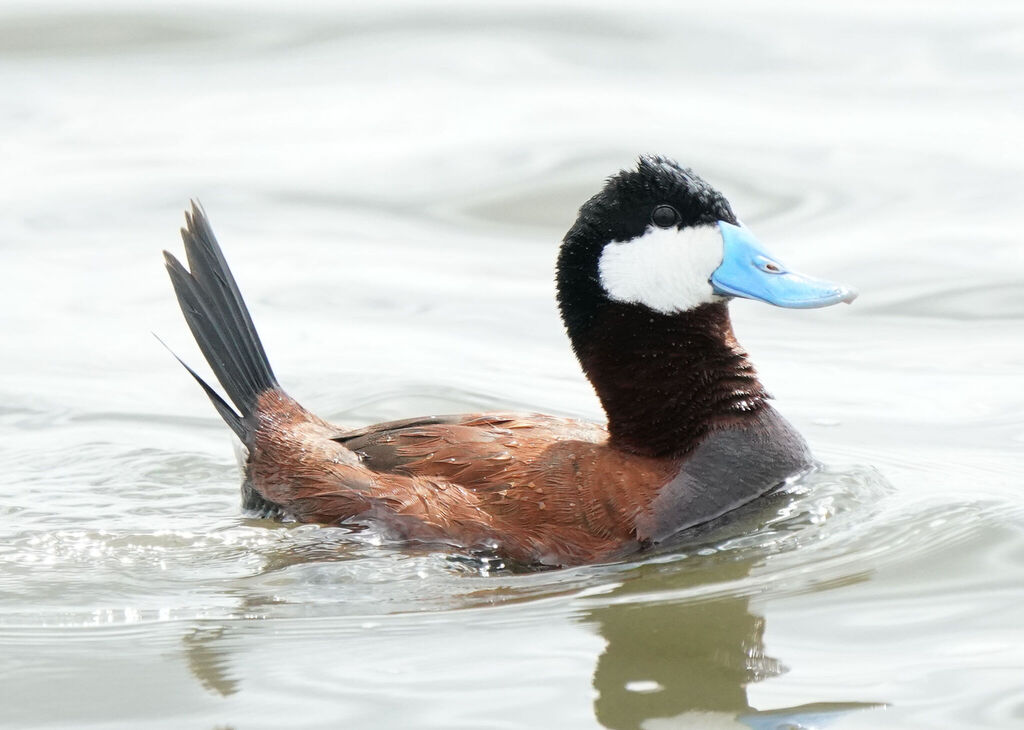
- Ruddy DuckOxyura jamaicensis
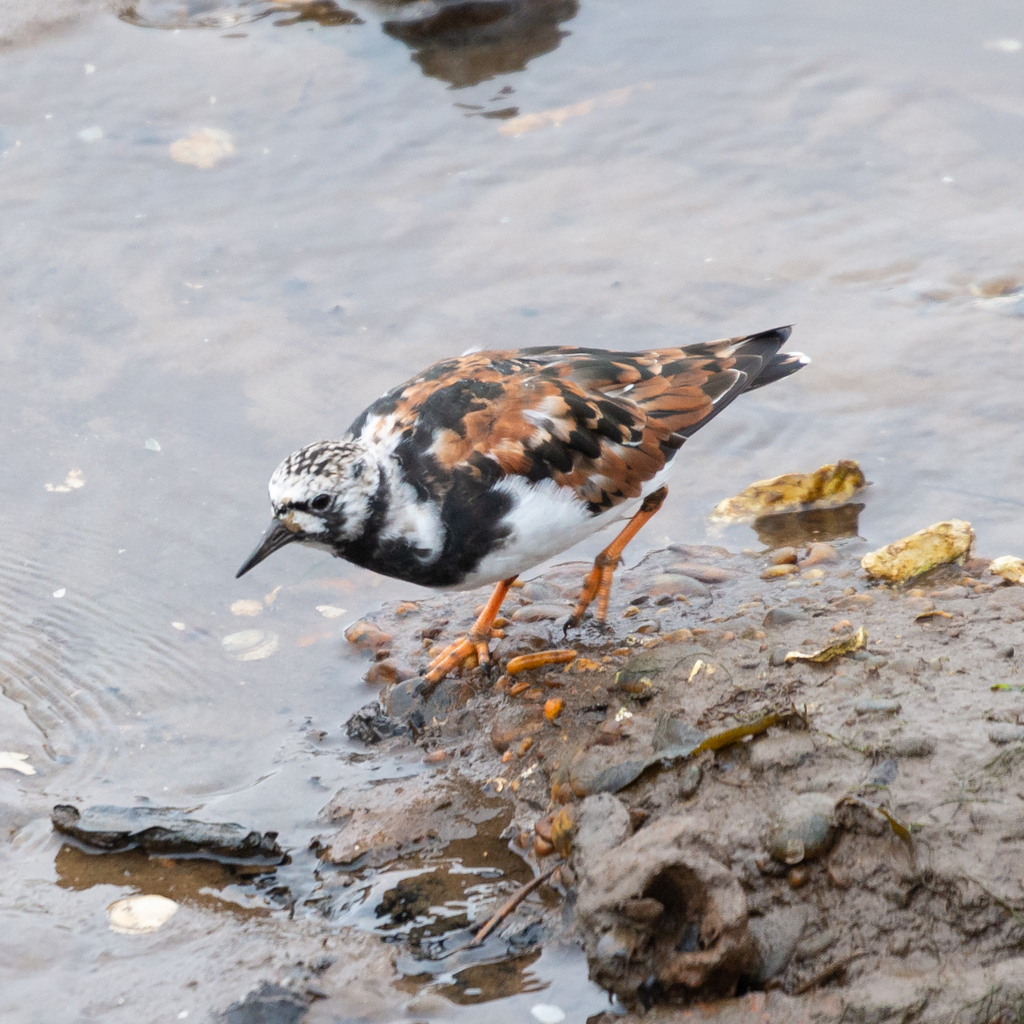
- Ruddy TurnstoneArenaria interpres
- Rusty BlackbirdEuphagus carolinus
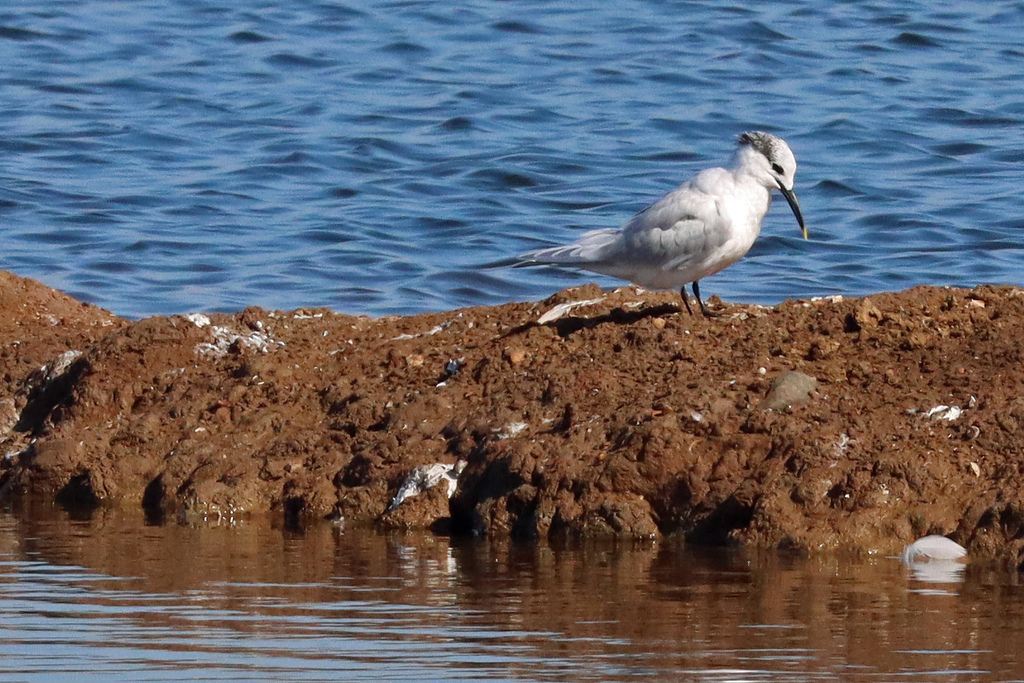
- Sandwich TernThalasseus sandvicensis
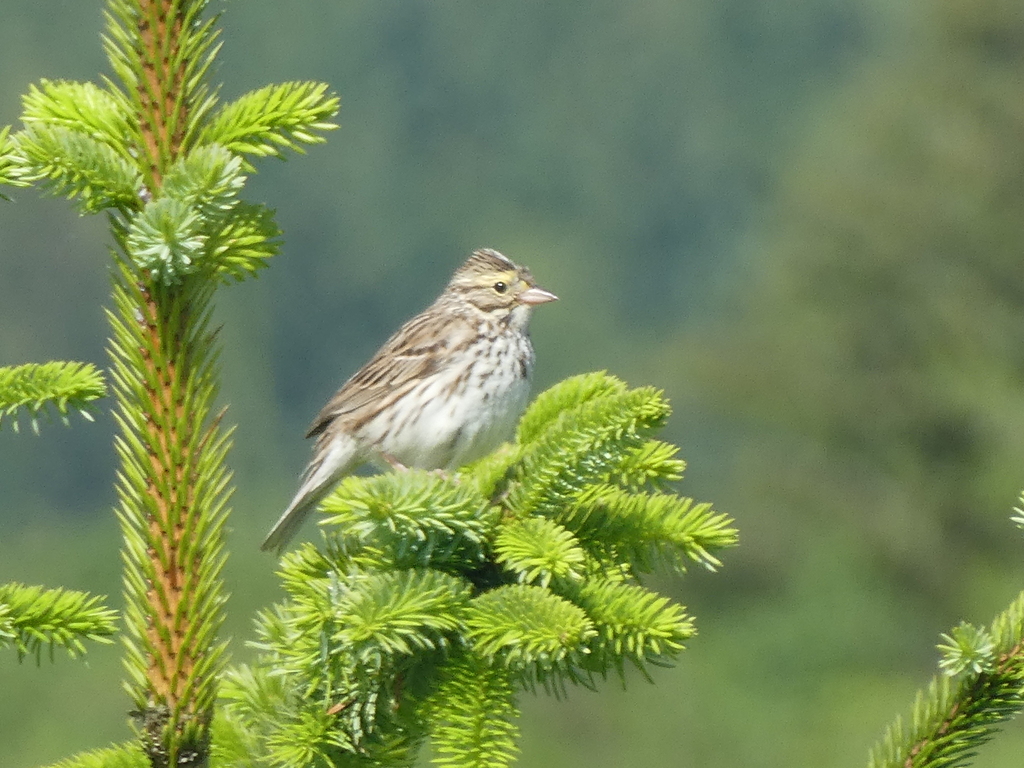
- Savannah SparrowPasserculus sandwichensis
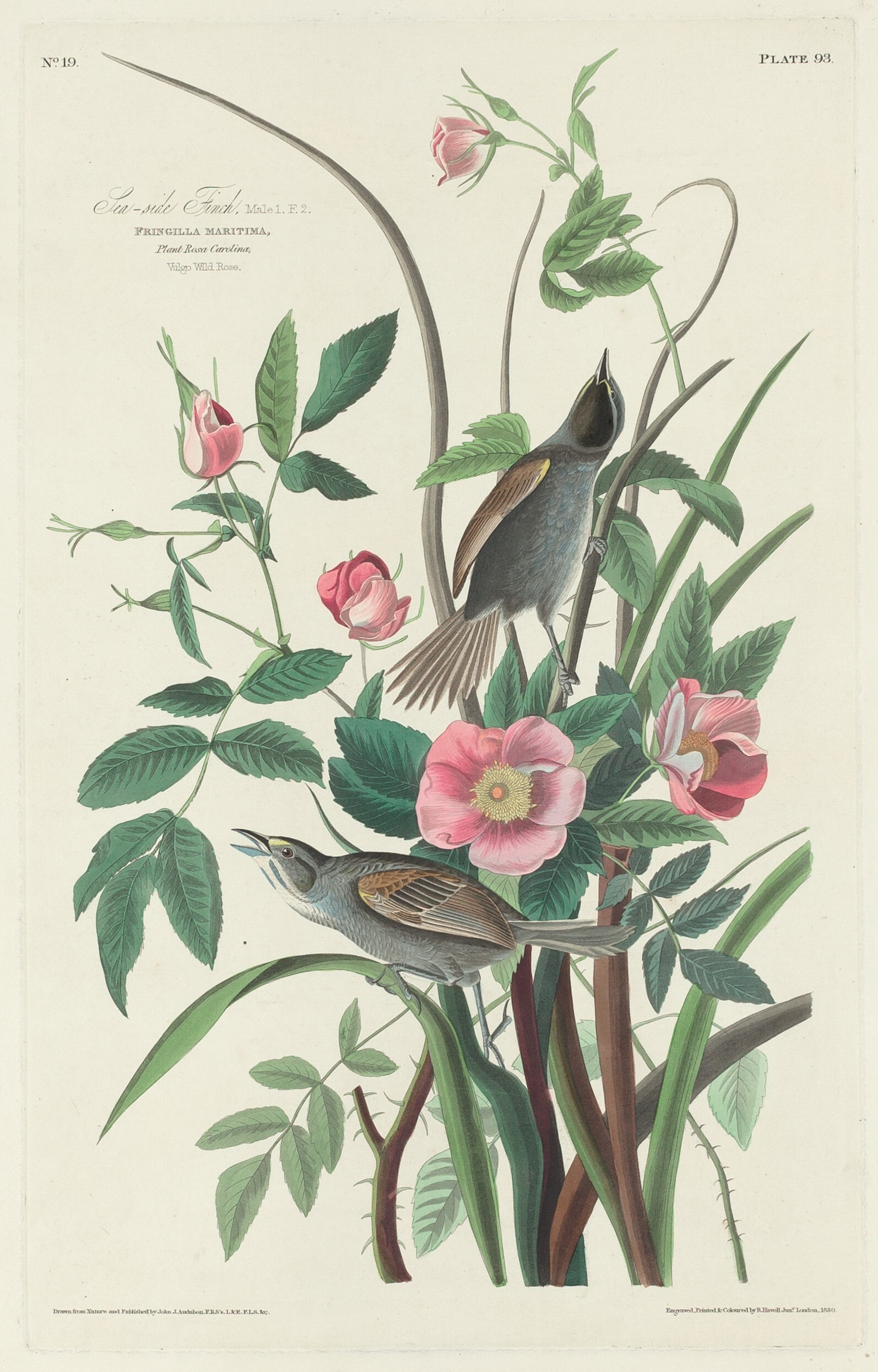
- Seaside SparrowAmmodramus maritimus
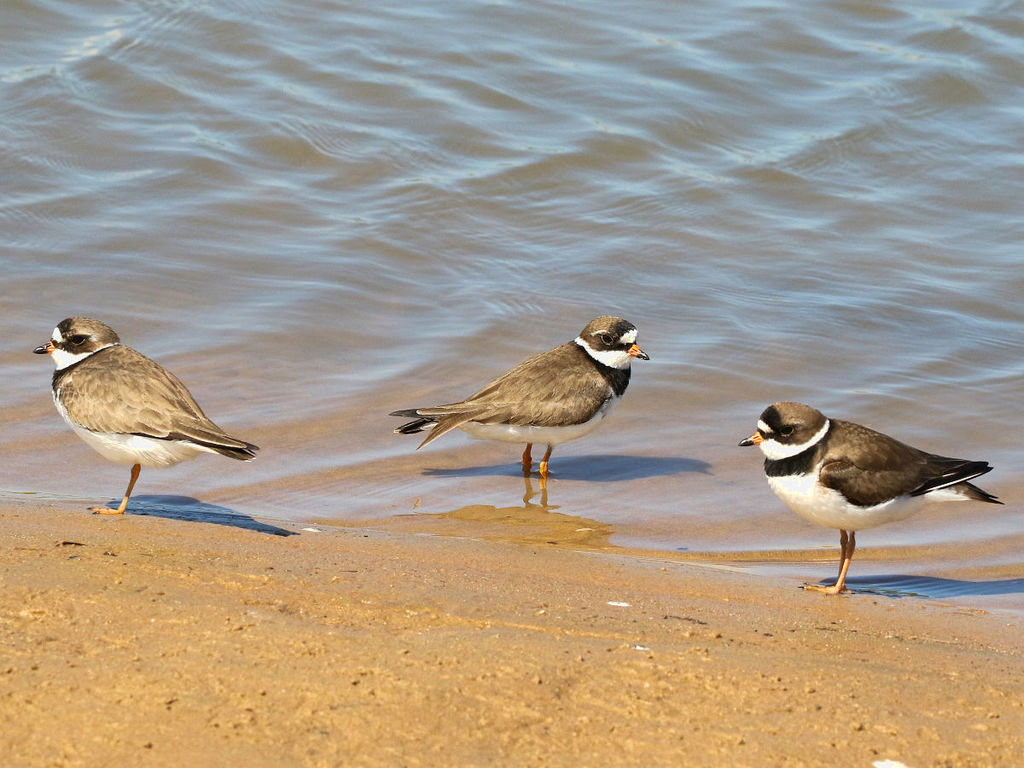
- Semipalmated PloverCharadrius semipalmatus
- Sharp-shinned HawkAccipiter striatus
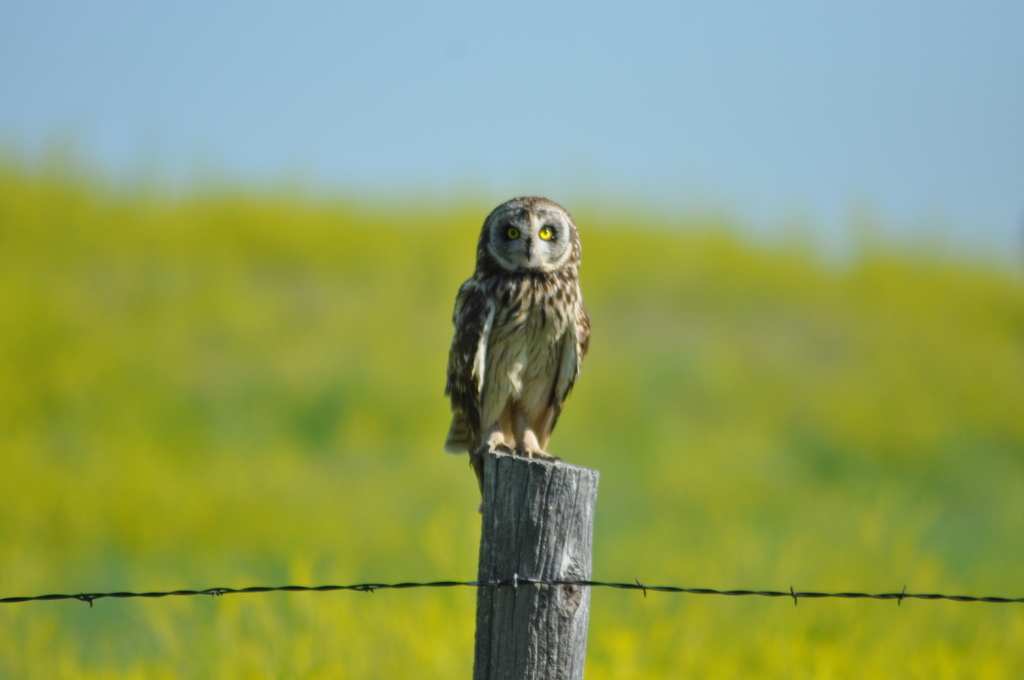
- Short-eared OwlAsio flammeus
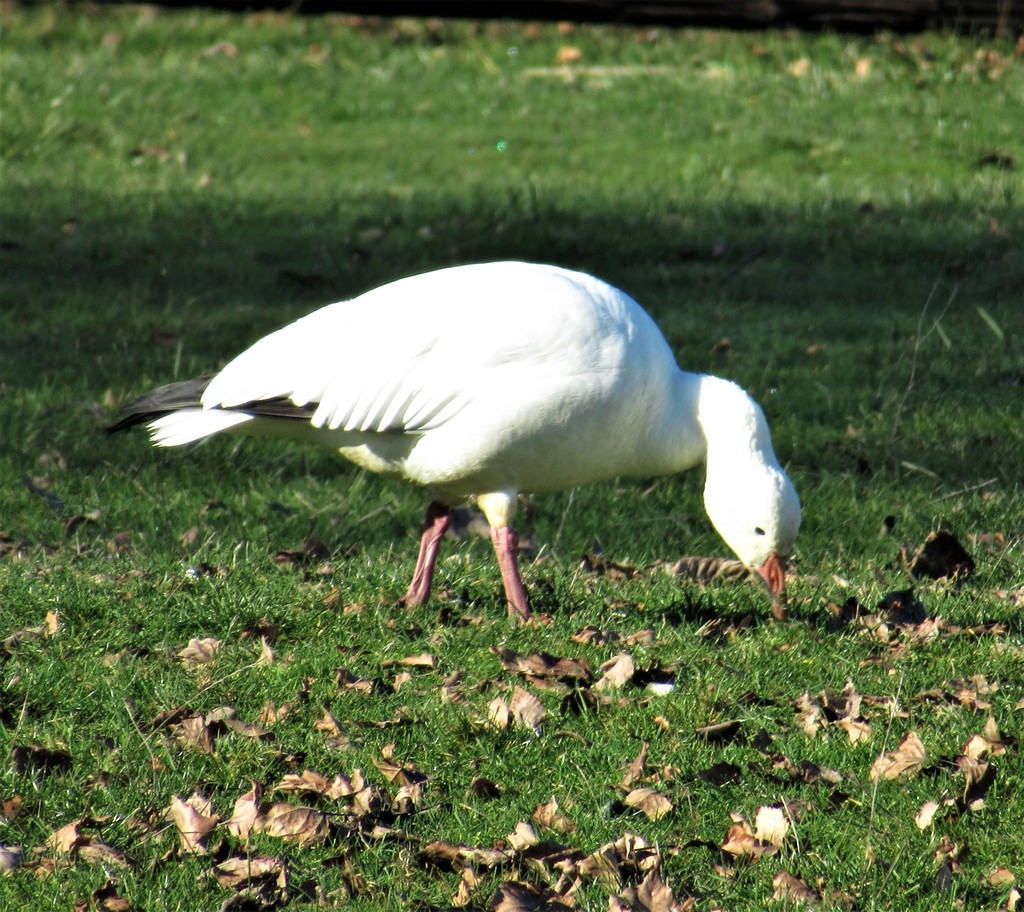
- Snow GooseChen caerulescens
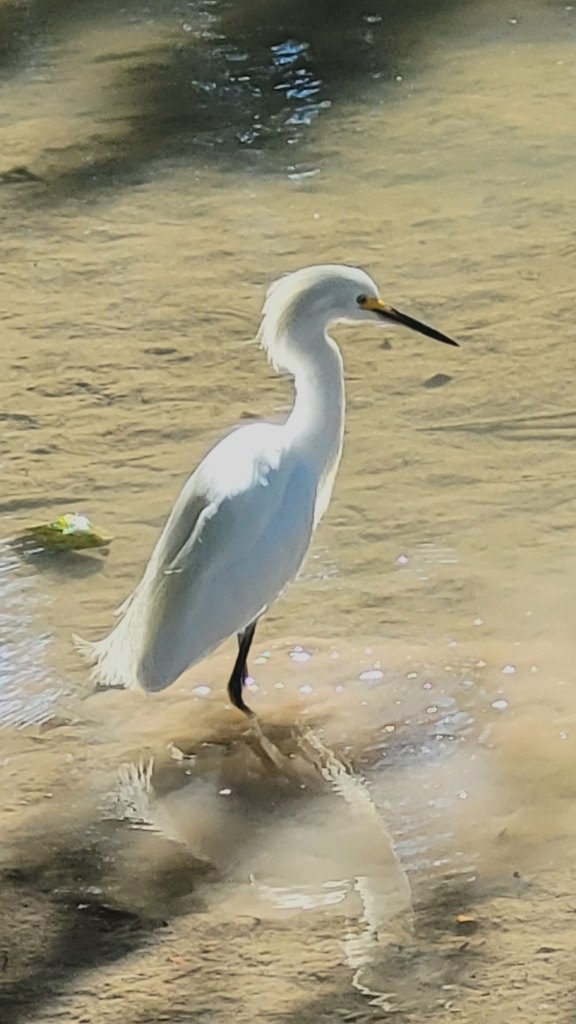
- Snowy EgretEgretta thula
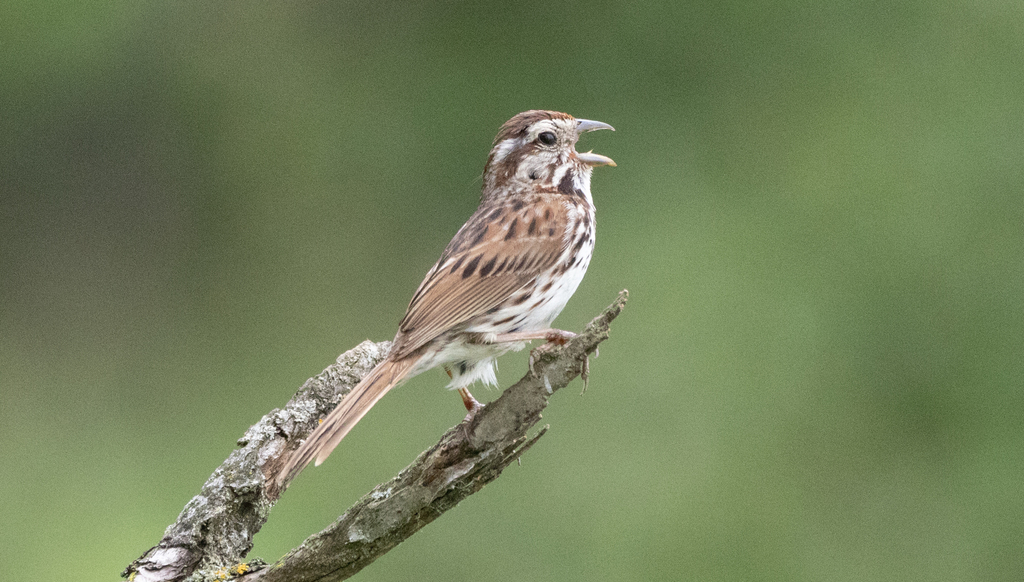
- Song SparrowMelospiza melodia
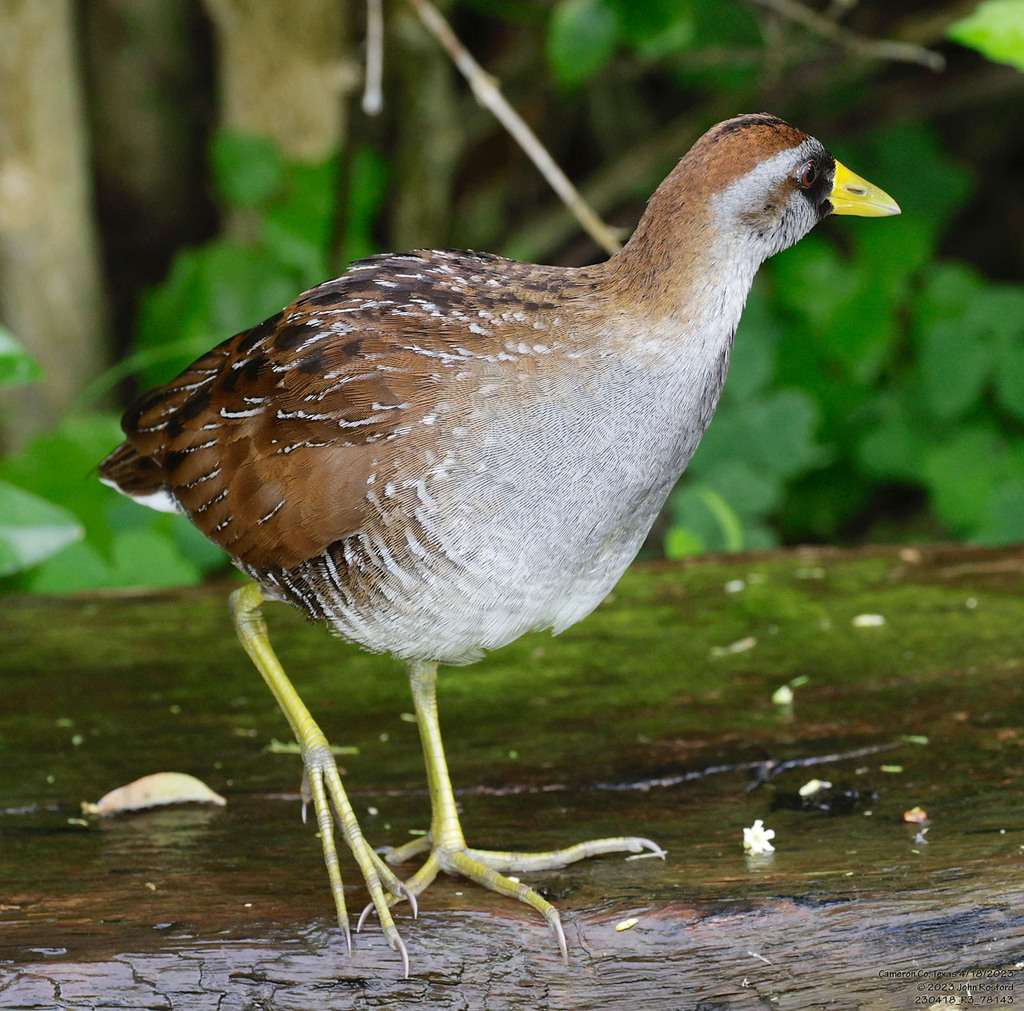
- SoraPorzana carolina
- Spotted SandpiperActitis macularius
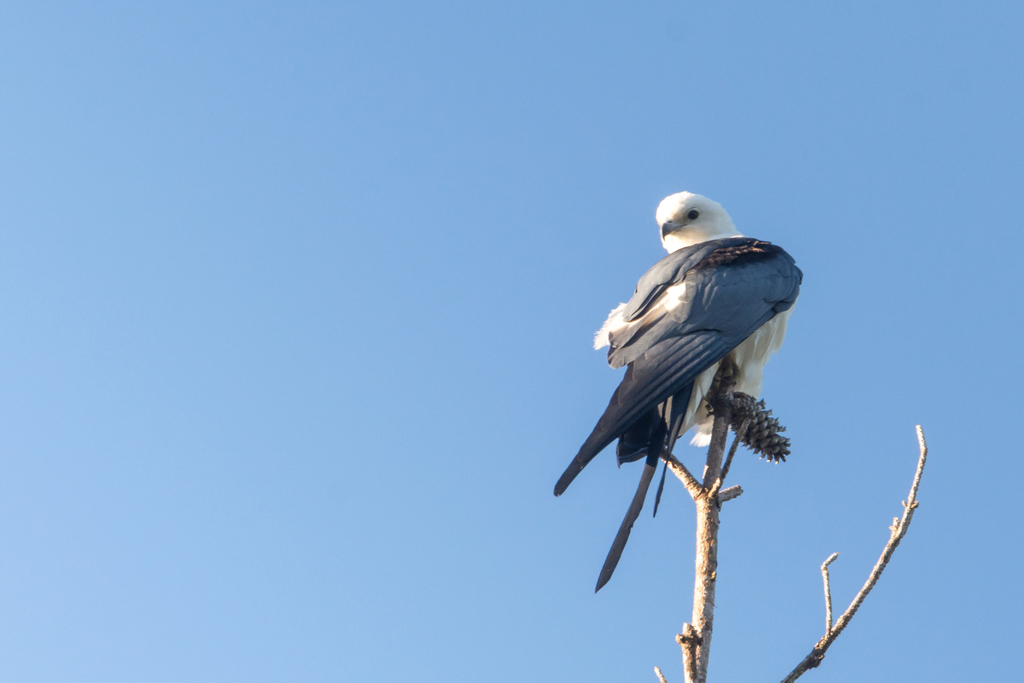
- Swallow-tailed KiteElanoides forficatus
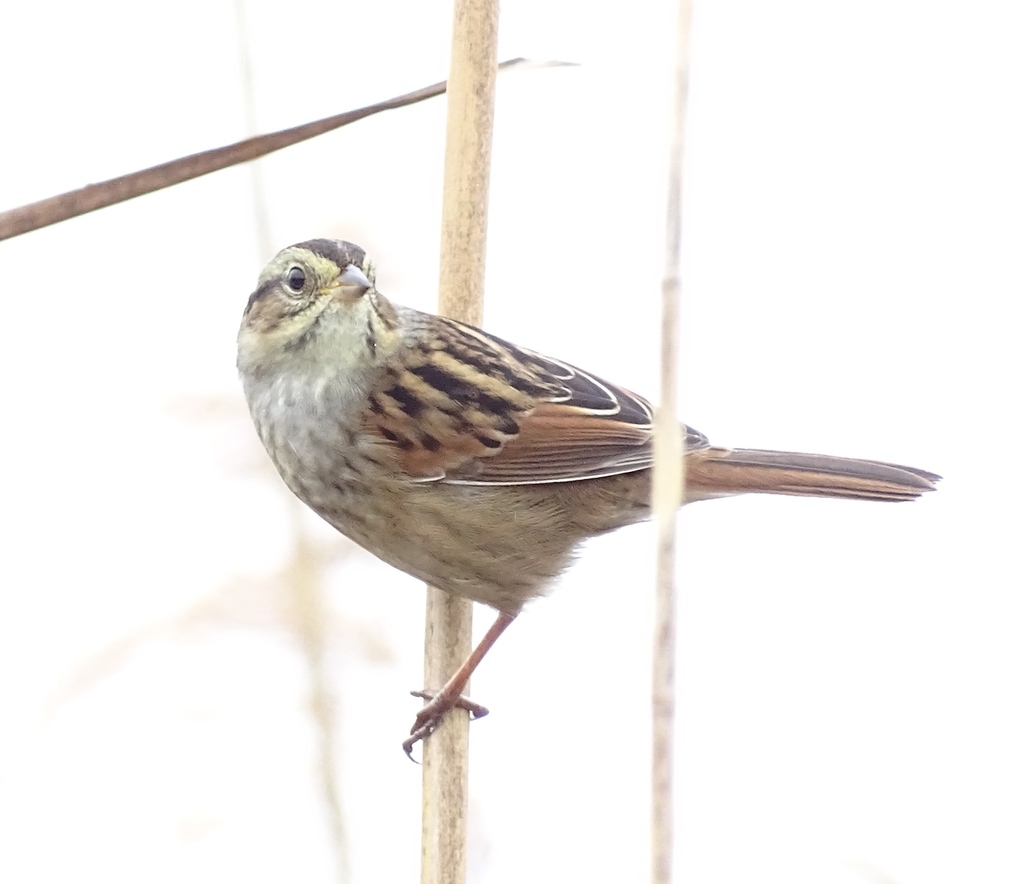
- Swamp SparrowMelospiza georgiana
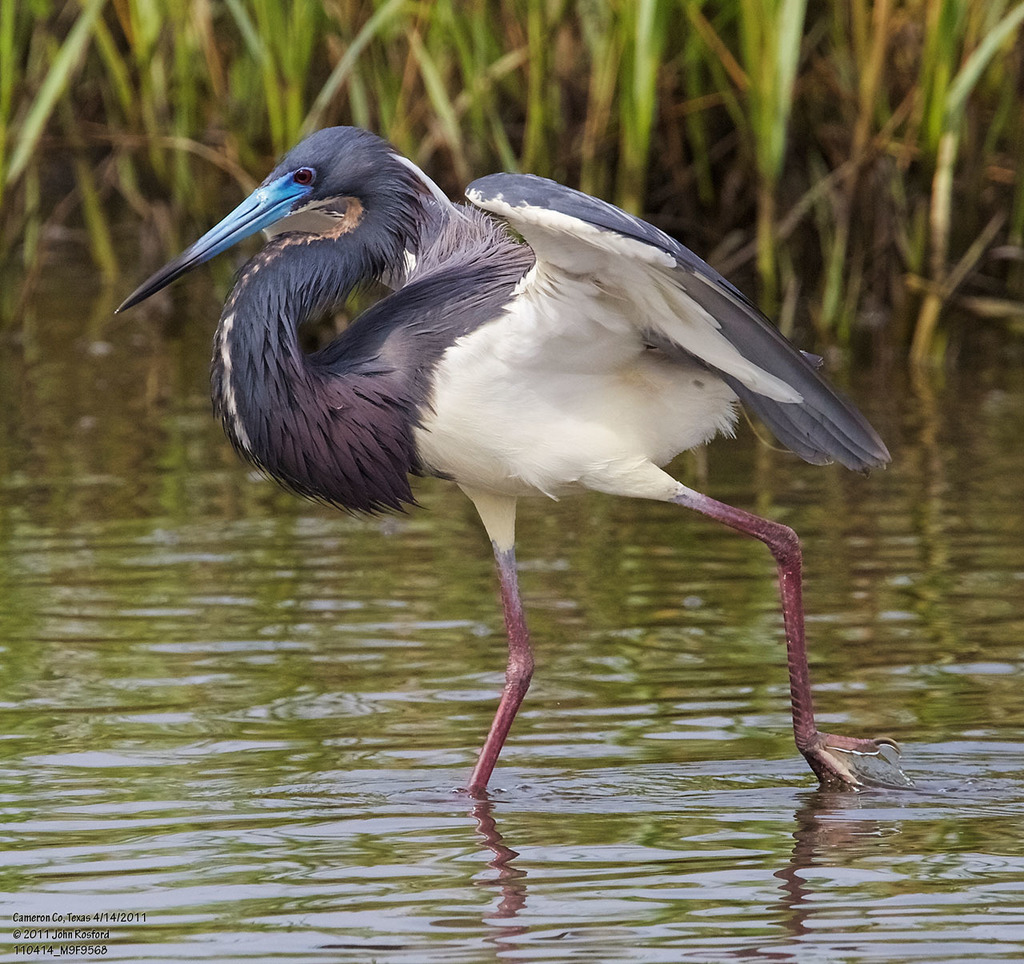
- Tricolored HeronEgretta tricolor
- Turkey VultureCathartes aura
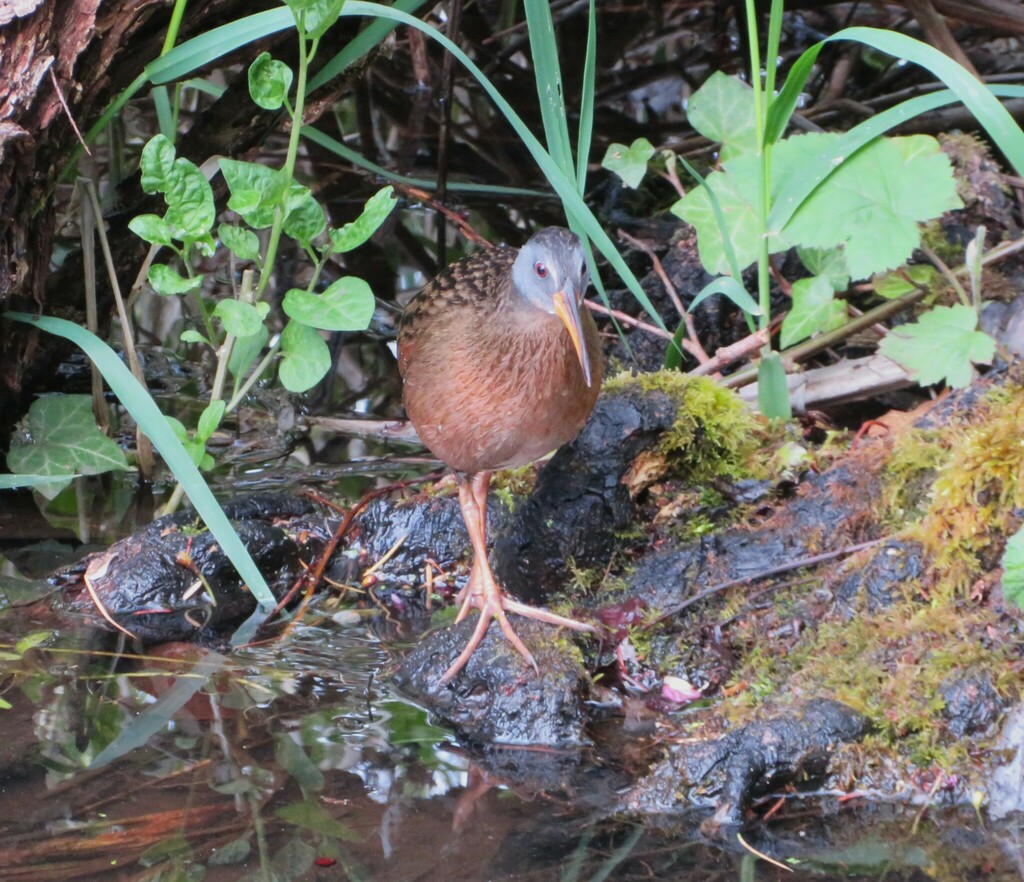
- Virginia RailRallus limicola
- Western SandpiperCalidris mauri
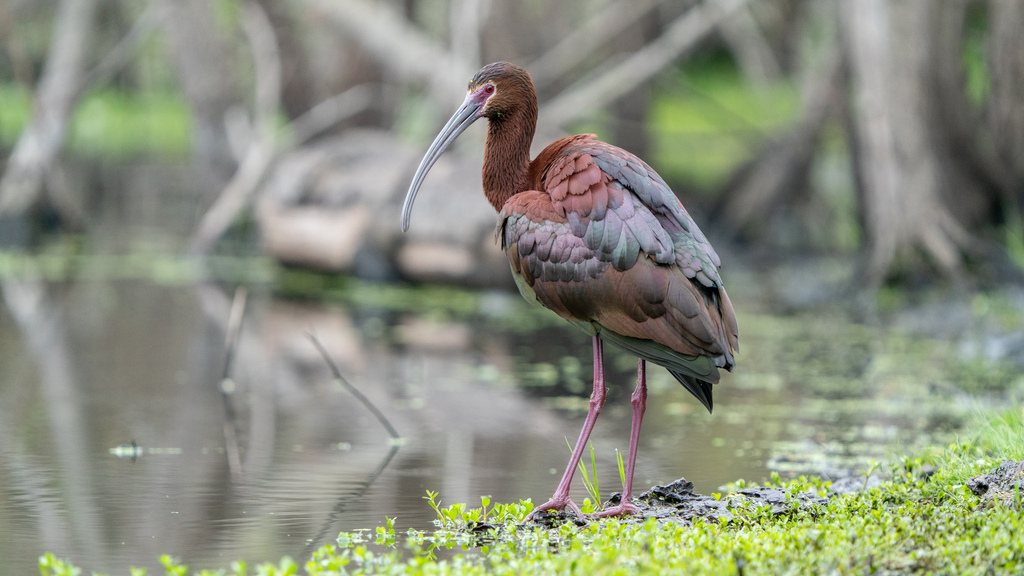
- White-faced IbisPlegadis chihi
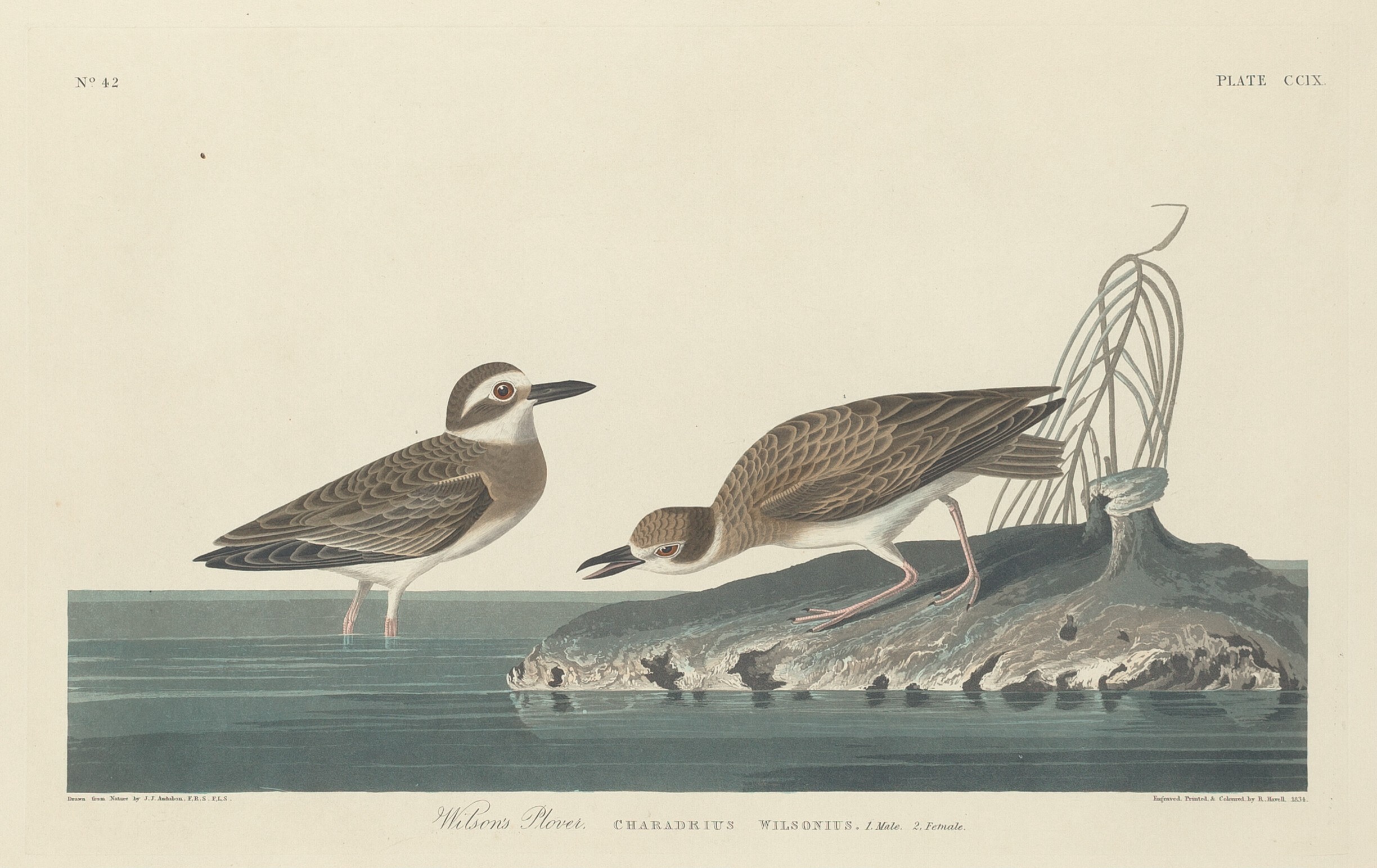
- Wilson's PloverCharadrius wilsonia






Who uses this plant?
 18CaterpillarsGenus host records with ranges including AL
Genus host records with ranges including AL · Hypericum
- Acleris maculidorsanaStained-Back Leafroller Moth
- Choristoneura rosaceanaOblique-Banded Leafroller Moth, Rosaceous Leaf Roller
- Eupithecia miserulataCommon Eupithacia, Common Pug
- Iodopepla u-albumBurgundy St. Johnswort Moth, White-Eyed Borer
- Iridopsis ephyrariaPale-Winged Gray
- Mocis latipesSmall Mocis, Striped Grass Looper
- Nedra ramosulaGray Half-Spot
- Nemoria bistriariaTwo-Striped Emerald, Red-Fringed Emerald
- Phlogophora irisOlive Angle Shades
- Platynota flavedanaBlack-Shaded Platynota
Show all 18
- Probole amicariaFriendly Probole
- Sparganothis sulfureanaSparganothis Fruitworm Moth, Sulfur Leafroller, False Yellow-Head
- Synchlora aerataWavy-Lined Emerald, Camouflaged Looper
- Tallula watsoniWatson's Tallula
- Zale lunataLunate Zale
- Agonopterix hyperella
- Caloptilia hypericella
- Xenotemna pallorana
 43BeesSoutheastern regional records
Southeastern regional records · Hypericum
Individual names are not available yet.
Noori, Seltmann & Orr 2026, A curated and integrated dataset for exploring global bee-plant interactions (GloBI), Zenodo, CC BY 4.0 0Specialist beesPollen specialists
 1BirdsRecorded genus food-resource interactions; not a state feeding claim
Recorded genus food-resource interactions; not a state feeding claim · Hypericum
- Aythya collarisRing-necked Duck
Direct food only: birds recorded eating this genus across North America. Caterpillars on host plants also feed nesting birds. NC Native Plant Society: butterfly gardening
No records yet · Ants · Beetles · Flies · Adult butterflies / moths · Other wasps · Other insects
Plant details
- Family
- Hypericaceae
- Hardiness
- Zones 7a–10b
- Flower color
- Yellow
Growing sources and scope
- Flower color · “Yellow” · NC Extension Plant Toolbox
- Hardiness · “Zones 7a–10b” · NC Extension Plant Toolbox
- Height · “1–2 feet” · NC Extension Plant Toolbox
- Leaves · “Evergreen” · NC Extension Plant Toolbox
- Life cycle · “Woody perennial” · NC Extension Plant Toolbox
- Light · “Full sun (6 or more hours of direct sunlight a day); Partial shade (direct sunlight only part of the day, 2-6 hours)” · NC Extension Plant Toolbox
- primary_flower_color · “yellow” · NC Extension Plant Toolbox
- Soil · “Moist; Occasionally dry” · NC Extension Plant Toolbox
- Spread · “1–2 feet” · NC Extension Plant Toolbox
Also known as
Atlantic St. John's wort; Hypericum reductum
Conservation status
| Alabama rank | S2 |
|---|---|
| Global rank | G5 |
| AL status | Not verified |
| Federal status | Not verified |
Will it fit your yard?
Check this plant against your county, sun and soil moisture. Conditions are checked in your browser.
Sources
- Alabama Plant Atlas
- USDA PLANTS
- Vascular Plants of North Carolina (NC Natural Heritage Program)
- Weakley, Flora of the Southeastern United States (2025), Carolinas & Georgia edition
- NatureServe Explorer
- Shropshire & Tallamy 2025, Lepidoptera of North America north of Mexico, ZooKeys 1261 (ODbL)
- Noori, Seltmann & Orr 2026, A curated and integrated dataset for exploring global bee-plant interactions (GloBI), Zenodo, CC BY 4.0
- Smith, Bachelder, Russell, Morales, Mosher & Seltmann 2024, Bee-Specialization-Modeling v0.6.1 (specialist host table compiled from J. Fowler's pollen specialist bee lists), Zenodo, CC BY 4.0
- Hurlbert, Olsen, Sawyer & Winner 2021, Avian Diet Database, Scientific Data 8: 260 (CC0)
- Narango, Tallamy & Shropshire 2020, Few keystone plant genera support the majority of Lepidoptera species, Nature Communications