

Beaked Spikerush
Eleocharis rostellata
Found in brackish and freshwater tidal marshes, sea-level fens; saline soils inland. Calcareous fens northward. Weakley, Flora of the Southeastern United States (2025), South Central edition What its natural habitat tells you
Native to Alabama. How scores work Is it native here?
Profile 94%
- Height
- About 3 feet
- Light
- Full sun
- Soil moisture
- Wet to standing water
No photograph yet. Looking for an old drawing…
Rare or protected plant. Specialist conservation planting; excluded from routine garden suggestions. Plant caution source
Hidden from default planting suggestions. Wildlife value and native status remain unchanged.
At a glance
- Bloom
- July to September
- Fruiting season
- Summer to fall
Not yet recorded · Spread · Life cycle · Leaves
Recorded in 2 Alabama counties.
Natural habitats
Places it grows wild. Not a planting requirement. Each habitat page lists the plants and wildlife also found there.
Marshes along tidal rivers where the water is fresh but rises and falls with the tide.
Wet, open, peaty mountain wetlands fed by seepage, often with sphagnum moss.
Also found with this plant
Wildlife whose habitat models include habitats this plant grows in, in Alabama. Shared habitat, not food. 87 animals.
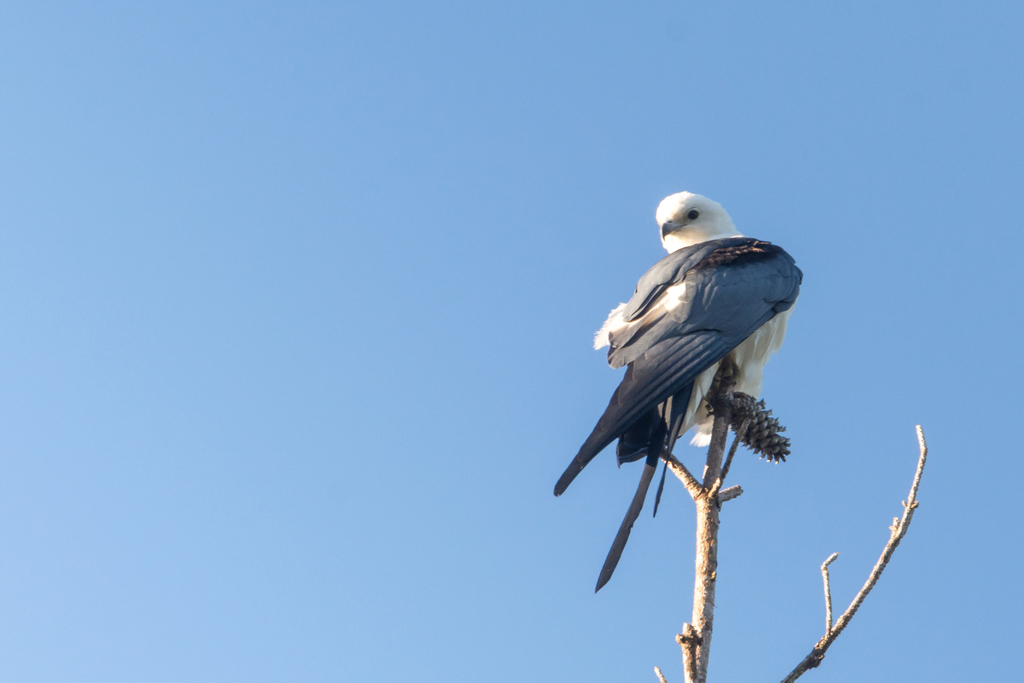
- Swallow-tailed KiteElanoides forficatus
- Tufted TitmouseBaeolophus bicolor
- Turkey VultureCathartes aura
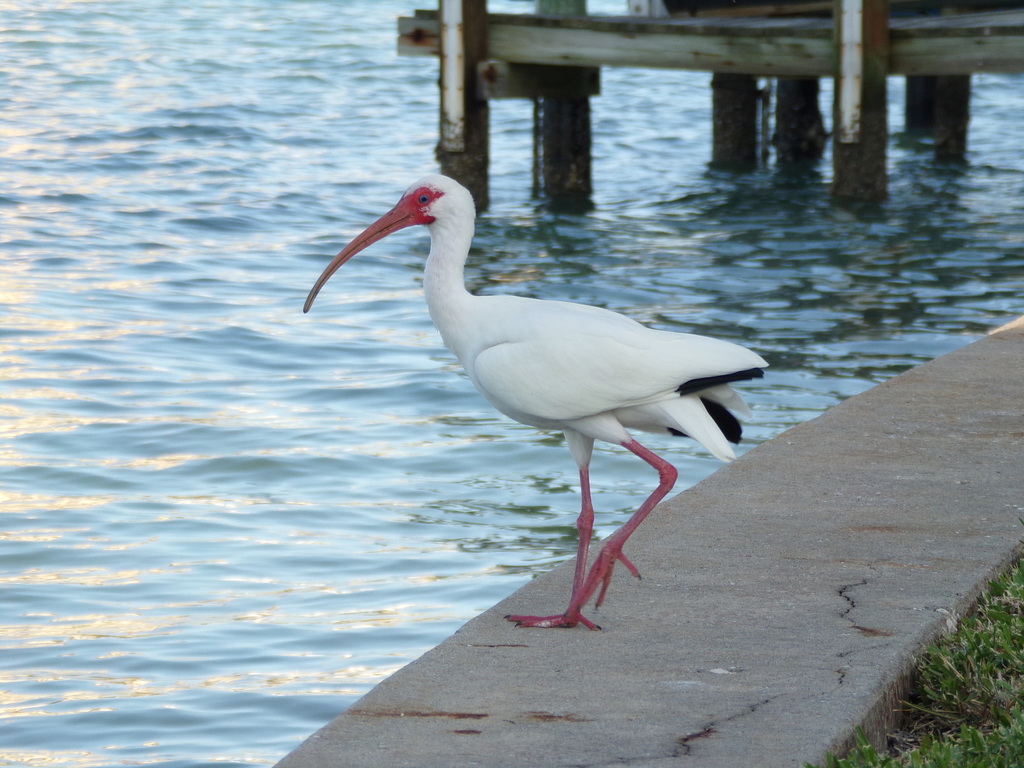
- White IbisEudocimus albus
- White-breasted NuthatchSitta carolinensis
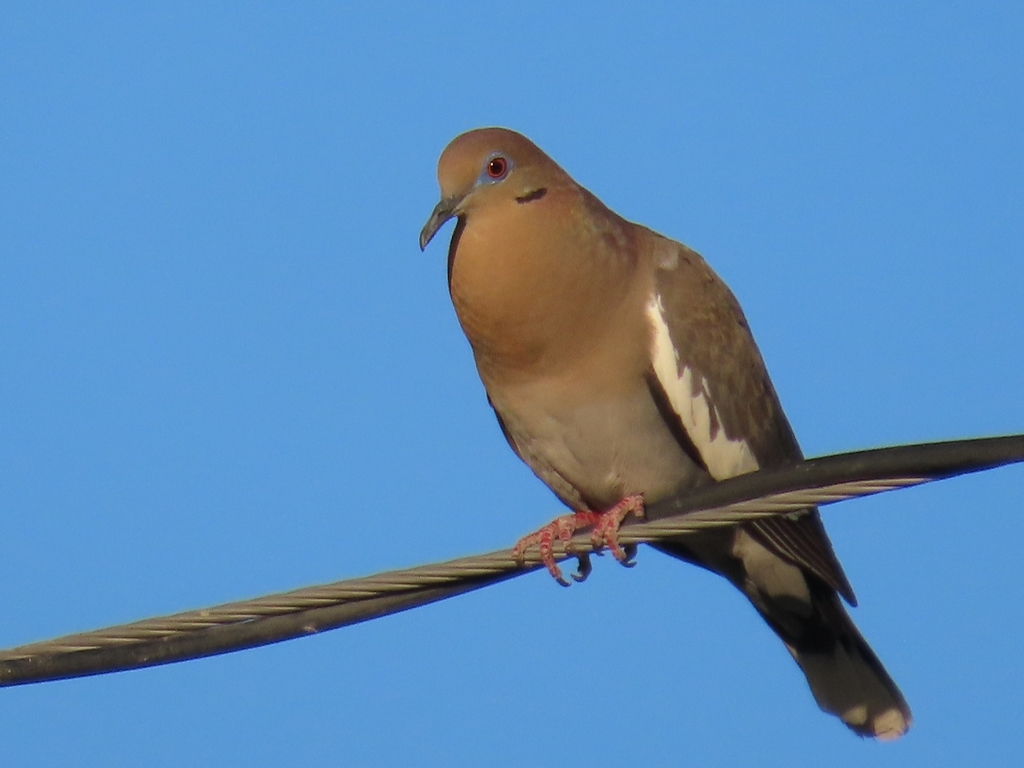
- White-winged DoveZenaida asiatica
- Wild TurkeyMeleagris gallopavo
- Wood DuckAix sponsa
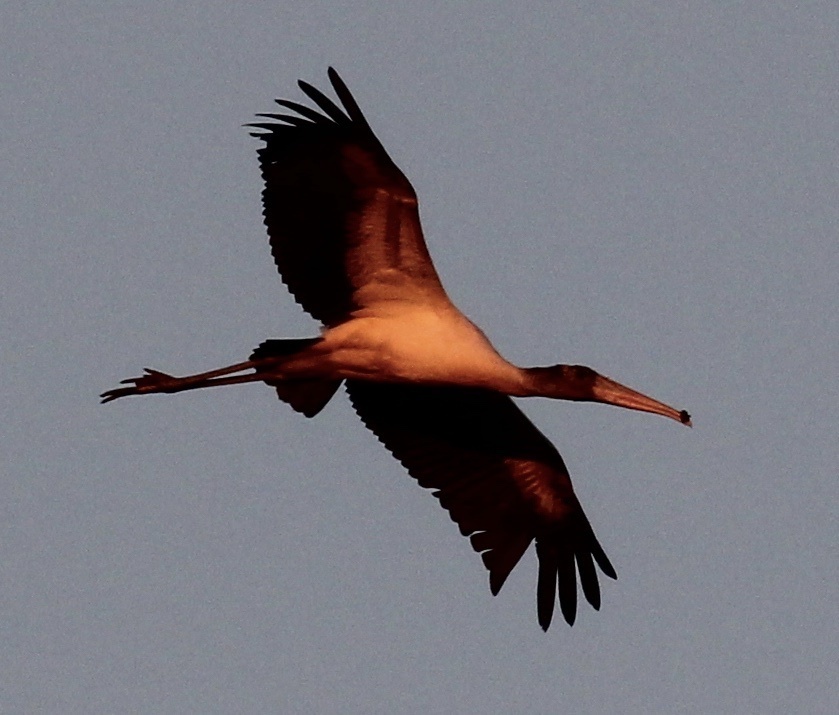
- Wood StorkMycteria americana
- Yellow-bellied SapsuckerSphyrapicus varius
- Yellow-billed CuckooCoccyzus americanus
- Yellow-breasted ChatIcteria virens
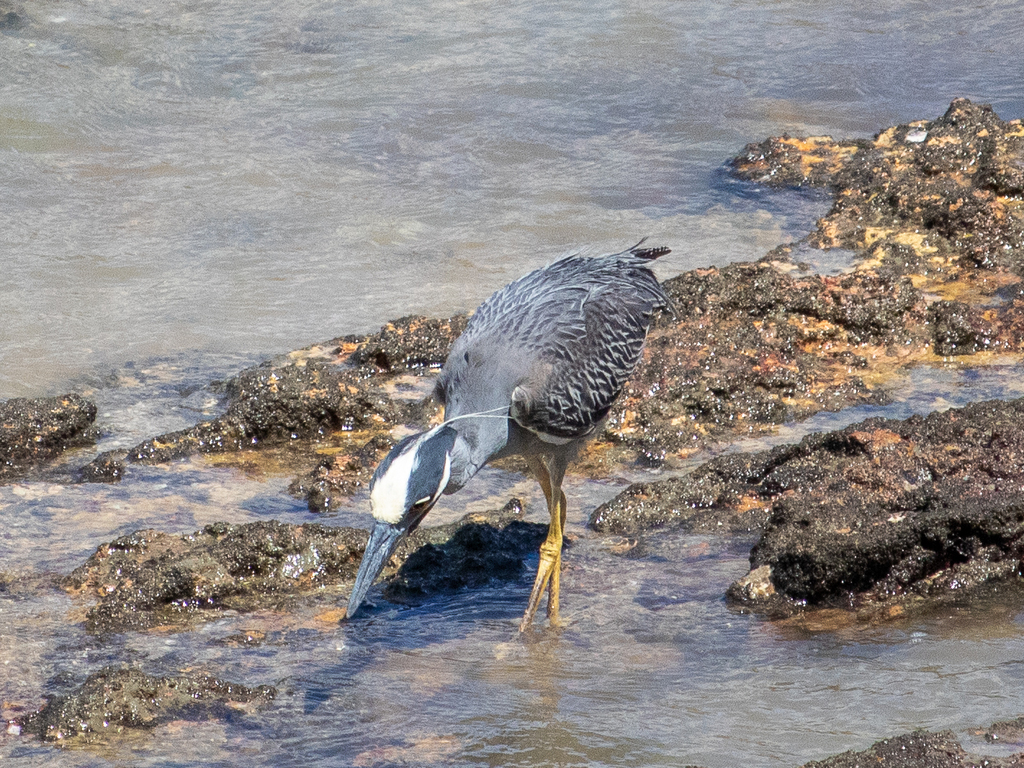
- Yellow-crowned Night-heronNyctanassa violacea
- Yellow-rumped WarblerDendroica coronata
- Yellow-throated WarblerDendroica dominica










Who uses this plant?
 5CaterpillarsGenus host records with ranges including AL
Genus host records with ranges including AL · Eleocharis
- Bactra furfuranaRush Bactra
- Cisseps fulvicollisYellow-Collared Scape Moth
- Elophila obliteralisWaterlily Leafcutter Moth
- Parapoynx allionealisWatermilfoil Leafcutter, Bladderwort Casemaker
- Eoparargyractis floridalis
 0BeesSoutheastern regional records
 0Specialist beesPollen specialists
 14BirdsRecorded genus food-resource interactions; not a state feeding claim
Recorded genus food-resource interactions; not a state feeding claim · Eleocharis
- Agelaius phoeniceusRed-winged Blackbird
- Anas creccaGreen-winged Teal
- Anas rubripesAmerican Black Duck
- Anser caerulescensSnow Goose
- Antigone canadensisSandhill Crane
- Aythya collarisRing-necked Duck
- Branta canadensisCanada Goose
- Dendrocygna bicolorFulvous Whistling-Duck
- Fulica americanaAmerican Coot
- Gallinula galeataCommon Gallinule
Show all 14
- Mareca americanaAmerican Wigeon
- Mareca streperaGadwall
- Porzana carolinaSora
- Spatula cyanopteraCinnamon Teal
Direct food only: birds recorded eating this genus across North America. Caterpillars on host plants also feed nesting birds. NC Native Plant Society: butterfly gardening
No records yet · Ants · Beetles · Flies · Adult butterflies / moths · Other wasps · Other insects
Plant details
- Family
- Cyperaceae
- Flower color
- Green
- Growth rate
- Moderate
- Growth habit
- Spreads by rhizomes
- Fruit begins
- Summer
- Fruit ends
- Fall
Growing sources and scope
- Bloom · “July to September” · Weakley, Flora of the Southeastern United States (2025), Carolinas & Georgia edition (ranked first; USDA PLANTS differs) · Carolinas and Georgia
- Flower color · “Green” · USDA PLANTS · Nationwide species characteristics; local growing conditions may vary
- Fruit begins · “Summer” · USDA PLANTS · Nationwide species characteristics; local growing conditions may vary
- Fruit ends · “Fall” · USDA PLANTS · Nationwide species characteristics; local growing conditions may vary
- Growth habit · “Spreads by rhizomes” · USDA PLANTS · Nationwide species characteristics; local growing conditions may vary
- Growth rate · “Moderate” · USDA PLANTS · Nationwide species characteristics; local growing conditions may vary
- Height · “About 3 feet” · USDA PLANTS · Nationwide species characteristics; local growing conditions may vary
- Light · “Full sun (documented habitat)” · Weakley, Flora of the Southeastern United States (2025), Carolinas & Georgia edition · Carolinas and Georgia
- Soil · “Water; Wet (documented habitat)” · Weakley, Flora of the Southeastern United States (2025), Carolinas & Georgia edition · Carolinas and Georgia
Conservation status
| Alabama rank | S1 |
|---|---|
| Global rank | G5 |
| AL status | Not verified |
| Federal status | Not verified |
Will it fit your yard?
Check this plant against your county, sun and soil moisture. Conditions are checked in your browser.
Growing cautions
- Spreads by rhizomes. USDA PLANTS lists its growth form as rhizomatous. USDA PLANTS
For planning only; these do not change the score or Fit.
Sources
- Alabama Plant Atlas
- USDA PLANTS
- Vascular Plants of North Carolina (NC Natural Heritage Program)
- Weakley, Flora of the Southeastern United States (2025)
- NatureServe Explorer
- Shropshire & Tallamy 2025, Lepidoptera of North America north of Mexico, ZooKeys 1261 (ODbL)
- Noori, Seltmann & Orr 2026, A curated and integrated dataset for exploring global bee-plant interactions (GloBI), Zenodo, CC BY 4.0
- Smith, Bachelder, Russell, Morales, Mosher & Seltmann 2024, Bee-Specialization-Modeling v0.6.1 (specialist host table compiled from J. Fowler's pollen specialist bee lists), Zenodo, CC BY 4.0
- Hurlbert, Olsen, Sawyer & Winner 2021, Avian Diet Database, Scientific Data 8: 260 (CC0)
- Narango, Tallamy & Shropshire 2020, Few keystone plant genera support the majority of Lepidoptera species, Nature Communications