

Fringetree
Chionanthus virginicus
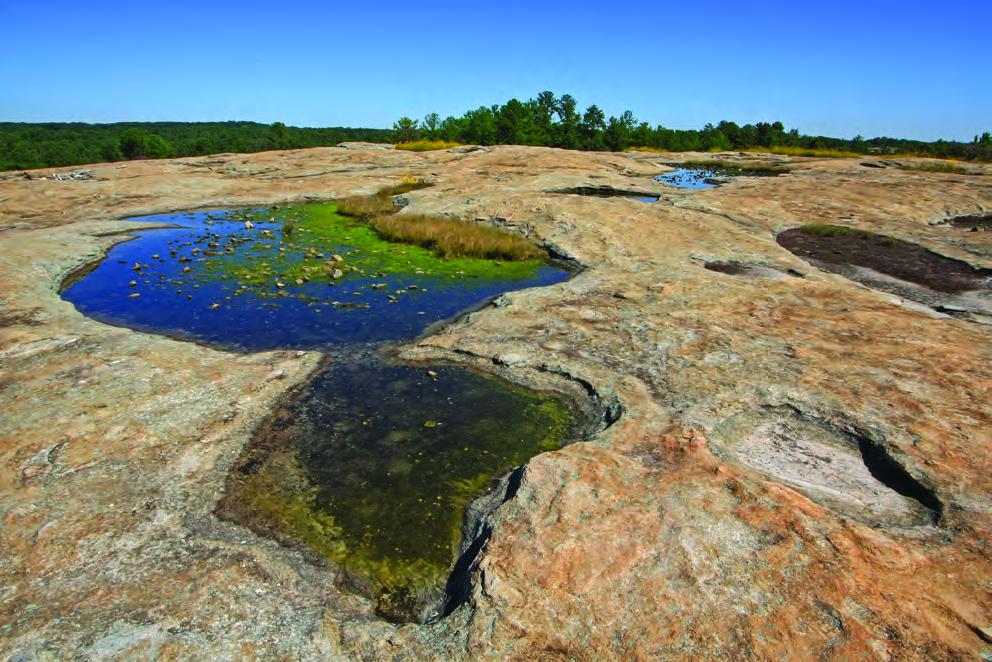
Found in forests and woodlands; granite and other acidic rock outcrops; swamps. Weakley, Flora of the Southeastern United States (2025), South Central edition What its natural habitat tells you
Native to Alabama. How scores work Is it native here?
Profile 100%
- Height
- 12–30 feet
- Spread
- 12–20 feet
- Light
- Full sun, Partial shade
- Soil moisture
- Somewhat dry to moist
Space about 16 ft apart from its recorded spread. Enter your bed size for a count
Will it fit your yard?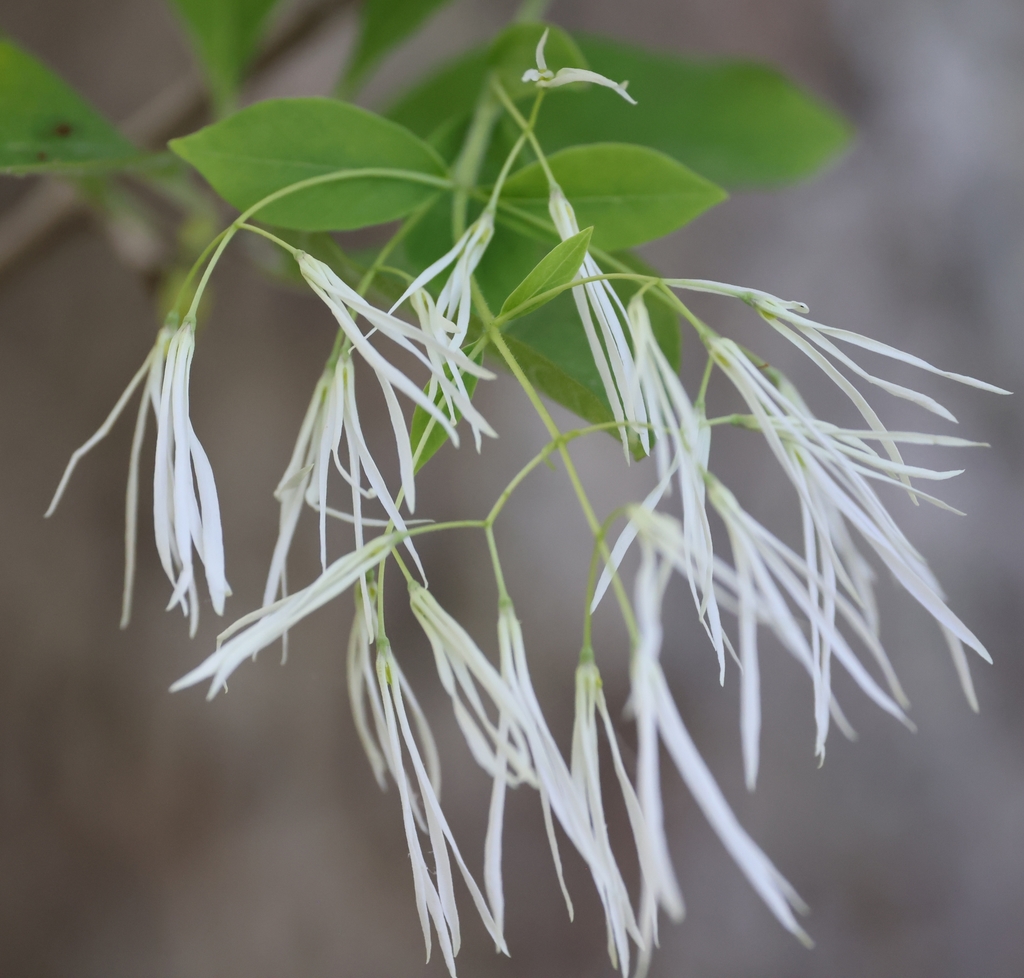
At a glance
- Life cycle
- Woody perennial
- Leaves
- Deciduous
- Bloom
- Mid spring
- Fruiting season
- July to September
Recorded in 63 Alabama counties.
Natural habitats
Places it grows wild. Not a planting requirement. Each habitat page lists the plants and wildlife also found there.
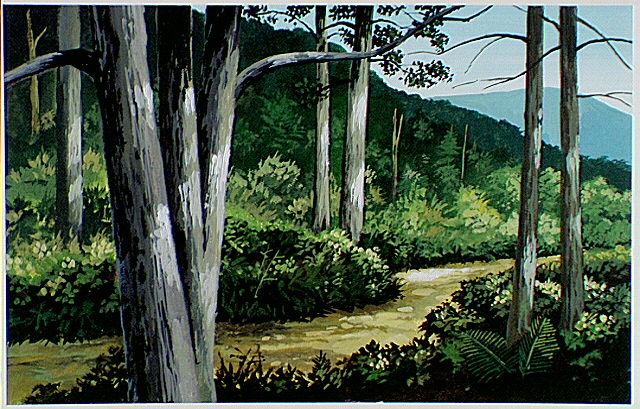
Granite and other acidic rock outcrops
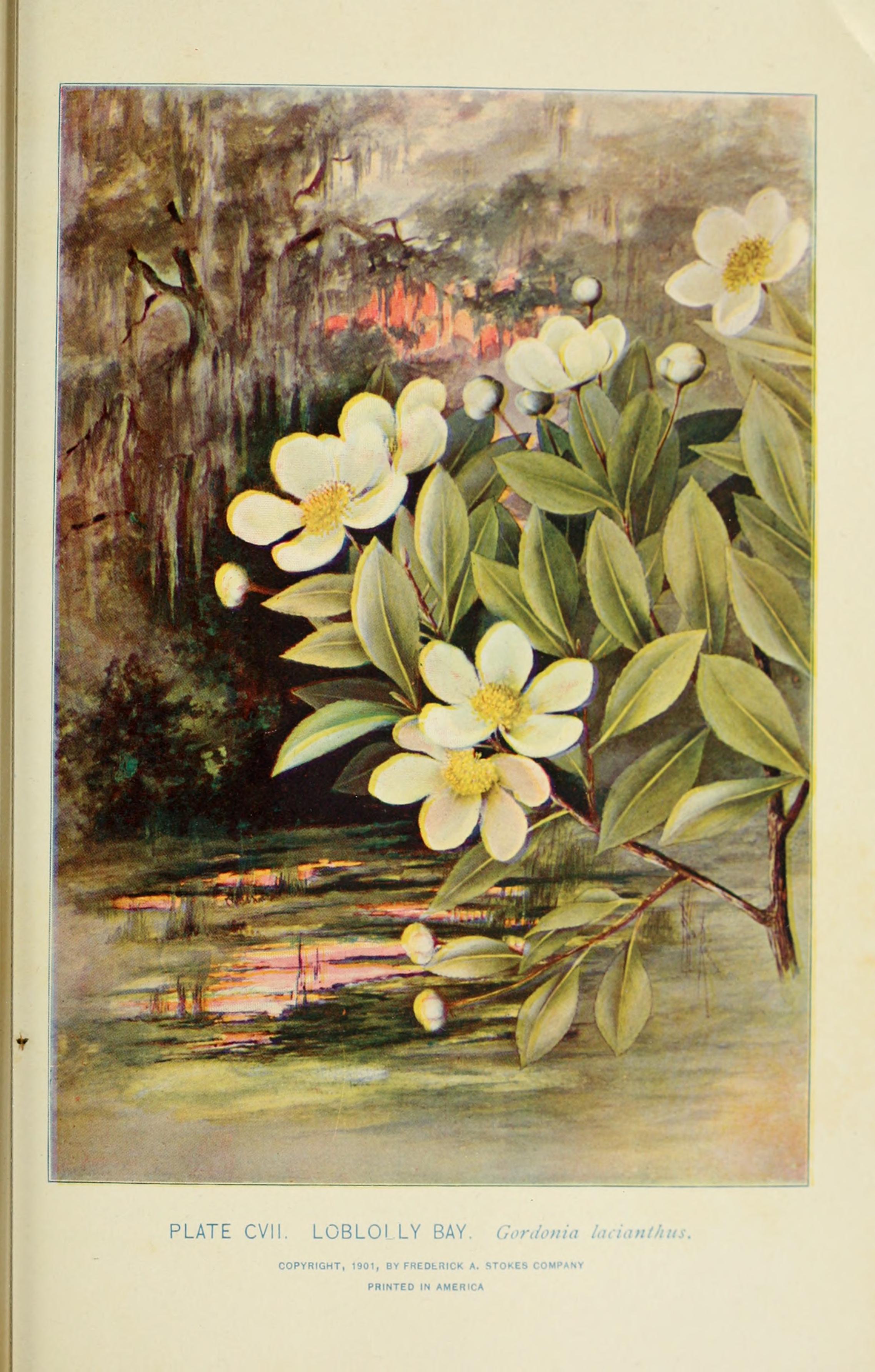
Also found with this plant
Wildlife whose habitat models include habitats this plant grows in, in Alabama. Shared habitat, not food. 137 animals.
- Eurasian Collared-doveStreptopelia decaocto
- European StarlingSturnus vulgaris
- Golden-crowned KingletRegulus satrapa
- Hairy WoodpeckerPicoides villosus
- Northern MockingbirdMimus polyglottos
- OspreyPandion haliaetus
- Pine SiskinCarduelis pinus
- Purple FinchCarpodacus purpureus
- Red-winged BlackbirdAgelaius phoeniceus
- Ruby-crowned KingletRegulus calendula
- Spotted SandpiperActitis macularius
- Tree SwallowTachycineta bicolor
- Tufted TitmouseBaeolophus bicolor
- White-breasted NuthatchSitta carolinensis
- Yellow-bellied SapsuckerSphyrapicus varius
- Yellow-billed CuckooCoccyzus americanus
- Yellow-breasted ChatIcteria virens
- Yellow-rumped WarblerDendroica coronata
- Acadian FlycatcherEmpidonax virescens
- Alder FlycatcherEmpidonax alnorum
- American Black DuckAnas rubripes
- American KestrelFalco sparverius
- American RedstartSetophaga ruticilla
- Baltimore OrioleIcterus galbula
























Care
- Move plants while young; larger plants resent root disturbance.
Who uses this plant?
 12CaterpillarsGenus host records with ranges including AL
Genus host records with ranges including AL · Chionanthus
- Ceratomia undulosaWaved Sphinx
- Citheronia regalisRoyal Walnut Moth, Hickory Horned Devil
- Harrisimemna trisignataHarris's Three-Spot
- Hyphantria cuneaFall Webworm
- Manduca rusticaRustic Sphinx
- Orgyia leucostigmaWhite-Marked Tussock Moth
- Palpita illibalisInkblot Palpita
- Paonias excaecataBlinded Sphinx, Blind Eyed Sphinx
- Papilio glaucusEastern Tiger Swallowtail
- Podosesia syringaeLilac Borer Moth, Ash Borer
Show all 12
- Sphinx kalmiaeFawn Sphinx, Laurel Sphinx
- Sympistis chionanthiFringed-Tree Sallow, Grey O Moth
 0BeesSoutheastern regional records
 0Specialist beesPollen specialists
 —BirdsRecorded genus food-resource interactions; not a state feeding claim
No records yet · Ants · Beetles · Flies · Adult butterflies / moths · Other wasps · Other insects
Plant details
- Family
- Oleaceae
- Hardiness
- Zones 3a–9b
- Soil pH
- Neutral
- Flower color
- Cream or white
- Growth rate
- Slow
- Growth habit
- Several stems
- Foliage color
- Green
- Fruit begins
- July
- Fruit ends
- September
Safety has not been reviewed for this plant; check toxicity and thorns before planting.
Growing sources and scope
- Bloom · “Mid spring” · USDA PLANTS · Nationwide species characteristics; local growing conditions may vary
- Flower color · “Cream or white” · NC Extension Plant Toolbox (ranked first; USDA PLANTS differs)
- Foliage color · “Green” · USDA PLANTS · Nationwide species characteristics; local growing conditions may vary
- Fruit begins · “July” · Weakley, Flora of the Southeastern United States (2025), Carolinas & Georgia edition (ranked first; NC Extension Plant Toolbox, USDA PLANTS differ) · Carolinas and Georgia
- Fruit ends · “September” · Weakley, Flora of the Southeastern United States (2025), Carolinas & Georgia edition (ranked first; NC Extension Plant Toolbox, USDA PLANTS differ) · Carolinas and Georgia
- Growth habit · “Several stems” · USDA PLANTS · Nationwide species characteristics; local growing conditions may vary
- Growth rate · “Slow” · USDA PLANTS · Nationwide species characteristics; local growing conditions may vary
- Hardiness · “Zones 3a–9b” · NC Extension Plant Toolbox
- Height · “12–30 feet” · NC Extension Plant Toolbox (ranked first; USDA PLANTS differs)
- Leaves · “Deciduous” · NC Extension Plant Toolbox
- Life cycle · “Woody perennial” · NC Extension Plant Toolbox
- Light · “Full sun (6 or more hours of direct sunlight a day); Partial shade (direct sunlight only part of the day, 2-6 hours)” · NC Extension Plant Toolbox (ranked first; Tennessee Smart Yards, Virginia DCR Piedmont, Virginia DCR Coastal Plain differ)
- primary_flower_color · “white” · USDA PLANTS
- Soil · “Moist; Occasionally dry; Occasionally wet” · NC Extension Plant Toolbox (ranked first; Tennessee Smart Yards, Virginia DCR Piedmont, Virginia DCR Coastal Plain differ)
- Soil pH · “Neutral” · NC Extension Plant Toolbox
- Spread · “12–20 feet” · NC Extension Plant Toolbox
Also known as
Fringe Tree; Old Mans Beard
Conservation status
| Alabama rank | SNR |
|---|---|
| Global rank | G5 |
| AL status | Not verified |
| Federal status | Not verified |
Will it fit your yard?
Check this plant against your county, sun and soil moisture. Conditions are checked in your browser.
Sources
- Alabama Plant Atlas
- USDA PLANTS
- Vascular Plants of North Carolina (NC Natural Heritage Program)
- Weakley, Flora of the Southeastern United States (2025)
- Shropshire & Tallamy 2025, Lepidoptera of North America north of Mexico, ZooKeys 1261 (ODbL)
- Noori, Seltmann & Orr 2026, A curated and integrated dataset for exploring global bee-plant interactions (GloBI), Zenodo, CC BY 4.0
- Smith, Bachelder, Russell, Morales, Mosher & Seltmann 2024, Bee-Specialization-Modeling v0.6.1 (specialist host table compiled from J. Fowler's pollen specialist bee lists), Zenodo, CC BY 4.0
- Hurlbert, Olsen, Sawyer & Winner 2021, Avian Diet Database, Scientific Data 8: 260 (CC0)
- Narango, Tallamy & Shropshire 2020, Few keystone plant genera support the majority of Lepidoptera species, Nature Communications