

Eastern Redbud
Cercis canadensis
Pink-purple flowers line bare branches before the heart-shaped leaves emerge.
Native to Alabama. How scores work Is it native here?
Profile 100%
- Height
- 20–30 feet
- Spread
- 25–35 feet
- Light
- Full sun, Partial shade
- Soil moisture
- Somewhat dry to moist
Space about 30 ft apart from its recorded spread. Enter your bed size for a count
Will it fit your yard?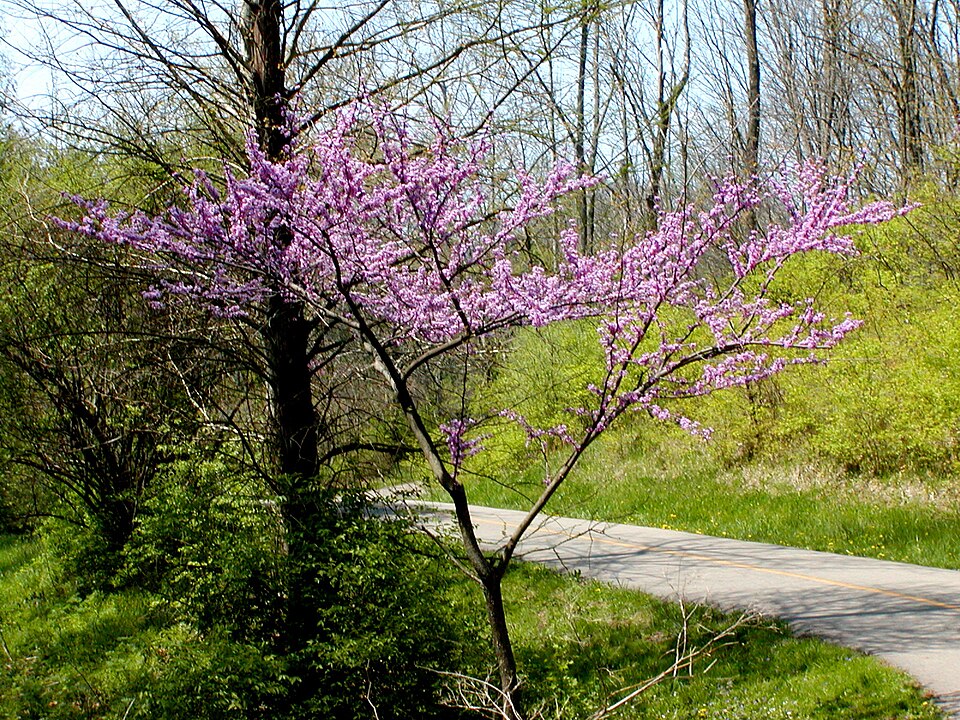
At a glance
- Life cycle
- Woody perennial
- Leaves
- Deciduous
- Bloom
- March to May
- Fruiting season
- Summer to fall
Recorded in 65 Alabama counties.
Also found with this plant
Wildlife whose habitat models include habitats this plant grows in, in Alabama. Shared habitat, not food. 154 animals.
- Sharp-shinned HawkAccipiter striatus
- Tufted TitmouseBaeolophus bicolor
- Turkey VultureCathartes aura
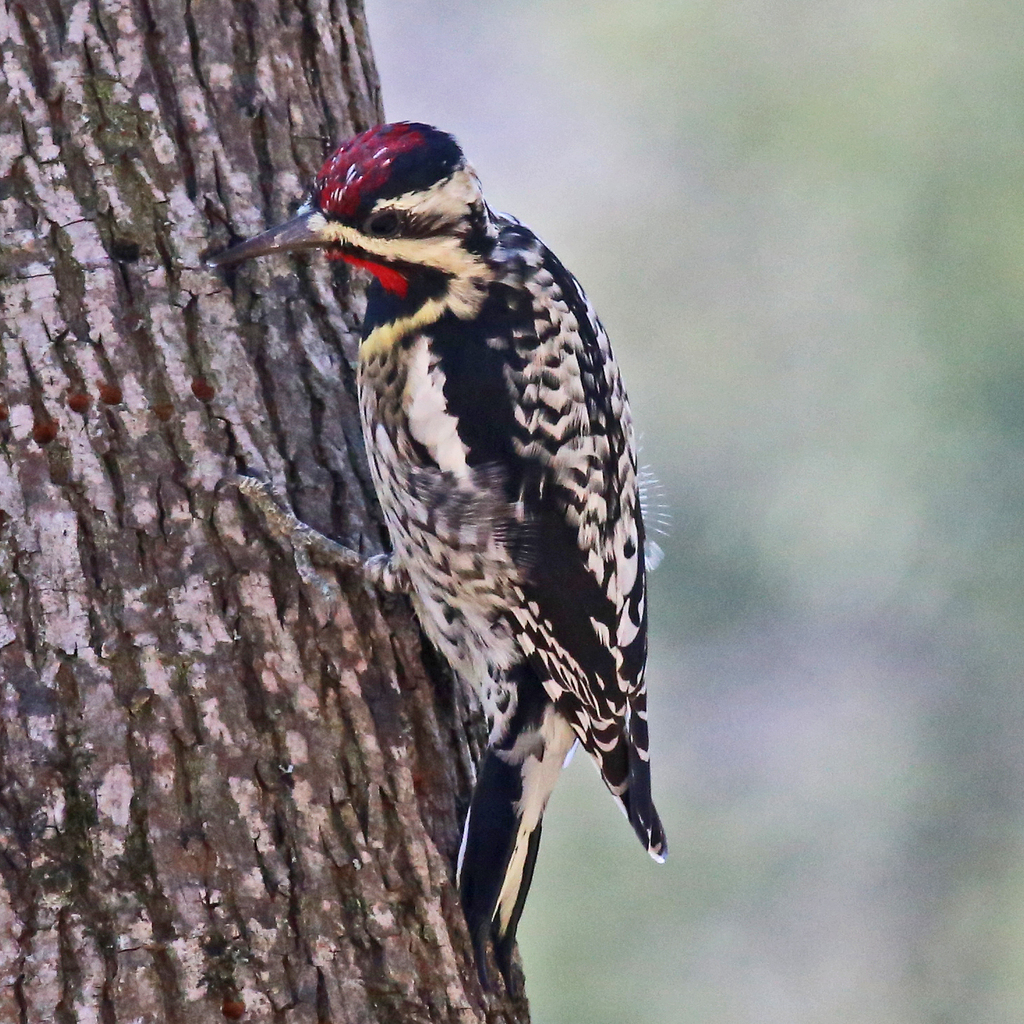
- Yellow-bellied SapsuckerSphyrapicus varius
- Yellow-billed CuckooCoccyzus americanus
- Yellow-breasted ChatIcteria virens
- Yellow-rumped WarblerDendroica coronata
- American KestrelFalco sparverius
- Brown ThrasherToxostoma rufum
- Carolina WrenThryothorus ludovicianus
- Chipping SparrowSpizella passerina
- Double-crested CormorantPhalacrocorax auritus
- Hooded MerganserLophodytes cucullatus
- Red-headed WoodpeckerMelanerpes erythrocephalus
- Ruby-throated HummingbirdArchilochus colubris
- Ruffed GrouseBonasa umbellus
- White-breasted NuthatchSitta carolinensis
- American CrowCorvus brachyrhynchos
- Belted KingfisherMegaceryle alcyon
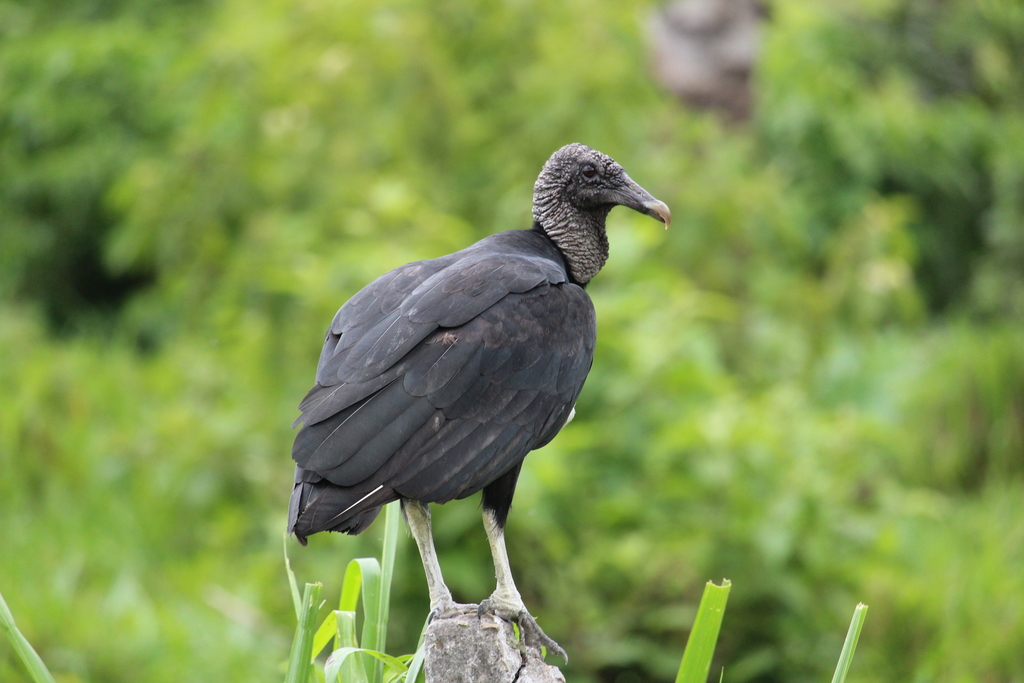
- Black VultureCoragyps atratus
- Black-and-White WarblerMniotilta varia
- Blue-gray GnatcatcherPolioptila caerulea
- Brown-headed CowbirdMolothrus ater
- Eastern TowheePipilo erythrophthalmus























Care
- Water during dry spells; drought stresses this tree.
- Avoid wet soil.
- Plant in its lasting position while young.
Who uses this plant?
 29CaterpillarsGenus host records with ranges including AL
Genus host records with ranges including AL · Cercis
- Automeris ioIo Moth
- Achatia distinctaDistinct Quaker
- Acronicta americanaAmerican Dagger
- Amphipyra pyramidoidesMiranda Underwing, Copper Underwing, Copper Amphipyra
- Archips argyrospilaFruit-Tree Leafroller Moth
- Biston betulariaSalt-and-Pepper Geometer, Cleft-Headed Looper
- Callophrys henriciHenry's Elfin
- Callophrys irusThe Hoary Elfin, Bog Elfin?, Frosted Elfin
- Cenopis directanaChokecherry Leafroller Moth
- Choristoneura rosaceanaOblique-Banded Leafroller Moth, Rosaceous Leaf Roller
Show all 29
- Desmia funeralisGrape Leaffolder Moth
- Euclea delphiniiSpiny Oak-Slug Moth
- Fascista cercerisellaRedbud Leafroller
- Hyphantria cuneaFall Webworm
- Lithacodes fasciolaYellow-Shouldered Slug
- Macaria promiscuataPromiscuous Angle
- Malacosoma americanaEastern Tent Caterpillar
- Megalopyge crispataBlack-Waved Flannel Moth, Crinkled Flannel Moth
- Melanolophia canadariaCanadian Melanolphia, Variable Redmarked Looper
- Norape cretataWhite Flannel Moth
- Oedemasia concinnaRed-Humped Caterpillar, Red-Humped Appleworm
- Oedemasia semirufescensRed-Washed Prominent
- Orgyia leucostigmaWhite-Marked Tussock Moth
- Papilio troilusSpicebush Swallowtail
- Parasa indeterminaStinging Rose Caterpillar Moth, Rose Slug Caterpillar
- Schizura ipomaeaeMorning-Glory Prominent, Checkered-Fringe Prominent
- Spodoptera latifasciaOrange-Striped Armyworm, Velvet Armyworm Moth
- Thyridopteryx ephemeraeformisEvergreen Bagworm Moth
- Cenopis chambersana
 14BeesSoutheastern regional records
Southeastern regional records · Cercis
Individual names are not available yet.
Noori, Seltmann & Orr 2026, A curated and integrated dataset for exploring global bee-plant interactions (GloBI), Zenodo, CC BY 4.0 0Specialist beesPollen specialists
 —BirdsRecorded genus food-resource interactions; not a state feeding claim
Beetles 1
- Molorchus bimaculatus
Flower visits · Carlinville, Illinois, USA
Flies 2
- Empis otiosa
- Rhamphomyia priapulus
Flower visits · Carlinville, Illinois, USA
Adult butterflies / moths 3
- Thanaos juvenalis
- Vanessa atalanta
- Vanessa huntera
Flower visits · Carlinville, Illinois, USA
Other wasps 1
- Polistes variatus
Flower visits · Carlinville, Illinois, USA
No records yet · Ants · Other insects
Plant details
- Family
- Fabaceae
- Hardiness
- Zones 4a–9b
- Soil pH
- Acidic to alkaline
- Flower color
- Pink, purple or red
- Growth rate
- Slow
- Growth habit
- Several stems
- Foliage color
- Green
- Fruit begins
- Summer
- Fruit ends
- Fall
What its natural habitat tells you
Safety has not been reviewed for this plant; check toxicity and thorns before planting.
Water until established and avoid root disturbance. Shelter brittle branches and avoid persistently wet sites. NC State Extension
Growing sources and scope
- Bloom · “Spring” · USDA PLANTS · Nationwide species characteristics; local growing conditions may vary
- Flower color · “Pink, purple or red” · NC Extension Plant Toolbox (ranked first; USDA PLANTS differs)
- Foliage color · “Green” · USDA PLANTS · Nationwide species characteristics; local growing conditions may vary
- Fruit begins · “Summer” · NC Extension Plant Toolbox (ranked first; USDA PLANTS differs) · Species profile fruit display season; not a local ripening date
- Fruit ends · “Fall” · NC Extension Plant Toolbox (ranked first; USDA PLANTS differs) · Species profile fruit display season; not a local ripening date
- Growth habit · “Several stems” · USDA PLANTS · Nationwide species characteristics; local growing conditions may vary
- Growth rate · “Slow” · USDA PLANTS · Nationwide species characteristics; local growing conditions may vary
- Hardiness · “Zones 4a–9b” · NC Extension Plant Toolbox
- Height · “20–30 feet” · NC Extension Plant Toolbox (ranked first; USDA PLANTS differs)
- Leaves · “Deciduous” · NC Extension Plant Toolbox
- Life cycle · “Woody perennial” · NC Extension Plant Toolbox
- Light · “Full sun (6 or more hours of direct sunlight a day); Partial shade (direct sunlight only part of the day, 2-6 hours)” · NC Extension Plant Toolbox (ranked first; Tennessee Smart Yards, Virginia DCR Piedmont, Virginia DCR Coastal Plain differ)
- Soil · “Moist; Occasionally dry” · NC Extension Plant Toolbox (ranked first; Tennessee Smart Yards, Virginia DCR Piedmont, Virginia DCR Coastal Plain differ)
- Soil pH · “Acidic to alkaline” · NC Extension Plant Toolbox
- Spread · “25–35 feet” · NC Extension Plant Toolbox
Recognizing it
Alternate heart-shaped leaves; pea-like flowers grow directly on older branches. Identification source
Conservation status
| Alabama rank | SNR |
|---|---|
| Global rank | G5 |
| AL status | Not verified |
| Federal status | Not verified |
Will it fit your yard?
Check this plant against your county, sun and soil moisture. Conditions are checked in your browser.
Growing cautions
- Needs good drainage. Avoid wet soil. NC State Extension Plant Toolbox
For planning only; these do not change the score or Fit.
Sources
- Alabama Plant Atlas
- USDA PLANTS
- Vascular Plants of North Carolina (NC Natural Heritage Program)
- Shropshire & Tallamy 2025, Lepidoptera of North America north of Mexico, ZooKeys 1261 (ODbL)
- Noori, Seltmann & Orr 2026, A curated and integrated dataset for exploring global bee-plant interactions (GloBI), Zenodo, CC BY 4.0
- Smith, Bachelder, Russell, Morales, Mosher & Seltmann 2024, Bee-Specialization-Modeling v0.6.1 (specialist host table compiled from J. Fowler's pollen specialist bee lists), Zenodo, CC BY 4.0
- Hurlbert, Olsen, Sawyer & Winner 2021, Avian Diet Database, Scientific Data 8: 260 (CC0)
- Narango, Tallamy & Shropshire 2020, Few keystone plant genera support the majority of Lepidoptera species, Nature Communications
- NC State Extension