

Ceratiola ericoides
Ceratiola ericoides
Found in dry sandhills, usually in white "sugar sand", also in maritime dunes. Weakley, Flora of the Southeastern United States (2025), South Central edition What its natural habitat tells you
Native to Alabama. How scores work Is it native here?
Profile 35%
Will it fit your yard?No photograph yet. Looking for an old drawing…
At a glance
Not yet recorded · Height · Spread · Light · Soil · Life cycle · Leaves · Bloom
This plant is missing most of its facts, so Quercus is looking them up in old botany books.
Recorded in 2 Alabama counties.
Natural habitats
Places it grows wild. Not a planting requirement. Each habitat page lists the plants and wildlife also found there.
Dry, deep-sand ridges with longleaf pine and turkey oak, kept open by fire.
Open sand of beaches, dunes and the hollows between them.
Also found with this plant
Wildlife whose habitat models include habitats this plant grows in, in Alabama. Shared habitat, not food. 132 animals.
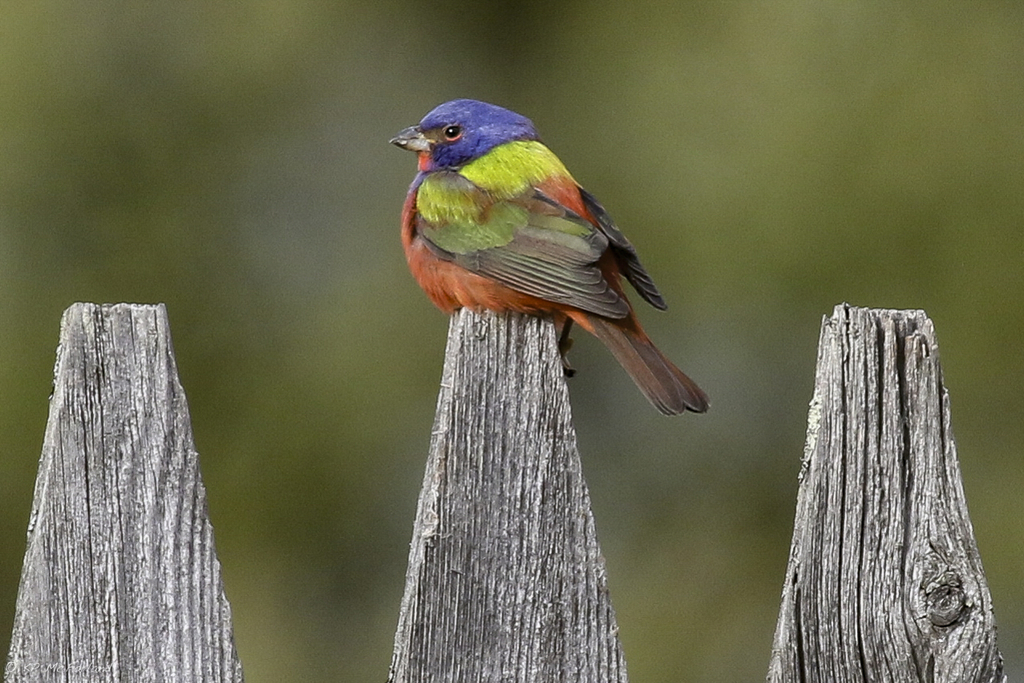
- Painted BuntingPasserina ciris
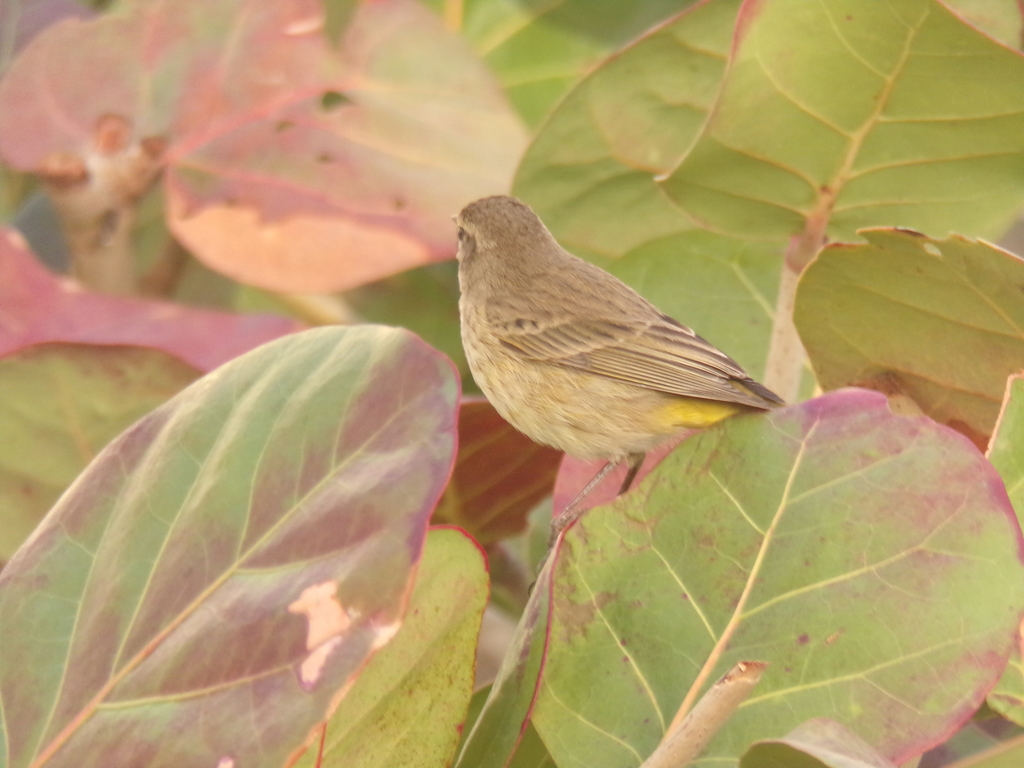
- Palm WarblerDendroica palmarum
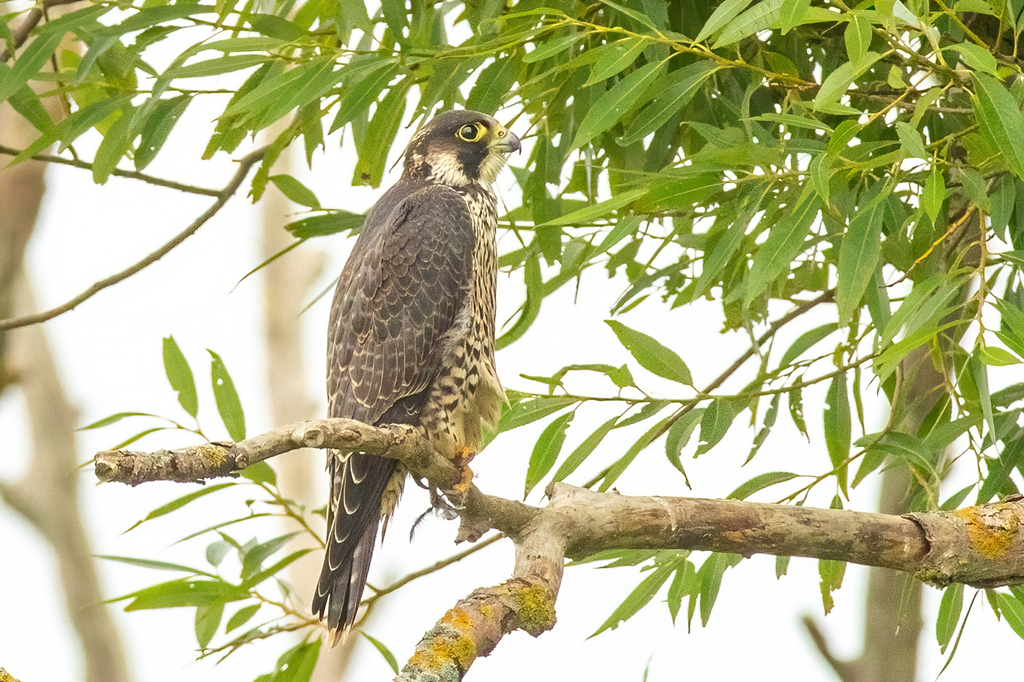
- Peregrine FalconFalco peregrinus
- Pine SiskinCarduelis pinus
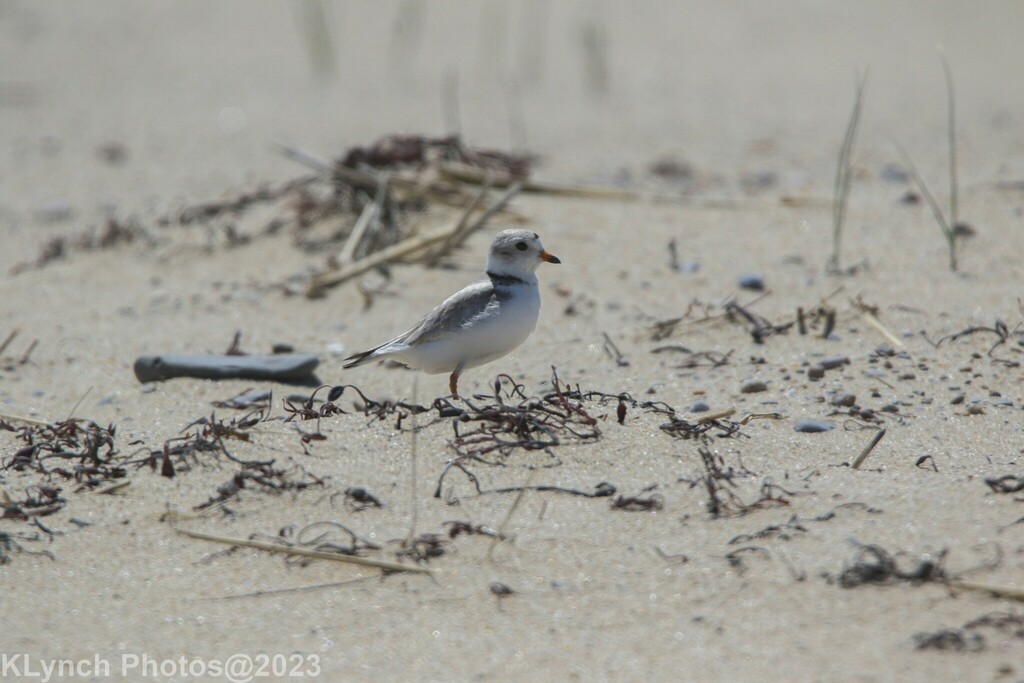
- Piping PloverCharadrius melodus
- Prairie WarblerDendroica discolor
- Purple FinchCarpodacus purpureus
- Purple MartinProgne subis
- Red KnotCalidris canutus
- Ring-billed GullLarus delawarensis
- Royal TernThalasseus maximus
- Ruby-crowned KingletRegulus calendula
- Ruby-throated HummingbirdArchilochus colubris
- Rusty BlackbirdEuphagus carolinus
- Sandwich TernThalasseus sandvicensis
- Savannah SparrowPasserculus sandwichensis
- Seaside SparrowAmmodramus maritimus
- Short-eared OwlAsio flammeus
- SoraPorzana carolina
- Spotted SandpiperActitis macularius
- Summer TanagerPiranga rubra
- Swallow-tailed KiteElanoides forficatus
- Tree SwallowTachycineta bicolor
- Tricolored HeronEgretta tricolor



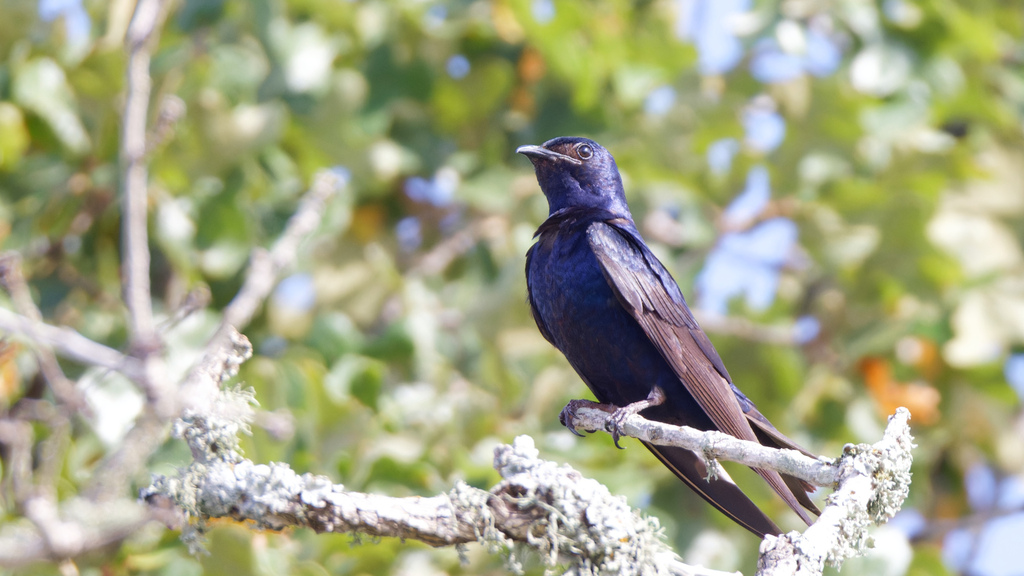
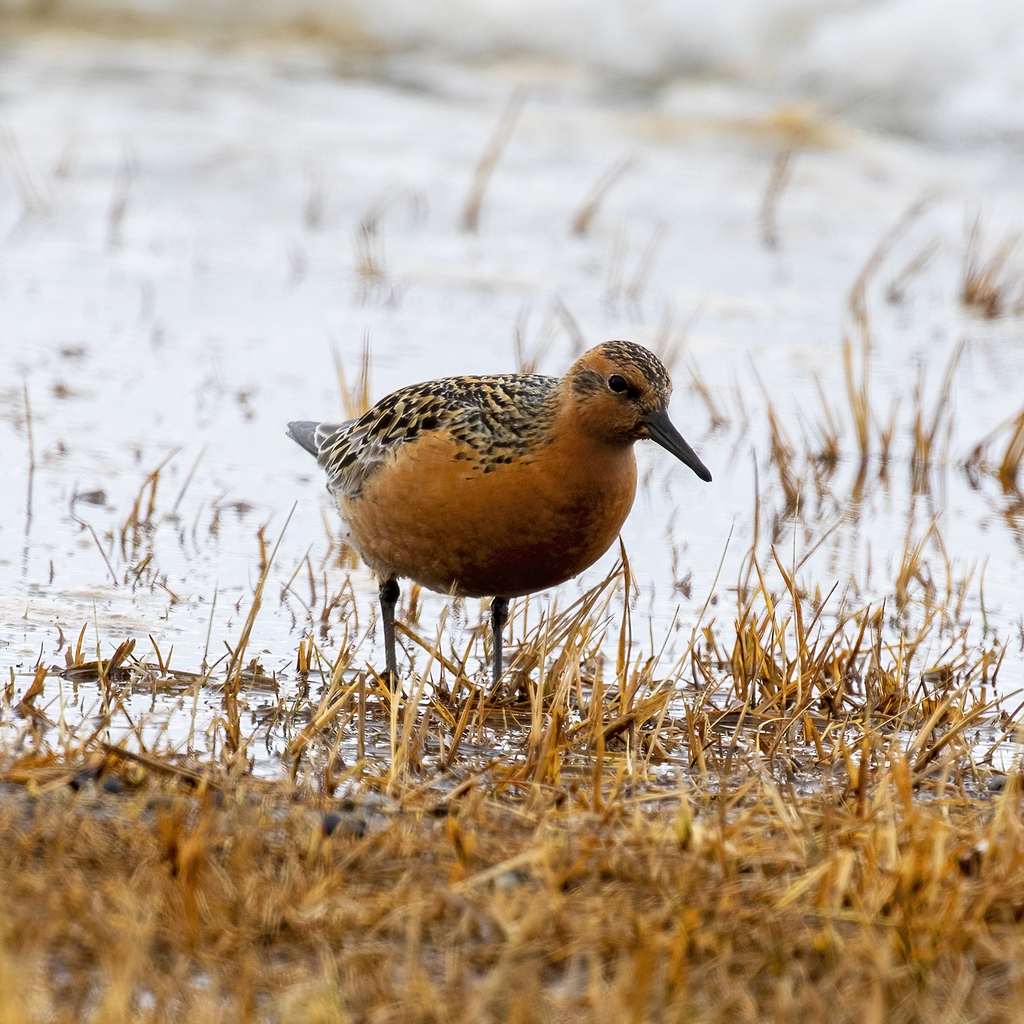
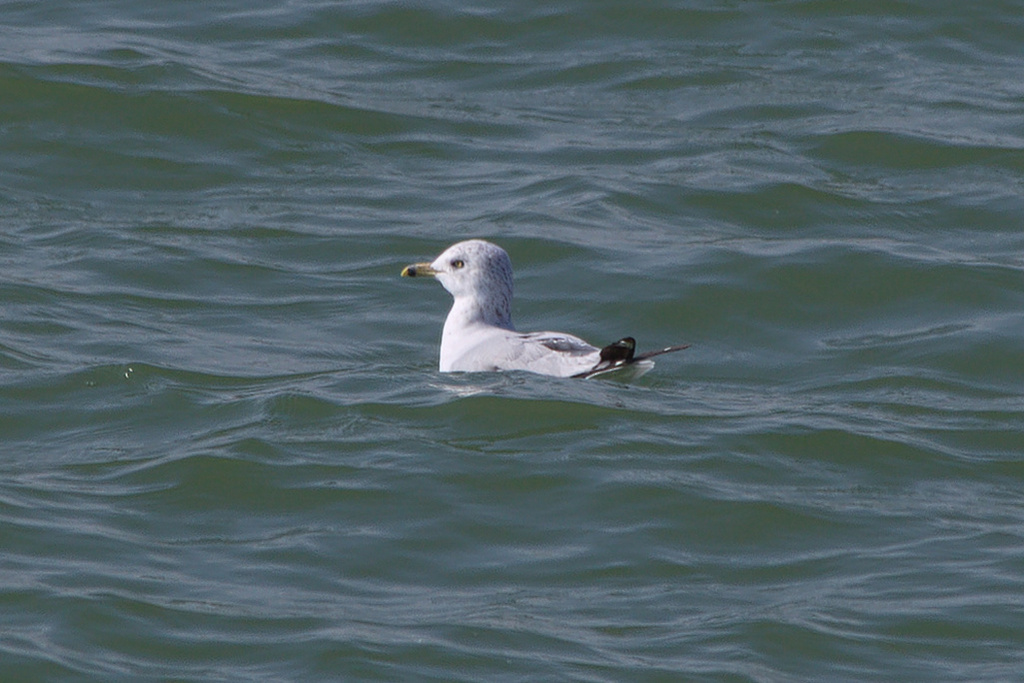
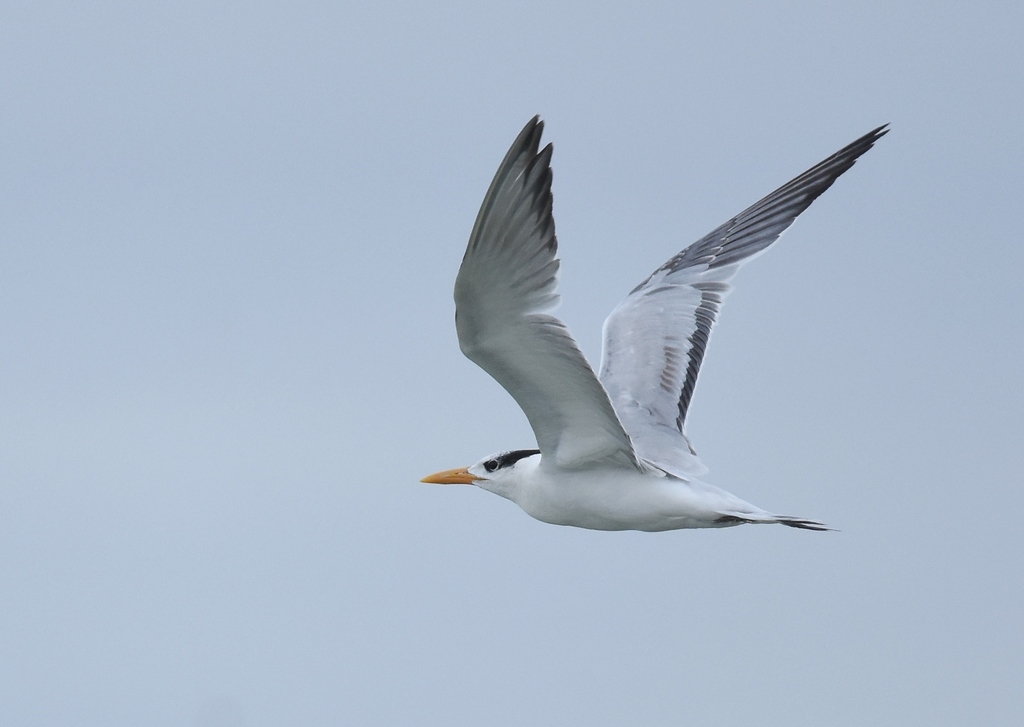



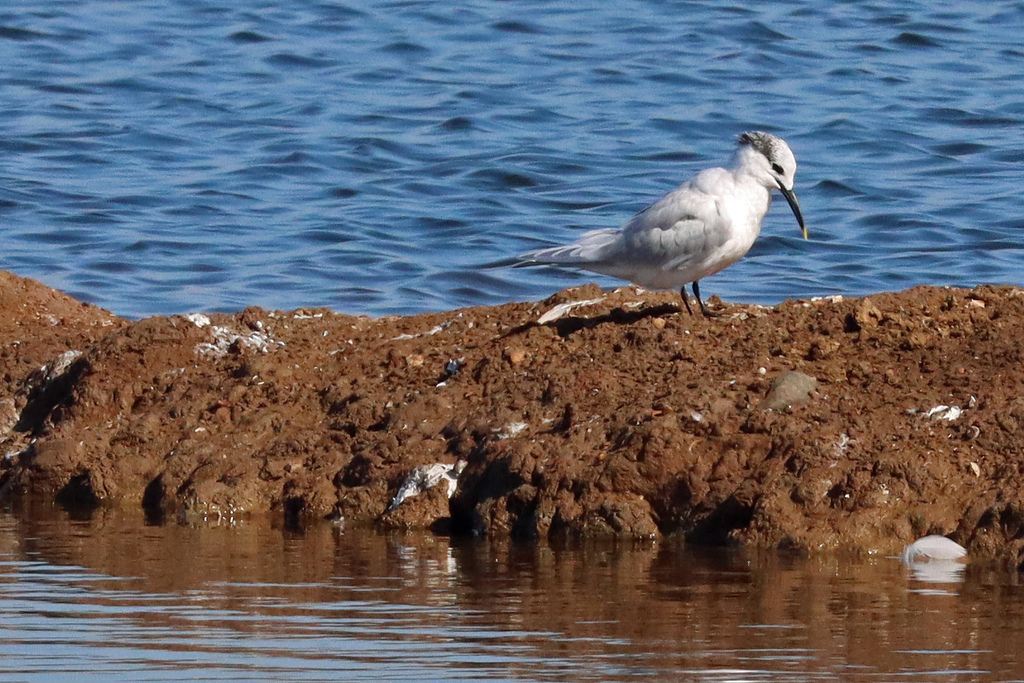
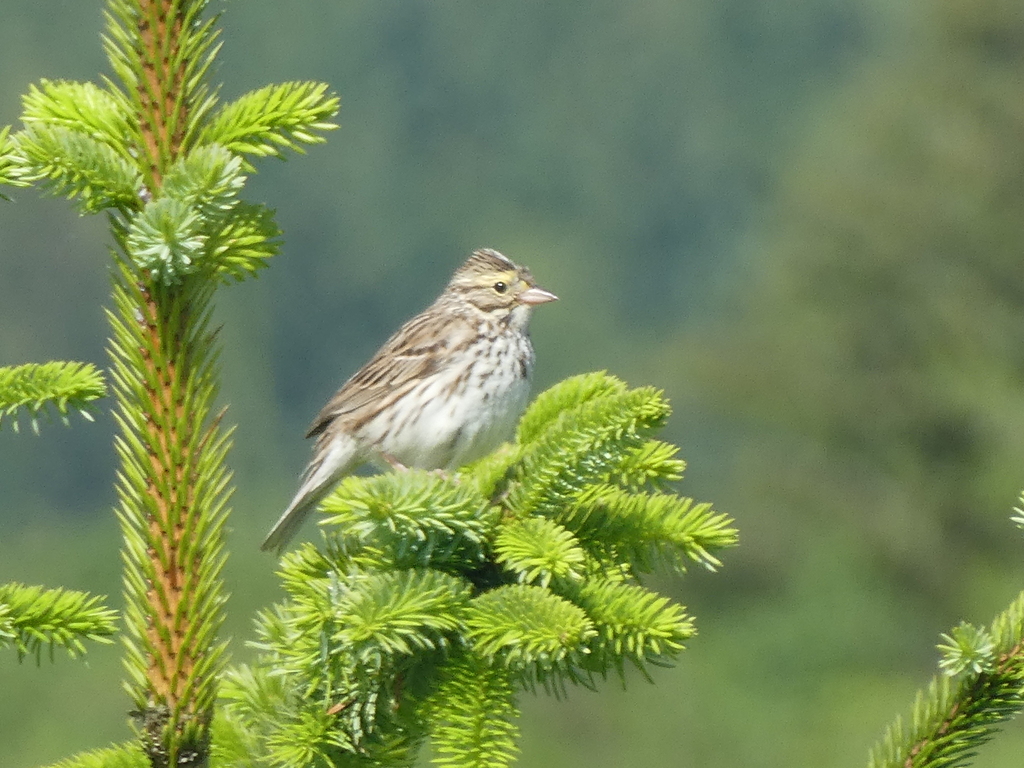
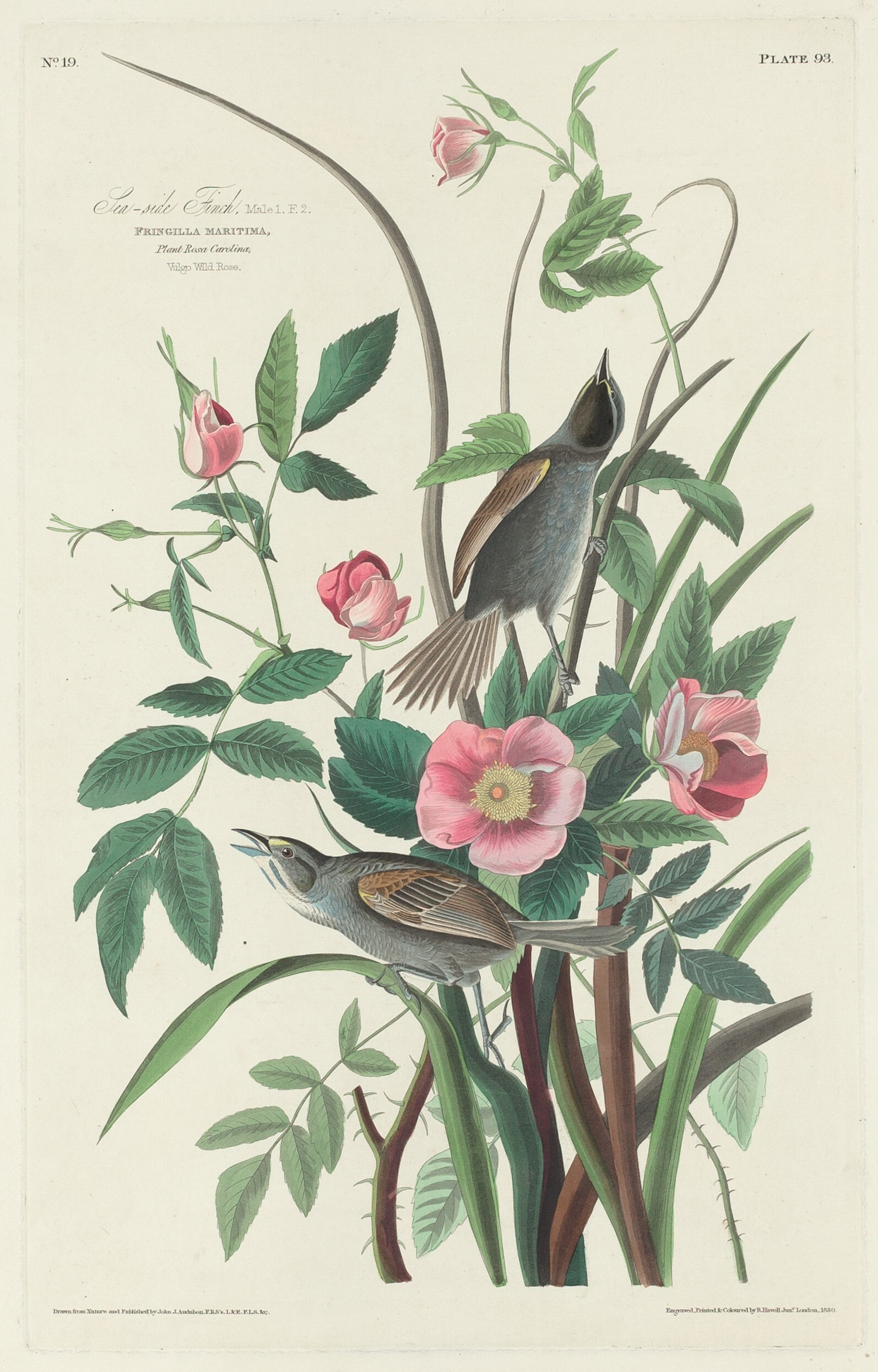
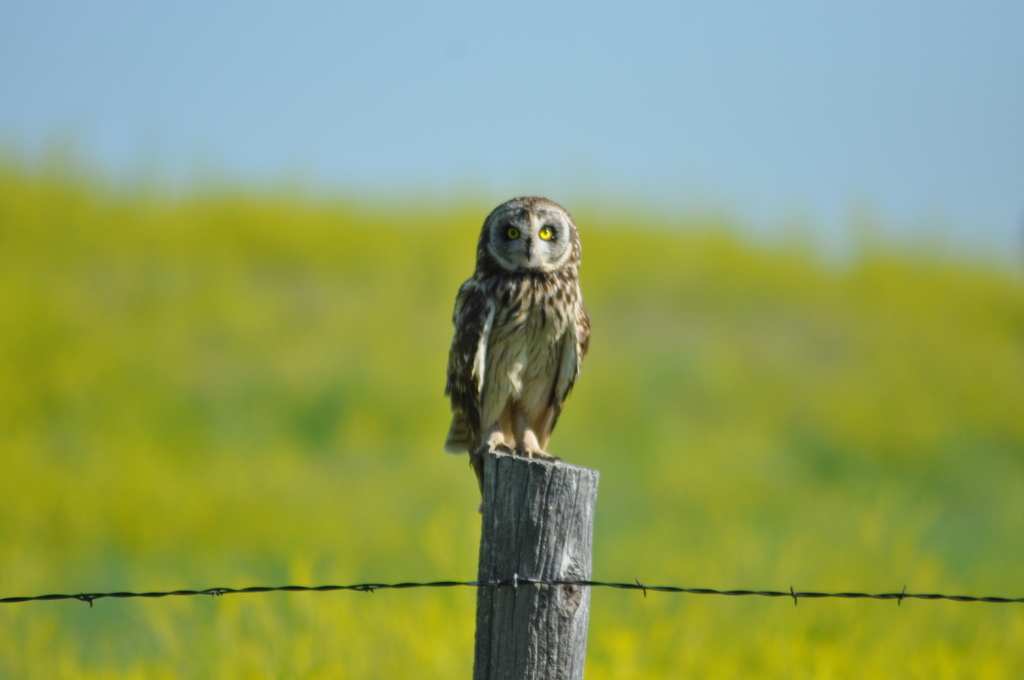
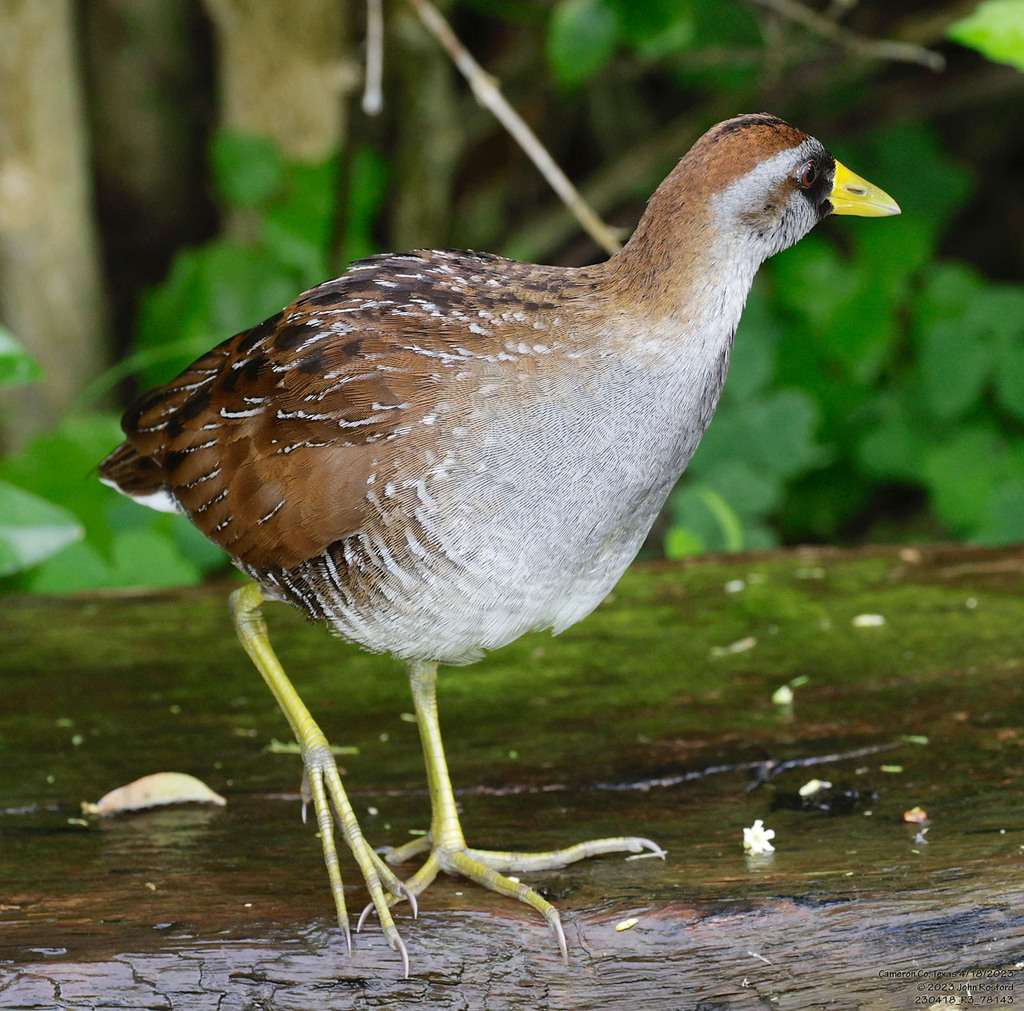

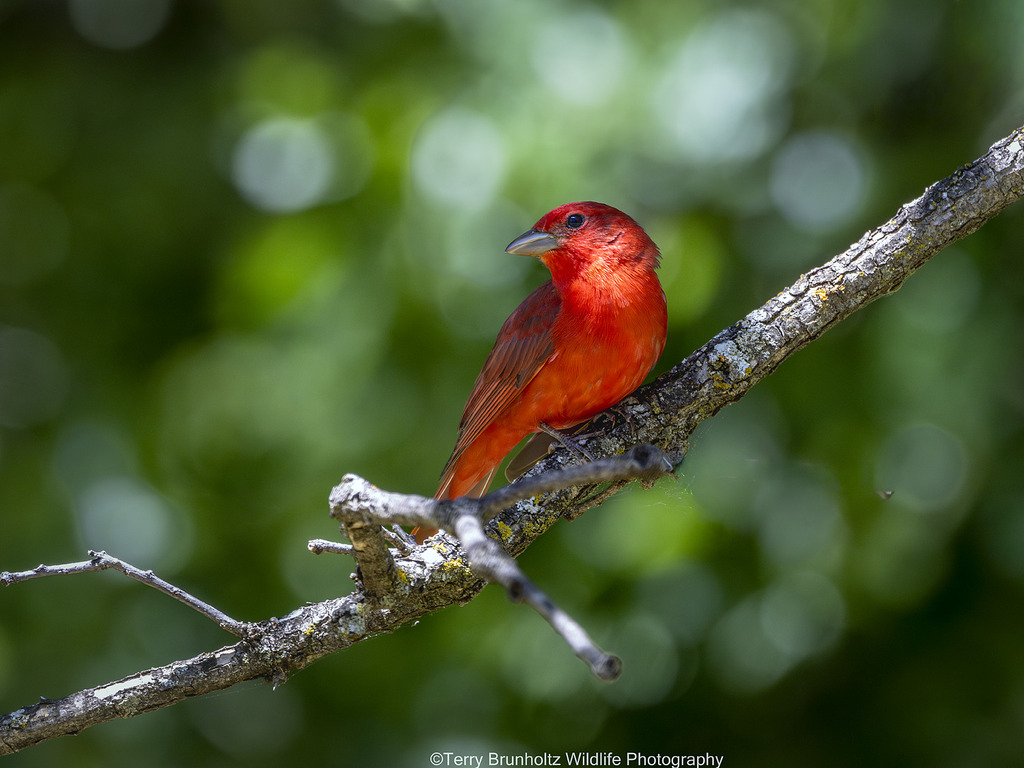
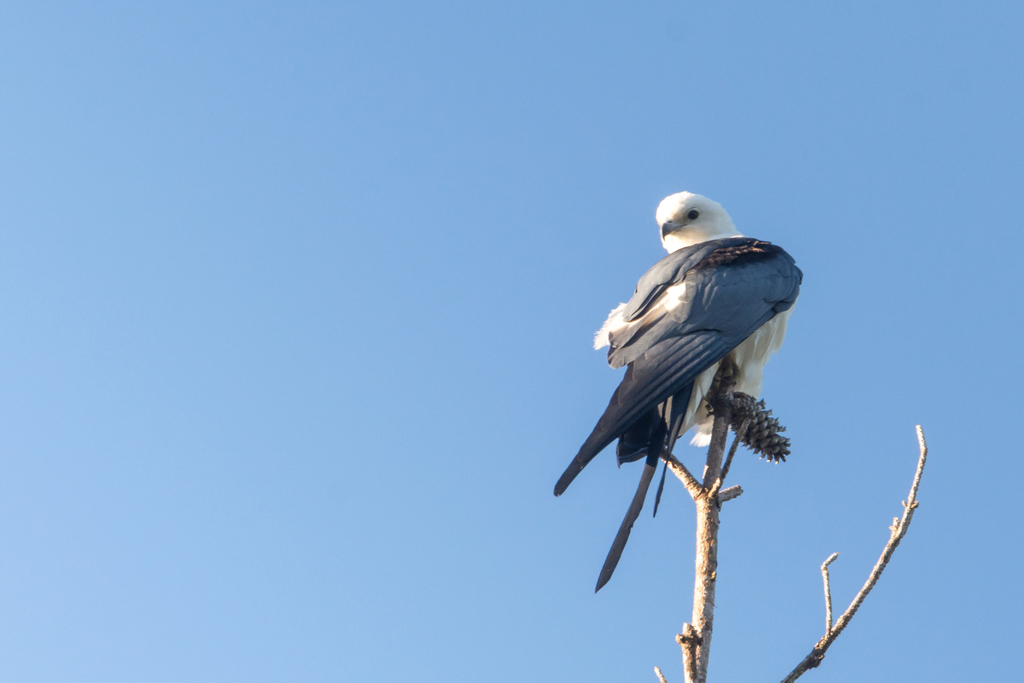

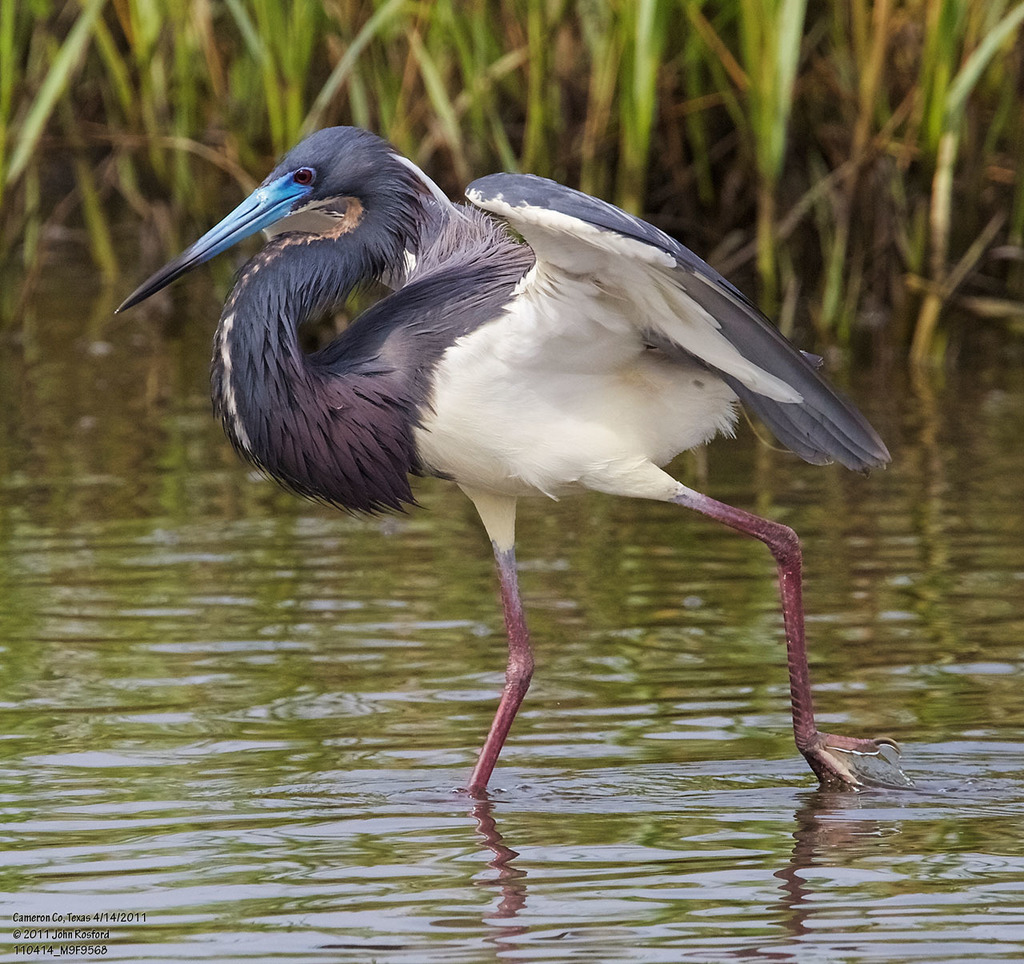
Who uses this plant?
 5CaterpillarsGenus host records with ranges including AL
Genus host records with ranges including AL · Ceratiola
- Anavitrinella pampinariaCommon Gray, Cranberry Spanworm
- Glenoides texanariaTexas Gray
- Nemoria bistriariaTwo-Striped Emerald, Red-Fringed Emerald
- Nemoria outina
- Sparganothis tessellata
 0BeesSoutheastern regional records
 0Specialist beesPollen specialists
 —BirdsRecorded genus food-resource interactions; not a state feeding claim
No records yet · Ants · Beetles · Flies · Adult butterflies / moths · Other wasps · Other insects
Plant details
- Family
- ERICACEAE
Safety has not been reviewed for this plant; check toxicity and thorns before planting.
Conservation status
| Alabama rank | SNR |
|---|---|
| Global rank | G4 |
| AL status | Not verified |
| Federal status | Not verified |
Will it fit your yard?
Check this plant against your county, sun and soil moisture. Conditions are checked in your browser.
Sources
- Alabama Plant Atlas
- USDA PLANTS
- Weakley, Flora of the Southeastern United States (2025), South Central edition
- Shropshire & Tallamy 2025, Lepidoptera of North America north of Mexico, ZooKeys 1261 (ODbL)
- Noori, Seltmann & Orr 2026, A curated and integrated dataset for exploring global bee-plant interactions (GloBI), Zenodo, CC BY 4.0
- Smith, Bachelder, Russell, Morales, Mosher & Seltmann 2024, Bee-Specialization-Modeling v0.6.1 (specialist host table compiled from J. Fowler's pollen specialist bee lists), Zenodo, CC BY 4.0
- Hurlbert, Olsen, Sawyer & Winner 2021, Avian Diet Database, Scientific Data 8: 260 (CC0)
- Narango, Tallamy & Shropshire 2020, Few keystone plant genera support the majority of Lepidoptera species, Nature Communications