

Buttonbush
Cephalanthus occidentalis
Found in streambanks, riverbanks, depressional wetlands, lakes, marshes, often in standing water. Weakley, Flora of the Southeastern United States (2025), South Central edition What its natural habitat tells you
Native to Alabama. How scores work Is it native here?
Profile 100%
- Height
- About 15 feet
- Spread
- 4–8 feet
- Light
- Full sun
- Soil moisture
- Moist to wet
Space about 6 ft apart from its recorded spread, about 3 per 100 sq ft. Enter your bed size for a count
Will it fit your yard?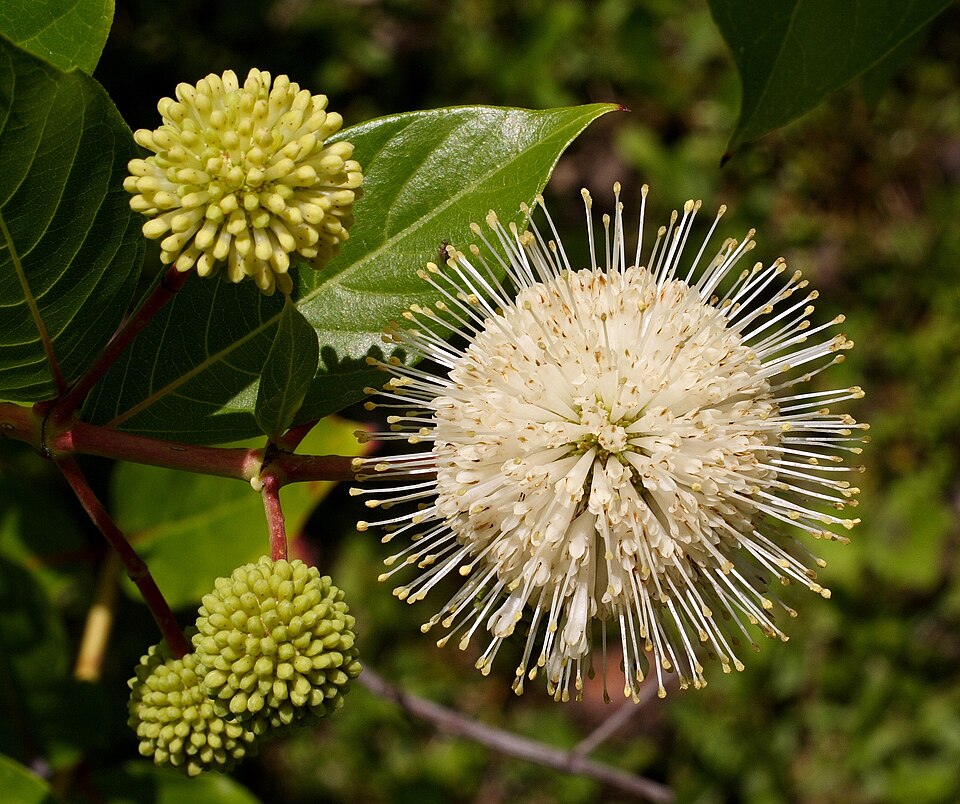
At a glance
- Life cycle
- Perennial
- Leaves
- Deciduous
- Bloom
- March to July
- Fruiting season
- Summer
Recorded in 65 Alabama counties.
Natural habitats
Places it grows wild. Not a planting requirement. Each habitat page lists the plants and wildlife also found there.

Streams, rivers and their banks
Flowing water and its banks, bars and rocky shoals.
Also found with this plant
Wildlife whose habitat models include habitats this plant grows in, in Alabama. Shared habitat, not food. 202 animals.
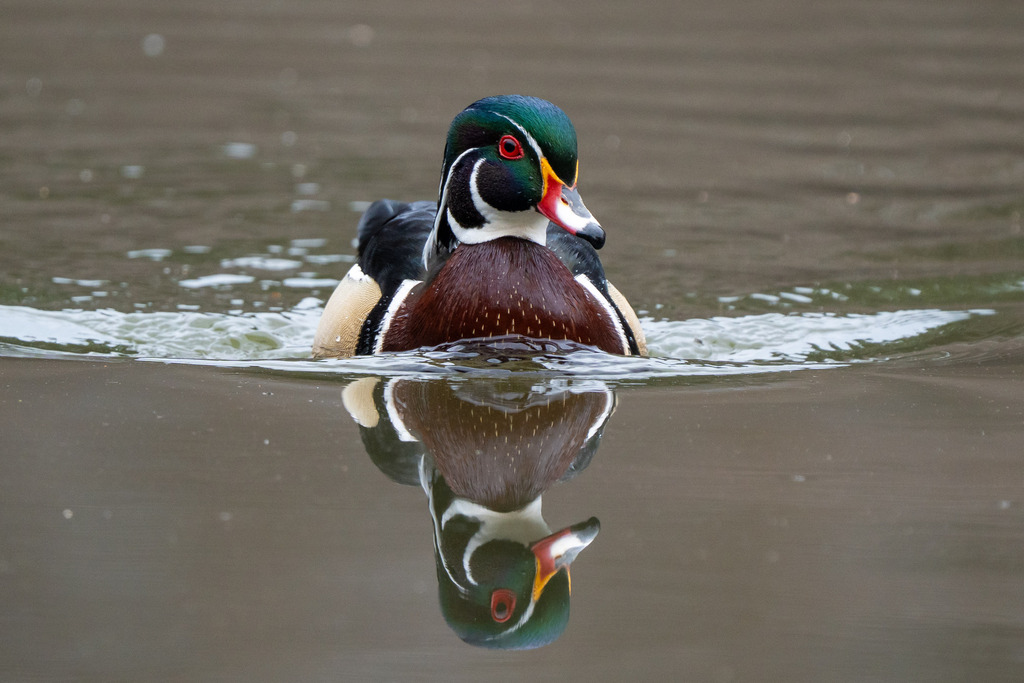
- Wood DuckAix sponsa
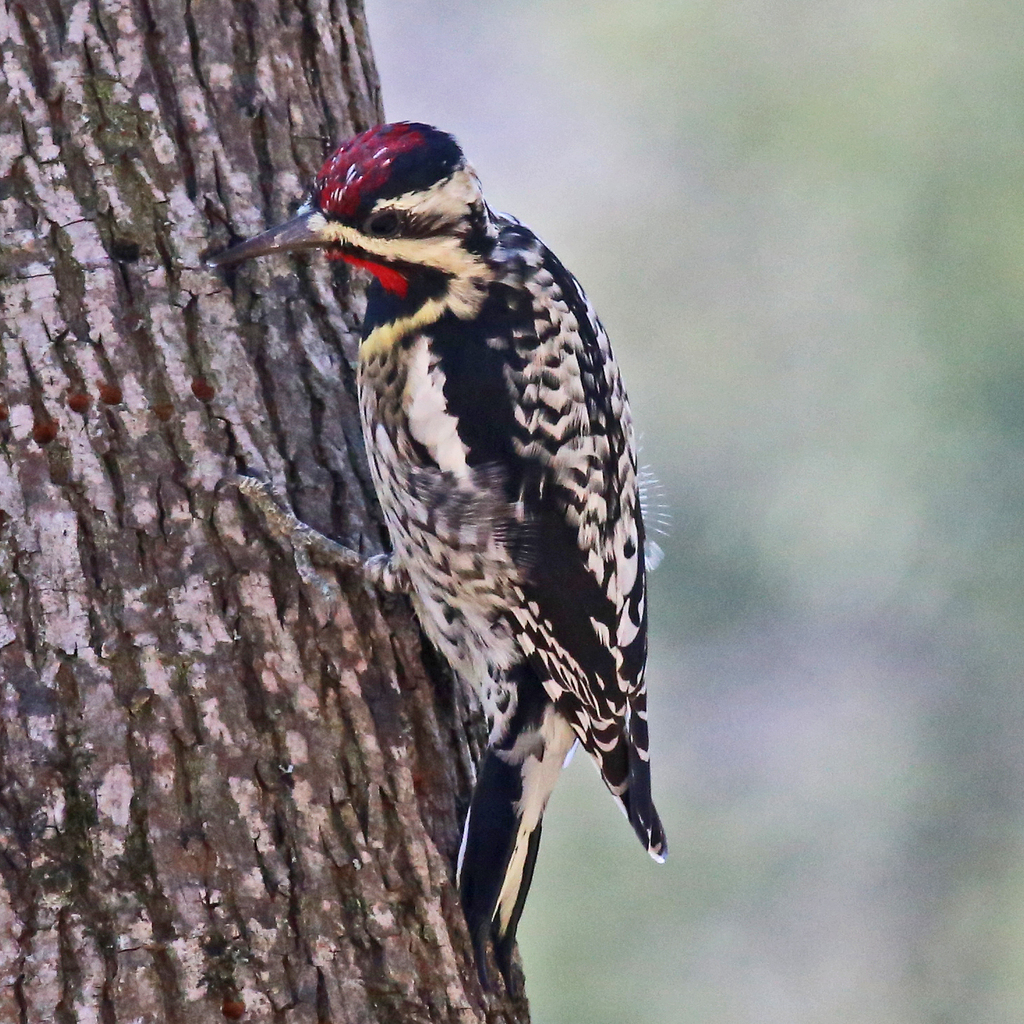
- Yellow-bellied SapsuckerSphyrapicus varius
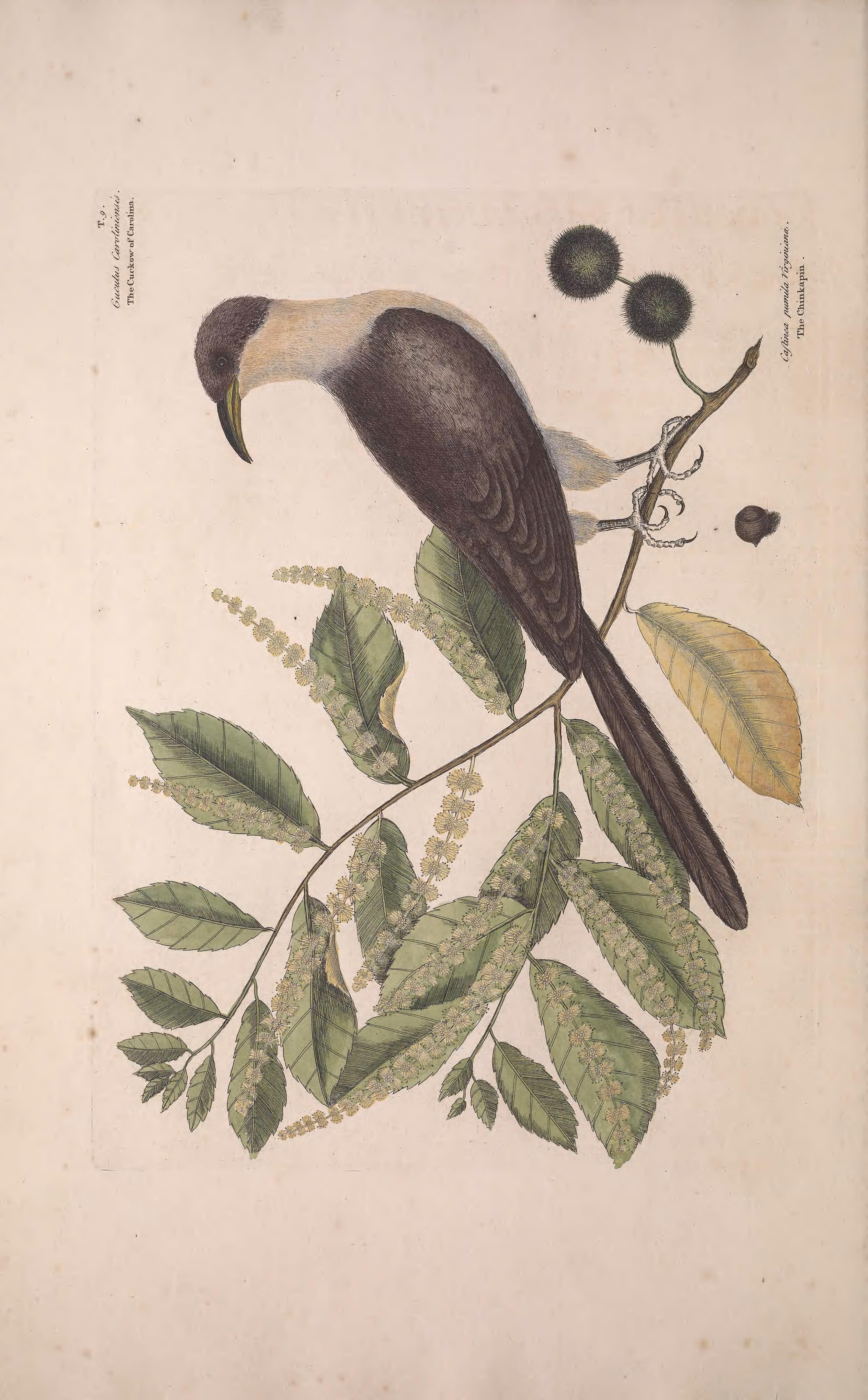
- Yellow-billed CuckooCoccyzus americanus
- Acadian FlycatcherEmpidonax virescens
- American RedstartSetophaga ruticilla
- Bald EagleHaliaeetus leucocephalus
- Barred OwlStrix varia
- Black VultureCoragyps atratus
- Brown CreeperCerthia americana
- Carolina WrenThryothorus ludovicianus
- Common YellowthroatGeothlypis trichas
- Eastern PhoebeSayornis phoebe
- Eastern Wood-peweeContopus virens
- Fish CrowCorvus ossifragus
- Great Blue HeronArdea herodias
- Great Crested FlycatcherMyiarchus crinitus
- Hermit ThrushCatharus guttatus
- Least FlycatcherEmpidonax minimus
- MallardAnas platyrhynchos
- Northern ParulaParula americana
- Orchard OrioleIcterus spurius
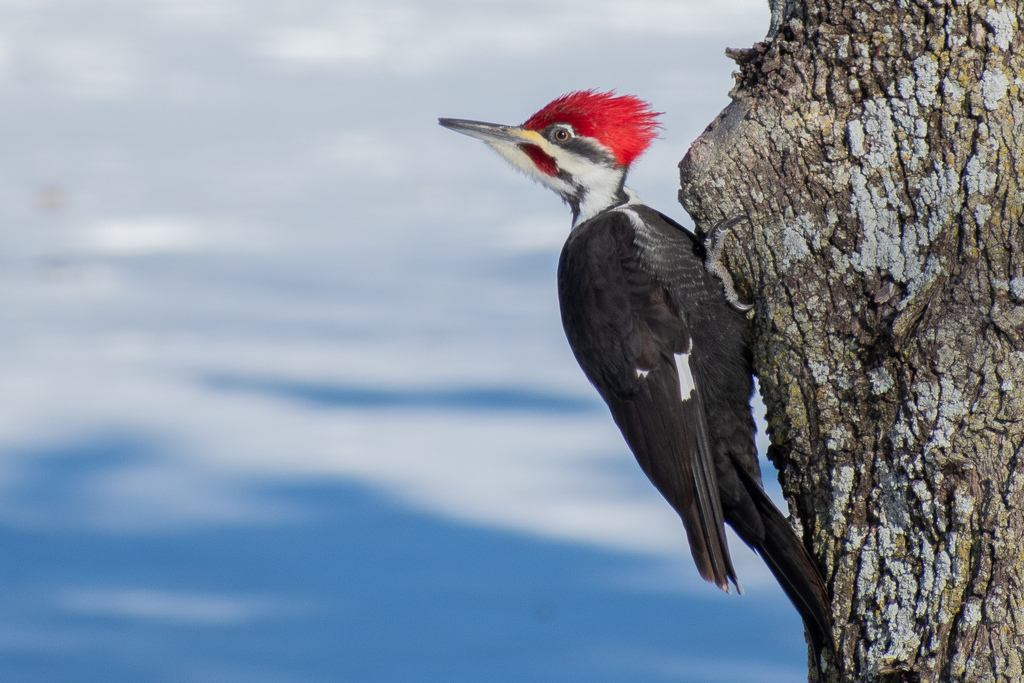
- Pileated WoodpeckerDryocopus pileatus
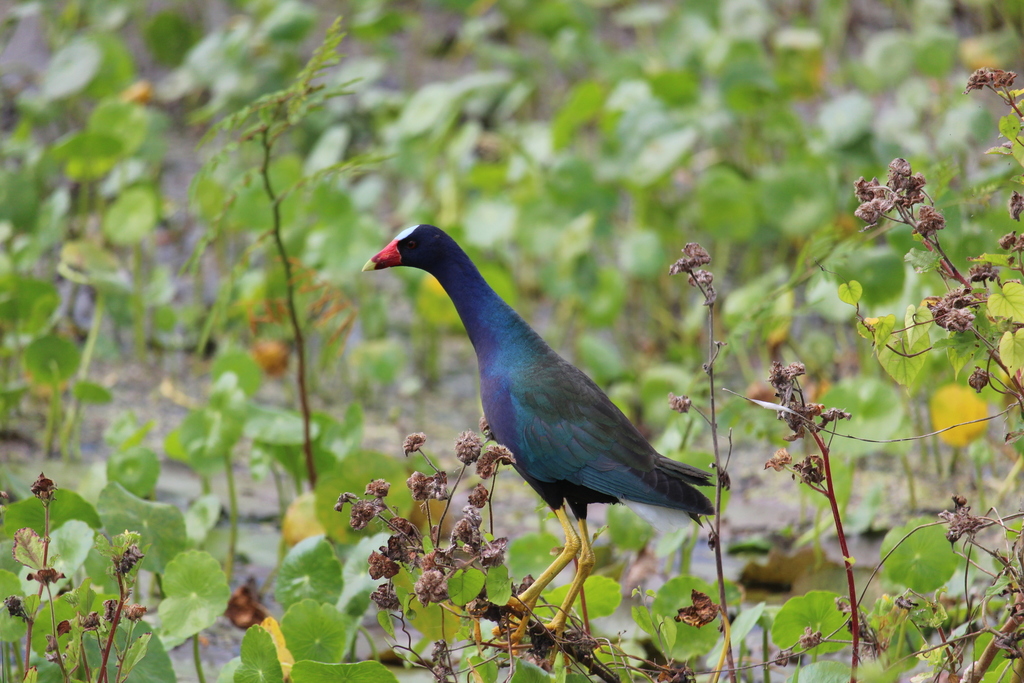
- Purple GallinulePorphyrio martinica
- Red-bellied WoodpeckerMelanerpes carolinus




















Care
- Keep the soil consistently moist to wet.
Who uses this plant?
 26CaterpillarsGenus host records with ranges including AL
Genus host records with ranges including AL · Cephalanthus
- Acharia stimuleaSaddleback Caterpillar Moth
- Acronicta oblinitaSmeared Dagger
- Aellopos titanTitan Sphinx
- Automeris ioIo Moth
- Callosamia prometheaPromethea Silkmoth, Promethea Moth
- Cerma cerinthaTufted Bird-Dropping Moth, Cherry Agate
- Citheronia regalisRoyal Walnut Moth, Hickory Horned Devil
- Darapsa versicolorHydrangea Sphinx
- Estigmene acreaSalt Marsh Moth, Acrea Moth
- Eudryas grataBeautiful Wood-Nymph
Show all 26
- Eupithecia miserulataCommon Eupithacia, Common Pug
- Harrisimemna trisignataHarris's Three-Spot
- Hyalophora cecropiaCecropia Silkmoth, Cecropia Moth
- Hyphantria cuneaFall Webworm
- Iridopsis defectariaBrown-Shaded Gray, Willow Looper
- Ledaea perditalisLost Owlet, 3-Stripe Cephalanthus caterpillar, Buttonbush Owlet
- Machimia tentoriferellaGold-Striped Leaftier Moth
- Melanomma auricinctariaGold-Lined Melanomma
- Mompha cephalonthiellaButtonbush Leafminer
- Orgyia definitaDefinite Tussock Moth
- Orgyia leucostigmaWhite-Marked Tussock Moth
- Papaipema furcataAsh-Tip Borer
- Platynota flavedanaBlack-Shaded Platynota
- Schizura ipomaeaeMorning-Glory Prominent, Checkered-Fringe Prominent
- Xylophanes tersaTersa Sphinx
- Mompha solomoni
 23BeesSoutheastern regional records
Southeastern regional records · Cephalanthus
Individual names are not available yet.
Noori, Seltmann & Orr 2026, A curated and integrated dataset for exploring global bee-plant interactions (GloBI), Zenodo, CC BY 4.0 0Specialist beesPollen specialists
 2BirdsRecorded genus food-resource interactions; not a state feeding claim
Recorded genus food-resource interactions; not a state feeding claim · Cephalanthus
- Aix sponsaWood Duck
- Gallinula galeataCommon Gallinule
Direct food only: birds recorded eating this genus across North America. Caterpillars on host plants also feed nesting birds. NC Native Plant Society: butterfly gardening
Beetles 1
- Trichius piger
Flower visits · Carlinville, Illinois, USA
Flies 9
- Eristalis latifrons
- Eristalis tenax
- Musca domestica
- Physocephala texana
- Physocephala tibialis
- Scepsis fulvicollis
- Sphaerophoria cylindrica
- Volucella evecta
- Volucella vesiculosa
Flower visits · Carlinville, Illinois, USA
Adult butterflies / moths 14
- Anosia plexippus
- Argynnis cybele
- Atrytone delaware
- Cercyonis alope
- Limochores taumas
- Papilio asterias
- Phyciodes tharos
- Pontia protodice
- Thanaos juvenalis
- Thorybes bathyllus
Show all 14
- Vanessa atalanta
- Vanessa cardui
- Vanessa huntera
- Zerene caesonia
Flower visits · Carlinville, Illinois, USA
Other wasps 2
- Leionotus arvensis
- Sphex nigricans
Flower visits · Carlinville, Illinois, USA
No records yet · Ants · Other insects
Plant details
- Family
- Rubiaceae
- Hardiness
- Zones 5–9
- Soil pH
- Neutral
- Flower color
- White
- Growth rate
- Moderate
- Growth habit
- Several stems
- Foliage color
- Green
- Fruit begins
- Summer
- Fruit ends
- Summer
Safety has not been reviewed for this plant; check toxicity and thorns before planting.
Growing sources and scope
- Bloom · “March to July” · Weakley, Flora of the Southeastern United States (2025), Carolinas & Georgia edition (ranked first; USDA PLANTS, Prairie Moon 2026 Cultural Guide differ) · Carolinas and Georgia
- Flower color · “White” · USDA PLANTS (ranked first; Lady Bird Johnson Wildflower Center differs) · Nationwide species characteristics; local growing conditions may vary
- Foliage color · “Green” · USDA PLANTS · Nationwide species characteristics; local growing conditions may vary
- Fruit begins · “Summer” · NC Extension Plant Toolbox (ranked first; USDA PLANTS differs) · Species profile fruit display season; not a local ripening date
- Fruit ends · “Summer” · NC Extension Plant Toolbox (ranked first; USDA PLANTS differs) · Species profile fruit display season; not a local ripening date
- Growth habit · “Several stems” · USDA PLANTS · Nationwide species characteristics; local growing conditions may vary
- Growth rate · “Moderate” · USDA PLANTS · Nationwide species characteristics; local growing conditions may vary
- Hardiness · “Zones 5–9” · Missouri Botanical Garden Plant Finder
- Height · “About 15 feet” · USDA PLANTS (ranked first; Lady Bird Johnson Wildflower Center, Missouri Botanical Garden Plant Finder, Prairie Moon 2026 Cultural Guide differ) · Nationwide species characteristics; local growing conditions may vary
- Leaves · “Deciduous” · Lady Bird Johnson Wildflower Center
- Leaf retention · “Deciduous” · USDA PLANTS · Nationwide species characteristics; local growing conditions may vary
- Life cycle · “Perennial” · Lady Bird Johnson Wildflower Center
- Light · “Full sun” · Tennessee Smart Yards (ranked first; Virginia DCR Piedmont, Virginia DCR Coastal Plain, Lady Bird Johnson Wildflower Center, Missouri Botanical Garden Plant Finder, Prairie Moon 2026 Cultural Guide differ) · Published Tennessee growing guidance; exact cached scientific heading
- Soil · “wet to moderately wet” · Tennessee Smart Yards (ranked first; Virginia DCR Piedmont, Virginia DCR Coastal Plain, Lady Bird Johnson Wildflower Center, Missouri Botanical Garden Plant Finder, Prairie Moon 2026 Cultural Guide differ) · Published Tennessee growing guidance; exact cached scientific heading
- Soil pH · “Neutral” · Lady Bird Johnson Wildflower Center
- Spread · “4–8 feet” · Missouri Botanical Garden Plant Finder
Conservation status
| Alabama rank | SNR |
|---|---|
| Global rank | G5 |
| AL status | Not verified |
| Federal status | Not verified |
Will it fit your yard?
Check this plant against your county, sun and soil moisture. Conditions are checked in your browser.
Sources
- Alabama Plant Atlas
- USDA PLANTS
- Vascular Plants of North Carolina (NC Natural Heritage Program)
- Weakley, Flora of the Southeastern United States (2025)
- Shropshire & Tallamy 2025, Lepidoptera of North America north of Mexico, ZooKeys 1261 (ODbL)
- Noori, Seltmann & Orr 2026, A curated and integrated dataset for exploring global bee-plant interactions (GloBI), Zenodo, CC BY 4.0
- Smith, Bachelder, Russell, Morales, Mosher & Seltmann 2024, Bee-Specialization-Modeling v0.6.1 (specialist host table compiled from J. Fowler's pollen specialist bee lists), Zenodo, CC BY 4.0
- Hurlbert, Olsen, Sawyer & Winner 2021, Avian Diet Database, Scientific Data 8: 260 (CC0)
- Narango, Tallamy & Shropshire 2020, Few keystone plant genera support the majority of Lepidoptera species, Nature Communications