

Gray's Sedge
Carex grayi
Found in bottomland forests, tidal swamps. Weakley, Flora of the Southeastern United States (2025), South Central edition What its natural habitat tells you
Native to Alabama. How scores work Is it native here?
Profile 100%
- Height
- 2–3 feet
- Spread
- 17–24 inches
- Light
- Full sun, Partial shade
- Soil moisture
- Usually moist
Space about 1.5 ft apart from its recorded spread, about 44 per 100 sq ft. Enter your bed size for a count
Will it fit your yard?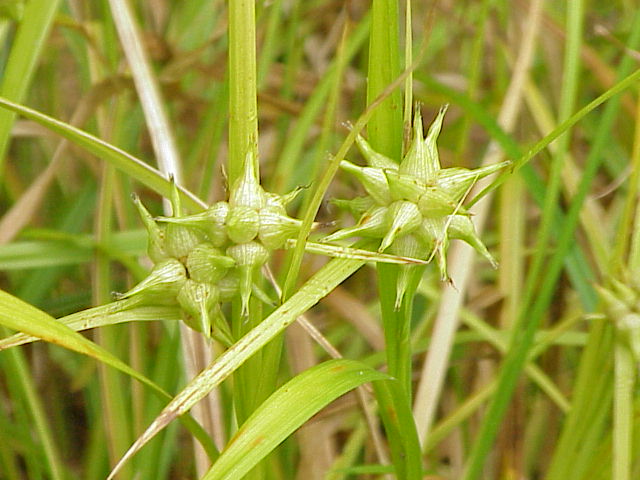
At a glance
- Life cycle
- Perennial
- Bloom
- Late spring
- Fruiting season
- Summer
Not yet recorded · Leaves
Recorded in 30 Alabama counties.
Natural habitats
Places it grows wild. Not a planting requirement. Each habitat page lists the plants and wildlife also found there.
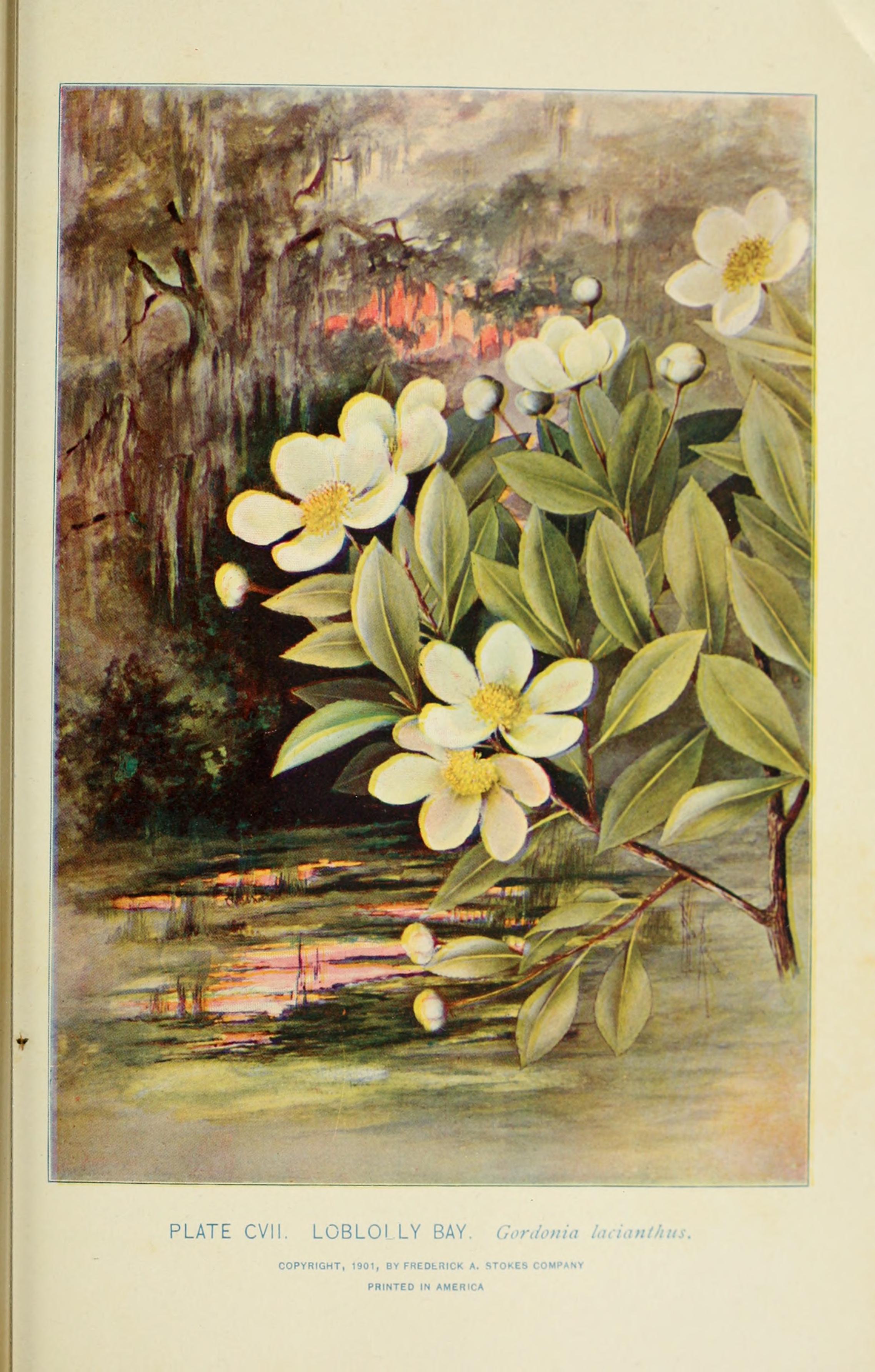
Floodplain and bottomland forests
Forests on low ground beside rivers and streams that flood from time to time.
Also found with this plant
Wildlife whose habitat models include habitats this plant grows in, in Alabama. Shared habitat, not food. 124 animals.
- Yellow-billed CuckooCoccyzus americanus
- Yellow-breasted ChatIcteria virens
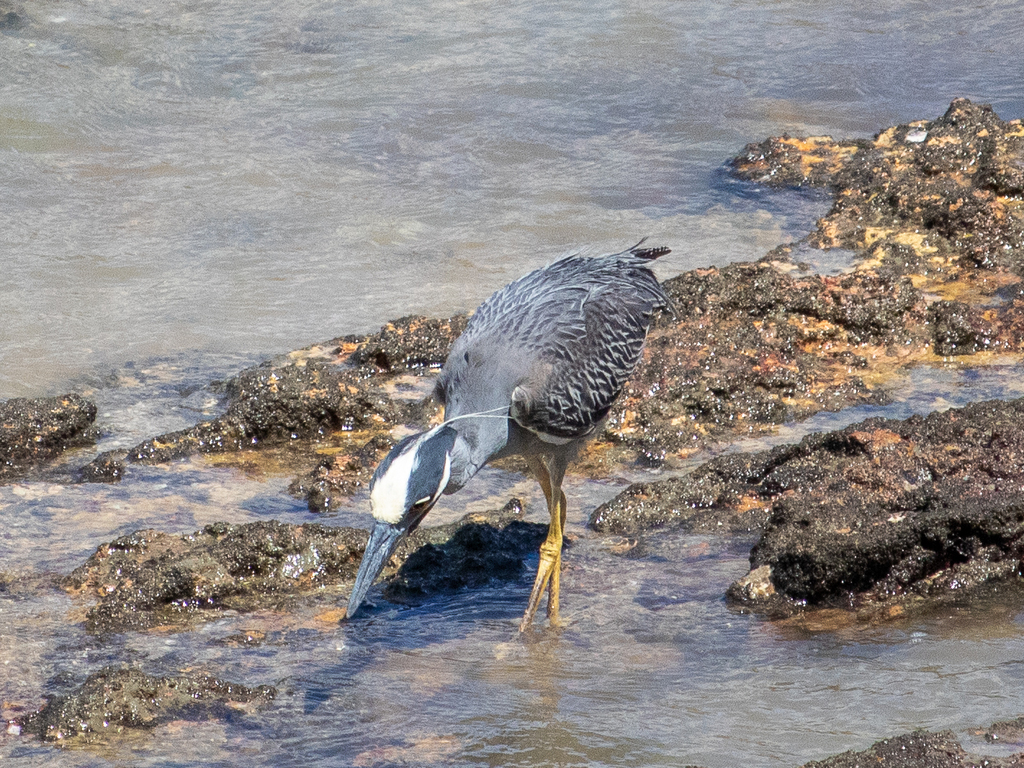
- Yellow-crowned Night-heronNyctanassa violacea
- Yellow-rumped WarblerDendroica coronata
- American CrowCorvus brachyrhynchos
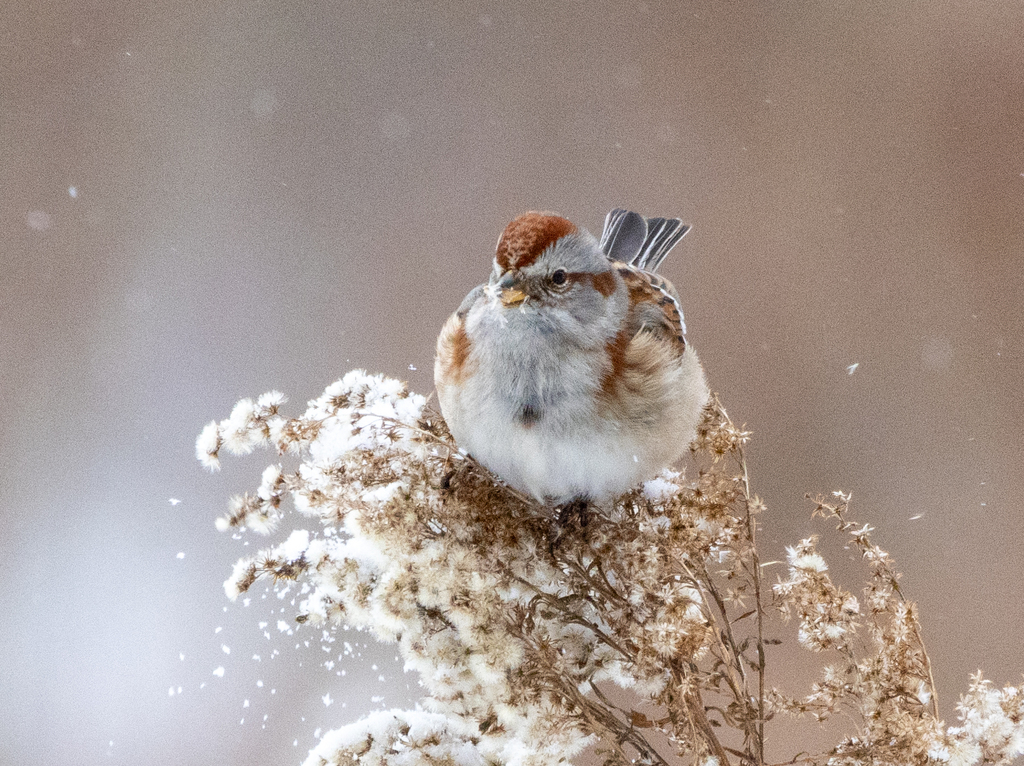
- American Tree SparrowSpizella arborea
- American WoodcockScolopax minor
- Baltimore OrioleIcterus galbula
- Barred OwlStrix varia
- Black VultureCoragyps atratus
- Black-throated Blue WarblerDendroica caerulescens
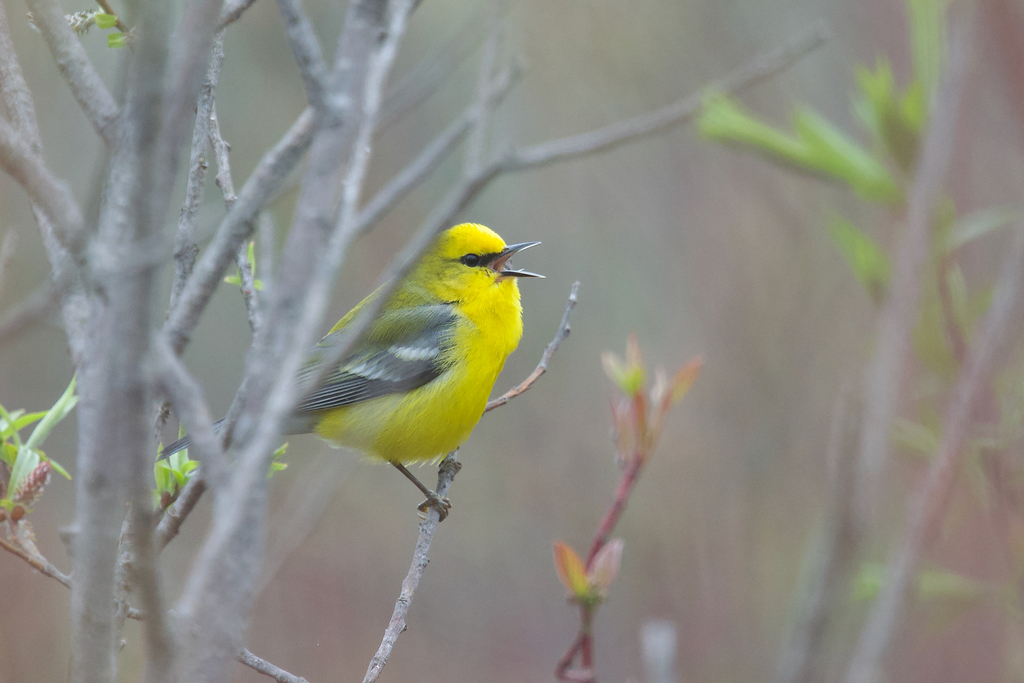
- Blue-winged WarblerVermivora pinus
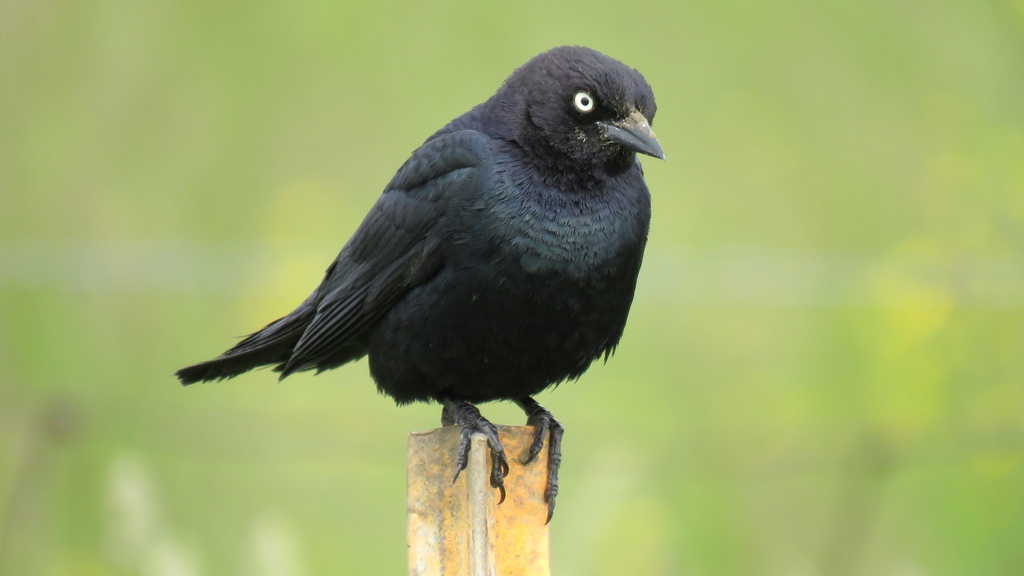
- Brewer's BlackbirdEuphagus cyanocephalus
- Broad-winged HawkButeo platypterus
- Brown ThrasherToxostoma rufum
- Canada GooseBranta canadensis
- Carolina ChickadeePoecile carolinensis
- Chipping SparrowSpizella passerina
- Common GrackleQuiscalus quiscula
- Eastern TowheePipilo erythrophthalmus
- Eastern Wood-peweeContopus virens
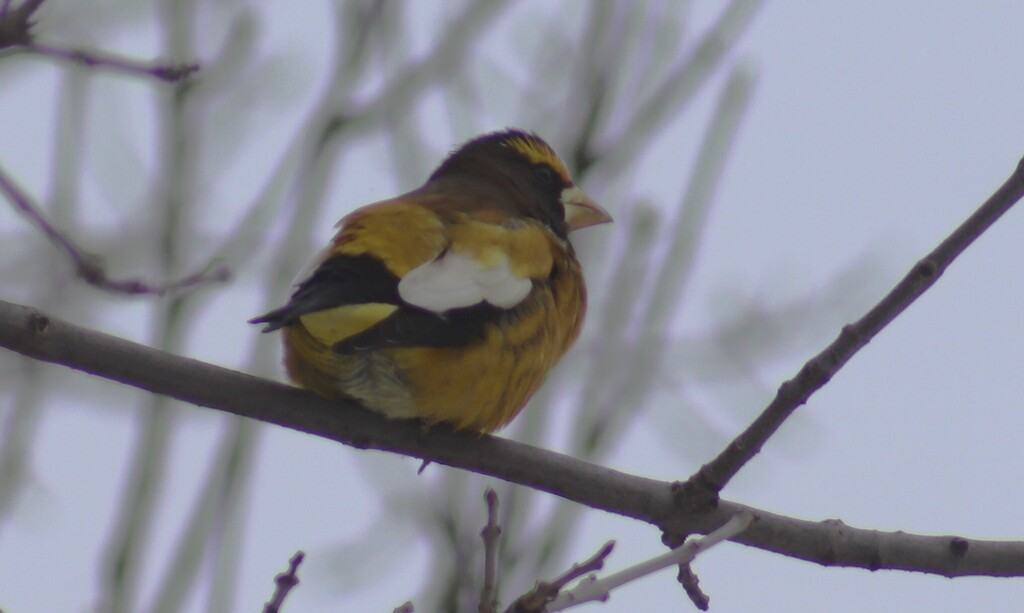
- Evening GrosbeakCoccothraustes vespertinus
- Fish CrowCorvus ossifragus
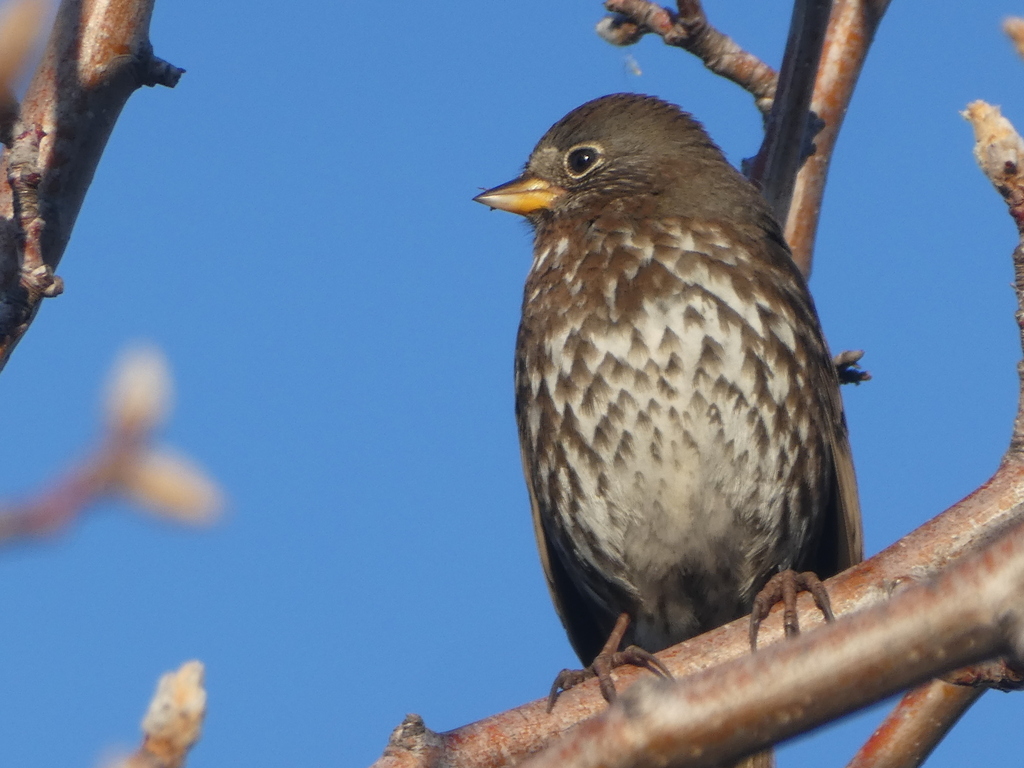
- Fox SparrowPasserella iliaca



















Care
- Keep the soil moist; avoid letting it dry out.
Care sources
Who uses this plant?
 19CaterpillarsGenus host records with ranges including AL
Genus host records with ranges including AL · Carex
- Acronicta insularisHenry's Marsh Moth, Cattail Caterpillar
- Amolita roseolaPink Sedge Moth, Rosy Grass Moth
- Anatrytone loganDelaware Skipper, Logan Skipper, Black-Vein Skipper
- Cercyonis pegalaCommon Wood Nymph
- Deltote belliculaBurnished Bog Moth, Bog Deltote, Bog Lithacodia
- Euphyes dionDion Skipper, Sedge Skipper
- Euphyes dukesiDukes' Skipper
- Euphyes vestrisDun Skipper, Dun Sedge Skipper, Sedge Witch)\
- Hesperia leonardusLeonard's Skipper, Blazing Star Skipper, Pawnee Prairie Skipper, Pawnee Montane Skipper
- Lethe appalachiaAppalachian Brown, Appalachian Eyed Brown
Show all 19
- Leucania phragmitidicolaNeedle Wainscot, Phragmites Wainscot
- Maliattha synochitisBlack-Dotted Lithacodia, Black-Dotted Glyph, Brass-Dotted Grass Moth
- Meropleon diversicolorMulticolored Sedgeminer
- Neonympha areolataGeorgia Satyr, Helicta Satyr
- Papaipema nebrisStalk Borer
- Poanes viatorBroad-Winged Skipper
- Pseudeustrotia carneolaPink-Barred Lithacodia, Pink-Barred Pseudeustrotia
- Spodoptera frugiperdaFall Armyworm Moth
- Cosmopterix ebriola
 1BeesSoutheastern regional records
Southeastern regional records · Carex
Individual names are not available yet.
Noori, Seltmann & Orr 2026, A curated and integrated dataset for exploring global bee-plant interactions (GloBI), Zenodo, CC BY 4.0 0Specialist beesPollen specialists
 50BirdsRecorded genus food-resource interactions; not a state feeding claim
Recorded genus food-resource interactions; not a state feeding claim · Carex
- Acanthis flammeaCommon Redpoll
- Agelaius phoeniceusRed-winged Blackbird
- Ammospiza leconteiiLeConte's Sparrow
- Anas acutaNorthern Pintail
- Anas creccaGreen-winged Teal
- Anas platyrhynchosMallard
- Anas rubripesAmerican Black Duck
- Anser albifronsGreater White-fronted Goose
- Anser caerulescensSnow Goose
- Anser rossiiRoss's Goose
Show all 50
- Anthus rubescensAmerican Pipit
- Anthus spragueiiSprague's Pipit
- Bonasa umbellusRuffed Grouse
- Branta canadensisCanada Goose
- Calcarius lapponicusLapland Longspur
- Calcarius ornatusChestnut-collared Longspur
- Calcarius pictusSmith's Longspur
- Callipepla californicaCalifornia Quail
- Cardinalis cardinalisNorthern Cardinal
- Centrocercus urophasianusGreater Sage-Grouse
- Colinus virginianusNorthern Bobwhite
- Cygnus buccinatorTrumpeter Swan
- Cygnus columbianusTundra Swan
- Dendragapus obscurusDusky Grouse
- Falcipennis canadensisSpruce Grouse
- Fulica americanaAmerican Coot
- Haemorhous mexicanusHouse Finch
- Junco hyemalisDark-eyed Junco
- Lagopus lagopusWillow Ptarmigan
- Lagopus leucuraWhite-tailed Ptarmigan
- Lagopus mutaRock Ptarmigan
- Leucosticte atrataBlack Rosy-Finch
- Mareca americanaAmerican Wigeon
- Meleagris gallopavoWild Turkey
- Melospiza melodiaSong Sparrow
- Molothrus aterBrown-headed Cowbird
- Pheucticus ludovicianusRose-breasted Grosbeak
- Pinicola enucleatorPine Grosbeak
- Pipilo maculatusSpotted Towhee
- Plectrophenax nivalisSnow Bunting
- Pooecetes gramineusVesper Sparrow
- Porzana carolinaSora
- Rallus limicolaVirginia Rail
- Rhynchophanes mccowniiMcCown's Longspur
- Spatula discorsBlue-winged Teal
- Spinus psaltriaLesser Goldfinch
- Spizella passerinaChipping Sparrow
- Spizelloides arboreaAmerican Tree Sparrow
- Zonotrichia atricapillaGolden-crowned Sparrow
- Zonotrichia leucophrysWhite-crowned Sparrow
Direct food only: birds recorded eating this genus across North America. Caterpillars on host plants also feed nesting birds. NC Native Plant Society: butterfly gardening
No records yet · Ants · Beetles · Flies · Adult butterflies / moths · Other wasps · Other insects
Plant details
- Family
- Cyperaceae
- Hardiness
- Zones 5a–9b
- Soil pH
- Acidic to neutral
- Flower color
- Green
- Growth rate
- Slow
- Growth habit
- Grows in clumps
- Foliage color
- Green
- Fruit begins
- Summer
- Fruit ends
- Summer
Safety has not been reviewed for this plant; check toxicity and thorns before planting.
Growing sources and scope
- Bloom · “Late spring” · USDA PLANTS (ranked first; Prairie Moon 2026 Cultural Guide differs) · Nationwide species characteristics; local growing conditions may vary
- Flower color · “Green” · NC Extension Plant Toolbox
- Foliage color · “Green” · USDA PLANTS · Nationwide species characteristics; local growing conditions may vary
- Fruit begins · “Summer” · NC Extension Plant Toolbox (ranked first; USDA PLANTS differs) · Species profile fruit display season; not a local ripening date
- Fruit ends · “Summer” · NC Extension Plant Toolbox (ranked first; USDA PLANTS differs) · Species profile fruit display season; not a local ripening date
- Growth habit · “Grows in clumps” · USDA PLANTS · Nationwide species characteristics; local growing conditions may vary
- Growth rate · “Slow” · USDA PLANTS · Nationwide species characteristics; local growing conditions may vary
- Hardiness · “Zones 5a–9b” · NC Extension Plant Toolbox
- Height · “2–3 feet” · NC Extension Plant Toolbox (ranked first; USDA PLANTS, Prairie Moon 2026 Cultural Guide differ)
- Life cycle · “Perennial” · NC Extension Plant Toolbox
- Light · “Full sun (6 or more hours of direct sunlight a day); Partial shade (direct sunlight only part of the day, 2-6 hours)” · NC Extension Plant Toolbox (ranked first; Prairie Moon 2026 Cultural Guide differs)
- Soil · “Moist; Occasionally wet” · NC Extension Plant Toolbox (ranked first; Tennessee Smart Yards, Prairie Moon 2026 Cultural Guide differ)
- Soil pH · “Acidic to neutral” · NC Extension Plant Toolbox
- Spread · “17–24 inches” · NC Extension Plant Toolbox
Also known as
Grays Sedge
Conservation status
| Alabama rank | SNR |
|---|---|
| Global rank | G4 |
| AL status | Not verified |
| Federal status | Not verified |
Will it fit your yard?
Check this plant against your county, sun and soil moisture. Conditions are checked in your browser.
Growing cautions
- Spreads slowly. Spreads slowly by seed and slowly by rhizomes. Tennessee Smart Yards
For planning only; these do not change the score or Fit.
Sources
- Alabama Plant Atlas
- USDA PLANTS
- Vascular Plants of North Carolina (NC Natural Heritage Program)
- Weakley, Flora of the Southeastern United States (2025), Carolinas & Georgia edition
- Shropshire & Tallamy 2025, Lepidoptera of North America north of Mexico, ZooKeys 1261 (ODbL)
- Noori, Seltmann & Orr 2026, A curated and integrated dataset for exploring global bee-plant interactions (GloBI), Zenodo, CC BY 4.0
- Smith, Bachelder, Russell, Morales, Mosher & Seltmann 2024, Bee-Specialization-Modeling v0.6.1 (specialist host table compiled from J. Fowler's pollen specialist bee lists), Zenodo, CC BY 4.0
- Hurlbert, Olsen, Sawyer & Winner 2021, Avian Diet Database, Scientific Data 8: 260 (CC0)
- Narango, Tallamy & Shropshire 2020, Few keystone plant genera support the majority of Lepidoptera species, Nature Communications