

Alligator-weed
Alternanthera philoxeroides
Found in floating in mats on the surface of the waters of blackwater rivers, sloughs, ditches, ponds, and in very moist soil of ditches and shores. Weakley, Flora of the Southeastern United States (2025), South Central edition What its natural habitat tells you
Not native to Alabama. How scores work Is it native here?
Profile 82%
- Height
- About 2.4 inches
- Light
- Full sun, Partial shade
- Soil moisture
- Moist to standing water
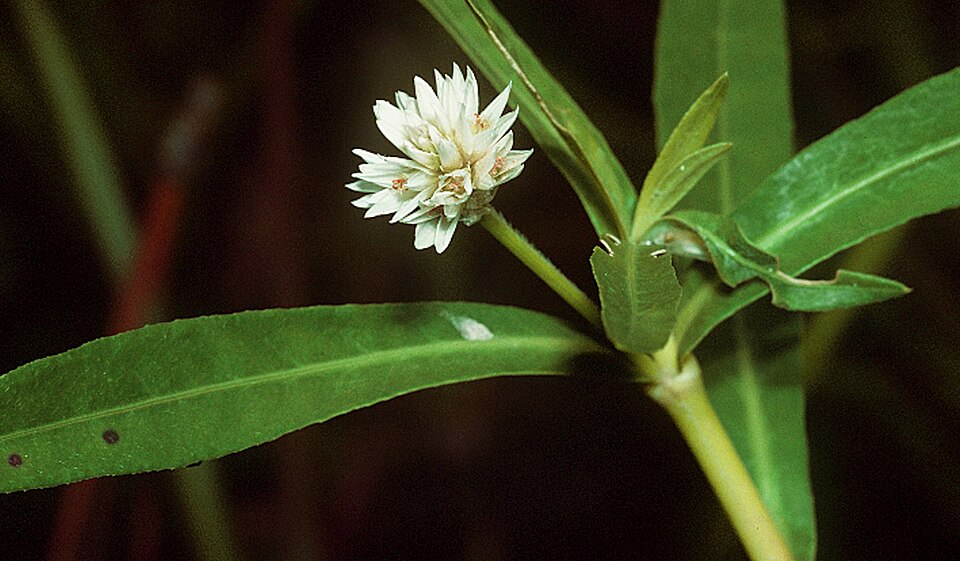
Do not plant. Listed invasive in Alabama.
Plant this instead
Choose your county to list local plants first.
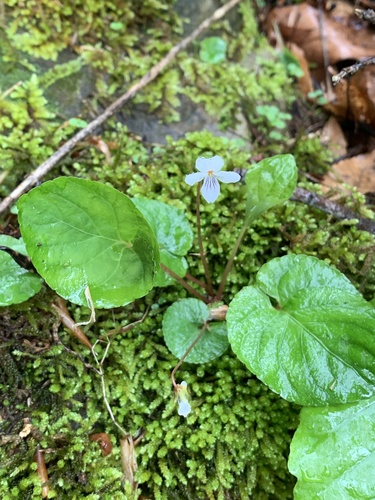
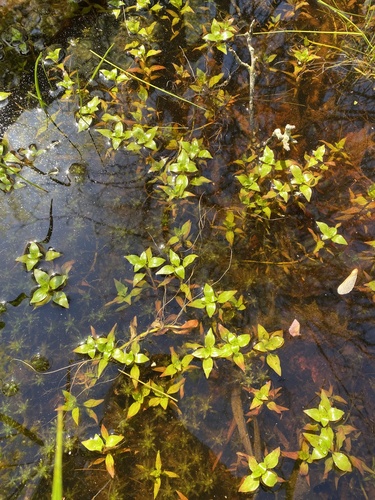
- Manyflower Marsh-pennywortHydrocotyle umbellata
Similar growth form, evergreen or deciduous, bloom season
No recorded swaps for this county. Try the garden finder.
At a glance
- Life cycle
- Perennial
- Bloom
- March to October
- Fruiting season
- Spring to summer
Not yet recorded · Spread · Leaves
Recorded in 49 Alabama counties.
Natural habitats
Places it grows wild. Not a planting requirement. Each habitat page lists the plants and wildlife also found there.

Streams, rivers and their banks
Flowing water and its banks, bars and rocky shoals.
Roadsides, fields and disturbed ground
Ground opened by people: roadsides, old fields, pastures, fencerows and lots.
Also found with this plant
Wildlife whose habitat models include habitats this plant grows in, in Alabama. Shared habitat, not food. 110 animals.
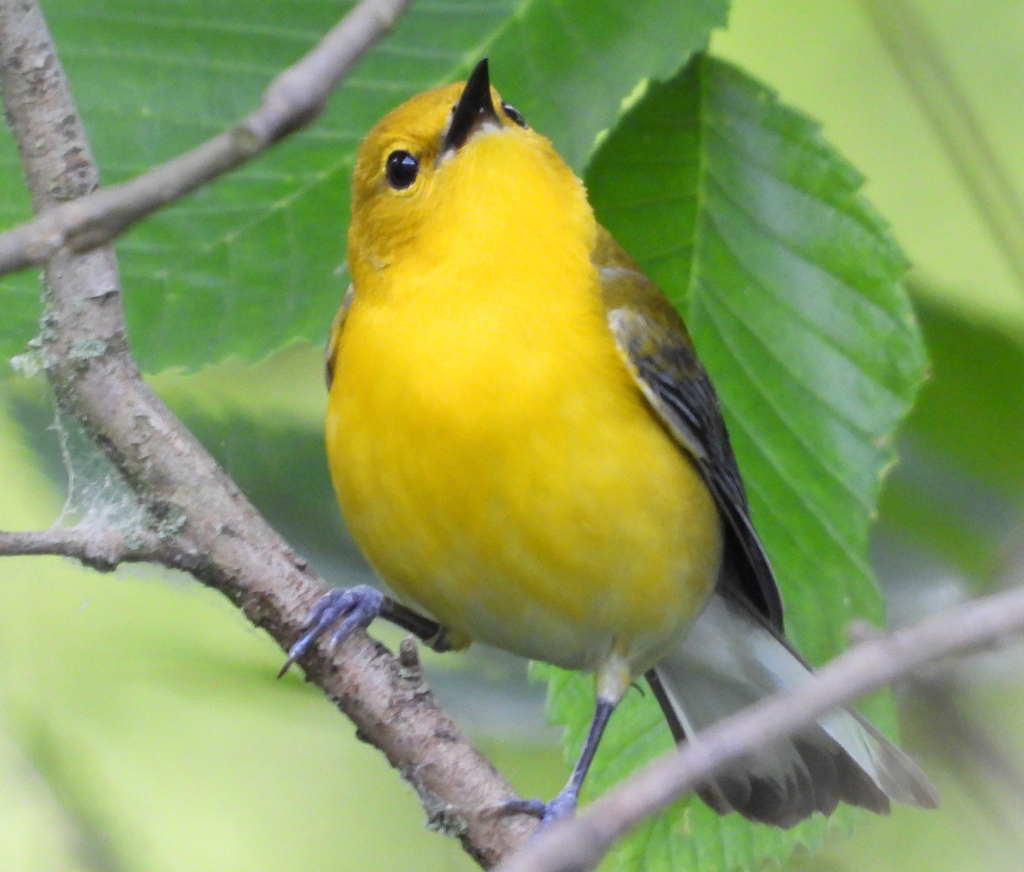
- Prothonotary WarblerProtonotaria citrea
- Purple FinchCarpodacus purpureus
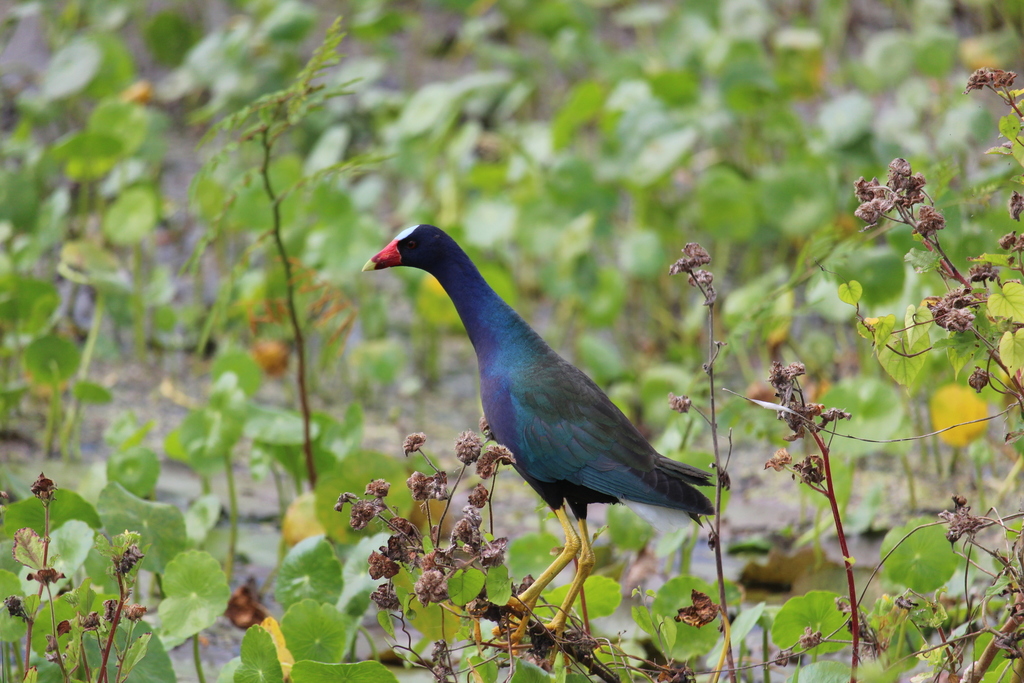
- Purple GallinulePorphyrio martinica
- Red-bellied WoodpeckerMelanerpes carolinus
- Red-breasted NuthatchSitta canadensis
- Red-headed WoodpeckerMelanerpes erythrocephalus
- Red-shouldered HawkButeo lineatus
- Red-tailed HawkButeo jamaicensis
- Red-winged BlackbirdAgelaius phoeniceus
- Ruby-crowned KingletRegulus calendula
- Ruby-throated HummingbirdArchilochus colubris
- Rusty BlackbirdEuphagus carolinus
- Scarlet TanagerPiranga olivacea
- Sharp-shinned HawkAccipiter striatus
- Snowy EgretEgretta thula
- Song SparrowMelospiza melodia
- Spotted SandpiperActitis macularius
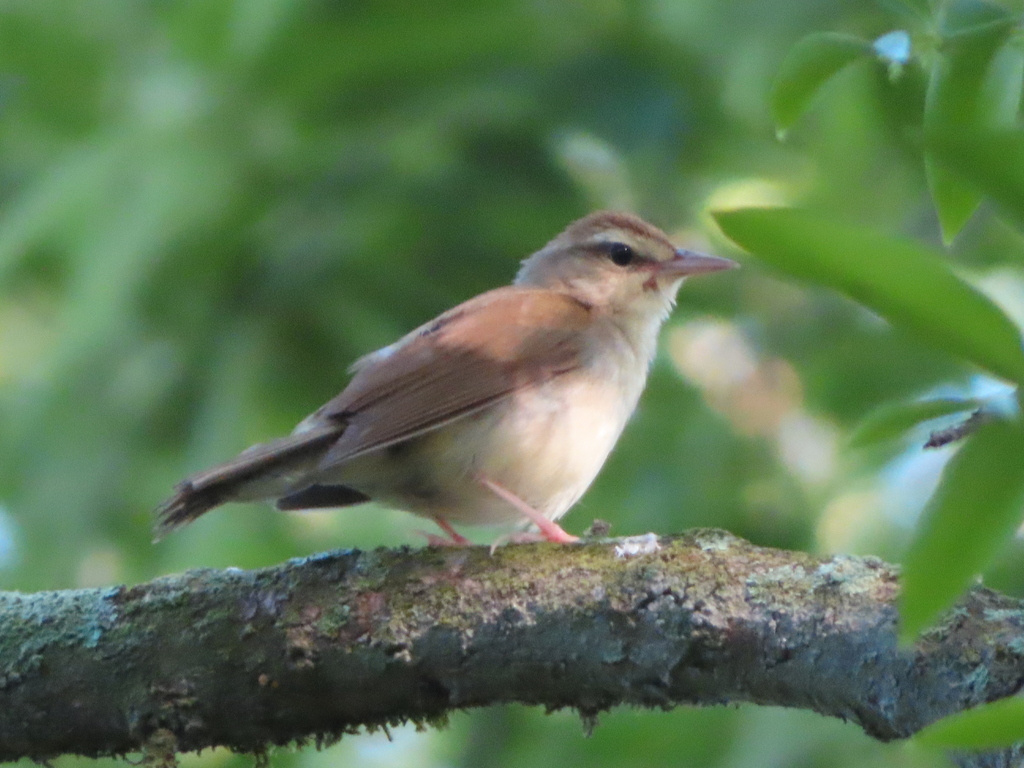
- Swainson's WarblerLimnothlypis swainsonii
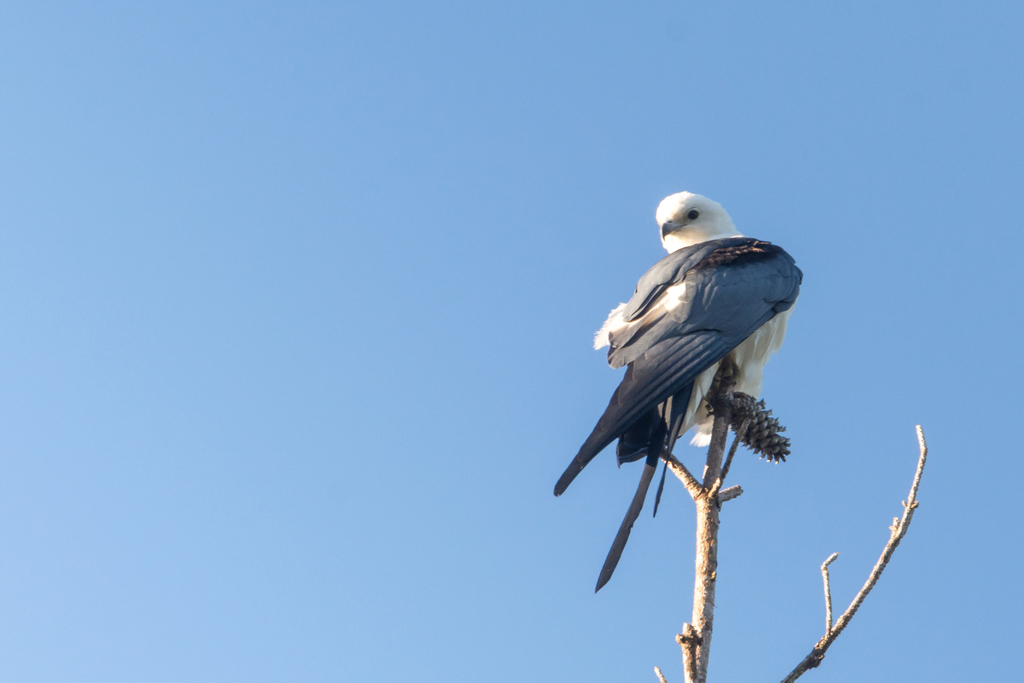
- Swallow-tailed KiteElanoides forficatus
- Tree SwallowTachycineta bicolor
- Tufted TitmouseBaeolophus bicolor
- Turkey VultureCathartes aura
- White-breasted NuthatchSitta carolinensis
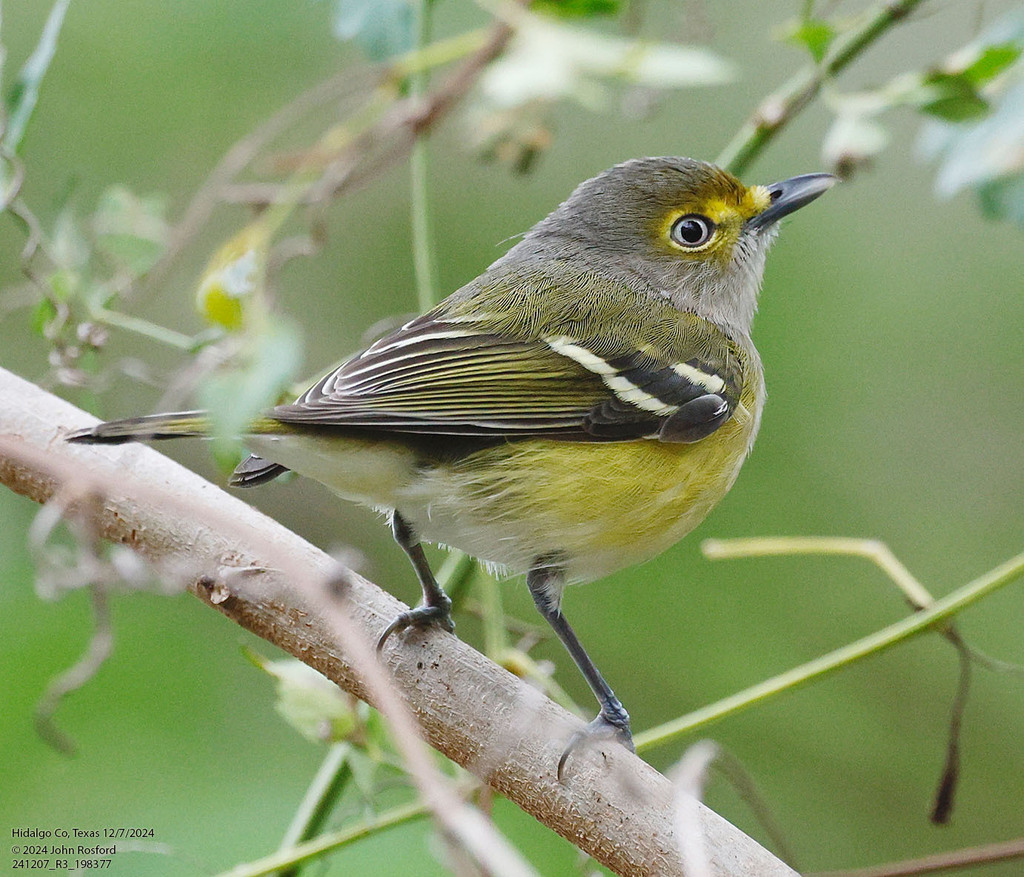
- White-eyed VireoVireo griseus




















Who uses this plant?
 7CaterpillarsGenus host records with ranges including AL
Genus host records with ranges including AL · Alternanthera
- Herpetogramma bipunctalisSouthern Beet Webworm, Two-Spotted Herpetogramma
- Hymenia perspectalisSpotted Beet Webworm
- Macrorrhinia endonepheleReddish Macrorrhinia/Alligatorweed Stem Borer Moth
- Spodoptera frugiperdaFall Armyworm Moth
- Spodoptera ornithogalliYellow-Striped Armyworm Moth, Cotton Cutworm
- Spoladea recurvalisHawaiian Beet Webworm
- Staphylus hayhurstiiHayhurst's Scallopwing, Scalloped Sooty Wing, Scalloped Sootywing
 —BeesSoutheastern regional records
 —Specialist beesPollen specialists
 —BirdsRecorded genus food-resource interactions; not a state feeding claim
Plant details
- Family
- Amaranthaceae
- Hardiness
- Zones 7a–10b
- Flower color
- White
- Growth rate
- Rapid
- Growth habit
- Spreads by runners
- Foliage color
- Green
- Fruit begins
- Spring
- Fruit ends
- Summer
Safety has not been reviewed for this plant; check toxicity and thorns before planting.
Growing sources and scope
- Bloom · “March to October” · Weakley, Flora of the Southeastern United States (2025), Carolinas & Georgia edition (ranked first; USDA PLANTS differs) · Carolinas and Georgia
- Flower color · “White” · NC Extension Plant Toolbox
- Foliage color · “Green” · USDA PLANTS · Nationwide species characteristics; local growing conditions may vary
- Fruit begins · “Spring” · USDA PLANTS · Nationwide species characteristics; local growing conditions may vary
- Fruit ends · “Summer” · USDA PLANTS · Nationwide species characteristics; local growing conditions may vary
- Growth habit · “Spreads by runners” · USDA PLANTS · Nationwide species characteristics; local growing conditions may vary
- Growth rate · “Rapid” · USDA PLANTS · Nationwide species characteristics; local growing conditions may vary
- Hardiness · “Zones 7a–10b” · NC Extension Plant Toolbox
- Height · “About 2.4 inches” · USDA PLANTS · Nationwide species characteristics; local growing conditions may vary
- Life cycle · “Perennial” · NC Extension Plant Toolbox
- Light · “Full sun (6 or more hours of direct sunlight a day); Partial shade (direct sunlight only part of the day, 2-6 hours)” · NC Extension Plant Toolbox
- primary_flower_color · “white” · USDA PLANTS
- Soil · “Frequent standing water; Moist; Occasionally wet” · NC Extension Plant Toolbox
Also known as
Alligator Weed
Conservation status
| Alabama rank | SNA |
|---|---|
| Global rank | GNR |
| AL status | Not verified |
| Federal status | Not verified |
Sources
- Alabama Plant Atlas
- Alabama Invasive Plant Council list
- USDA PLANTS
- Weakley, Flora of the Southeastern United States (2025), Carolinas & Georgia edition
- NatureServe Explorer
- Shropshire & Tallamy 2025, Lepidoptera of North America north of Mexico, ZooKeys 1261 (ODbL)
- Noori, Seltmann & Orr 2026, A curated and integrated dataset for exploring global bee-plant interactions (GloBI), Zenodo, CC BY 4.0
- Smith, Bachelder, Russell, Morales, Mosher & Seltmann 2024, Bee-Specialization-Modeling v0.6.1 (specialist host table compiled from J. Fowler's pollen specialist bee lists), Zenodo, CC BY 4.0
- Hurlbert, Olsen, Sawyer & Winner 2021, Avian Diet Database, Scientific Data 8: 260 (CC0)
- Narango, Tallamy & Shropshire 2020, Few keystone plant genera support the majority of Lepidoptera species, Nature Communications